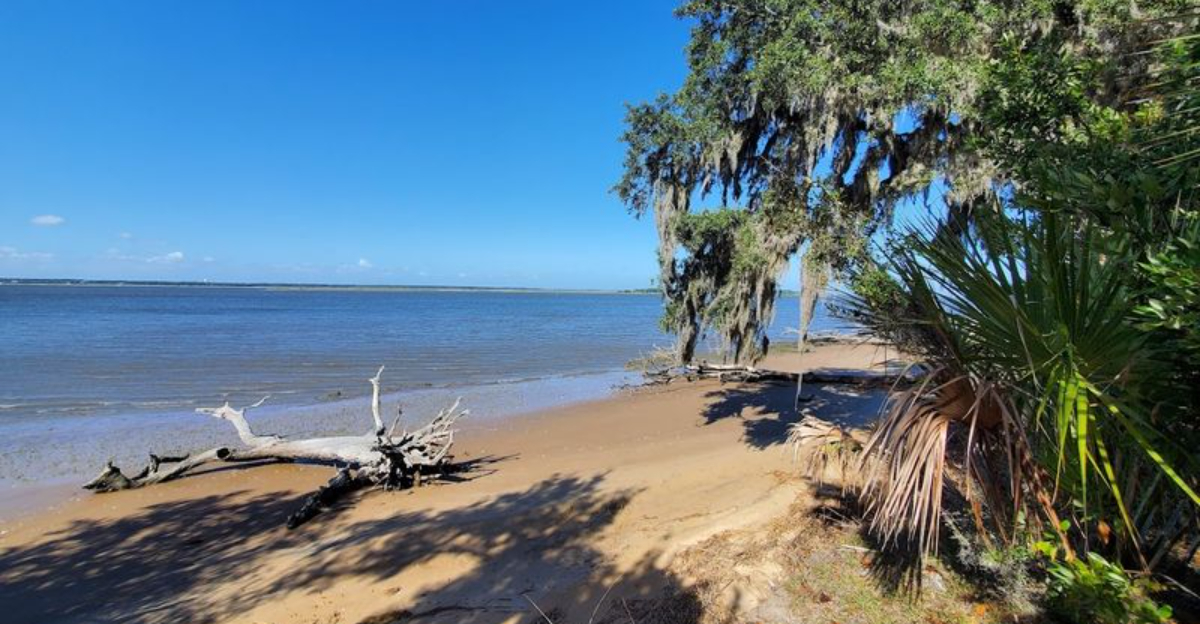
Georgia’s coastline is hiding some of the prettiest beaches in the South — and most people drive right past them.
Far from the crowded boardwalks and packed resort towns, these secret stretches of sand feel wild, quiet, and almost untouched. Think driftwood forests rising from the shore, dolphins cutting through the tide, and beaches so empty it feels like you stumbled onto your own private island.
Some take a ferry. Some take a kayak.
A few take a little extra effort.
That’s part of the magic.
From remote barrier islands where wild horses roam free to tucked-away coves with jaw-dropping sunset views, Georgia’s hidden beaches prove you don’t need flashy crowds for a memorable coastal escape. These are the places where the ocean feels bigger, the skies stretch wider, and every step in the sand feels like discovering something special.
Cumberland Island National Seashore
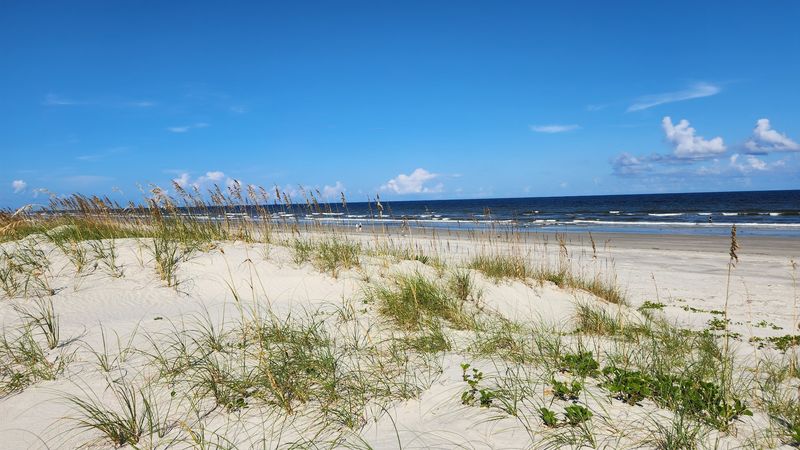
Wild horses wander freely across this massive barrier island, creating scenes you won’t find anywhere else along Georgia’s coast. Cumberland Island feels frozen in time, where nature rules and human development takes a back seat.
The island stretches for miles with untouched beaches, towering dunes, and maritime forests that seem to whisper stories from centuries past.
Getting here requires a ferry ride, which automatically filters out the casual beach-goer looking for parking lot access. That remoteness is exactly what makes it special.
Once you arrive, you can walk for hours without seeing another person, collecting shells and watching dolphins play in the surf.
The island’s trails wind through different ecosystems, but the beaches remain the main attraction. Sunrise paints the empty shoreline in gold and pink, while sunset turns the western marshes into a watercolor masterpiece.
Pack everything you need because there are no snack bars or souvenir shops here—just pure, unspoiled Georgia coast.
Driftwood Beach
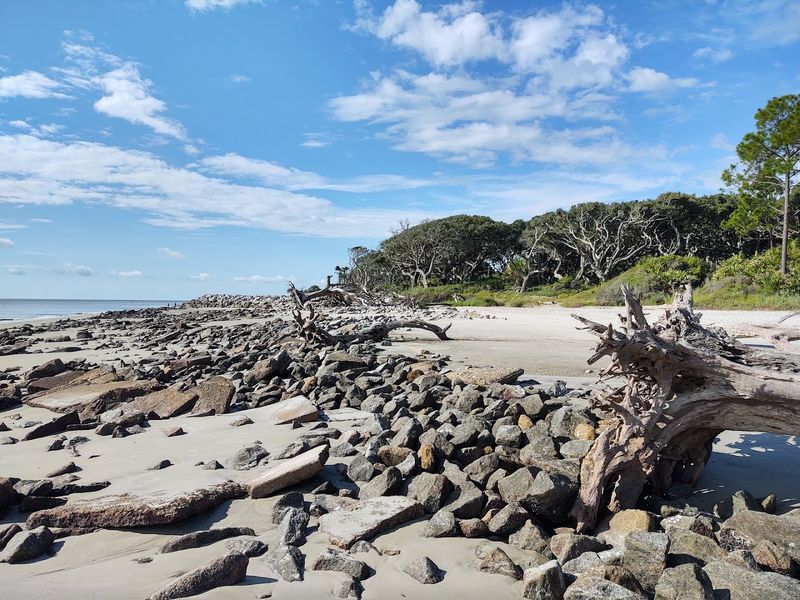
Imagine walking through a graveyard of trees that the ocean has turned into art. Driftwood Beach looks like something from a fantasy movie, with massive bleached logs and twisted tree skeletons scattered across the sand.
The salt and sun have stripped these fallen giants down to silvery bones, creating one of the most photographed spots on Georgia’s entire coastline.
Jekyll Island’s northern tip holds this natural wonder, where erosion has toppled maritime forest trees onto the beach. Instead of clearing them away, nature has been allowed to work its magic.
Photographers arrive before dawn to catch the sunrise lighting up this eerie landscape, turning ordinary morning light into something magical.
Kids love climbing on the driftwood formations while adults snap countless photos. The beach changes with every storm, as waves rearrange the wooden sculptures into new configurations.
Low tide reveals even more treasures, including tidal pools trapped between the logs where small fish and crabs hide from hungry birds above.
Back River Beach
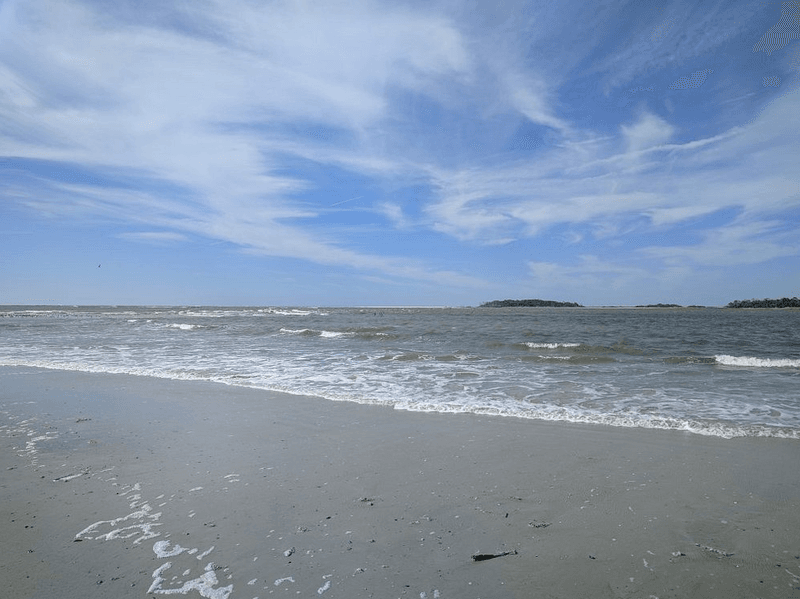
Forget the crowded oceanfront—this quieter side of Tybee Island offers something completely different. Back River Beach faces west toward the river and marshlands rather than the Atlantic, which means gentler waves and spectacular sunset views.
Families with small children appreciate the calmer water, while dolphin watchers bring their cameras hoping to catch these playful mammals during their evening feeding.
The beach sits away from the main tourist strip, so you’ll share the sand with locals who’ve known about this spot for generations. Colorful marsh grasses frame the view, bending in the breeze like dancers.
During low tide, tiny fiddler crabs emerge by the hundreds, creating a living carpet across the exposed mud.
Bring a kayak or paddleboard and you can explore the winding tidal creeks that branch off from the main river. The water stays relatively shallow and protected, making it ideal for beginners.
As evening approaches, the sky explodes in oranges and purples that reflect off the calm water, creating twice the beauty.
Little Tybee Island
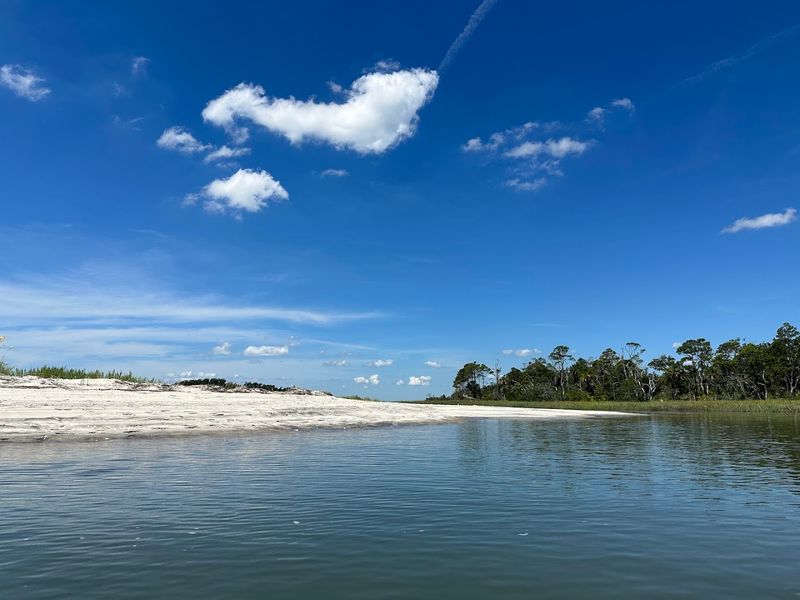
No bridges connect to this island, no parking lots pave its shores, and that’s exactly the point. Little Tybee Island remains one of Georgia’s true wilderness beaches, accessible only to those willing to paddle across from its bigger sister island.
The journey itself becomes part of the adventure, as you navigate tidal creeks that wind through golden spartina grass.
Once you beach your kayak or boat, the island is yours to explore. Miles of untouched sand stretch in both directions, unmarked by footprints or beach chairs.
Seabirds nest in the dunes, completely unbothered by human visitors because there are so few. The solitude here is remarkable—you might go hours without seeing another person.
Experienced kayakers love the challenge of reading the tides correctly to avoid getting stranded. The currents can be strong, and the water between the islands isn’t suitable for beginners.
But for those with the skills and equipment, this beach offers a wild coastal experience that feels more like exploring undiscovered territory than visiting a tourist destination.
Gould’s Inlet
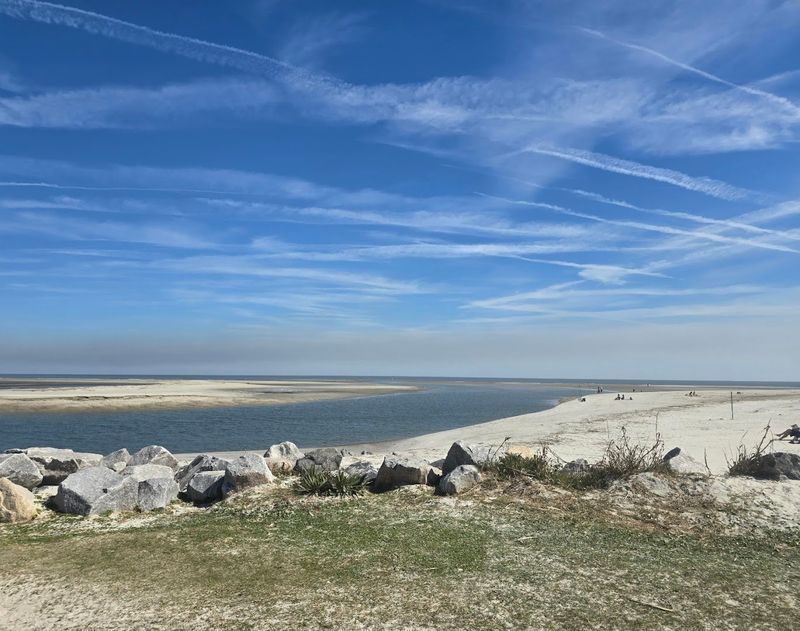
Where freshwater marsh collides with Atlantic waves, nature puts on quite a show. Gould’s Inlet occupies the southern tip of St. Simons Island, creating a dynamic environment that changes by the hour.
Strong currents carve channels through the sand, while incoming tides push saltwater deep into the marsh. It’s raw, powerful, and absolutely mesmerizing to watch.
Birdwatchers arrive early with binoculars and field guides, scanning the mudflats for rare shorebirds. This spot attracts an incredible variety of species during migration seasons, from tiny sandpipers to elegant herons.
Photographers set up tripods to capture the dramatic interplay of water, sky, and land that makes this inlet so photogenic.
The beach itself feels different from typical sandy shorelines. Shells pile up in thick ridges, and the sand stays firmer underfoot.
Swimming isn’t recommended due to unpredictable currents, but wading in the shallows during low tide reveals fascinating tidal pools. Sunrise here is particularly stunning, when pink light floods across the marsh and illuminates countless birds beginning their daily routines.
St. Andrews Beach Park
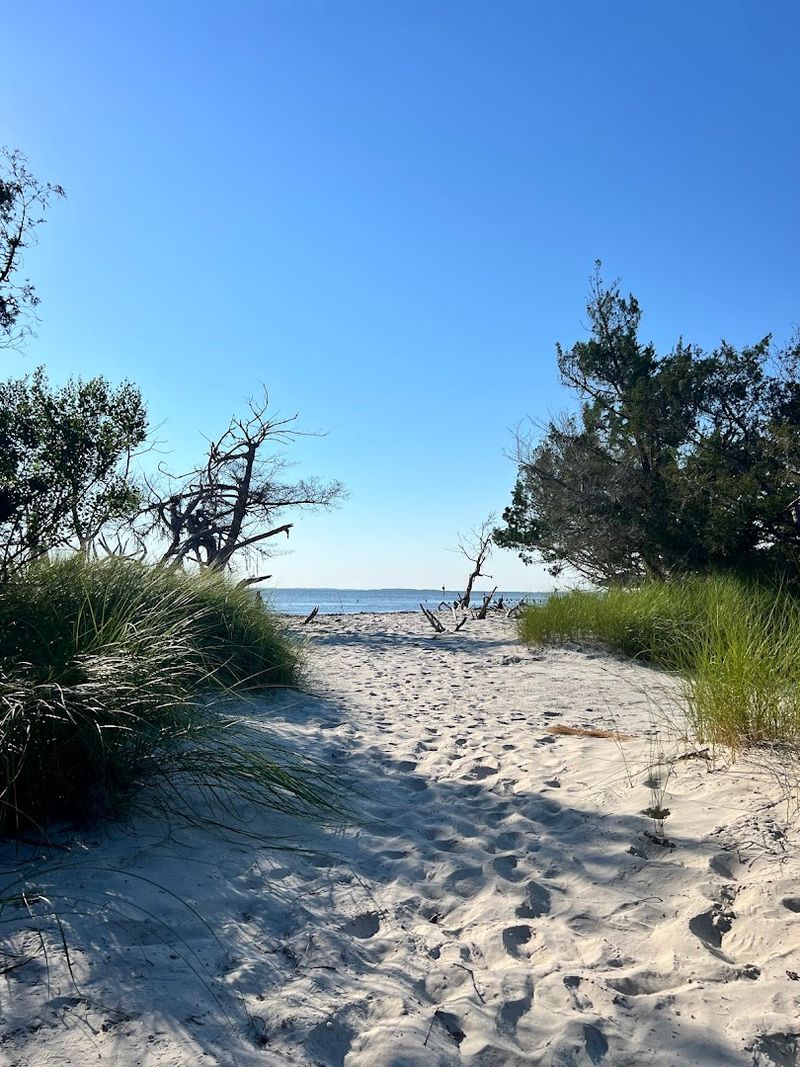
Most visitors to Jekyll Island make a beeline for Driftwood Beach, completely missing this peaceful gem just down the coast. St. Andrews Beach Park offers everything you’d want from a Georgia beach—soft sand, gentle waves, and incredible wildlife viewing—without the selfie-stick crowds.
The beach stretches wide and open, backed by protective dunes where sea oats wave in the constant coastal breeze.
Dolphins seem to love this area, frequently swimming close enough to shore that you can watch them without binoculars. Patient observers might see them feeding, playing, or traveling in family groups called pods.
The shallow water and abundant fish make this a regular feeding ground, which means excellent viewing opportunities throughout the day.
Bring a blanket and some snacks, then settle in for hours of peaceful beach time. The park provides convenient facilities without overwhelming the natural setting.
Marsh views spread out to one side, offering a different perspective than the usual ocean-only vistas. Shelling is productive here too, especially after storms when the tide deposits fresh treasures along the high-water mark.
East Beach
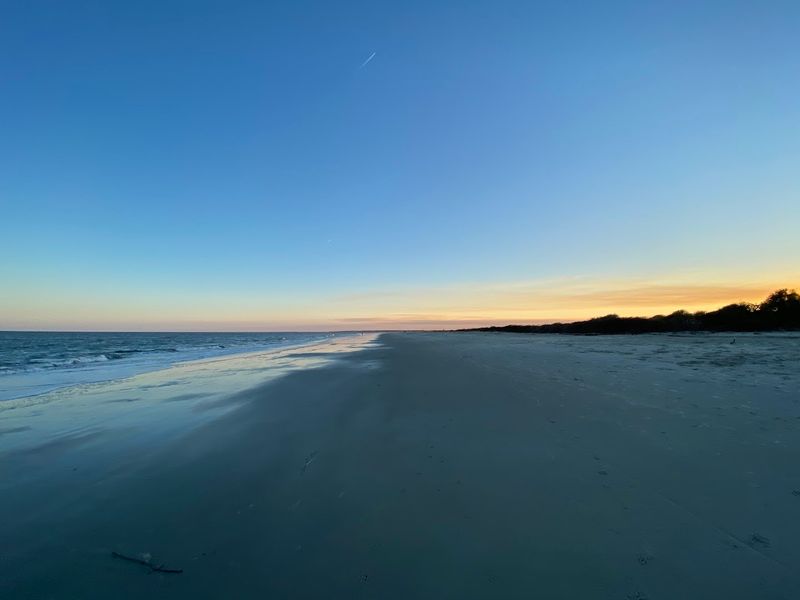
Sunrise transforms this broad stretch of coastline into something magical. East Beach lives up to its name by facing directly toward the dawn, making it the perfect spot for early risers who want to watch the sun climb from the Atlantic.
During low tide, the beach seems to go on forever as exposed sand flats create a massive natural canvas.
The gentle surf makes this beach popular with families and anyone looking for calm swimming conditions. Unlike some Georgia beaches with steep drop-offs or strong undertows, the water here slopes gradually.
Kids can wade out quite far while parents relax on shore, keeping easy watch over their splashing adventures.
Space is rarely an issue at East Beach. Even on busy summer weekends, the sheer size of the beach means you can always find a quiet spot.
Morning walks reveal all sorts of treasures—sand dollars, colorful shells, and the delicate tracks left by shorebirds searching for breakfast. The atmosphere stays peaceful and unhurried, exactly what a hidden beach should feel like even when it’s technically open to the public.
Glory Beach
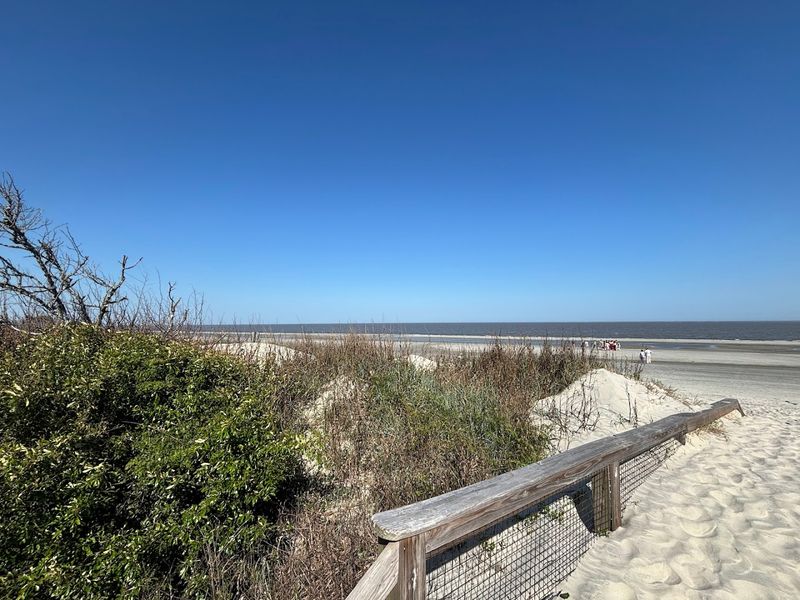
Hollywood discovered this beach first, using its dramatic dunes as the backdrop for the Civil War film Glory. Those same towering hills of sand that looked so good on camera make this spot one of Georgia’s most visually striking coastal locations.
Sea oats crown the dune tops, bending and swaying like green fountains in the constant ocean breeze.
The beach itself spreads wide between the dunes and the water, offering plenty of room to spread out. Unlike flatter beaches, the topography here creates interesting shadows and protected hollows where you can escape the wind.
Climbing to the top of the dunes rewards you with panoramic views that stretch for miles along the coastline.
Protected status means the dunes stay intact rather than being trampled flat by crowds. Wooden walkways provide access points while keeping foot traffic off the fragile sand hills.
Photographers love the ever-changing light here—midday sun creates sharp contrasts, while golden hour turns everything warm and glowing. It’s easy to see why film crews chose this location when they needed truly spectacular coastal scenery.
North Beach
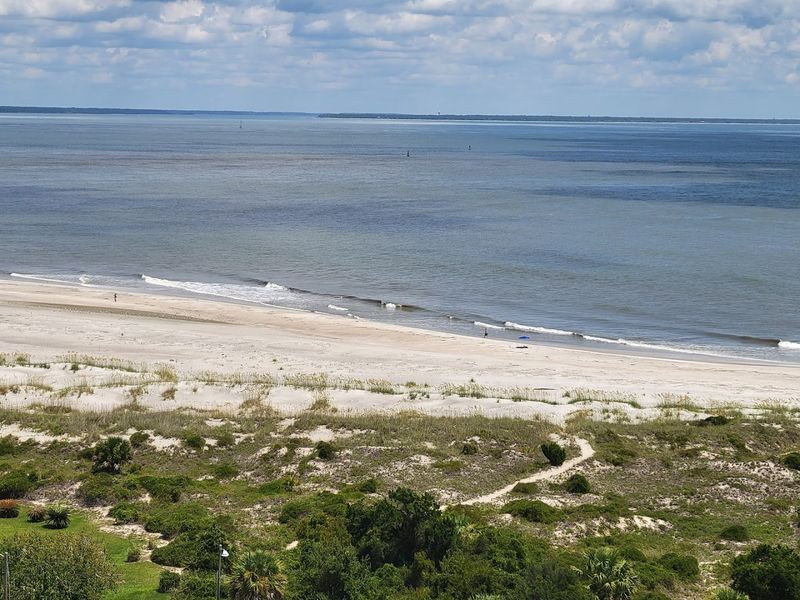
Tybee’s South Beach gets all the attention, but locals head north for good reasons. North Beach offers the same soft sand and refreshing Atlantic waves without the packed parking lots and wall-to-wall umbrellas.
The historic Tybee lighthouse stands nearby, adding a postcard-perfect element to your beach photos without even trying.
Families spread out comfortably here, able to actually hear each other talk over the sound of the surf. The more relaxed atmosphere appeals to people seeking an authentic beach day rather than a party scene.
You’ll still find all the essentials—bathroom facilities, shower stations, and nearby food options—just with more breathing room between your towel and your neighbor’s.
Beach walking is excellent along this stretch, especially during early morning or late afternoon when temperatures cool down. The lighthouse serves as a natural landmark, making it easy to remember where you left your gear when you wander down the shore.
Shelling improves the farther you walk from the main access point, rewarding those willing to put in a little extra effort with better finds.
Sapelo Island
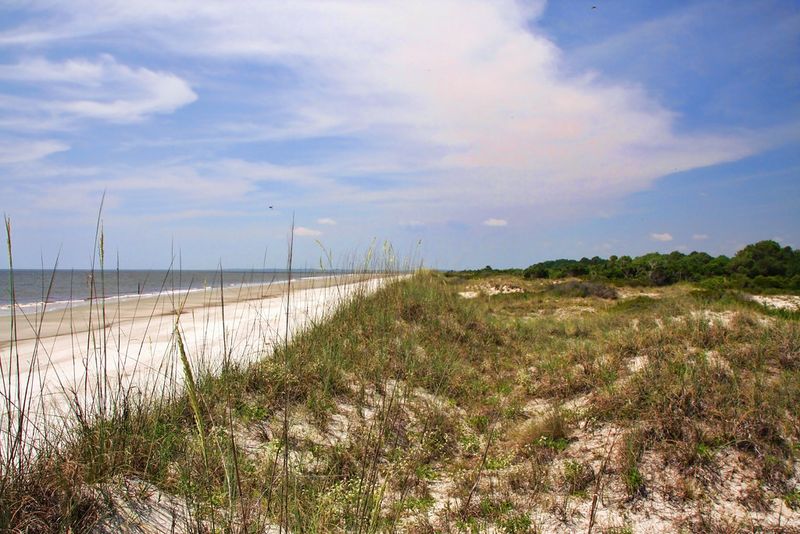
History runs deep on this protected barrier island where Gullah Geechee descendants still maintain their unique cultural traditions. Sapelo Island isn’t just about beautiful beaches—though it certainly has those—it’s about experiencing a Georgia that has largely disappeared elsewhere.
Limited ferry access keeps visitor numbers low, which has preserved both the natural environment and the cultural heritage.
The beaches here feel genuinely remote, backed by maritime forest and fronting endless Atlantic views. Unlike developed islands where hotels crowd the shoreline, Sapelo’s coast remains blissfully empty.
Walking these sands, you can imagine what all of Georgia’s coast looked like before bridges and resorts changed everything.
Guided tours share the island’s fascinating history, from Native American settlements through plantation era to the present-day Geechee community. The beaches themselves reward exploration with excellent shelling and birdwatching.
Because access is controlled, you need to plan ahead and book your ferry passage, but that small bit of extra effort pays off with an incredibly authentic and uncrowded coastal experience that’s becoming rare along the Southeast coast.
Sea Camp Beach
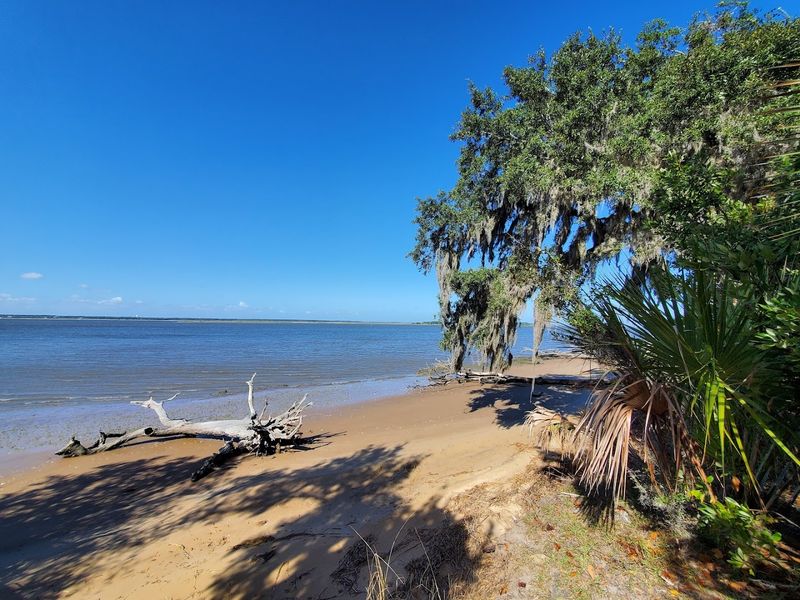
Tucked along the southern edge of Cumberland Island National Seashore, Sea Camp Beach is one of those rare places where Georgia’s coastline still feels completely wild. Reaching it takes a ferry ride and a short walk through maritime forest, which helps keep the crowds low and the scenery untouched.
Once you arrive, the beach opens into a broad stretch of soft sand framed by rolling dunes and endless Atlantic views.
What makes Sea Camp Beach stand out is the feeling of isolation paired with incredible natural beauty. It’s common to spot wild horses wandering nearby, shorebirds moving along the tide line, and even dolphins offshore if you time it right.
The waves are gentle enough for long shoreline walks, while the surrounding dunes create stunning photo-worthy coastal panoramas. Nearby, visitors can also explore historic ruins and shaded trails, adding even more depth to the experience.
For travelers searching for hidden Georgia beaches with unforgettable views, Sea Camp Beach easily earns its place among the state’s best-kept coastal secrets.