Florida doesn’t run out of beaches—it runs out of empty ones.
And the difference matters more than you think.
While the crowds pile onto the usual hotspots, a different coastline waits just out of sight—quiet sand, clear water, and that rare feeling that you’ve stumbled onto something untouched.
Some of these places take a boat ride. Others just need a little patience and a few extra miles down the road.
Either way, the reward is the same: space to breathe, water that shimmers without interruption, and shorelines that feel like they forgot to be busy.
These 15 hidden beaches prove Florida still knows how to keep a secret.
Caladesi Island State Park
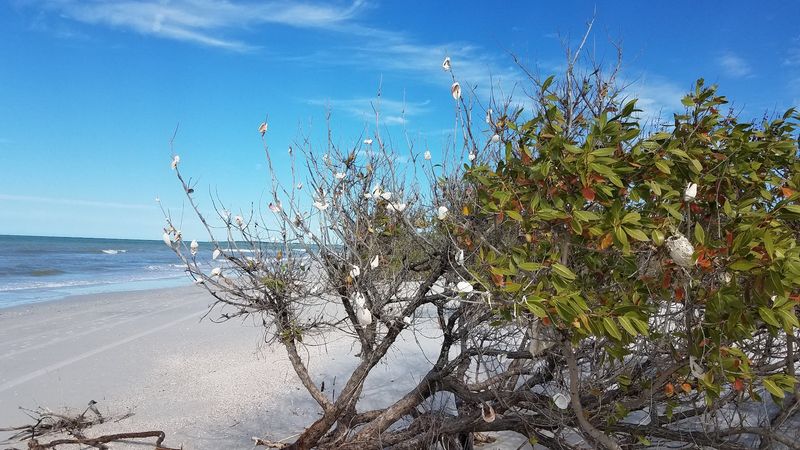
Getting there requires a ferry ride or private boat, which means Caladesi Island automatically filters out the casual beachgoer. What awaits is something rare in modern Florida: a completely undeveloped barrier island that looks like it did centuries ago.
The sand here isn’t just white; it’s powdery soft and cool even on hot days.
Families love the shallow, calm waters that feel more like a natural swimming pool than the open Gulf. Kids can wade out pretty far without getting into deep water, making it perfect for younger swimmers.
The island also has nature trails if you want to explore beyond the beach.
Even during peak summer months, you’ll find plenty of space to spread out. The limited access keeps crowds manageable, so you won’t be fighting for a spot.
Pack everything you need because there’s only a small concession stand. Bring plenty of water, snacks, and sun protection for your visit.
Cayo Costa State Park
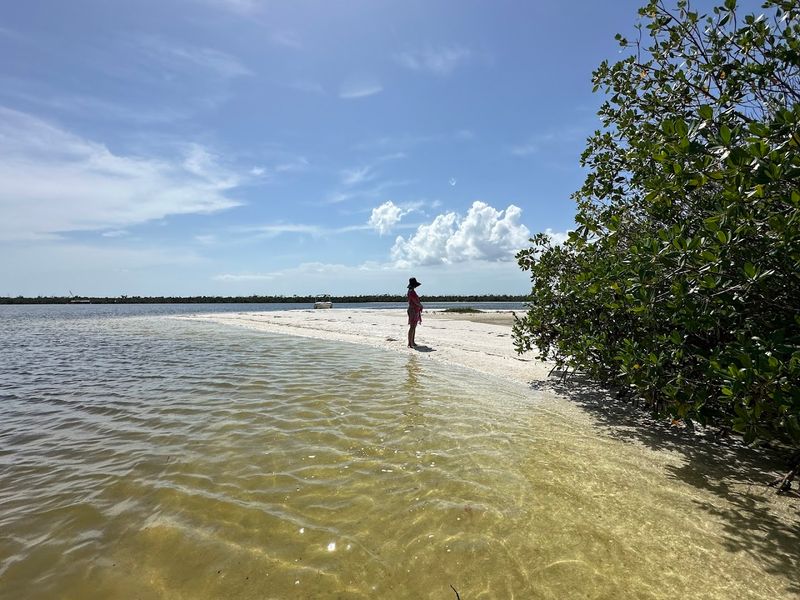
Wild and wonderfully remote, Cayo Costa feels like stepping onto a deserted island adventure. Miles of shells cover parts of the shoreline, making it a treasure hunter’s paradise.
This Gulf Coast gem remains undeveloped except for basic camping facilities and a small ranger station.
The waters here teem with marine life, and dolphins frequently swim close to shore. Kayakers can explore mangrove tunnels and shallow bays where rays glide beneath clear water.
Birdwatchers should bring binoculars because the island hosts incredible species year-round.
Access requires either a passenger ferry from Pine Island or your own boat. Day-trippers typically stick to the main beach area near the ferry dock.
If you hike north or south along the shoreline, you’ll often have stretches completely to yourself. Primitive camping lets you experience stunning sunsets and star-filled nights.
Just remember to bring insect repellent because mosquitoes can be fierce, especially near dusk.
Keewaydin Island
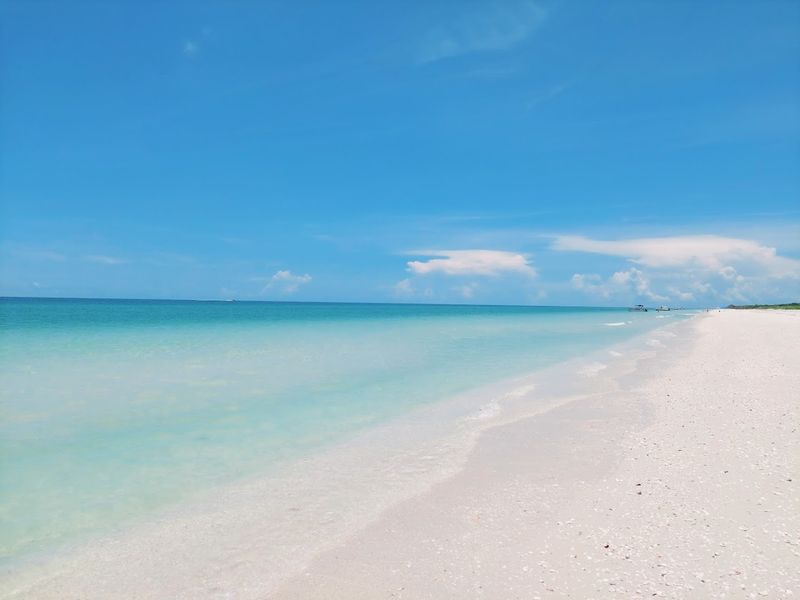
Imagine a seven-mile stretch of beach with zero buildings, zero roads, and zero crowds. That’s Keewaydin Island in a nutshell.
Positioned between Naples and Marco Island, this slender barrier island remains blissfully undeveloped and accessible only by boat.
The water here shifts between turquoise and emerald depending on the light. Sandbars emerge at low tide, creating shallow pools perfect for young children to play safely.
Many boaters anchor offshore and wade in with coolers and beach gear for the day.
Shelling here rivals anywhere in Southwest Florida, with conch shells, sand dollars, and whelks washing up regularly. The absence of development means the beach accumulates more natural treasures than heavily trafficked areas.
You might spot sea turtles nesting during summer months, though rangers ask visitors to keep a respectful distance. Local boat charters offer transportation if you don’t have your own vessel.
The peaceful atmosphere makes it worth every bit of effort to reach this hidden paradise.
Grayton Beach State Park
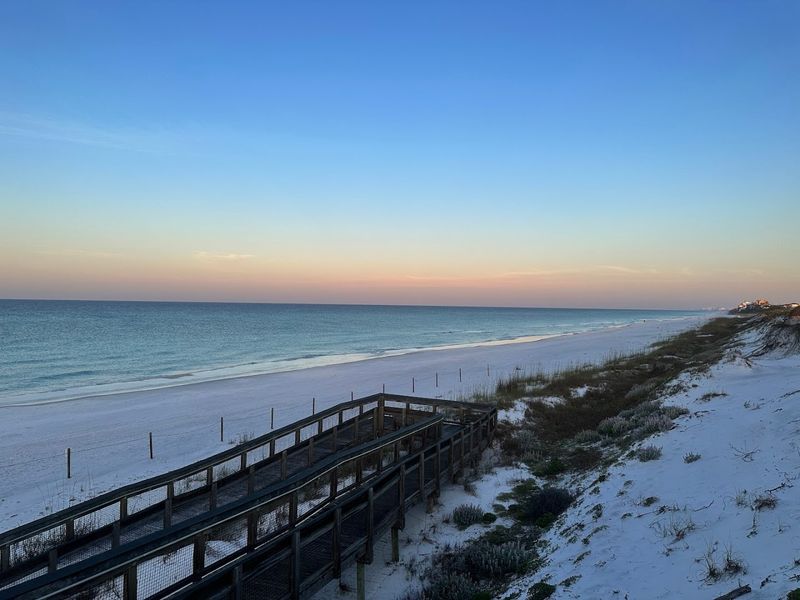
Nestled along the famous 30A corridor, Grayton Beach State Park somehow maintains a quiet charm despite its proximity to busier beach towns. The emerald-green waters here look almost unreal, like someone adjusted the saturation settings on a photograph.
Towering sand dunes covered in sea oats create a dramatic backdrop.
The park balances beach access with coastal dune lakes, rare ecosystems found in only a few places worldwide. You can swim in the Gulf in the morning and kayak a freshwater lake in the afternoon.
Nature trails wind through pine forests where you might spot deer, raccoons, or various bird species.
Unlike neighboring beaches that feel like outdoor parties, Grayton maintains a peaceful vibe. Families spread out easily, and there’s rarely a problem finding parking early in the day.
The camping area offers both tent sites and cabins if you want to extend your stay. Nearby Grayton Beach village has casual restaurants and shops within walking distance.
Bahia Honda State Park
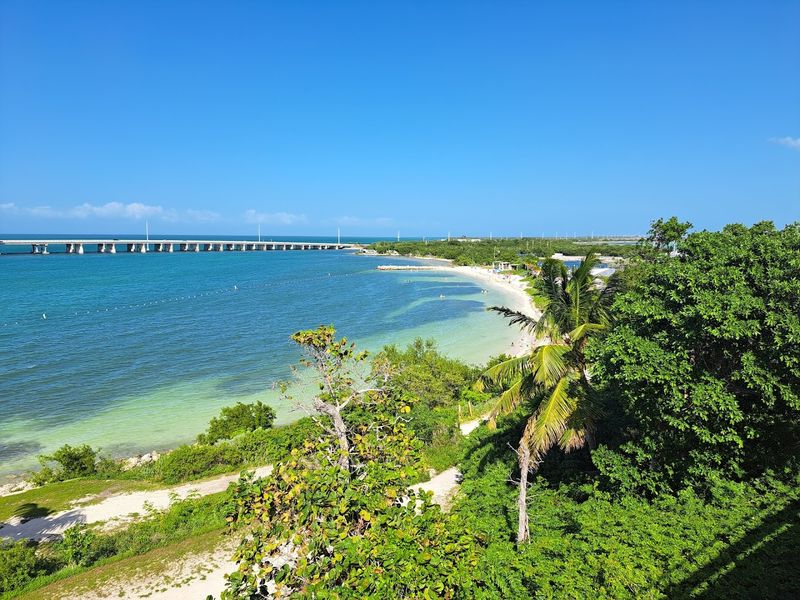
Often called the prettiest beach in the Florida Keys, Bahia Honda delivers Caribbean-quality water without leaving the United States. The clarity rivals anything you’d find in the Bahamas, with visibility so good you can watch fish swimming around your feet.
Historic bridge ruins add a dramatic architectural element to photos.
Three different beach areas give visitors options depending on their mood. Sandspur Beach offers the calmest waters, perfect for families with little ones.
Loggerhead Beach features better snorkeling opportunities with coral formations visible from shore. Calusa Beach provides the most dramatic bridge views.
The park gets busy, especially on weekends, but arriving early guarantees a good spot. Cabins and campsites book months in advance, so plan ahead if you want to stay overnight.
Kayak rentals let you explore nearby mangrove channels and smaller islands. Snorkeling equipment is available if you didn’t bring your own.
The sunset views from the old bridge are absolutely stunning and worth staying late to experience.
Little Talbot Island State Park
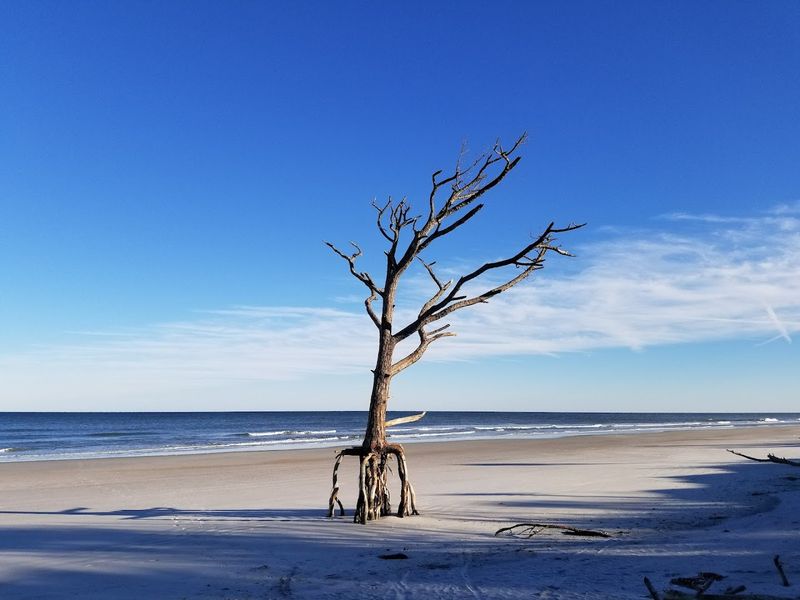
Driftwood sculptures line the shore like nature’s own art installation at Little Talbot Island. This northeast Florida barrier island feels wonderfully wild, with wind-sculpted trees and weathered logs creating an otherworldly beach landscape.
Atlantic waves roll in with more energy than Gulf beaches, perfect for body surfing.
The five-mile beach remains largely empty even on nice weekends. Most visitors stick to the main parking area, but walking just ten minutes north or south guarantees solitude.
Photographers love the dramatic driftwood formations, especially during golden hour when the light makes everything glow.
Several hiking trails wind through maritime forests behind the dunes. The ecosystems here support diverse wildlife including bobcats, river otters, and nesting shorebirds.
Fishing is excellent from the beach, with redfish, flounder, and sea trout common catches. The park feels authentic and unspoiled, without the commercial development that characterizes many Florida beaches.
Pack a picnic because there are no concessions, just nature at its finest.
St. George Island State Park
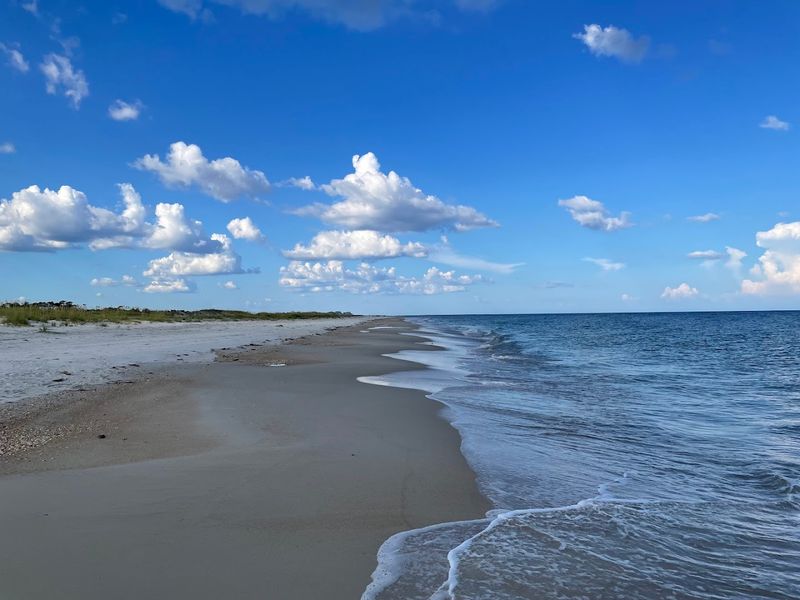
Nine uninterrupted miles of beach stretch before you at St. George Island State Park, and most days you’ll struggle to count more than a handful of people. The Panhandle location keeps it off most tourists’ radar, which is exactly what makes it special.
Fine white sand stays relatively cool even in peak summer heat.
This eastern end of the island offers some of Florida’s darkest night skies. The International Dark Sky Association would approve of how little light pollution reaches here.
Stargazing from the beach reveals constellations invisible in most developed areas. Full moon walks along the shore create unforgettable memories.
The park protects important sea turtle nesting habitat, with rangers monitoring nests throughout summer. Shorebirds gather in impressive numbers during migration seasons.
Fishing enthusiasts can cast from the beach or wade into the calm Gulf waters. The small entrance fee is worth every penny for this much unspoiled coastline.
Primitive camping lets you fall asleep to wave sounds and wake to spectacular sunrises.
Blowing Rocks Preserve
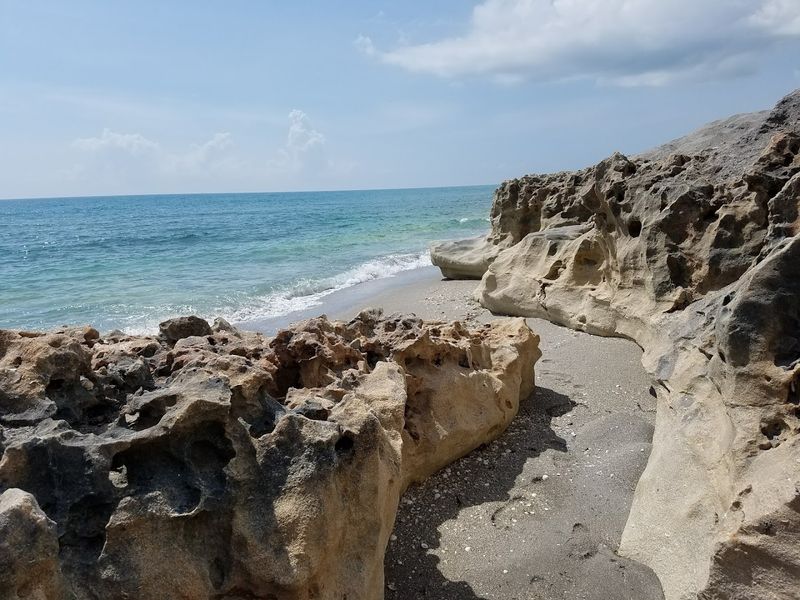
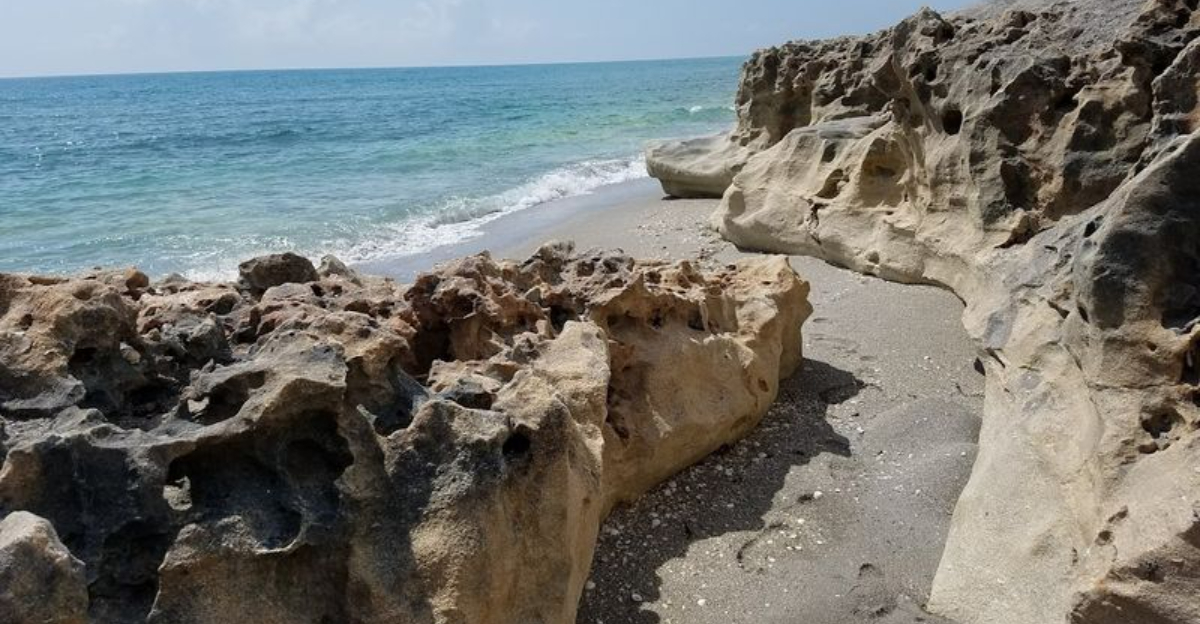
Forget everything you think you know about Florida beaches. Blowing Rocks Preserve near Jupiter features dramatic limestone formations instead of typical sandy shores.
When waves hit these ancient rocks during high tide, water shoots up like natural geysers, sometimes reaching 50 feet high.
The name comes from this spectacular water display, though the phenomenon only happens with specific tide and wave conditions. Even without the blowing rocks show, the preserve offers incredible natural beauty.
Tidal pools form between rocks where small fish, crabs, and sea urchins create miniature ecosystems.
Sandy pockets exist between rock formations where you can still spread a towel. The beach feels more like exploring a natural sculpture garden than traditional sunbathing.
Native plants and protected sea turtle nesting areas make this an important conservation site. The Nature Conservancy manages the preserve, keeping development at bay.
Educational signs explain the unique geology and ecology. Sunrise here is particularly magical, with light illuminating the textured rock surfaces in gorgeous ways.
Fort De Soto Park (North Beach Area)
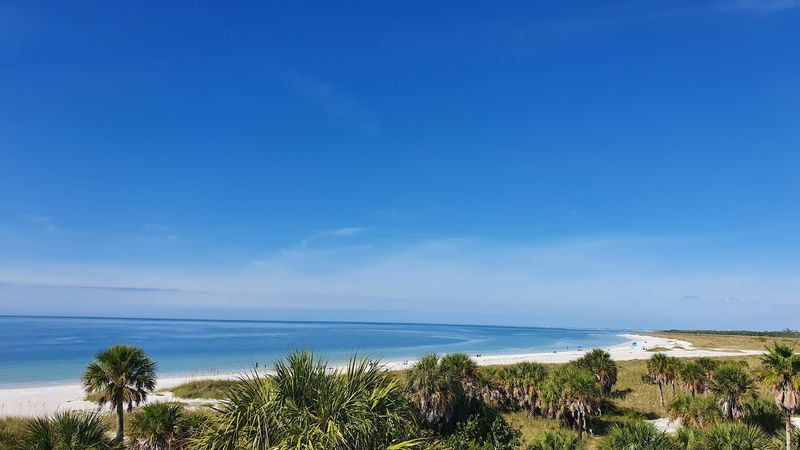
While Fort De Soto Park regularly tops best beach lists, most people cluster around the main swimming areas. Smart visitors head to the northern stretch where crowds thin dramatically.
Long sandbars extend into shallow water, creating protected areas that feel like private lagoons.
Birdwatching here ranks among Florida’s best, with over 300 species documented in the park. Roseate spoonbills, pelicans, and various shorebirds feed along the water’s edge.
Bring binoculars and a bird identification guide to maximize your experience. The calm waters make this section ideal for paddleboarding and kayaking.
Historic Fort De Soto itself offers an interesting detour from beach time. The Spanish-American War fortification provides shade and fascinating history lessons.
Multiple picnic areas with grills make day-long visits easy. The dog beach area nearby is separate, so even this northern section stays relatively quiet for those seeking peaceful relaxation.
Parking fills up on weekends, so arrive early or visit on weekdays for the best experience.
Canaveral National Seashore
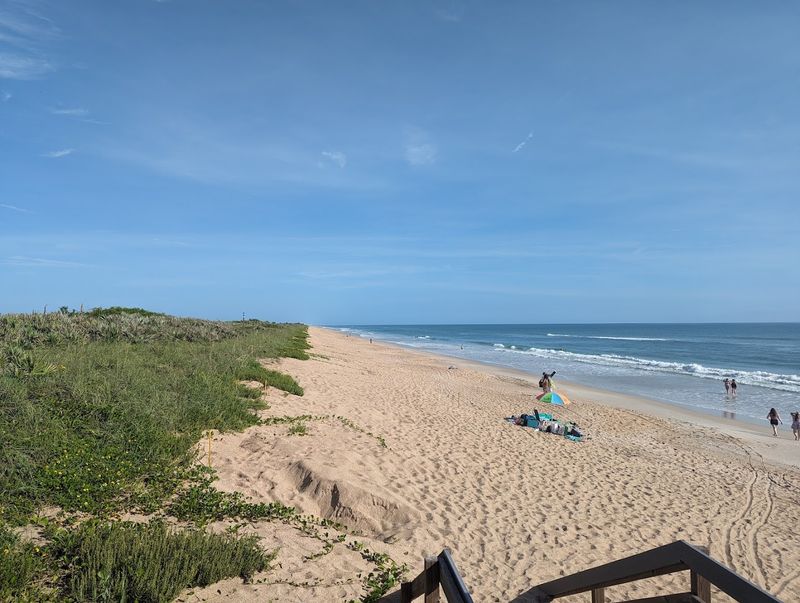
Twenty-four miles of undeveloped Atlantic coastline make Canaveral National Seashore one of Florida’s last truly wild beaches. No hotels, no restaurants, no souvenir shops—just sand, surf, and sky.
The raw beauty here reminds visitors what Florida’s coastline looked like before development took over.
This protected area sits between busy Daytona Beach and the Space Coast, yet feels worlds away from both. Multiple access points mean you can usually find isolated stretches even during busy seasons.
The waves here attract surfers, and the beach allows nude sunbathing in designated areas for those interested.
Wildlife viewing opportunities abound, from sea turtles nesting in summer to right whales passing offshore in winter. Mosquito Lagoon, inside the barrier island, offers world-class fishing and kayaking through unspoiled waterways.
Apollo Beach and Playalinda Beach provide the main access points, each with distinct characteristics. Remember to bring everything you need because services are minimal.
The entrance fee is nominal considering the pristine environment you’re enjoying.
Honeymoon Island State Park (North End)
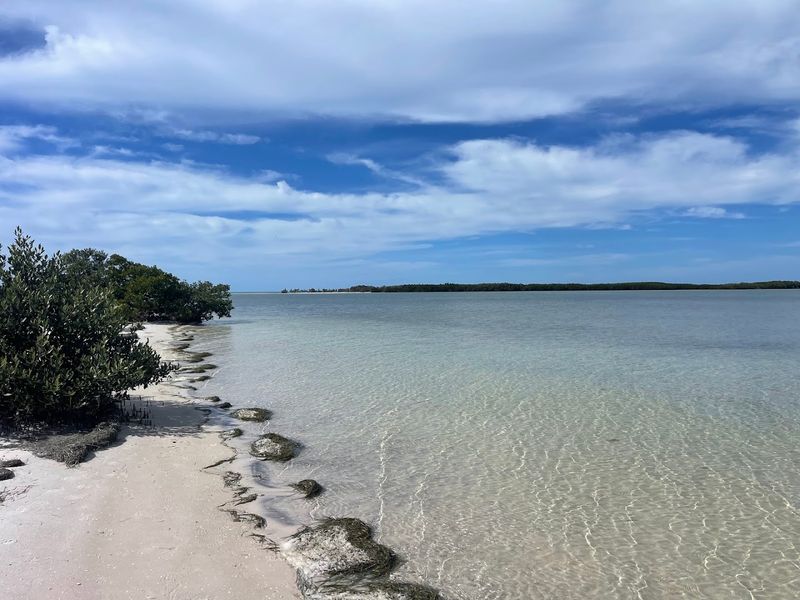
Most visitors to Honeymoon Island never make it past the main beach area near the entrance. The northern tip remains surprisingly tranquil even when the parking lot fills up.
A short walk along the shore rewards you with quieter sand and better shelling opportunities.
This northern section attracts serious shell collectors who know the currents deposit treasures here. Sand dollars, olive shells, and lightning whelks appear regularly, especially after storms.
The calmer pockets of water make swimming pleasant for all ages.
Nature trails wind through the interior if you want to explore beyond the beach. The island supports a rare population of burrowing owls, and rangers often lead educational programs.
Osprey nests dot the coastline, and during migration seasons, various bird species stopover on the island. A dog beach section exists but stays separate from the quieter northern areas.
The combination of accessibility and relative solitude makes this one of Tampa Bay’s best-kept beach secrets. Ferry service to nearby Caladesi Island departs from here if you want to explore both islands in one day.
Sanibel Island’s Hidden Access Points
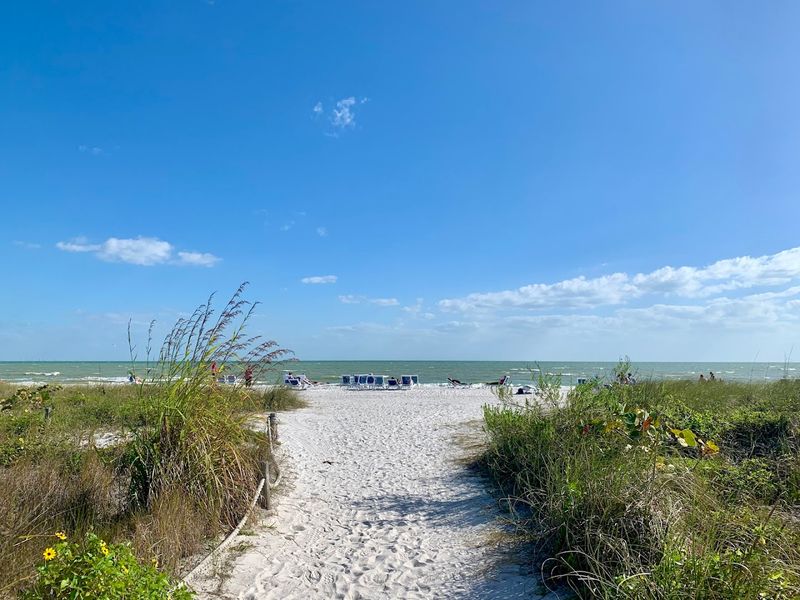
Sanibel Island is famous for its world-class shelling beaches, but many visitors never realize how many quiet, tucked-away access points exist beyond the main public spots. While beaches like Bowman’s and Lighthouse Beach attract steady crowds, smaller beach entrances along West Gulf Drive and East Gulf Drive lead to far more peaceful stretches of sand.
These hidden access points often have limited signage or small parking areas, which helps keep them overlooked even during peak summer months.
What makes these lesser-known entries special is the sense of discovery. A short walk through coastal vegetation or over a dune trail can open up to wide, uncrowded shoreline where the only sounds are waves and seabirds.
Shell collectors especially favor these quieter areas, where intact sand dollars, conchs, and whelks wash ashore undisturbed. At sunrise or late afternoon, these hidden pockets of Sanibel offer a slower, more intimate experience of the island’s natural beauty without the busier beach atmosphere nearby.
Cape San Blas
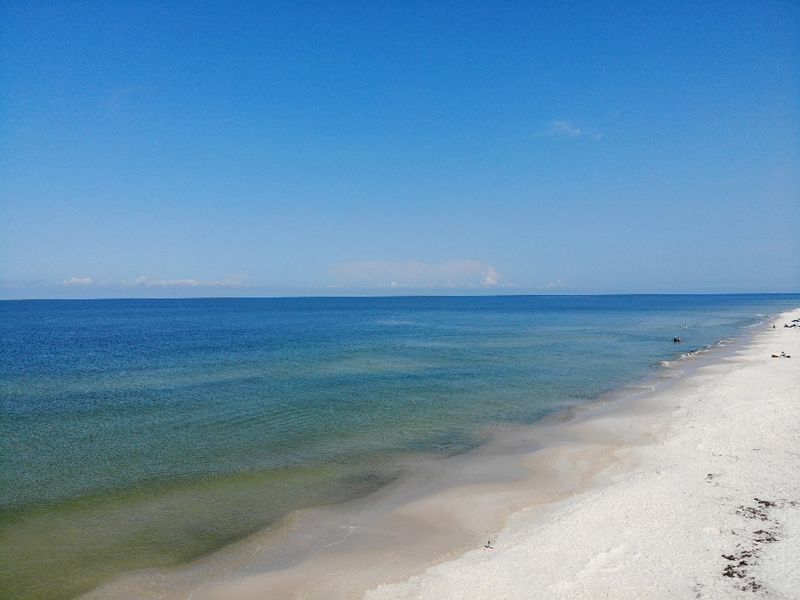
This narrow peninsula juts into the Gulf like Florida’s best-kept secret. Cape San Blas offers everything people love about Panhandle beaches—sugar-white sand, turquoise water, gentle waves—without the overwhelming crowds of Destin or Panama City Beach.
The old-Florida vibe remains intact here.
Local families have been vacationing here for generations, building modest beach homes rather than high-rise condos. This commitment to low-key development preserves the area’s natural charm.
The cape’s geography creates unique conditions where you can watch both sunrise and sunset over water depending on your position.
T.H. Stone Memorial St. Joseph Peninsula State Park occupies the northern tip, providing miles of protected wilderness beach.
Camping here feels like having your own private island. The fishing is exceptional, with Spanish mackerel, pompano, and redfish common catches.
Several small beach communities offer vacation rentals and local restaurants serving fresh seafood. Cape San Blas remains refreshingly uncommercialized, attracting visitors who appreciate authentic coastal experiences over party atmospheres and tourist traps.
Amelia Island (North End Beaches)
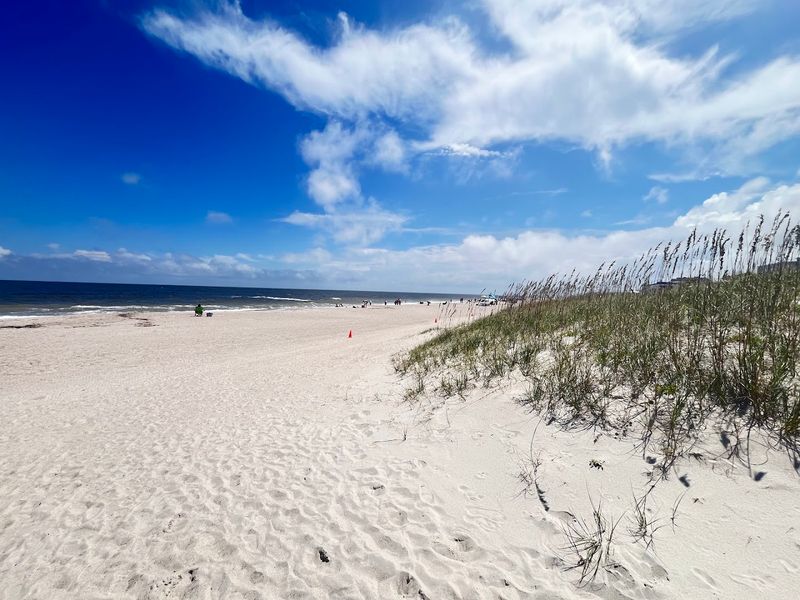
The northern stretches of Amelia Island feel dramatically different from the resort areas. Wide beaches extend for miles with hardly a building in sight.
Sunrise here ranks among Florida’s best, with the Atlantic horizon providing unobstructed views of the glowing morning sky.
These beaches attract horseback riders, who are allowed on certain sections. Watching horses gallop along the water’s edge at sunset creates magical moments.
The sand stays firm enough for easy walking, making it popular with joggers and shell collectors.
Fort Clinch State Park occupies the island’s northern tip, offering both beach access and historical fort tours. The combination of natural beauty and Civil War history makes it educational and relaxing.
Fishing piers extend into the Atlantic, and campsites allow overnight stays. The less developed character of this area appeals to visitors seeking peace over nightlife.
While Amelia Island’s downtown area offers plenty of dining and shopping, the northern beaches provide the perfect escape when you need quiet contemplation or family time away from crowds.
Navarre Beach (East End)
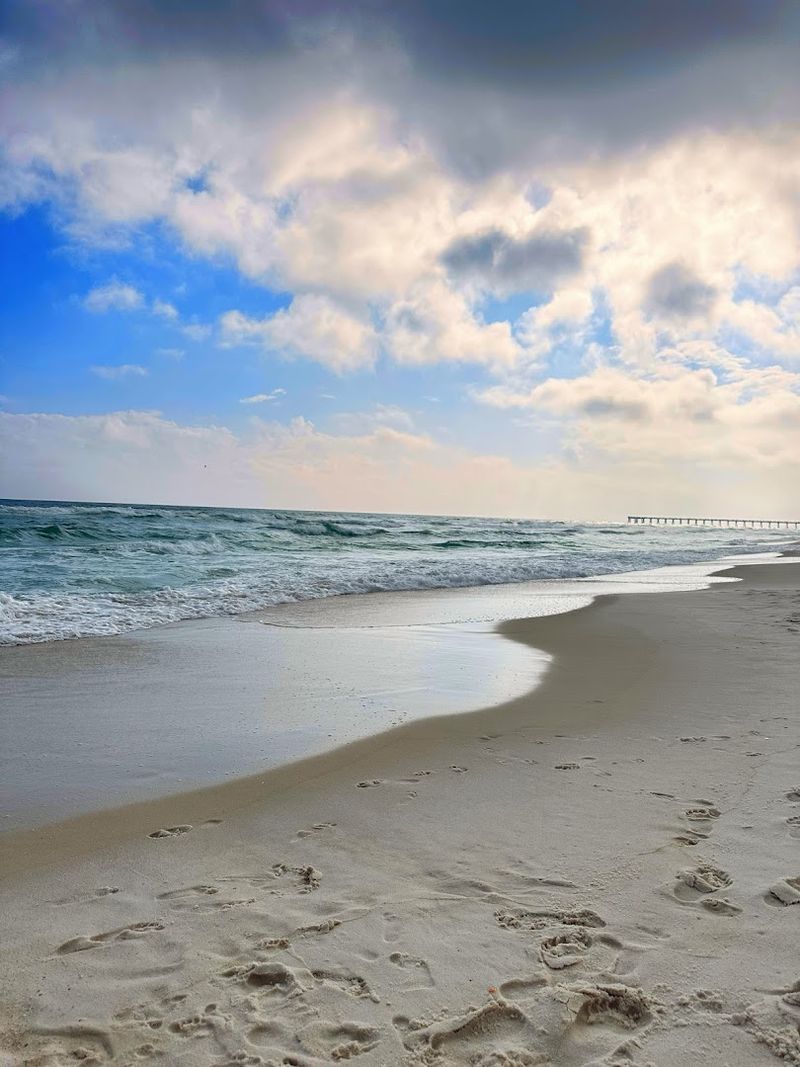
Often called Florida’s most relaxing beach, Navarre Beach delivers on that promise, especially at the eastern end. The emerald waters here shimmer in shades of green and blue that seem too vivid to be real.
Soft white sand stretches in both directions with minimal development visible.
This section sees far fewer visitors than the main beach area near the pier. Families appreciate the gentle slope into the water and the typically calm conditions.
The beach remains wide enough that even on busier days, you’ll find plenty of personal space.
The nearby Navarre Beach Marine Park offers additional recreation options including paddleboarding and kayaking. A fishing pier extends into the Gulf if you want to try your luck at catching dinner.
The laid-back community vibe means no one rushes, honks, or stresses here. Small local restaurants serve fresh seafood without tourist-trap pricing.
While neighboring Pensacola Beach and Destin attract bigger crowds, smart travelers discover Navarre’s peaceful charms. The eastern stretch represents everything perfect about a Florida beach day: beautiful water, soft sand, and blessed tranquility.