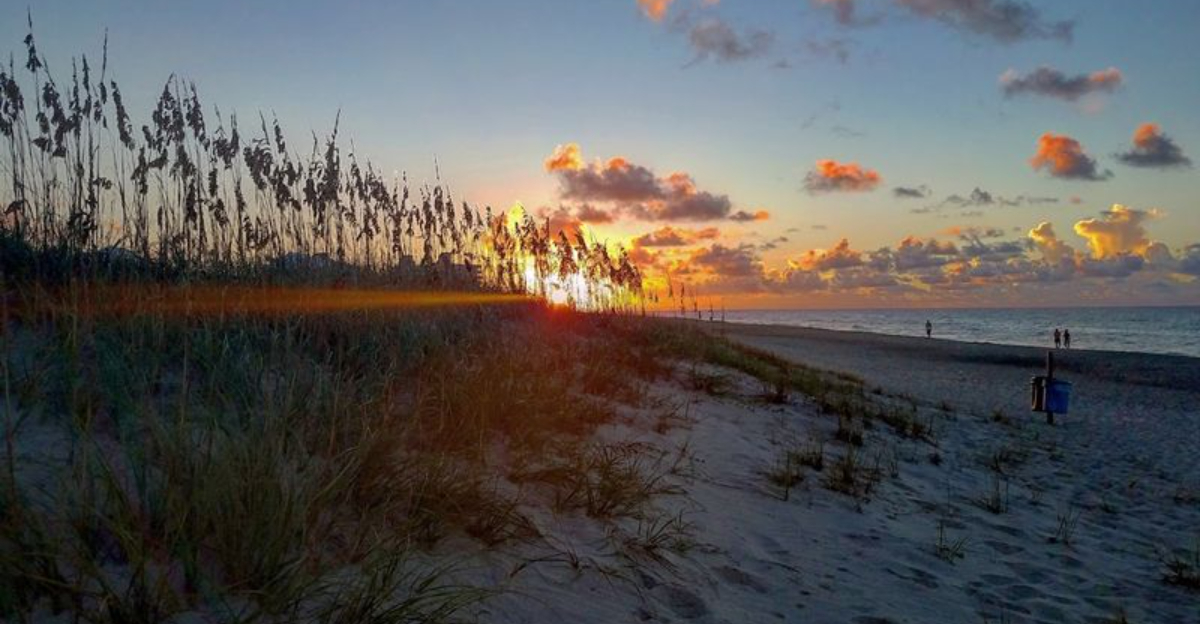
North Carolina’s coastline stretches for over 300 miles, but the best beaches aren’t always the ones with parking lots and boardwalks.
Hidden along the Outer Banks and southern shores, you’ll find wild stretches of sand where nature still rules and crowds are rare.
These secret spots offer something special: a chance to see coastal North Carolina the way it looked centuries ago, with untouched dunes, roaming wildlife, and waves that crash on shores few people ever visit.
Whether you need a boat, a four-wheel-drive vehicle, or just the willingness to walk a little farther, these hidden beaches reward adventurous visitors with unforgettable coastal beauty.
Shackleford Banks (Outer Banks)
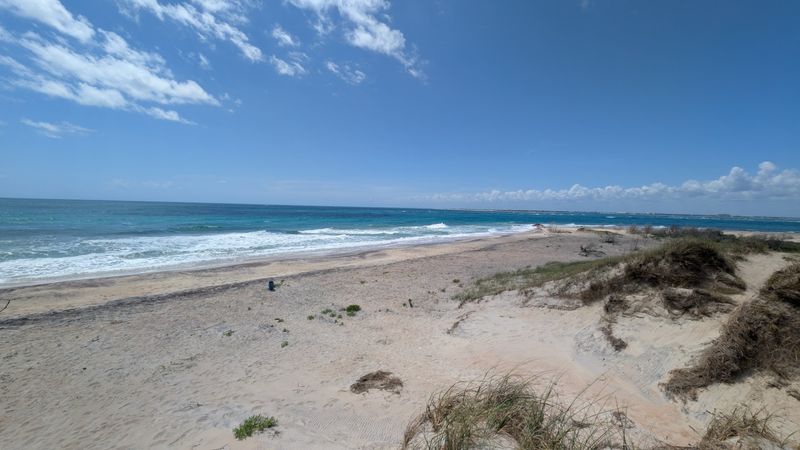
Wild horses roam freely across this windswept barrier island, their hoofprints dotting the sand alongside seabird tracks. Shackleford Banks exists as one of the last truly undeveloped stretches of the Outer Banks, protected from roads, buildings, and commercial development.
Reaching this remote paradise requires catching a ferry or hiring a private boat, but the journey rewards visitors with something increasingly rare: complete solitude.
Miles of pristine beach curve along the Atlantic, backed by maritime forests and towering dunes sculpted by constant coastal winds. The island’s famous wild horses descended from Colonial Spanish mustangs that have lived here for centuries.
They graze on salt marsh grasses and drink from freshwater ponds hidden among the dunes.
Bring everything you need for the day because there are no facilities, stores, or shade structures anywhere on the island. Pack plenty of water, sunscreen, and snacks.
The lack of development means you’ll experience the North Carolina coast exactly as it existed before tourism arrived, raw and beautiful in every direction.
Cape Lookout National Seashore
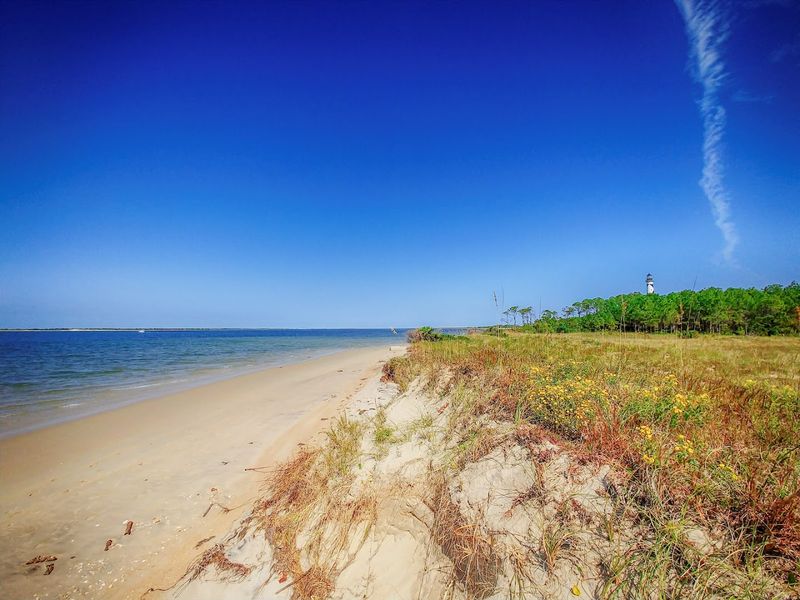
That striking black-and-white diamond lighthouse has stood watch over these barrier islands since 1859, guiding ships through treacherous waters. Cape Lookout National Seashore protects 56 miles of coastline where development stopped decades ago.
The beaches here remain surprisingly empty even during summer months, thanks to limited access and a protected status that keeps crowds away.
Shell collectors consider these shores among the best in North Carolina, with tides depositing whelks, conchs, and sand dollars along the waterline daily. The isolation creates perfect conditions for finding intact specimens that would disappear quickly at more popular beaches.
Birders also flock here during migration seasons when shorebirds use these beaches as crucial resting stops.
Getting to Cape Lookout requires planning since passenger ferries run on limited schedules from several mainland locations. Day trips work well, but some visitors camp overnight in designated areas to fully experience the peaceful coastal environment.
The effort involved in reaching this national seashore ensures it never feels overcrowded or commercialized.
Ocracoke Lifeguard Beach
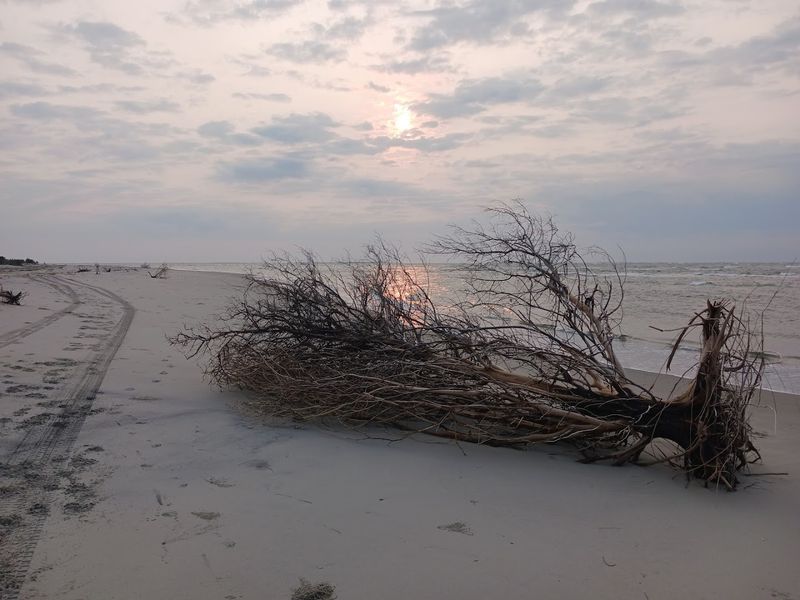
Most visitors to Ocracoke Island cluster near the village, leaving the northern stretches blissfully quiet and uncrowded. The lifeguard beach represents one of the more accessible hidden gems, with actual amenities but far fewer people than you’d expect.
Soft sand extends in both directions, backed by natural dune systems that protect the island’s fragile ecosystem.
Reaching Ocracoke requires riding one of North Carolina’s free ferries, which adds an element of adventure to any beach trip. The ferry journey itself offers stunning water views and sometimes dolphin sightings.
Once you arrive, the northern beach areas provide that perfect balance between accessibility and seclusion that’s increasingly hard to find.
Families appreciate the lifeguard presence during summer months, while nature lovers enjoy spotting ghost crabs scurrying across the sand at dusk. The island’s laid-back atmosphere encourages slow beach days without the commercial hustle found at more developed destinations.
Rolling waves provide good bodyboarding conditions, and the wide beach means plenty of space for everyone, even on busier weekends.
Portsmouth Island
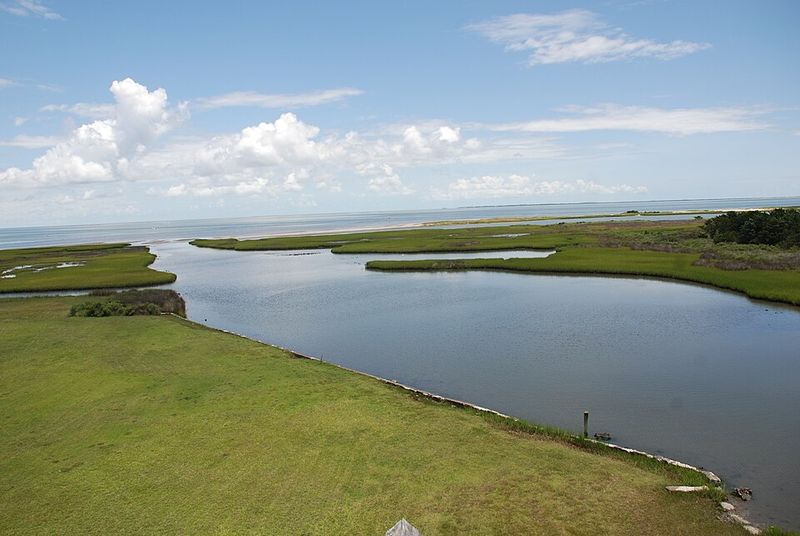
Portsmouth Island is one of the most remote and atmospheric stretches of North Carolina’s coast, offering a beach experience that feels completely removed from modern life. Located within the Cape Lookout National Seashore, this barrier island is only accessible by boat, which immediately filters out crowds and preserves its untouched character.
What you find instead is miles of wide, empty shoreline where the Atlantic rolls in uninterrupted and the only sounds are wind, waves, and seabirds.
Once a thriving maritime village, Portsmouth is now an abandoned settlement where remnants of old homes and structures slowly fade back into the sand and marsh. Walking along the beach, you can still feel echoes of its history while enjoying the raw beauty of an undeveloped coastline.
Shelling is excellent here, and wildlife is abundant, from shorebirds to ghost crabs moving across the dunes.
For travelers seeking solitude, history, and an unspoiled coastal landscape, Portsmouth Island delivers one of the most authentic and secluded beach experiences in the state.
Cape Hatteras National Seashore (South Beach Sections)
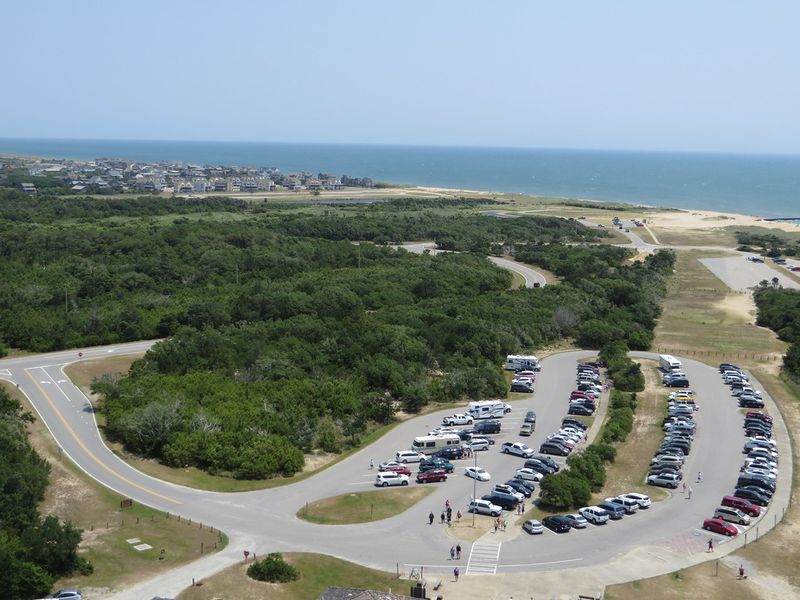
Everyone knows Cape Hatteras, but few venture beyond the main parking areas to discover truly quiet sections. Long stretches of this famous national seashore remain surprisingly isolated, especially the southern beach areas that require walking or driving down sandy tracks.
Dramatic surf crashes against wide sand flats where serious beachcombers search for treasures washed up from the Atlantic.
Did you know? Cape Hatteras marks where the cold Labrador Current meets the warm Gulf Stream, creating unique conditions that make these waters both beautiful and dangerous.
This mixing zone attracts diverse marine life and produces the powerful waves that built the Outer Banks’ reputation among surfers.
The less-visited southern stretches offer that sense of isolation many people crave when visiting the coast. You might walk for an hour without encountering another person, passing only seabirds and the occasional surf fisherman.
Wide beaches provide room for everyone, though on weekdays you’ll likely have vast sections entirely to yourself, listening to nothing but wind and waves.
Carova Beach (4×4 Beach)
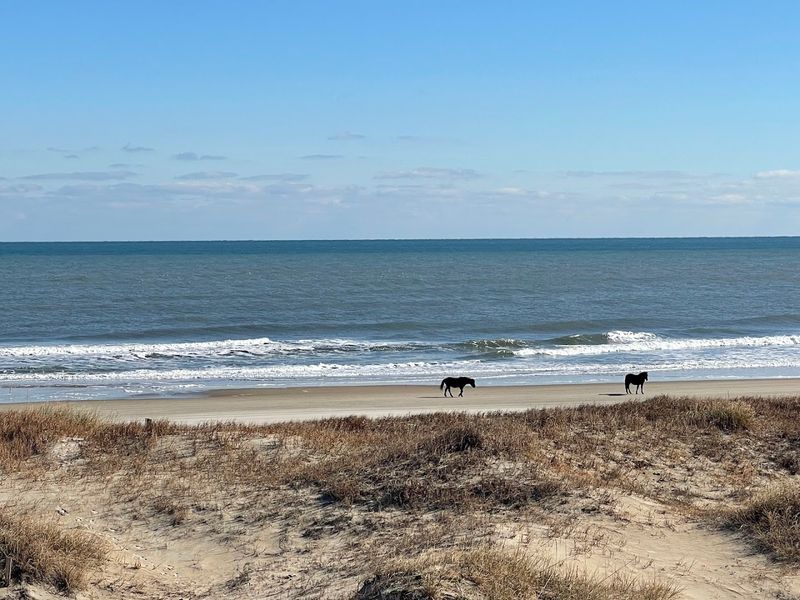
Your GPS might lose signal on the sandy roads leading to Carova, where pavement ends and adventure begins. This unique beach community exists beyond the last paved road in the northern Outer Banks, accessible only by four-wheel-drive vehicles that navigate soft sand tracks.
Wild horses wander freely through yards and across the beach, creating surreal scenes of untamed nature meeting human habitation.
The lack of traditional road access keeps Carova feeling like a secret world that most tourists never discover. Oceanfront homes stand scattered across the landscape without the dense development found elsewhere.
Visitors who make the drive enjoy miles of beach where you can set up camp for the day without crowds pressing in from all sides.
Proper four-wheel-drive capability is essential since regular vehicles get stuck in the deep sand quickly. Air down your tires before attempting the drive, and watch for wild horses that have right-of-way everywhere.
The remote atmosphere and frequent horse sightings make Carova unlike any other North Carolina beach experience.
Emerald Isle Western End
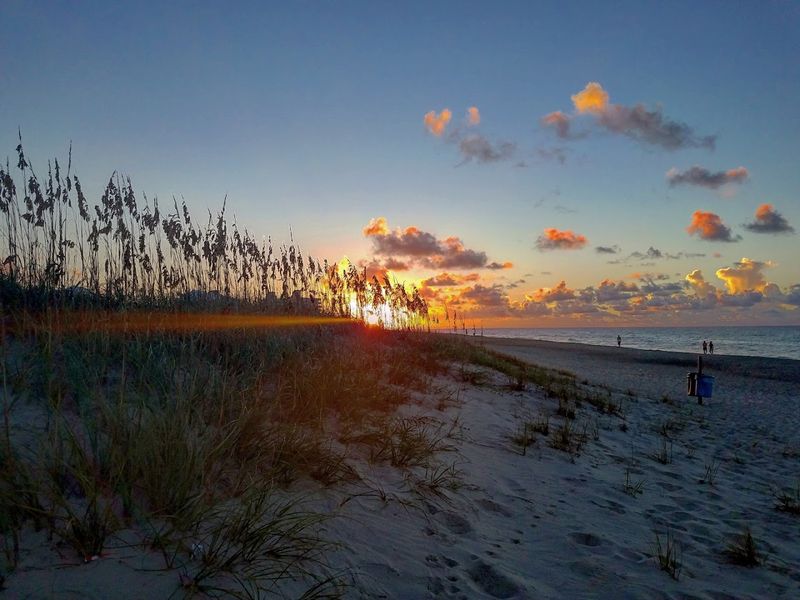
While families pack the central beaches of Emerald Isle, the western tip near Bogue Inlet remains peacefully uncrowded throughout the year. Calm waters characterize this end of the island, where the inlet creates different conditions than the open ocean beaches.
Shorebirds gather along the water’s edge, and sunset views across the inlet rival any in North Carolina.
The quieter atmosphere here appeals to visitors seeking relaxation over recreation, though the gentle waves still work perfectly for young children. Birdwatchers bring binoculars to spot various species that feed in the shallow waters and mudflats exposed during low tide.
The western end lacks the commercial development that defines the central island, offering a more natural beach experience.
Walking the shoreline during golden hour produces stunning photography opportunities as light reflects off the calm inlet waters. Tide pools form among the sandbars, creating small ecosystems where kids can observe tiny fish and crabs.
This hidden corner of a popular island proves that even well-known beaches can harbor peaceful spots where crowds thin out and nature takes center stage.
Bald Head Island (South Beach)
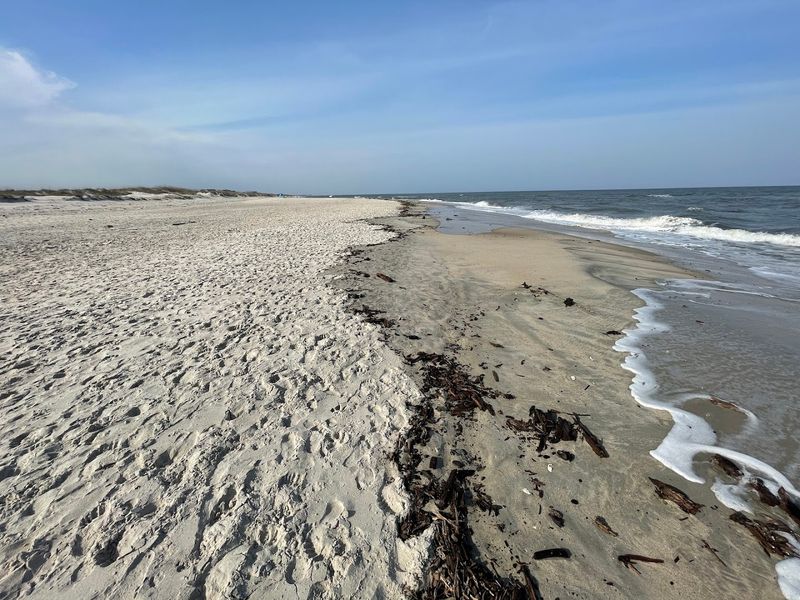
Golf carts replaced automobiles when Bald Head Island committed to preserving its peaceful character decades ago. The entire island operates without cars, creating a unique atmosphere where the loudest sounds come from waves and seabirds rather than traffic.
The southern shoreline remains especially tranquil, with wide beaches that see far fewer visitors than the more accessible northern sections.
Reaching Bald Head requires a passenger ferry from Southport, immediately setting this destination apart from drive-up beaches. Once you arrive, renting a golf cart becomes the primary mode of transportation around the island.
The slower pace encourages relaxation and helps visitors disconnect from the hectic mainland world they left behind.
Drifting sand dunes migrate across the southern beach, constantly reshaping the landscape according to wind and tide patterns. Maritime forests grow right up to the dune line in some areas, providing shade and habitat for island wildlife.
The combination of no cars, limited development, and restricted access keeps Bald Head Island feeling like a special escape where beach days unfold without interruption or hurry.
Holden Beach West End
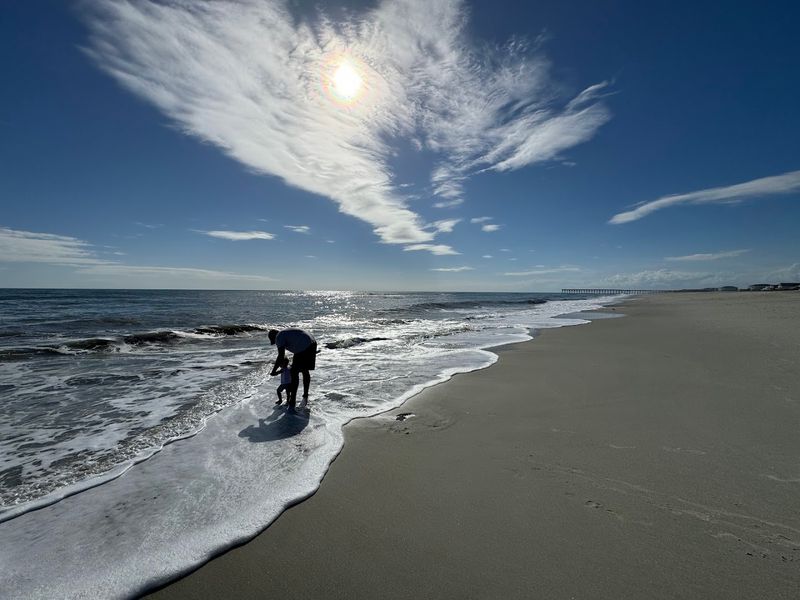
Tidal pools dot the western end of Holden Beach like natural aquariums, each one teeming with small marine life waiting to be discovered. This Brunswick Islands beach maintains a refreshingly undeveloped character compared to more commercial coastal destinations.
Long empty sandbars extend into the inlet during low tide, creating temporary islands where shorebirds nest and feed.
Nature takes priority at this end of the island, with protected areas ensuring nesting birds can raise their young without disturbance. Visitors who respect these seasonal closures still find plenty of beach to explore and enjoy.
The lack of development means no high-rise hotels blocking the view or beach bars pumping out music that disturbs the peaceful atmosphere.
Families discover fascinating creatures in the tidal pools, from hermit crabs to tiny fish trapped by the receding tide. Early morning walks often yield the best shelling results before other beachcombers arrive.
The west end’s quiet reputation makes it perfect for those seeking genuine coastal tranquility rather than tourist-oriented beach entertainment and crowds.
Sunset Beach Bird Island Reserve
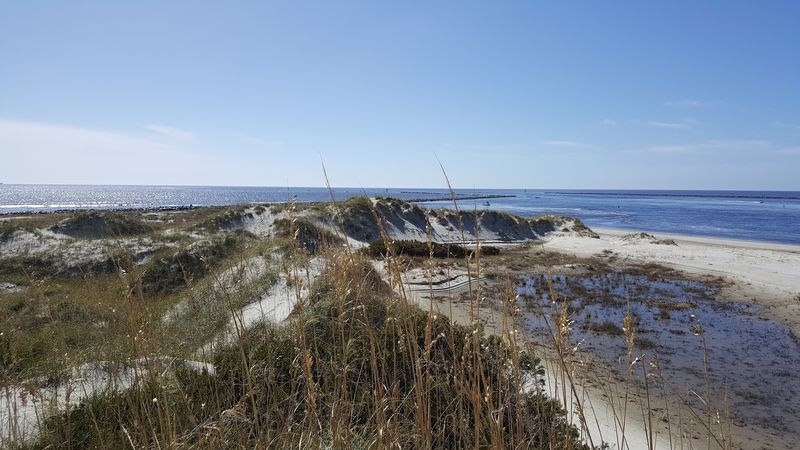
A kindred spirit mailbox sits hidden among the dunes at Bird Island, where visitors have left handwritten notes and journal entries for decades. This protected coastal preserve represents one of North Carolina’s last undeveloped barrier island beaches, managed specifically for wildlife habitat and quiet recreation.
Nature trails wind through maritime forests before opening onto pristine shoreline where solitude comes easy.
The reserve’s protected status means no development will ever mar these landscapes, ensuring future generations can experience the coast in its natural state. Wildlife viewing opportunities abound, with dolphins often spotted offshore and various bird species nesting in the dunes.
The peaceful atmosphere attracts people seeking reflection and connection with nature rather than typical beach activities.
Walking the entire length of Bird Island takes commitment but rewards hikers with increasingly remote scenery. The famous mailbox encourages visitors to read others’ thoughts and add their own reflections to the collection.
Conservation efforts here protect fragile ecosystems while still allowing respectful public access for those willing to walk to reach this special place.
Masonboro Island Reserve (Wilmington)
Paddling your kayak through calm backwater channels before emerging onto Masonboro’s ocean-facing beach creates an adventure most beach visitors never experience. This barrier island nature preserve sits just minutes from Wilmington’s bustling waterfront yet feels completely removed from civilization.
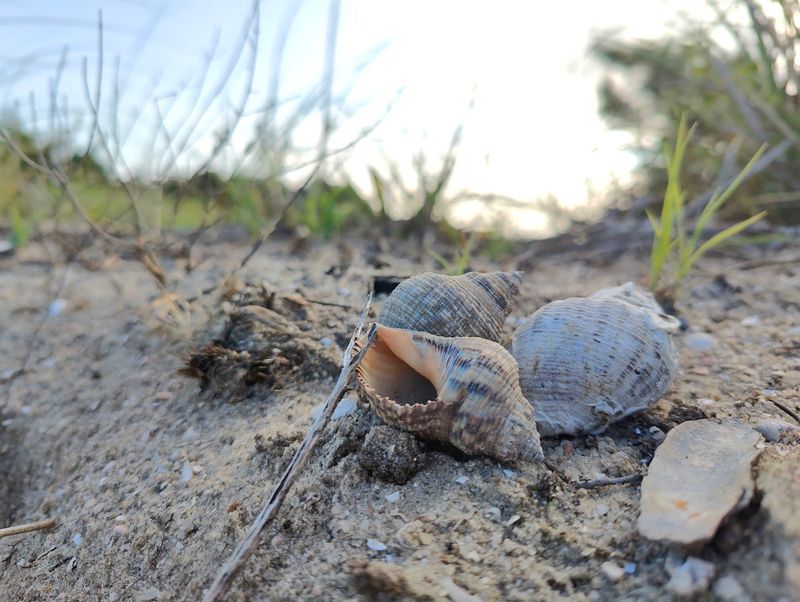
Reaching the island requires a boat or kayak, ensuring only dedicated nature lovers make the journey to these shell-covered shores.
Raw coastal ecosystems thrive here without interference from development or vehicle traffic. Salt marshes teem with life along the sound side, while ocean beaches stretch for miles without a single building or road in sight.
The complete lack of development means true wilderness camping is possible for those with proper permits and equipment.
Marine biologists and ecology students frequently visit Masonboro to study undisturbed coastal environments increasingly rare along developed coastlines. Shells accumulate in impressive quantities, especially after storms when the ocean deposits treasures along the high tide line.
The preserve protects critical habitat for nesting sea turtles and shorebirds while offering humans a glimpse of coastal North Carolina as it existed before modern development.
Lea-Hutaff Island
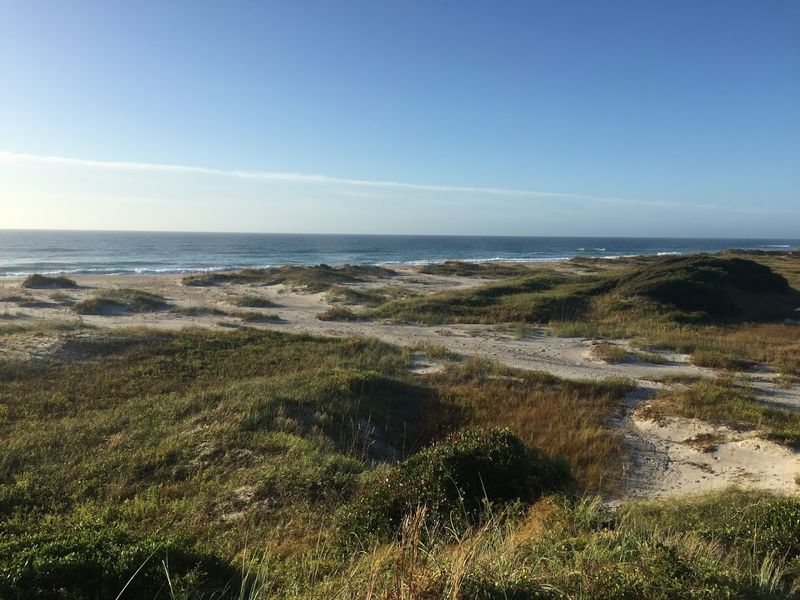
Slipping between two better-known islands, Lea-Hutaff exists as North Carolina’s best-kept coastal secret. This completely undeveloped barrier island stretches for three miles between Topsail Island and Figure Eight Island, yet most coastal visitors never learn it exists.
Access requires a private boat, which dramatically limits the number of people who ever set foot on these untouched shores.
The island’s remote nature creates perfect conditions for observing coastal processes without human interference. Sand dunes shift and reform according to storm patterns and prevailing winds.
Maritime vegetation colonizes newly formed areas while erosion reclaims others, demonstrating the dynamic nature of barrier islands.
Serious beachcombers and naturalists prize Lea-Hutaff for its pristine conditions and lack of crowds. The entire island belongs to nature, with nesting birds claiming sections during breeding season and dolphins swimming close to shore.
Visiting requires advance planning and proper boating skills, but those efforts reward explorers with one of North Carolina’s most genuinely hidden coastal experiences where untouched beauty still defines the landscape.
Fort Fisher State Recreation Area (South End)
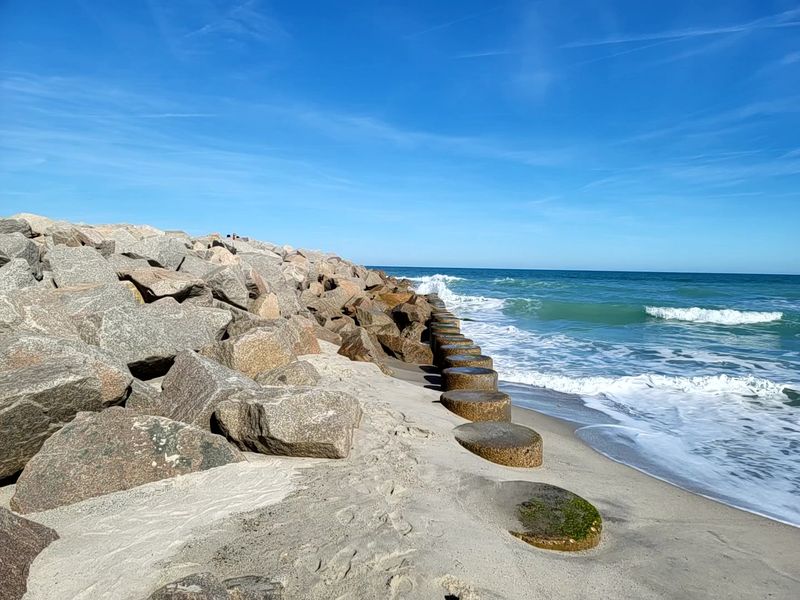
Driftwood sculptures created by nature line the southernmost stretches of Fort Fisher, where fewer visitors venture despite public beach access. While the main recreation area attracts its share of tourists, walking south leads you into increasingly peaceful territory.
Ancient maritime forests edge the dunes in some sections, their gnarled branches shaped by centuries of salt spray and coastal winds.
The beach’s positioning near the Cape Fear River creates unique conditions where ocean and river currents interact. This mixing produces excellent fishing opportunities and interesting tidal patterns that leave behind fascinating formations in the sand.
History buffs appreciate the area’s connection to Civil War fortifications, though the southernmost beaches focus more on natural beauty than historical interpretation.
Long sandy walks clear your mind while providing excellent exercise and shell-hunting opportunities. The recreation area’s southern sections never feel crowded, even during peak summer months when parking lots fill elsewhere.
Dunes provide natural windbreaks for setting up a comfortable beach camp, and the peaceful atmosphere encourages extended stays where time slows to match the rhythm of the tides.