This Nebraska state park should not feel this big. But it does.
Ponca State Park squeezes over 1,400 acres into the Missouri River bluffs and somehow turns every inch into something worth stopping for.
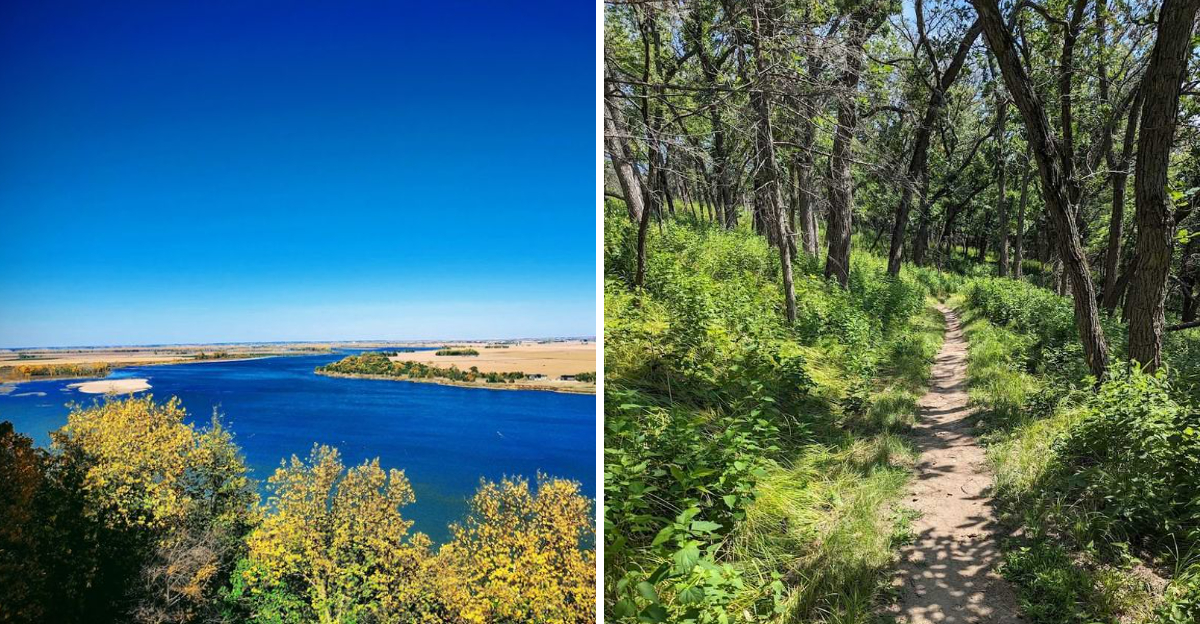
Steep forested hills drop into river views that feel almost out of place in Nebraska.
Trails twist through thick trees, climb ridgelines, then suddenly open up to wide skies and winding water below.
One moment it feels quiet and tucked away… the next it feels wide open and wild.
Birds call overhead, deer slip through the brush, and the river keeps rolling past like it’s in no hurry to explain itself.
A Hidden Gem in Nebraska’s Northeast Bluffs
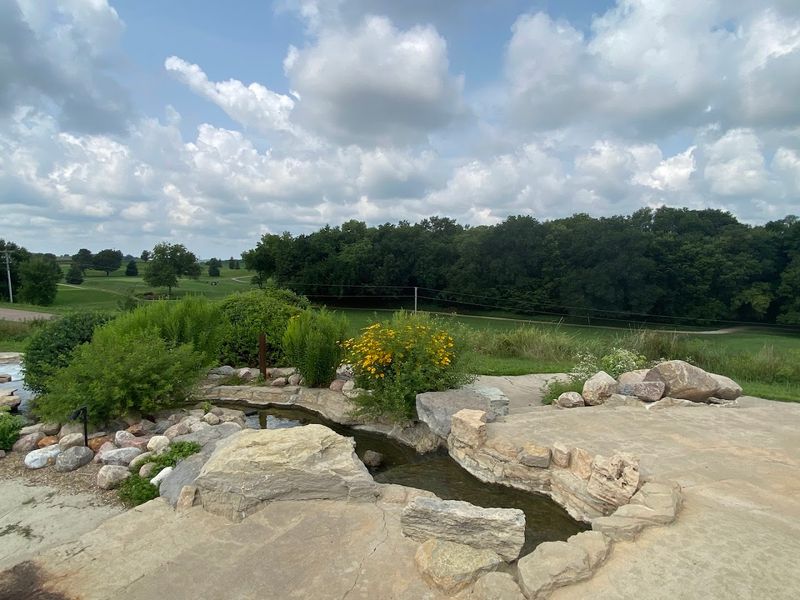
Most people drive right past without realizing what they’re missing. Ponca State Park hides in the northeast corner of Nebraska, where thick forests climb steep bluffs above the Missouri River.
The landscape here looks nothing like the flat prairie many expect from Nebraska.
Elevation changes of more than 300 feet create ridge trails and valley paths that wind through oak and hickory forests. The terrain feels almost mountainous in places.
River views peek through the trees at unexpected moments, rewarding hikers with glimpses of the water below.
This compact park maximizes every acre with diverse habitats. Dense woodlands transition into open meadows, then drop down to wetlands near the river.
You’ll forget how small the park actually is once you start exploring. The layered landscape makes it feel like you’re wandering through a much larger wilderness, with new discoveries around every bend in the trail.
Stunning Tri-State Overlook Views
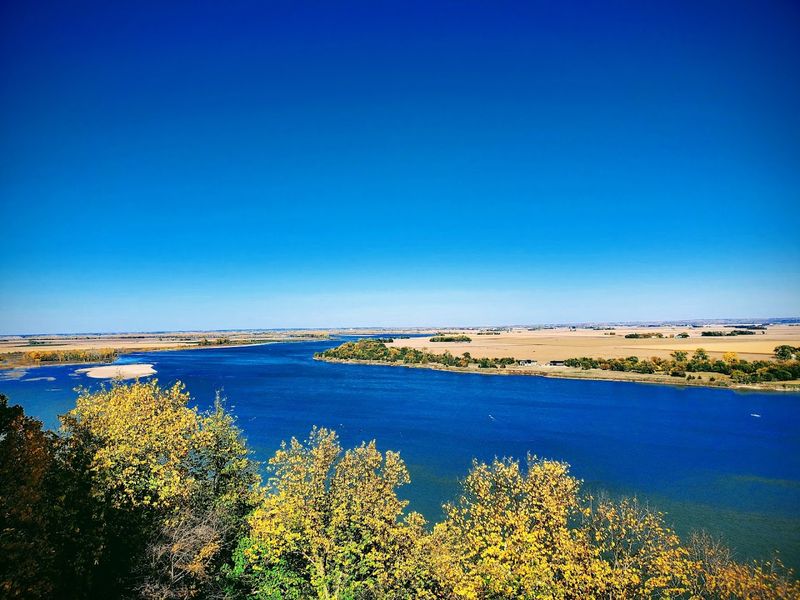
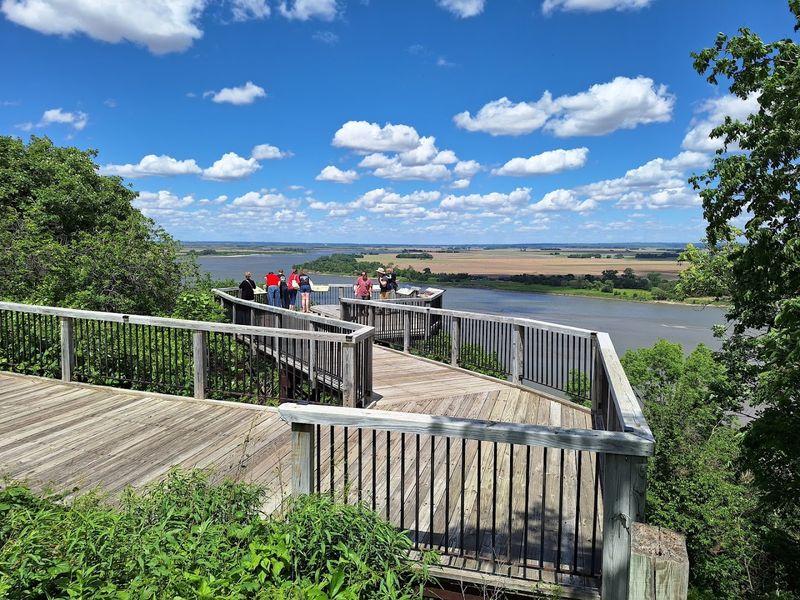
Standing at the Tri-State Overlook feels like being on top of the world. From this vantage point, you can see where three states meet along the Missouri River—Nebraska, Iowa, and South Dakota all come together in one sweeping vista.
It’s one of those rare spots where geography gets really interesting.
The overlook sits high on a bluff, giving you unobstructed views across the river valley. On clear days, you can see for miles in every direction.
The view changes with the seasons, but fall might be the most spectacular time to visit.
When autumn arrives, the hardwood forests explode into reds, oranges, and yellows. The colorful canopy stretches across the bluffs like a patchwork quilt.
Early morning or late afternoon light makes the scene even more dramatic, casting golden hues across the landscape. Bring your camera—this overlook delivers Instagram-worthy shots without any effort.
Miles of Scenic Hiking and Biking Trails
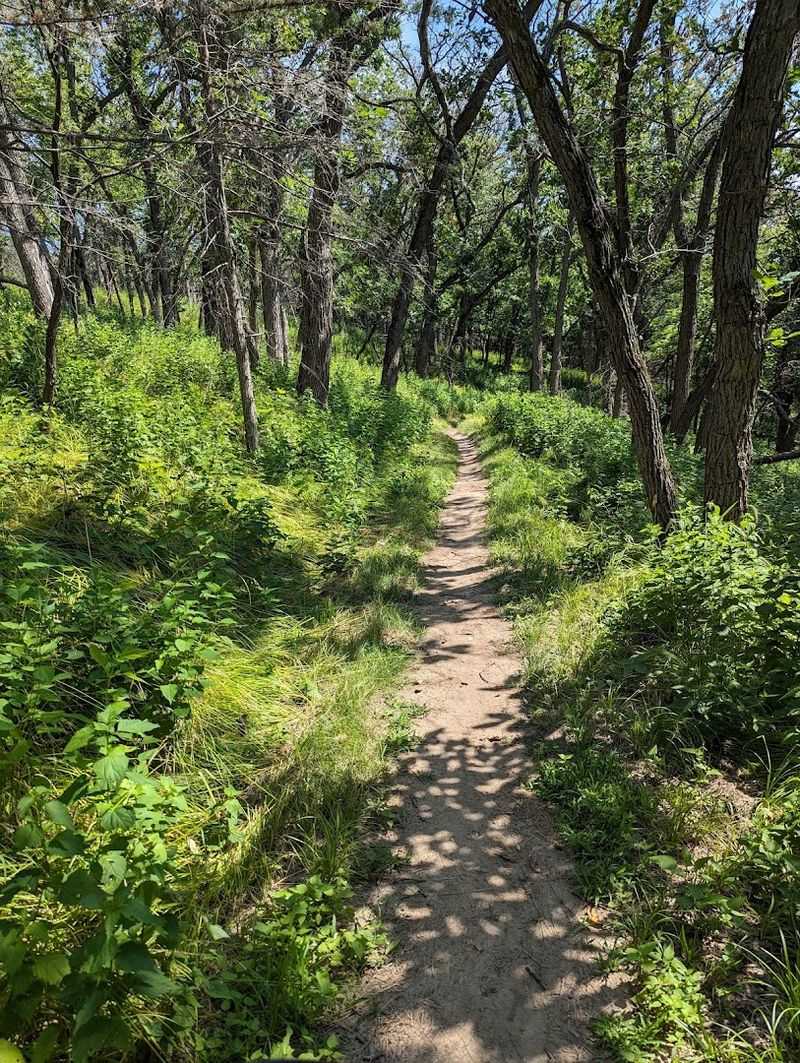
Twenty miles of trails might not sound like much, but at Ponca, they pack in incredible variety. Easy riverside loops let families with young kids enjoy nature walks without breaking a sweat.
Meanwhile, ridge trails challenge experienced hikers with steep climbs and technical sections that get your heart pumping.
The trail system weaves through every type of terrain the park offers. You’ll cross forested valleys, climb rocky bluffs, and skirt meadow edges where wildflowers bloom in spring.
Mountain bikers love the challenging terrain, with roots, rocks, and elevation changes keeping things interesting.
Trail names like Missouri River Trail and River Bluff Trail give you clues about what to expect. Some paths follow the river at its level, offering peaceful water views and bird songs.
Others climb to ridgetops where wind rushes through the treetops. Connect different trails to create your own adventure, whether you want a quick thirty-minute stroll or an all-day expedition through the park’s backcountry.
Prime Destination for Birdwatching
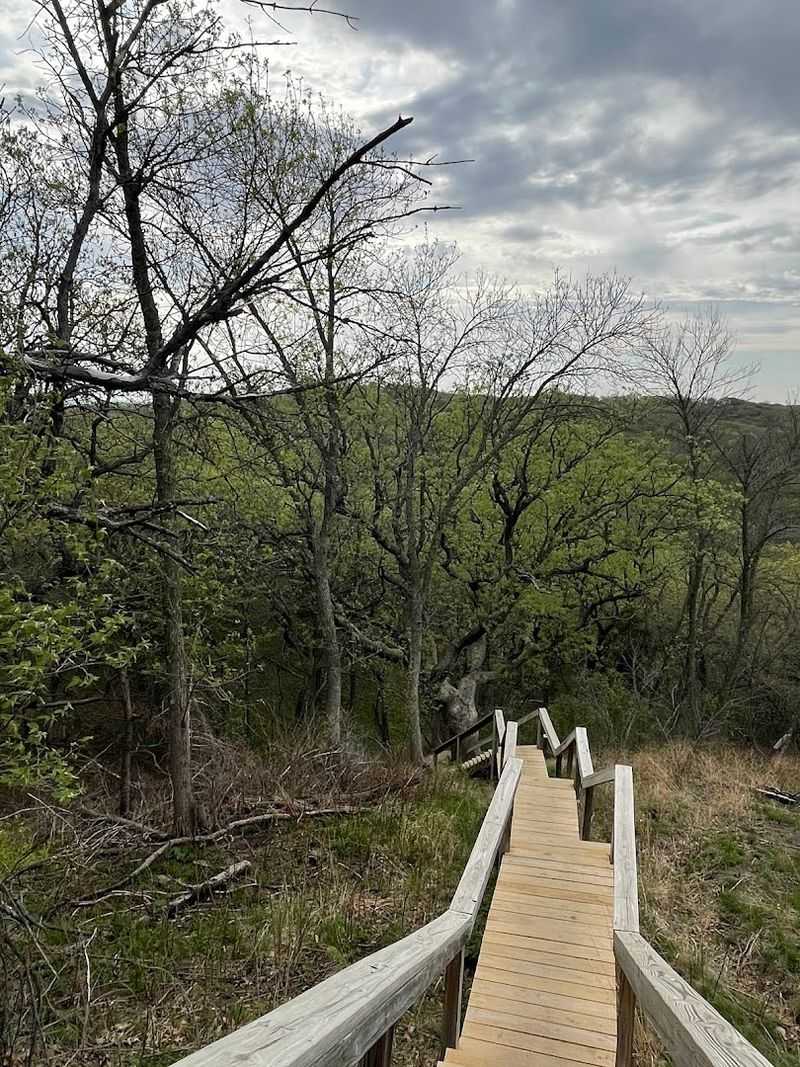
Serious birders mark Ponca State Park on their calendars every spring. The Missouri River corridor serves as a major migration highway, funneling thousands of birds through this concentrated area.
Warblers arrive in waves of yellow, blue, and green, filling the trees with movement and song.
More than 200 bird species have been recorded at Ponca throughout the year. Spring migration peaks in May when scarlet tanagers, rose-breasted grosbeaks, and dozens of warbler species pass through.
Ruby-throated hummingbirds buzz among the wildflowers, while Baltimore orioles flash orange through the canopy.
The park’s habitat diversity attracts different species to different zones. Wetland areas host herons and kingfishers, while forest edges bring out thrushes and towhees.
Even casual visitors will notice the abundance of bird activity. Bring binoculars and a field guide, or join one of the park’s guided birding walks led by knowledgeable naturalists who can help identify songs and spot hidden species in the foliage.
Missouri River Recreation Access
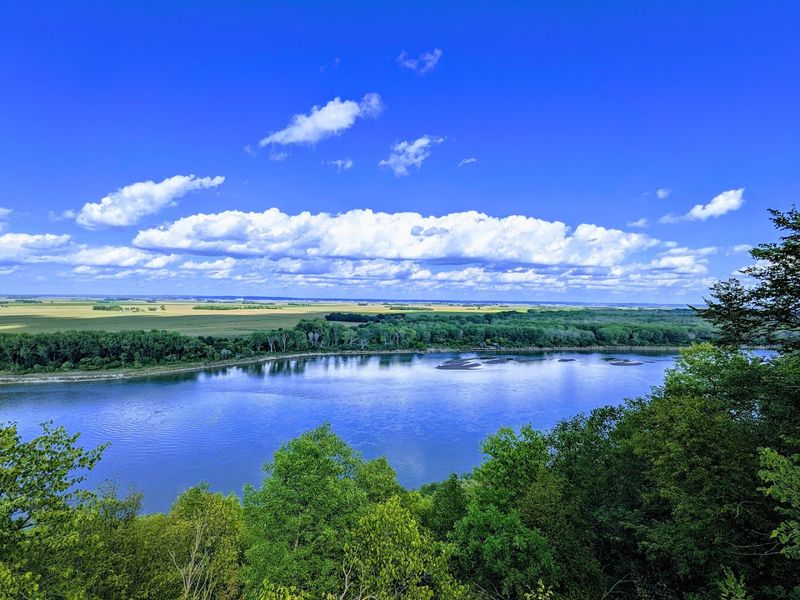
The Missouri River here flows in one of its few remaining unchannelized stretches, meaning the water still moves and shifts like it did centuries ago. This natural character creates perfect conditions for paddling adventures.
Sandbars appear and disappear with changing water levels, creating new places to explore each season.
Launch your kayak or canoe right from the park and spend hours exploring the river’s bends and backwaters. The current moves gently enough for beginners, yet offers enough interest to keep experienced paddlers engaged.
Fishing from boats or the shoreline can yield catfish, bass, and other river species.
Motorboats are welcome too, giving you access to longer stretches of river for exploration or fishing trips. The park’s boat ramp makes launching easy.
Summer days on the water provide relief from heat, with cool breezes coming off the river and shaded coves to discover. Wildlife viewing from the water gives you different perspectives—you might spot bald eagles, deer coming down to drink, or turtles sunning on logs.
Unique Educational Programs and Nature Activities
Did you know you can learn to identify bird songs, track wildlife, or understand forest ecology—all while on vacation? Ponca’s naturalist staff runs programs year-round that turn casual visitors into engaged nature enthusiasts.
These aren’t boring lectures either; they’re hands-on experiences that get you outside and involved.
Guided nature hikes happen regularly, with experts pointing out plants, animals, and geological features you’d otherwise miss. Kids especially love the interactive programs where they might net aquatic insects, build bird feeders, or practice wildlife photography.
Conservation activities let visitors contribute to real park projects.
Evening programs around the campfire bring stories of local ecology and wildlife behavior to life. Seasonal events focus on whatever’s happening in nature right then—spring wildflower walks, summer bat watches, fall mushroom hunts.
The naturalists’ enthusiasm is contagious, and you’ll leave with new knowledge and appreciation for the natural world. Check the park’s event calendar before visiting to plan your trip around programs that interest you most.
Family-Friendly Amenities and Activities
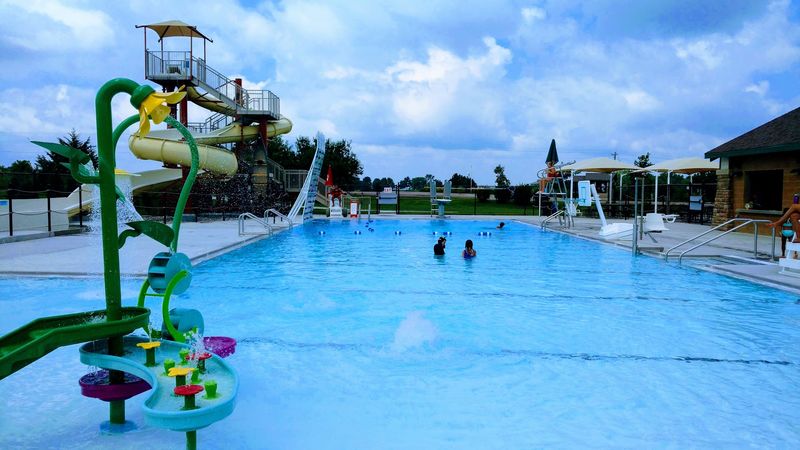
Not every kid wants to hike for hours, and Ponca gets that. The park balances wilderness experiences with amenities that keep younger visitors happy.
A swimming pool provides relief on hot summer days when trails feel less appealing. Playgrounds give little ones a place to burn energy while parents relax at nearby picnic tables.
Picnic areas with shelters accommodate family reunions and group gatherings, complete with grills and restrooms. The playground equipment suits various ages, from toddlers to pre-teens.
Open grassy areas invite frisbee games, kite flying, or simple running around.
Special events like the Missouri River Outdoor Expo bring the community together with activities, demonstrations, and vendors. Summer weekends often feature organized activities for kids—everything from scavenger hunts to outdoor movie nights.
The combination of structured activities and free-form play means families with different ages and interests all find something enjoyable. Parents appreciate that the park offers both adventure and relaxation, making it easier to keep everyone happy during a multi-day visit without leaving the park grounds.
Wildlife Viewing in a Forested River Valley
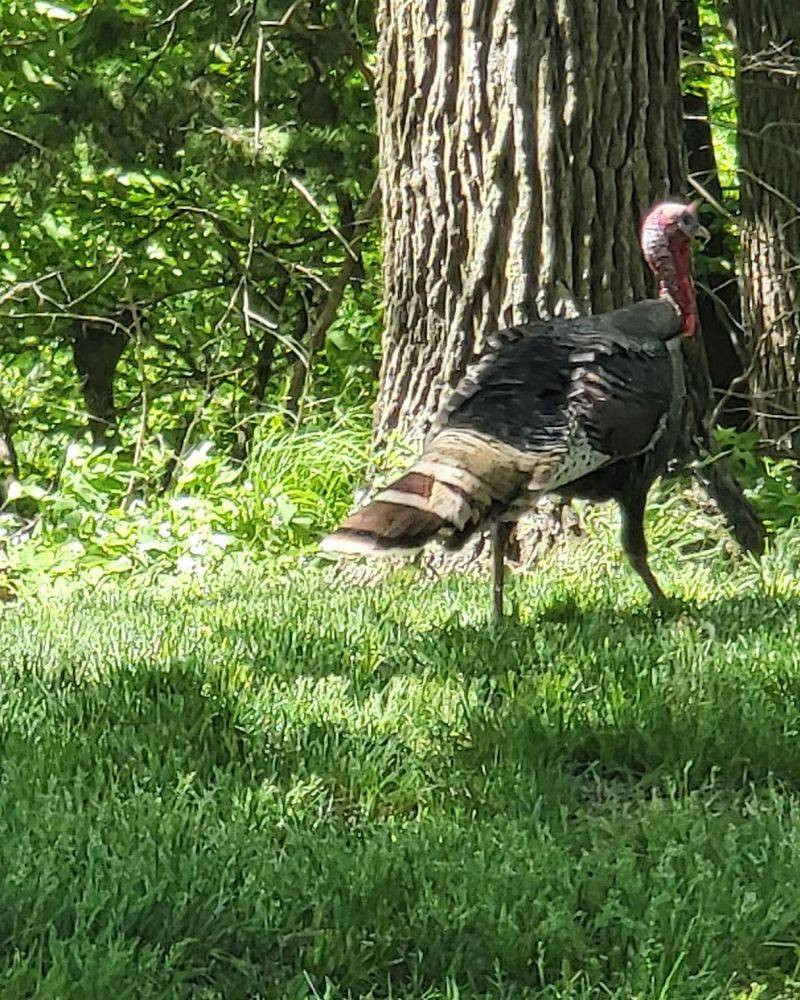
Early morning at Ponca brings the forest to life in magical ways. Whitetail deer step delicately through the underbrush, their white tails flashing as they bound away.
Wild turkeys scratch in the leaf litter, their distinctive gobbles echoing through the trees. Fox sightings happen more often than you’d expect, especially near dawn or dusk.
The park’s location where forest meets prairie and river creates edge habitat that wildlife loves. This diversity means you’re not just seeing one or two species—you’re witnessing a whole ecosystem in action.
Raccoons, opossums, and even occasional coyotes leave tracks on muddy trails.
Seasonal changes bring different opportunities. Spring fawns wobble on spindly legs beside watchful mothers.
Summer brings out butterflies and dragonflies in dazzling numbers. Fall sees squirrels frantically gathering acorns while migrating hawks soar overhead.
Winter snow reveals animal tracks that tell stories of nighttime activity. Bring binoculars and move quietly through the park, and you’ll be amazed at how much wildlife activity you can witness even during a short visit.
Cozy Cabins and Camping with Scenic Views
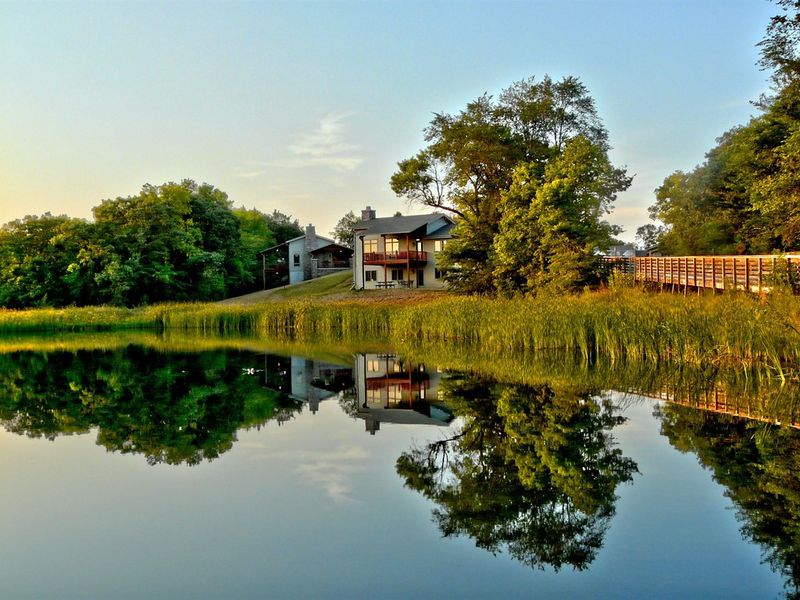
Sleeping under the stars takes on new meaning when you’re perched on a bluff above the Missouri River. Ponca offers overnight options for every comfort level.
Modern cabins feature heat, air conditioning, and full amenities for those who want nature with a side of comfort. Some overlook the river valley, letting you watch sunrises from your front porch.
RV sites accommodate large rigs with electrical hookups and easy access to facilities. Tent camping areas tuck into wooded spots where you fall asleep to cricket songs and wake to bird chorus.
The campground feels spacious despite the park’s compact size, with sites spread throughout the terrain.
Staying overnight lets you experience the park in different lights—literally. Morning mist rises from the river valley, creating ethereal scenes.
Evening brings fireflies in summer and stars that shine brighter without city lights nearby. Campfire conversations feel more meaningful here.
Booking ahead is essential, especially for cabins and holiday weekends. Peak season runs from late spring through early fall, though each season offers unique appeal for those who enjoy quieter visits.
What to Know Before You Go
A Nebraska park entry permit is required—you can purchase daily or annual passes at the park office or online before arriving. This small fee supports park maintenance and programs.
Don’t forget to grab a trail map when you check in; cell service can be spotty in the valley.
Weather dramatically affects your experience here. Spring brings beautiful wildflowers but also mud that can make some trails impassable.
Summer offers the full range of activities, though heat and humidity can be intense. Fall delivers spectacular foliage and comfortable temperatures, making it arguably the best time to visit.
River conditions fluctuate based on rainfall and dam releases upstream, affecting paddling and fishing opportunities. Check current conditions before planning water activities.
Summers bring the most visitors and events, which means more activity but less solitude. Spring and fall offer better wildlife viewing with fewer crowds competing for trail space.
Winter is quiet and beautiful but limits some amenities. Cabin and campsite reservations are strongly recommended from May through October—popular weekends book months in advance.