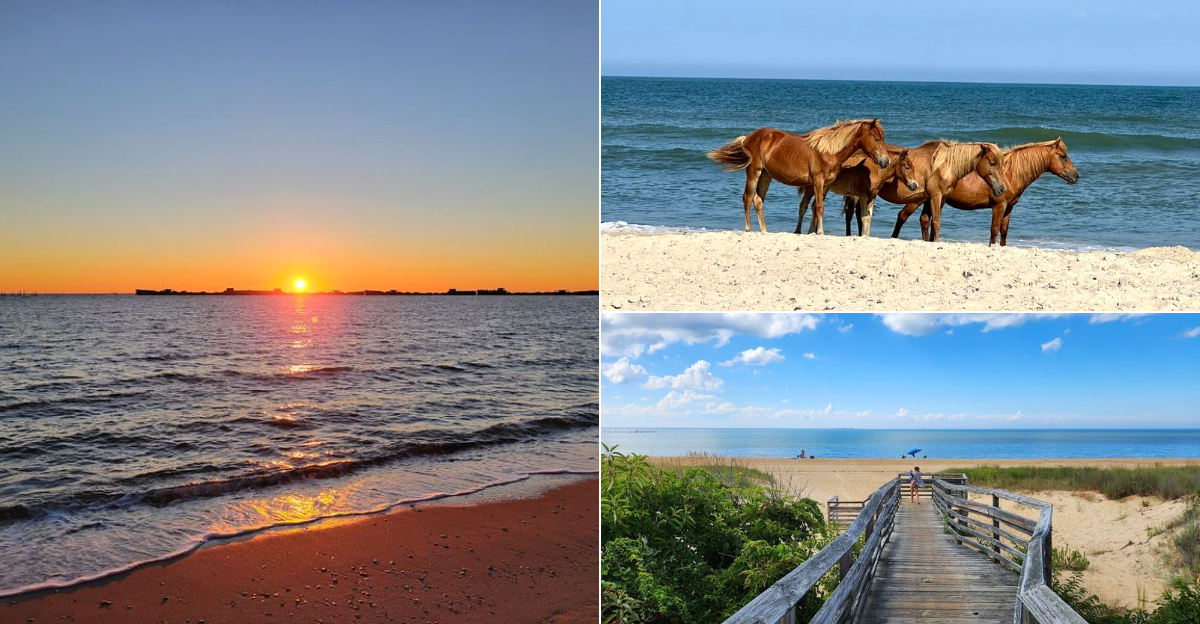
Virginia’s coastline stretches from the Chesapeake Bay to the open Atlantic, and while most visitors come for the sun and sand, the water itself holds a world that rarely gets the attention it deserves.
The mix of bay, inlet, and ocean environments along the Virginia coast creates a variety of snorkeling conditions; from the sheltered, grass-bed shallows of the bay side to the rockier, more dynamic underwater terrain near the Atlantic-facing beaches.
The Chesapeake Bay, which borders much of the state, is one of the most productive estuaries in North America, and that richness shows up in the water in ways that genuinely surprise first-time snorkelers.
These eleven Virginia beaches offer far more beneath the surface than most people ever take the time to discover.
1. Virginia Beach Oceanfront – Virginia Beach, Virginia Beach
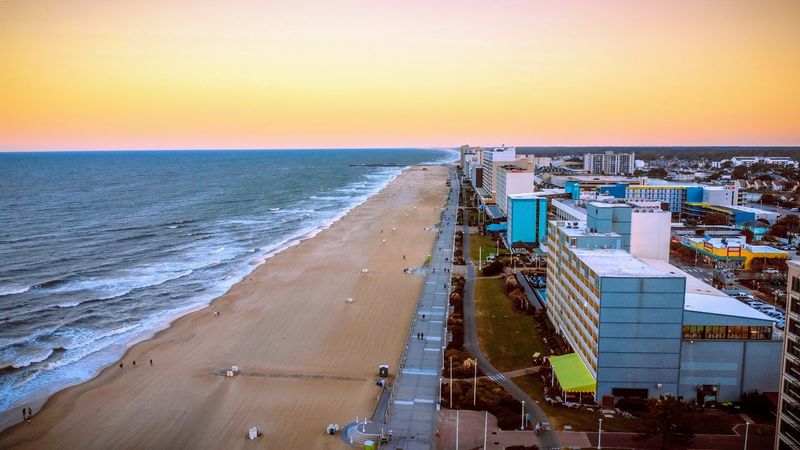
The first thing you notice is the rhythm – bikes humming along the boardwalk, gulls circling, and the Atlantic pushing in with steady confidence.
It feels classic at a glance, yet the longer you stay, the more layers begin to reveal themselves.
That mix of energy and hidden texture is exactly what makes Virginia Beach Oceanfront worth more than a quick sandy stop.
Beyond sunbathing, you can trace public art, fishing piers, and seasonal events that turn the shoreline into a living social stage.
The nearby waters have long shaped local identity, from military presence to surf culture and the tourism economy that still drives much of the area.
If you walk early, before crowds fill the strand, you get a quieter sense of how the coastline actually breathes.
Marine life sightings, beachcombing finds, and changing weather patterns give each visit a different personality.
Restaurants and hotels line the edge, but the ocean remains the main storyteller, pulling your attention back with every changing light.
Even familiar attractions feel richer when you notice the city balancing recreation, habitat, and history in one highly visible place.
Sometimes Virginia’s most famous beach is also one of its most unexpectedly layered.
2. Chincoteague Beach – Chincoteague, Accomack County
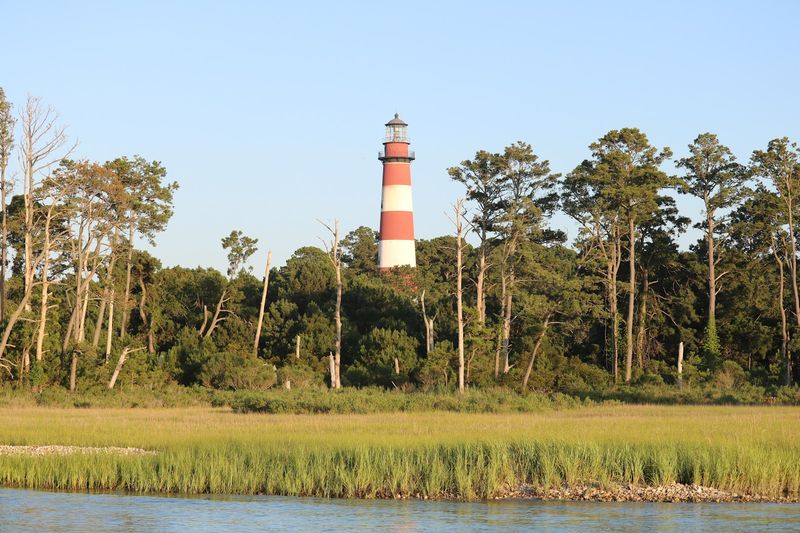
Salt marsh air, distant bird calls, and a sense of wide-open calm set the mood before the ocean even comes fully into view.
This stretch of coast rewards patience, especially if you enjoy places where nature feels like the main attraction instead of background scenery.
That is why Chincoteague Beach stands out as more than a beautiful place to spread a towel.
Part of its magic comes from the surrounding refuge landscape, where migratory birds, shell-lined sands, and tidal habitats create a richer experience.
You are never far from the famous wild ponies associated with nearby Assateague, and that connection gives the whole area a mythical pull.
Even a simple walk here can become a lesson in barrier island ecology, shifting dunes, and the fragile systems protecting the Eastern Shore.
The beach itself often feels gentler and less commercial than larger resort destinations, which makes every detail easier to notice.
Changing tides reveal patterns in the sand, while sky and water can shift from silver to blue in a matter of minutes.
If you visit at sunrise or sunset, the landscape feels almost suspended between coastal wilderness and memory.
Chincoteague Beach offers the kind of quiet depth that lingers with you long after you leave.
3. Colonial Beach – Colonial Beach, Westmoreland County
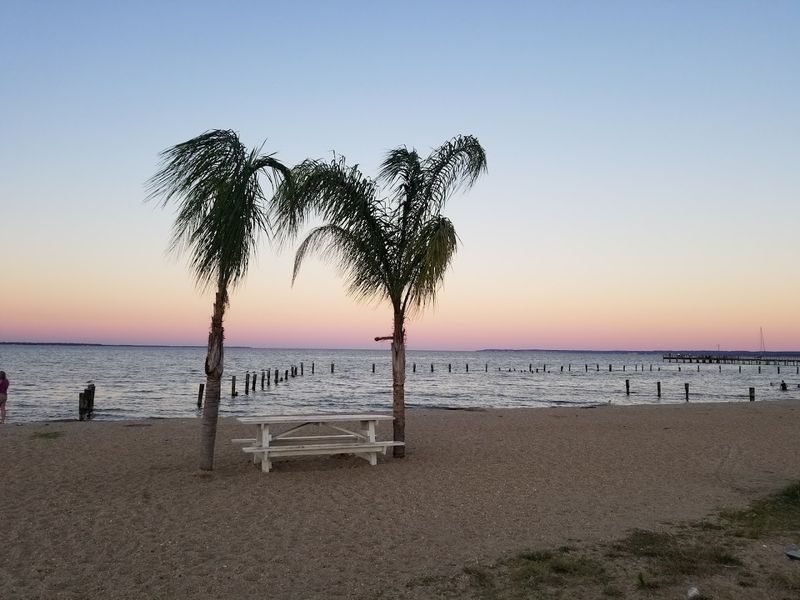
Calmer water, a small-town pace, and a riverfront mood make this place feel different from Virginia’s ocean beaches right away.
Instead of roaring surf, you get a softer edge where conversation, fishing, and evening walks seem perfectly matched to the landscape.
That easygoing charm is what first draws people toward Colonial Beach, but its appeal goes further.
Set along the Potomac River, it carries a layered identity shaped by maritime life, local politics, and long-standing resort traditions.
The broad public shoreline and walkable downtown create an old-fashioned summer feeling that still feels authentic rather than staged.
If you pay attention, you can sense how this community grew around water not just as scenery, but as livelihood, transportation, and social life.
The beach is especially good for travelers who want accessibility without sacrificing atmosphere.
Boaters, birdwatchers, and history-minded visitors all find something to latch onto, whether that is the waterfront, nearby heritage sites, or the simple pleasure of slower tides.
There is also something unexpectedly intimate about seeing sunset colors spread across river water instead of open ocean.
Colonial Beach does not overwhelm you with spectacle, and that is exactly its strength.
It invites you to settle in, notice details, and appreciate coastal Virginia from a gentler angle.
4. Buckroe Beach – Hampton, Hampton
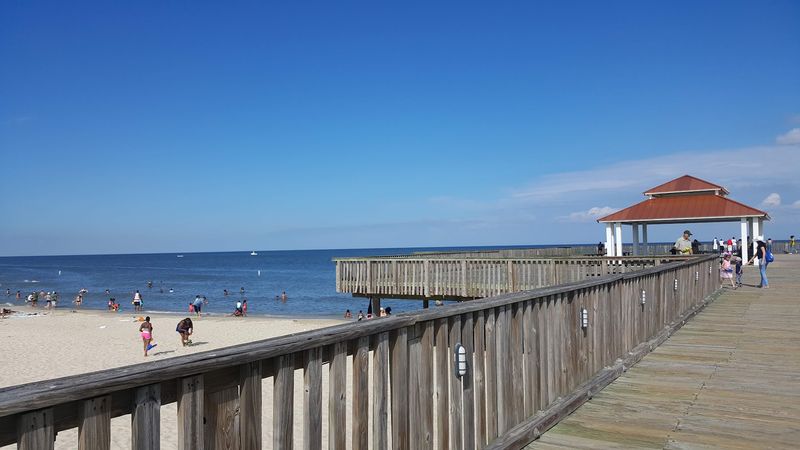
Gentle bay water and a neighborhood feel give this shoreline an approachable, lived-in character from the start.
It is the kind of place where families settle in easily, but the setting offers more complexity than its relaxed first impression suggests.
Buckroe Beach in Hampton carries both recreational appeal and a strong sense of local continuity.
Positioned along the Chesapeake Bay, it has long served as a community gathering space shaped by changing eras of leisure and development.
Nearby history adds weight, especially when you remember how deeply Hampton’s waterfront has been tied to military, maritime, and cultural stories.
A walk here can shift quickly from playful beach energy to a broader appreciation of how public shorelines anchor civic life.
The calmer waters make it inviting for casual swimmers, yet the beach is also ideal for watching light, weather, and shorebird activity.
You may notice how the bay softens everything – the waves, the sounds, even the pace of an afternoon.
That softer mood helps details stand out, from local fishing habits to the simple geometry of the long shoreline.
What makes Buckroe memorable is not dramatic remoteness, but the way it combines comfort with context.
It feels accessible without feeling empty of meaning, which is harder to find than it sounds.
5. Assateague Island Beach – Chincoteague, Accomack County
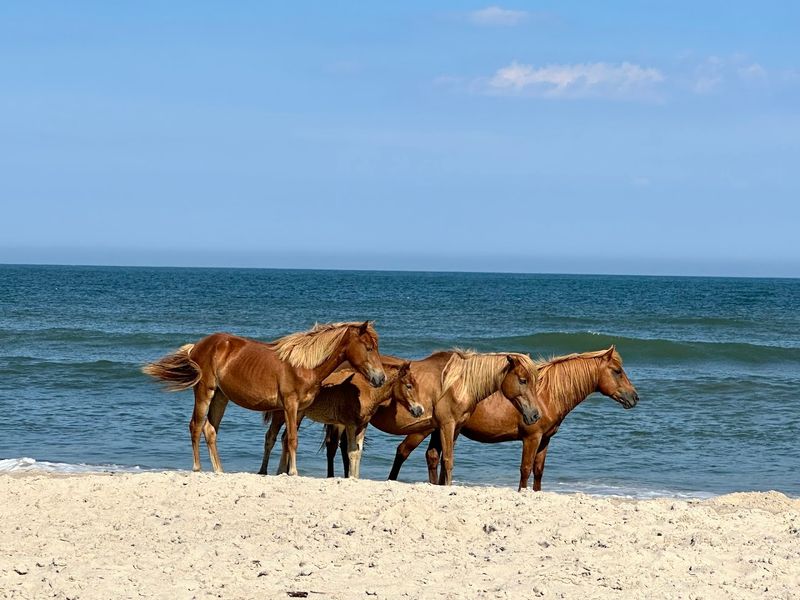
Wind moves differently here, carrying the feeling that the landscape still belongs first to the elements.The beach is broad, untamed, and wonderfully sparse, giving you space to notice more than just surf and sand.
Assateague Island Beach feels like a place where wildness is not curated for visitors, but simply allowed to exist.
Its reputation often centers on the ponies, and for good reason, yet the real depth lies in the entire barrier island system.Dunes migrate, storms reshape access, and the meeting of ocean, marsh, and sky creates a constantly evolving environment.
When you spend time here, you start appreciating how temporary every footprint looks against such resilient natural processes.
Birders, photographers, and anyone drawn to coastal ecology will find more to watch than they expected.The beach can feel peaceful one moment and dramatic the next, especially when weather rolls in over the Atlantic.
That unpredictability gives the island an edge that more polished beach towns rarely match.
You come here for scenery, but you remember the rawness and the sense of honest exposure.Nothing about Assateague asks for your attention loudly, yet it keeps earning it with every quiet detail.
For a Virginia beach experience that feels bigger than recreation alone, this one reaches surprisingly deep.
6. First Landing State Park – Virginia Beach, Virginia Beach
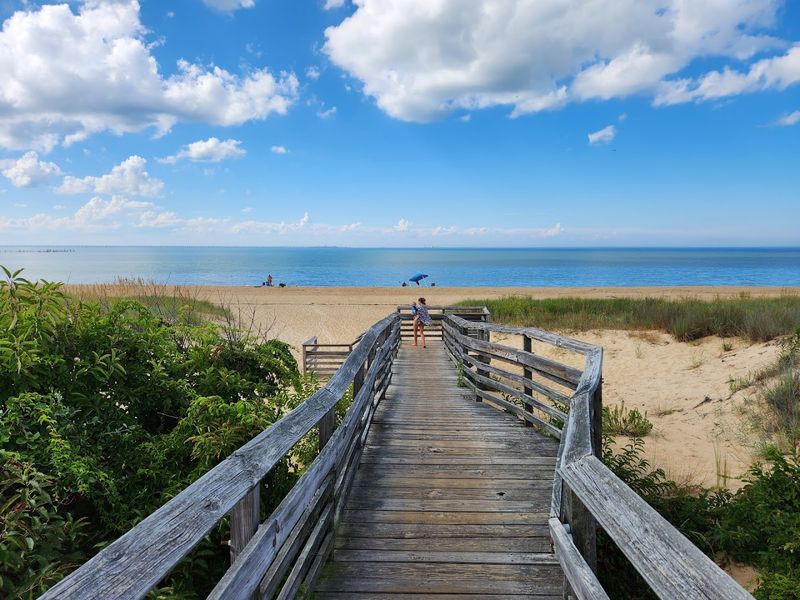
Where forest trails, marsh edges, and sandy shoreline meet, the whole coastal experience feels immediately more textured.
You are not just arriving at a beach here – you are entering an environment where land and water constantly shape each other.
That is the quiet power of First Landing State Park in Virginia Beach.
The park is tied to the 1607 arrival of English colonists, but history is only one part of what gives it depth.
Its cypress swamps, maritime forest, and Chesapeake Bay frontage create a rare chance to experience several habitats in one visit.
Because of that variety, every hour can feel different, whether you are hiking, paddling, or simply watching wind move across the shallows.
The beach areas are generally calmer than the open Atlantic, which makes it easier to tune into subtler details.
Crabs, wading birds, shifting light through trees, and the earthy smell of wet marsh all add to the sense that this place is alive beyond recreation.
Even the contrast between busy resort Virginia Beach and this preserved pocket makes the park feel especially valuable.
First Landing proves that some of Virginia’s richest shorelines are the ones where the beach is only the beginning.
7. Cape Henry – Virginia Beach, Virginia Beach
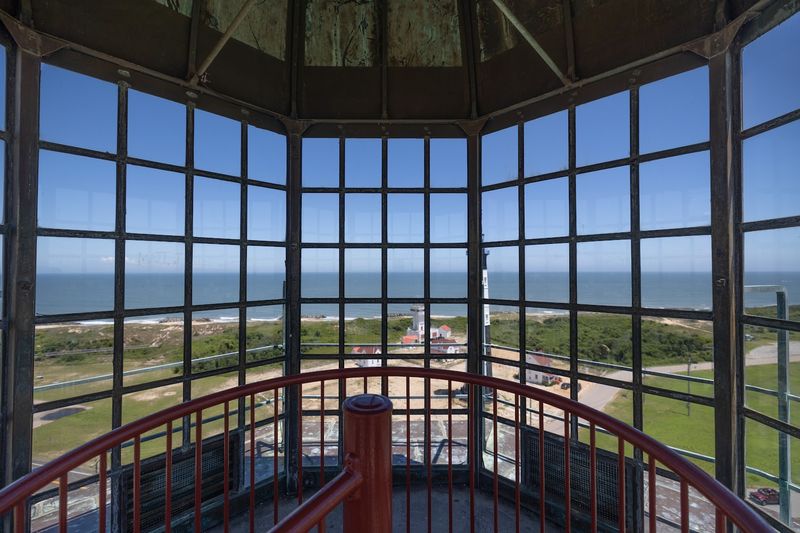
Few shorelines feel as charged with geography and history as the place where the bay meets the ocean.
There is a seriousness to the scenery here, shaped by navigation, defense, and the knowledge that ships have long depended on this point.
That deeper character is what makes Cape Henry in Virginia Beach much more than a scenic stop.
The lighthouse is the most obvious symbol, standing as a reminder of how essential this headland has been to maritime travel.
Nearby military presence adds another layer, giving the coast an atmosphere that feels both protected and historically consequential.
When you stand near the water, you can sense how this location has functioned as threshold, lookout, and arrival point for centuries.
Natural features still matter just as much as built ones.
The meeting of currents, shifting sand, and broad coastal views create a dramatic landscape that changes with weather and season.
It is a place where you can think about ecology, navigation, and national history all while listening to waves break against the shore.
Cape Henry rewards visitors who like context as much as coastal beauty.
The beach itself may feel quieter than more commercial stretches nearby, but the setting carries exceptional weight.
8. Ocean View Beach – Norfolk, Norfolk
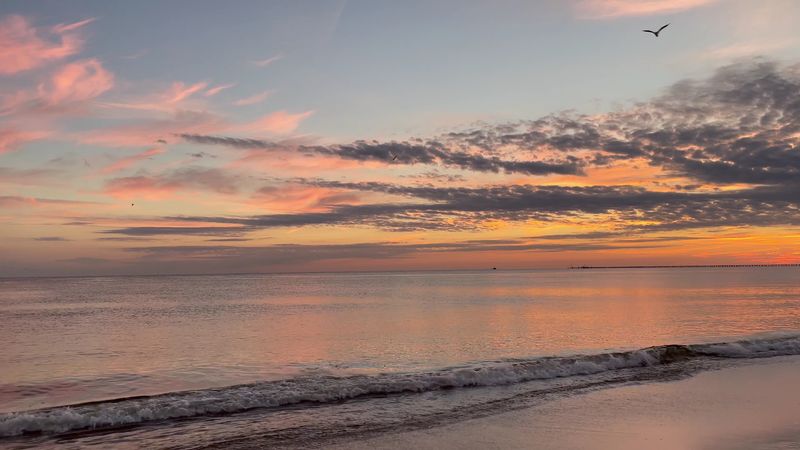
A residential rhythm, broad bay views, and a less tourist-heavy vibe make this shoreline feel immediately personal.
Instead of a polished resort experience, you get something more local, more grounded, and often more revealing.
That quality gives Ocean View Beach in Norfolk an appeal that quietly deepens the longer you stay.
This stretch has seen resort booms, amusement-era memories, storms, redevelopment, and the everyday routines of nearby neighborhoods.
Because of that, the beach tells a story about change – not just natural coastal change, but cultural and urban change as well.
You can enjoy the simple pleasures of sand and water while also sensing how the area has continually reinvented itself.
The Chesapeake Bay keeps the mood calmer than an oceanfront destination, which suits walkers, sunset chasers, and reflective afternoons.
Fishing, bird activity, and distant ship traffic all remind you that this is still a working and moving waterfront.
There is something especially compelling about a beach where ordinary life and maritime scale remain visible at the same time.
Ocean View does not try too hard to impress, and that restraint becomes part of its charm.
It feels honest, comfortable, and rooted in real community rather than spectacle.
9. Lynnhaven Inlet – Virginia Beach, Virginia Beach
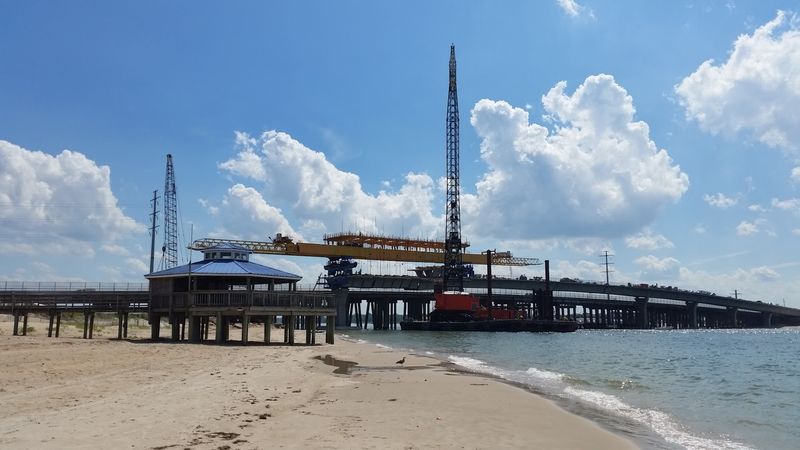
Still water, passing boats, and the feel of a working shoreline create a very different kind of beach mood here.
This is less about crashing surf and more about tidal character, local seafood culture, and the relationship between inlet and bay.
That makes Lynnhaven Inlet in Virginia Beach especially rewarding if you like coastal places with texture.
The inlet has deep ties to navigation, recreation, and the famous Lynnhaven oyster story that helped define the area.
Even if you arrive just looking for views, you quickly notice how the landscape supports boating, fishing, marsh habitat, and waterfront dining all at once.
It is a place where natural systems and human use seem tightly braided together rather than separated.
Light changes beautifully across the water here, especially around sunrise and late afternoon when the scene turns reflective and quiet.
Birdlife, docks, and small waves lapping against the shore create constant movement without ever feeling hectic.
That gentler pace encourages you to pay attention to details you might miss on a louder beach.
Lynnhaven Inlet offers a more intimate coastal experience than many visitors expect from Virginia Beach.
Its depth comes from working waterfront energy, ecological importance, and a strong sense of place.
10. Kiptopeke State Park – Eastville, Northampton County
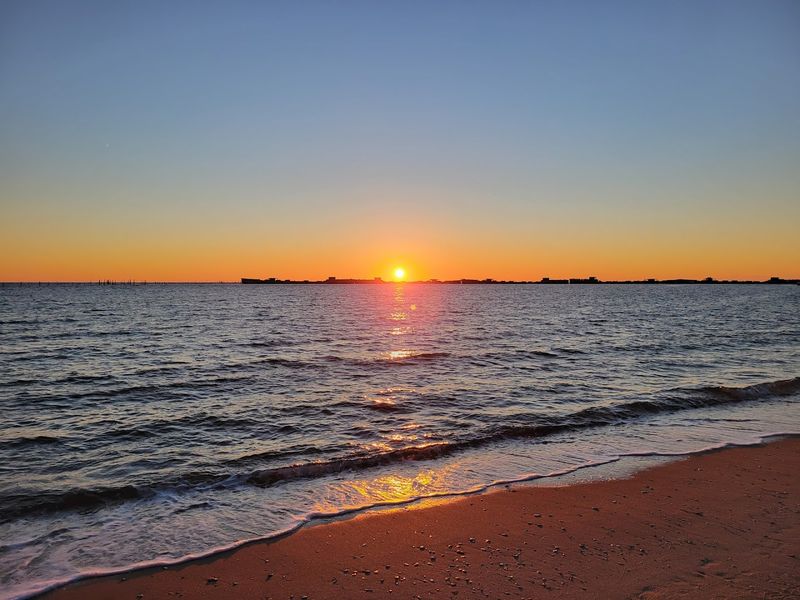
At first, the shoreline feels peaceful and understated, with calm bay water and a horizon that seems to invite long pauses.
Then you notice the ghostly shapes offshore, and the whole place takes on a different dimension.
Kiptopeke State Park near Eastville is one of those rare beaches where history and habitat share the same frame.
The concrete ships visible in the water are remnants from World War II, later used as a breakwater, and they give the scene unmistakable character.
What could have been just an attractive bay beach becomes something stranger and more memorable once you understand that backdrop.
It is hard not to think about time, resilience, and reuse while standing on a shore facing those weathered forms.
The park is also beloved for bird migration, fishing, and access to quieter natural spaces on the Eastern Shore.
During the right seasons, the area becomes especially rich for anyone watching raptors, songbirds, or changes in coastal light.
That combination of recreational ease and ecological significance makes the visit feel rewarding on multiple levels.
Kiptopeke does not rely on crowds or spectacle to stay with you.
Its power comes from atmosphere, unusual history, and the calm confidence of the Chesapeake Bay.
11. Sandy Bottom Nature Park – Hampton, Hampton
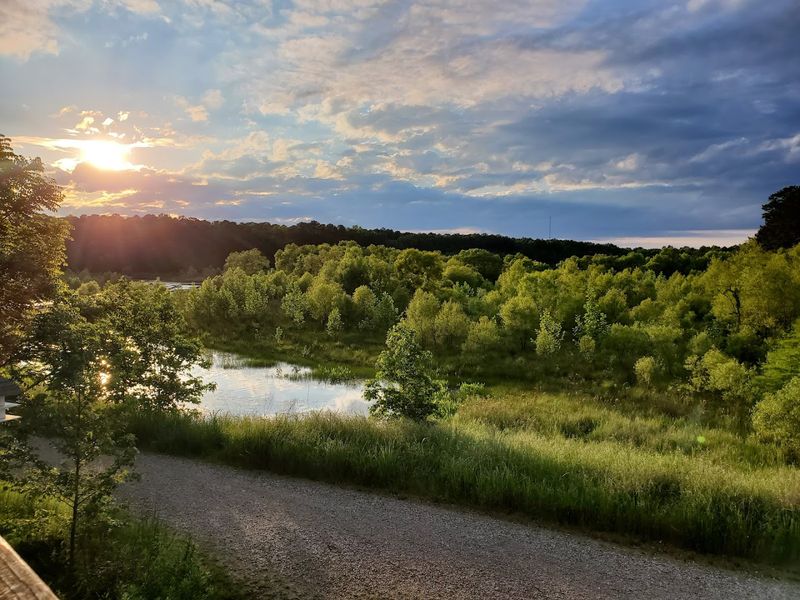
Not every meaningful beach experience in Virginia sits directly on the ocean or bay, and that is part of the surprise here.
With wooded trails, wetland edges, and a calm waterfront atmosphere, this spot feels more reflective than expansive.
Sandy Bottom Nature Park in Hampton proves that depth can come from habitat and mood, not just tides.
Built around a reclaimed quarry lake, the park offers an environmental comeback story that adds real substance to a visit.
What might seem like a simple inland beach area becomes more interesting when you consider the transformation from industrial use to protected recreation.
That history gives the landscape a sense of renewal you can actually feel as you move through it.
Families often come for easy outdoor time, but birders, walkers, and photographers can appreciate the quieter details.
The water is calmer, the scale is smaller, and the surrounding vegetation makes the shoreline feel enclosed in a good way.
Instead of dramatic coastal exposure, you get intimacy, wildlife potential, and the soothing effect of a managed natural space.
Sandy Bottom is a reminder that beneath the surface can also mean beyond expectations.
It expands the definition of what a Virginia beach day can look like.