Books are not dead—they’re just hiding in places like this.
The Last Bookstore in Los Angeles hits you like a plot twist the second you walk through the door. Towering shelves, strange book sculptures, and endless stacks pull you in fast.
It feels less like shopping and more like getting lost inside a story you don’t want to end.
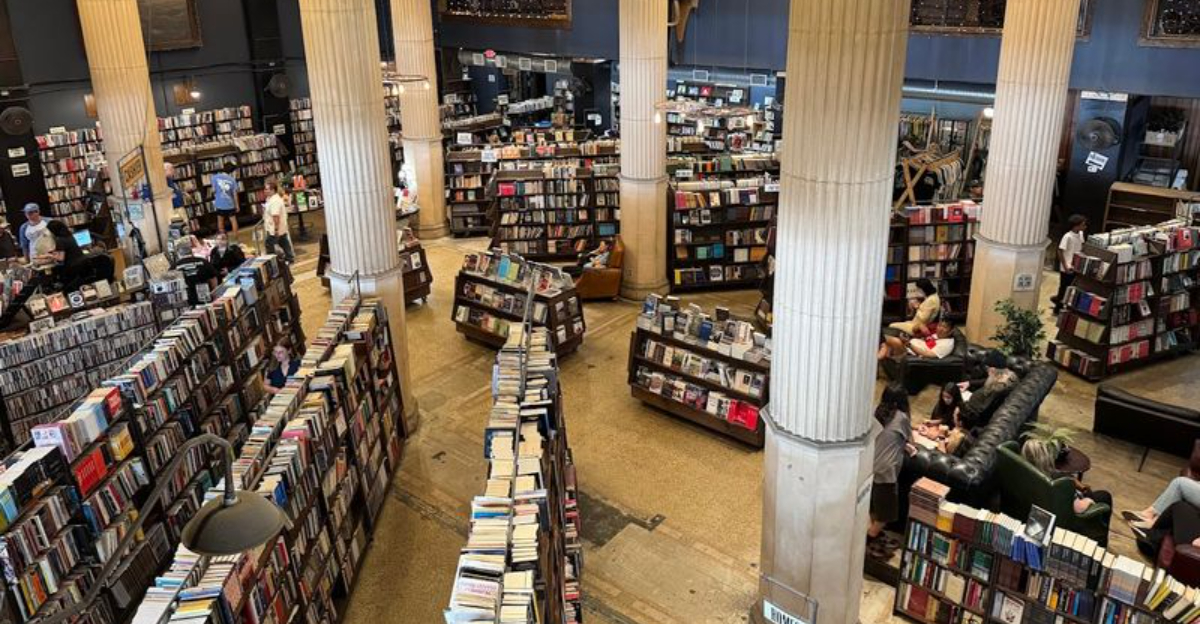
This isn’t some quiet little corner shop with a few bestsellers and a sleepy cashier. It’s 22,000 square feet of pure book-loving chaos, packed with new reads, old treasures, vinyl records, and art tucked into every corner.
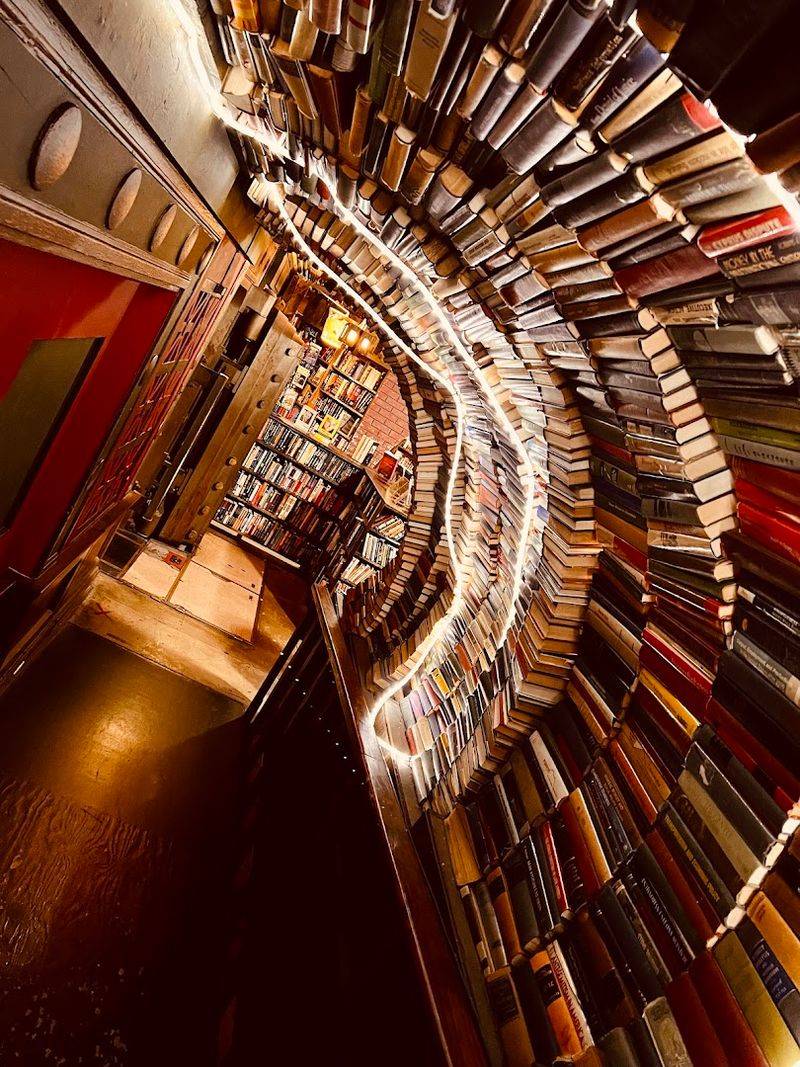
Turn one corner and you’ll find the famous book tunnel. Turn another and there’s a hidden maze of dollar books waiting to be picked through.
For anyone who still loves the weight of a real book in their hands, this place feels like magic made solid.
A Hidden World Inside Downtown Los Angeles
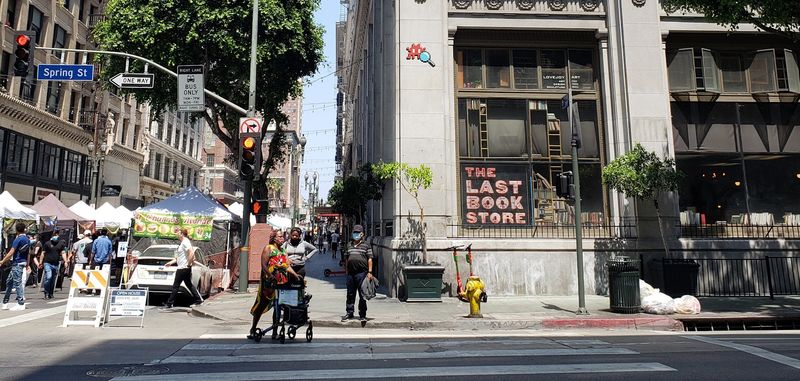
Step through the doors and suddenly the honking traffic and busy sidewalks of downtown LA vanish completely. What replaces them is something unexpected—a sprawling universe where every corner holds a new discovery.
The space feels deliberately designed to make you forget where you are.
Housed within the Spring Arts Tower, this isn’t your typical strip-mall bookstore with fluorescent lights and identical aisles. Instead, winding pathways lead you deeper into literary territory you didn’t know existed.
Natural light filters through original windows while exposed brick reminds you of the building’s long history.
First-time visitors often pause right at the entrance, overwhelmed by the sheer scope of what lies ahead. Maps won’t help much here—the best approach is simply wandering without a plan.
Every twist reveals another themed section, another cozy reading nook, or another reason to stay just a little bit longer in this refuge from the digital world outside.
A Former Bank Transformed into a Book Lover’s Labyrinth
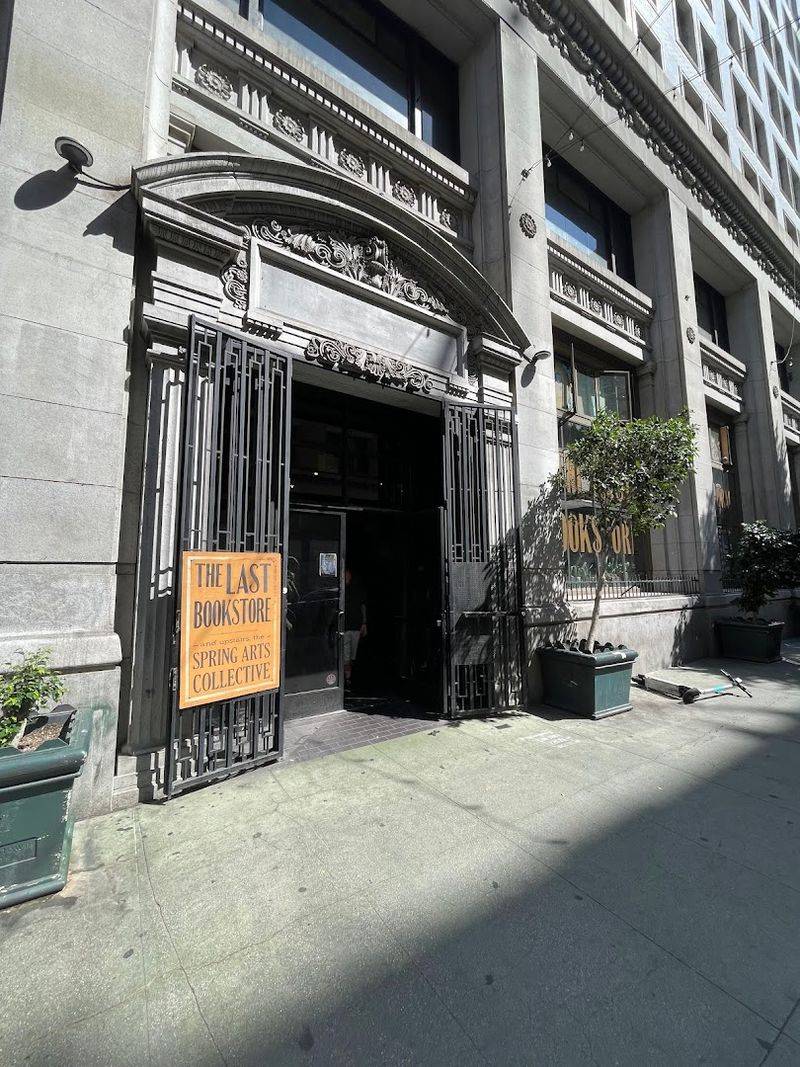
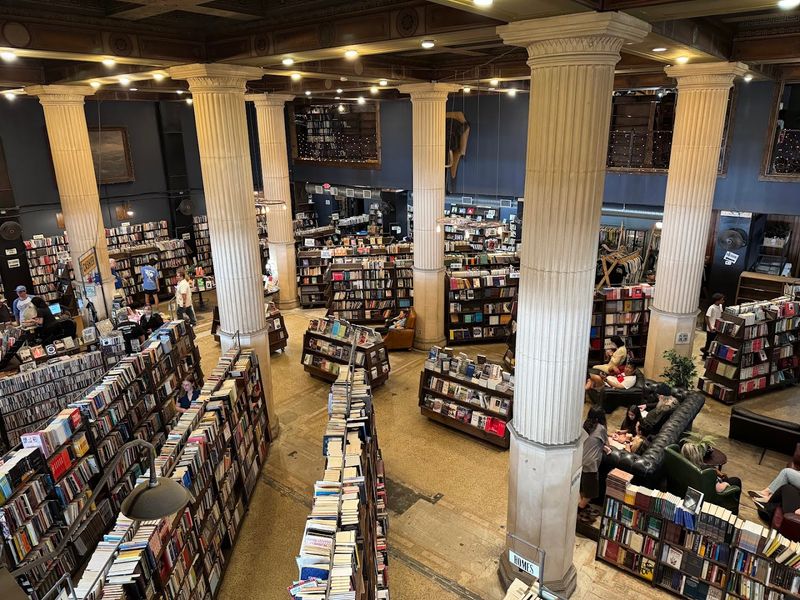
Banks and bookstores might seem like strange companions, but this 22,000-square-foot space proves they’re actually perfect partners. Original marble columns stand guard over rows of paperbacks where money once changed hands.
Soaring ceilings that once echoed with financial transactions now capture the rustle of turning pages.
The vault rooms add an extra layer of intrigue—these secure spaces that protected cash and valuables now safeguard rare editions and collector’s items. Walking through feels like discovering a secret chamber in an old castle.
The contrast between cold financial architecture and warm literary purpose creates an atmosphere you won’t find anywhere else.
Architects preserved many original features during the conversion, creating conversations between past and present. Modern bookshelves nestle against century-old craftsmanship.
Vintage light fixtures illuminate contemporary bestsellers. This blend of eras makes browsing feel like time traveling, where every book you pick up bridges decades of human creativity and expression.
The Famous Book Tunnel and Floating Archways
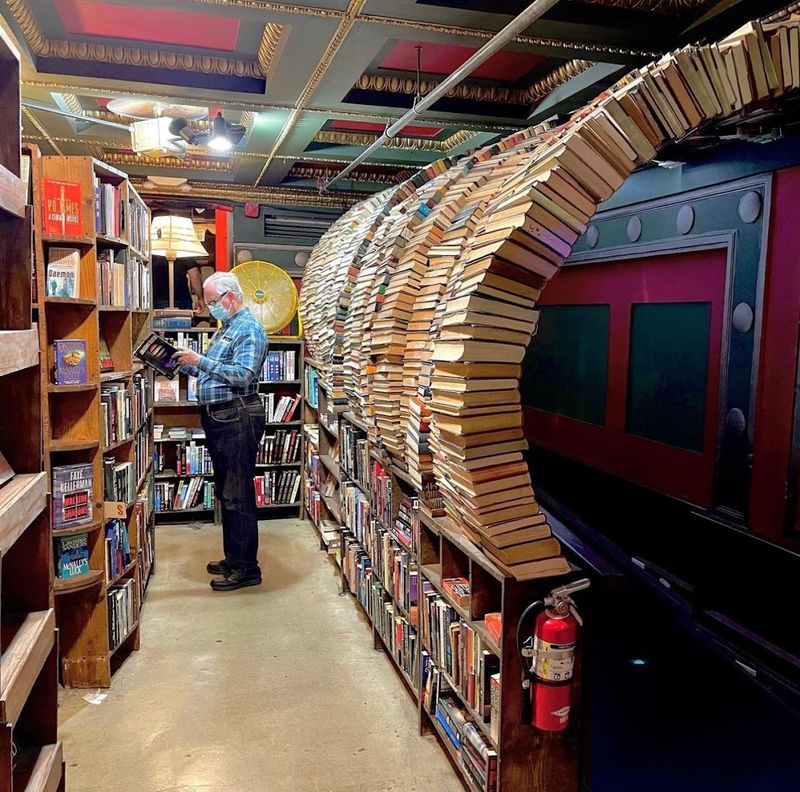
Instagram photos don’t do it justice—standing beneath an archway constructed entirely from suspended books creates genuine wonder. Books float overhead like frozen rain, their spines creating patterns that shift as you walk beneath them.
It’s part sculpture, part portal, entirely mesmerizing.
The tunnel itself invites you to literally walk through literature, making the abstract concept of immersing yourself in stories suddenly physical. Thousands of volumes curve overhead, their pages and covers creating a canopy that filters light in unexpected ways.
Photography rules get bent here—everyone stops to capture this moment.
Beyond being visually striking, these installations serve a deeper purpose. They transform browsing from a transaction into an experience worth remembering and sharing.
The arches frame doorways and pathways throughout the store, each one slightly different in composition and color. They remind visitors that books aren’t just information containers—they’re building blocks for creativity, imagination, and shared cultural spaces that bring people together.
Over Half a Million Books Waiting to Be Discovered
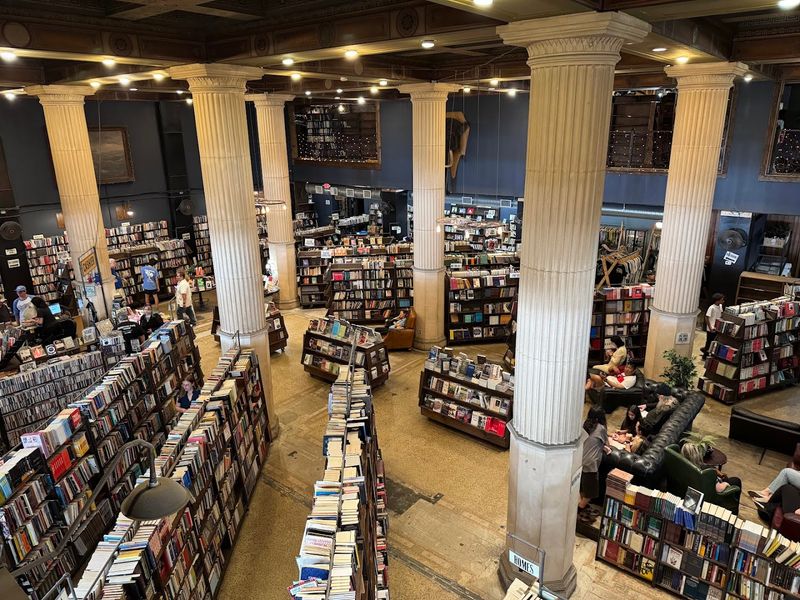
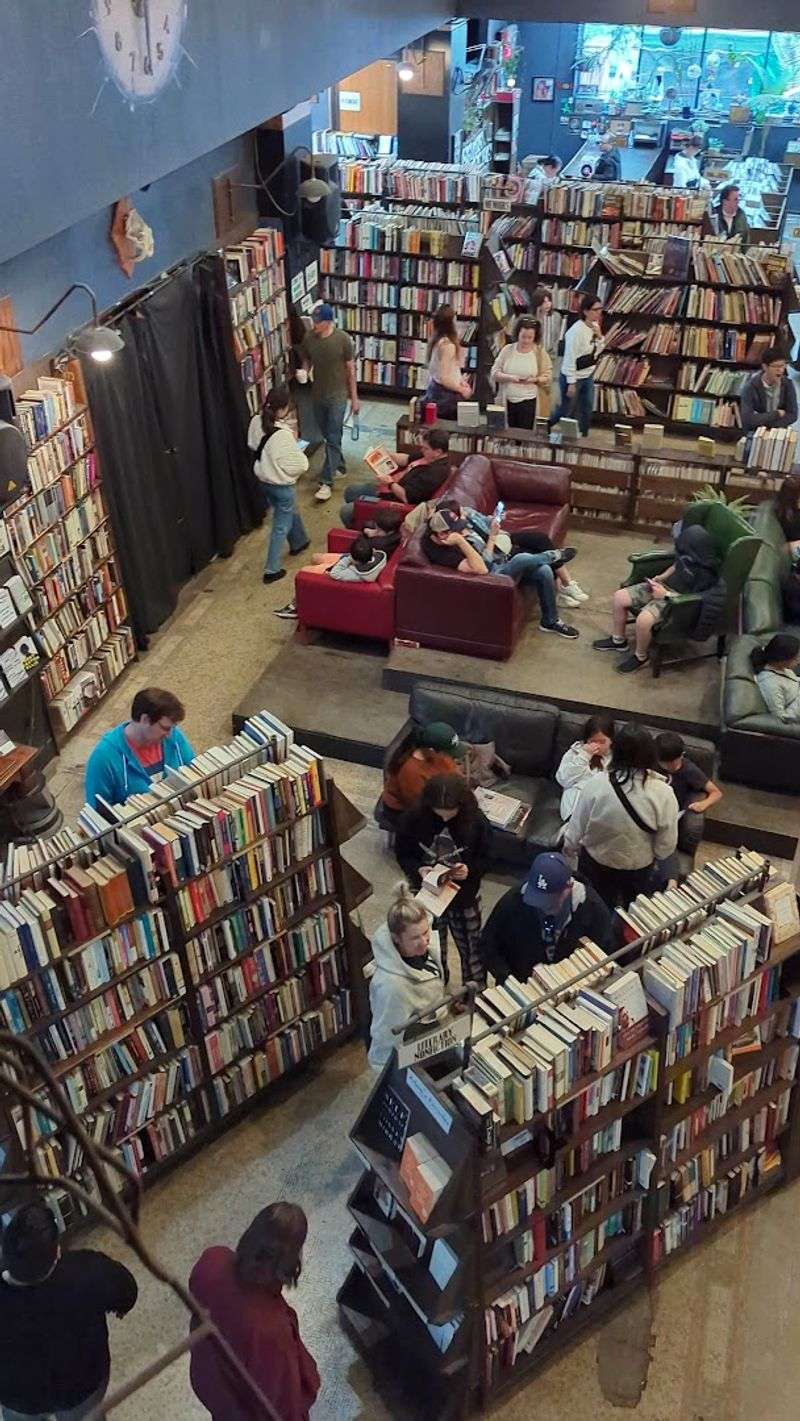
Half a million books sounds like an exaggeration until you start exploring and realize hours have vanished. New releases share space with forgotten gems from decades past.
Rare first editions hide among well-worn paperbacks that someone loved enough to donate back into circulation.
The organization system works brilliantly by being just loose enough to encourage accidents. Yes, there are sections and categories, but they flow into each other organically.
You might start in science fiction and somehow end up browsing cookbooks from the 1970s. These happy accidents often lead to the best finds.
Staff members know their inventory with impressive depth, but they also understand the joy of letting customers make their own discoveries. The sheer volume means you could visit weekly for years and still encounter books you’ve never seen before.
From academic texts to graphic novels, from signed copies to dollar bargains, the variety ensures every reading taste gets satisfied multiple times over during a single visit.
Vinyl Records, Art, and Creative Oddities Beyond Books
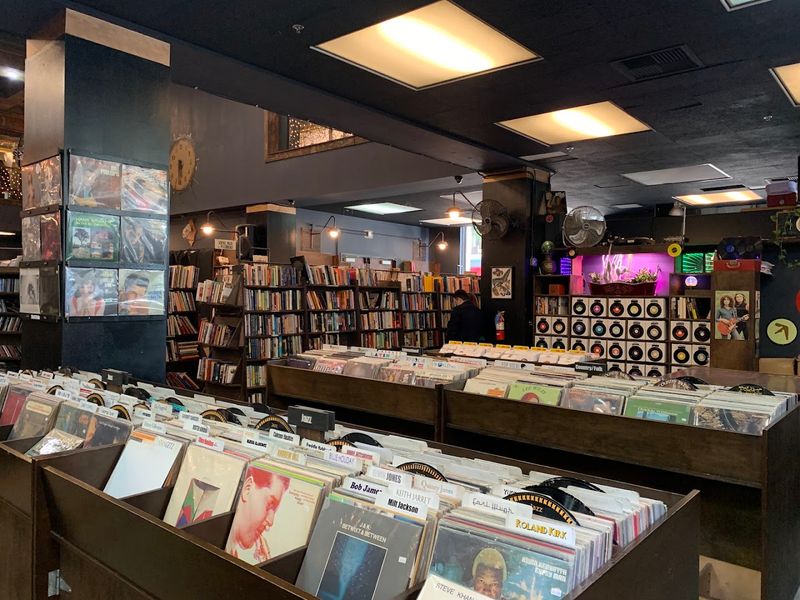
Calling this place just a bookstore misses about forty percent of what makes it special. An extensive vinyl collection occupies prime real estate, with crates organized by genre and era.
Serious collectors flip through albums while casual browsers rediscover artists their parents loved.
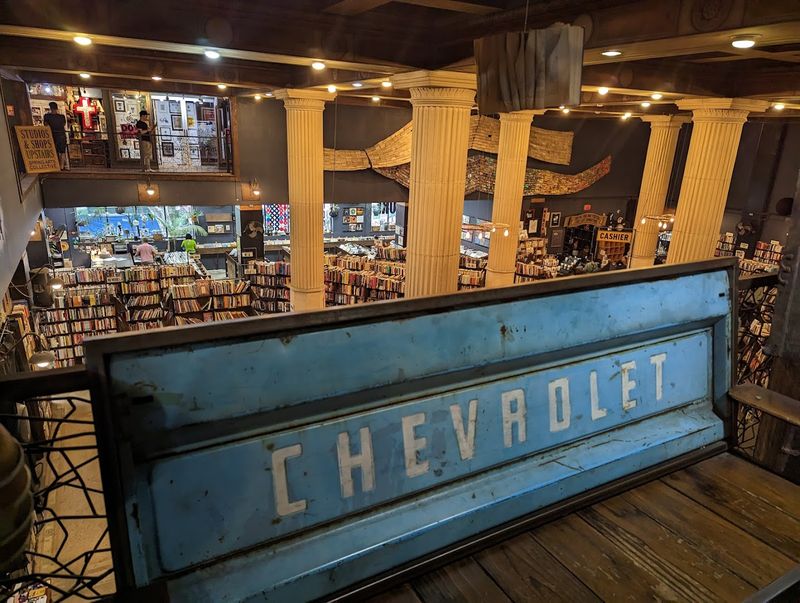
Rotating art installations transform walls and corners into gallery spaces. Local artists display paintings, sculptures, and mixed-media pieces that often incorporate books as materials.
This creates a living creative ecosystem where different art forms support and inspire each other. What you see during one visit might be completely different the next time.
Quirky oddities pop up everywhere—vintage typewriters, antique maps, handmade journals, and curiosities that don’t fit neat categories. These unexpected elements reinforce the store’s identity as more than retail space.
It’s a cultural hub where book lovers, music enthusiasts, and art appreciators overlap, creating a community bound by appreciation for tangible creative expression rather than digital consumption.
Instagram-Worthy Corners at Every Turn
Travel photographers and casual smartphone users alike find themselves constantly reaching for cameras here. The store’s visual drama comes from both intentional design and happy accidents of light, shadow, and color.
Every angle offers a new composition worth capturing and sharing.
Spiral staircases twist upward with books cascading down their centers. Neon signs glow against walls of vintage paperbacks.
Window light streams through dust motes above reading corners that look professionally staged but exist naturally. The aesthetic isn’t manufactured for social media—it’s genuinely beautiful space that happens to photograph incredibly well.
Being called one of the world’s most photographed bookstores brings tourist crowds, especially on weekends. Yet somehow the space absorbs them without losing its charm.
The photos people share serve as modern word-of-mouth, spreading awareness that physical bookstores can still offer experiences digital shopping never will. Each shared image becomes an argument for why real-world literary spaces matter more than ever in our increasingly virtual existence.
A Community Space for Events and Culture
Check their calendar before visiting because you might stumble into something special. Author readings draw both emerging voices and established names who appreciate the venue’s authenticity.
Live music performances echo through the space during evening events, with acoustics enhanced by all those sound-absorbing pages.
Book signings feel intimate here despite the vast space—authors often mingle with attendees before and after, creating genuine conversations rather than assembly-line interactions. Pop-up events ranging from poetry slams to zine fairs activate different corners of the store, each bringing new energy and crowds.
These gatherings transform the bookstore from retail space into cultural crossroads where readers, writers, musicians, and artists intersect. Regular attendees develop relationships with staff and each other, building community around shared appreciation for creative expression.
The events remind everyone that books exist within larger cultural conversations, and bookstores serve as gathering places where those conversations happen face-to-face rather than through screens and comment sections.
A Symbol of Independent Bookstore Resilience
When The Last Bookstore opened in 2005, many predicted physical bookstores couldn’t survive the digital revolution. Chain stores were closing rapidly, and online retailers dominated book sales.
Yet here stands proof that independent bookstores can not only survive but absolutely thrive by offering what algorithms cannot.
The name itself—The Last Bookstore—playfully acknowledged those predictions while defiantly challenging them. Rather than competing with online convenience, the store doubled down on experience, curation, and community.
That strategy worked brilliantly, turning it into one of America’s most recognizable independent bookstores.
Success here reflects broader trends showing renewed interest in tactile, in-person retail experiences. Younger readers especially seek spaces where discovery happens through browsing rather than recommendation engines.
The store’s growth demonstrates that people still crave physical books and the social experience of bookstore exploration. Its survival isn’t nostalgic stubbornness—it’s proof that some experiences can’t be replicated digitally, no matter how advanced technology becomes.
Visitor Info and Tips for the Best Experience
Planning your visit strategically makes the experience even better. The address is 453 S Spring Street in downtown Los Angeles, easily accessible via Pershing Square Metro station.
Operating hours run from late morning through evening daily, but always check their website for holiday exceptions or special closures.
Arrive early on weekends if you want relatively quiet exploration time and uninterrupted access to popular photo spots like the book tunnel. Weekday afternoons typically offer the calmest browsing environment.
Wear comfortable shoes—you’ll be walking and standing more than expected while exploring multiple levels.
Bring cash for the dollar section, though the store accepts cards everywhere. Don’t plan a quick visit—allow at least two hours minimum to properly explore.
Most visitors report spending much longer once they start discovering hidden corners. Consider grabbing lunch nearby before or after, as downtown LA offers excellent food options within walking distance.
Finally, bring a sturdy bag for your purchases because you will buy more than intended.