Virginia hides more than pretty mountain views. It also tucks away quartz, fossils, minerals, and a few brag-worthy surprises for anyone willing to get a little dirt under their nails.
If your ideal day includes sparkling stones, scenic drives, and the thrilling possibility of finding something that makes you yell, “Look at this!” to absolutely anyone nearby, you are in the right place.
From family friendly mines to museums that sharpen your eye before you head outdoors, these 11 stops offer a fun mix of hands-on digging, local geology, and treasure-hunt energy with excellent Virginia scenery as the bonus prize.
Grab sturdy shoes, a bucket, and your curiosity, then keep reading because these places can turn an ordinary weekend into a quartz quest with stories, photos, and maybe even a pocketful of glittering finds you will want to show off later to friends back home.
1. Lucky Lake Gem Mine
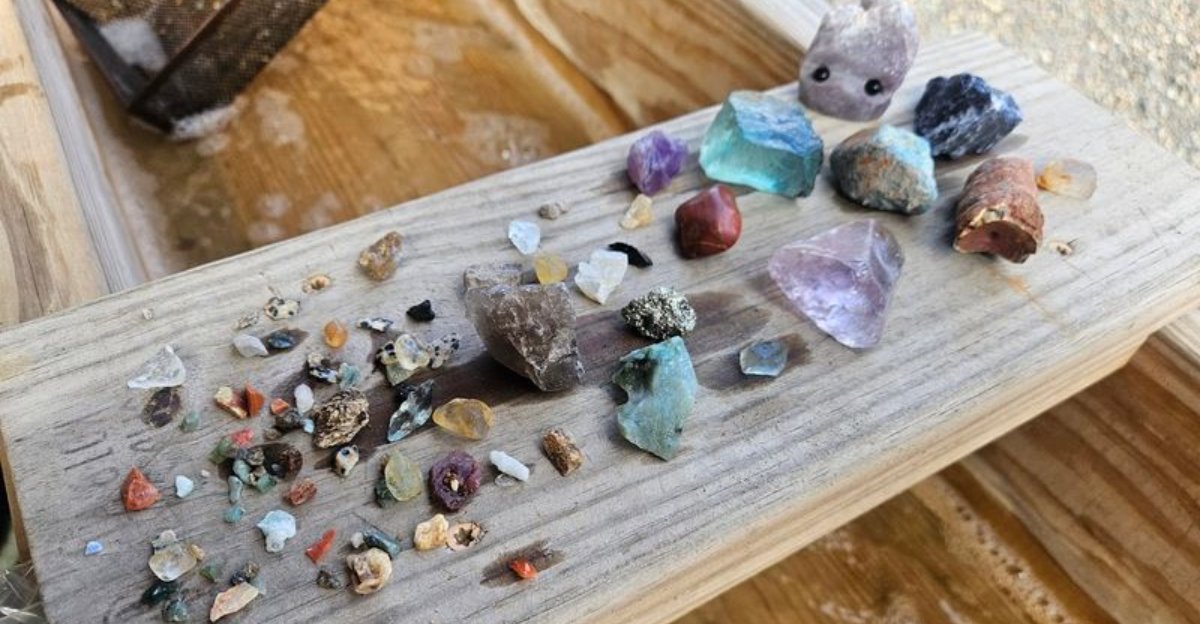
Bright buckets and happy splashes set the tone at Lucky Lake Gem Mine, a spot built for hands-on fun rather than hardcore mountain scrambling.
This attraction gives you an approachable way to hunt for minerals, especially if you want the thrill of discovery without needing a geology degree and knees of steel.
Families tend to love it because the experience feels immediate, colorful, and wonderfully messy in the best way.
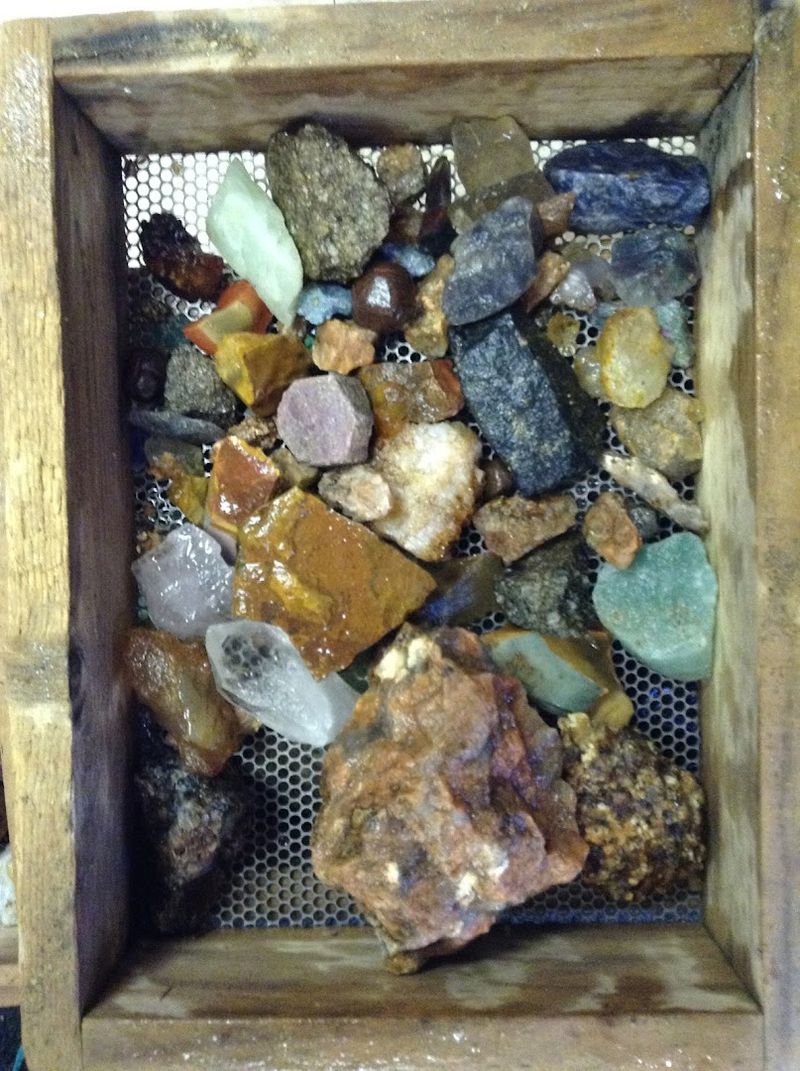
Visitors usually work through mining rough at a sluice, washing away sediment to reveal quartz, polished stones, and other hidden surprises.
That setup means you get a faster payoff than at some wild sites, which is ideal if you are introducing kids, skeptical friends, or anyone whose attention span disappears quicker than a cookie at a picnic.
It is smart to check current hours, seasonal schedules, and activity options before heading out.
Even if the finds come from prepared material, the excitement still feels real when something sparkly appears in your screen.
Lucky Lake leans into the treasure-hunt spirit, and that makes it a great confidence booster before tackling rougher collecting areas around Virginia.
Think of it as a gateway adventure – part entertainment, part geology lesson, and entirely capable of sending you home grinning with a pocket full of shiny keepsakes.
2. Stonyman Gemstone Mining
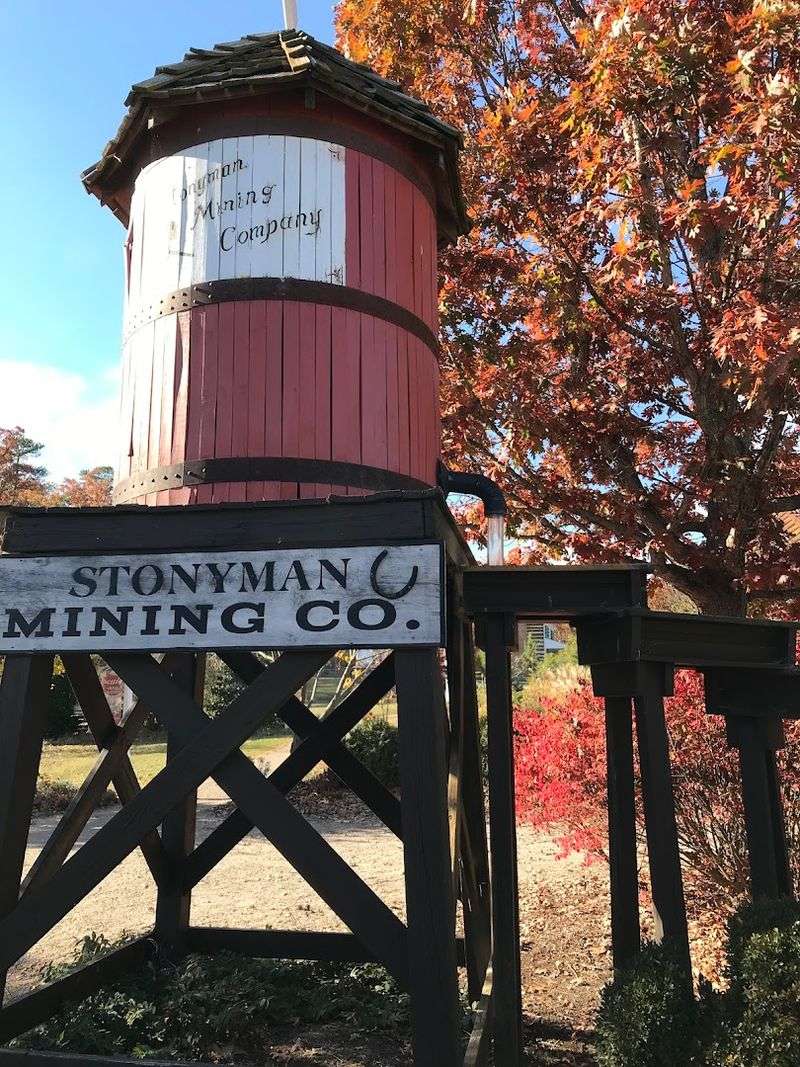
Right in the Shenandoah region, Stonyman Gemstone Mining offers a polished way to enjoy the thrill of unearthing something pretty.
Located in Luray, this family-friendly stop fits nicely into a broader Blue Ridge day that might also include caverns, hiking, or heroic snack consumption.
The setting is easygoing, which makes it a friendly pick for casual visitors and curious first-timers.
Most guests use a flume to wash mining rough and reveal gemstones and quartz among the sediment.
That process is simple enough for kids but satisfying for adults too, especially once the water clears and bright colors start showing off like they paid admission just to sparkle.
Because the attraction is designed for visitors, it is less about rugged collecting and more about approachable fun with a strong visual payoff.
Stonyman works well if you want to sharpen your eye for mineral shapes before heading to wilder collecting areas elsewhere in Virginia.
The educational aspect helps, and the location near Shenandoah National Park adds scenic value to the whole outing.
If you like your treasure hunting with mountain views, low stress, and a very decent chance of leaving with a small stash of quartz and gem pieces, this stop has plenty going for it.
3. Blue Mountain Rustic and Gem Mine
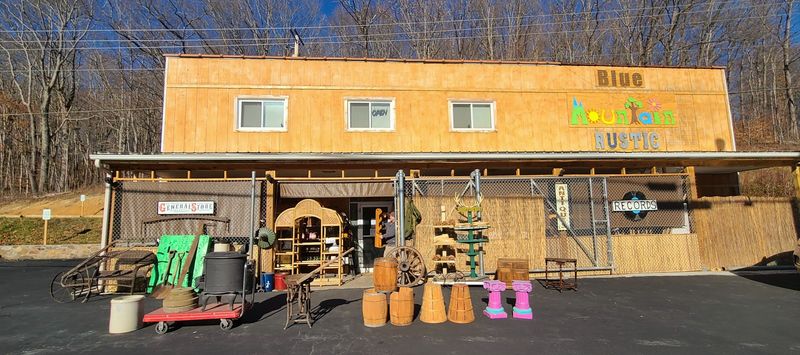
Rustic charm is not just a decoration at Blue Mountain Rustic and Gem Mine – it is part of the whole appeal.
This kind of stop pairs country atmosphere with easygoing treasure hunting, giving you a chance to sift, rinse, and inspect for quartz and other gleaming prizes.
If you enjoy places that feel a little handmade and a little playful, this one lands nicely.
Visitors can usually expect a gem mining experience geared toward discovery rather than technical field collecting.
That means the fun comes from revealing stones in a sluice or washing setup, learning what you found, and maybe developing a suspiciously competitive streak with whoever is standing next to you.
It is wise to confirm location details, hours, and exact activity formats before visiting, since smaller attractions can change seasonally.
Blue Mountain Rustic and Gem Mine is a good reminder that not every memorable rockhounding stop requires steep trails and serious gear.
Sometimes you just need running water, sharp eyes, and the willingness to get excited over a clean chunk of quartz that suddenly catches the sun.
For travelers building a Virginia treasure route, this spot adds variety, relaxed fun, and a touch of front-porch personality that keeps the day from feeling too textbook or too tidy.
4. Fairy Stone State Park
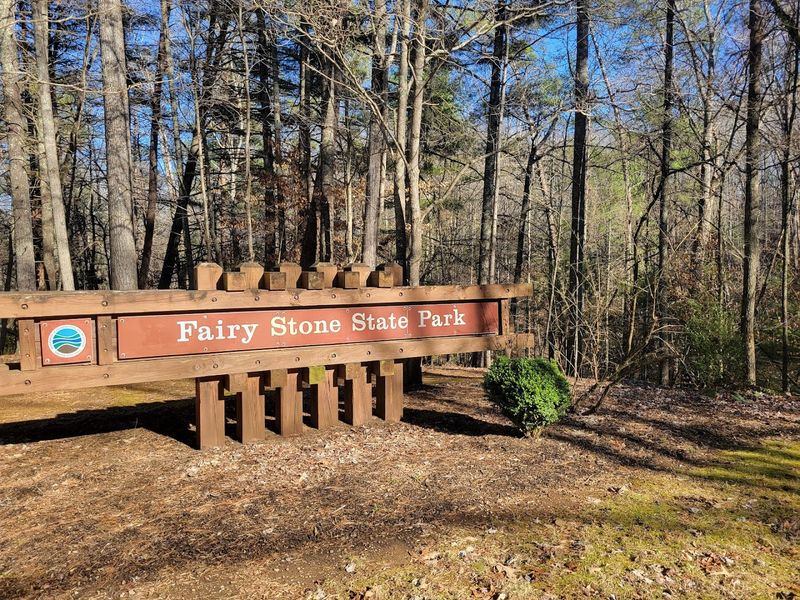
Some treasures come with folklore, and Fairy Stone State Park delivers that with extra charm.
Located in Patrick County near Stuart, this state park is famous for naturally formed staurolite crystals that resemble tiny crosses, often called fairy stones, and the name alone is hard to resist.
Even before you start looking, the place feels like it might hand you a story along with a souvenir.
While fairy stones are the headline attraction, the park’s geology and streams can also interest anyone who appreciates quartz, rocks, and close-up natural details.
You should always follow park rules about collecting, because state parks protect resources and may limit where, how, or whether certain items can be removed.
That said, simply exploring the trails, creek areas, and exhibits can be rewarding, especially if you enjoy learning why certain minerals formed there.
The bigger win at Fairy Stone is the combination of scenery and curiosity.
You get wooded hills, a lake, picnic spots, cabins, and that delightful sense that the ground might be hiding tiny natural oddities under your next careful glance.
For a Virginia destination that blends geology, legend, and a wonderfully whimsical name, this park earns a spot even if your pockets stay mostly pebble-sized.
5. Graves Mountain
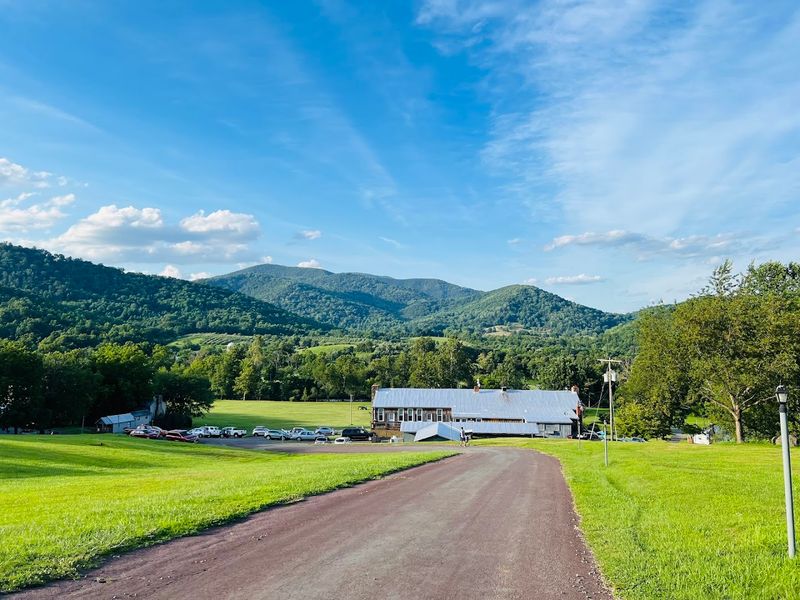
Few Virginia collecting sites stir mineral nerd excitement quite like Graves Mountain.
Located near the community of Syria in Madison County, this famous locality is best known for minerals such as rutile, kyanite, pyrite, and quartz, all set within a landscape that feels rugged and wonderfully promising.
It has long attracted collectors who enjoy places where the geology has real personality and not just pretty scenery.
Special dig events have made Graves Mountain especially popular, so checking current access conditions is essential before you plan a trip.
When public collecting is available, visitors may search exposed material, slopes, and designated areas for specimens, often finding pieces that are attractive enough to keep and study.
Good boots matter here, and so does caution, because uneven ground and loose rock are part of the experience.
What makes Graves Mountain so enjoyable is the sense that each step could reveal something unusual.
Quartz may appear in satisfying forms, but the broader mineral diversity keeps your eyes scanning for more than one kind of sparkle.
If you want a Virginia stop that feels more serious, more storied, and just a little like a geology treasure arena, Graves Mountain deserves your full attention and probably an extra bucket.
6. Appalachian Gem and Gold Mine
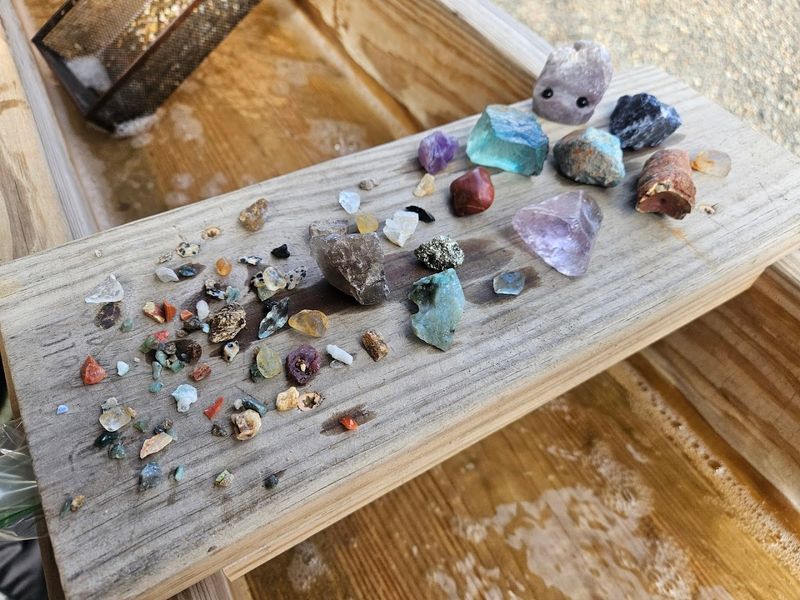
If your inner prospector has been waiting for a cue, Appalachian Gem and Gold Mine practically hands you the soundtrack.
This Virginia attraction blends gem mining fun with the old-school appeal of searching for glittering treasures in water, gravel, and concentrate.
You get a taste of both mineral collecting and gold fever, which is a combination that rarely needs extra marketing.
The experience usually centers on sluicing or panning style activities, where visitors rinse material to uncover quartz, semi-precious stones, and occasional flashes that keep everybody leaning closer.
That makes it especially appealing for beginners who want quick, visible results and a little educational context without committing to a backcountry expedition.
Check the site’s current offerings before visiting, since attractions like this can adjust activities by season, weather, or staffing.
What keeps the place engaging is the way each pan feels like a tiny suspense movie with a wet ending.
Quartz often stands out beautifully once cleaned, and even modest finds become more exciting when you pull them from muddy material yourself.
For a lively stop that mixes mountain flavor, hands-on discovery, and just enough prospector drama to make you talk in a cowboy voice on the drive home, this one is worth adding.
7. George Washington National Forest
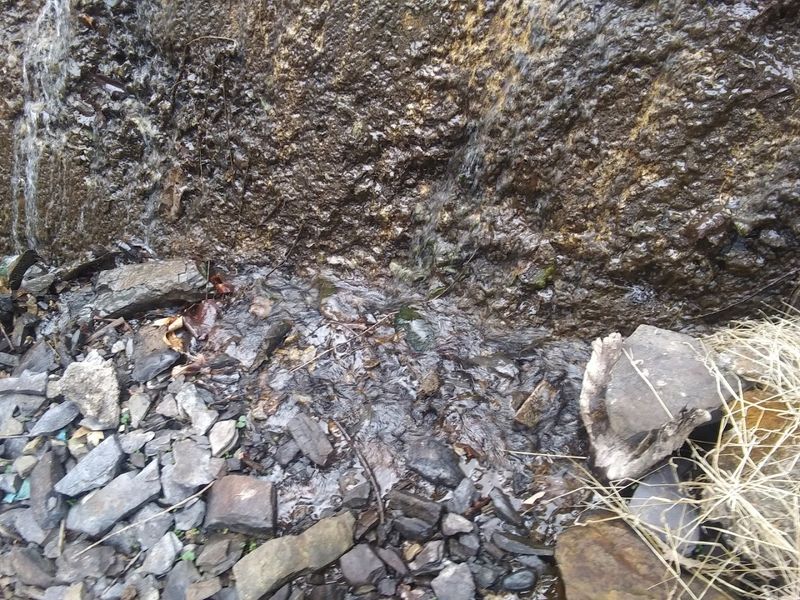
Wide ridges, creeks, and endless gravel bars make George Washington National Forest feel like a choose-your-own-adventure book for rock lovers.
Spreading across western Virginia, this vast public landscape offers plenty of places where quartz can turn up in streambeds, road cuts, and rocky ground, depending on local geology and access rules.
The scale alone is enough to make your treasure plans feel gloriously ambitious.
Because this is a national forest rather than a single attraction, preparation matters.
You need maps, current regulations, weather awareness, and a basic plan for where you are going, since distances are big and cell service can become shy at exactly the wrong moment.
Small-scale recreational collecting is sometimes allowed in certain areas, but you should always verify rules with the Forest Service before taking anything home.
The payoff is freedom and scenery in generous doses.
A day spent walking a clear creek or scanning quartz-rich gravel with mountain silence around you can feel deeply satisfying, even when the best find is just a milky crystal catching afternoon light.
For explorers who like their rockhounding with hikes, views, and a healthy respect for the outdoors, this forest is an excellent Virginia playground.
8. Jefferson National Forest
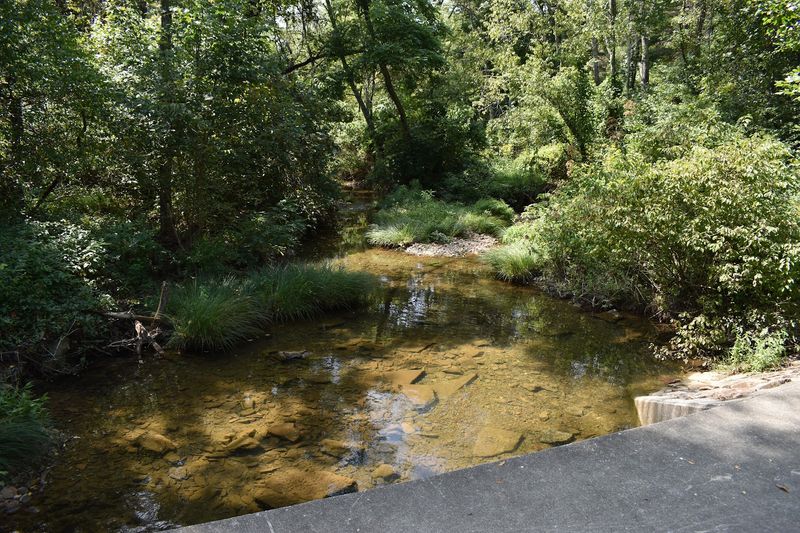
Misty ridges and tumbling streams give Jefferson National Forest the kind of entrance that makes even a plain pebble seem dramatic.
Covering a large stretch of southwestern Virginia, this forest includes varied terrain where patient searchers may spot quartz in creek beds, exposed slopes, and gravelly areas shaped by local geology.
It is not a guaranteed treasure dispenser, but it absolutely rewards curiosity and persistence.
Like any broad public land, Jefferson demands a little homework before you lace up your boots.
Collecting rules can vary by location and activity, so checking with the Forest Service is the smartest move if you hope to gather specimens instead of just admiring them in place.
Bring water, navigation help, and realistic expectations, because some days the best thing you find is a better eye for what to look for next time.
Still, that is part of the magic here.
The hunt unfolds slowly, with sunlight on water, ridgelines in the distance, and occasional flashes of quartz that make you crouch down like you just spotted buried pirate loot.
If you want Virginia rockhounding that feels adventurous, scenic, and pleasantly unpolished, Jefferson National Forest offers plenty of room to wander, learn, and pocket a few honest treasures.
9. Gold Mining Camp Museum
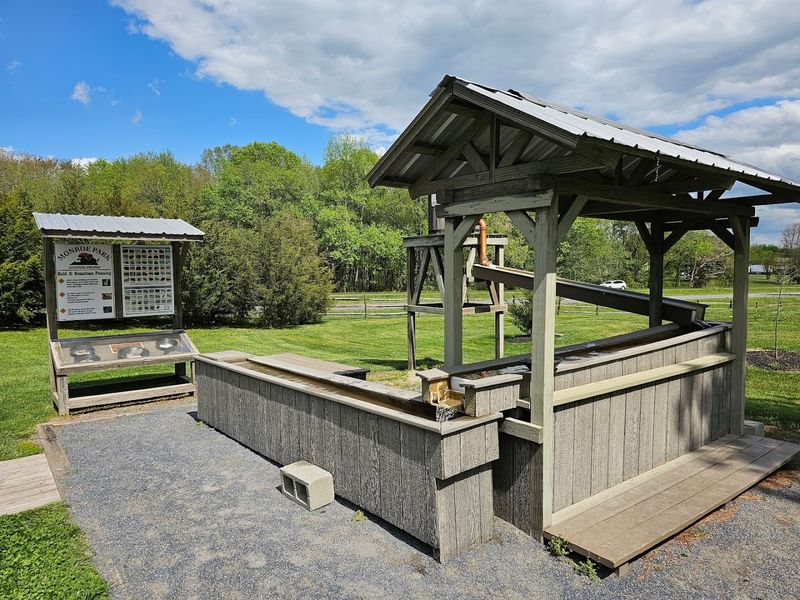
Not every treasure stop requires a shovel, and the Gold Mining Camp Museum proves that beautifully.
Located in Monroe in Amherst County, this historic site interprets Virginia’s gold mining past with preserved buildings, exhibits, and artifacts that help you understand what prospectors were chasing and how they lived.
It is less about random digging and more about giving your curiosity a solid historical backbone.
For quartz hunters, the museum adds useful context because gold often appears with quartz veins in many mining regions.
Seeing tools, mining structures, and educational displays can sharpen the way you look at landscapes later, especially if you plan to visit nearby streams or old mineral areas with a more informed eye.
That makes this stop a smart warm-up before outdoor exploring, not just a rainy-day backup plan.
The site also has personality, which matters more than people admit.
Walking among the camp buildings, you can almost hear the clank of equipment and the sound of optimism colliding with mud, which is basically the official soundtrack of prospecting.
If you enjoy connecting minerals to stories, people, and place, the Gold Mining Camp Museum gives your Virginia treasure hunt a richer and more memorable frame.
10. Virginia Museum of Natural History
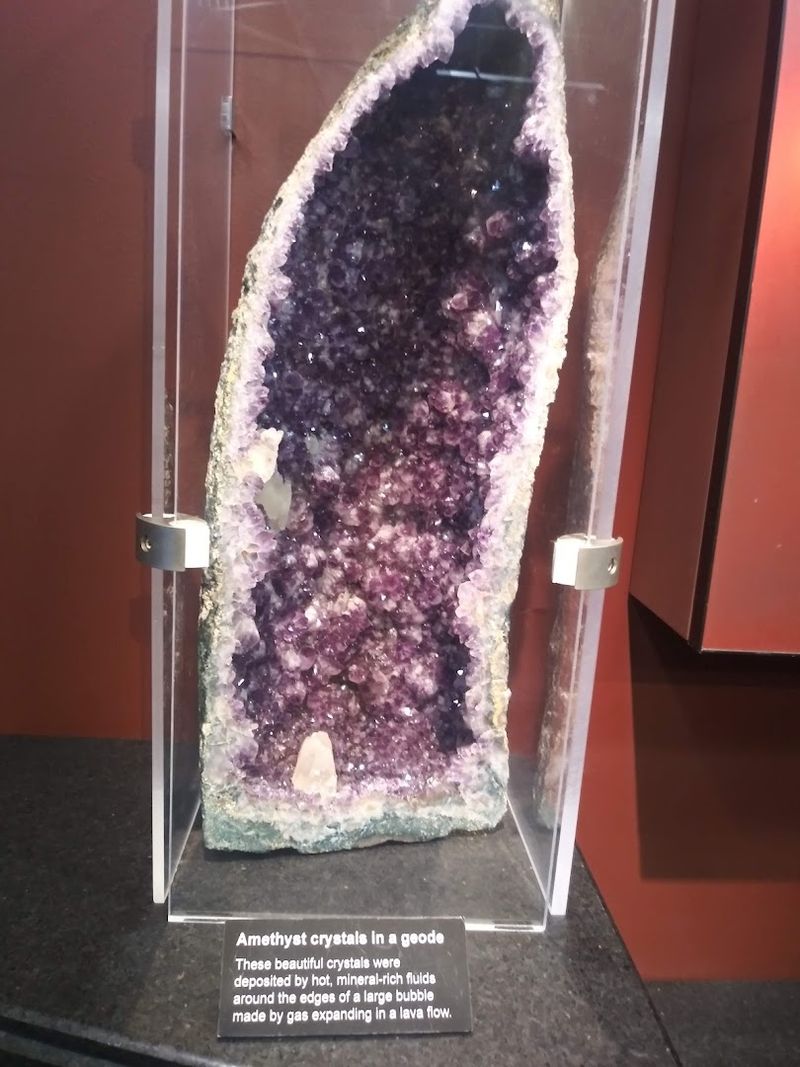
Cool lights on crystal faces can be just as thrilling as a muddy creek, and the Virginia Museum of Natural History knows how to make minerals shine.
Located in Martinsville, this museum offers exhibits that explore geology, paleontology, and the natural story of the region in a way that gives your future field trips sharper focus.
If you want to know what you are actually looking at before heading outdoors, this is a strong place to start.
Mineral displays can help you compare crystal habits, colors, textures, and associations that might otherwise blur together in the wild.
That means a visit here can turn a casual collector into a much more observant one, especially when quartz varieties and related specimens are presented with labels, context, and clear examples.
You also get the bonus of climate control, which every sweaty summer rockhound secretly respects.
The museum works best as both inspiration and training.
After spending time with the exhibits, you may notice details in road cuts, stream gravel, and mine tailings that once looked ordinary.
For anyone building a Virginia treasure itinerary, this stop adds knowledge, visual confidence, and a welcome reminder that sometimes the smartest way to find better rocks is to study the great ones first.
11. James Madison University Mineral Museum
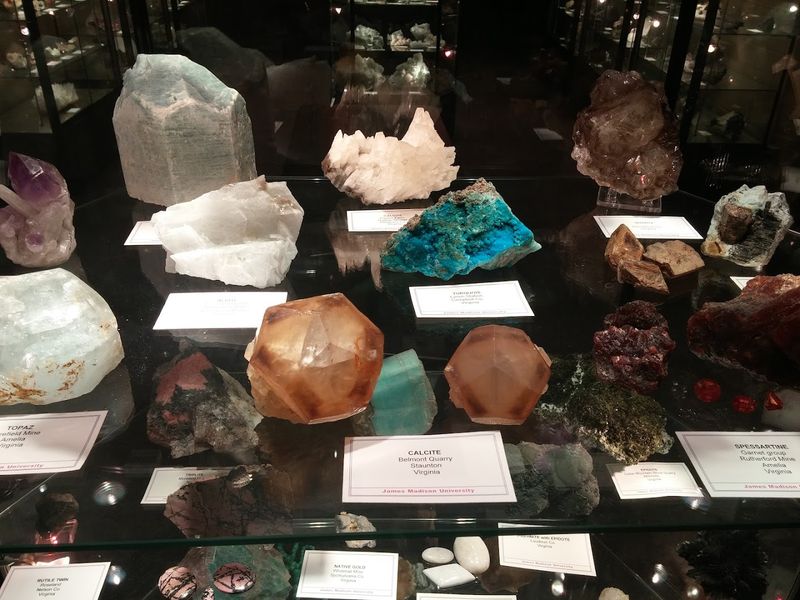
Academic collections can have serious wow factor, and the James Madison University Mineral Museum is a fine example.
Located in Harrisonburg in the Shenandoah Valley, this museum showcases mineral specimens that help visitors understand crystal form, color, luster, and the geological variety that makes collecting so addictive.
It is a quieter kind of treasure stop, but one that can sharpen your eye remarkably fast.
Quartz enthusiasts will appreciate seeing well-presented examples alongside other minerals for comparison.
When you study labeled specimens in a museum setting, it becomes easier to recognize what is ordinary, what is unusual, and what deserves a second look when you are outside staring at creek gravel or broken rock.
That educational edge is valuable whether you are brand new to rockhounding or already the friend who points at roadside outcrops during every drive.
Because it sits in a region surrounded by scenic geology, the museum pairs nicely with a day of nearby outdoor exploration.
You can learn indoors, then head back into the Valley with a more practiced sense of what to notice, which is a satisfying one-two punch for any collector.
For a Virginia itinerary that balances field adventure with useful knowledge, this museum absolutely earns its place.