Michigan has a surprisingly rich culinary scene, and its cooking classes reflect just how seriously people here take their food.
From the beloved bakery culture of Ann Arbor to farm-to-table kitchens in Traverse City, there’s something for every skill level and interest across the state.
Whether you’re a complete beginner hoping to stop burning pasta or an experienced home cook looking to sharpen your skills, Michigan’s class offerings cover a wide range.
Many of these programs are taught by professional chefs and culinary educators who bring real restaurant-kitchen experience into the teaching space.
Here are ten Michigan cooking classes that are genuinely worth your time, and might just change the way you approach a meal.
1. Michigan Folk School – Ann Arbor, Washtenaw County
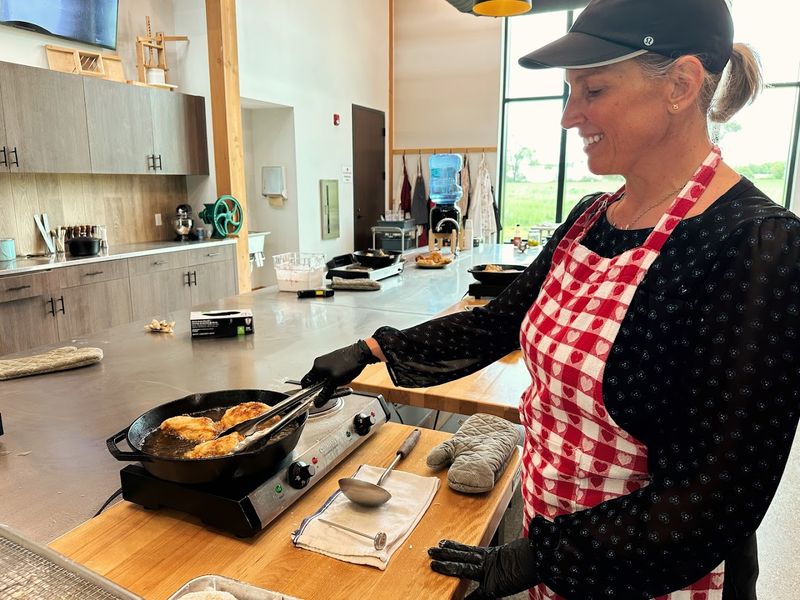
A relaxed room, a little buzz of anticipation, and the promise of finally cooking something beyond your usual rotation can be powerful.
That welcoming energy is part of the appeal at Michigan Folk School in Ann Arbor, where classes are designed to be engaging without sacrificing substance.
You come for a fun night out, but you leave with techniques and flavor combinations that actually stick in your everyday cooking.
The teaching tends to feel accessible, which is especially helpful if you want guidance without being overwhelmed by culinary jargon.
Recipes are approachable, yet the class quietly reinforces important habits like mise en place, heat control, seasoning in layers, and tasting as you go.
Those fundamentals are what help you stop following recipes mechanically and start understanding why a dish works.
Because the environment is social and interactive, you absorb more than you might in a formal demonstration setting.
You see how others problem solve, compare results, and realize that small adjustments can rescue or elevate a dish quickly.
That sense of experimentation makes home cooking feel less intimidating and a lot more playful after the class ends.
Michigan Folk School works particularly well if you want practical inspiration rather than a rigid culinary boot camp.
2. Zingerman’s Bakehouse – Ann Arbor, Washtenaw County
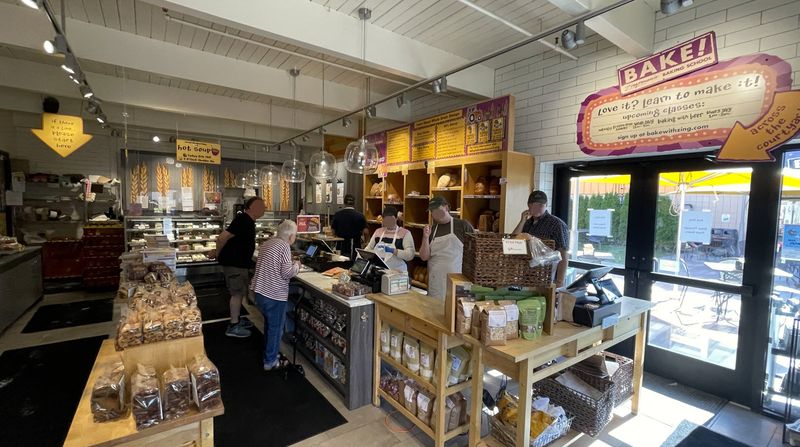
Few kitchen skills feel as transformative as pulling off truly excellent bread, pastry, and laminated dough at home.
That is exactly why Zingerman’s Bakehouse in Ann Arbor earns such a loyal following among serious home bakers.
You walk in expecting recipes, but you leave understanding fermentation, texture, timing, and the small corrections that make baking finally click.
Classes often focus on practical technique, so you are not just watching a polished demonstration from the sidelines.
You handle dough, ask questions, and learn why ingredients behave differently depending on temperature, hydration, and mixing method.
That hands-on structure makes the lessons stick, especially if you have ever struggled with dense loaves, flat cookies, or fussy pie crust.
What stands out most is the teaching style, which feels detailed without becoming intimidating or overly chefy.
Instructors break down complex steps into approachable moves, helping you build confidence instead of relying on luck.
You also gain a deeper appreciation for ingredient quality, process control, and the patience required for truly memorable baked goods.
If your goal is to bake with consistency rather than hope, this is a class worth taking seriously.
The skills transfer beautifully into everyday cooking, because precision, observation, and timing improve everything you make.
3. Kallabash Culinary Studio – Southfield, Oakland County
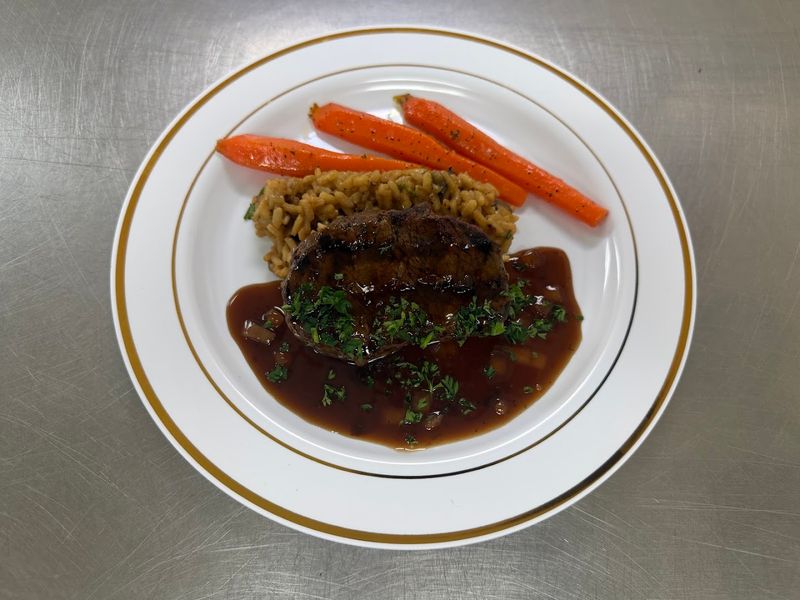
When you want a cooking class that feels polished, social, and genuinely useful, atmosphere matters almost as much as curriculum.
That balance is part of what makes Kallabash Culinary Studio in Southfield such a strong pick for ambitious beginners and curious home cooks.
The space feels professional without being stiff, which helps you relax enough to absorb techniques that can immediately improve your weeknight meals.
Many classes are built around approachable themes, but the real value comes from the way foundational skills are folded into every session.
You might arrive for a pasta night or a seasonal dinner workshop, yet leave with better knife work, smarter prep habits, and cleaner flavor instincts.
That kind of practical learning gives you more than one successful dish – it gives you a framework for cooking better overall.
There is also an energetic, communal rhythm here that keeps the experience from feeling like a lecture.
You cook, taste, compare notes, and see how small choices in heat, seasoning, and timing can change a plate completely.
Because the environment is collaborative, asking questions feels easy, even if you usually second-guess yourself in the kitchen.
The classes are memorable, but more importantly, they are repeatable once you get home and cook for yourself.
4. The Cook’s House – Traverse City, Grand Traverse County
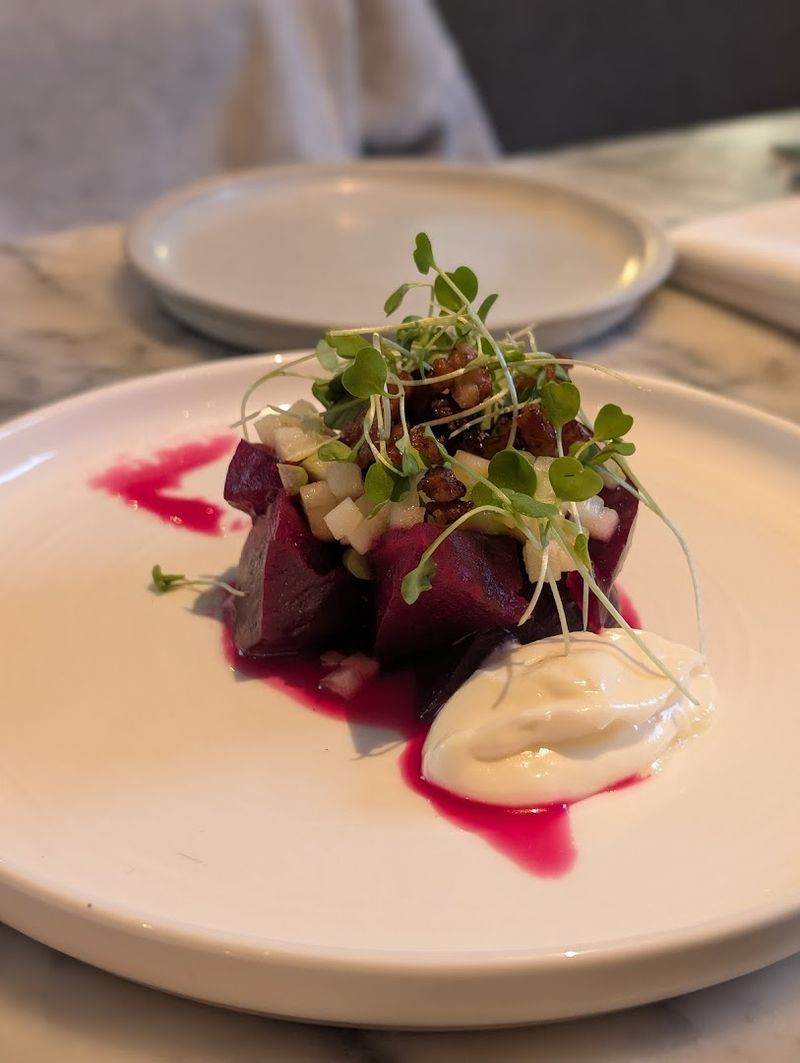
Some cooking classes change you by slowing everything down and making you taste with more intention than usual.
That is the feeling you get at The Cook’s House in Traverse City, where thoughtful instruction meets a deep respect for seasonal ingredients.
Instead of chasing flashy tricks, the experience nudges you toward better judgment, cleaner technique, and a more refined sense of balance on the plate.
The focus on local sourcing adds a layer that many classes only talk about in theory.
Here, ingredients feel like the starting point for every decision, so you begin noticing freshness, texture, and natural flavor before reaching for extra seasoning.
That perspective can reshape the way you shop, because better cooking often starts with choosing better produce, fish, meat, and pantry staples.
Instruction tends to feel intimate and detail driven, which is ideal if you appreciate nuance over noise.
You learn how to build a dish with restraint, how to support ingredients instead of burying them, and how to plate with confidence.
Those lessons are especially valuable if your cooking already works but you want it to feel more elegant and composed.
This is not just a class for special occasions, even though it absolutely feels worthy of one.
Afterward, your meals may become less cluttered, more intentional, and much more memorable.
5. Sur La Table Ann Arbor – Ann Arbor, Washtenaw County
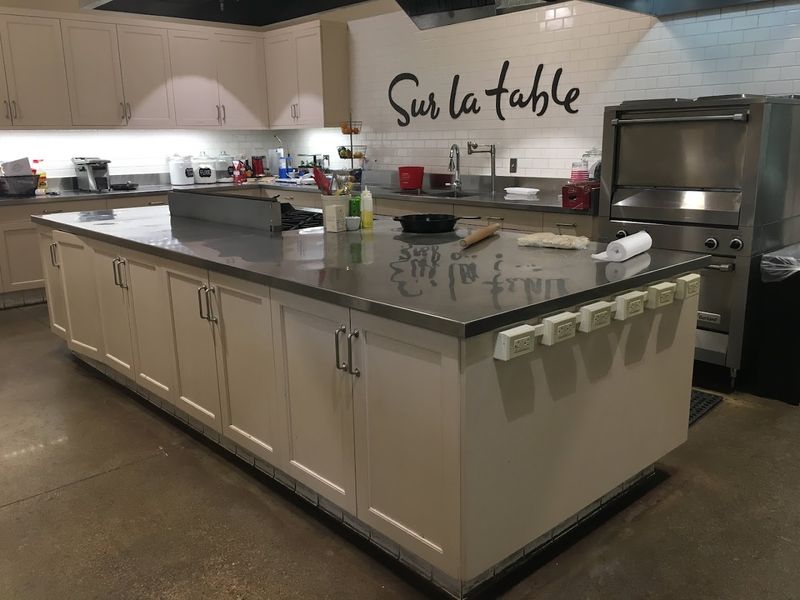
Sometimes the best way to improve quickly is to learn in a setting that feels organized, efficient, and immediately approachable.
That is where Sur La Table Ann Arbor stands out, especially for home cooks who want clear instruction and a comfortable entry point.
The classes are well structured, making them ideal if you want to sharpen basics, explore new cuisines, or simply stop feeling hesitant around technique.
Because the format is streamlined, you spend less energy decoding the environment and more energy focusing on what matters.
Knife skills, searing, sauce building, pastry work, and timing often become easier to understand when each step is broken down cleanly.
That clarity can be a game changer if you often feel rushed, messy, or uncertain once multiple pans are going at once.
Another strength is variety, since themed sessions let you explore specific interests without committing to a long program.
You can try date-night menus, regional cooking, or foundational classes, all while building confidence through repetition and hands-on practice.
Even if you arrive mainly for fun, you usually leave with at least one technique you will reuse within the week.
The atmosphere stays encouraging, and the lessons translate well to real kitchens with real time constraints.
6. Culinary Kisses LLC – Livonia, Wayne County
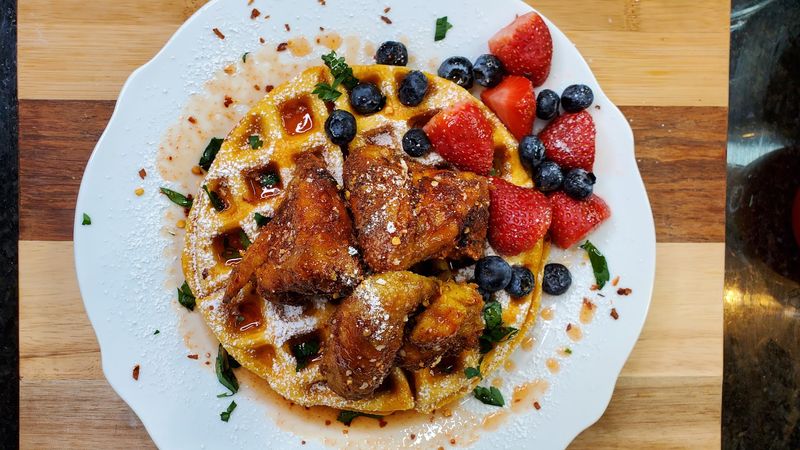
If you are looking for serious culinary credibility, a classroom connected to a respected program can make a huge difference.
That is why Culinary Kisses LLC in Livonia deserves attention from anyone ready to move beyond casual recipe collecting.
The environment feels grounded in real technique, giving you exposure to methods, standards, and discipline that sharpen your cooking in lasting ways.
What makes this option compelling is the sense that fundamentals matter here, and they are taught with purpose.
You are not simply assembling dishes for a quick win – you are learning processes that support consistency, efficiency, and better results under pressure.
That might include knife accuracy, sauce building, station organization, or understanding how professional kitchens think about timing and execution.
For home cooks, that structure can be transformative because it replaces guesswork with repeatable systems.
Once you understand prep flow and temperature control more deeply, weeknight cooking becomes calmer and more reliable.
You also start noticing where your old habits were slowing you down or dulling flavors without you realizing it.
There is a more focused tone here than at purely recreational studios, and that is part of the appeal.
If your goal is long-term improvement, this program-connected experience can raise your standards and your confidence substantially.
7. Culinary Cultivations – Grand Rapids, Kent County
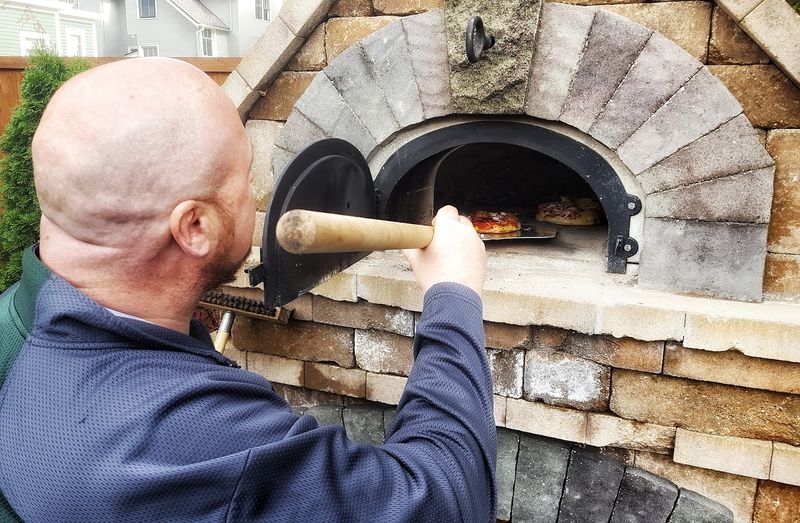
A focused class can be the moment your home cooking stops feeling improvised and starts feeling intentionally built from skill.
That is the promise behind Culinary Cultivations in Grand Rapids, where instruction carries a more professional edge than many recreational options.
You feel the difference in the pace, the standards, and the expectation that technique matters just as much as the final plate.
This kind of setting is valuable if you want to understand the mechanics behind good food, not just memorize steps.
Lessons often reward attention to detail, encouraging you to think about structure, sequencing, seasoning, and how each component supports the whole dish.
That deeper understanding helps you adapt recipes confidently instead of freezing the moment something unexpected happens.
Another advantage is the credibility that comes from learning in an environment shaped by culinary training.
Even as a home cook, you benefit from being pushed slightly beyond your comfort zone in ways that remain practical.
You begin working cleaner, tasting more critically, and recognizing how preparation habits influence speed, texture, and consistency.
If your kitchen routine feels stagnant, this is the kind of class that can jolt it forward with real purpose.
Afterward, you are likely to cook with more discipline, more confidence, and a sharper eye for quality.
8. The Kitchen by Cooking With Que – Grosse Pointe Woods, Wayne County
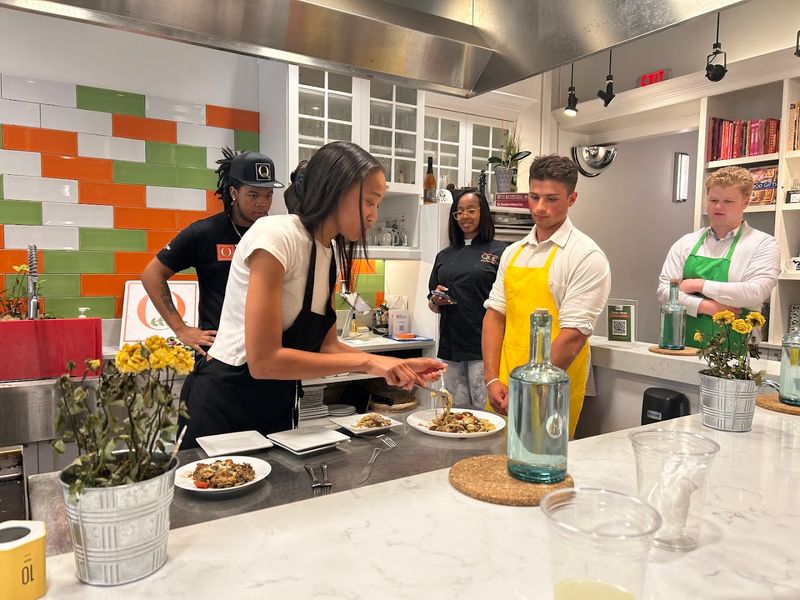
There is something especially effective about learning in a space that feels personal, warm, and built for conversation.
That inviting style defines The Kitchen by Cooking With Que in Grosse Pointe Woods, where classes often feel intimate enough for real questions and real improvement.
Instead of getting lost in a crowd, you can focus on techniques, flavor choices, and the kinds of kitchen decisions that make everyday meals better.
The smaller scale works in your favor because feedback feels immediate and usable.
If a sauce looks broken, a cut is uneven, or seasoning feels flat, you can understand the fix right away.
That quick correction loop helps build confidence much faster than watching passively from the back of a larger room.
Another strength is how naturally the lessons translate to home cooking, which is what most people actually need.
You are not learning for an imaginary restaurant service – you are learning how to host, improvise, and cook with more control in your own kitchen.
That practicality makes the experience feel generous, especially if you want ideas that fit real schedules and real grocery trips.
This school is a smart choice if you value warmth, interaction, and instruction that never feels performative.
The atmosphere encourages curiosity, and that makes it easier to take risks with new dishes after class.
9. Mirepoix Cooking School – Detroit, Wayne County
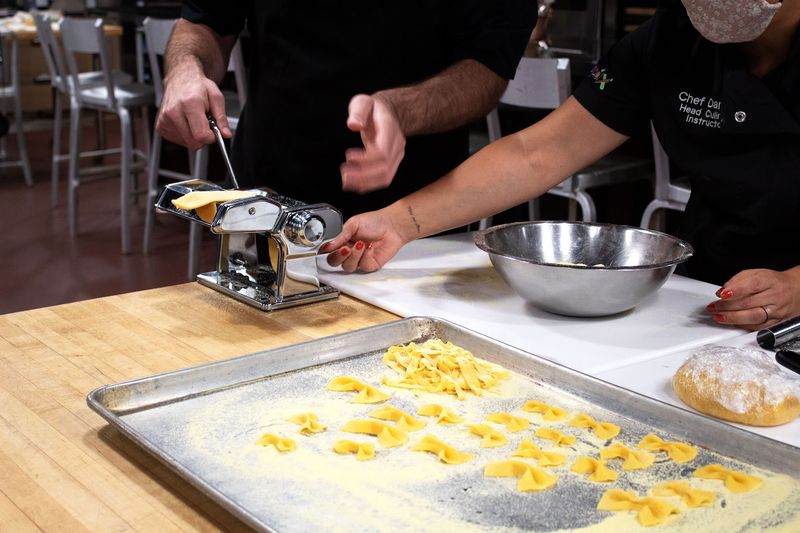
Energy can completely change how you learn, especially when a cooking class feels lively, modern, and connected to the city around it.
That is part of the draw at Mirepoix Cooking School, where the experience often blends creativity, instruction, and an unmistakably urban sense of style.
You are not just making dinner – you are exploring how presentation, flavor layering, and confidence can make cooking feel more expressive.
The classes tend to work well for people who want inspiration along with practical improvement.
You may come away with sharper prep habits, better timing, and a stronger sense of how to compose a dish visually and structurally.
Those lessons matter because the difference between decent food and memorable food often lies in execution, not ambition.
There is also something motivating about learning in Detroit, where culture and reinvention naturally shape the atmosphere.
That backdrop can push you to think bigger about what you cook at home, whether that means bolder seasoning, more thoughtful plating, or trying unfamiliar ingredients.
A good class should expand your comfort zone, and this one has the personality to do exactly that.
This suits home cooks who want more than basics and who enjoy learning through doing, tasting, and adjusting in real time.
10. Chef Jen LLC – Holland, Ottawa County
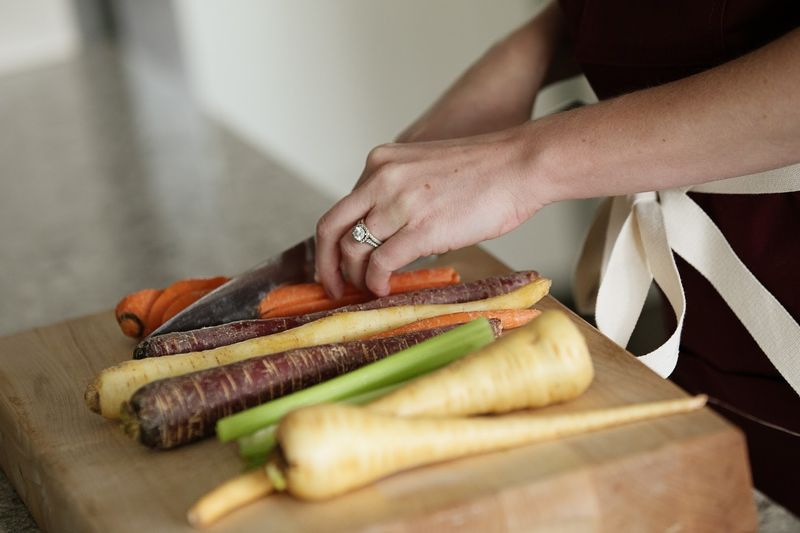
A refined but approachable class can be exactly what you need when you want to cook better without feeling talked down to.
That sweet spot is part of what makes Chef Jen LLC such an appealing stop for home cooks on the rise.
The experience feels polished, yet the instruction stays grounded in methods you can actually bring back to your own stove.
What you gain here is not only a recipe or two, but a stronger sense of pacing and control.
As techniques unfold, you start noticing how preparation order, seasoning discipline, and heat management shape the final result.
Those are the details that often separate stressful cooking from confident cooking, especially when you are hosting or trying something new.
The setting also encourages you to slow down and pay attention to the pleasures of the process.
That matters because confidence grows when you learn to observe, taste, and adjust instead of rushing from step to step.
Once that mindset clicks, even familiar dishes can become more balanced, more attractive, and much more satisfying to serve.
This class is especially good for cooks who want to elevate what they already do fairly well.
Moreover, it offers enough sophistication to stretch your skills while remaining friendly, useful, and enjoyable from start to finish.