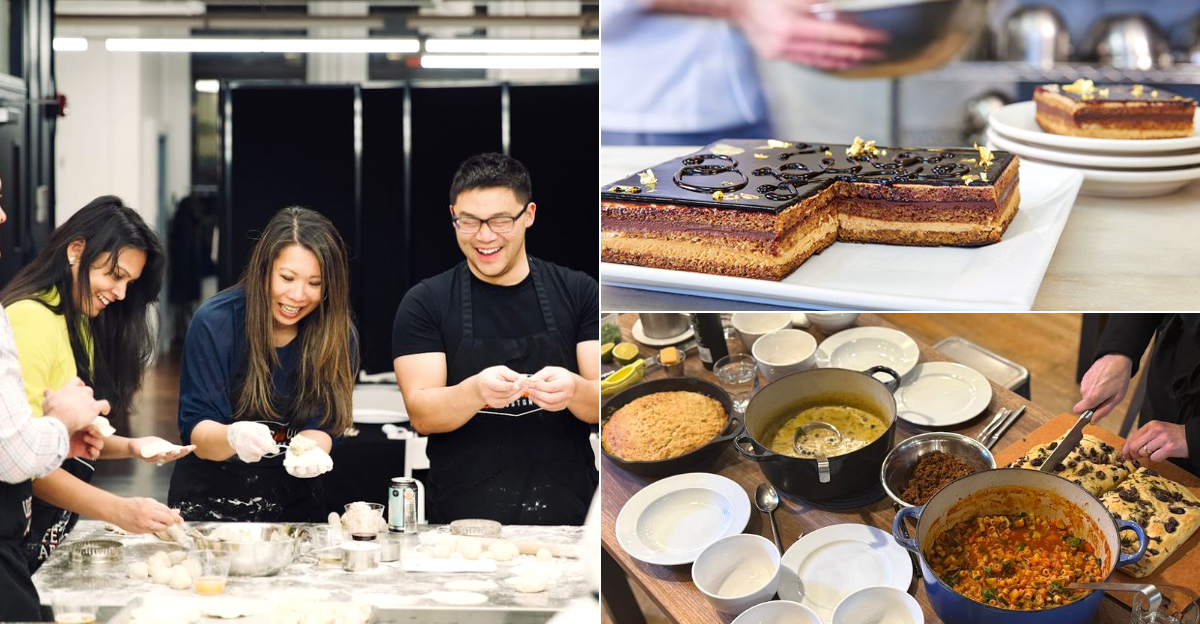
Massachusetts has long punched above its weight in the food world, with Boston’s restaurant culture, the Pioneer Valley’s farm networks, and a coastline that shapes the way people eat across the entire region.
Whether you want to finally nail a proper roast, learn how to work with fresh pasta, or understand the fundamentals of baking bread that actually rises, there’s a class here that fits.
The range of options across Massachusetts is impressive: from professional culinary programs that open their doors to home cooks, to intimate hands-on workshops in smaller towns.
Some classes are built around a single technique or cuisine, while others offer a broader introduction that sends you home with skills you’ll keep using for years.
Here are ten Massachusetts cooking classes that are genuinely as memorable as the meal itself.
1. Christopher Kimball’s Cooking School – Boston, Suffolk County
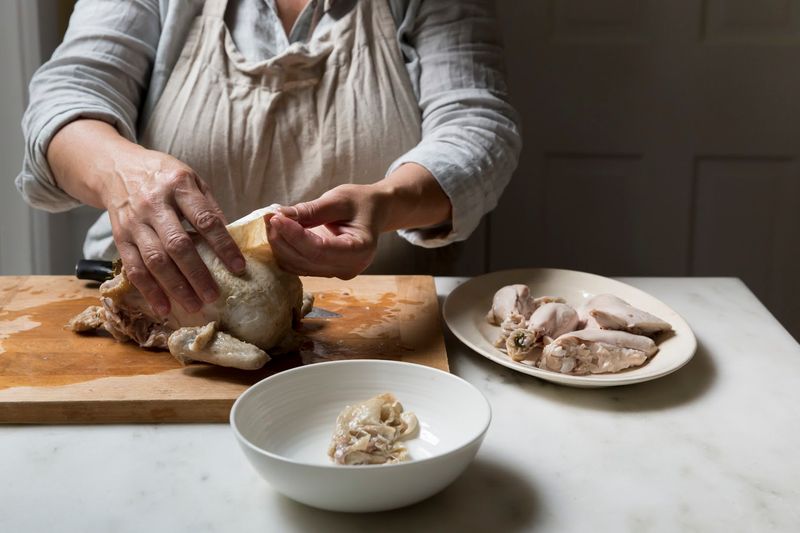
The air smells like butter, warm yeast, and the kind of confidence that comes from finally understanding dough.
If you have ever wanted baking to feel less mysterious and more joyful, this class makes that leap feel possible.
That welcoming, flour-dusted energy is exactly why Christopher Kimball’s Cooking School in Boston earns a place on this list.
Classes here tend to balance precision with encouragement, so you get real technique without the pressure that can make beginners freeze.
You might work through artisan breads, laminated pastries, or seasonal desserts while instructors explain not just what to do, but why it matters.
That detail helps you troubleshoot later in your own kitchen, which makes the experience feel useful long after class ends.
I love how the atmosphere stays polished yet relaxed, with enough hands-on practice to keep you engaged from start to finish.
There is usually a satisfying rhythm to measuring, mixing, proofing, and baking that turns the session into a small, delicious escape.
By the time you taste what you made, the lesson feels memorable because your confidence rose along with the dough.
2. New England Culinary Arts – Boston, Suffolk County
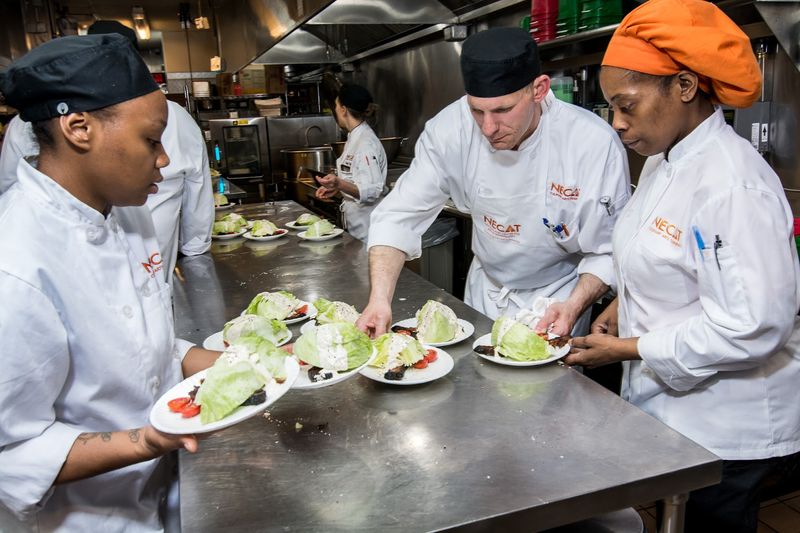
A great class can feel like a celebration before the first bite even hits the table.
If you enjoy the buzz of a well-run group experience with a polished event feel, this is the kind of place that can turn dinner into an occasion.
That celebratory energy is part of what makes New England Culinary Arts memorable.
The format often works well for corporate gatherings, private groups, and social outings, but it can still deliver useful technique alongside the fun.
Depending on the class theme, you might prepare multi-course menus, collaborative dishes, or cuisine-specific recipes designed to keep everyone engaged.
Because the center is built for hosted experiences, the flow usually feels organized, smooth, and easy to enjoy even if you are not a confident cook.
I like that this type of setting gives you the excitement of an event while still letting you participate enough to feel connected to the final meal.
You get conversation, teamwork, and a bit of culinary learning without the stress that can come with more formal instruction.
The class becomes the kind of Massachusetts food memory you want to recommend immediately.
3. Cozymeal Cooking Classes – Boston, Suffolk County
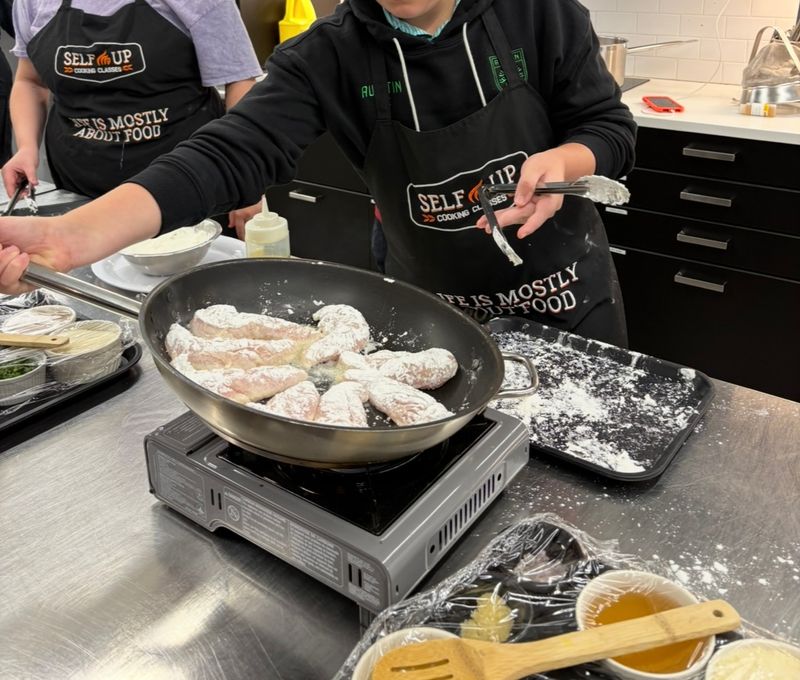
Few class settings feel as instantly lively as a kitchen where pans are already sizzling and everyone looks ready to jump in.
If you like your cooking lessons with equal parts energy, accessibility, and date-night appeal, this one checks a lot of boxes.
That is the charm of Cozymeal Cooking Classes, where the format feels social without sacrificing useful instruction.
The class lineup usually covers crowd-pleasing themes like pasta, French favorites, steakhouse skills, sushi, or baking basics.
Because the menus are familiar and approachable, you can show up curious instead of intimidated, then leave with techniques you will actually use again.
Instructors often keep the pace upbeat, moving the group along while still pausing for questions about timing, seasoning, and equipment.
I find this style especially memorable for people who want a polished experience that still feels playful and friendly.
You are not just watching a demo from the back of the room, because there is enough participation to make the final meal feel earned.
When you sit down to taste what the group created, the class lands as a fun Massachusetts outing that also sharpens real kitchen confidence.
4. The Chopping Block Boston – Boston, Suffolk County
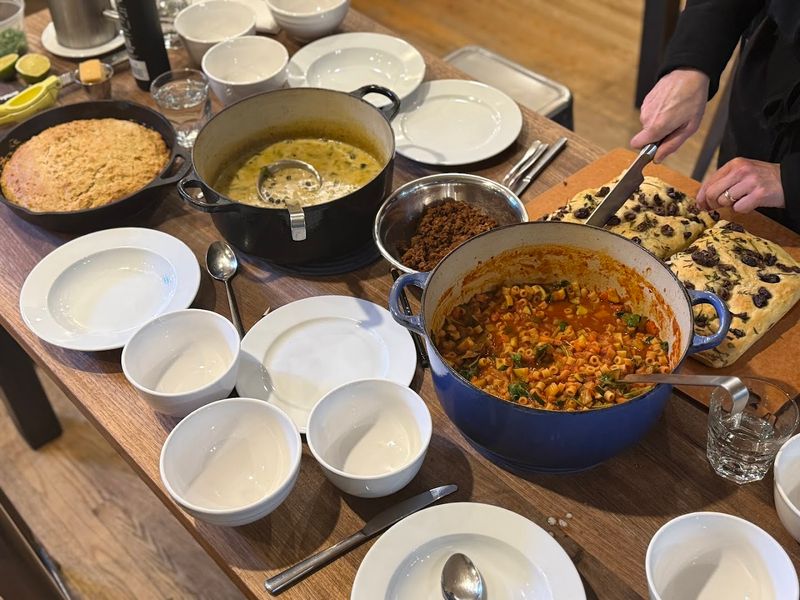
There is something instantly engaging about a class that feels part workshop, part dinner party, and part confidence boost.
If you enjoy learning by doing and want a kitchen atmosphere that feels contemporary, social, and unfussy, this one fits nicely.
That spirit defines the experience often associated with The Chopping Block Boston.
Expect an interactive setup where technique and timing matter, but the overall mood stays conversational enough for beginners to relax.
Menus may lean into popular hands-on favorites like pasta, knife skills, comfort food, or globally inspired dishes that invite teamwork.
Because you are actively moving through prep, cooking, and plating, the class tends to keep your attention better than passive demonstrations ever could.
I like this kind of format for groups, couples, or solo cooks who want practical takeaways without a classroom feeling too formal.
You can usually pick up useful habits about mise en place, seasoning, and coordination that make weeknight cooking smoother when you get home.
What makes it memorable is not just the meal at the end, but the sense that for a couple of hours you became part of a kitchen rhythm that felt creative, capable, and genuinely fun.
5. Kathy Casey Food Studios – Boston, Suffolk County
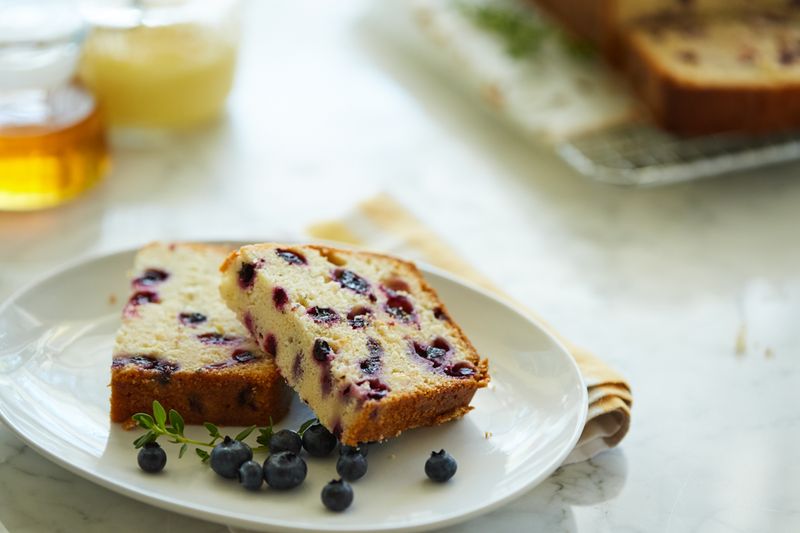
Sometimes the most memorable classes are the ones that feel a little more styled, polished, and presentation driven from the start.
If you are drawn to the creative side of entertaining as much as the cooking itself, this kind of studio experience can be especially appealing.
That is why Kathy Casey Food Studios earns attention on a Massachusetts cooking-class roundup.
The appeal here is less about rushing through recipes and more about seeing how flavor, visual presentation, and hospitality can work together.
Depending on the session, you might explore elevated small plates, event-worthy menus, or techniques that make home entertaining feel more intentional.
That broader perspective can be refreshing when you want inspiration beyond simple weeknight dinner ideas.
I think this experience resonates most with cooks who enjoy the lifestyle side of food, from plating and menu flow to the little touches guests remember.
There is usually something energizing about learning in a setting that treats cooking as both craft and occasion, not just task.
The class tends to stay with you because it sharpens your palate, sparks your imagination, and reminds you that a memorable meal often begins long before anyone takes the first bite.
6. Third Space Kitchen- Cambridge, Middlesex County
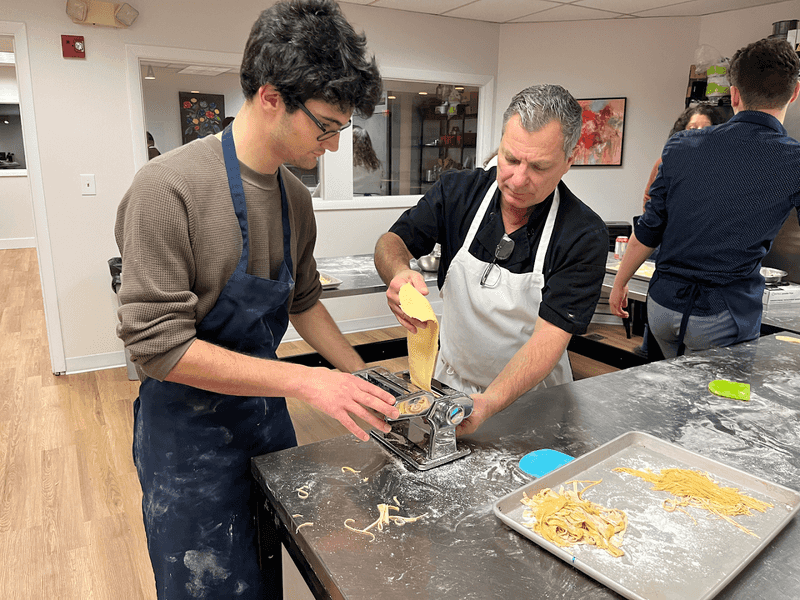
The most inviting cooking classes often feel like stepping into someone else’s well-loved kitchen, where questions are encouraged and mistakes never ruin the mood.
If you learn best in a smaller, more personal environment, that warmth can make all the difference.
That is the feeling many people seek out at Third Space Kitchen in Cambridge.
The atmosphere tends to favor connection and confidence building over flashy theatrics, which is ideal if you want to cook without feeling performed at.
Classes may focus on approachable dishes, practical techniques, or cultural specialties that invite conversation as much as instruction.
Because the setting feels intimate, it is often easier to ask about substitutions, timing, or the little details that recipes rarely explain well.
I think that personal tone is what makes a class like this so memorable, especially for cooks who value encouragement as much as expertise.
You leave not just with a finished meal, but with the sense that cooking can fit into real life and still feel special.
When a school creates that kind of ease while helping you build actual skill, it turns an ordinary evening into something you remember every time you recreate the dish at home.
7. Cambridge School of Culinary Arts – Cambridge, Middlesex County
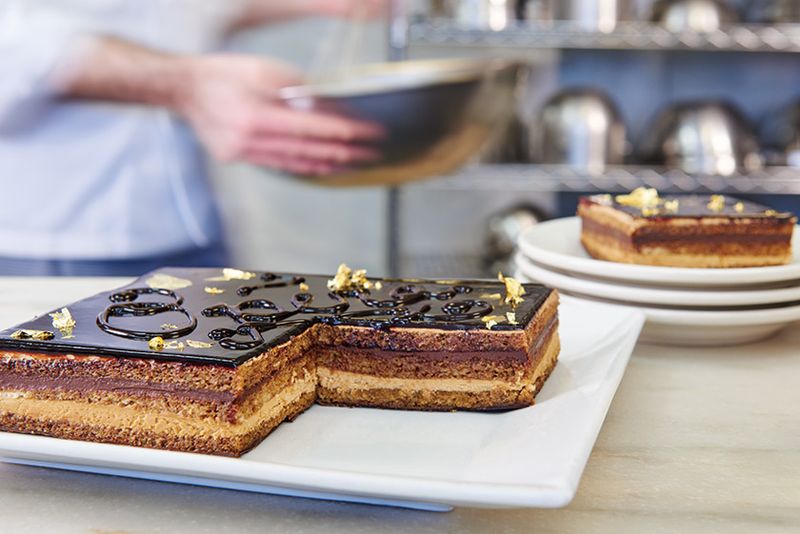
Some kitchens make you feel like you are stepping into a craft that deserves real respect.
If you want a class that feels grounded in professional standards while still welcoming serious home cooks, this is a strong choice.
That balance is a big reason the Cambridge School of Culinary Arts stands out in Cambridge.
Its reputation comes from structured teaching, knowledgeable chef instructors, and classes that often go deeper than quick entertainment.
You may find sessions focused on classic techniques, pastry work, regional cuisines, or foundational skills that improve nearly everything you cook later.
Instead of racing from one recipe to the next, the instruction often highlights process, organization, and the small habits that separate guesswork from confidence.
I appreciate how memorable this experience can feel for anyone who truly wants to learn rather than simply pass an evening.
There is a satisfying seriousness to the environment, yet it never has to become stiff or inaccessible when the teaching is good.
By the end, you are likely to leave with sharper technique, a better understanding of kitchen discipline, and the feeling that you just spent time somewhere that genuinely honors food education.
8. Formaggio Kitchen Cambridge – Cambridge, Middlesex County
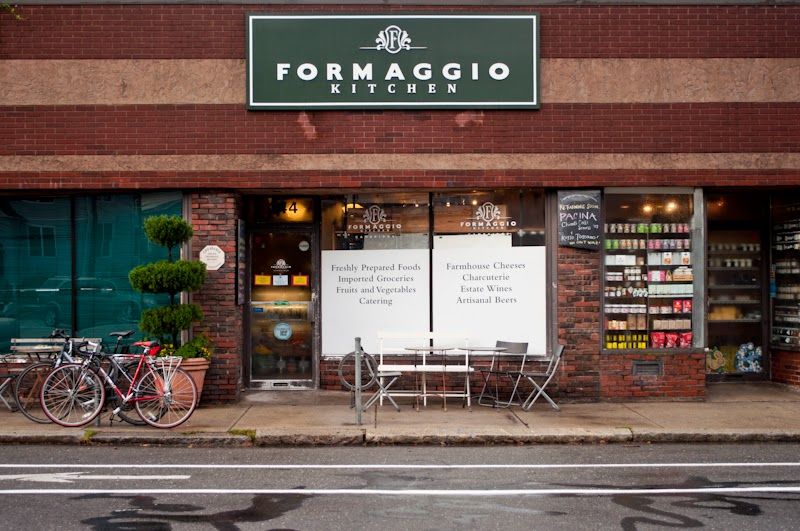
Not every memorable cooking experience starts with a chef’s jacket and a row of burners.
If your idea of food education includes tasting, storytelling, and discovering why ingredients matter as much as technique, this option feels wonderfully different.
That is part of the appeal of Formaggio Kitchen Cambridge, where culinary learning often begins with exceptional products.
The experience here can blur the line between class, tasting, and deep dive into artisan food culture.
Depending on the event, you might explore cheese pairings, regional specialties, charcuterie, pantry ingredients, or simple preparations that let premium flavors shine.
That focus makes the session especially enjoyable if you want to become a more thoughtful shopper and entertainer, not just a better recipe follower
I love how memorable this kind of class can be because it sharpens your senses as much as your cooking instincts.
You start paying closer attention to texture, sourcing, balance, and the small choices that elevate an ordinary spread into something guests talk about.
By the end, you are likely to leave with a bag of irresistible ingredients, a notebook full of ideas, and a new appreciation for how beautifully a Massachusetts food experience can center on taste as much as technique.
9. Williams-Sonoma Boston – Boston, Suffolk County
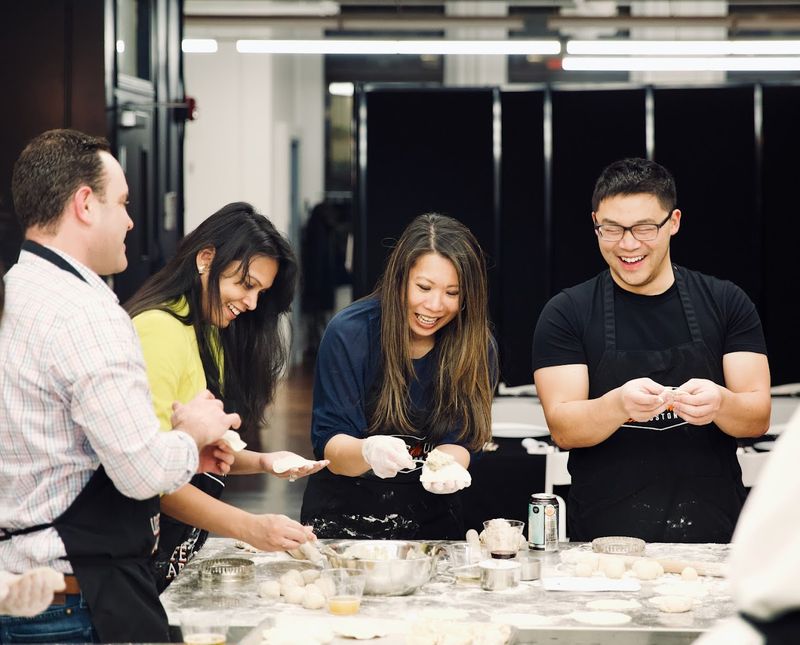
A good in-store cooking class can surprise you by feeling far more personal and useful than you expected.
If you like the idea of learning techniques while seeing the tools, cookware, and ingredients in action, this format has obvious appeal.
That practicality helps make Selfup Cooking Classes a memorable stop for food lovers in the city.
Classes and demonstrations here often lean approachable, which is part of their strength for beginners and busy home cooks.
You might encounter seasonal menus, baking sessions, holiday themes, or focused lessons on equipment and methods that simplify everyday cooking.
Because the environment is tied closely to the products around you, it is easy to picture how the techniques could transfer directly into your own kitchen.
I find this especially valuable for people who want inspiration without committing to an intense or highly technical program.
There is a pleasant immediacy to learning a dish, tasting it, and then understanding exactly which pans, knives, or gadgets actually helped.
When a class sends you home feeling excited to cook, clearer about what tools matter, and newly tempted to host your own dinner night, it has done much more than offer a quick sample and a sales floor demonstration.