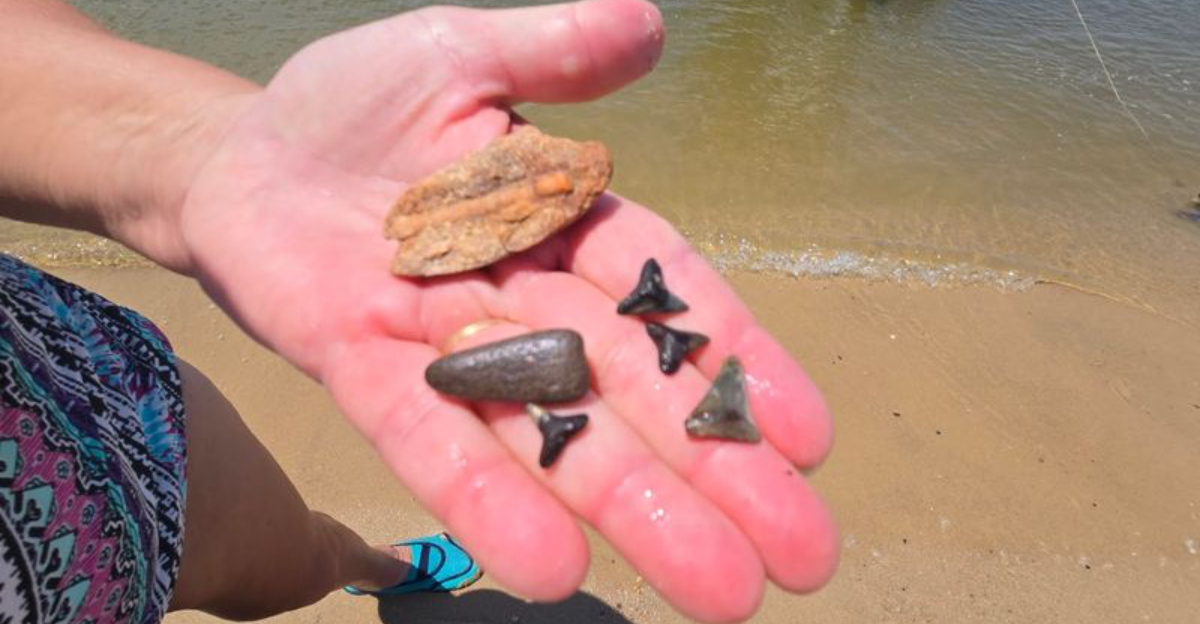
Gentle waves wash against Virginia’s rivers and tidal shorelines, where each changing tide has the chance to uncover something that has been hidden for millions of years. Along quiet beaches, fossil-rich cliffs, and sandy creek banks, the past feels surprisingly close—waiting for curious eyes to notice it.
Virginia is one of the best places on the East Coast to experience fossil hunting firsthand. From Miocene-era shark teeth scattered along the Potomac River to ancient shell beds and marine fossils preserved in coastal sediments, the state offers a remarkable mix of natural beauty and prehistoric discovery.
Some sites are ideal for first-time fossil hunters, while others invite experienced explorers to slow down, search carefully, and enjoy the thrill of finding a genuine piece of Earth’s history.
This guide highlights 7 Virginia fossil hunting spots every explorer should know about, helping you discover destinations where every walk along the shoreline or riverbank holds the promise of uncovering a fascinating connection to the ancient world.
Westmoreland State Park (Fossil Beach)
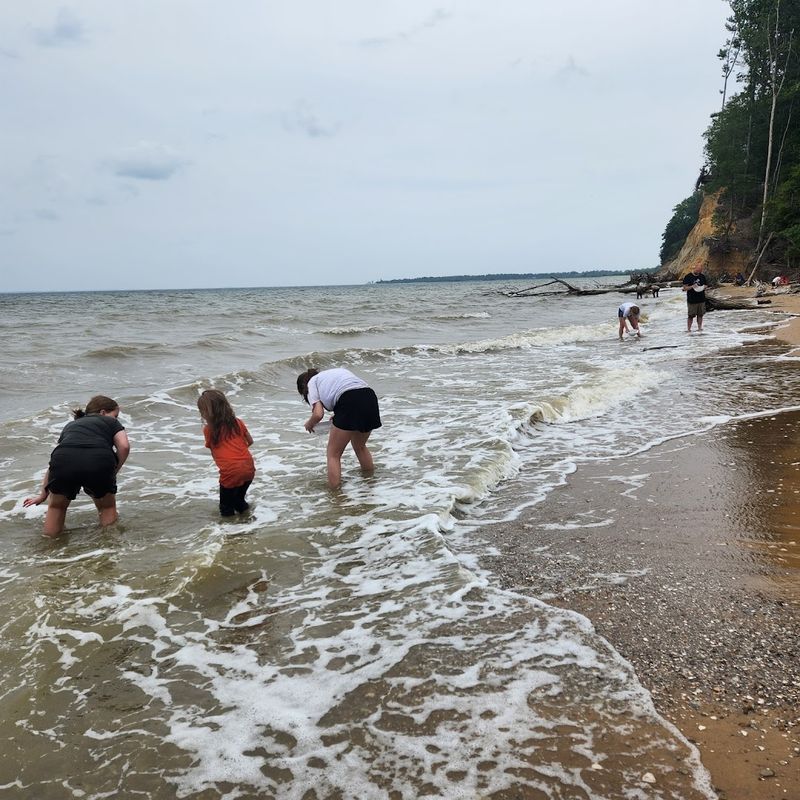
Few things feel more exciting than scanning a quiet shoreline and realizing the next wave might uncover a shark tooth millions of years old. That sense of possibility is exactly what draws explorers to Fossil Beach inside Westmoreland State Park near Montross.
The Potomac River constantly reshapes this shore, giving patient searchers fresh material to inspect.
You can find Miocene marine fossils here, especially small shark teeth, shell fragments, and other ocean relics weathered from nearby cliffs. Conditions change after tides and storms, so timing matters if you want the best odds.
A small screen, sturdy shoes, and a slow methodical pace usually beat rushing.
The park is especially appealing because it balances accessibility with a genuine sense of discovery. Trails, overlooks, and family friendly amenities make it easier to turn a fossil hunt into a full day outdoors.
If you are visiting with beginners, this is one of the strongest places in Virginia to start learning what real fossil hunting feels like.
Check current park guidance before collecting, and respect any posted rules about restricted areas or cliff safety. The bluffs are beautiful, but erosion makes them unstable, so collecting below active cliff faces is risky.
When you stay aware and search carefully, Westmoreland delivers one of Virginia’s most memorable fossil experiences.
Chippokes State Park
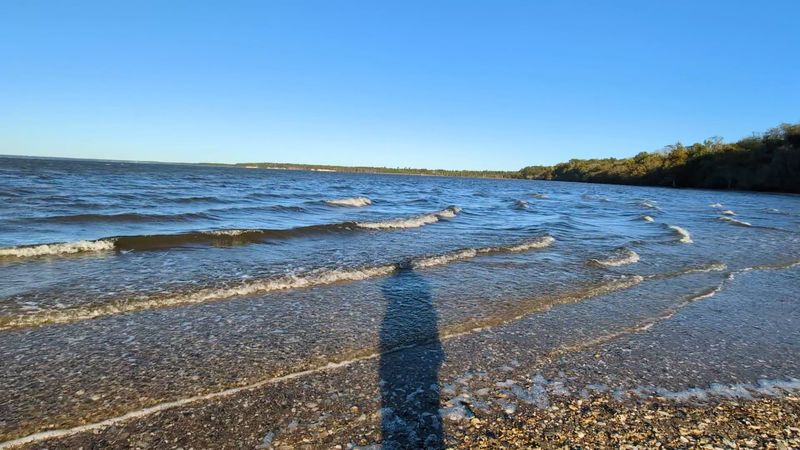
Wide river views and a calm, open shoreline make this area feel inviting before you ever start searching the ground. Along the James River at Chippokes State Park in Surry, fossil hunters come for marine deposits that can produce shells, shark teeth, and other ancient remains.
It is scenic, approachable, and rewarding.
The shoreline and nearby exposures reflect Virginia’s long underwater past, so even a casual walk can reveal shell beds or worn fossil fragments. Serious collectors often focus on gravelly patches and freshly disturbed sediment after shifting water conditions.
As always, the best finds usually come from patient observation rather than covering distance quickly.
This park stands out because it offers more than a collecting stop. You also get trails, river overlooks, picnic areas, and a historic setting that makes the day feel richer for families or mixed interest groups.
If someone in your group loves nature more than fossils, Chippokes still gives them plenty to enjoy.
Before visiting, review current state park rules so you know where collecting is allowed and what limits may apply. Shorelines can be slippery, and river conditions change, so bring footwear with grip and keep an eye on the weather.
For many explorers, Chippokes is one of the most balanced fossil destinations in Virginia.
York River State Park
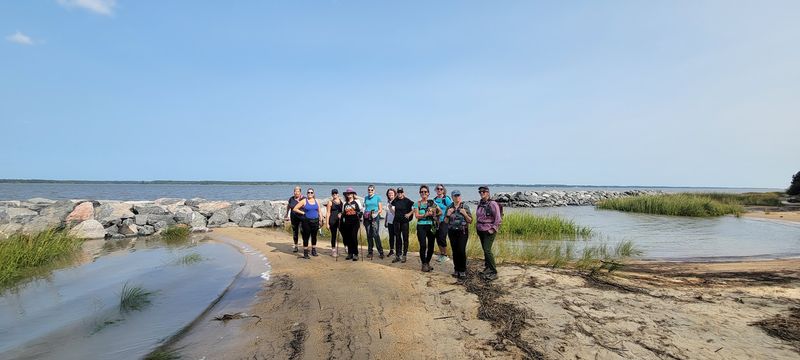
Not every fossil outing has to feel like a rugged expedition to be worthwhile. At York River State Park near Williamsburg, the excitement often comes from learning how ancient life connects to today’s tidal landscape.
That educational atmosphere makes this one of the most accessible places for curious beginners and families.
Rather than promising dramatic piles of large specimens, this park is better known for fossilized shells, coral fragments, and interpretive programs that help you understand what you are seeing. The surrounding estuary, trails, and creek edges reveal how geology, water, and time interact.
If you enjoy context as much as collecting, that matters.
Because York River State Park emphasizes stewardship and education, it is especially smart to look into ranger led activities before arriving. Programs can turn an ordinary walk into a much more informed search, especially for younger explorers.
You may leave with fewer spectacular finds than elsewhere, but a better understanding of Virginia’s fossil story.
Good footwear is important because muddy and uneven ground is common in tidal environments. Bring water, move slowly, and treat each fragment as part of a larger natural record rather than just a souvenir.
For explorers who want a thoughtful, beginner friendly fossil stop, this park earns its place on the list.
Caledon State Park
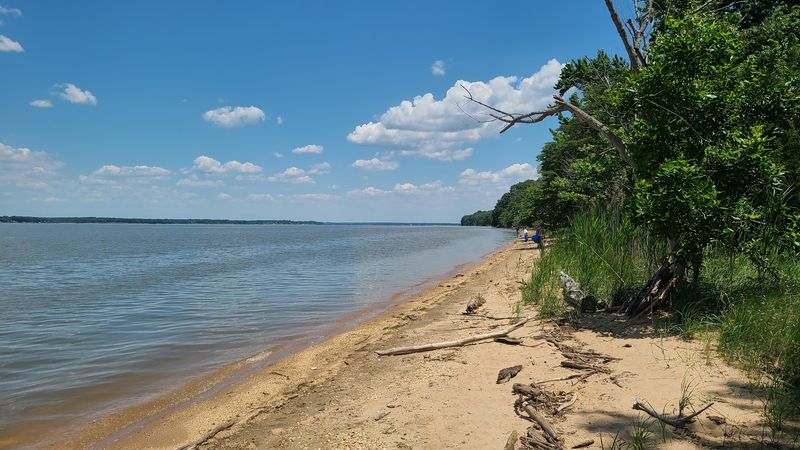
Quiet woods, broad river views, and a less crowded feel can make a fossil hunt seem more personal. Along the Potomac side of Caledon State Park in King George County, patient explorers sometimes search river gravels for fossil shark teeth.
The setting feels peaceful, but the ground can still hide thrilling remnants of ancient seas.
This is not always the kind of place that hands over obvious finds immediately. Instead, Caledon rewards careful scanning, tide awareness, and a willingness to inspect gravel bars and shoreline deposits slowly.
When conditions line up, that extra effort can pay off with worn but unmistakable teeth and marine fragments.
Another reason people like this park is its atmosphere. You get a quieter, more reflective outing than at some better known collecting beaches, which can make each discovery feel earned.
Birding, hiking, and riverside scenery also add value if your group wants a nature focused day with fossil hunting as part of the experience.
Because shore conditions shift and access details can change, it is wise to confirm park guidance before heading out. Stay alert around slick banks and avoid risky areas near unstable edges or changing water.
If you enjoy slower paced exploration with a real chance of success, Caledon deserves your attention.
Shark Tooth Island (Potomac River)
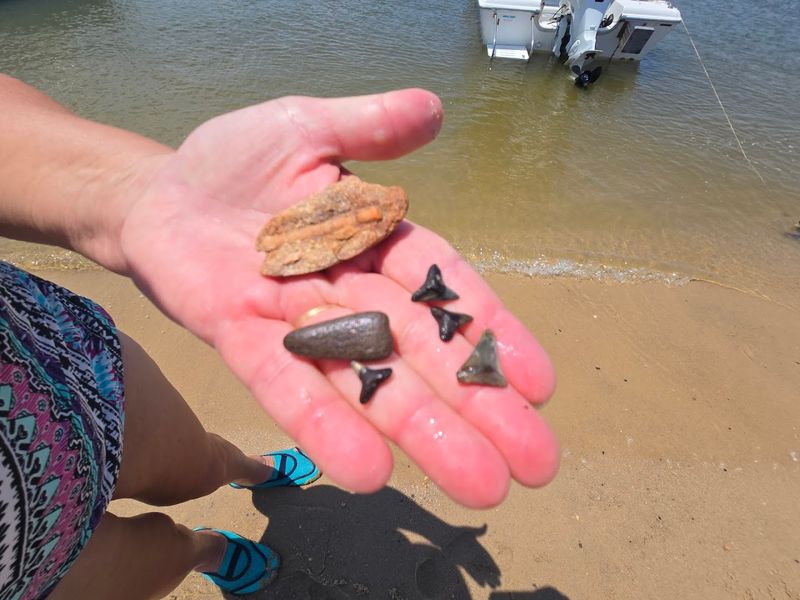
Adventure starts before the hunt even begins when a fossil spot requires a boat ride to reach it. Shark Tooth Island in the Potomac River has become legendary among collectors because its name reflects exactly what draws people there.
The remote setting adds excitement, and the fossil potential keeps enthusiasts coming back.
This island is associated with Miocene deposits that can yield shark teeth in concentrations much better than an average casual beach walk. Gravelly patches, shell hash, and freshly reworked sediment are the places collectors watch most closely.
As with any productive site, your success often depends on water conditions, recent weather, and patience.
Because access is boat only, preparation matters more here than at a state park stop. You need to think about tides, launch points, safety gear, sun exposure, and how you will carry finds without damaging them.
That extra effort is part of the appeal if you like outings that feel more like expeditions than simple day trips.
It is also important to verify access realities and local regulations before going, since river islands can present changing practical and legal questions. Respect private property, watch currents carefully, and leave the place cleaner than you found it.
For committed shark tooth hunters, this is one of Virginia’s most talked about destinations.
Stratford Hall
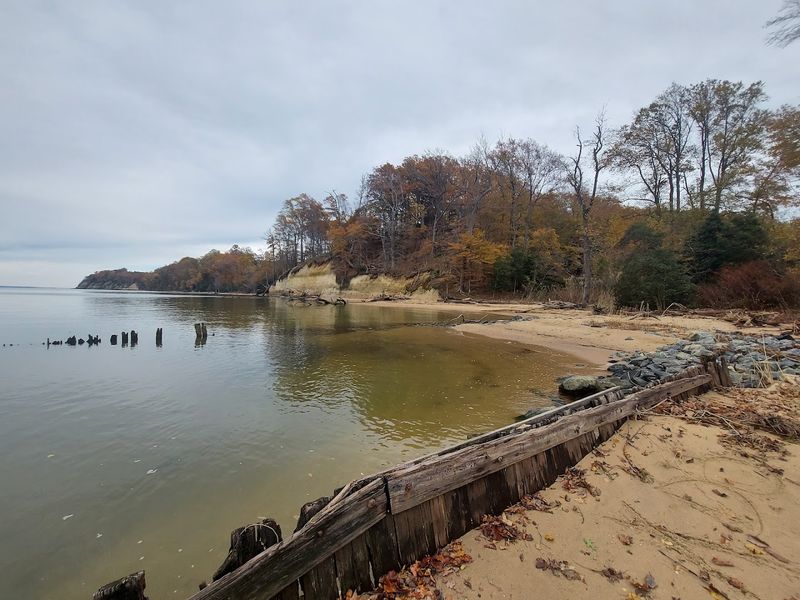
Stratford Hall Historic Preserve in Virginia offers one of the most significant fossil hunting experiences on the East Coast, where visitors can explore Miocene-aged cliffs along the Potomac River. These fossil-rich formations date back roughly 16 to 6 million years, when the region was covered by a warm, shallow sea filled with sharks, whales, crocodiles, and other marine life.
Today, guided fossil excursions allow participants to walk along restricted stretches of shoreline where erosion continually exposes new material from the Calvert Formation. The beach and cliff system is known especially for its abundance of fossilized shark teeth, but visitors can also find whale bone fragments, ray plates, and occasional impressions of ancient marine organisms preserved in sedimentary layers.
The experience is designed as both educational and hands-on. Participants join scheduled excursions led by staff or volunteers, who help explain the geology of the area and assist with fossil identification.
While collecting is permitted during these organized trips, the site is carefully managed to preserve its scientific value, and some significant finds may be retained for research.
What makes Stratford Hall especially unique is the combination of natural beauty and scientific importance. Walking along the riverfront cliffs, visitors are not just searching for fossils—they are exploring one of the rare Miocene fossil zones in the world, where deep time is still actively revealed by the tides.
George Washington Birthplace National Monument (Colonial Beach, VA)
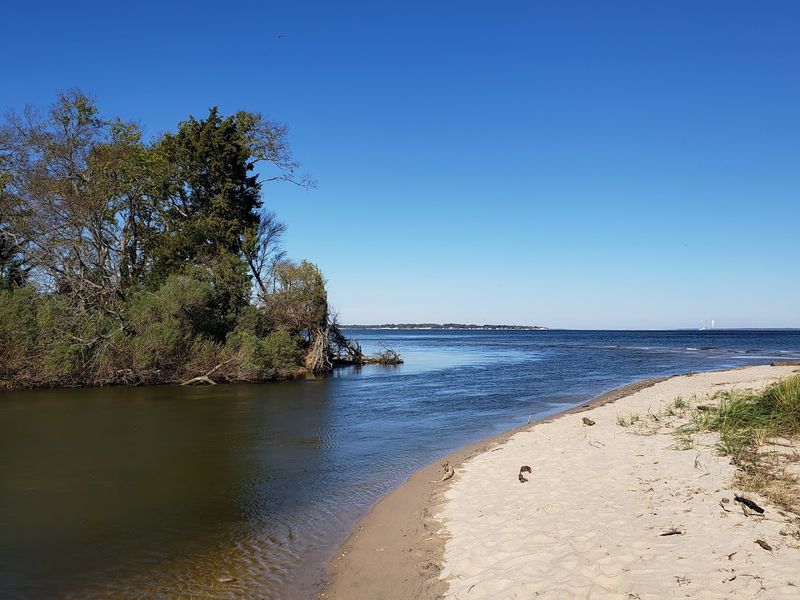
George Washington Birthplace National Monument in Westmoreland County, Virginia, is best known as the birthplace of the nation’s first president, but it also protects one of the Chesapeake Bay region’s most significant fossil-bearing landscapes. Along the shores of the Potomac River and Popes Creek, erosion continually reveals sediments from the Calvert Formation, which were deposited about 15 million years ago during the Miocene Epoch, when this area lay beneath a warm, shallow sea.
These fossil-rich deposits have preserved an extraordinary variety of ancient marine life. Scientists have documented shark teeth, ray remains, fish bones, whale and dolphin fossils, sea turtle bones, shells, fossil wood, pollen, and countless microscopic marine organisms that help researchers reconstruct the region’s prehistoric environment.
In fact, National Park Service paleontologists have recovered remarkably well-preserved fossil dolphins from the park’s eroding shoreline, highlighting the scientific importance of the site.
Unlike some fossil destinations, this is not a collecting site. Federal law protects all fossils within the monument, so visitors are encouraged to enjoy the exposed cliffs and beaches by observing and photographing fossils rather than removing them.
The focus is on preservation, allowing ongoing research while giving visitors the rare opportunity to see ancient marine history in its original setting.
For anyone interested in paleontology, the monument offers something different from a traditional fossil hunt. Walking along the shoreline, you are exploring sediments that continue to reveal new discoveries as tides and weather slowly uncover remains that have rested beneath the earth for millions of years, making every visit a chance to witness science in action.