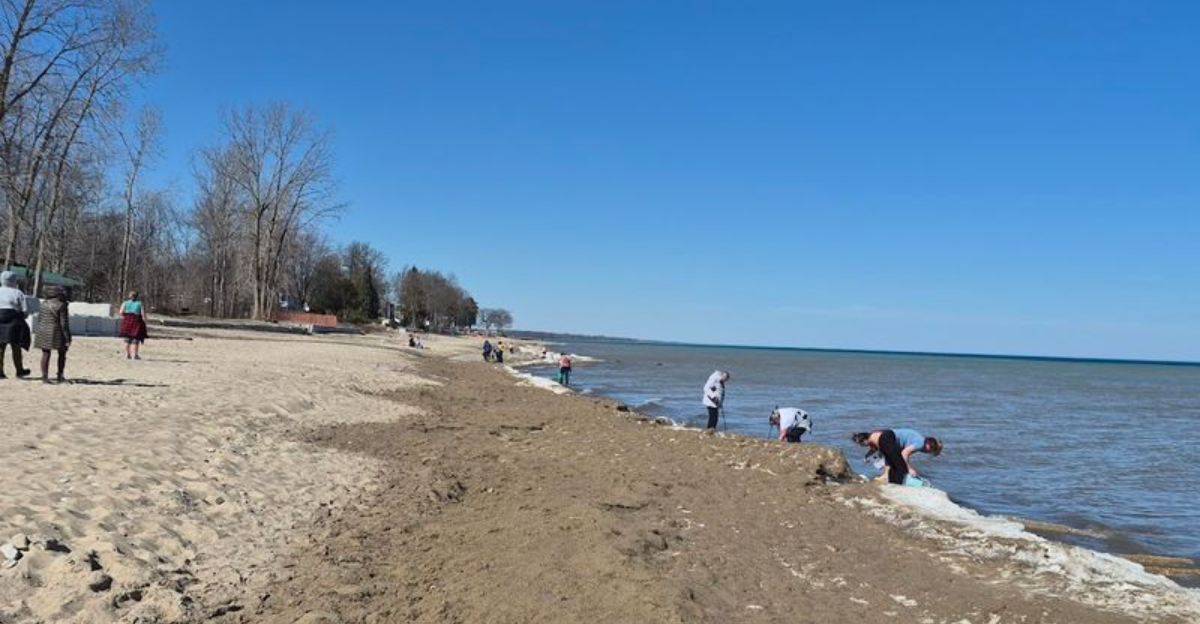
Cool Lake Michigan breezes roll across quiet beaches and rocky shorelines, where waves keep reshaping the sand and revealing pieces of a much older world. In Michigan, the ground beneath your feet often tells a deeper story—one written in coral, limestone, and fossilized marine life that once thrived in ancient seas.
Michigan’s fossil sites offer an easy, rewarding way to connect with that distant past. From well-known parks where Petoskey stones wash up after storms to rugged Lake Huron and Lake Superior shorelines filled with Devonian reef remnants, each location turns a simple walk into a small discovery.
Some places are perfect for beginners learning what to look for, while others reward patience with striking finds hidden among the stones.
This guide explores 10 Michigan fossil sites where history lies beneath your feet, helping you experience the state’s shoreline and inland geology in a way that feels both hands-on and unforgettable.
Petoskey State Park
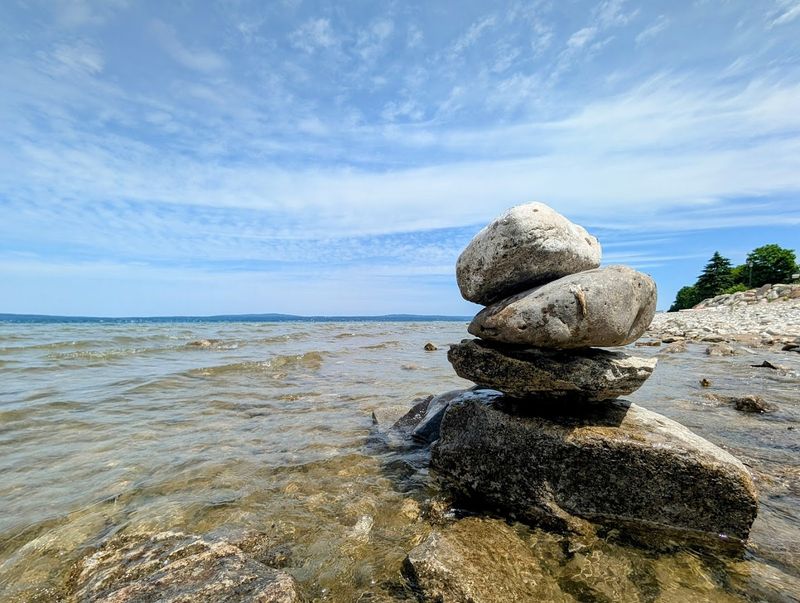
Waves, polished stones, and that constant feeling that your next step might reveal something extraordinary make this shoreline unforgettable. Along the beaches of Petoskey State Park near Petoskey, you are standing in one of Michigan’s most iconic fossil hunting areas.
The prize here is the Petoskey stone, a fossilized colony coral known as Hexagonaria, famous for its honeycomb pattern once the surface is wet or polished.
What makes this park special is how accessible the experience feels, even if you are new to fossils. Storm action and shifting lake levels regularly expose fresh material, so patient beachcombers often spot rounded coral fragments mixed among ordinary stones.
Early morning or after a windy day can be especially rewarding when wave-washed rocks glisten in the light.
You should know that collecting rules can change, so checking current park guidance before visiting is smart. Small hand collection from beach areas has traditionally drawn visitors, but protected lands always deserve extra care and common sense.
Bring water shoes, a small bag, and a spray bottle if you want dry stones to reveal their pattern quickly.
If you only visit one fossil site in Michigan, this is the classic choice.
Fisherman’s Island State Park
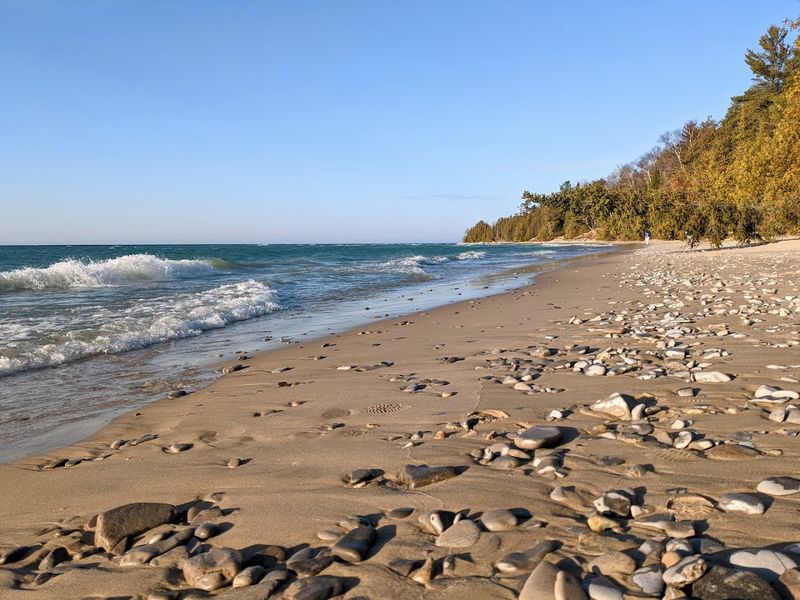
Wind off Lake Michigan gives this stretch of coast a wild, slightly untamed feeling that fossil hunters tend to love. At Fisherman’s Island State Park near Charlevoix, the shoreline mixes beach, cobble, and exposed stone in ways that can reveal fossil corals and other marine remnants.
It feels less polished than some better known stops, which is exactly part of the appeal.
You are searching ancient seabed material here, mostly embedded in limestone pieces carried and exposed by shoreline processes. Coral fragments are among the finds people mention most often, though careful eyes may also notice other fossil textures hiding in broken rock.
Because the coast is broad and variable, walking slowly matters more than covering a huge distance.
This is a place where conditions really shape the experience. Lower crowds can make it easier to scan the ground, and recent wave activity sometimes leaves promising concentrations of stone near the waterline.
Good footwear helps because the terrain can shift from sand to uneven rock quickly, especially if you explore beyond the most obvious access points.
Come for the solitude, stay for the chance that ordinary looking rocks suddenly reveal a prehistoric marine pattern beneath your feet.
Rockport State Recreation Area
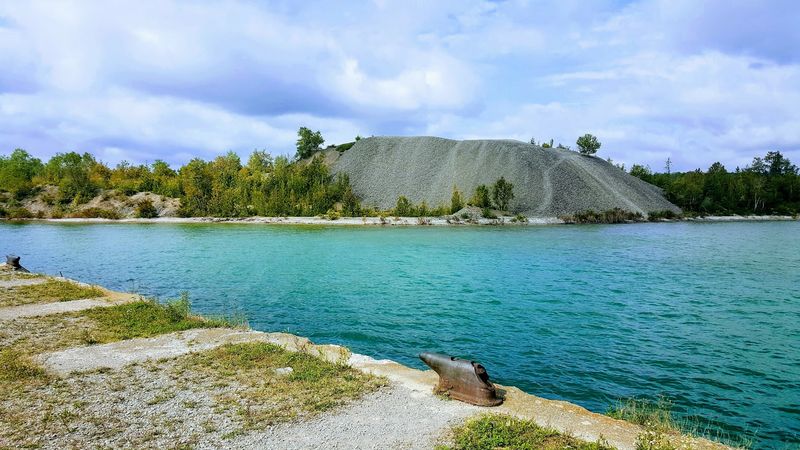
Few places in Michigan make ancient ocean history feel as immediate as this rugged Lake Huron landscape. At Rockport State Recreation Area near Alpena, you are exploring one of the state’s richest fossil zones, known for Devonian reef material and marine fossils preserved in limestone.
The setting is dramatic enough on its own, but the geological story is what really keeps you scanning every rock shelf.
This area sits within a region famous for Devonian formations, so fossil seekers often look for corals, brachiopods, and crinoid fragments among the exposed stone. Even when you do not take anything home, simply spotting fossil structure in place can feel like visiting an outdoor museum without walls.
The shoreline, old quarry influence, and broad exposures create more opportunities than a typical beach walk.
Because Rockport is geologically significant, respectful collecting practices matter a lot. You should always review current state rules, stay aware of protected areas, and avoid damaging bedrock exposures just to chase a better specimen.
A hand lens, sturdy shoes, and extra time are worth bringing because this is a place where details reward patience.
If you want a site that feels serious, scenic, and deeply tied to Michigan’s fossil reputation, Rockport absolutely belongs near the top of your list.
Thompson’s Harbor State Park
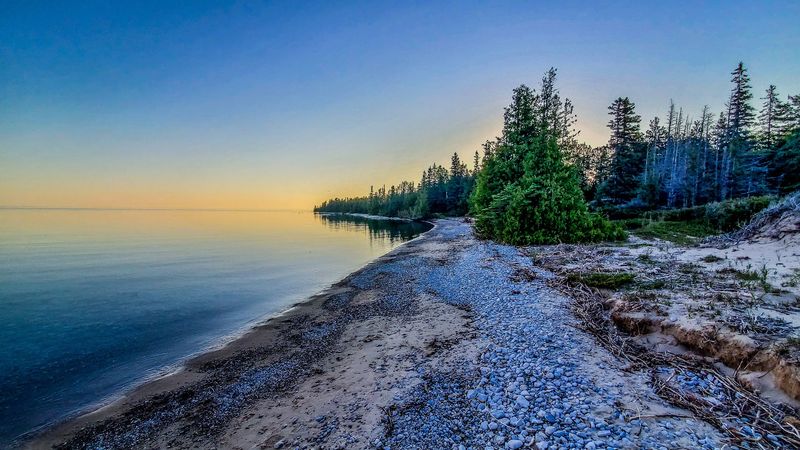
Quiet water, limestone ledges, and a slower pace give this shoreline a thoughtful, almost hidden quality. Thompson’s Harbor State Park near Alpena is prized by fossil enthusiasts for marine Devonian fossils preserved in rock along the Lake Huron coast.
You do not come here for flashy crowds or boardwalk energy – you come because the stone itself tells a much older story.
The shoreline exposures can reveal corals, brachiopods, and other fossil traces if you take your time and look closely at bedding surfaces and wave-worn fragments. It is the kind of place where subtle texture matters, so a quick pass can miss what a patient eye will catch.
Overcast light can even help by reducing glare on pale limestone.
One thing I appreciate about this park is how naturally the fossil hunt blends with the broader landscape. Forest, shore, and rock feel connected, making the outing enjoyable even if your finds stay modest.
As always on protected public land, check current regulations, avoid disturbing fixed exposures, and focus on legal, low impact collecting where permitted.
For anyone building a Michigan fossil itinerary, this park offers a calmer alternative to bigger name sites while still delivering genuinely fossil-rich ground beneath your feet.
Lakeport State Park
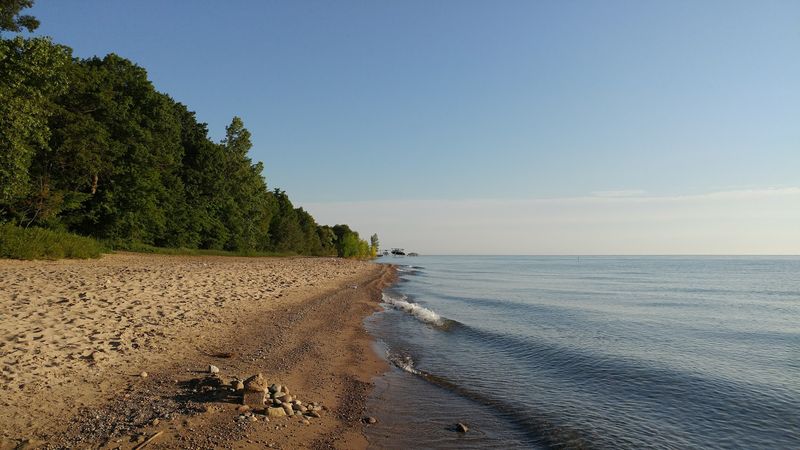
Long walks and patient searching define the experience at this Lake Huron shoreline, where ordinary beachcombing can turn into a lesson in ancient life. Lakeport State Park near Lakeport is known for fossil bearing stones and shoreline material that sometimes reveals traces of Michigan’s marine past.
It is a straightforward, approachable stop if you want a fossil outing without a complicated hike.
The best strategy here is simple: move slowly, scan wet rocks, and pay attention to texture. Fossils may appear as coral patterns, shell-like forms, or fragments embedded in limestone pieces shaped by wave action.
Since the coast changes with weather and season, one visit can look very different from the next, which keeps the hunt interesting.
This is a good place to bring someone who has never searched for fossils before. The open beach environment gives you room to spread out, compare finds, and learn what natural patterns actually stand out from random rock surfaces.
A small spray bottle, polarized sunglasses, and shoes that handle both sand and stone will make the day easier.
Lakeport may not have the same fame as Petoskey, but if you value easy access and real possibility, it offers a rewarding stretch of shoreline to explore.
Fort Gratiot County Park
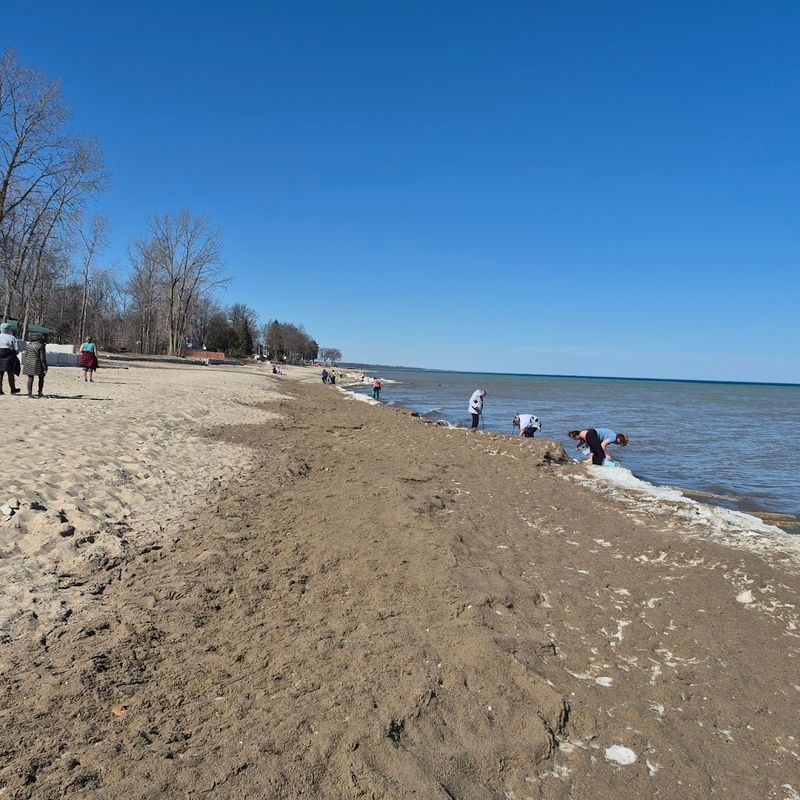
Bright water, open beach, and the sense that the Thumb’s shoreline still hides overlooked pieces of prehistory make this place appealing. Fort Gratiot County Park near the southern end of Lake Huron is known for Devonian marine fossil potential in shoreline stone and exposed material.
It is not always the first site people mention, which can make discovering it feel like a smart insider move.
The fossils here are tied to marine sedimentary rock from an ancient sea that once covered much of the region. Depending on conditions, you may notice coral textures, shell impressions, or fossil fragments weathered free from limestone pieces along the beach.
Success often comes from revisiting after changing water levels or wave action rather than expecting instant results on every trip.
Because this is a county park setting, the visit can be pleasantly simple. Access is relatively straightforward, and you can combine fossil searching with an easy shoreline outing if you are traveling through the Port Huron area.
Still, it pays to review local rules, avoid damaging any in place formations, and keep your collecting light and respectful.
For fossil hunters who want a southeastern Michigan option with genuine geological interest, Fort Gratiot County Park is absolutely worth adding to the route.
Presque Isle Park
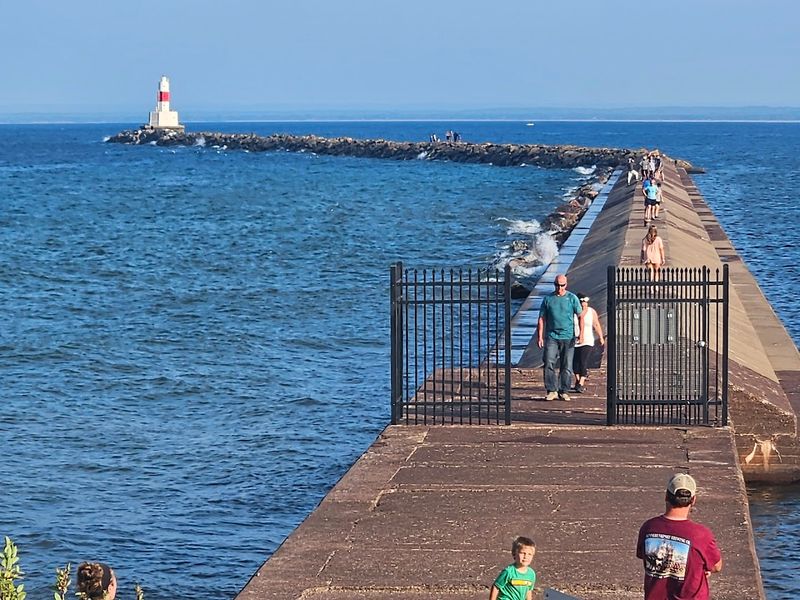
Cold Lake Superior air and dark, dramatic shoreline scenery give this park a completely different mood from Lower Peninsula fossil beaches. Presque Isle Park in Marquette is better known for striking rock formations and scenic overlooks, but certain fossil-bearing limestone exposures in the area add another layer for attentive visitors.
You are not coming here just to collect – you are coming to read the landscape.
The geology around Marquette is complex, and this site is less of a classic pocket-filling hunt than some famous Petoskey stone beaches. Still, visible fossil traces in appropriate limestone can reward careful observation, especially if you enjoy identifying patterns in place rather than searching only for loose specimens.
It helps to treat the outing as part scenic geology walk, part fossil investigation.
This is also a good reminder that fossil interest in Michigan is not limited to one coast or one type of shoreline. Superior’s atmosphere changes the whole experience, making each exposed surface feel more rugged and elemental.
Bring layers, tread carefully on wet rock, and respect local guidance because shoreline conditions can be slick and unpredictable.
If you want a fossil destination with strong scenery and a more interpretive feel, Presque Isle Park offers a memorable Upper Peninsula angle on Michigan’s ancient past.
Duck Lake State Park
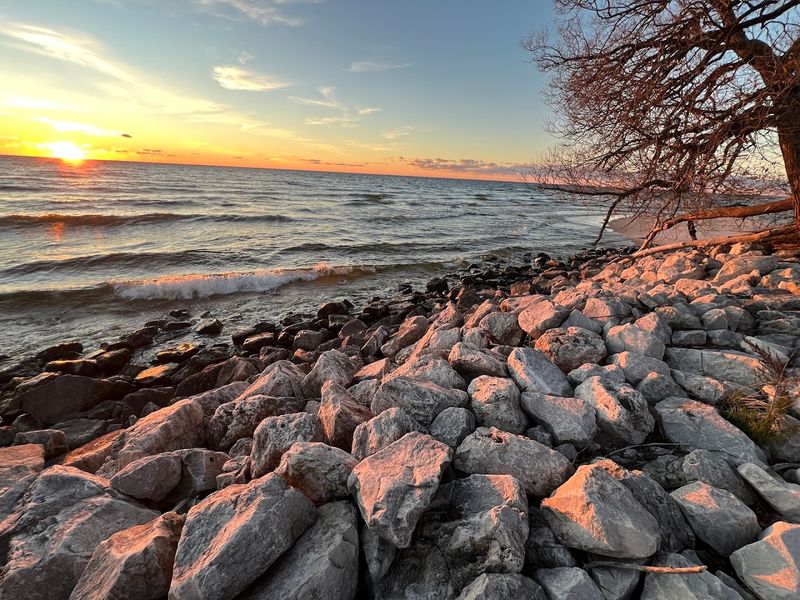
Where dunes, lake wind, and glacially mixed shoreline material come together, fossil hunting feels a little more exploratory. Duck Lake State Park in Muskegon County offers a Lake Michigan setting where beach stones and glacial deposits can occasionally reveal fossil material to patient searchers.
It is not as famous as northern coral hot spots, but that lower profile can make it especially fun.
The geology here reflects transport and mixing, so your finds may be more scattered and less predictable. That means you should look for individual limestone pieces with shell patterns, coral textures, or other marine traces rather than expecting broad fossil exposures.
A slower walk near gravelly sections and recently reworked shoreline can improve your odds.
One reason this park works well on a fossil itinerary is that it broadens your understanding of how fossils show up in Michigan. Not every worthwhile site is a headline location, and some of the best moments come when an unremarkable stone suddenly reveals clear ancient structure in your hand.
Pack light, wear shoes suited for both sand and rock, and keep expectations curious rather than rigid.
Duck Lake rewards the kind of visitor who enjoys discovery for its own sake, with shoreline beauty as a very solid bonus.
Partridge Point Park
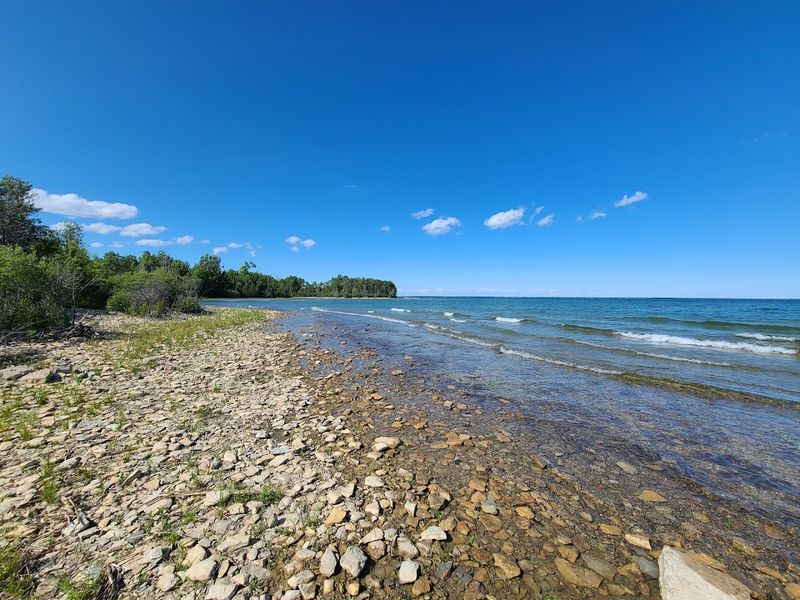
Partridge Point Park, located along the Lake Huron shoreline in Alpena County, sits in one of the most geologically interesting regions of Michigan’s “Devonian fossil belt.” While the park itself is primarily known for its quiet natural setting, rocky shoreline, and scenic views of the lake, the surrounding bedrock tells a much older story—one that dates back roughly 380–400 million years.
Much of this region is underlain by Devonian limestone, formed when a warm, shallow sea covered what is now northern Michigan. Over time, that ancient seabed became compressed into rock, preserving traces of marine life such as brachiopods, crinoids, and coral fragments.
Along Lake Huron’s shoreline near Partridge Point, wave action and seasonal water levels can occasionally expose pieces of this fossil-bearing limestone, giving visitors a glimpse into that distant ocean world.
While it is not a formal fossil-dedicated collecting site like some state park fossil pits, the area is still part of a broader fossil-rich geological corridor that includes nearby Rockport and Thompson’s Harbor State Parks. Visitors exploring the shoreline may notice fossil impressions embedded in stones or scattered among glacially transported rocks.
What makes Partridge Point Park special is this subtle blend of recreation and deep time—where a peaceful lakeside walk can unexpectedly connect you with Michigan’s ancient marine past.
Fox Science Preserve
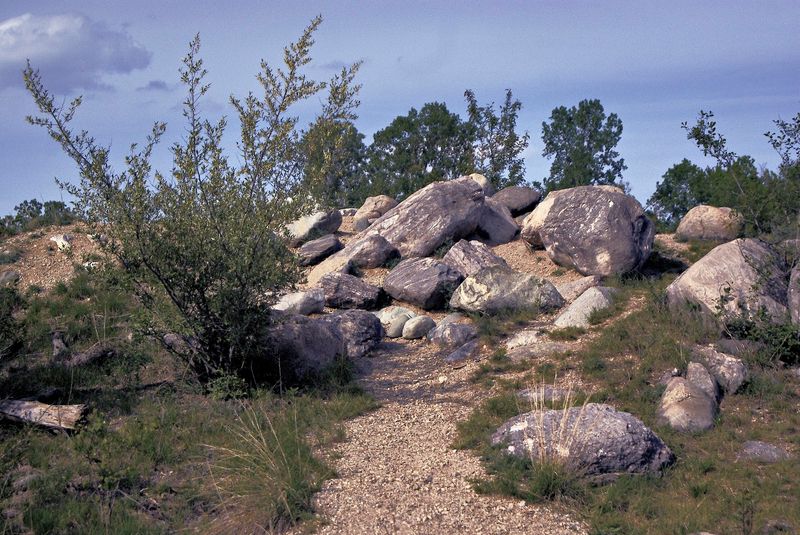
Fox Science Preserve sits quietly in Scio Township, just west of Ann Arbor, where the landscape opens into a mix of meadows, wooded edges, and gently rolling glacial terrain. While it is not a traditional fossil quarry, the site is part of a broader geological story shaped by the last Ice Age, when massive glaciers advanced and retreated across Michigan, reshaping the land and scattering rock from distant regions.
The ground here is made up largely of glacial deposits—sand, gravel, clay, and large erratic boulders transported from northern bedrock formations. These materials sometimes include fragments of much older Paleozoic limestone, meaning that fossil traces of ancient marine life can occasionally be found embedded within transported stones.
Brachiopod shell fragments and crinoid impressions are among the types of fossils associated with these limestone origins.
What makes Fox Science Preserve interesting for geology enthusiasts is not guaranteed fossil collecting, but rather the visible connection between glacial movement and deep time. The terrain acts as an outdoor classroom where visitors can observe how ice sheets redistributed ancient rock across the region.
It is a place where fossils are not always obvious—but the story of how they arrived here is written across the landscape itself.