Forget everything you think you know about North Carolina state parks—Stone Mountain is on a whole different level.
A giant granite dome bursts out of the forest like a misplaced piece of the moon, towering 600 feet into the sky and daring you to climb it. It’s the kind of sight that makes you stop in your tracks before you even reach the trailhead.
But this park isn’t just about one enormous slab of rock. Wild waterfalls crash over smooth stone, steep trails twist through thick woods, and quiet streams cut through the hills like hidden veins of the mountain.
Around every corner, something grabs your attention.
And when you finally reach the summit? The world seems to stretch forever.
Stone Mountain State Park isn’t just a place to hike—it’s a place that sticks with you long after you leave.
The Granite Giant That Defines the Park
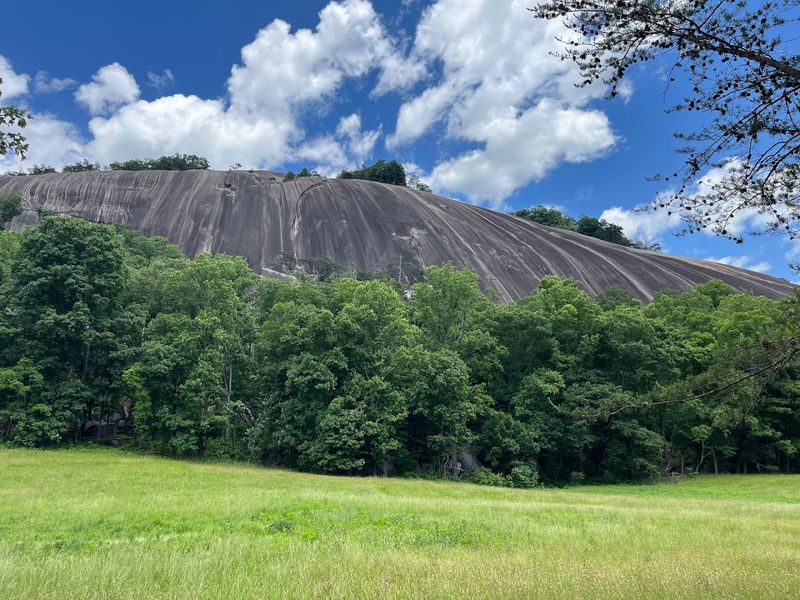
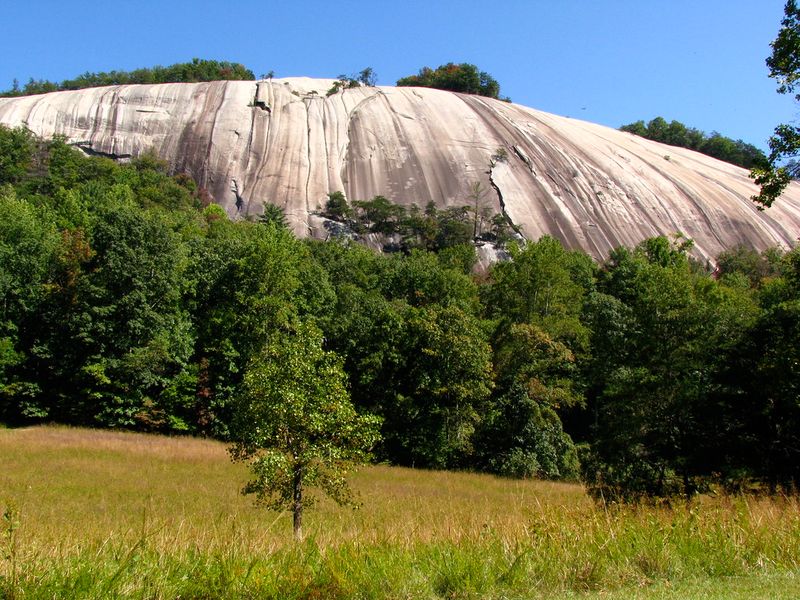
A 600-foot granite dome commands attention the moment you enter Stone Mountain State Park. This massive geological wonder rises dramatically from the surrounding forest, its smooth, light-colored face glowing in sunlight and creating one of North Carolina’s most striking natural landmarks.
Geologists designated it as a National Natural Landmark, recognizing its unique formation and ecological importance. The sheer scale surprises first-time visitors who expect something smaller or more tree-covered.
Instead, they find an exposed granite face that looks almost out of place in the forested mountains.
Climbers tackle technical routes up the vertical sections while hikers take winding trails to reach the summit. The dome’s bare surface creates a stark contrast against the green canopy below, making it visible from miles away on clear days.
Photographers love capturing the play of light across the granite, especially during golden hour when shadows emphasize every crack and contour.
Stone Mountain’s granite dome isn’t just scenery—it’s the centerpiece that makes this park truly unforgettable.
How Stone Mountain Was Formed
Around 400 million years ago, molten magma pushed deep beneath the earth’s surface but never erupted. Instead, it cooled slowly underground, forming a massive granite pluton that remained hidden for millions of years.
This cooling process created the coarse-grained texture you can see and feel on the exposed rock today.
Over countless millennia, erosion gradually wore away the softer surrounding rock and soil. Wind, water, ice, and time worked together to strip away the protective layers, eventually exposing the harder granite beneath.
The dome we see today represents just the tip of a much larger underground formation.
Understanding this ancient process helps explain why Stone Mountain looks so different from nearby peaks. Most surrounding mountains are covered in soil and vegetation, but this granite monadnock stands bare and proud.
Weathering continues today, creating the rounded appearance and exfoliation patterns visible across the surface.
This geological backstory transforms a simple hike into a journey through deep time.
The Famous Stone Mountain Loop Trail
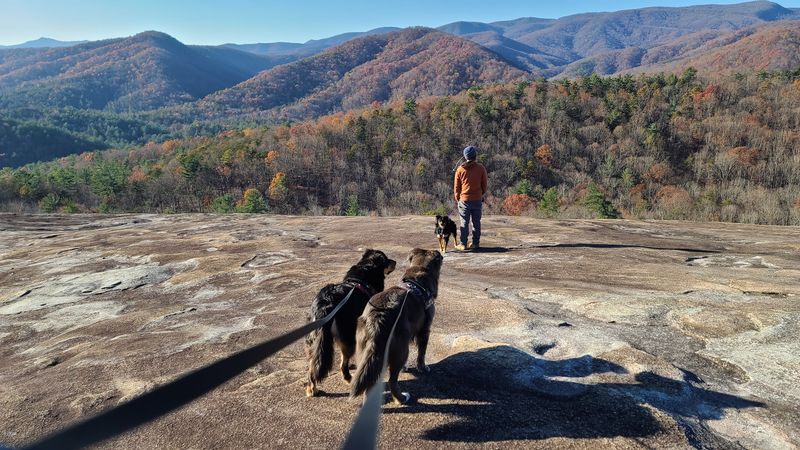
Nearly five miles of trail wind through everything that makes this park special. The Stone Mountain Loop Trail combines summit climbing, waterfall viewing, and forest walking into one incredible journey.
Most hikers complete the circuit in three to four hours, though photographers and nature lovers often take longer.
Starting from the main parking area, the trail leads through hardwood forest before beginning a steady climb. Granite slabs appear underfoot as you gain elevation, and soon the forest opens to reveal the massive dome ahead.
The summit ascent requires careful footing on exposed rock, but the path is well-marked.
After reaching the top and soaking in panoramic views, the loop descends past Stone Mountain Falls before returning through peaceful woodland. Spring wildflowers carpet sections of the trail, while fall brings spectacular foliage.
Many consider this the perfect introduction to the park because it showcases such diverse terrain.
Pack plenty of water and snacks—this trail earns its reputation as the best way to experience Stone Mountain in a single outing.
Sweeping Summit Views You Won’t Forget
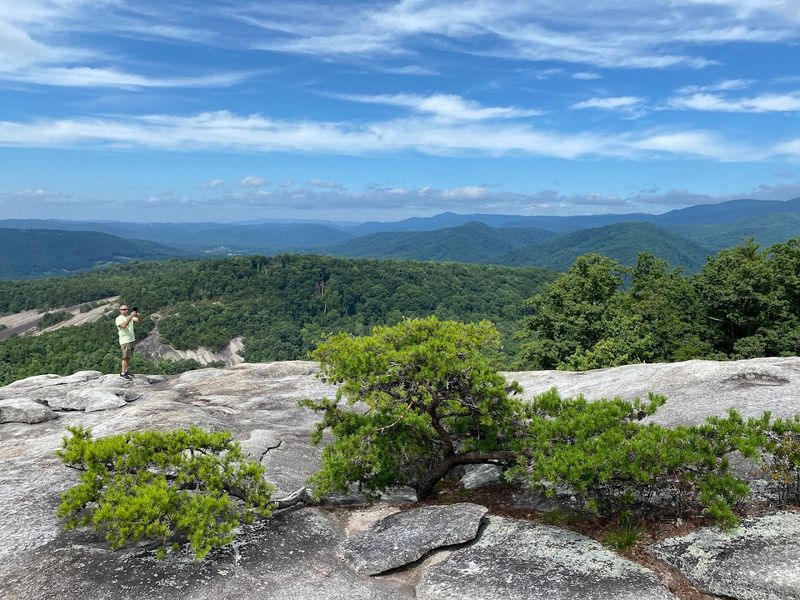
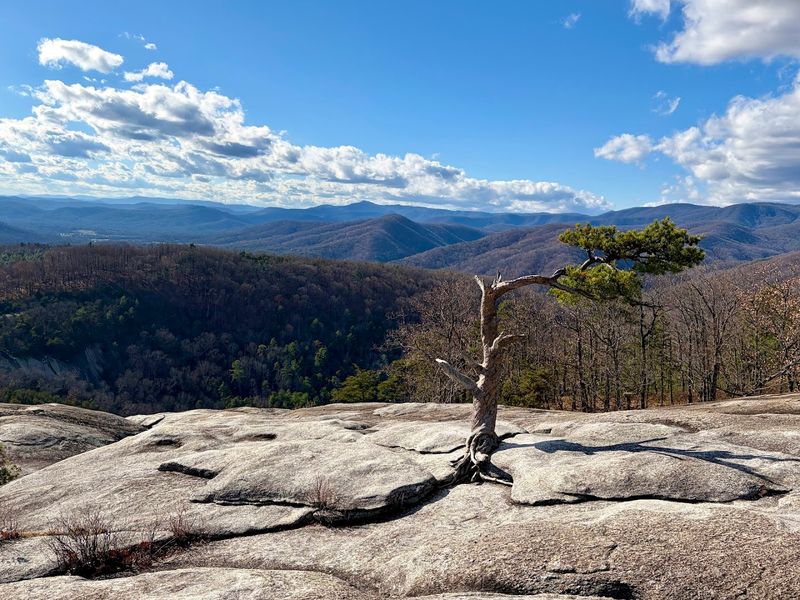
Reaching the granite dome’s summit feels like stepping onto a natural observation deck suspended above the world. Blue Ridge foothills roll away in every direction, creating layers of mountains that fade into soft blue haze.
On exceptionally clear days, visibility extends for dozens of miles.
The 360-degree perspective reveals patterns in the landscape impossible to see from below. Ridgelines snake across the horizon while valleys cut deep shadows between peaks.
You can trace the path of streams and spot neighboring granite outcrops poking through the forest canopy.
Wind sweeps freely across the exposed summit, making even summer days feel refreshingly cool. The smooth granite provides plenty of comfortable spots to sit and absorb the scenery.
Sunrise and sunset transform the views into something magical, painting the sky in colors that reflect off the rock surface.
Many hikers say the summit moment alone justifies the climb. This overlook ranks among the finest scenic viewpoints in western North Carolina, offering rewards that match far more famous peaks.
Stone Mountain Falls and Widow’s Creek
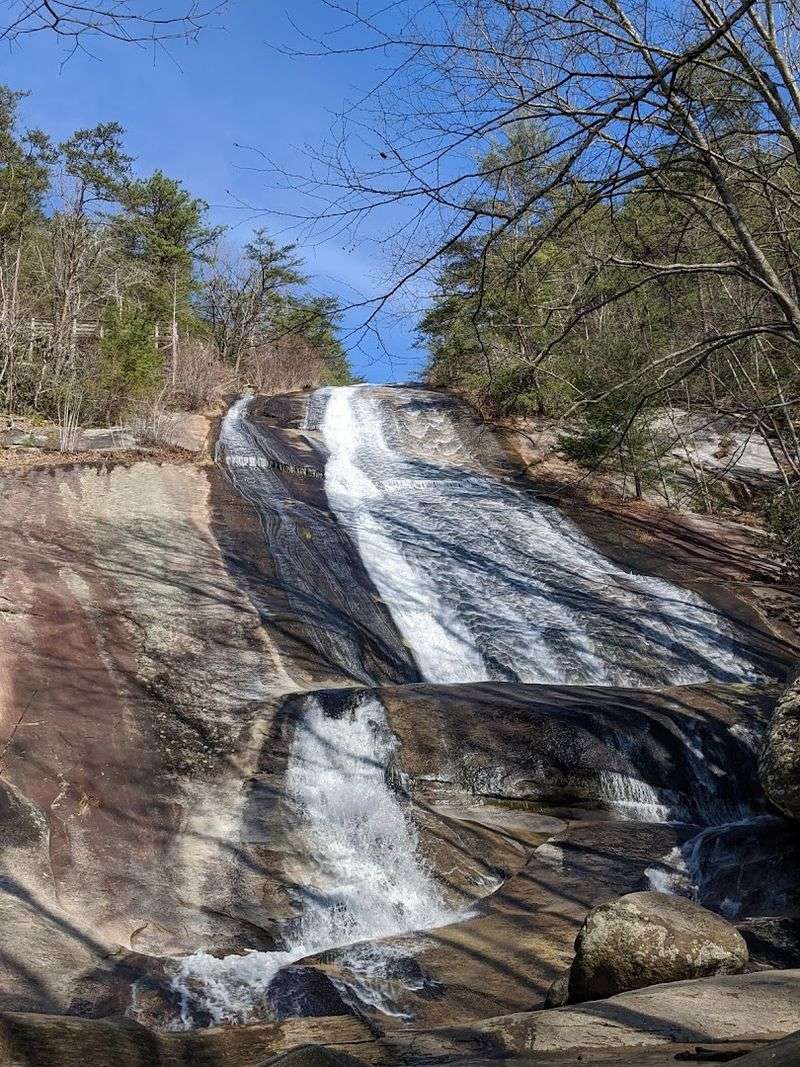
Water cascades directly over granite shelves, creating a 200-foot waterfall that adds movement and sound to the stone landscape. Stone Mountain Falls plunges down the same rock formation that creates the dome, showcasing how water shapes even the hardest surfaces over time.
The falls flow year-round, though spring runoff and periods after heavy rain turn them especially dramatic.
Widow’s Creek feeds the falls and continues downstream, cutting through the park in a series of smaller cascades and pools. The creek’s clear, cold water originates high in the mountains, maintaining excellent quality throughout its journey.
Multiple viewing spots along the trail offer different perspectives of the waterfall system.
Photographers arrive early morning for the best light, when mist catches sunbeams filtering through the forest. The combination of granite and flowing water creates unique compositions rarely found elsewhere.
During winter, ice formations add another layer of beauty, though trails near the falls become more challenging.
This waterfall system proves Stone Mountain offers more than rocky summits.
The Historic Hutchinson Homestead
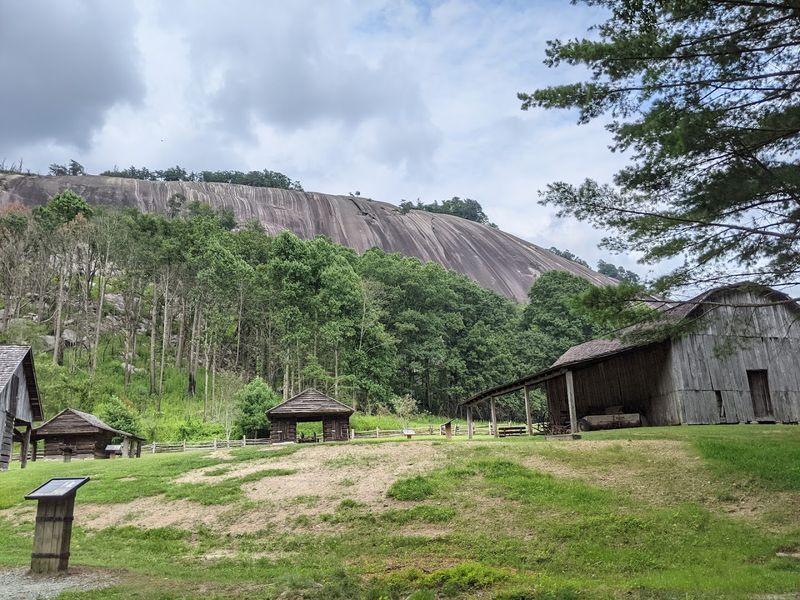
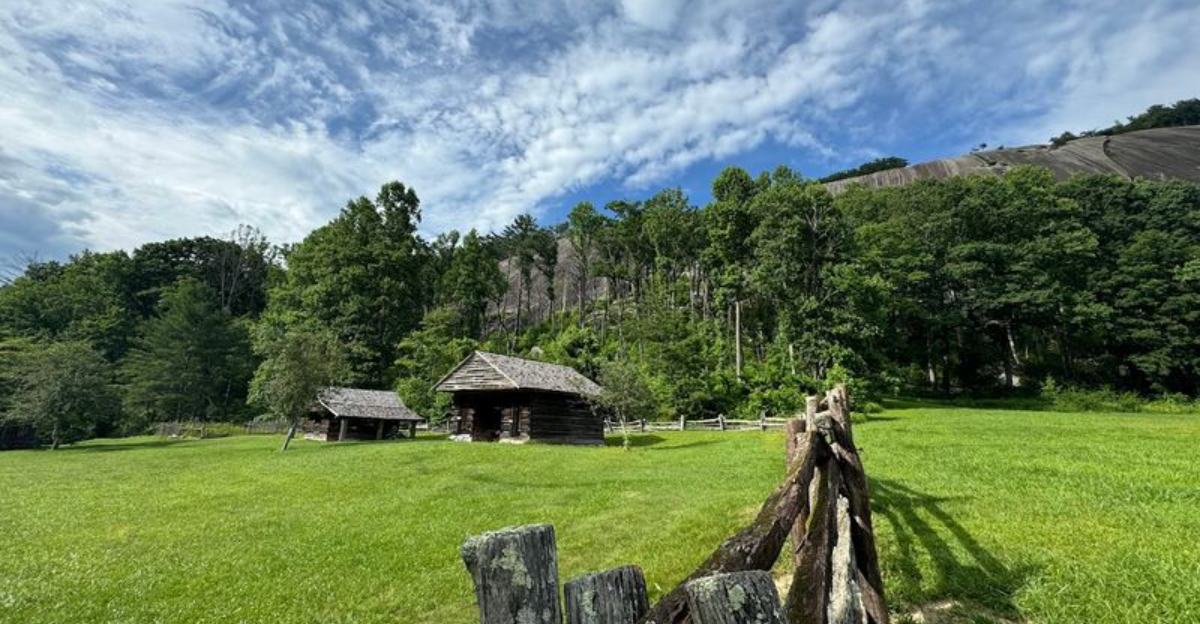
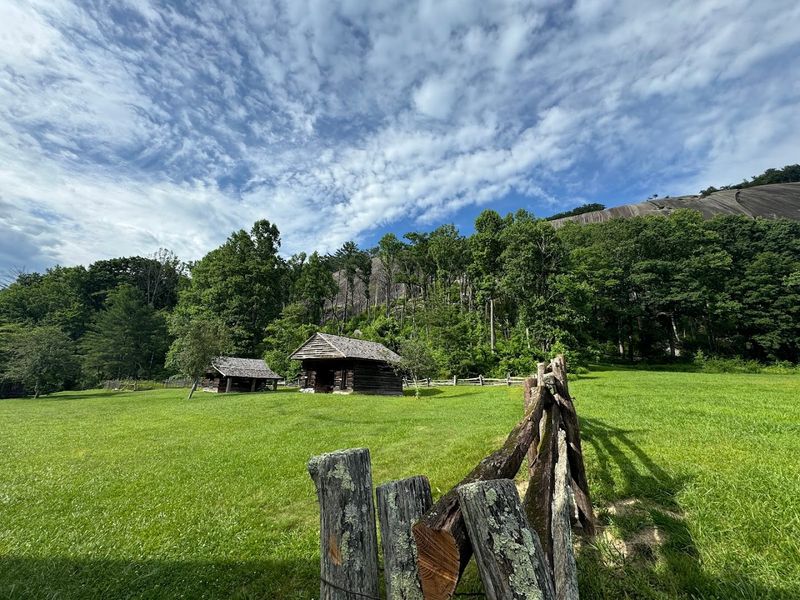
At the mountain’s base sits a preserved slice of Appalachian history dating back to the mid-1800s. The Hutchinson Homestead shows how families carved out lives in these rugged mountains, maintaining farms in challenging terrain.
Original log structures, farm equipment, and outbuildings remain intact, offering tangible connections to generations past.
Garden plots, split-rail fences, and stone foundations reveal the layout of a working mountain farm. Interpretive signs explain daily routines, seasonal work, and the self-sufficient lifestyle required in this remote location.
The homestead adds cultural depth to what might otherwise be purely a nature visit.
Walking through these preserved buildings provides perspective on how different life was for early settlers. They faced the same granite mountain but experienced it through the lens of survival rather than recreation.
School groups and history enthusiasts appreciate this educational component.
The homestead sits conveniently near main trailheads, making it easy to combine historical exploration with outdoor adventure. It reminds visitors that human stories are woven into this landscape alongside natural wonders.
Trout Streams, Wildlife, and Quiet Forests
Beyond the granite centerpiece, peaceful streams wind through hardwood forests that support rich ecosystems. Several creeks within the park hold designated high-quality water status, indicating exceptional environmental health.
Trout thrive in these cold, clean flows, attracting anglers seeking native brook trout and stocked rainbows.
White-tailed deer browse through understory vegetation while wild turkeys scratch for food along forest edges. Songbirds fill the canopy with calls, especially during spring migration and nesting season.
Patient observers might spot salamanders near streams, or catch glimpses of foxes and bobcats moving through deeper woods.
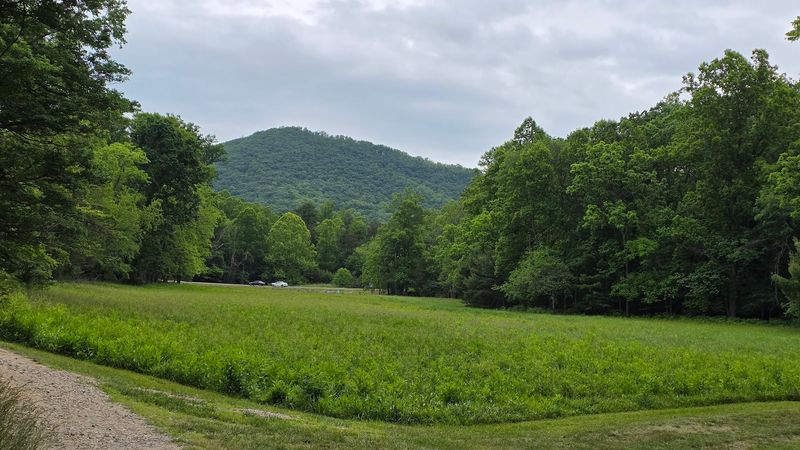
The forest itself changes character throughout the park. Lower elevations feature oaks and hickories, while higher slopes support birch, maple, and hemlock.
Mountain laurel and rhododendron create dense thickets that explode with blooms in late spring. This biodiversity makes every walk interesting, not just summit hikes.
Fishing regulations apply, so check current rules before casting lines. The quiet forest sections provide perfect counterpoints to the dramatic open rock faces.
Hidden Spots Like Wolf Rock and Cedar Rock
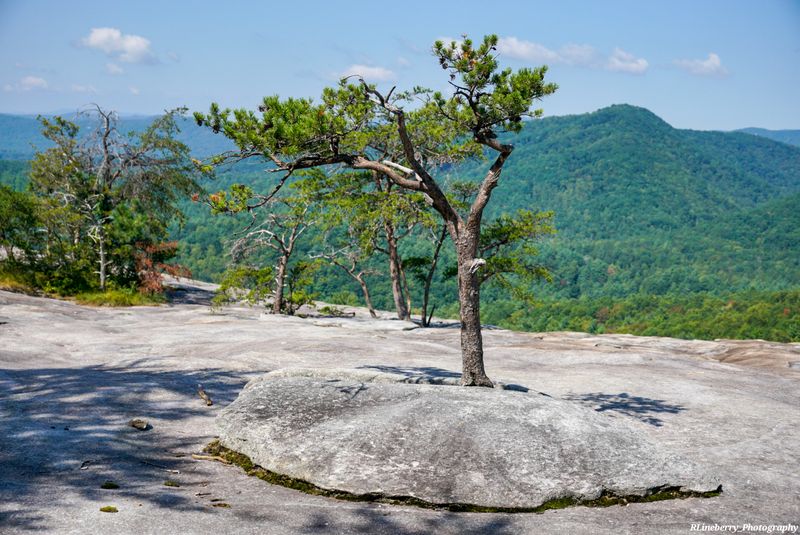
Stone Mountain’s main dome gets most attention, but adventurous visitors discover other granite formations scattered throughout the park. Wolf Rock and Cedar Rock offer their own dramatic outcrops, rewarding overlooks, and peaceful picnic locations.
These spots attract fewer crowds, providing quieter experiences for those willing to explore beyond the primary attractions.
Wolf Rock features impressive vertical faces that challenge climbers seeking routes away from the main dome. Cedar Rock delivers excellent views across different sections of the park, showing perspectives unavailable from Stone Mountain proper.
Both locations offer intimate encounters with granite geology on a more manageable scale.
Trail networks connect these hidden gems, allowing hikers to create custom routes based on time and energy. Some paths are rougher and less maintained than the main loop, adding an adventurous quality.
Experienced hikers appreciate having options beyond the signature trail, especially on busy weekends when main areas feel crowded.
Don’t overlook these secondary destinations—they prove Stone Mountain State Park contains layers of discovery beyond its famous centerpiece.
Why It’s One of North Carolina’s Most Underrated State Parks
While other mountain parks draw massive crowds, Stone Mountain often flies under the radar despite offering equally impressive scenery. Bigger-name destinations get the publicity, leaving this park surprisingly peaceful even during peak season.
Local hikers quietly praise it as one of North Carolina’s best-kept secrets.
The dramatic granite dome, quality trail system, waterfall features, and historical sites rival anything found in more famous parks. Yet parking lots here rarely reach capacity, and you can often find sections of trail with no other hikers in sight.
This combination of outstanding natural features and manageable crowds creates ideal conditions for genuine outdoor experiences.
Geography plays a role—Stone Mountain sits slightly off major tourist routes, requiring deliberate planning rather than impulse stops. This filters visitors to those specifically seeking what the park offers.
The result is a self-selected crowd of serious hikers, climbers, and nature lovers rather than casual sightseers.
Smart adventurers recognize this underrated status as a benefit. Why fight crowds elsewhere when Stone Mountain delivers excellence with elbow room?
What To Know Before You Go
Stone Mountain State Park welcomes visitors at 3042 Frank Parkway in Roaring Gap, NC 28668. Spring brings peak waterfall flow and wildflower displays, while fall offers spectacular foliage colors across the mountains.
Summer provides warm weather and long daylight hours, though afternoon thunderstorms develop frequently on exposed summits.
Weekend parking fills quickly, especially during peak seasons—arrive early or plan midweek visits for easier access. Sturdy hiking shoes with good traction are essential because granite surfaces become slippery when wet.
Carry plenty of water for summit hikes since no sources exist on exposed rock sections.
Check the park website for trail closures before visiting, as waterfall routes sometimes close for safety. No day-use fee applies, making this an economical outdoor destination, though camping requires advance reservations.
Leashed pets are welcome on trails, and weather can change rapidly on open granite faces, so pack layers.
These simple preparations ensure your visit goes smoothly, letting you focus on enjoying everything that makes Stone Mountain State Park truly unforgettable.