Forget everything you know about crowded beaches and bumper-to-bumper boardwalk traffic—Hammocks Beach State Park plays by its own rules. This wild stretch of North Carolina coast makes you earn every grain of sand.
No roads. No hotels.
No snack shacks.
Just a ferry ride or a kayak paddle standing between you and one of the state’s most untouched shorelines.
Tucked near Swansboro, this hidden escape leads to Bear Island, a barrier island where nature still calls the shots. The trip across the water feels like crossing into another world—salt marshes, seabirds, and wide-open sky in every direction.
Then you arrive.
Three miles of empty beach, rolling dunes, and the kind of silence that feels almost shocking. It’s the sort of place that makes busy life disappear fast—and leaves you wondering why more beaches aren’t this wild.
A Hidden Coastal Escape Unlike Any Other
Hammocks Beach State Park stands apart from typical beach destinations because you won’t find boardwalks, gift shops, or crowded parking areas here. The park protects over 1,600 acres of coastal wilderness, with Bear Island serving as its crown jewel.
What makes this place truly special is its untouched character. Since cars can’t reach the island, development never happened.
Instead, visitors discover rolling sand dunes, maritime forests, and miles of shoreline that look much like they did centuries ago.
Most North Carolina beaches have hotels, restaurants, and busy streets nearby. Bear Island offers the opposite experience.
The isolation creates a sense of discovery that modern beachgoers rarely encounter.
Families looking for authentic nature experiences find exactly what they need here. The park’s protected status ensures future generations will also enjoy this unspoiled coastal landscape.
Whether you arrive by ferry or paddle your own craft, the journey itself reminds you that some treasures are worth a little extra effort to reach.
Why You Can Only Reach It By Ferry Or Kayak
Bear Island’s location as a true barrier island makes vehicle access impossible. No bridge connects it to the mainland, which was an intentional choice to preserve its natural state.
Park planners recognized that roads would bring development, noise, and environmental damage.
The restricted access serves multiple purposes beyond simple preservation. It controls visitor numbers naturally, preventing the overcrowding common at drive-up beaches.
Wildlife thrives because human activity remains limited and predictable.
During peak summer months, a passenger-only ferry runs from the mainland park office to Bear Island regularly. These boats carry beachgoers, campers, and day visitors across the Intracoastal Waterway.
Ferry service operates Memorial Day through Labor Day with reduced schedules in spring and fall.
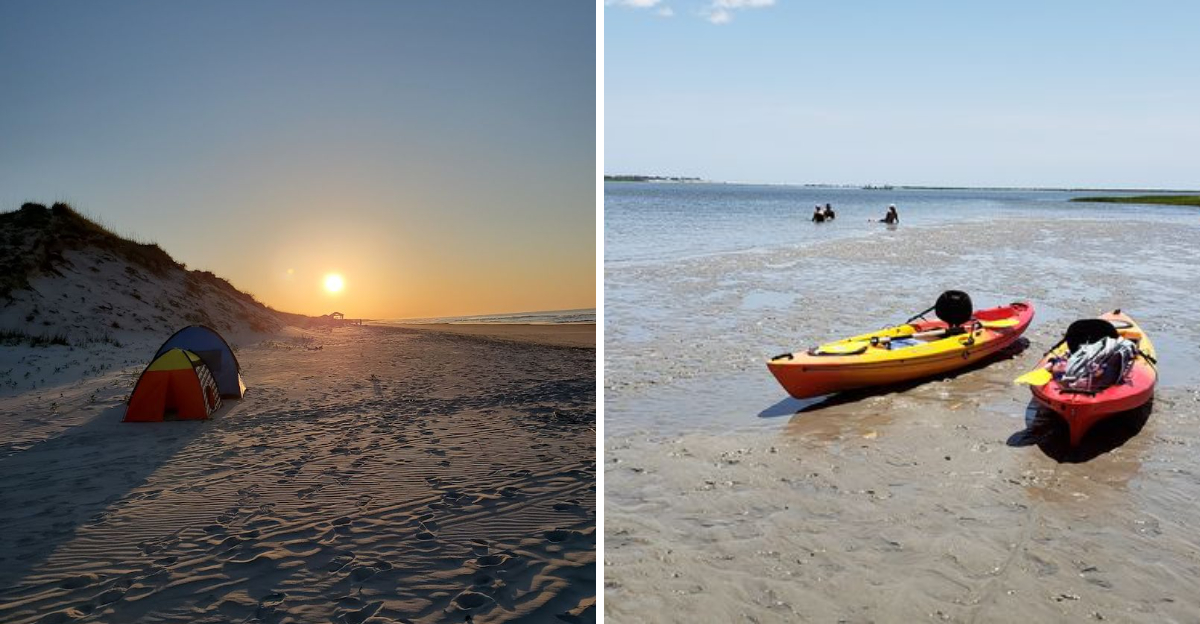
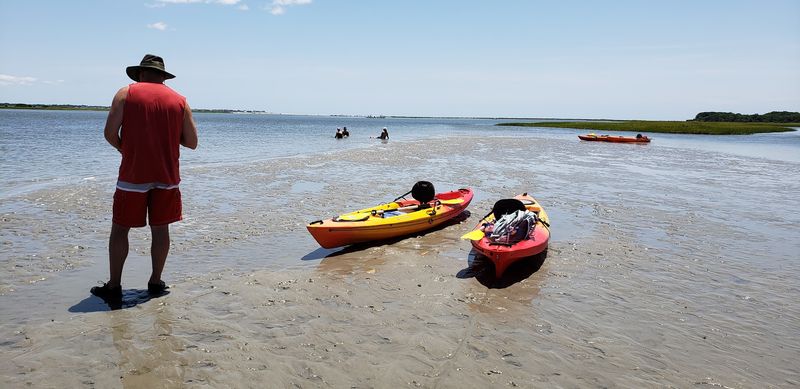
For independent adventurers, kayaking or paddling your own small watercraft offers an alternative. The paddle trail covers roughly two and a half miles across protected waters.
This requirement for boat access creates an adventure before you even reach the sand, making arrival feel truly earned and special.
The Ferry Ride to Bear Island
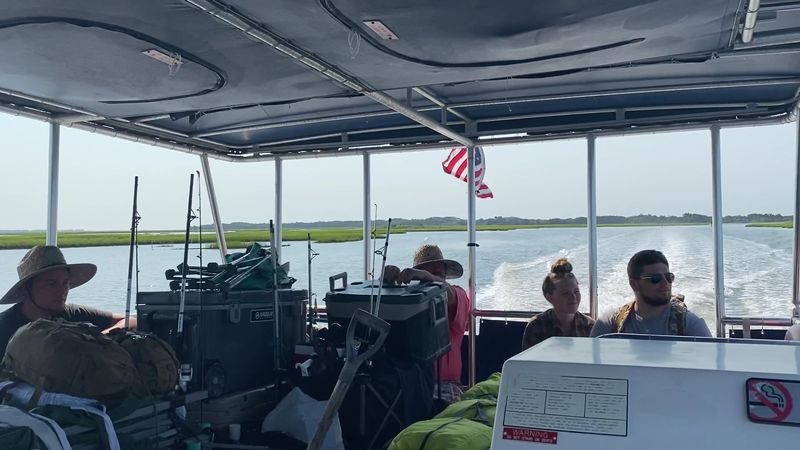
Boarding the park ferry feels like stepping into a slower pace of life. The ride takes approximately twenty minutes, giving passengers time to soak in the coastal scenery.
Smooth waters make the crossing comfortable for all ages.
During the journey, you’ll pass through expansive salt marshes where tall grasses sway in ocean breezes. Tidal creeks snake through the landscape, creating channels that fill and empty with each tide.
Herons often stand motionless in shallow waters, hunting for fish.
Eagle-eyed visitors frequently spot dolphins playing in the waterway. Pelicans soar overhead, occasionally diving for their meals.
The ferry captain sometimes shares interesting facts about the local ecosystem and points out notable landmarks.
Summer brings the busiest ferry schedules, with boats departing every hour or so during peak times. Spring and fall see reduced service but offer quieter crossings.
Winter months have no regular ferry service.
Tickets operate on a first-come, first-served basis, so arriving early ensures you get aboard during busy weekends.
Kayaking Your Way Into Paradise
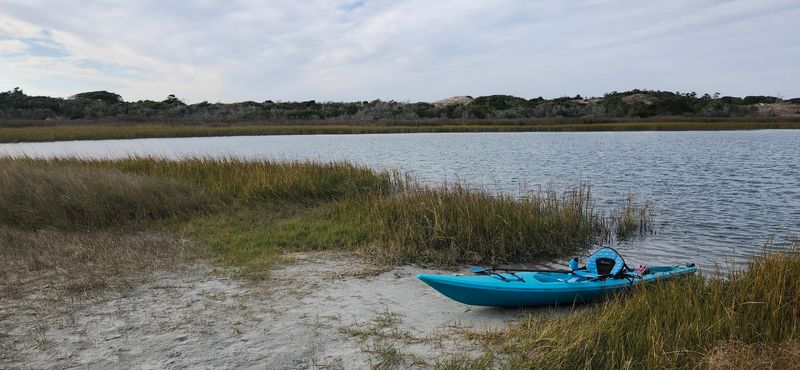
Paddling to Bear Island transforms the journey into an adventure all its own. The marked water trail stretches about two and a half miles from the mainland launch.
Experienced kayakers complete this crossing in roughly forty-five minutes, though beginners should allow more time.
The route follows protected waters behind barrier islands, which means waves stay relatively calm. Still, wind conditions matter significantly.
Morning paddlers often enjoy glassier surfaces before afternoon breezes pick up.
Along the way, you’ll glide past marsh ecosystems teeming with life. Small fish dart beneath your boat while crabs scuttle across mudflats.
The immersive experience connects you to the environment in ways the ferry can’t match.
Currents and tides require attention, especially during the return trip. Paddling against an outgoing tide adds difficulty and time.
Many kayakers plan their visits around tidal schedules for easier crossings. The physical challenge makes reaching the island feel like a real accomplishment.
Rental kayaks are available at the park for those without personal watercraft, making this option accessible to most visitors.
Bear Island’s Unspoiled Beaches
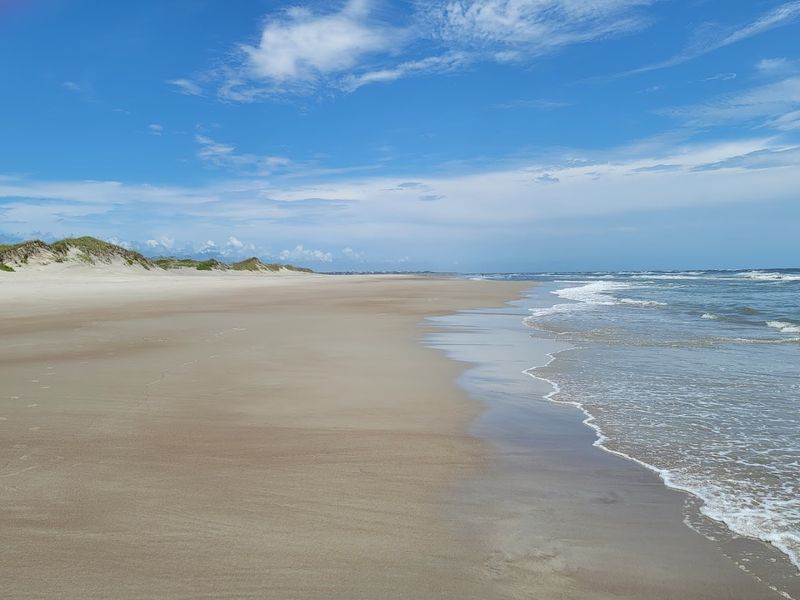
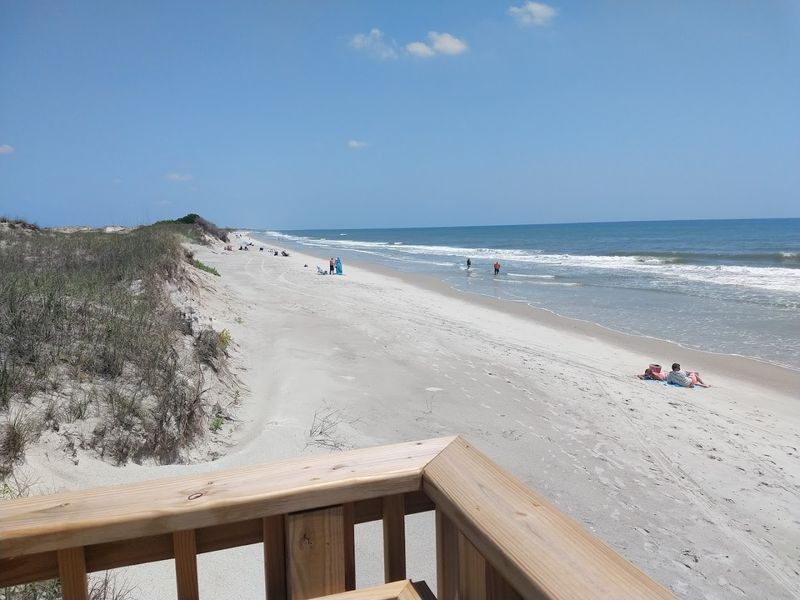
Three miles of undeveloped shoreline await visitors who make the journey to Bear Island. The beaches here look remarkably different from commercial coastal towns.
No umbrellas dot the sand in organized rows, no lifeguard stands interrupt the views.
Soft, pale sand stretches along the entire oceanfront, backed by tall dunes covered in sea oats. These grasses help anchor the sand and protect the island from erosion.
Walking barefoot feels wonderful because the beach stays clean and natural.
Perhaps the most striking feature is the space. Even during summer weekends, you can walk for long stretches without encountering crowds.
Many visitors claim they’ve had entire sections of beach essentially to themselves for hours.
The Atlantic Ocean rolls in with consistent waves suitable for body surfing and swimming. Without development blocking views, sunrises become spectacular events worth waking early to witness.
Beachcombers discover interesting shells, driftwood, and occasional sea glass.
Families spread out blankets wherever they choose, creating private beach experiences that commercial areas simply cannot offer anymore.
Wildlife and Natural Beauty Everywhere
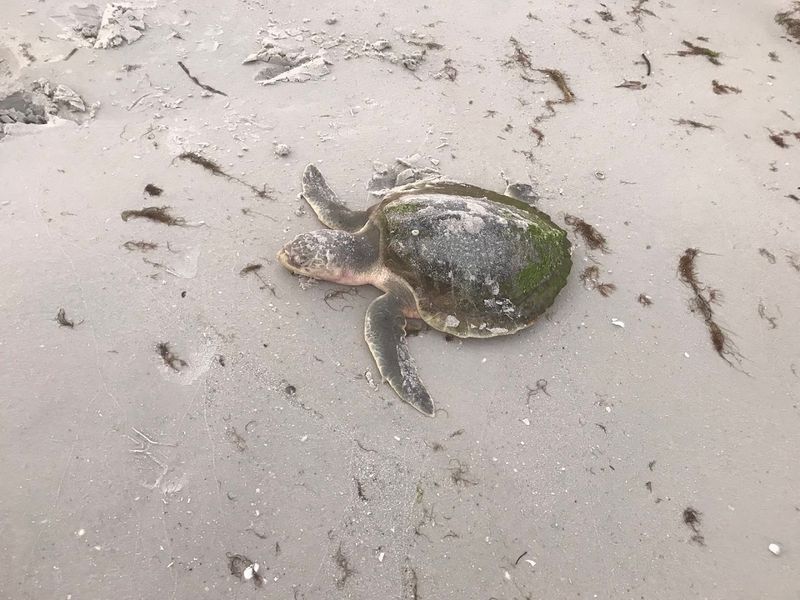
Bear Island functions as a vital habitat for countless coastal species. Loggerhead sea turtles nest here throughout summer months, crawling ashore at night to lay eggs.
Park staff monitor and protect these nesting sites, sometimes marking them with stakes and tape.
Shorebirds constantly patrol the waterline, searching for small creatures in the sand. Species like sanderlings, willets, and plovers dash along the surf.
Overhead, pelicans glide in formation while terns dive dramatically for fish.
Ghost crabs emerge from their burrows at dusk, scurrying across the beach in search of food. These pale crustaceans move surprisingly fast and entertain children for hours.
Patient observers often spot dolphins surfing waves just offshore, especially during early morning hours.
The maritime forest behind the dunes shelters rabbits, raccoons, and various songbirds. Marsh areas on the island’s back side host fiddler crabs, mud snails, and juvenile fish.
This protected ecosystem thrives because human impact remains minimal.
Nature education becomes effortless here as wildlife appears naturally throughout your visit, creating memorable encounters without artificial attractions or staged experiences.
Camping Right on the Island
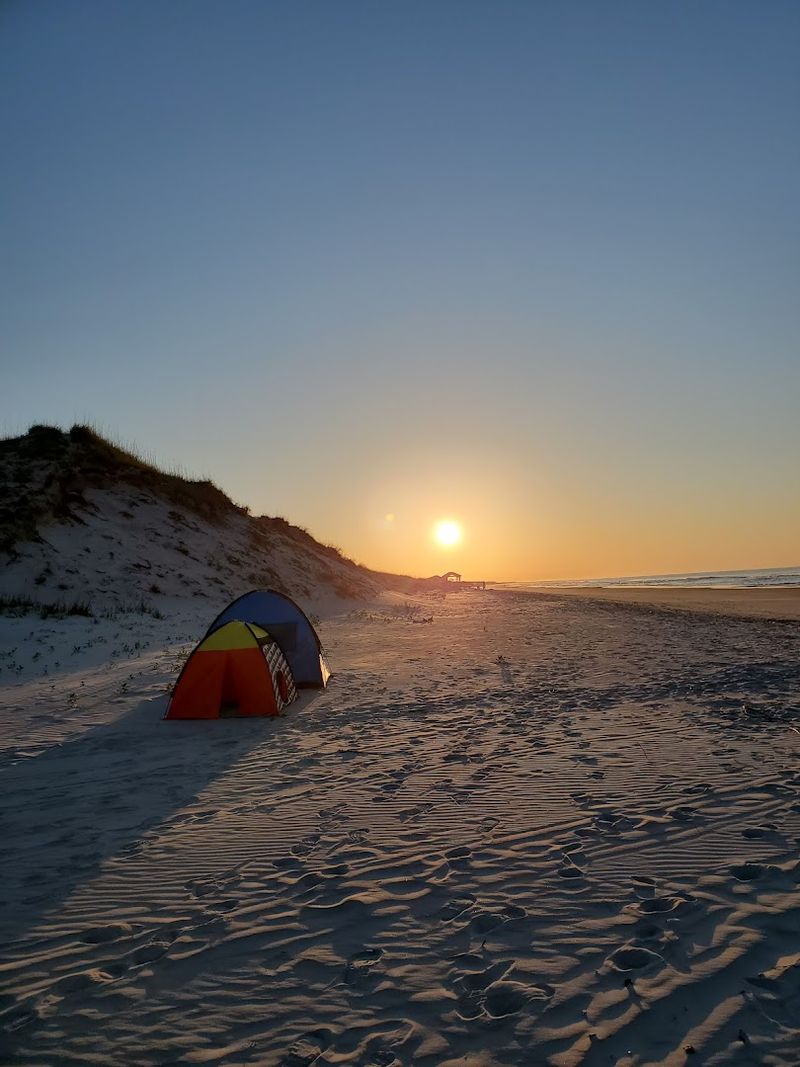
Spending the night on Bear Island ranks among coastal North Carolina’s most memorable camping experiences. Fourteen primitive campsites sit just behind the primary dune line, offering ocean breezes and wave sounds as your constant companions.
Reservations are required and fill quickly for summer weekends.
The camping setup is truly basic. Each site provides a raised platform for tents, a picnic table, and a grill.
Restroom facilities exist but remain simple. There’s no electricity, running water at sites, or modern conveniences.
What you lose in comfort, you gain in atmosphere. Falling asleep to crashing waves and waking to sunrise over the Atlantic creates powerful memories.
Stars shine brilliantly without light pollution interfering.
Campers must bring everything they need, including drinking water, food, and supplies. The ferry can transport camping gear, though kayakers face the challenge of fitting equipment in their boats.
Most island campers embrace the rustic conditions as part of the adventure.
Isolation amplifies the experience, especially during weeknights when you might share the island with just a handful of other campers seeking the same authentic coastal wilderness.
Hiking and Exploring the Mainland Side
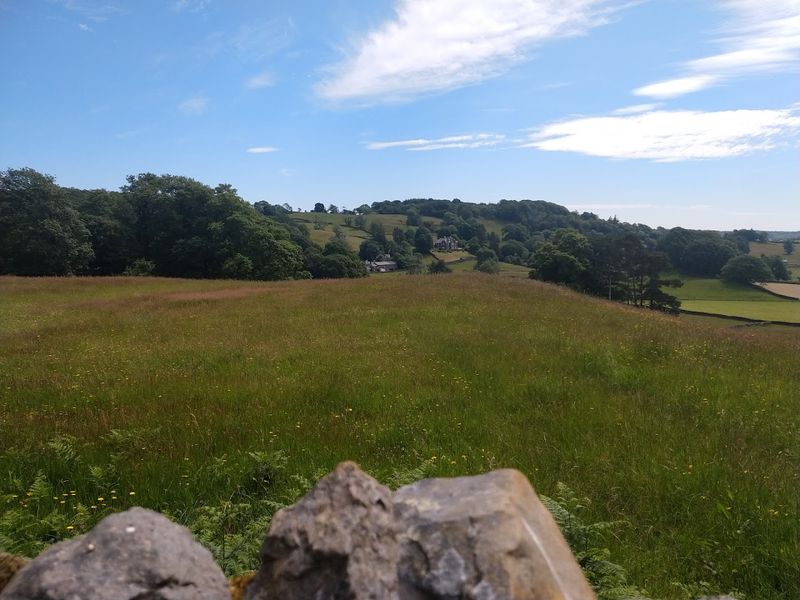
Not everyone needs to cross water to enjoy Hammocks Beach State Park. The mainland portion offers excellent opportunities for shorter visits and different kinds of exploration.
A two and a half mile trail system winds through maritime forests and along marsh edges.
The trails stay relatively flat and easy, making them suitable for families with younger children. Interpretive signs along the way explain coastal ecology, pointing out plant species and wildlife habitats.
Observation decks provide elevated views across the marshlands.
Birdwatchers particularly appreciate the mainland trails during migration seasons. The park’s location along the Atlantic Flyway means numerous species pass through.
Morning walks often reveal herons, egrets, and various songbirds.
The mainland also features the boat launch where kayakers begin their journeys. Bathrooms, parking, and the visitor center make it a comfortable starting point.
Picnic areas with tables and grills allow families to enjoy meals while watching boats come and go. Many visitors combine a short mainland hike with a ferry trip, experiencing both environments in one day.
Others return multiple times, appreciating different aspects of the park during separate visits throughout the year.
Why It Feels Like North Carolina’s Best-Kept Secret
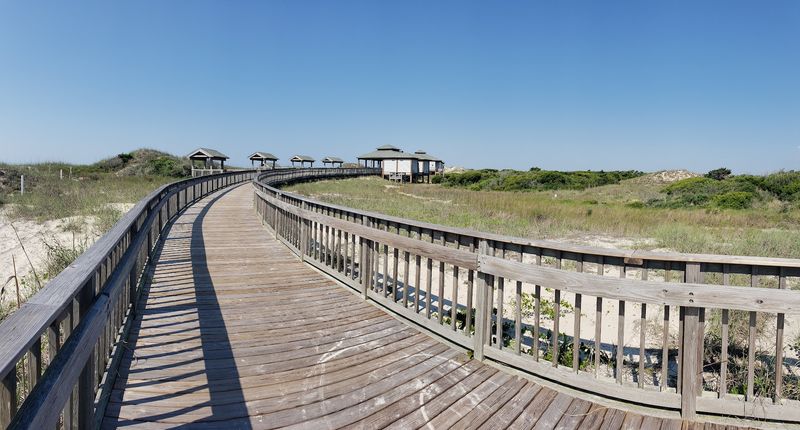
While North Carolina’s Outer Banks attract millions annually, Hammocks Beach remains remarkably quiet. The ferry-only access naturally limits crowd sizes, creating an exclusive feeling without the exclusive price tag.
Many locals prefer keeping this gem relatively unknown.
Summer weekends see the most visitors, yet the beach never feels packed like commercial destinations. The lack of hotels and restaurants nearby means no one arrives unless they specifically plan to visit the park.
Casual beach traffic simply doesn’t exist.
Online reviews consistently mention the peace and solitude as major attractions. Visitors describe feeling transported to an earlier era when beaches remained wild and undiscovered.
The authentic coastal experience resonates deeply with those tired of overdeveloped shorelines.
Families appreciate that children can explore freely without navigating crowds or traffic. Photographers love the unspoiled landscapes perfect for capturing nature shots.
Even during peak season, finding your own stretch of beach takes just a short walk. This combination of accessibility and isolation creates something special.
The park proves that protection and public access can coexist beautifully, offering hope for coastal conservation nationwide.
What To Know Before You Go
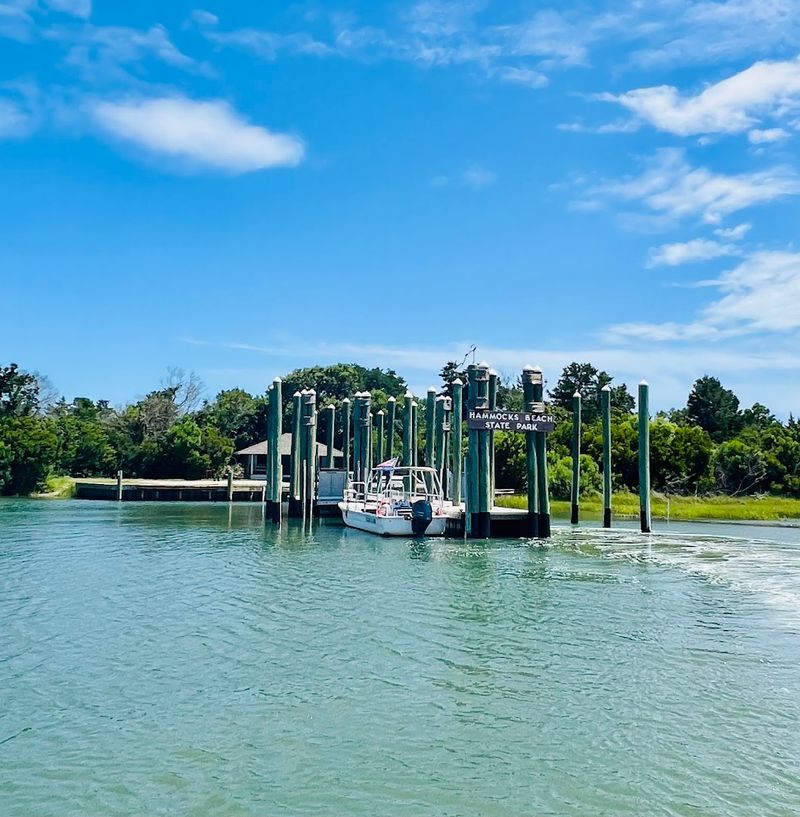
Planning ahead ensures the best possible visit to Hammocks Beach State Park. The park address is 1572 State Road 1511, Swansboro, NC 28584.
Ferry tickets operate first-come, first-served, so early arrival during summer weekends is smart.
Weather significantly affects ferry service. Strong winds, storms, or rough seas can cancel crossings with little notice.
Calling ahead on questionable days saves wasted trips. The park’s phone number and website provide current conditions.
Important restrictions include no pets on ferries or the island. Dogs must stay on the mainland trails.
This rule protects nesting wildlife and maintains the natural environment.
Essential items to bring include plenty of drinking water, sunscreen, insect repellent, and shade structures like umbrellas. The island has limited facilities, so packing snacks and meals makes sense.
Trash must be carried back out.
Kayakers should assess their skill level honestly. Wind, currents, and sun exposure challenge unprepared paddlers.
Experienced visitors recommend life jackets, sun protection, and checking tide schedules.
Summer heat demands extra water and sun precautions for everyone making the journey across.