North Carolina hides some jaw-dropping secrets, and Gorges State Park might be the wildest of them all.
This mountain escape near Sapphire is packed with crashing waterfalls, deep rocky gorges, and trails that push you far beyond an ordinary day hike.
One minute you’re walking through quiet forest, the next you’re staring at water thundering down massive cliffs.
This is the kind of place where boots get muddy, hearts race, and every turn feels bigger than the last. Rainbow Falls roars, hidden pools sparkle, and steep paths keep the adventure alive from start to finish.
If your idea of paradise means raw beauty, wild trails, and the sound of rushing water echoing through the mountains, Gorges State Park is calling.
A Wild Corner of North Carolina Unlike Anywhere Else
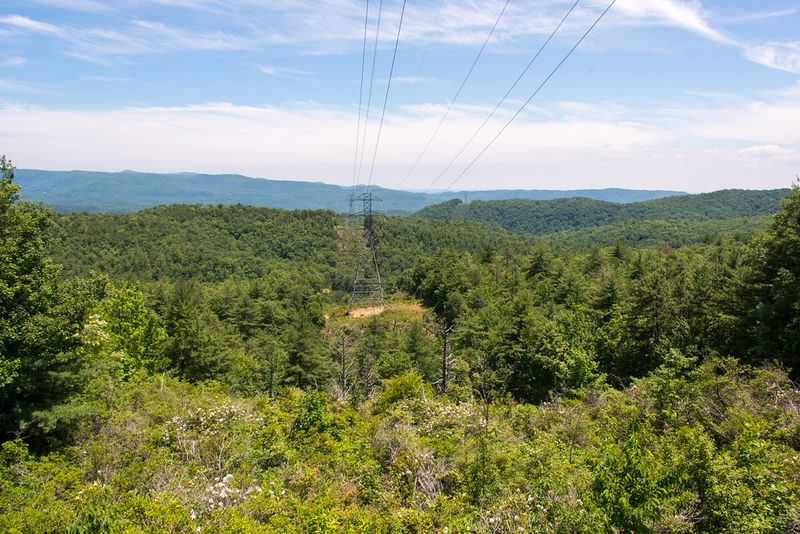
Most people think they know North Carolina’s mountains, but Gorges State Park proves there’s still wilderness left to discover. Sitting right on the Blue Ridge Escarpment, this park covers more than 8,000 acres of some of the most rugged terrain you’ll find anywhere in the Southeast.
Sharp elevation drops, thick forests, and deep gorges create landscapes that feel untouched by time.
What makes this place truly special is how different it feels from typical mountain parks. The escarpment creates microclimates that bring constant moisture, feeding waterfalls year-round and supporting plant life you won’t see elsewhere in the region.
Temperatures stay cooler here even during summer, and the dense canopy creates a backcountry atmosphere that feels remote and wild.
When you visit, you’ll notice immediately that this isn’t a manicured park with easy boardwalks and gentle paths. Instead, expect steep trails, rocky terrain, and challenging navigation that rewards adventurous spirits.
The biodiversity here rivals any protected area in North Carolina, making every hike an opportunity to spot rare species and stunning natural features.
The Journey to Rainbow Falls Is Worth Every Step
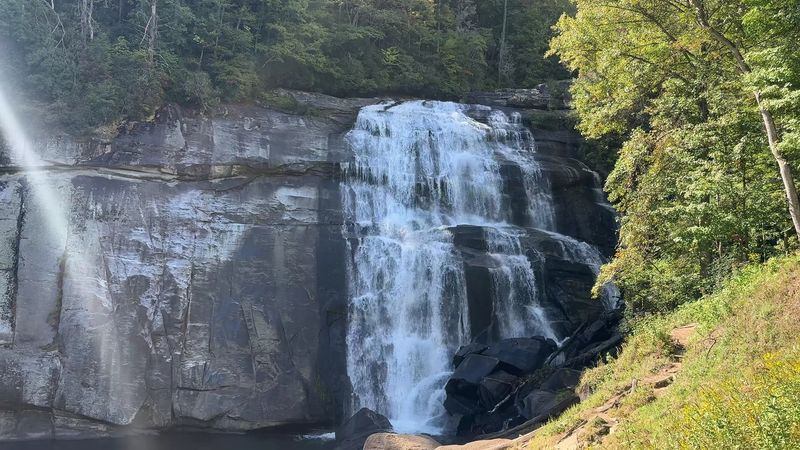
Everyone talks about Rainbow Falls, and for good reason—this waterfall absolutely lives up to the hype. Getting there requires tackling a strenuous 3-mile roundtrip trail that drops steeply into the gorge, testing your quads on the way down and your determination on the climb back up.
The path winds through dense forest, crosses streams, and eventually delivers you to one of North Carolina’s most powerful waterfalls.
Standing at the base, you’ll understand why hikers keep coming back. The falls roar with tremendous force, sending spray into the air that catches sunlight and creates shimmering rainbows on sunny days.
Rock outcroppings provide viewing spots where you can rest, take photos, and simply absorb the raw power of water crashing over ancient stone.
Be honest with yourself about fitness levels before attempting this trail. The descent feels manageable, but that steep return climb catches many visitors off guard.
Bring plenty of water, wear proper hiking boots, and plan extra time for the uphill journey.
Turtleback Falls Is One of the Park’s Best Hidden Gems
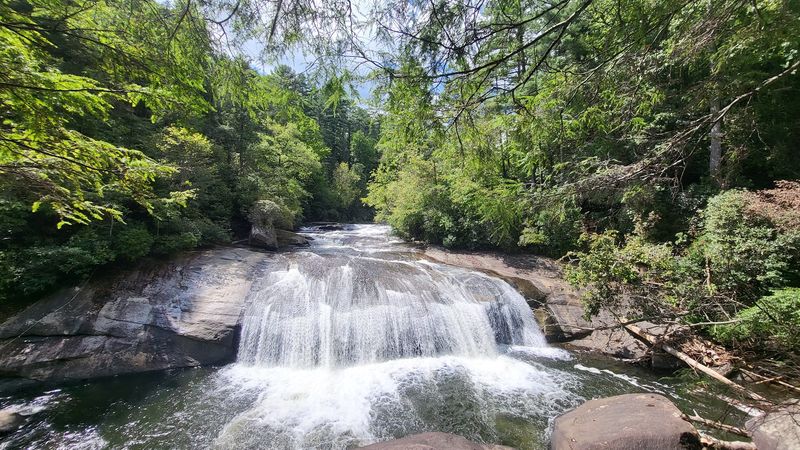
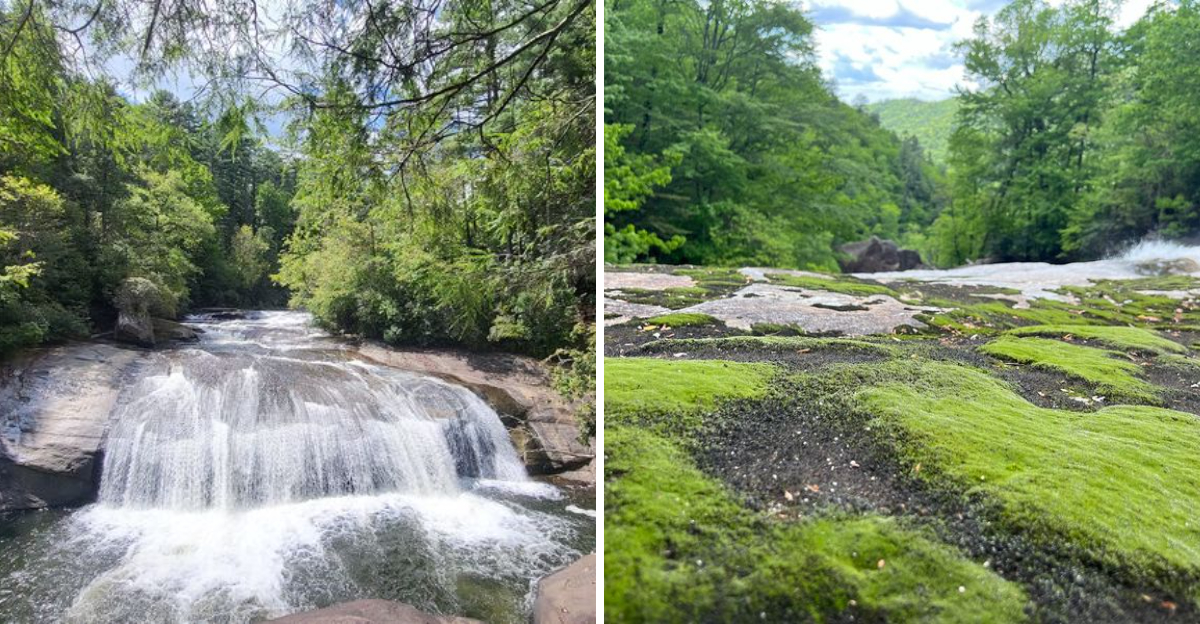
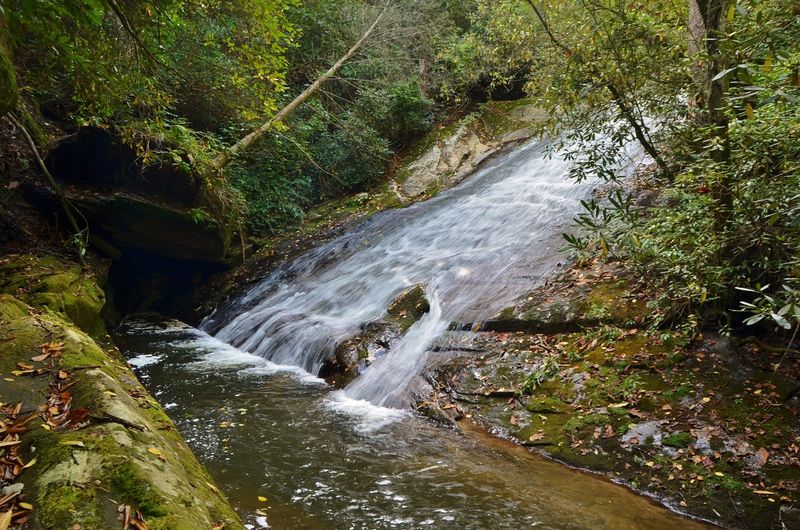
Just past Rainbow Falls lies a waterfall that feels like a secret reward for those who venture further. Turtleback Falls earns its name from the smooth, rounded rocks that water slides over before pooling in a crystal-clear basin below.
The rock face curves gently, creating a natural water slide that looks almost too perfect to be real.
Unlike its more famous neighbor, Turtleback offers a quieter, more intimate experience. Fewer people make it this far, meaning you might have the falls entirely to yourself if you time it right.
The smooth granite formations surrounding the pool create incredible photo opportunities, with patterns and textures carved by centuries of flowing water.
Getting here requires continuing past Rainbow Falls, which means committing to an even longer and more challenging hike. Pack your camera with a waterproof case because the mist can be heavy, and consider bringing a waterproof bag for your phone.
The extra effort transforms this waterfall into something truly special—a place where you can sit peacefully and watch nature’s artistry at work.
Bearwallow Falls Offers Big Rewards on a Short Trail
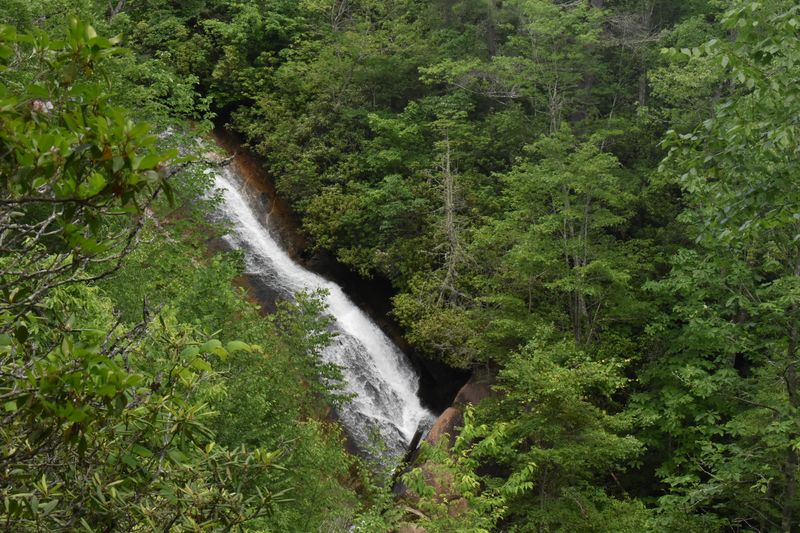
Not every adventure needs to be an all-day commitment. Upper Bearwallow Falls proves that short hikes can pack just as much punch as longer treks, delivering spectacular waterfall views after a steep but manageable climb.
The trail might be brief, but the elevation gain still provides a solid workout that gets your heart pumping.
What stands out here is the overlook perspective rather than base-level viewing. You’ll look down at the falls from above, watching water plunge over the edge and disappear into the gorge below.
This unique vantage point offers dramatic photo angles and a different appreciation for the park’s vertical landscape.
Families with older kids who want a taste of Gorges’ waterfall magic without the extreme difficulty will find this trail ideal. The shorter distance means less time commitment, though the steepness still demands caution and proper footwear.
Morning visits provide the best lighting for photography, and arriving early means claiming the overlook before crowds gather. Remember that even short trails here require preparation—bring water, watch your footing on rocky sections, and respect safety barriers.
More Than 50 Miles of Rugged Trails Await
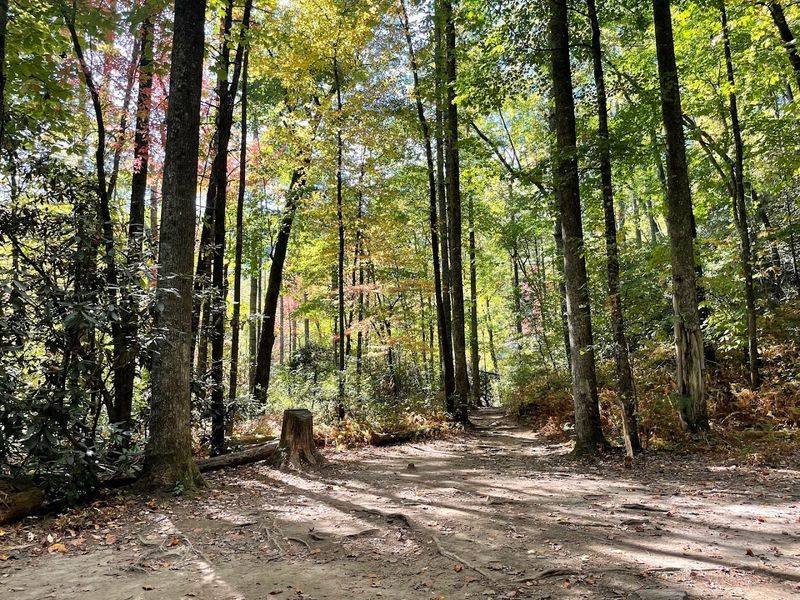
Imagine having 56 miles of trails to explore, each one offering something different from the last. Gorges State Park delivers exactly that—a massive network of hiking routes that range from gentle riverside walks to demanding backcountry challenges that push experienced hikers to their limits.
Some trails follow old logging roads while others cut through pristine wilderness that feels like you’re the first person to ever walk there.
The variety means you could visit repeatedly and never have the same experience twice. Ridge line trails offer sweeping mountain views, while valley routes follow rushing streams past smaller waterfalls and moss-covered boulders.
Many paths connect, allowing you to customize your adventure based on time, energy, and what you want to see.
Remote sections of the trail system see so few visitors that you might hike for hours without encountering another soul. That solitude creates magical moments but also demands preparation—carry navigation tools, tell someone your plans, and understand that cell service disappears in the gorges.
Trail markings exist but can be subtle in places.
One of North Carolina’s Richest Biodiversity Hotspots
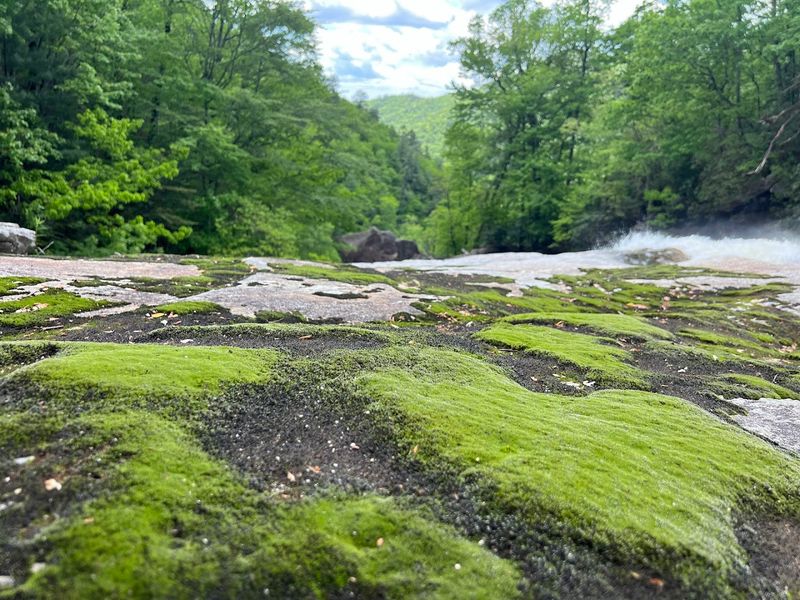
Did you know Gorges State Park functions essentially as a temperate rainforest? The combination of high rainfall, elevation changes, and the Blue Ridge Escarpment creates growing conditions unlike anywhere else in North Carolina.
Plants that normally grow hundreds of miles away thrive here, and rare salamander species find perfect habitat in constantly moist stream beds.
Walk slowly and pay attention—biodiversity isn’t always obvious at first glance. Look for delicate wildflowers clinging to rock faces, unusual fungi sprouting from fallen logs, and moss covering everything in shades of green you didn’t know existed.
Spring brings wildflower blooms that carpet the forest floor, while fall transforms the canopy into brilliant color.
Scientists consider this area critically important for species conservation, with several plants and animals found nowhere else in the state. The constant moisture from elevation-driven rainfall creates year-round growing conditions that support this incredible variety.
Bring a field guide or nature identification app to enhance your appreciation for what you’re seeing. Even casual observers will notice the difference between this ecosystem and typical North Carolina forests.
The Views Along the Blue Ridge Escarpment Are Stunning
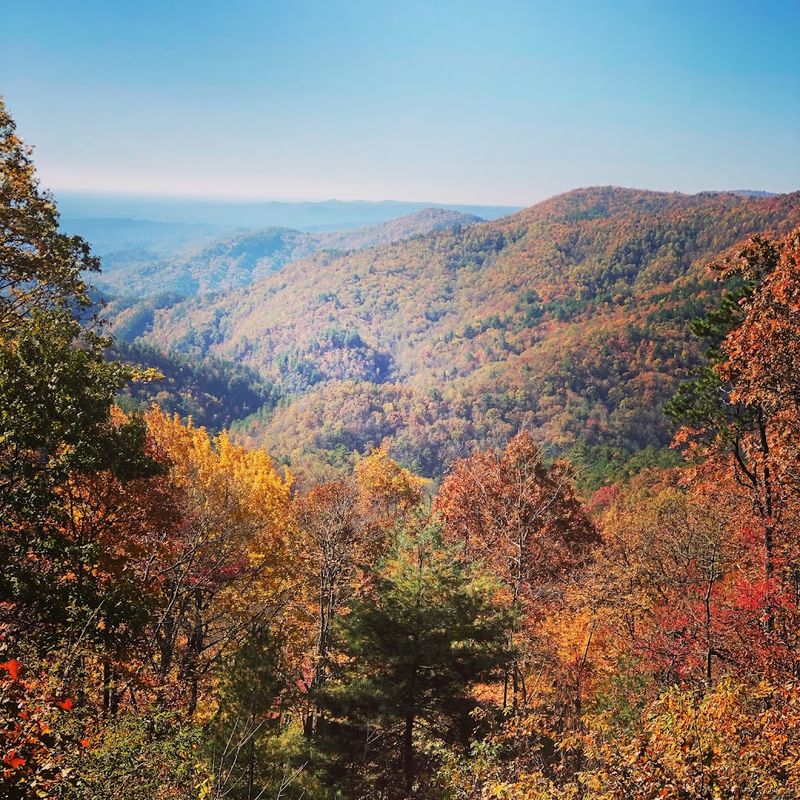
Waterfalls grab the headlines, but the mountain views at Gorges State Park deserve equal billing. The Blue Ridge Escarpment creates one of the most dramatic geological features in the Eastern United States—a sharp drop where the mountains suddenly plunge toward the Piedmont below.
Standing at overlooks along the escarpment, you can see layer after layer of mountains fading into blue haze.
The elevation change happens so abruptly that temperatures can vary significantly between the top and bottom of the gorges. This creates not just stunning scenery but also interesting weather patterns and microclimates.
On clear days, views stretch for miles, revealing the true scale of the Southern Appalachian Mountains.
Several trails lead to prime viewing spots where you can rest and take in the panorama. Early morning offers the best visibility before afternoon clouds build up, and fall provides especially clear conditions along with spectacular foliage.
Sunset watchers will find the west-facing overlooks particularly rewarding. Bring binoculars to spot hawks riding thermal currents and distant peaks that mark the state line between North Carolina and South Carolina.
Camping Here Feels Like a True Wilderness Escape
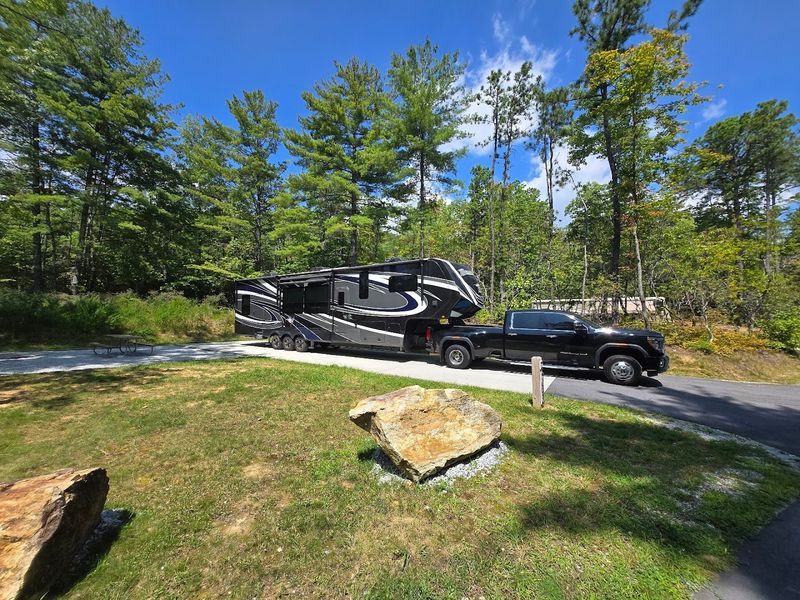
Spending the night transforms your park experience from a day trip into a genuine wilderness adventure. Gorges offers both developed campsites with amenities for RVs and tent campers, plus backcountry sites for those seeking total immersion in nature.
Waking up to birdsong and morning mist rolling through the gorges beats any hotel alarm clock.
The park’s remote location means incredible night skies with minimal light pollution. On clear nights, the Milky Way stretches overhead, and meteor showers become spectacular events.
The sounds of the forest at night—owls calling, streams flowing, wind in the trees—create a peaceful soundtrack that city dwellers rarely experience.
Backcountry camping requires permits and more planning, but the reward is having pristine wilderness essentially to yourself. Choose campsites near water sources but remember to filter before drinking.
Bear safety matters here too—store food properly and keep a clean camp. Developed sites offer easier access but still maintain that secluded feel thanks to thoughtful spacing and natural buffers.
Reserve early for peak seasons because word is spreading about this incredible camping destination.
Why Locals Say Early Mornings Are the Best Time to Visit
Ask anyone who visits Gorges regularly, and they’ll tell you the same thing: arrive early or regret it. Popular trails like Rainbow Falls see their parking lots fill completely by mid-morning on weekends, leaving latecomers to hunt for spots or turn around disappointed.
Getting there at sunrise means claiming your parking space and hitting the trail before crowds descend.
Beyond parking practicality, morning light creates magic on the waterfalls. Sunlight filters through the forest at perfect angles, illuminating mist and creating those famous rainbow effects at Rainbow Falls.
The air feels fresher, wildlife is more active, and you might spot deer drinking from streams or birds starting their daily routines.
Photography enthusiasts particularly benefit from early arrivals when soft light hasn’t yet turned harsh and shadows provide depth and dimension. The temperature stays cooler too, making steep climbs more manageable before afternoon heat builds.
Pack your coffee in a thermos, set that alarm clock, and experience the park at its absolute best. You’ll have waterfalls practically to yourself for photos, and the return hike becomes easier without meeting dozens of people on narrow trail sections.
What To Know Before You Go
Planning makes the difference between a great visit and a frustrating one. Gorges State Park sits at 976 Grassy Ridge Road in Sapphire, North Carolina, and operating hours change with the seasons—check the official website before heading out.
Many visitors underestimate trail difficulty, so read descriptions carefully and choose routes matching your fitness level honestly.
Weather here changes quickly thanks to mountain topography and the escarpment’s influence. Bring layers even in summer, and rain gear ranks as essential equipment year-round.
Trails become dangerously slippery when wet, and those smooth rocks at waterfalls turn treacherous—never attempt climbing them. Sturdy hiking boots with good traction aren’t optional; they’re necessary for safe navigation.
Carry more water than you think you need because the steep terrain and humidity cause rapid dehydration. Cell service is unreliable throughout most of the park, so download maps beforehand and share your itinerary with someone.
Parking fills fast at popular trailheads, especially weekends and holidays. Respect trail closures when posted—they exist for your safety.
Finally, practice Leave No Trace principles to help preserve this incredible wilderness for future adventurers.