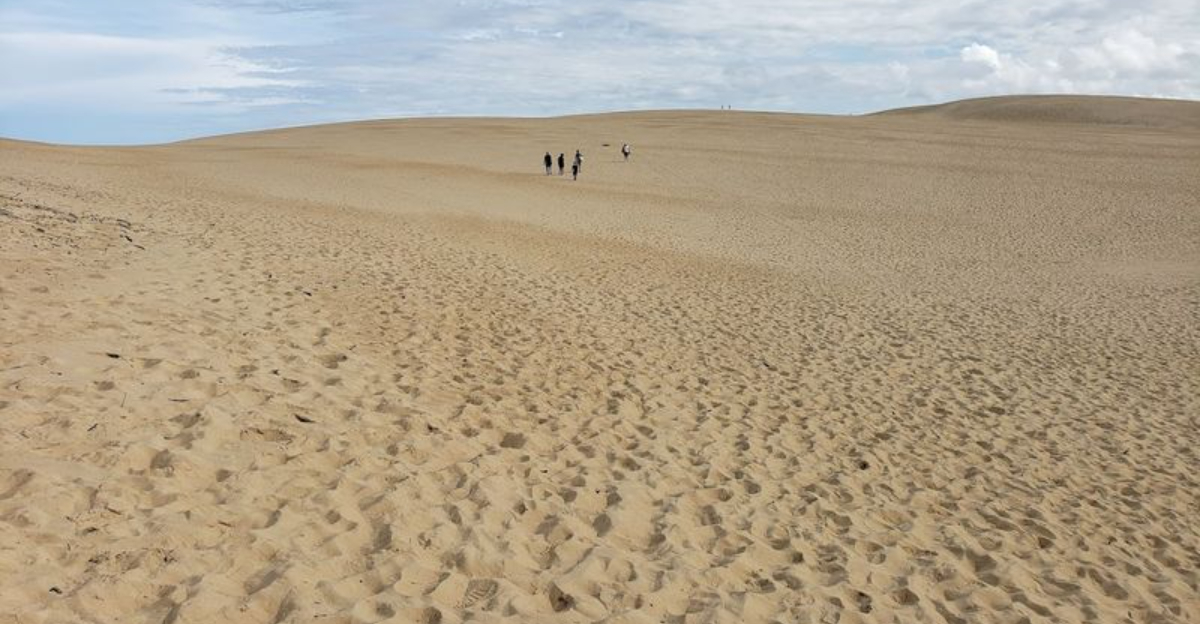
This isn’t just a pile of sand—it’s a giant, wind-whipped mountain that moves.
Jockey’s Ridge in North Carolina is the tallest living sand dune on the East Coast, climbing nearly 100 feet into the sky and shifting shape with every strong gust. One day it looks one way, the next it’s completely different.
Standing at the top feels like stepping into another world.
The sun beats down, the sand stretches for miles, and the views spill out over the Atlantic Ocean and Roanoke Sound. It’s wild, raw, and impossible to ignore.
From racing down the dunes to catching a fiery sunset or soaring through the air on a hang glider, Jockey’s Ridge turns a simple beach trip into something unforgettable. This is the Outer Banks at its boldest.
A Natural Wonder Rising Above the Outer Banks
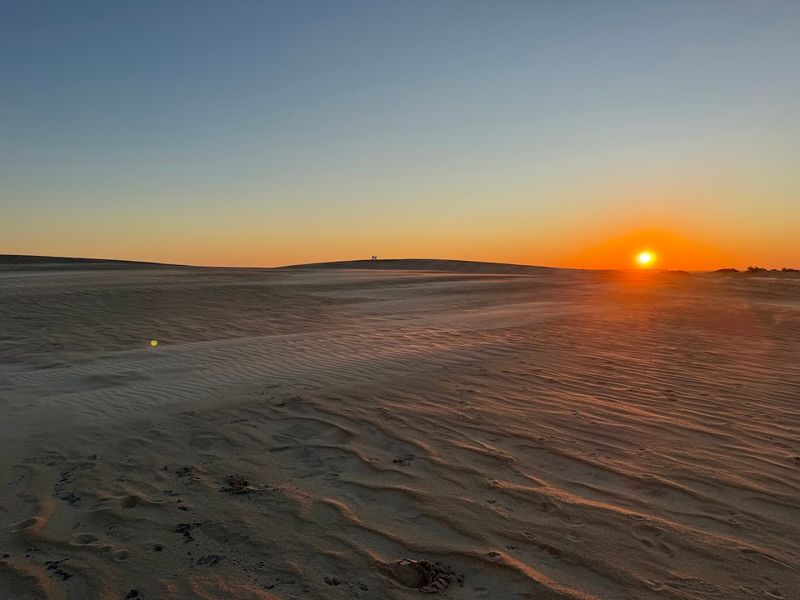
Standing tall along the barrier islands of North Carolina, Jockey’s Ridge State Park protects something truly remarkable. The park features the tallest natural sand dune system still actively moving along the entire Atlantic coastline.
These magnificent dunes reach heights between 80 and 100 feet, depending on seasonal wind patterns and recent weather conditions.
What makes this place extraordinary isn’t just its size. The dune system covers roughly 426 acres of protected land, creating a desert-like landscape that feels completely out of place beside the ocean.
Visitors often describe their first glimpse as surreal, especially when golden sand stretches endlessly against bright blue coastal skies.
The Southeast has few natural features quite like Jockey’s Ridge. Its prominence has made it a landmark for sailors and travelers for centuries.
Today, over one million visitors explore these shifting sands annually, making it one of North Carolina’s most popular natural attractions.
What Makes a Living Sand Dune So Special
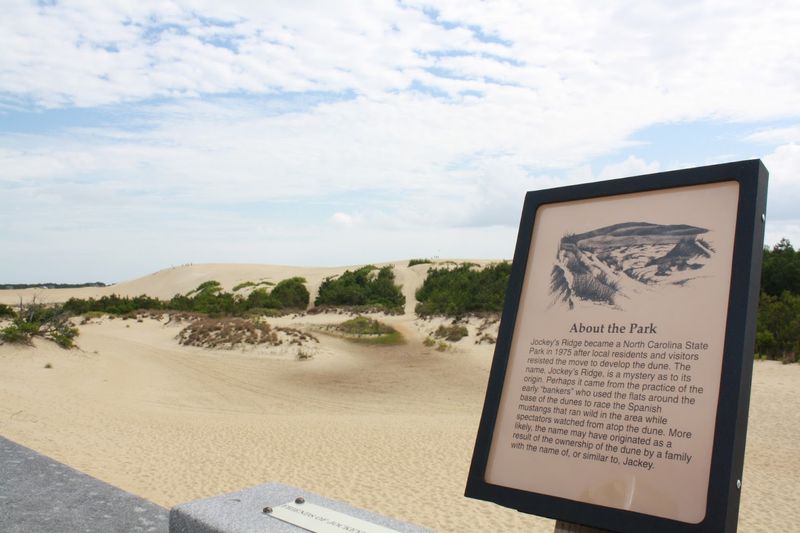
Most people assume sand dunes stay put once they form. Jockey’s Ridge breaks that rule completely.
The term living dune refers to its constant movement, with winds shifting millions of sand grains every single day.
Powerful coastal breezes blow from different directions depending on the season. During summer, prevailing southwest winds push the dune toward the northeast.
Winter brings opposite winds that move it back again, creating a remarkable natural cycle that has continued for thousands of years.
This means the dune’s exact shape, height, and position change continuously. Where you climb today might look completely different next month.
The crest shifts, valleys form and disappear, and the entire landscape transforms like a slow-motion river of sand.
Scientists study this phenomenon because it demonstrates how dynamic coastal environments truly are. For visitors, it guarantees that every trip to Jockey’s Ridge offers something new.
Your footprints from yesterday vanish overnight, replaced by fresh wind-carved patterns that sparkle in the morning sun.
The Fascinating History of Saving Jockey’s Ridge
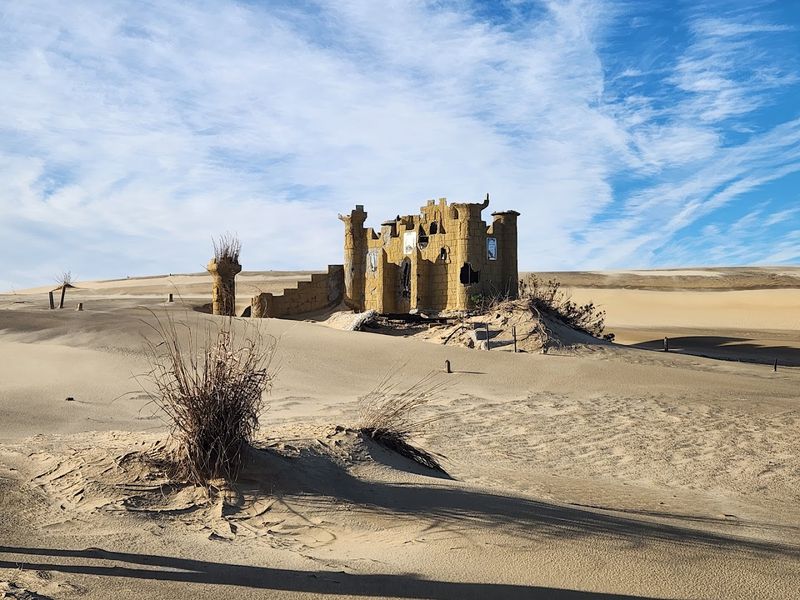
During the early 1970s, developers had plans that would have destroyed Jockey’s Ridge forever. They wanted to build housing developments and commercial properties right on top of this natural treasure.
Fortunately, a group of determined local residents refused to let that happen.
Carolista Baum emerged as a fearless leader in the preservation fight. She organized community meetings, rallied neighbors, and worked tirelessly to raise awareness about protecting the dunes.
Her passion inspired hundreds of Outer Banks residents to join the cause, creating a grassroots movement that grew stronger each day.
Their efforts paid off beautifully. In 1975, the state of North Carolina officially established Jockey’s Ridge as a protected state park.
This victory became a defining moment for coastal conservation throughout the region.
Today, the park stands as proof that ordinary people can accomplish extraordinary things. Without that community activism five decades ago, this incredible landscape would be buried under concrete and buildings instead of welcoming millions of visitors who come to experience its natural beauty.
Climbing to the Top for Unmatched Views
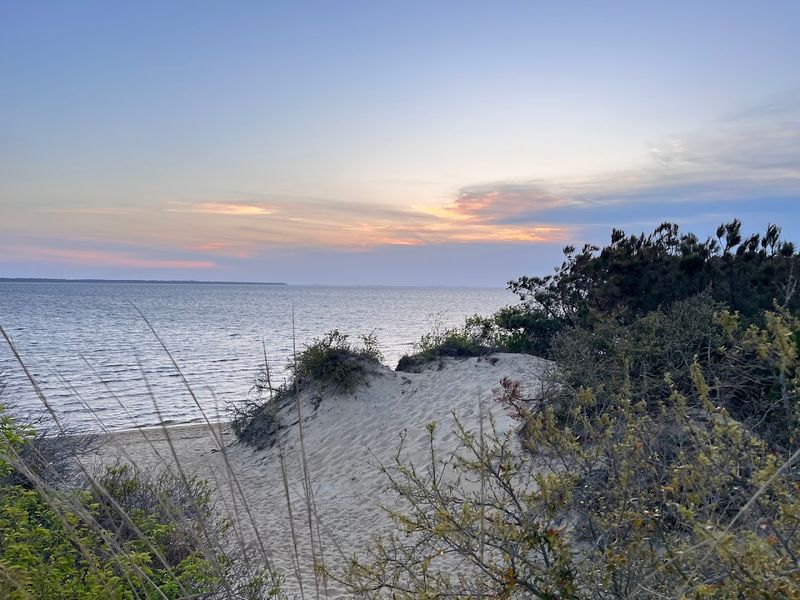
The climb up Jockey’s Ridge tests your leg muscles more than you might expect. Soft sand makes every step feel like two, and the steep slopes require determination.
However, reaching the summit rewards every bit of effort with absolutely spectacular scenery.
From the highest point, you can see both bodies of water that define the Outer Banks. The Atlantic Ocean sparkles to the east, with waves rolling endlessly toward shore.
Turn around, and the calm waters of Roanoke Sound stretch westward, creating a stunning contrast between wild ocean and peaceful bay.
Many visitors arrive thinking they’ll quickly snap a few photos and leave. Instead, they find themselves sitting atop the dune for ages, mesmerized by the 360-degree views.
You can watch boats sailing across the sound, spot beach towns dotting the coastline, and observe how the barrier islands form a narrow strip between two very different waters.
Early morning climbs offer cooler temperatures and softer light. The sand feels firm after overnight settling, making the hike easier.
Whichever time you choose, bring your camera because these views rank among the best in North Carolina.
Why It’s One of the Best Sunset Spots in North Carolina
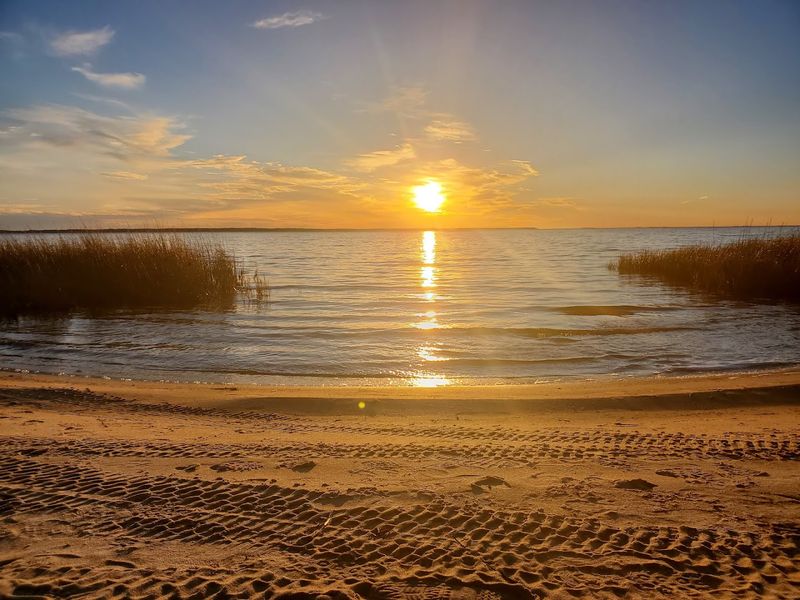
Photographers and romantics flock to Jockey’s Ridge each evening for good reason. The wide-open dune landscape creates an unobstructed western horizon perfect for sunset watching.
Without trees, buildings, or mountains blocking the view, you experience every color as the sun slowly descends.
What makes these sunsets particularly magical is how the sand itself comes alive with color. Golden light transforms into brilliant oranges, deep purples, and soft pinks that seem to glow from within the dunes.
The smooth sand surface reflects these colors beautifully, creating an otherworldly atmosphere that feels almost dreamlike.
Unlike beach sunsets where you’re limited to sand-level views, climbing partway up the dune elevates your perspective. This height advantage lets you see the sun sink below Roanoke Sound while warm light spreads across miles of water.
The experience feels incredibly peaceful yet grand at the same time.
Arriving about an hour before sunset gives you time to find the perfect spot and watch the sky’s gradual transformation. Many visitors bring blankets and make an evening of it, enjoying the changing colors until stars begin appearing overhead.
Hang Gliding Over the Dunes Like the Wright Brothers
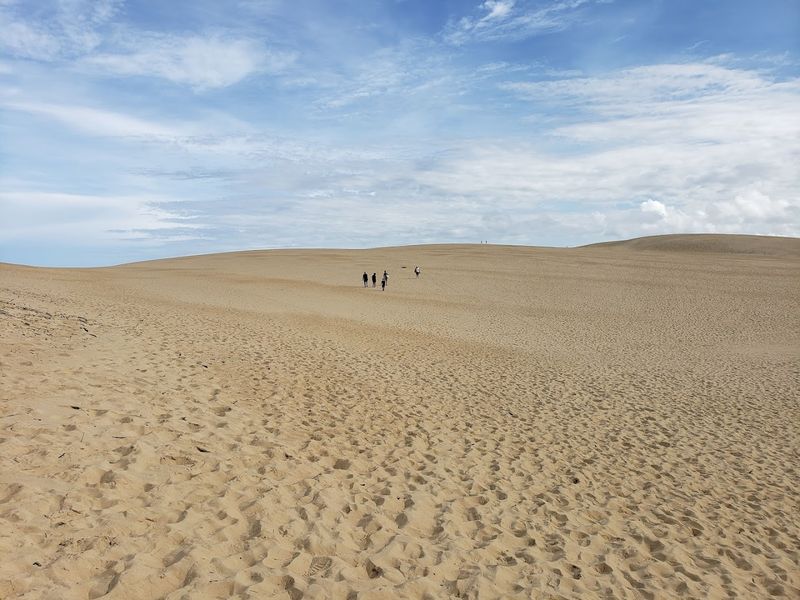
Few places in America offer better conditions for learning to hang glide than Jockey’s Ridge. The Outer Banks connection to flight history runs deep, since the Wright Brothers made their first powered flight just miles north at Kitty Hawk.
Today, this tradition continues as countless people take their first flights above these same sandy shores.
Strong, steady coastal winds provide ideal lift for beginners. The soft sand below offers forgiving landings, which means new pilots can focus on technique without worrying about hard surfaces.
Several professional hang gliding schools operate right at the park, offering lessons and equipment rentals throughout the warmer months.
Even if you’re not ready to fly yourself, watching others soar overhead creates its own thrill. Brightly colored gliders catch the wind and rise gracefully above the dunes.
Experienced pilots perform gentle turns and glide for impressive distances before touching down smoothly on the sand.
Beginner lessons typically start with ground training, then progress to short flights down gentle slopes. Instructors stay close by, ensuring safety while helping students discover the incredible sensation of human flight.
It’s an unforgettable experience that connects you directly to aviation history.
Beyond the Dunes: Hidden Ecosystems to Explore
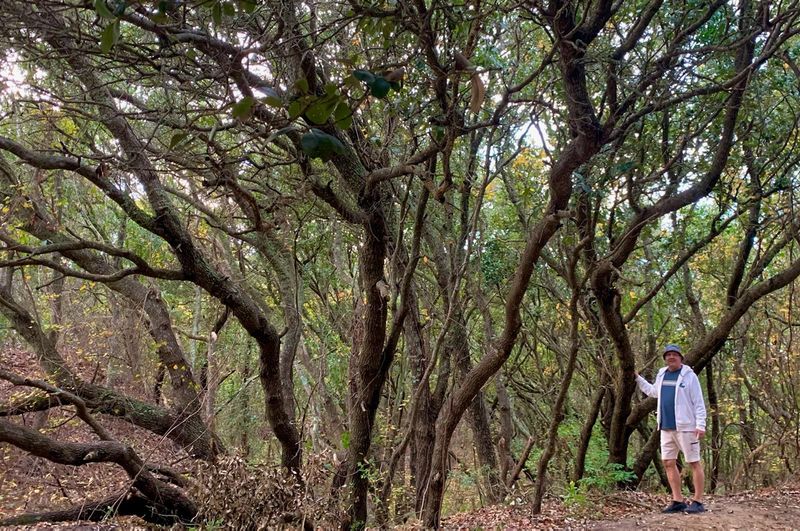
Most visitors focus entirely on the massive sand dunes, but Jockey’s Ridge holds much more than just sand. The park protects several distinct ecosystems that support surprising amounts of wildlife.
Maritime forests, freshwater wetlands, and soundside beaches all exist within park boundaries, creating habitat diversity that rewards curious explorers.
Shaded trails wind through maritime forests where twisted live oaks and hardy pines have adapted to harsh coastal conditions. These trees lean away from prevailing winds, creating naturally sculpted shapes that look almost magical.
The forest floor stays cool even on hot summer days, offering welcome relief from the intense sun reflecting off open sand.
Near Roanoke Sound, wetland areas attract wading birds, turtles, and numerous small creatures. Wooden boardwalks let you explore these sensitive habitats without damaging fragile vegetation.
Patient observers often spot foxes, rabbits, and various bird species that thrive in these protected zones.
The soundside beach provides yet another experience entirely. Calm shallow waters make it perfect for swimming, paddleboarding, and watching stunning sunsets from a completely different perspective than the main dune offers.
This ecosystem variety makes Jockey’s Ridge far more than just a big pile of sand.
Family-Friendly Adventures From Kite Flying to Sandboarding
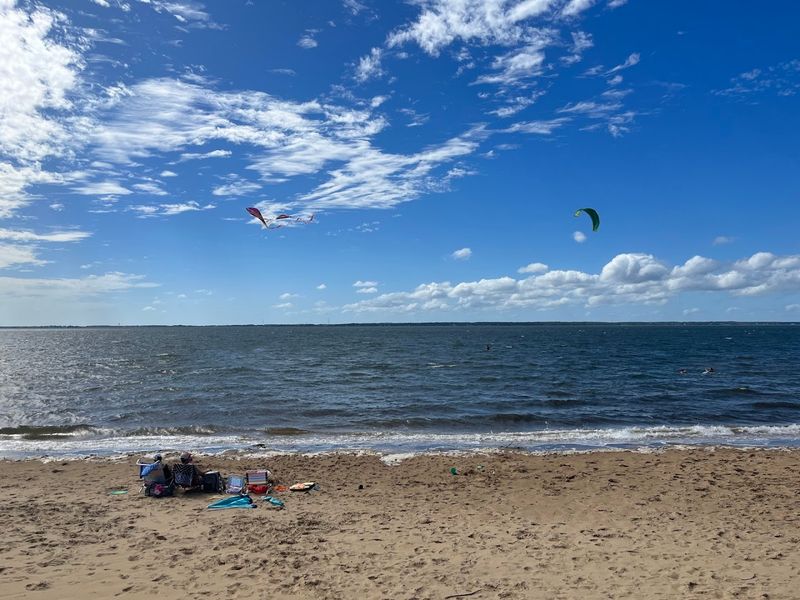
Children absolutely love Jockey’s Ridge because it feels like the world’s biggest sandbox. Parents appreciate that it offers wholesome outdoor fun without entrance fees or expensive equipment requirements.
The consistent coastal breezes have made kite flying a beloved tradition here for generations of families.
Watching dozens of colorful kites dance across blue skies creates a festive atmosphere. Simple single-line kites work great for younger kids, while experienced flyers bring elaborate stunt kites that perform aerial acrobatics.
The steady wind means kites stay airborne easily, leading to fewer frustrations and more smiles all around.
For thrill-seekers, sandboarding down steep dune faces provides exciting action. You can bring your own board or rent one nearby.
Unlike snowboarding, falls on soft sand don’t hurt, which encourages kids to attempt daring runs they might otherwise avoid. Climbing back up for another ride provides excellent exercise disguised as pure fun.
Simpler pleasures work wonderfully too. Rolling down sandy slopes, building elaborate sand castles, or playing tag across the open dunes keeps children entertained for hours.
The park’s wide-open spaces give kids room to run freely while parents can easily keep them in sight.
Why Jockey’s Ridge Belongs on Every North Carolina Bucket List
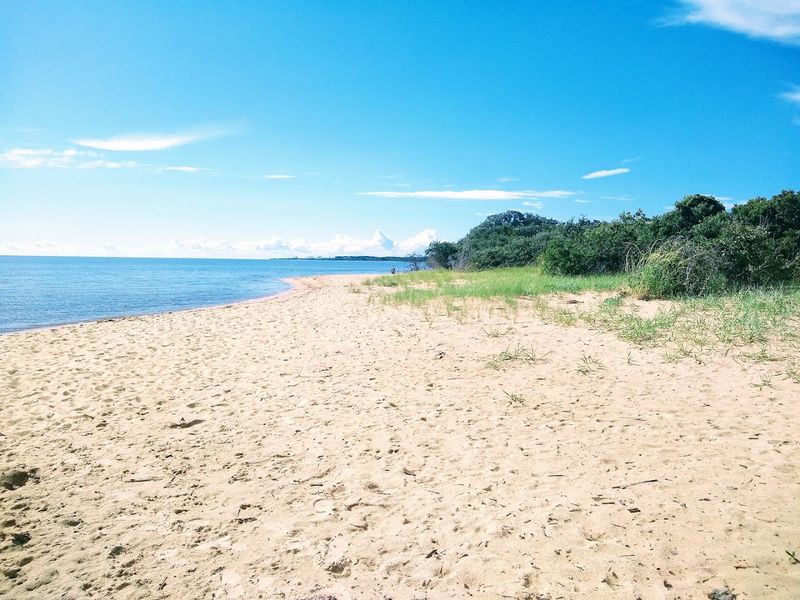
North Carolina offers mountains, beaches, forests, and cities, yet Jockey’s Ridge stands completely alone in its uniqueness. Nowhere else on the entire East Coast will you find an active sand dune system this tall and impressive.
That geological rarity alone makes it essential viewing for anyone exploring North Carolina’s natural wonders.
Beyond its scientific significance, the park delivers genuine adventure opportunities. Whether you’re hang gliding for the first time, watching an unforgettable sunset, or simply feeling soft sand beneath your bare feet, the experiences here create lasting memories.
It combines natural beauty with hands-on activities in ways that appeal to all ages and interests.
The free admission removes financial barriers that keep families from visiting other attractions. You can spend an entire day here without spending a single dollar, making it accessible to everyone regardless of budget.
This democratic approach to outdoor recreation reflects the best values of public lands.
Perhaps most importantly, Jockey’s Ridge reminds us why protecting natural places matters. This landscape exists today only because local residents fought to save it decades ago.
Visiting connects you to that conservation story while inspiring you to protect other threatened wild places throughout our state.
What to Know Before You Go
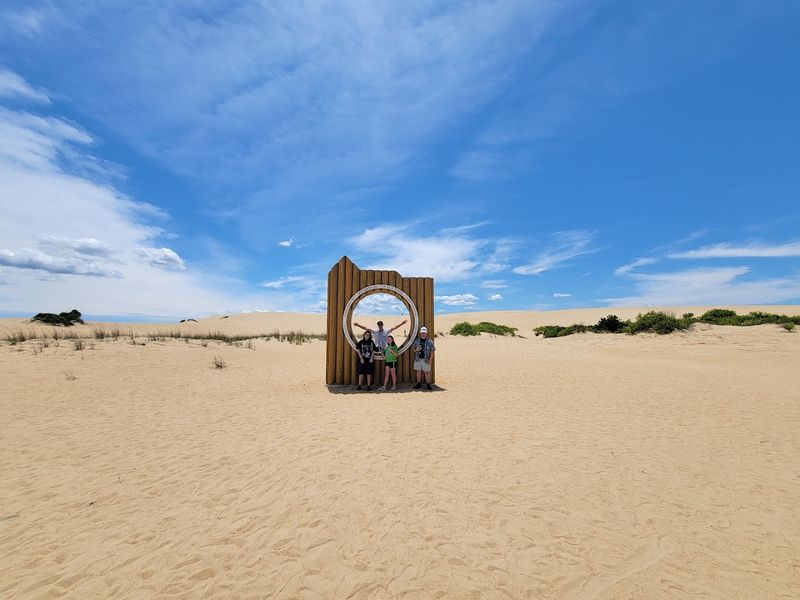
Planning your visit to Jockey’s Ridge takes minimal effort, but knowing a few key details enhances your experience significantly. The park opens year-round from sunrise to sunset, with no admission fees required.
You’ll find it at 300 West Carolista Drive in Nags Head, easily accessible from Highway 158.
Summer visits require serious preparation for heat and sun exposure. The sand reflects intense sunlight and temperatures can reach extremely uncomfortable levels by midday.
Arriving during early morning hours or late afternoon protects you from the worst heat while providing better lighting for photography. Always bring plenty of water, apply sunscreen generously, and wear shoes since sand gets scorching hot.
The visitor center offers educational exhibits, clean restrooms, and helpful park rangers who answer questions. A wooden boardwalk provides accessible routes partway into the dune area for those who can’t climb soft sand easily.
Additional soundside access points let you enjoy calmer waters for swimming, kayaking, and paddleboarding.
Parking fills quickly during peak summer months and weekends. Consider visiting on weekday mornings for smaller crowds and better parking availability.
The park welcomes leashed pets, though keep in mind hot sand can burn sensitive paw pads during summer afternoons.