Forget trendy food spots and flashy menus—this tiny San Francisco restaurant has been pouring out the same beloved bowl of clam chowder since Abraham Lincoln was president.
That’s more than 160 years of steam, salt, and seafood magic packed into one humble kitchen.
The Old Clam House feels like a secret frozen in time.
Tucked in the Bayview, this historic little spot has fed generations of dockworkers, sailors, and hungry locals while the city around it changed again and again.
Earthquakes shook it.
Fires roared through the city.
The shoreline itself moved.
Still, the chowder kept coming.
Rich, creamy, loaded with clams, and wrapped in stories from another century, this place is more than dinner—it’s a bite of old San Francisco that still tastes as good as ever.
A Hidden Piece of San Francisco History
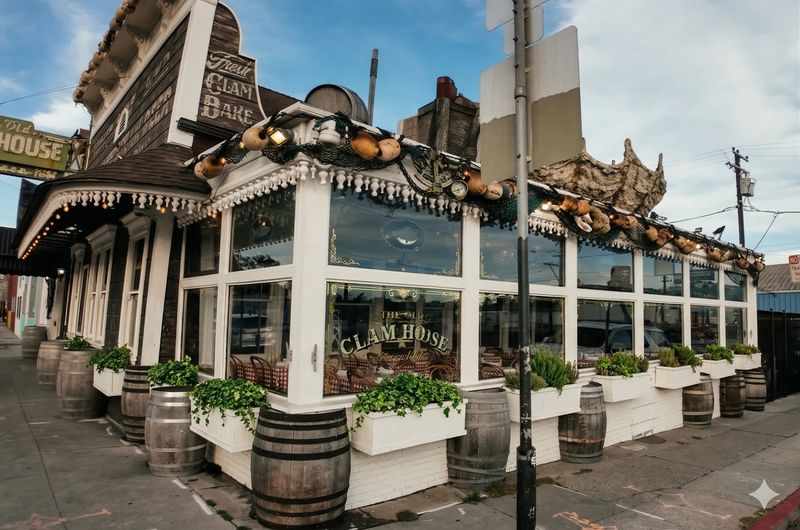
Few restaurants can claim they’ve been feeding San Francisco for over 160 years, but The Old Clam House wears that badge proudly. Operating continuously since 1861, this modest seafood spot represents one of the oldest dining establishments in the entire city.
While flashier restaurants have come and gone, this place has quietly maintained its spot on Bayshore Boulevard through generations of change.
What makes its survival even more remarkable is how much San Francisco transformed around it. The Gold Rush era gave way to industrialization, then modern development.
Neighborhoods rose and fell.
Yet through earthquakes that leveled buildings and fires that consumed entire blocks, The Old Clam House persisted. Its longevity isn’t just about serving good food—it’s about being part of the city’s DNA.
Every bowl served connects diners to San Francisco’s maritime past, when this waterfront location bustled with sailors, dockworkers, and merchants looking for a hearty meal. That connection to history makes each visit feel special, like dining in a living museum that still serves incredible seafood.
The Origins of a Waterfront Legend
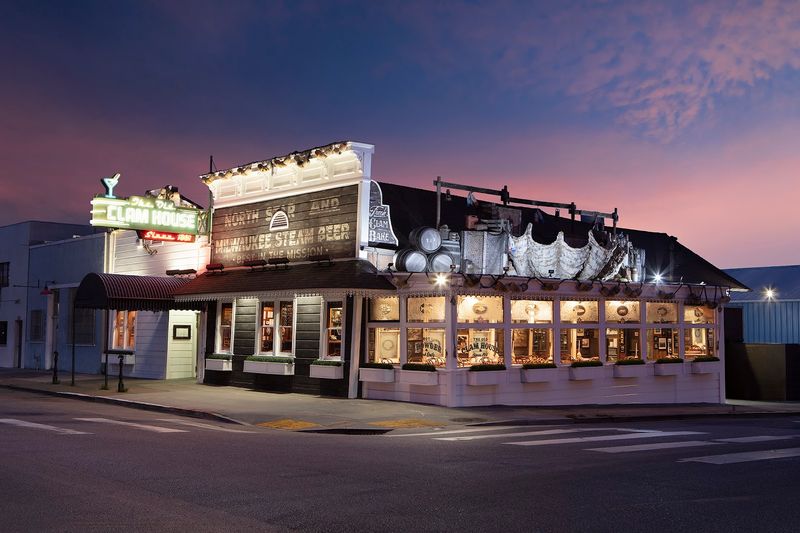
Back in 1861, San Francisco looked nothing like it does today. Bayshore Boulevard sat right along the actual waterfront, with waves lapping against docks where ships unloaded cargo from around the world.
The restaurant opened as the Oakdale Bar & Clam House, strategically positioned to serve the thirsty, hungry crowds of sailors and laborers who powered the city’s booming maritime industry.
These weren’t fancy diners looking for white-tablecloth service. They wanted filling, affordable meals that could fuel long work shifts.
Clam chowder fit the bill perfectly—cheap to make, packed with protein, and warming after cold hours on the water.
The restaurant became a gathering spot where working people could grab a drink and hot meal before or after their shifts. Over decades, the shoreline shifted and the city expanded, moving the water’s edge away from the building.
But the restaurant’s roots in that maritime culture never changed. Understanding this working-class origin helps explain why The Old Clam House never became pretentious or trendy—it stayed true to its blue-collar beginnings.
Why Clam Chowder Became the Star
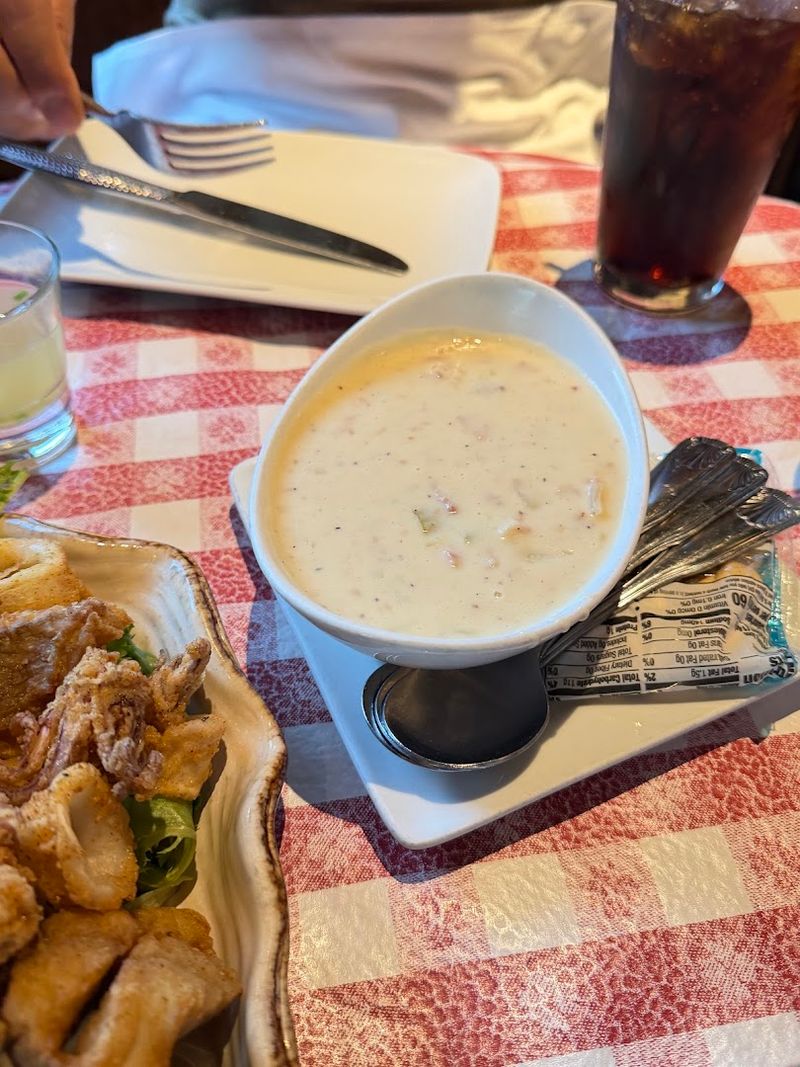
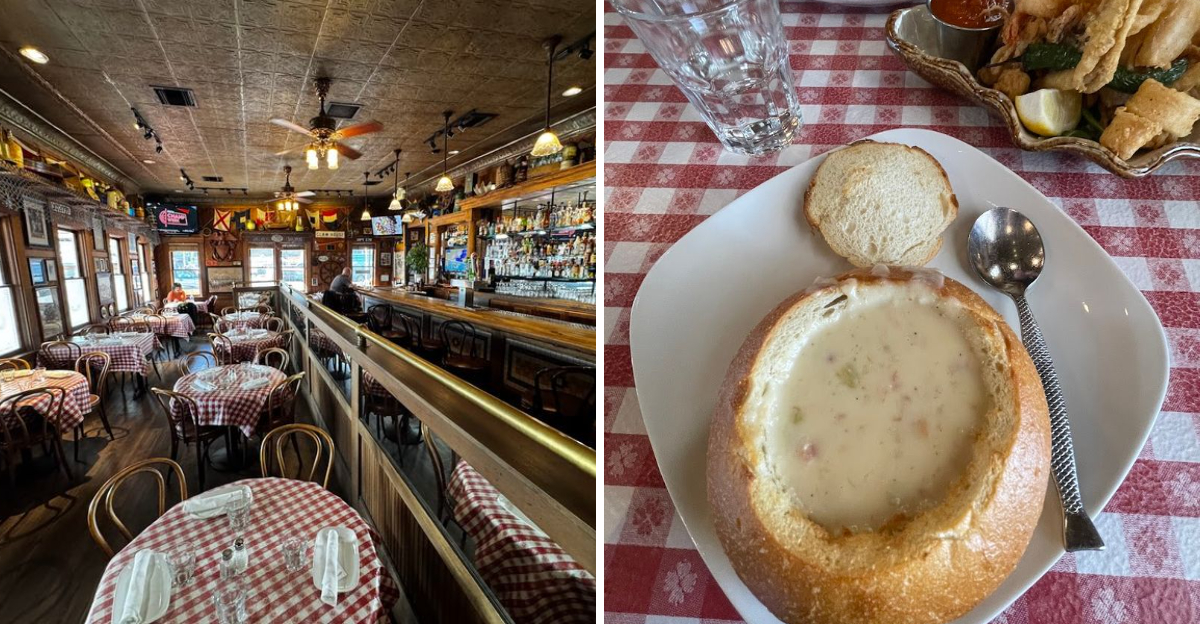
When you walk into The Old Clam House, you might glance at the menu, but let’s be honest—you’re getting the clam chowder. This isn’t just any chowder; it’s the reason the restaurant survived 160-plus years while others disappeared.
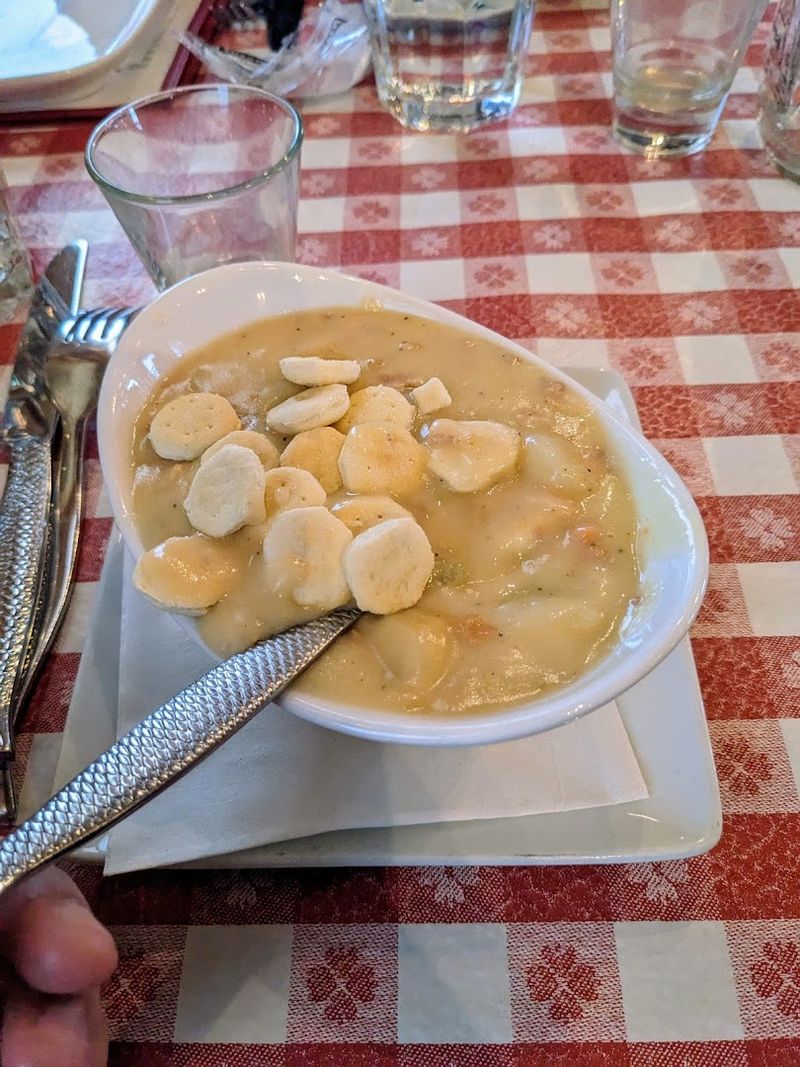
The creamy, rich soup arrives steaming hot, loaded with tender clam pieces that taste like they were pulled from the bay that morning.
Each spoonful delivers that perfect balance of velvety texture and deep seafood flavor without being too heavy or bland. The potatoes stay firm, the broth coats your tongue with buttery goodness, and those clams practically melt.
What elevated this chowder to legendary status was consistency. Generation after generation kept coming back because they knew exactly what to expect—and it was always excellent.
In a city known for sourdough bread bowls filled with seafood soup, The Old Clam House version stands apart. It doesn’t rely on gimmicks or touristy presentations.
Just pure, straightforward clam chowder made the right way, every single time, creating fans who wouldn’t dream of eating it anywhere else.
A Recipe Rooted in Tradition
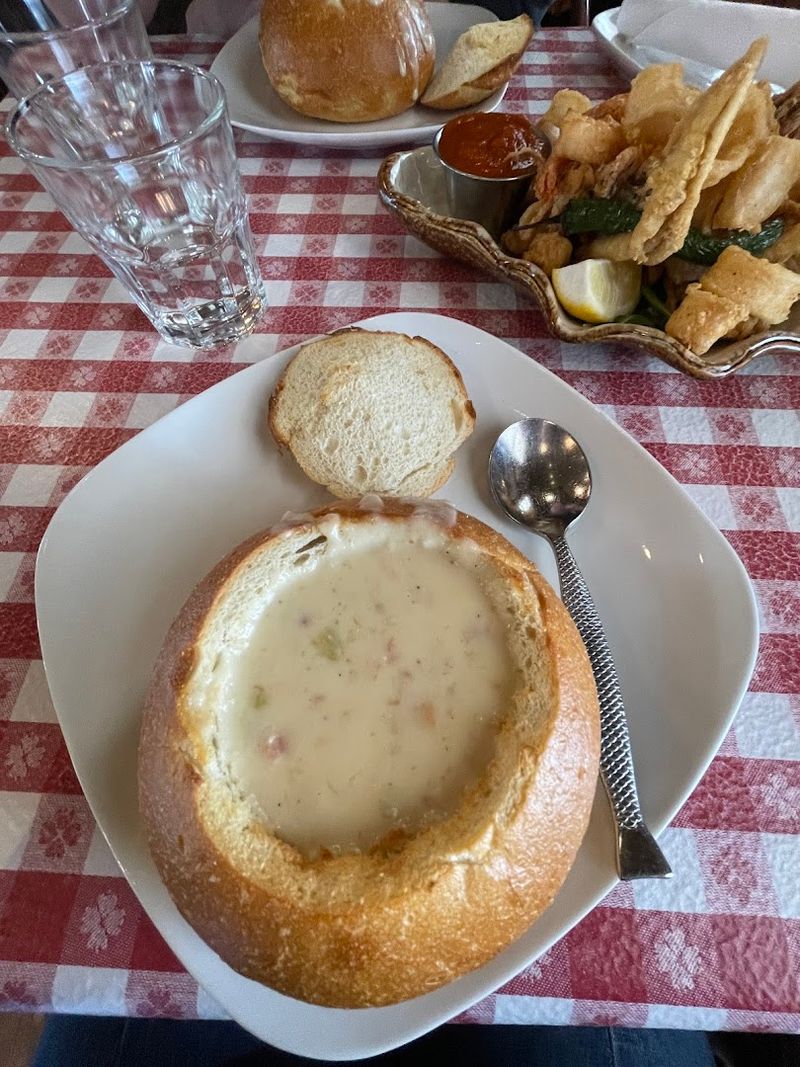
Here’s something amazing: while restaurants constantly chase food trends and update recipes to stay relevant, The Old Clam House does the opposite. Their chowder recipe remains remarkably faithful to traditional preparation methods passed down through decades.
No shortcuts, no modernizing, no attempts to make it “healthier” or lighter.
The kitchen still prioritizes fresh, locally sourced seafood. Clams come from trusted suppliers who understand quality matters more than price.
This commitment means each batch starts with ingredients that actually taste like the ocean.
The cooking process itself respects time-tested techniques that can’t be rushed. Making proper clam chowder requires patience—slowly building flavors, getting the texture just right, letting ingredients meld together naturally.
Many newer restaurants use canned clams or pre-made bases to speed things up. Not here.
The dedication to doing things the traditional way might seem old-fashioned, but that’s precisely why it works. When something isn’t broken, you don’t fix it.
The restaurant understands their chowder achieved perfection long ago, so they simply maintain that standard meal after meal, year after year.
The Historic Interior That Feels Frozen in Time
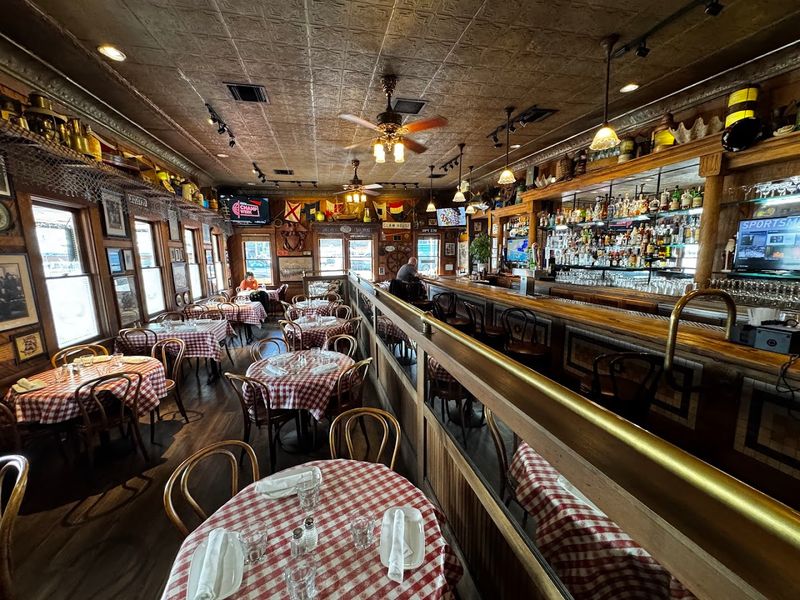
Step inside The Old Clam House and your phone’s GPS might malfunction—at least, that’s how disorienting the time-travel feeling hits you. The original wooden bar stretches along one wall, its surface worn smooth by countless elbows resting there over 160 years.
Dark wood paneling covers the walls, and vintage fixtures provide warm, dim lighting that makes everything feel intimate and cozy.
This isn’t manufactured nostalgia like theme restaurants create with reproduction antiques. These furnishings and decorations are genuinely old, accumulated across generations of operation.
The bar itself served Gold Rush-era prospectors and survived the 1906 earthquake.
Sitting at one of the simple tables, you can almost hear echoes of conversations from different eras—sailors swapping stories, neighborhood regulars catching up, families celebrating special occasions. The atmosphere doesn’t shout for attention or try too hard.
It simply exists as an authentic piece of old San Francisco, preserved not as a museum display but as a working restaurant where history lives alongside modern diners. That combination makes eating here feel meaningful beyond just satisfying hunger.
Surviving San Francisco’s Biggest Challenges
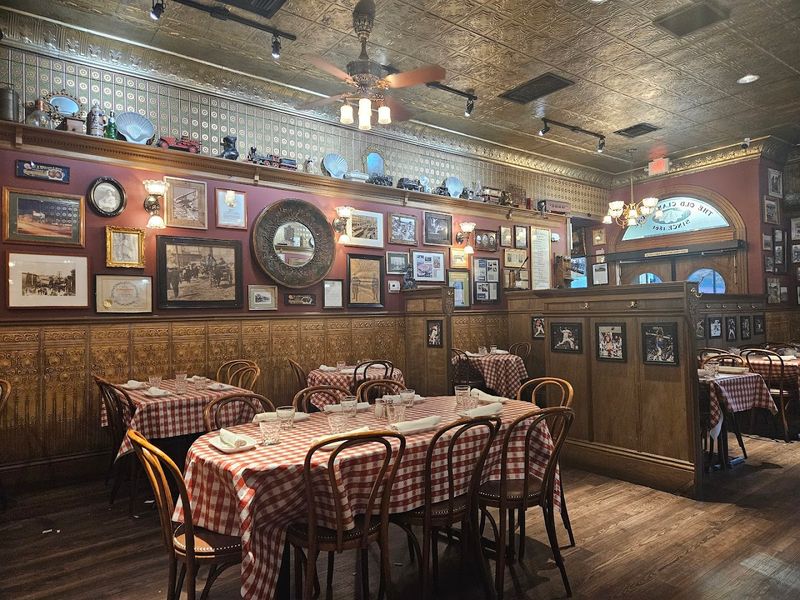
Running a restaurant for 160 years sounds impressive until you realize what that actually means surviving. The Old Clam House weathered the catastrophic 1906 earthquake and subsequent fires that destroyed most of San Francisco.
While entire neighborhoods burned to the ground, somehow this modest seafood spot made it through and kept serving.
But natural disasters weren’t the only tests. The waterfront geography shifted as the city expanded, turning the once-shoreline location into an inland neighborhood.
Economic depressions closed countless businesses around it. Wars changed customer bases.
Different ownership groups came and went.
Most recently, the COVID-19 pandemic forced a shutdown that many thought might finally end the restaurant’s run. After sitting dark and quiet, it seemed like the unbeatable survivor might not reopen.
Then in 2022, new owners stepped up, renovated respectfully, and brought it back to life. The community’s excitement about its return revealed how much this place matters to San Francisco.
It’s not just about clam chowder—it’s about preserving a living connection to the city’s past that very few places can still offer.
More Than Chowder: The Rest of the Menu
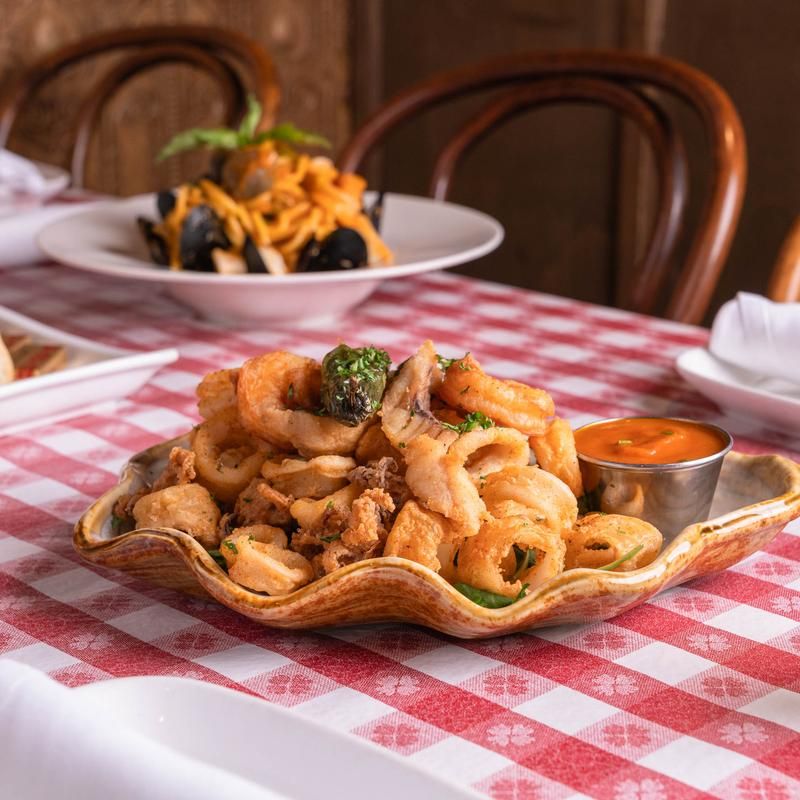
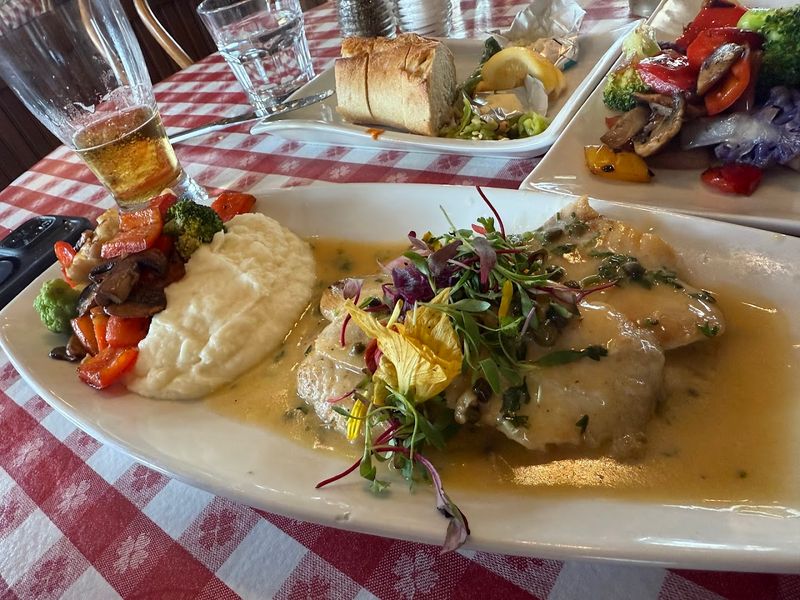
Yes, everyone comes for the clam chowder—but staying for just one bowl would mean missing other fantastic seafood options. The menu reads like a love letter to traditional Bay Area seafood preparations, featuring dishes that complement the restaurant’s maritime heritage perfectly.
Steamed clams arrive glistening in garlic-butter broth, begging to be sopped up with crusty bread.
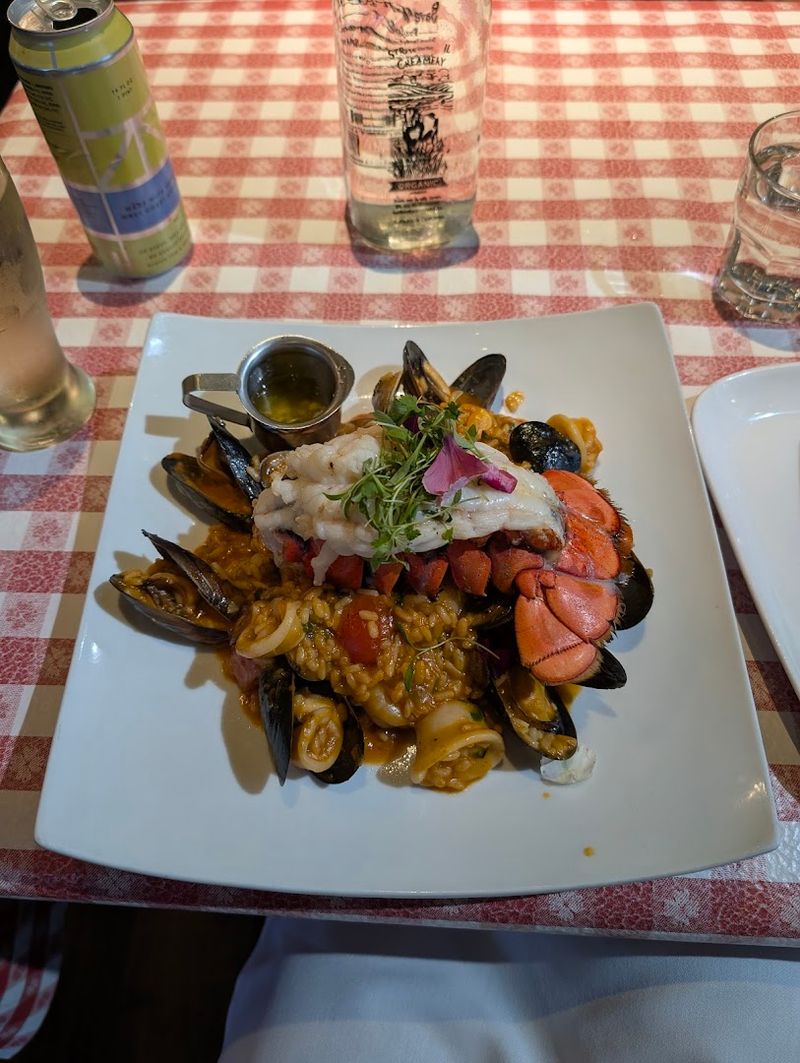
The cioppino, a San Francisco classic, delivers a tomato-based seafood stew packed with whatever’s freshest that day. Chunks of fish, mussels, clams, and sometimes crab swim in rich, aromatic broth that warms you from the inside out.
Crab dishes showcase Dungeness crab when in season, served simply so the sweet meat shines through. Clam linguine tangles pasta with tender clams in white wine sauce that tastes light yet satisfying.
None of these dishes try to reinvent seafood or add unnecessary complexity. They stick to proven preparations that let quality ingredients speak for themselves.
While the chowder remains the undisputed star, treating yourself to these other offerings reveals why this restaurant earned its legendary status across multiple generations of seafood lovers.
Why Locals Still Swear By It
Ask any longtime San Francisco resident about The Old Clam House and watch their face light up with recognition. This isn’t some tourist trap that locals avoid—it’s exactly the opposite.
Bay Area natives consider it a treasured piece of living culture, the kind of place they bring out-of-town visitors to show them “real” San Francisco beyond cable cars and Fisherman’s Wharf.
Regular customers span multiple generations within families. Grandparents who ate here decades ago now bring grandchildren, creating new memories around the same menu their ancestors enjoyed.
That continuity creates emotional connections far deeper than just liking good food.
When the restaurant temporarily closed during the pandemic, the community outcry revealed how much it mattered to people’s sense of place and identity. Its 2022 reopening felt like welcoming back an old friend everyone missed desperately.
Locals understand that places like this—genuinely historic, unpretentious, focused on doing one thing exceptionally well—are increasingly rare. Chain restaurants and trendy concepts come and go, but The Old Clam House represents something more permanent and meaningful: a direct link to San Francisco’s authentic character that refuses to fade.
What Makes It Worth the Trip Today
San Francisco overflows with restaurants serving clam chowder, especially around tourist-heavy Fisherman’s Wharf where every other storefront advertises bread bowls. So why travel to the Bayview neighborhood specifically to eat at The Old Clam House?
Because authenticity has become incredibly rare, and this place delivers it without trying.
You’re not just eating a bowl of soup—you’re experiencing the same recipe, in the same building, that’s satisfied customers since before the Civil War ended. That connection to history makes every bite taste different, more meaningful somehow.
The worn wooden bar isn’t a prop; sailors actually leaned against it in the 1800s.
Beyond nostalgia, the food simply remains excellent. The chowder genuinely ranks among San Francisco’s best, prepared with care and quality ingredients.
The hidden gem status means you avoid massive tourist crowds while discovering a spot locals actually love. For travelers seeking authentic experiences beyond generic attractions, finding The Old Clam House feels like uncovering a secret that rewards curiosity.
It represents the San Francisco that existed before tech booms and tourism marketing, preserved accidentally through stubborn consistency.
Visitor Info and Tips
Ready to experience this slice of San Francisco history? The Old Clam House sits at 299 Bayshore Boulevard in the Bayview neighborhood (ZIP 94124).
You can reach them by phone at +1 415-695-2866 to ask questions or check hours, though making reservations through OpenTable or SpotApps is highly recommended, especially for dinner service when crowds pack the small dining room.
Here’s insider advice for the best experience: arrive genuinely hungry because portions are generous and you’ll want to try multiple dishes. Obviously start with the legendary clam chowder—you didn’t travel here to skip it.
Consider pairing your chowder with steamed clams or ordering the cioppino if you’re extra hungry.
Peak dinner times (typically 6-8 PM on weekends) fill up fast, so reservations really help secure your spot in this beloved historic space. The Bayview location sits away from typical tourist routes, meaning you’ll need transportation—driving or rideshare services work best.
Don’t let the neighborhood’s off-the-beaten-path vibe discourage you; locals know this spot is absolutely worth seeking out for some of the city’s finest traditional seafood.