This place feels cursed the second you see it.
Rising out of Mansfield like a forgotten fortress, the Ohio State Reformatory is the kind of place that makes your stomach tighten before you even step inside. Its towering stone walls and endless rows of rusting cells look frozen in time—and not in a comforting way.
For more than 100 years, this prison held violence, despair, and stories too dark to shake. When it shut down in 1990, the silence didn’t erase what happened here.
Many say it only made the place louder.
Now, visitors walk those cold hallways on haunted tours packed with chilling legends, strange sounds, and eerie encounters. If you love ghost stories, grim history, or places that make your skin crawl, this is one Ohio stop you won’t forget.
A Castle Built for Criminals
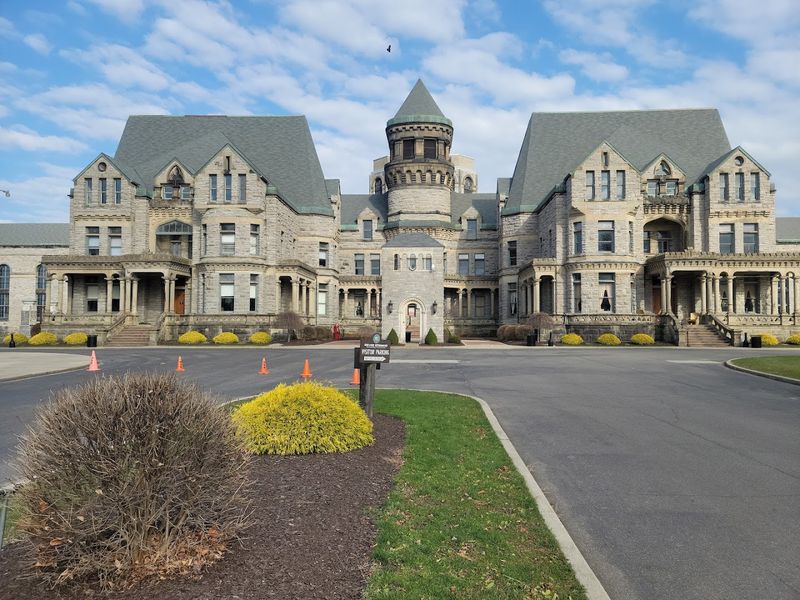
Towering stone walls and medieval-looking turrets greet you at first sight, making this place look like something straight out of a fairy tale gone wrong. Construction began in 1886, and architects used a Gothic Revival style that was supposed to inspire prisoners to change their ways through beauty and grandeur.
The idea was that surrounding inmates with impressive architecture would somehow reform their criminal behavior.
Walking up to the entrance feels surreal because correctional facilities usually look harsh and industrial, not romantic and castle-like. The massive structure features pointed arches, decorative stonework, and dramatic towers that could belong to European royalty.
Yet behind this beautiful facade, extremely dark and violent events unfolded for over 100 years.
Today, the crumbling exterior adds to the creepy atmosphere as nature slowly reclaims the abandoned sections. Photographers love capturing the contrast between the elegant design and the prison’s brutal purpose.
First-time visitors often stop in their tracks, stunned by how something so architecturally stunning could house such terrible history.
The Brutal History Behind the Walls
Originally designed for young first-time offenders who deserved a second chance, the reformatory quickly transformed into something far more sinister. Officials began cramming more and more prisoners inside, turning what should have been a rehabilitation center into an overcrowded nightmare.
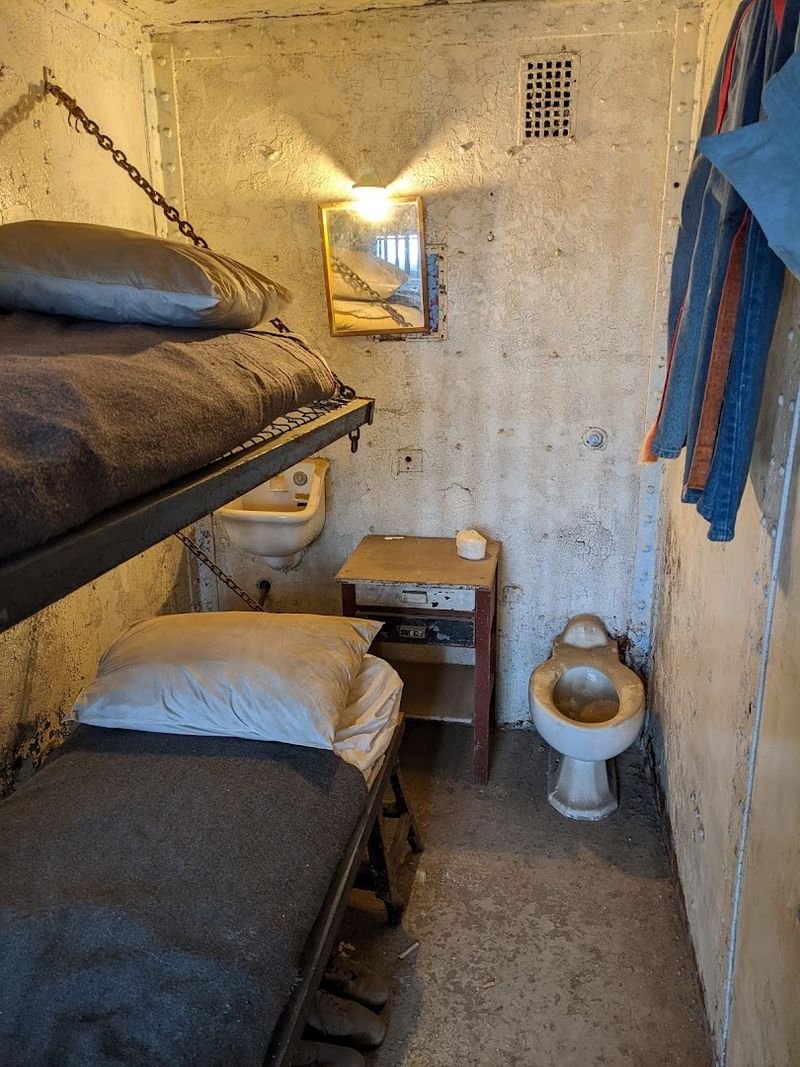
Cells meant for one person suddenly held two or three inmates, creating dangerous and violent conditions.
Disease spread rapidly through the packed cell blocks where fresh air and sunlight barely reached. Tuberculosis, pneumonia, and other illnesses killed numerous prisoners over the decades.
Harsh punishments became routine, with guards using brutal tactics to maintain control over the desperate and angry population.
By the 1970s and 80s, conditions had deteriorated so badly that inmates filed a federal lawsuit. Courts found the prison violated basic human rights standards.
In 1990, after 94 years of operation, officials finally shut down the facility for good, relocating the remaining prisoners to more modern institutions throughout Ohio.
Walking Through the World’s Largest Freestanding Steel Cell Block
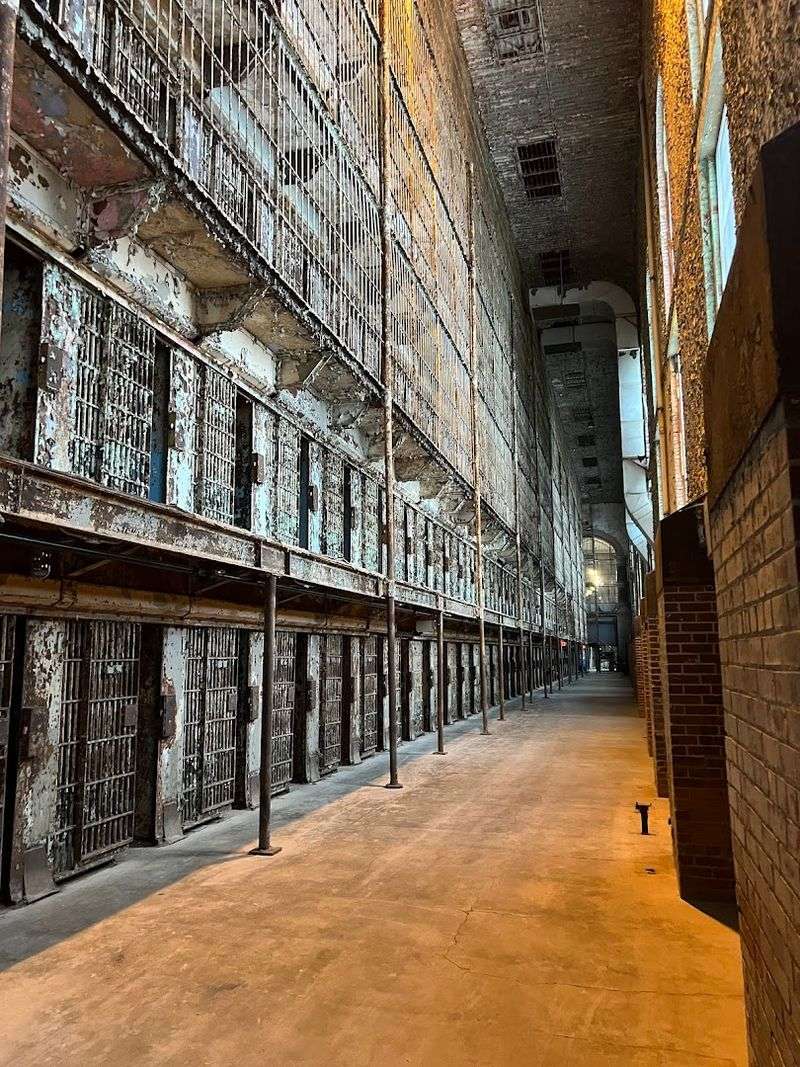
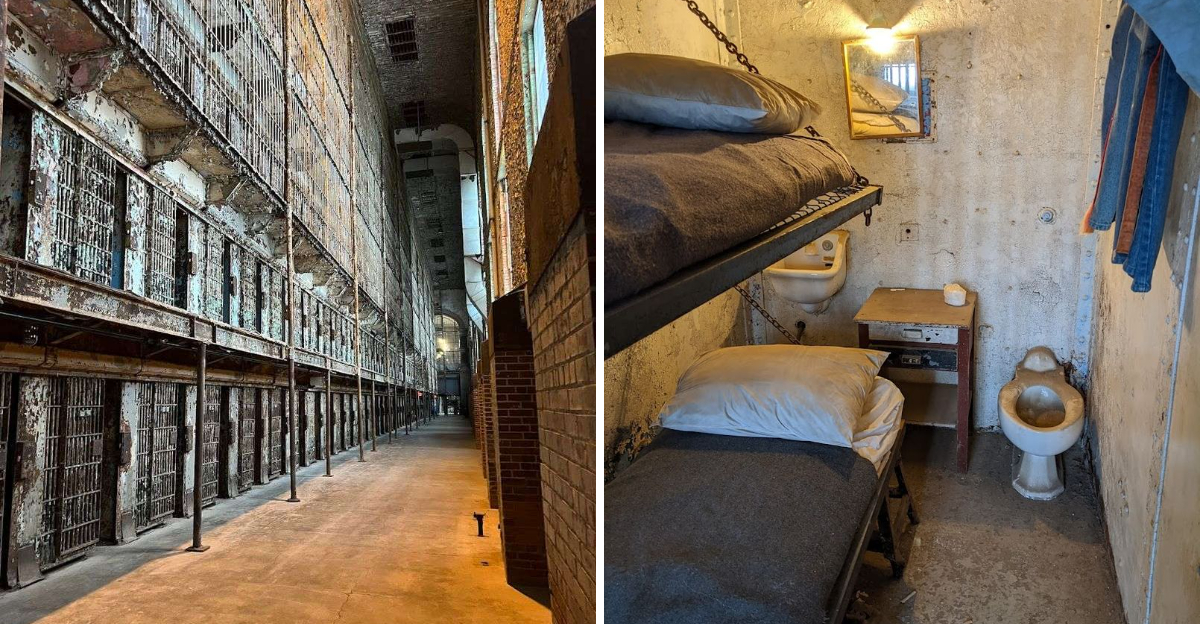
Stepping into the East Cell Block literally takes your breath away as your eyes travel upward through six towering tiers of steel. Recognized worldwide as the largest freestanding steel cell block ever constructed, this engineering marvel rises to dizzying heights.
The metal catwalks and railings create an industrial maze that seems to go on forever.
Hundreds of tiny cells line both sides of this cavernous space, each one barely large enough for a grown person to lie down. Standing at the bottom and looking up creates an overwhelming sense of how massive this operation was.
Sunlight filters through dirty windows high above, casting eerie shadows across the rusted metal.
Tour guides explain how the freestanding design means the entire structure supports itself without being attached to exterior walls. This architectural achievement now serves as a monument to incarceration history.
Many visitors report feeling watched by unseen eyes as they walk the metal floors, and the echo of footsteps adds to the claustrophobic atmosphere that once held so many desperate souls.
Solitary Confinement: The Prison’s Darkest Corner
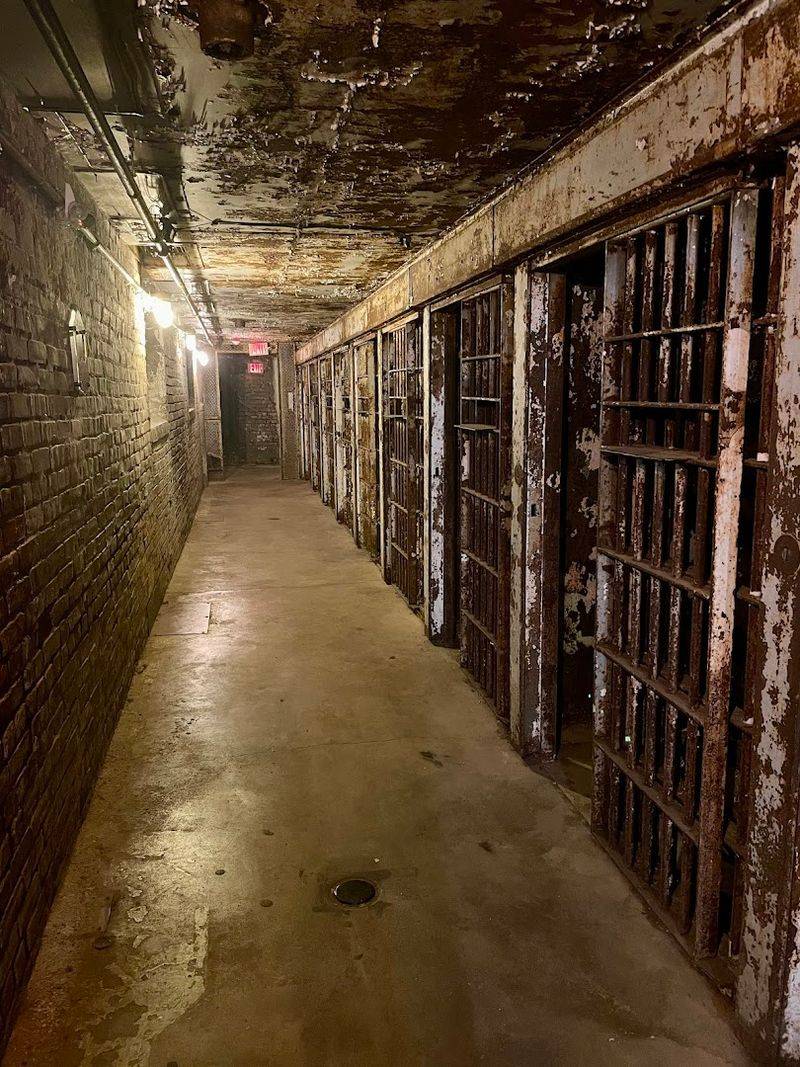
Down in the basement level, tiny concrete boxes await where prisoners spent weeks or even months in complete isolation. These solitary confinement cells measure just a few feet across, barely enough room to pace three steps in any direction.
Guards used these spaces to punish inmates who broke rules or caused trouble, leaving them alone in near-total darkness.
No natural light penetrates these underground chambers, and the thick walls muffle all sound from the outside world. Prisoners in solitary received minimal food and had almost no human contact for extended periods.
Psychologists now know this kind of isolation causes severe mental damage, but back then, officials considered it standard punishment.
Modern visitors consistently report the strangest feelings when standing inside these cells, even for just a minute. Some hear unexplained whispers, banging sounds, or feel sudden cold spots despite warm temperatures elsewhere.
Tour guides share stories of people who’ve been touched by invisible hands or felt an overwhelming urge to escape immediately upon entering these spaces.
The Warden’s Quarters and the Legend of Helen Glattke
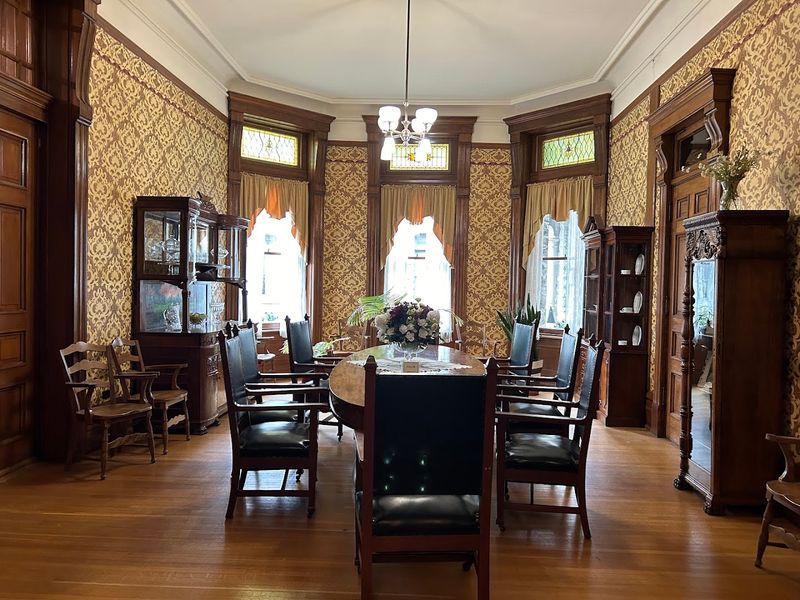
Climbing the stairs to the warden’s living quarters feels like entering a completely different building altogether. Beautiful woodwork, decorative fireplaces, and spacious rooms stand in stark contrast to the harsh cell blocks below.
Several wardens and their families actually lived here throughout the prison’s operation, raising children within these walls.
Helen Glattke, wife of Warden Arthur Glattke, met her tragic end here in 1950 under mysterious circumstances. She died from a gunshot wound in the family’s private quarters, and the official story called it an accident.
Her husband supposedly knocked over a pistol while reaching for a box on a closet shelf, causing the weapon to discharge.
Strange occurrences have been reported in these rooms ever since Helen’s death. Visitors and paranormal investigators claim to smell rose perfume in areas where no flowers exist.
Others report seeing a woman’s shadow moving through the hallways or feeling a gentle presence near the pink bedroom. Staff members have heard the sound of clinking glass, as if someone is preparing tea in the empty quarters.
The Infamous Chair Room
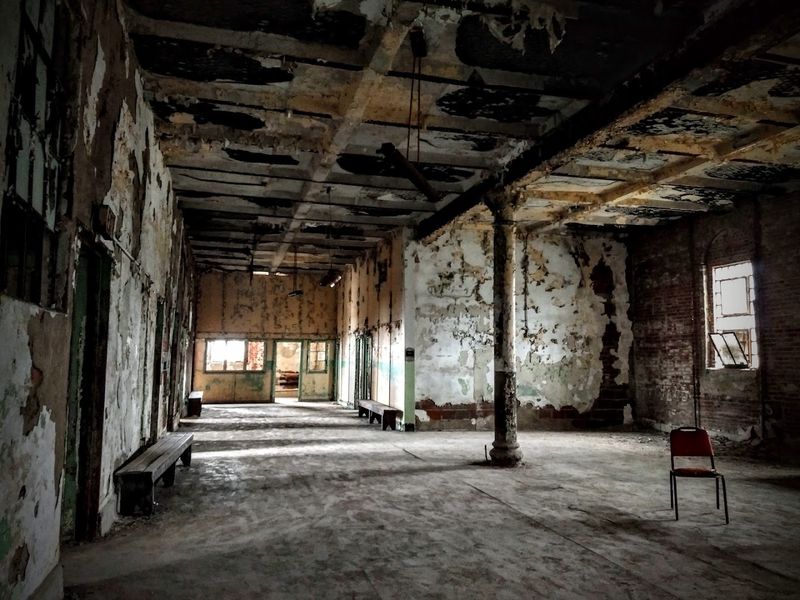
Ghost hunters get particularly excited about one specific location that’s earned a reputation as the prison’s most active paranormal hotspot. Inside this unassuming space sits an old chair that witnesses claim moves, shakes, or rocks by itself when no one is touching it.
Paranormal teams have captured hours of footage trying to document this phenomenon.
Nobody knows exactly why this particular room generates so much supernatural activity. Some theorize a violent event occurred here decades ago, leaving behind traumatic energy.
Others believe multiple spirits gather in this space, drawn by the attention from investigators and curious visitors who seek them out.
Equipment like electromagnetic field detectors supposedly go haywire in this room, registering spikes that can’t be explained by electrical wiring or natural causes. Temperature drops happen suddenly, causing visible breath clouds even during summer months.
Brave visitors who sit in the chair often report feeling hands on their shoulders or hearing whispers directly in their ears, even when they’re completely alone inside the space with witnesses watching from the doorway.
Hollywood Fame: The Shawshank Connection
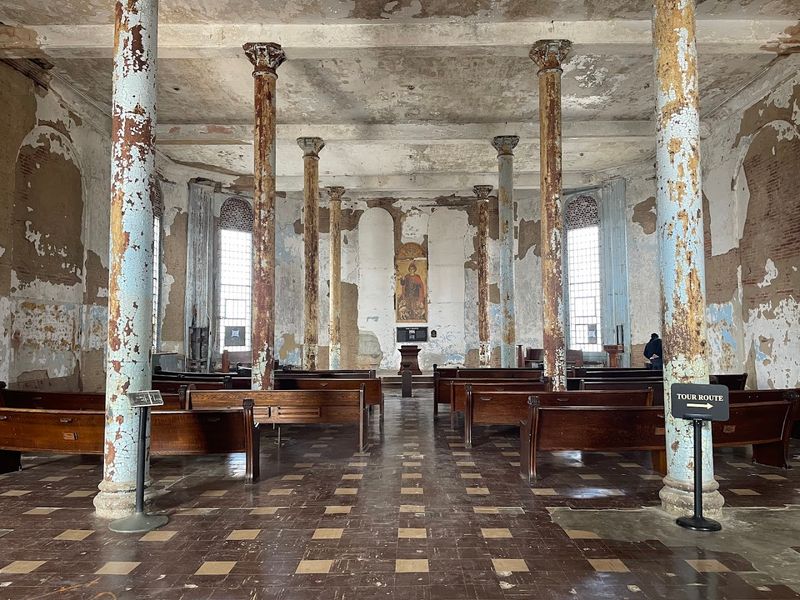
Movie buffs recognize this location instantly as the primary filming site for The Shawshank Redemption, one of the most beloved films ever made. Director Frank Darabont chose the reformatory in 1993 because its authentic Victorian architecture perfectly matched the story’s 1940s-60s time period.
Several iconic scenes were shot throughout the facility.
Andy Dufresne’s cell, the warden’s office, and the library all exist as real spaces you can visit during tours. Fans travel from around the globe just to walk the same corridors where Morgan Freeman and Tim Robbins performed.
The prison even hosts special Shawshank-themed tours that focus specifically on filming locations and behind-the-scenes stories.
Production crews left very few changes to the building after filming wrapped, so much of what you see on screen still looks identical today. Tour guides point out exactly where famous scenes happened, and movie memorabilia decorates certain areas.
Even people who aren’t interested in ghost stories find themselves fascinated by standing in spots where cinematic magic was created decades ago.
Paranormal Tours After Dark
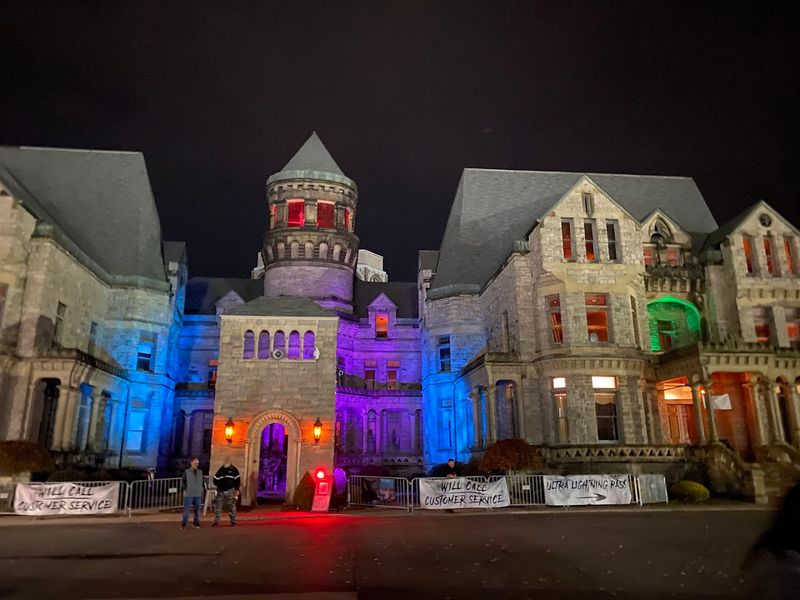
For those seeking maximum fear factor, the reformatory offers specialized ghost tours that take place after sunset when the building becomes pitch black. These experiences range from guided ghost walks to mini investigations where participants can use real paranormal equipment.
The most intense option involves overnight stays where small groups investigate until dawn.
Walking through the dark cell blocks with only flashlight beams creates an atmosphere completely different from daytime visits. Every shadow seems threatening, every sound gets amplified, and your imagination runs wild.
Professional paranormal investigators lead many of these tours, teaching participants how to use EMF detectors, digital recorders, and infrared cameras.
Overnight investigations often sell out months in advance because they’re limited to small groups for safety reasons. Participants report incredibly high levels of activity during nighttime hours, including full-body apparitions, unexplained voices, and objects moving without cause.
Even hardcore skeptics admit the experience tests their nerves and challenges their beliefs about what might exist beyond our normal understanding of reality.
Why So Many People Say It’s Haunted
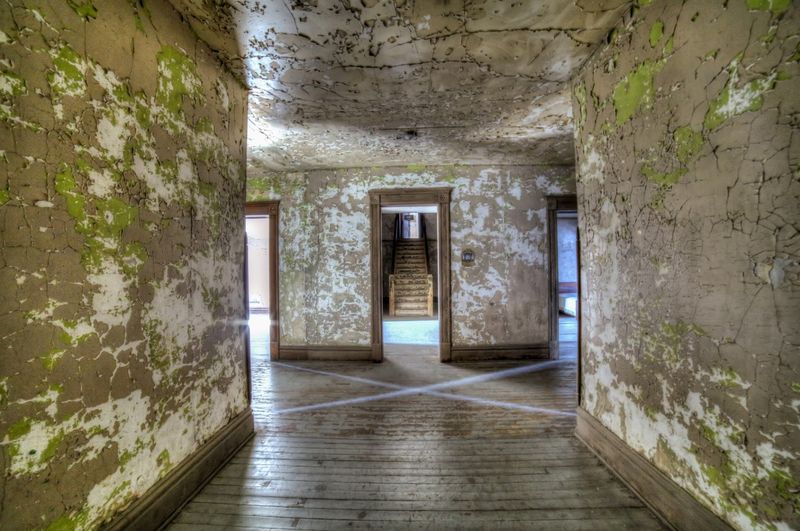
Over 200 people died within these walls during the prison’s 94 years of operation, and many believe their spirits never left. Guards reported strange occurrences even when the facility was still active, hearing phantom footsteps in empty corridors or seeing shadowy figures disappear around corners.
Since becoming a tourist attraction, these reports have multiplied dramatically.
Common experiences include feeling sudden cold spots in specific locations where temperature drops 20 degrees instantly. Visitors photograph strange light anomalies called orbs that appear in pictures but weren’t visible to the naked eye.
Others capture electronic voice phenomena on audio recorders, picking up words and phrases when nobody was speaking.
Physical sensations rank among the most disturbing encounters people describe. Getting touched, pushed, or grabbed by invisible hands happens frequently enough that tour guides warn visitors beforehand.
Some people become overwhelmed by intense sadness or anger in certain areas, experiencing emotions that don’t belong to them. Skeptics often arrive confident in their disbelief but leave questioning everything after experiencing unexplainable events firsthand during their visit.
Visitor Info: What to Know Before You Go
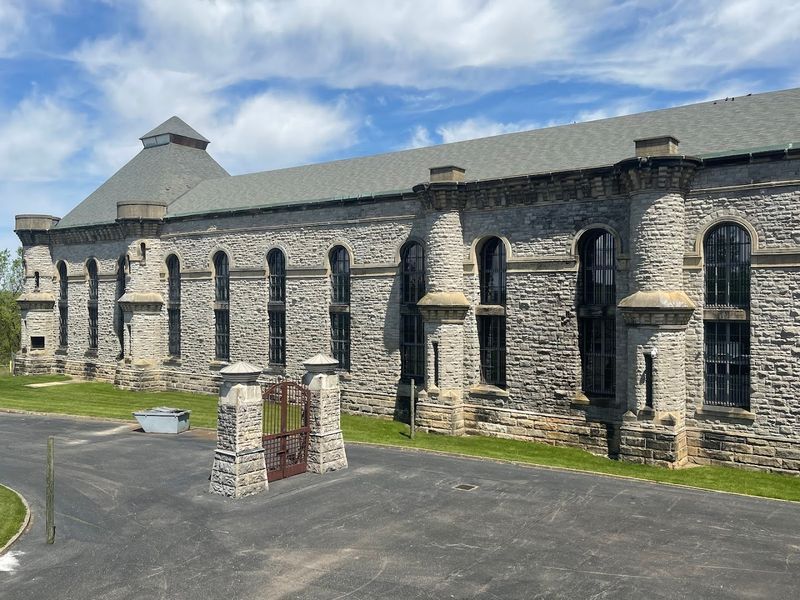
Planning your visit requires some preparation because this isn’t your typical tourist attraction with modern amenities. The reformatory sits at 100 Reformatory Road in Mansfield, Ohio, easily accessible from major highways.
Historical tours and paranormal programs run year-round, though schedules vary by season, so checking their website before making the trip is essential.
Comfortable, sturdy footwear is absolutely necessary because you’ll climb lots of stairs and walk through areas with uneven floors. The building has minimal climate control, staying cold in winter and hot in summer, so dress accordingly.
Many spaces remain dim, dusty, and exactly as they were when the prison closed, adding authenticity but requiring caution.
Booking tickets in advance is strongly recommended, especially for ghost hunts and overnight investigations which fill up quickly. Family-friendly daytime historical tours work well for older children interested in history, but the intense atmosphere and dark subject matter make this destination better suited for teenagers and adults.
Photography is encouraged throughout most areas, so bring extra batteries and memory cards for your camera or phone.