
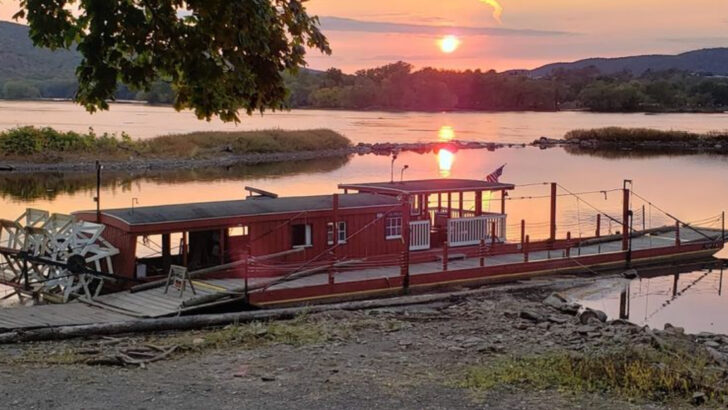
This isn’t just a ferry ride—it’s a trip straight into America’s past.
Hidden along the Susquehanna River in Pennsylvania, the Millersburg Ferry still clatters across the water with giant wooden paddlewheels, just like it did more than 200 years ago.
Since 1817, this river crossing has carried farmers, travelers, wagons, cars, and curious visitors between Millersburg and Liverpool, outlasting floods, wars, and the rise of modern bridges.
It’s the last of its kind in the entire country—a living relic that refuses to quit.
The moment those wooden wheels start splashing and the ferry groans into motion, it feels like the clock spins backward.
No roaring highways. No steel towers.
Just river breeze, creaking timber, and a slow drift through history.
For a few minutes, the modern world fades—and that’s exactly the magic.
A Rare Piece of Living American History
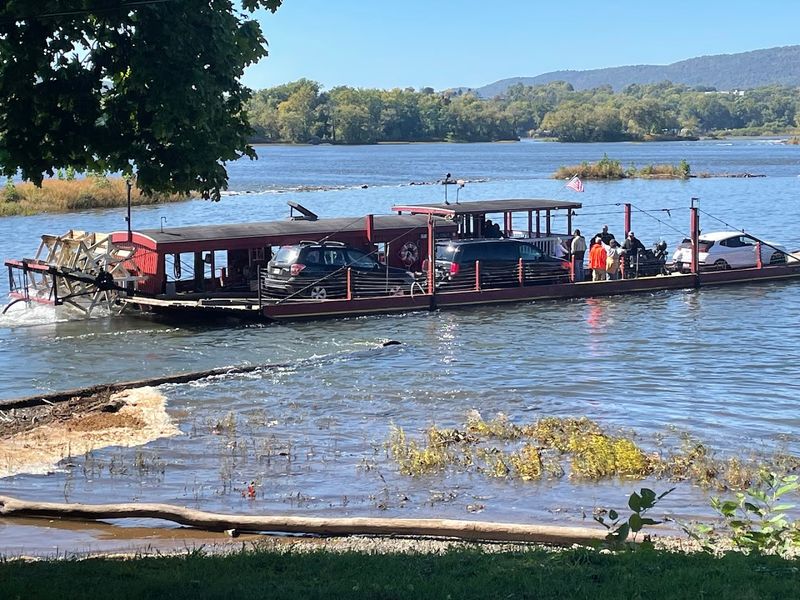
Standing on the deck of the Millersburg Ferry feels like time travel. This isn’t a museum exhibit or a replica—it’s the real deal, the last all-wooden, double-sternwheel paddle ferry still hauling passengers across American waters.
While most ferries disappeared decades ago, replaced by steel bridges and concrete highways, this one kept chugging along.
What makes it truly remarkable is its unbroken service since 1817. That’s over 200 years of connecting communities across the wide Susquehanna River.
Generation after generation of ferry operators have guided these boats across the same waters, maintaining a tradition older than most American cities.
Wooden ferries once dotted rivers throughout the country, but modern life pushed them aside. Today, only this one survives in its original form.
Walking onto its worn wooden deck means joining a living piece of Pennsylvania history that refuses to fade away, still doing the job it was built for more than two centuries ago.
The Ferry’s Origins Along the Susquehanna
Long before paddlewheels churned these waters, desperate travelers relied on simple pole boats to cross the Susquehanna. Ferrymen would literally push long poles against the river bottom, slowly fighting currents to reach the opposite bank.
It was exhausting work that took forever, especially when the river ran high and angry.
Everything changed in the early 1800s when steam power arrived. Entrepreneurs saw opportunity in the busy river crossing at Millersburg, where farmers and merchants desperately needed reliable transportation.
The first powered ferry launched in 1817, transforming what had been a risky, time-consuming ordeal into a dependable service.
Back then, bridges were expensive dreams, especially across wide rivers like the Susquehanna. Ferries became the affordable solution, connecting rural communities to growing towns and cities.
Millersburg quickly became an important link between Perry County and Dauphin County, helping goods and people flow across central Pennsylvania when roads were barely more than muddy trails.
Why the Millersburg Ferry Is So Unique
Most ferries you’ve seen are basically floating platforms pushed by hidden propellers. Not this one.
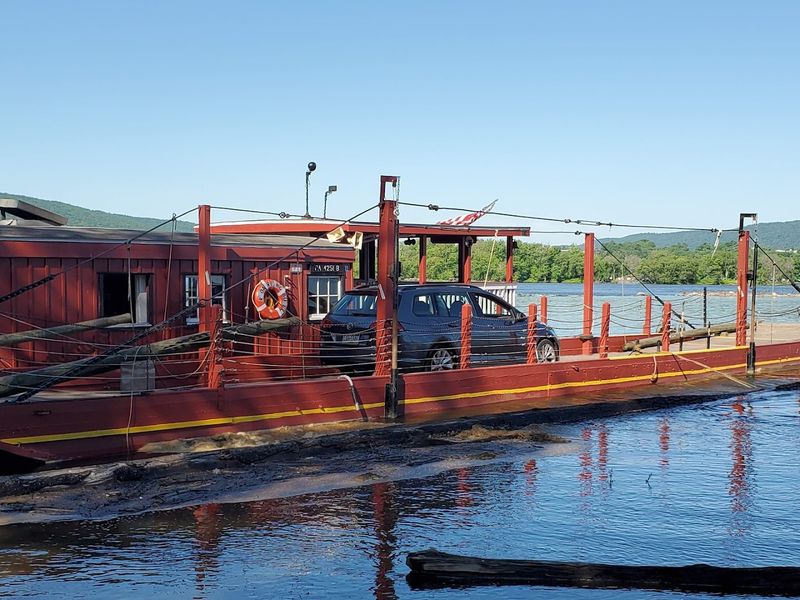
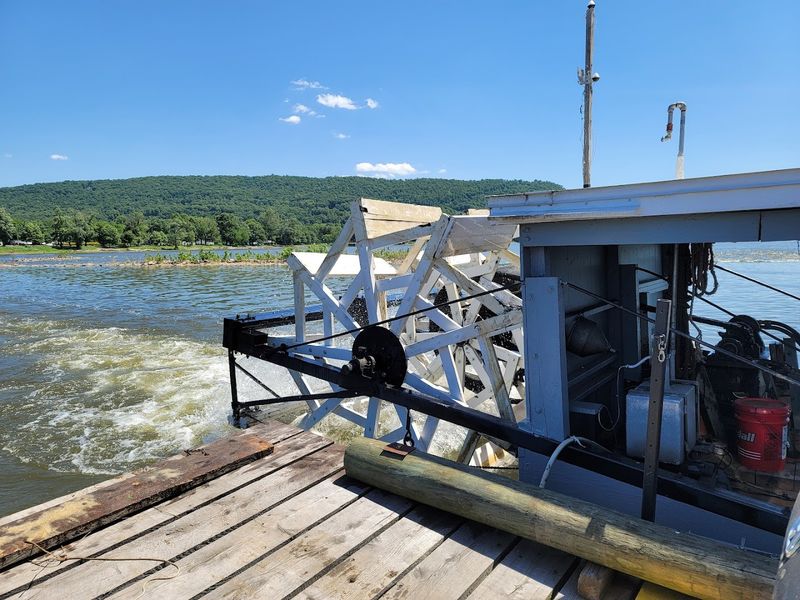
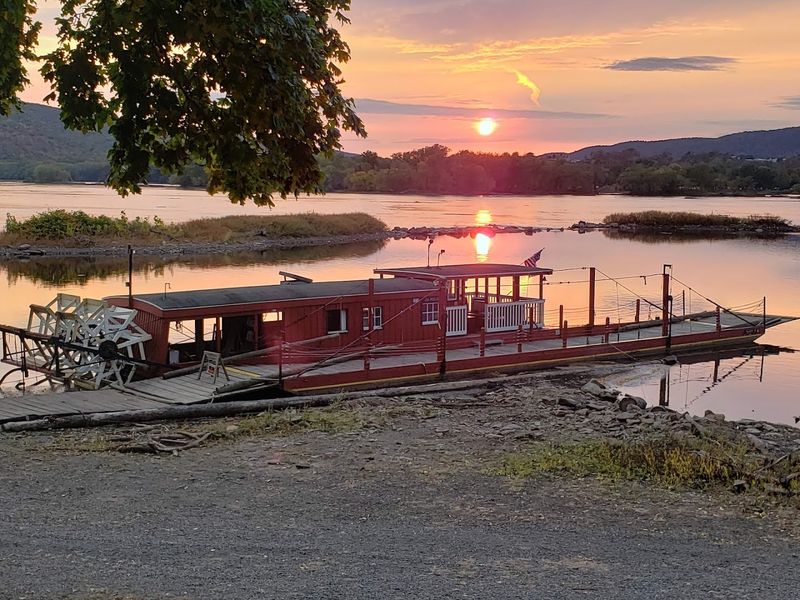
The Millersburg Ferry proudly displays its power source—two massive wooden paddlewheels mounted at the stern, spinning openly where everyone can watch. It’s mechanical poetry in motion.
The double-sternwheel design isn’t just for show. These twin wheels give captains incredible control in swift river currents and shallow waters.
When one wheel spins faster than the other, the ferry can practically pivot in place, a crucial skill when navigating tight landings.
Here’s something truly unusual: beneath the river’s surface lies a specially built ferry wall, a submerged stone guide that helps captains maintain course across tricky shallow sections. This underwater structure has been directing ferries for generations, preventing them from wandering off course or running aground.
Combined with all-wooden construction preserved through careful maintenance, these features make Millersburg’s ferry genuinely one-of-a-kind in modern America.
The Scenic One-Mile Ride Across the River
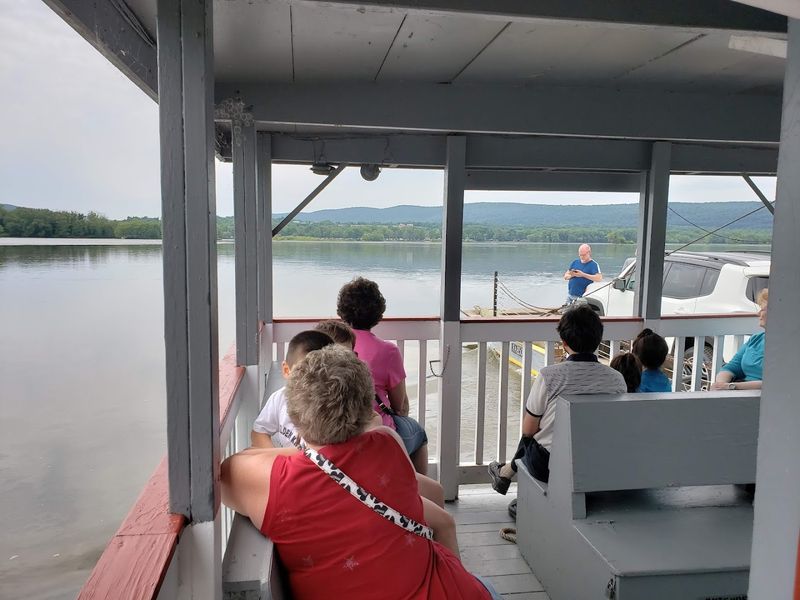
Forget rushing across a bridge in thirty seconds. This journey takes 15 to 25 minutes of pure, unhurried river travel.
Your car or bike rides along with you on the wooden deck while you step out to watch Pennsylvania unfold in every direction.
The Susquehanna stretches nearly a mile wide here, giving you plenty of time to soak in mountain ridges rising on both horizons. Eagles sometimes circle overhead, while great blue herons stalk the shallow edges hunting fish.
The rhythmic splash of paddlewheels provides a soothing soundtrack you can’t find anywhere else.
Modern life moves fast, but out here on the water, that frantic pace disappears. Cool river breezes replace air conditioning.
Natural sounds drown out traffic noise. Passengers often report feeling surprisingly peaceful during such a short trip, as if those few minutes temporarily erase decades of technological advancement.
It’s genuinely meditative, watching the shoreline approach while the ferry churns steadily forward.
Meet the Historic Fleet
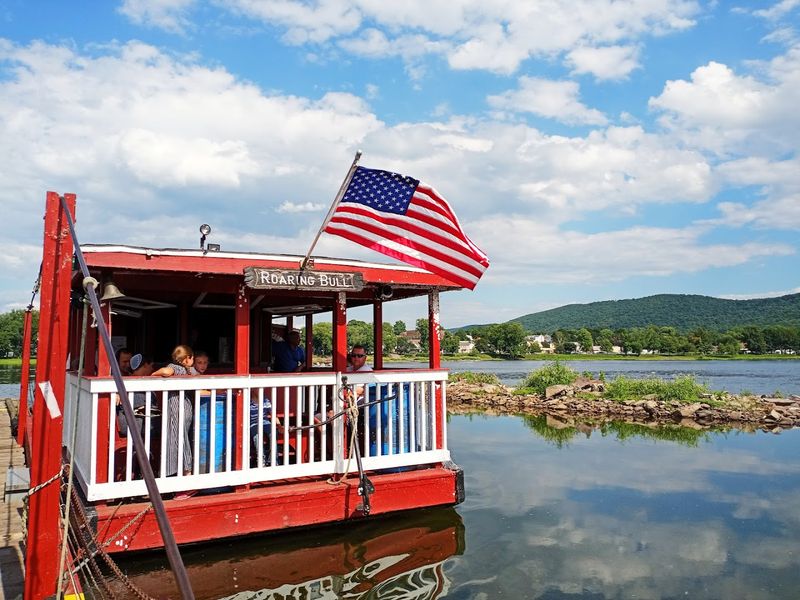
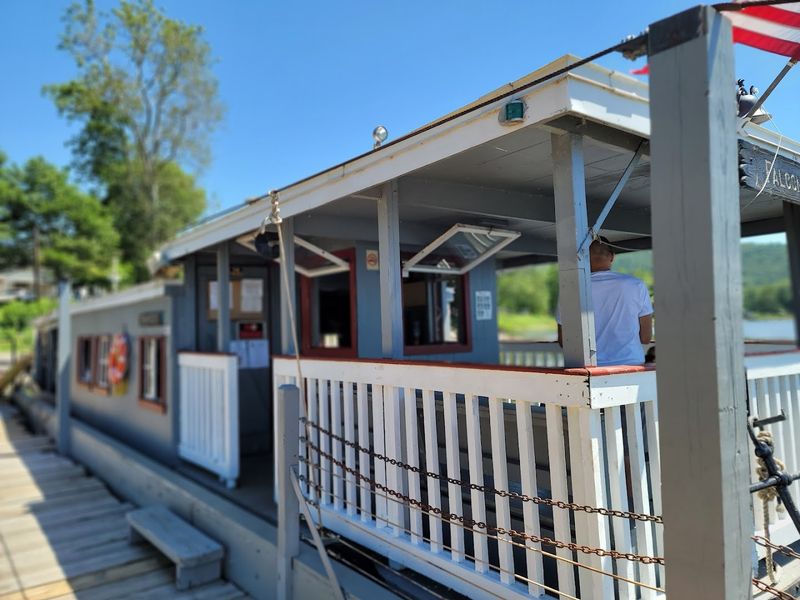
Two ferries handle the crossing: Roaring Bull V and Falcon III. Their names carry generations of history, with earlier versions serving decades before retirement.
These aren’t pristine showpieces—they’re working boats with weathered wood and well-worn decks that tell stories of constant use.
Both vessels maintain traditional construction methods, with wooden hulls and visible paddlewheel mechanisms that fascinate engineering enthusiasts. Captains still navigate using techniques passed down through families, reading river currents and adjusting for seasonal water levels just like their predecessors did.
These ferries once carried everything imaginable: horses pulling wagons loaded with farm goods, Model T Fords fresh from the factory, coal destined for city markets, and countless families making routine trips between communities. Today they still haul cars and trucks, but passengers now come as much for the experience as the transportation.
Watching these boats prepare for another crossing feels like witnessing living history preparing for its next chapter, continuing traditions most Americans forgot existed.
The Role It Played in Pennsylvania Commerce
Picture Pennsylvania in the 1800s: no interstate highways, limited railroads, and rivers serving as major barriers to trade. Farmers in Perry County grew crops and raised livestock but needed access to Harrisburg’s markets across the Susquehanna.
The ferry became their lifeline.
Coal mining dominated this region, and getting that coal to buyers meant crossing water. Wagons loaded with black gold rolled onto these ferries daily, heading toward canals and rail connections.
Merchants transported manufactured goods back to rural communities, creating a constant flow of commerce across this single crossing point.
The ferry didn’t just move cargo—it moved opportunity. Small-town merchants could suddenly access larger markets.
Farmers could sell their produce while it was still fresh. Young people could travel to distant towns for work or education.
Before modern roads bridged every gap, this simple river crossing functioned as an economic engine, pumping prosperity into communities on both banks while connecting isolated regions to Pennsylvania’s growing commercial network.
How It Survived While Others Disappeared
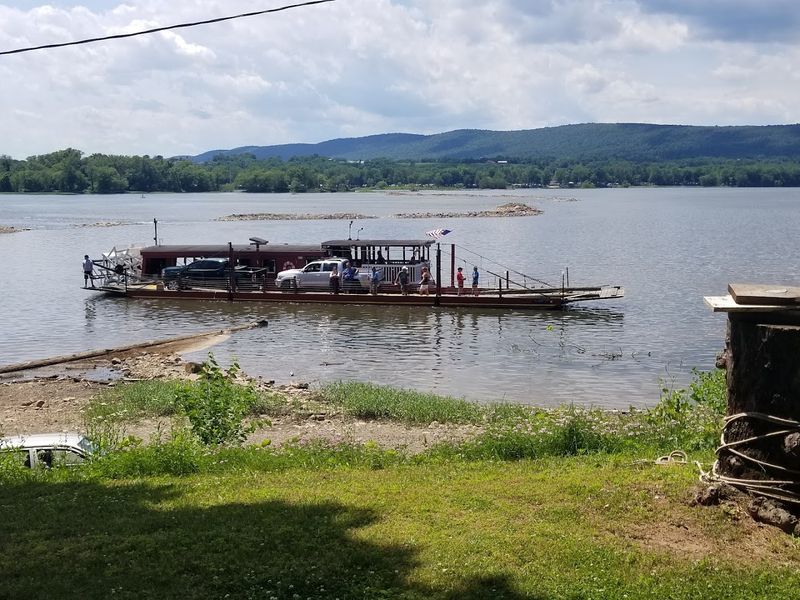
Bridges killed the ferry business. Starting in the early 1900s, steel spans began leaping across the Susquehanna, offering faster crossings that never closed for ice or flooding.
One by one, Pennsylvania’s ferries shut down, unable to compete with modern convenience. Dozens of operations that once thrived simply vanished.
Millersburg survived partly by luck—no bridge was ever built at this particular crossing, leaving the ferry without direct competition. But luck alone doesn’t explain 200 years of continuous operation.
Local communities recognized this ferry as something worth preserving, a tangible connection to their shared past.
Public support made the difference. When finances grew tight or equipment needed expensive repairs, residents rallied rather than letting their historic ferry die.
Today it’s protected as a cultural treasure, with both Pennsylvania officials and local organizations ensuring it stays operational. Being the absolute last ferry on the entire Susquehanna River gives it special status—proof that sometimes history survives not despite progress, but because people consciously choose preservation.
What You’ll Find on Both Sides of the Crossing

Riding the ferry is just the beginning. Millersburg’s Riverfront Park stretches along the eastern bank, offering picnic tables, walking trails, and perfect spots to watch ferries come and go.
Families spread blankets on the grass while kids chase each other near the water’s edge. It’s peaceful and genuinely charming.
History buffs can explore downtown Millersburg, where Victorian-era buildings house local shops and restaurants. The town embraces its ferry heritage, with historical markers explaining the crossing’s significance.
Across the river in Liverpool, trails wind through quieter landscapes perfect for afternoon walks.
Want to extend your visit? Little Buffalo State Park sits nearby, offering swimming, fishing, and hiking through Pennsylvania woodlands.
The Ned Smith Center for Nature and Art provides educational programs and nature trails. Many travelers turn their ferry trip into a full day adventure, combining the crossing with lunch in town and exploration of surrounding attractions.
This region rewards those willing to slow down and discover what rural Pennsylvania offers beyond highway exits.
Why Travelers Still Love It Today
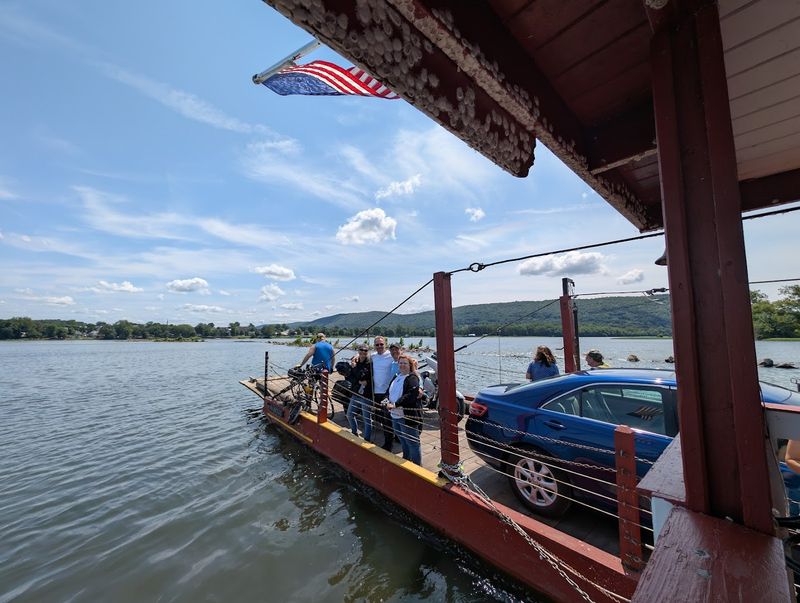
Nobody needs this ferry anymore—bridges upstream and downstream offer faster routes. Yet people keep coming, and they’re not coming because they have to.
They’re coming because they want to experience something increasingly rare: transportation that feels like an event rather than a chore.
There’s powerful nostalgia in riding a wooden ferry, especially for older visitors who remember when life moved slower. But younger travelers love it too, fascinated by authentic history they can touch and ride.
Social media fills with photos of the paddlewheels splashing, proof that even in our digital age, simple pleasures captivate.
Visitors consistently describe the experience as surprisingly memorable. The peaceful river journey, the mechanical beauty of working paddlewheels, the friendly captains sharing stories—it all combines into something genuinely special.
In a world of rushed commutes and efficient transportation, spending 20 minutes crossing a river on a wooden ferry feels almost rebellious, a deliberate rejection of hurry in favor of experiencing the journey itself.
What to Know Before You Go
Plan carefully—the ferry typically operates from May through October, but Mother Nature has veto power. Heavy rain, flooding, ice, or low water can shut down operations without much warning.
River conditions dictate everything, so always check current status before making the trip. Disappointed visitors who assume year-round service aren’t uncommon.
Weekends get busy, especially during peak summer months when tourists flood in. Arriving early, particularly on Saturday and Sunday mornings, prevents long waits.
The ferry carries limited vehicles per trip, and during popular times, you might wait through several crossings before boarding.
Bring cash—it’s the preferred and sometimes only accepted payment method. Operating hours vary by season, so verify the schedule beforehand rather than guessing.
If you’re riding as a pedestrian or cyclist, stay on deck during the crossing for the best views and photo opportunities. The whole experience is wonderfully old-fashioned, which means expecting modern conveniences might lead to disappointment.
Embrace the throwback vibe instead.