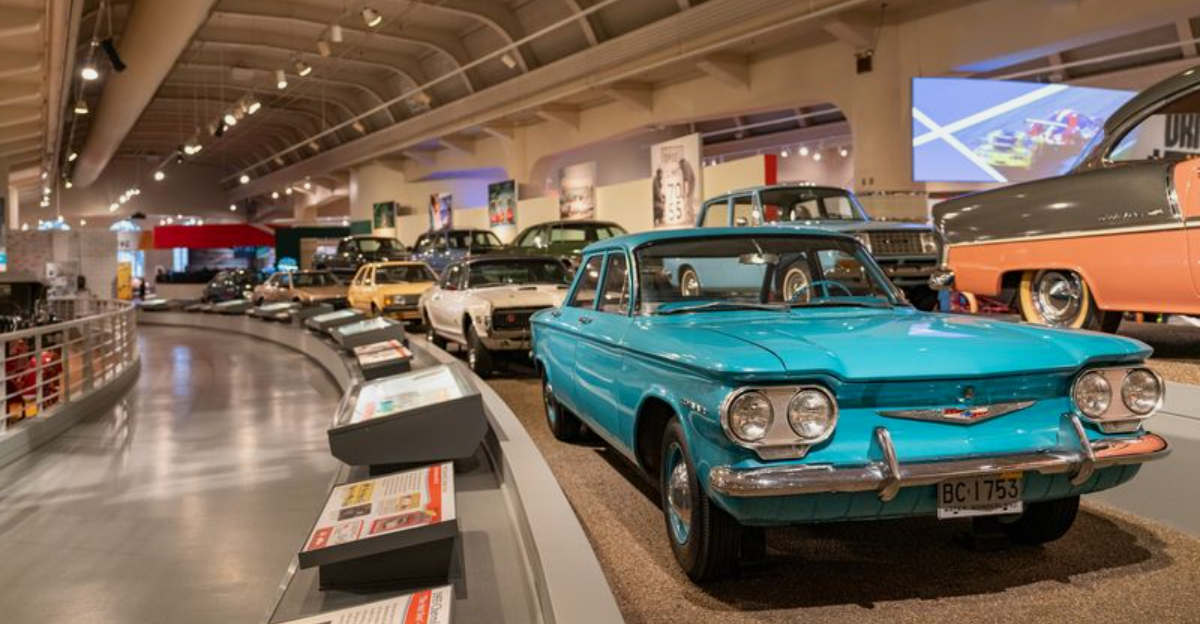
The scent of polished metal and old leather often lingers longer than expected in Michigan, especially in places where entire chapters of automotive history are preserved under wide industrial roofs and quiet museum lights. In some corners, you can trace the evolution of design through chrome-lined silhouettes; in others, you’ll find raw prototypes and working-class machines that once rolled off nearby assembly lines and shaped entire communities.
Across the state, Michigan car museums offer more than static displays—they capture the pulse of a place where the automobile isn’t just transportation, but identity, industry, and legacy. From carefully curated galleries in Detroit to unexpected regional collections filled with rare finds, each stop reveals a different layer of the state’s deep connection to the road.
This guide to Michigan car museums every auto enthusiast should visit at least once brings together standout locations where engineering, culture, and storytelling meet. Inside, you’ll discover where these machines live today, and why their stories still matter every mile forward.
Gilmore Car Museum
The first thing you notice is the quiet. Not museum quiet, but countryside quiet, where wind moves through the trees and the shine of old chrome feels almost theatrical against open green space.
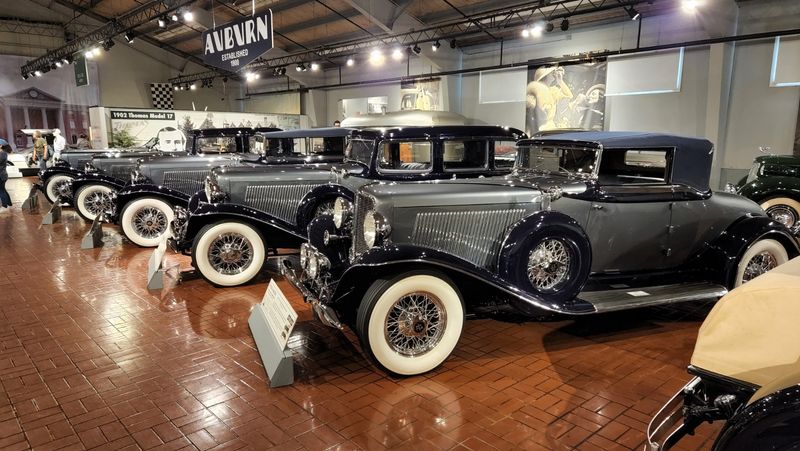
That sense of scale becomes the magic at the Gilmore Car Museum in Hickory Corners, where more than a single building unfolds across a vast campus. You can wander past marque-specific barns, peek into recreated dealerships, and stop for a burger and pie at the vintage diner without ever feeling rushed.
What stays with you is how naturally the place balances grandeur and intimacy. One moment you are looking at elegant prewar curves, the next you are walking a leafy path toward another gallery, hearing gravel underfoot and catching reflections in polished fenders.
It feels less like checking off exhibits and more like spending a full day inside the American car dream, stretched out under Michigan sky.
The Henry Ford Museum of American Innovation
History hits differently when it is framed by ambition. In galleries filled with machines that changed daily life, you get the feeling that the automobile was never just about movement, but about power, status, and the shape of modern America.
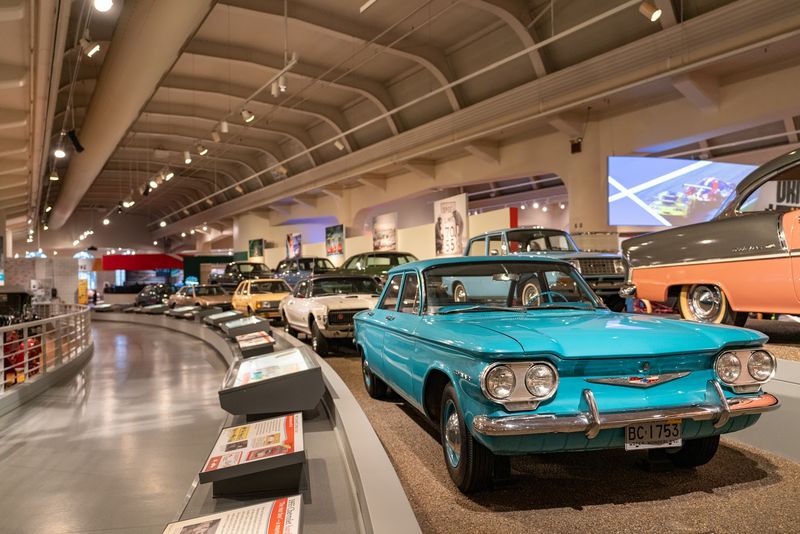
That is exactly what makes The Henry Ford Museum of American Innovation in Dearborn so compelling. The Driving America exhibit pulls you through eras of design and culture, from early vehicles to presidential limousines and race cars, with enough context to make every hood ornament and steering wheel feel significant.
I like how the museum lets the car sit inside a bigger national story. You might spend one minute studying engineering details and the next thinking about highways, labor, or the dreams attached to mobility.
It is expansive without feeling cold, and you leave with more than facts. You leave with a sharper sense of why cars mattered, and still do.
Ford Piquette Avenue Plant Museum
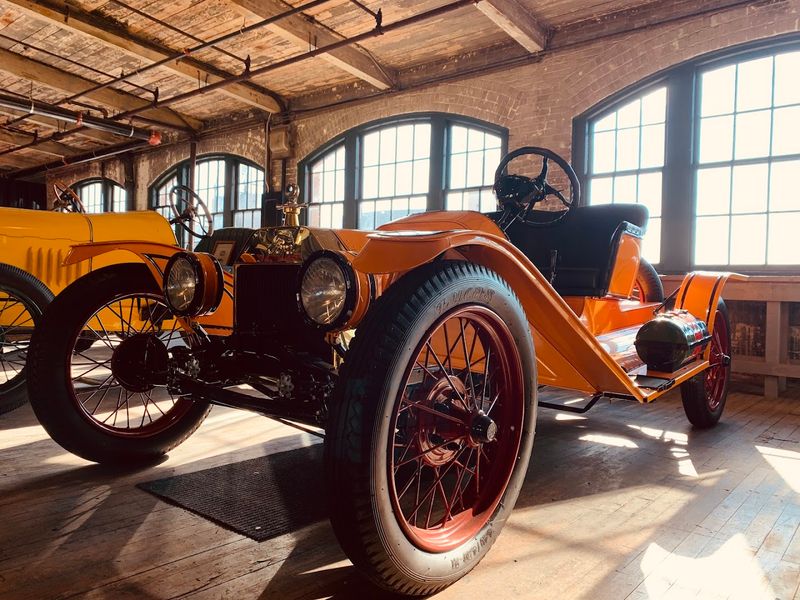
Wooden floors creak under your steps, and suddenly the past feels less polished than personal. Instead of a sleek museum set piece, you are inside a place where ideas once took shape in dust, noise, and hard industrial light.
At the Ford Piquette Avenue Plant Museum in Detroit, the atmosphere does most of the storytelling. This is where Henry Ford developed the Model T, and the preserved brick factory, old windows, and modest workspaces give the story a rare kind of texture.
You are not just looking at cars here. You are standing inside the building where one of the most consequential vehicles in history moved from concept toward reality, which makes every stairway and timber beam feel unexpectedly important.
Detroit has no shortage of automotive landmarks, but this one lands differently because it is so direct. The distance between invention and visitor feels incredibly small, and that closeness is what makes the experience memorable.
Automotive Hall of Fame
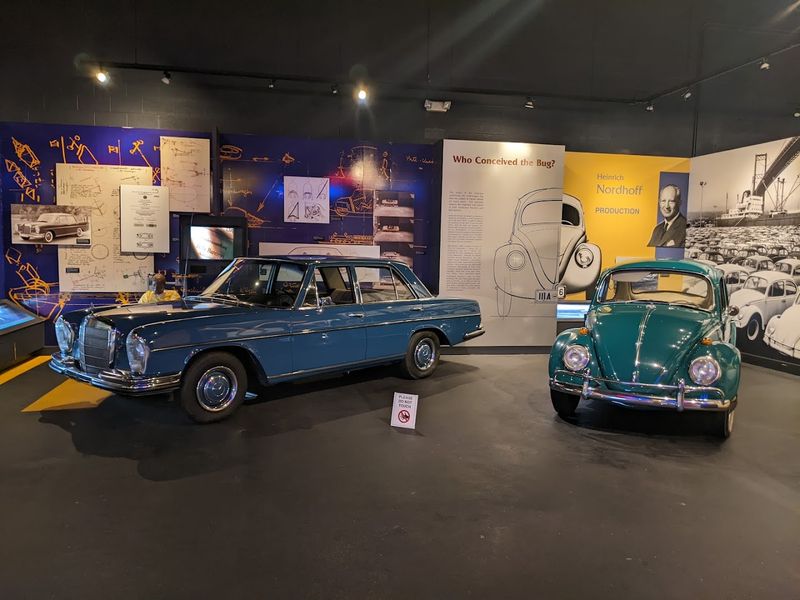
Not every automotive story begins with a roaring engine. Sometimes it starts with a designer’s sketch, a risky business decision, or an engineer stubborn enough to keep solving the same problem until the whole industry changes.
That human focus gives the Automotive Hall of Fame in Dearborn its distinct appeal. Alongside historic vehicles and rotating exhibits, the museum highlights the people behind the machines, from innovators and executives to racers and visionaries whose names shaped the road long before most visitors were born.
I find that perspective refreshing because it slows you down. Instead of moving from car to car in search of the flashiest silhouette, you start noticing the ideas, personalities, and cultural shifts that made those vehicles possible.
Its location near other major Dearborn attractions makes it an easy addition, but the experience stands on its own. You leave thinking less about horsepower and more about the minds, risks, and legacies that powered everything forward.
R.E. Olds Transportation Museum
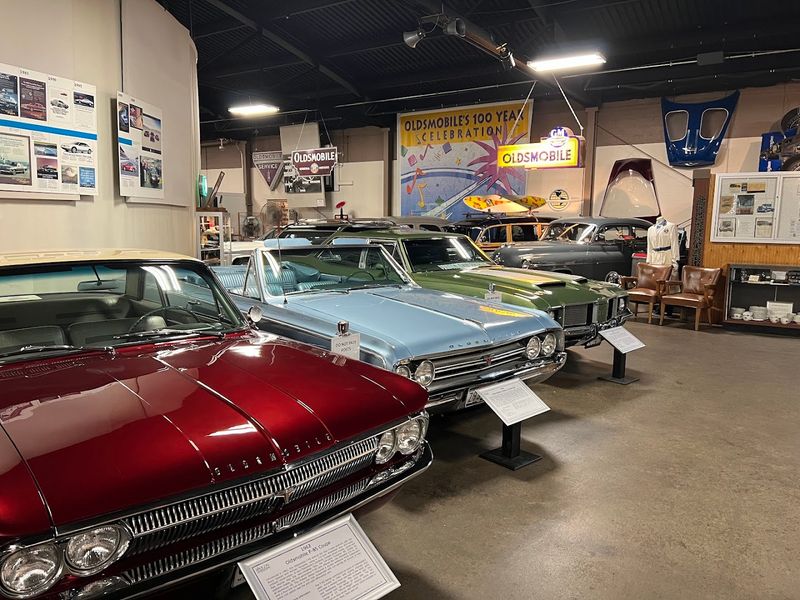
There is something deeply satisfying about finding a museum that feels rooted in one person’s vision rather than a broad sweep of history. The rooms feel more intimate, the details sharper, and the story easier to hold onto as you move.
That is the pleasure of visiting the R.E. Olds Transportation Museum in Lansing.
Dedicated to Ransom E. Olds and the legacy of Oldsmobile and REO, it brings Michigan’s early automotive era into focus with rare vehicles, period artifacts, and a sense of local pride that never feels forced.
You start to see Lansing not just as a dot on the map, but as a place where transportation history was actively being written. The museum’s scale works in its favor, letting you appreciate small things like badges, body lines, and the progression of ideas across decades.
It is especially rewarding if you like underappreciated pioneers. By the time you leave, Olds feels less like a name from history and more like a person worth remembering.
Ypsilanti Automotive Heritage Museum
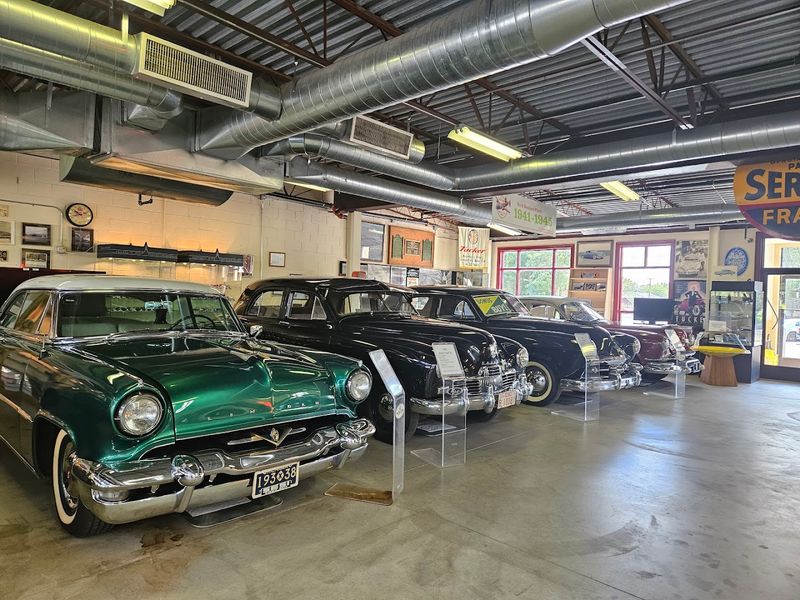
Some museums win you over with spectacle, and some do it with character. Here, the charm begins before you even settle into the exhibits, because the building itself feels tied to the story in a way newer spaces never can.
Inside a former Hudson dealership, the Ypsilanti Automotive Heritage Museum carries that sense of authenticity beautifully. In Ypsilanti, the collection moves through Hudson, Kaiser-Frazer, Tucker, Corvair, Hydra-Matic, and the region’s manufacturing legacy, creating a layered portrait of southeastern Michigan’s automotive identity.
I love places where local history feels personal rather than abstract, and this museum gets that right. Old signage, showroom energy, and the compact layout make it easy to imagine customers once walking in with big expectations and a practical eye.
Afterward, Cross Street is right there for a coffee or lunch, which adds to the experience. It feels like a museum woven into a town, not isolated from it, and that makes the visit especially memorable.
Pontiac Transportation Museum
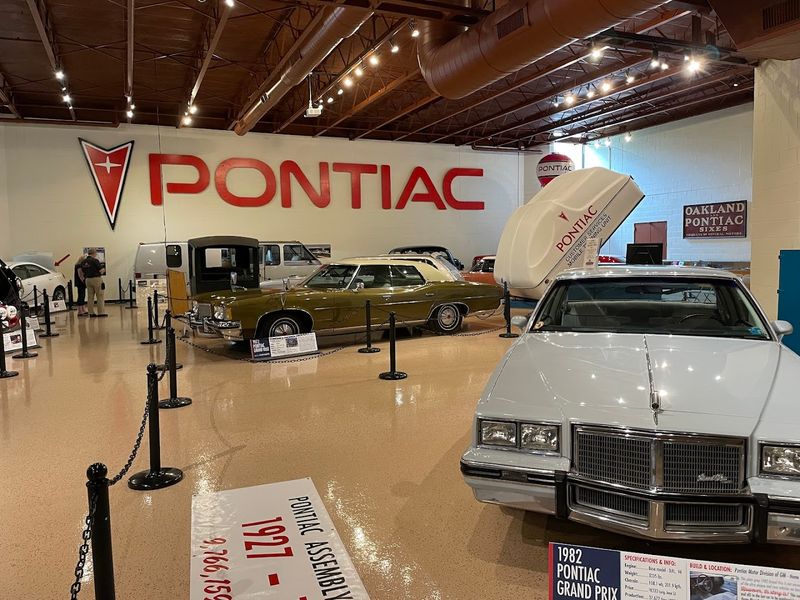
You can feel the city’s old industrial pulse in small details here, from the shape of the building to the pride attached to the name on the grille. Even before you read a single sign, the setting suggests a place that remembers what it built.
At the Pontiac Transportation Museum in Pontiac, that memory comes alive inside a restored historic service station. The exhibits spotlight classic Pontiac vehicles, local manufacturing history, and the workers and families who helped make this Oakland County city such an important automotive center.
The collection is not trying to overwhelm you. Instead, it invites you to look closely, whether at a muscular midcentury design, a badge with surprising elegance, or archival material that reconnects the brand to the community around it.
I appreciate how grounded the experience feels. You are not just admiring famous cars, you are stepping into a local story with real texture, and that human scale makes the museum worth the detour.
Stahls Motors and Music Experience
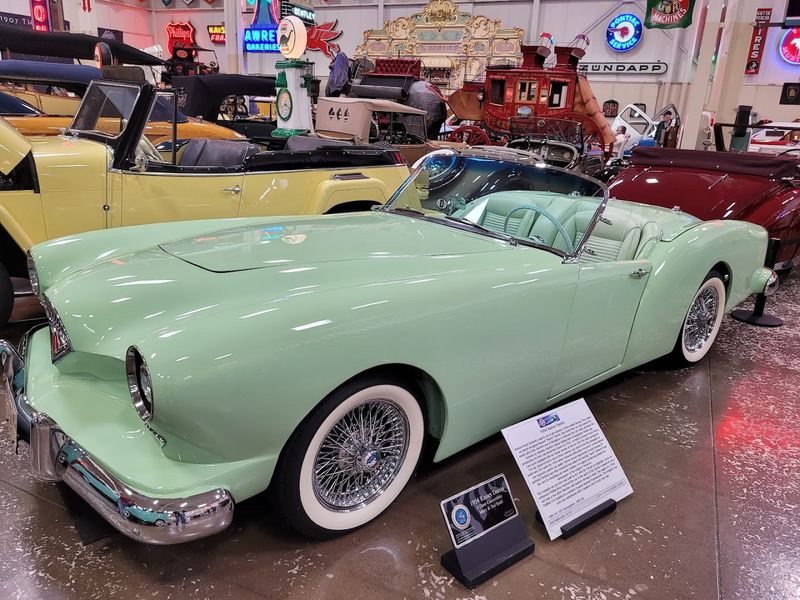
The surprise here is not just what you see, but what you hear. A visit can feel almost cinematic, with the glow of brass, the richness of polished wood, and mechanical music filling the room in a way that turns a car museum into something more atmospheric.
That unusual mix defines Stahls Motors and Music Experience in New Baltimore. Antique automobiles from the Brass Era and Classic Era share space with beautifully restored self-playing musical instruments, creating an environment where movement, craftsmanship, and entertainment all speak to one another.
You do not need to be an expert to enjoy it. The collection has a kind of elegant theatricality, and details like ornate dashboards or the sound of a vintage music machine make the visit feel multisensory rather than purely historical.
Because public hours can be limited, the trip takes a little planning, but that only adds to the feeling that you have discovered something special. It is distinctive, memorable, and unlike any other stop on this list.
Wills Sainte Claire Auto Museum
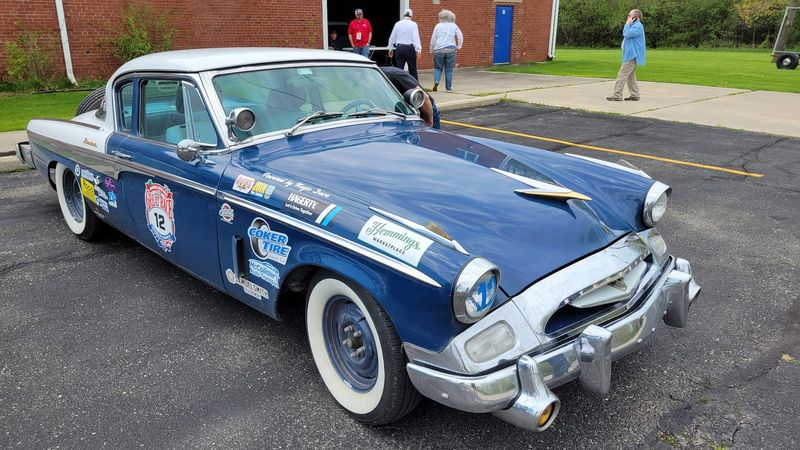
There is a certain pleasure in stepping into a museum devoted to a name many people barely recognize. Curiosity sharpens your attention, and every artifact feels like an invitation to rediscover a chapter of automotive history that almost slipped out of view.
That is exactly the mood at the Wills Sainte Claire Auto Museum in Marysville. Focused on C.
Harold Wills and the distinctive Wills Sainte Claire automobile, it houses the world’s largest collection of these vehicles and gives long overdue space to a fascinating, lesser-known Michigan story.
The cars themselves have a stately presence, but what impressed me most was the sense of conviction behind the brand. You begin to understand how personality, craftsmanship, and ambition can live on even when a company does not become a household name.
Marysville’s quiet setting only enhances the experience. Instead of spectacle, you get depth, and that makes the visit feel rewarding in a way bigger institutions sometimes cannot match.
Roush Automotive Collection
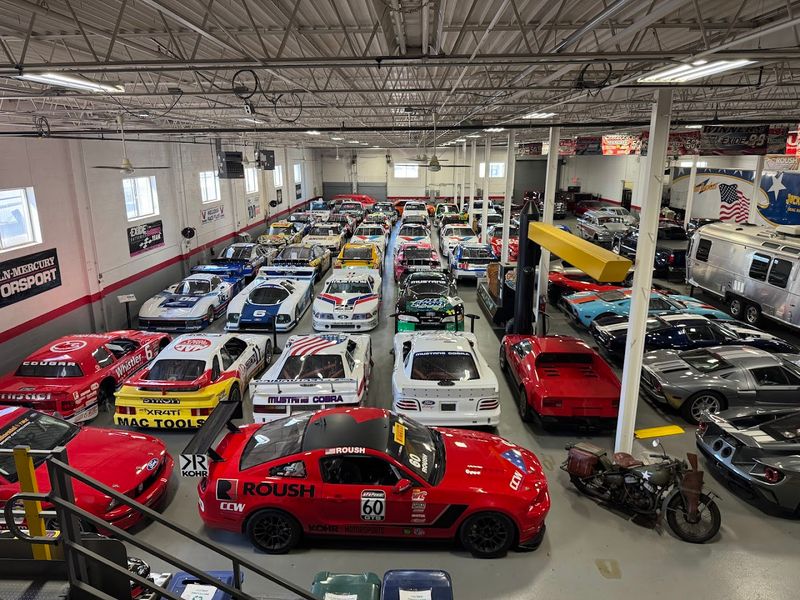
The mood shifts the moment you walk in. Instead of quiet nostalgia, there is an unmistakable performance edge, the kind of atmosphere that suggests speed, testing, competition, and the restless urge to make a machine faster than it was yesterday.
That spirit drives the Roush Automotive Collection in Livonia, where Jack Roush’s world of racing and engineering takes center stage. The displays include race cars, Mustangs, prototypes, and NASCAR history, all presented with the confidence of a place that knows motorsports fans will notice the details.
Even if you usually prefer prewar elegance or midcentury styling, this collection is a useful reminder that Michigan’s car story did not stop with manufacturing. Performance culture, innovation, and track-tested experimentation belong in the conversation too.
I especially like how direct the experience feels. You are not far from the energy of competition here, and that closeness makes the museum one of the best stops for anyone who loves the louder, faster side of automotive history.
Sloan Museum of Discovery (Buick Automotive Gallery)
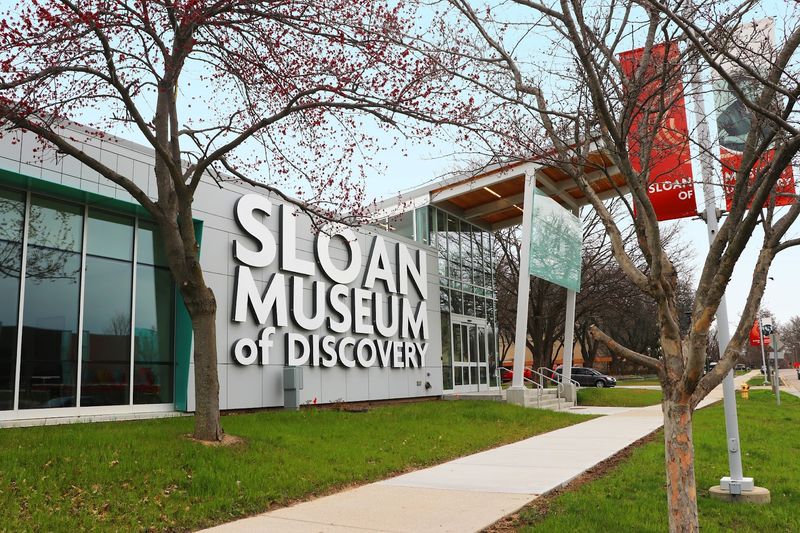
Flint carries a complicated American story, which is part of what makes its automotive history feel so powerful. When you stand in front of beautifully preserved vehicles here, you are also standing near decades of labor, pride, reinvention, and memory.
That context gives the Buick Automotive Gallery at the Sloan Museum of Discovery in Flint a depth that lingers. The displays highlight classic Buicks and the city’s pivotal role in General Motors history, connecting elegant cars to the people and industry that shaped the region.
I appreciate how the gallery works within a broader museum setting. It lets you move between automotive design and the larger civic story, so the vehicles feel less like isolated objects and more like part of a living, sometimes difficult, Michigan narrative.
There is beauty here, certainly, in the curves and chrome. But there is also perspective, and that combination makes this stop one of the most thoughtful and emotionally resonant on the list.
Lincoln Motor Car Heritage Museum
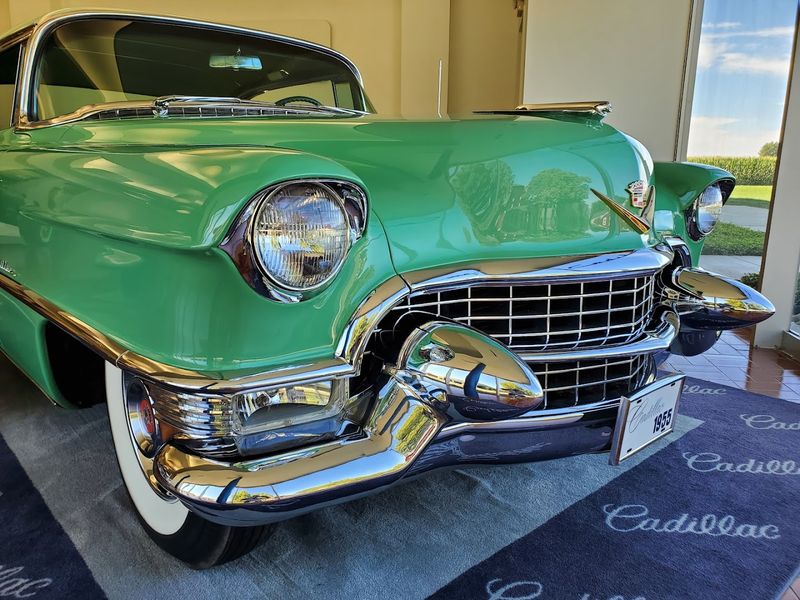
Luxury leaves a different kind of impression when it has aged well. The long hoods, restrained ornament, and deep paint colors suggest a confidence that does not need to shout, which makes this collection feel calm, refined, and a little transporting.
Located on the Gilmore campus in Hickory Corners, the Lincoln Motor Car Heritage Museum traces the story of one of America’s most distinctive luxury brands. The galleries span more than a century of Lincoln design, from early models to later expressions of elegance, prestige, and quiet innovation.
What I enjoy most is the change in mood from one museum building to another. Here, the pacing feels slower, and you find yourself looking at trim details, interiors, and proportions that reveal how luxury was communicated long before touchscreens and digital dashboards.
If you already plan to visit Gilmore, this is an easy addition. Yet it never feels like an afterthought, because Lincoln’s design language gives the experience its own graceful identity.