In Massachusetts, polished chrome often sits just a few steps away from centuries-old brickwork, salt-kissed coastal air, and gallery halls where history feels carefully staged rather than simply displayed. Some vehicles rest in grand museum spaces, others in quieter regional collections, but all of them seem to carry traces of the roads, factories, and ideas that once shaped New England’s industrial rise.
Across the state, Massachusetts car museums offer more than a look at automotive design—they create layered encounters where engineering, craftsmanship, and regional identity meet. From Cape Cod galleries to historic estates and museums rooted in local innovation, each stop reveals how deeply cars are tied to the way people lived, traveled, and imagined progress.
This guide to these Massachusetts car museums showcasing automotive history in style highlights standout places where that connection is still visible today. Inside, you’ll discover 9 destinations where classic cars feel less like exhibits and more like stories paused in time, waiting to be explored.
Larz Anderson Auto Museum
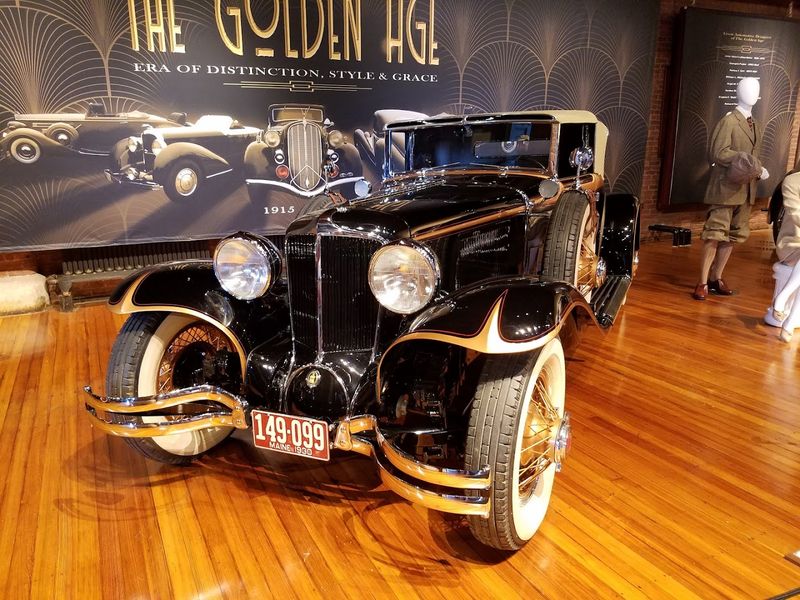
The first thing you notice is the hush – that museum kind of quiet where polished metal seems to hold its breath. Light slips across brass lamps, curved fenders, and wooden wheels, making every car feel less like an object and more like a survivor.
Even if you do not usually linger around engines, the mood pulls you in.
That atmosphere defines the Larz Anderson Auto Museum in Brookline, where one of America’s oldest car collections lives inside a former carriage house. You move through an era when automobiles still looked experimental, elegant, and slightly daring.
The setting itself adds texture, with lawns outside and historic architecture framing the collection.
What stays with you is how personal it feels. These early machines are not just milestones in design – they suggest weekend drives, social rituals, and changing ideas of freedom.
By the end, automotive history feels surprisingly intimate.
Heritage Museums & Gardens
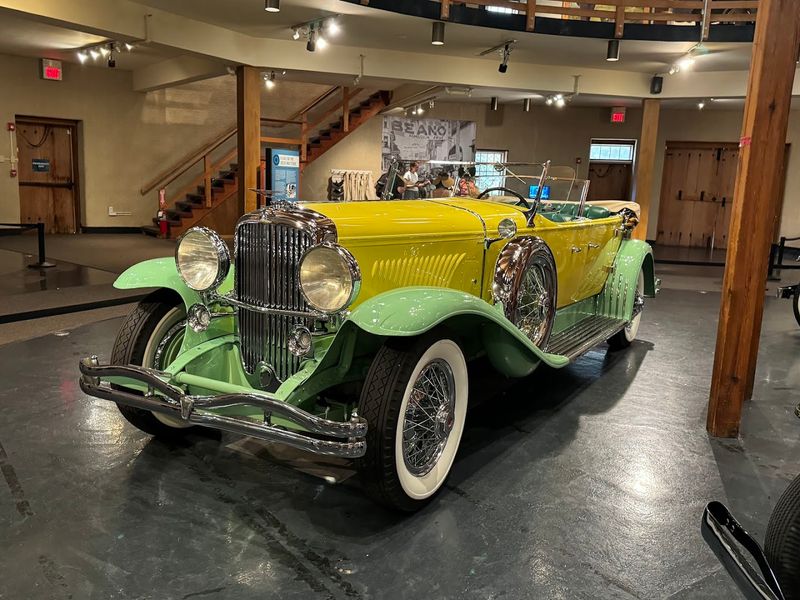
There is something unexpectedly cinematic about seeing a graceful old touring car after walking through gardens. One moment you are surrounded by flowers and Cape Cod light, and the next you are face to face with lacquered wood, sweeping coachwork, and the kind of luxury that once defined the open road.
The contrast makes everything sharper.
At Heritage Museums & Gardens in Sandwich, the automotive collection feels carefully staged rather than crowded. The galleries trace a path from brass-era machines to later classics, showing how style and engineering matured together.
You can sense the optimism of each period in the details, from gleaming radiators to upholstered cabins built for leisurely travel.
What makes this stop memorable is the rhythm of the visit. You are not only looking at cars – you are moving between artful displays, garden paths, and the slower pace of Cape Cod.
That combination gives the collection unusual depth and warmth.
J.K. Lilly III Automobile Gallery
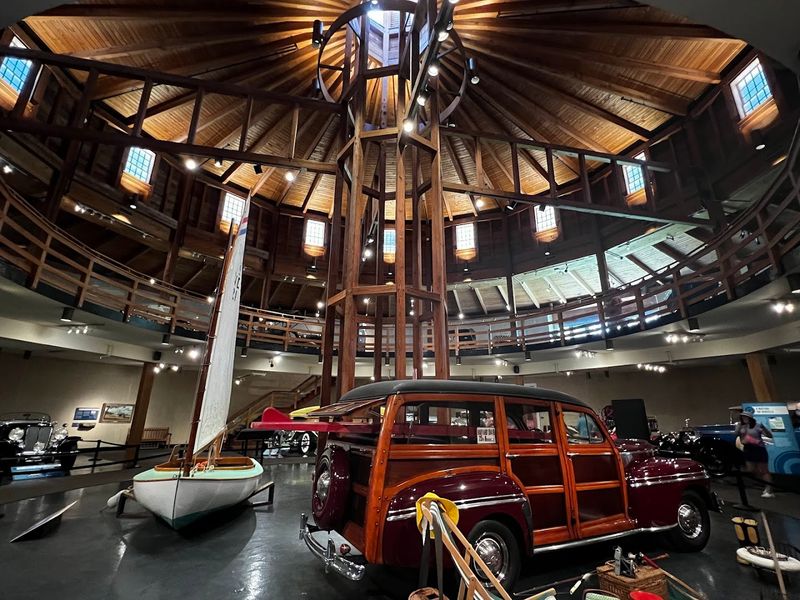
Soft gallery lighting can make chrome look almost liquid, and here it turns every curve into sculpture. You find yourself noticing details that would disappear in a parking lot – a hood ornament, a stitched seat, the disciplined line of a fender.
It feels more like walking through a design exhibition than a room full of vehicles.
Inside Heritage Museums & Gardens in Sandwich, the J.K. Lilly III Automobile Gallery narrows the focus to especially distinguished cars.
The collection highlights rare and historically important automobiles with the kind of spacing that lets each one breathe. Instead of rushing past, you naturally slow down and study how luxury, ambition, and innovation once traveled together.
There is also a satisfying sense of scale. The room never overwhelms you, yet it leaves plenty to consider, from craftsmanship to social history.
If you like museums that reward close looking, this gallery offers a polished, thoughtful experience.
American Heritage Museum
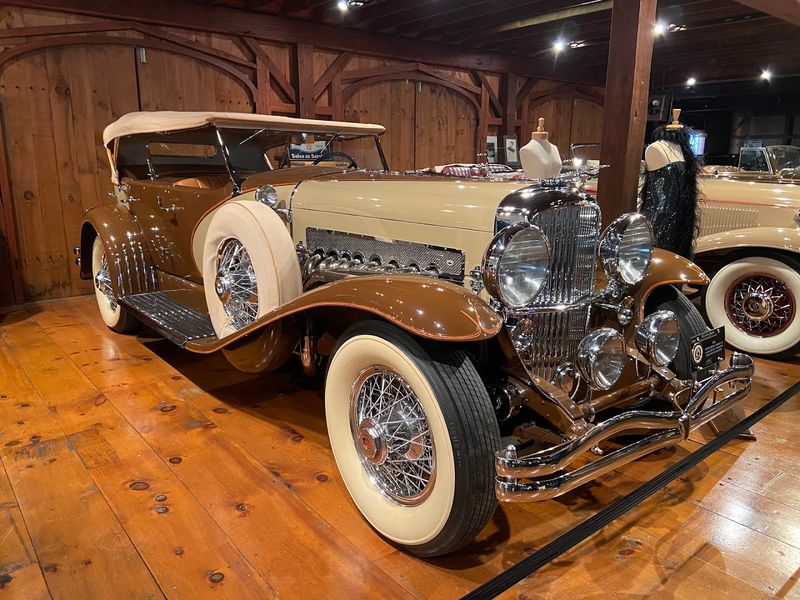
The mood shifts the moment you step inside. Instead of quiet elegance alone, there is weight here – steel, machinery, and the feeling that transportation once carried the stakes of war, survival, and national identity.
It is a place where movement is tied to history on a much larger scale.
At the American Heritage Museum in Hudson, automotive stories sit alongside military vehicles, tanks, and transport exhibits. That wider lens changes how you see each machine, especially when engineering is shown not just as style but as problem solving under pressure.
The collection connects civilian innovation to wartime necessity in a way that feels grounded and immediate.
You leave with more than a list of vehicles in your head. A truck, an armored car, or a transport display suddenly becomes part of a human story about logistics, invention, and endurance.
For anyone curious about how machines shape history, it is deeply absorbing.
Toad Hall Classic Car Museum
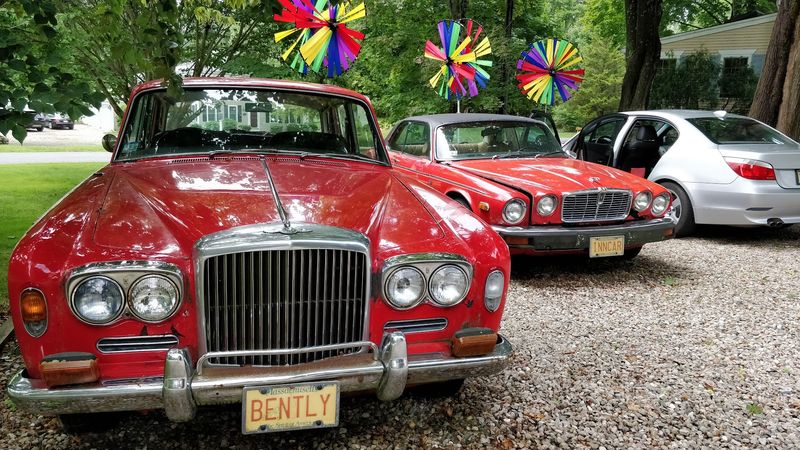
Some collections feel formal, and some feel like a conversation with a lifelong enthusiast. This one leans toward the second kind, where the charm comes from variety, personality, and the sense that every car was chosen with affection.
You are not just scanning labels – you are absorbing taste.
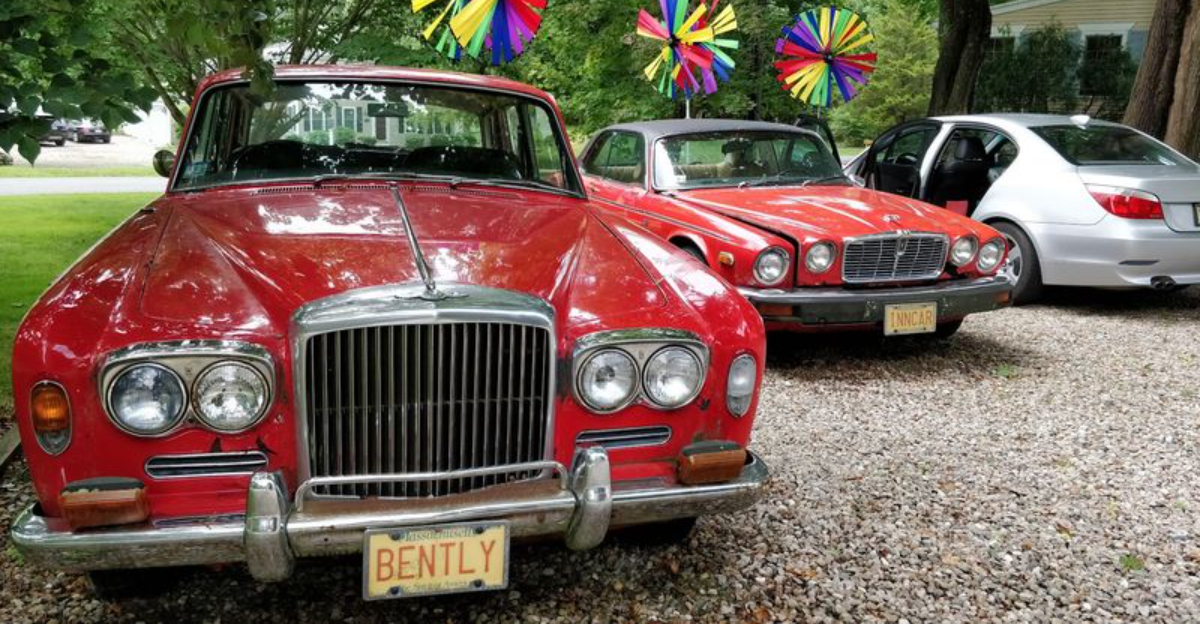
That spirit shapes Toad Hall Classic Car Museum in Hyannis, where British, American, and European classics share space in an intimate setting. The scale makes it easy to compare the personalities of different eras and countries, from compact roadsters to stately cruisers.
On Cape Cod, that cosmopolitan mix feels especially unexpected and enjoyable.
It is also the kind of stop that pairs well with a day in town. After the museum, you can head toward the harbor, grab seafood nearby, and keep the nostalgic mood going.
The experience feels personal, slightly off the beaten path, and easy to remember.
Charles River Museum of Industry & Innovation
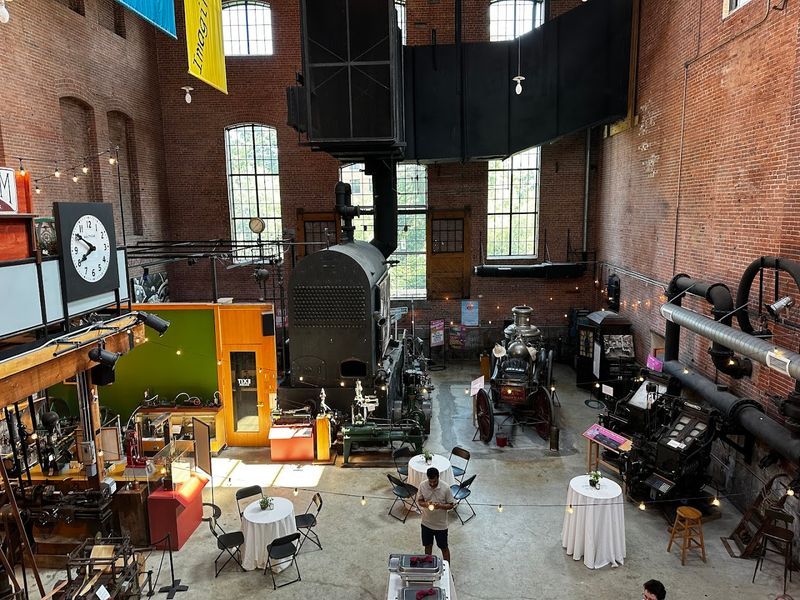
Brick walls, iron machinery, and the hum of industrial imagination give the Charles River Museum of Industry & Innovation a distinct atmosphere that feels closer to a working factory than a traditional exhibition space. Housed in the historic 1813 Boston Manufacturing Company mill in Waltham, the museum connects directly to the roots of American industrialization, where ideas about mass production, precision engineering, and mechanized movement first took shape.
While not a traditional car museum, it holds an important place in automotive history through its exhibits on early mechanized transportation, including connections to Waltham’s watchmakers, bicycle innovators, and early automobile experimentation such as the Metz automobile.
Walking through the space, you feel how invention builds on itself—textile machines, gears, and workshop tools forming the foundation for later mobility breakthroughs. Instead of polished showrooms, you get raw industrial texture, where every artifact feels like part of a larger story about movement becoming modern life.
It’s a museum where transportation history isn’t isolated—it’s embedded in the very walls that helped create it.
Museum of Springfield History
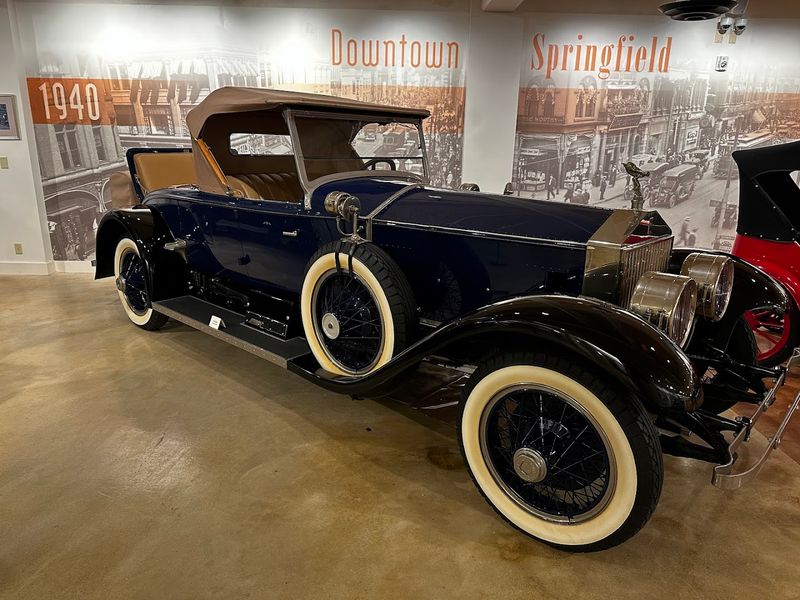
The Lyman and Merrie Wood Museum of Springfield History in Springfield is less a traditional “car museum” and more a deep, layered portrait of how transportation shaped an entire region. Inside the Springfield Museums complex, the Automobile Gallery anchors the story with early American milestones like the 1893 Duryea—the first successful gasoline-powered automobile built in the United States—alongside rare Knox, Stevens-Duryea, Atlas, and Springfield-built Rolls-Royce models.
What makes the experience stand out is context. These vehicles are not isolated showpieces; they sit within a broader narrative of manufacturing, innovation, and identity in the Connecticut River Valley.
Springfield’s role as a hub of precision industry—home to Indian Motorcycles, firearms production, and pioneering engineering firms—adds weight to every exhibit.
Walking through the museum, you don’t just see automotive evolution—you see how a city learned to build movement itself. From experimental early engines to refined luxury roadsters, the collection reflects ambition taking shape in metal and machinery.
It’s a place where transportation history feels grounded, local, and deeply human, rather than distant or purely mechanical.
Framingham History Center
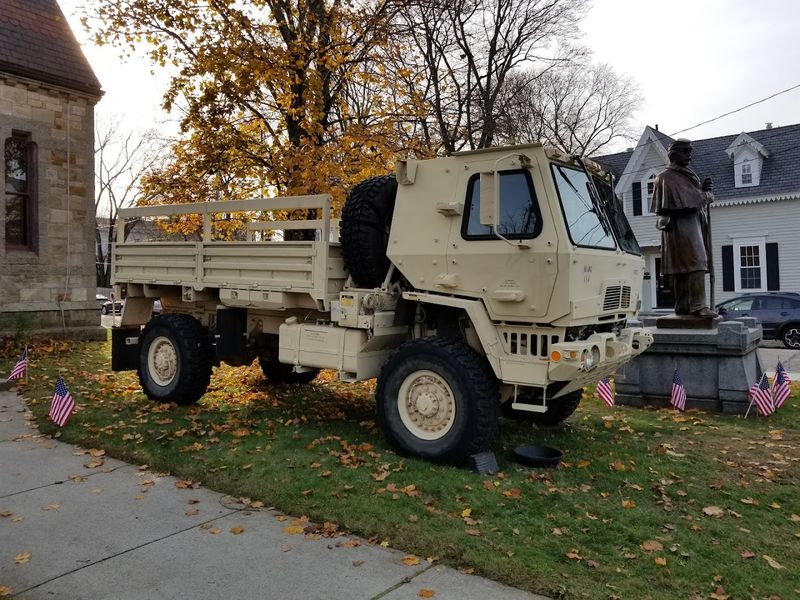
The Framingham History Center in Framingham, Massachusetts is not a traditional car museum, but it offers a compelling look at how the automobile reshaped everyday life in one of the state’s most important suburban corridors. Housed in historic buildings in Framingham Centre, the museum uses photographs, artifacts, and local archives to trace how transportation transformed the town from a rural crossroads into a bustling suburban hub. (framinghamhistory.org)
Rather than displaying cars as isolated objects, the exhibits focus on how mobility changed patterns of living—especially along Route 9, where roadside commerce, shopping plazas, and commuter culture emerged in the 20th century. The arrival of the automobile influenced everything from family routines to the development of new neighborhoods and business districts.
Walking through the museum, you see how cars quietly rewired daily life in Massachusetts, shifting the rhythm of work, leisure, and travel. It is less about horsepower and design, and more about human experience—how the rise of the automobile helped shape modern suburban identity in New England.
Waltham Museum
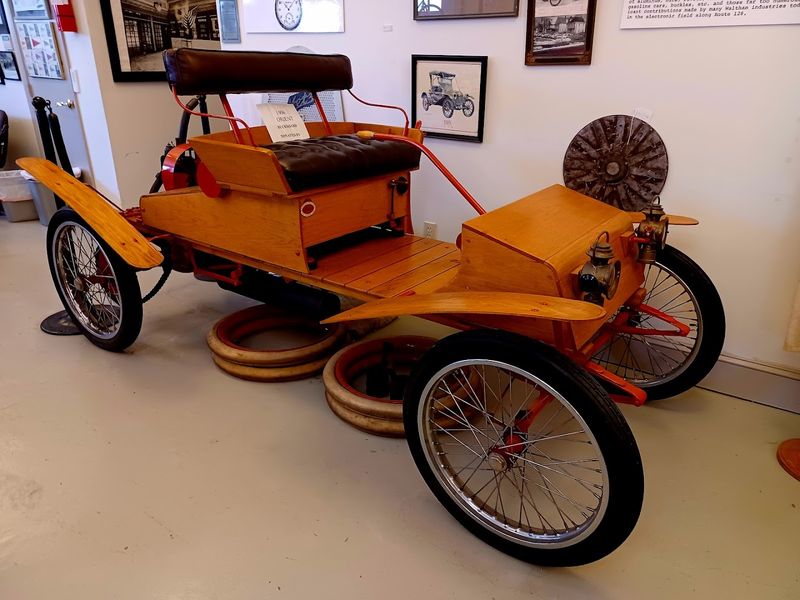
The Waltham Museum in Waltham, Massachusetts is a small but deeply layered local history institution that captures how one city helped shape American industry and innovation. Located at 25 Lexington Street, it preserves artifacts, photographs, and machinery that tell the story of Waltham’s transformation from a rural settlement into a powerhouse of manufacturing during the Industrial Revolution. (walthammuseum.org)
While not a traditional automotive museum, it holds an important place in transportation history through its coverage of the Waltham Watch Company, early bicycles, and the Metz automobile era—when Waltham-based engineers experimented with some of the earliest American motor vehicles. (walthammuseum.org)
Inside, exhibits emphasize how precision manufacturing and mechanical innovation evolved across generations, from watchmaking tools to early automotive engineering. This context helps visitors understand how transportation technology didn’t appear suddenly—it grew out of factories, workshops, and ambitious local inventors.
Rather than focusing on polished showroom vehicles, the museum highlights the human and industrial foundations behind mobility, making it a meaningful stop for anyone interested in how cars and engineering history developed in New England.