
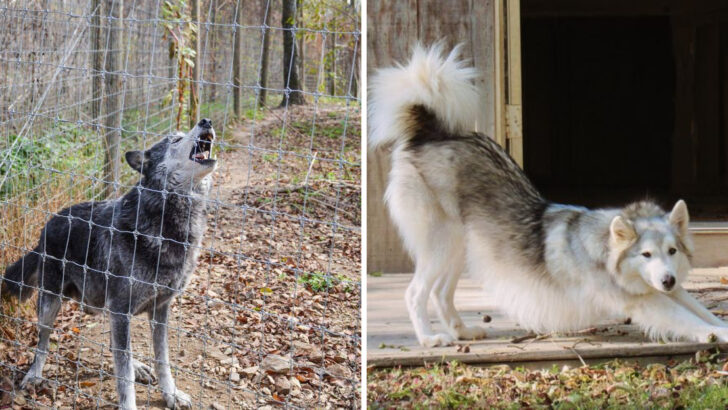
Hidden in the rolling countryside of Lancaster County sits a place where wolves roam through forests and visitors can experience these magnificent animals like nowhere else in the region.
The Wolf Sanctuary of PA rescues gray wolves and wolf-dogs that need a safe home, giving people a rare chance to see them up close while learning the truth about these misunderstood creatures.
Every visit supports the animals while teaching guests why wolves matter to nature and why the scary stories about them are mostly wrong.
Whether you hear them howl under a full moon or watch pack members interact through the trees, this sanctuary offers an unforgettable experience that changes how you see one of nature’s most fascinating predators.
A Rescue Sanctuary Dedicated to Wolves
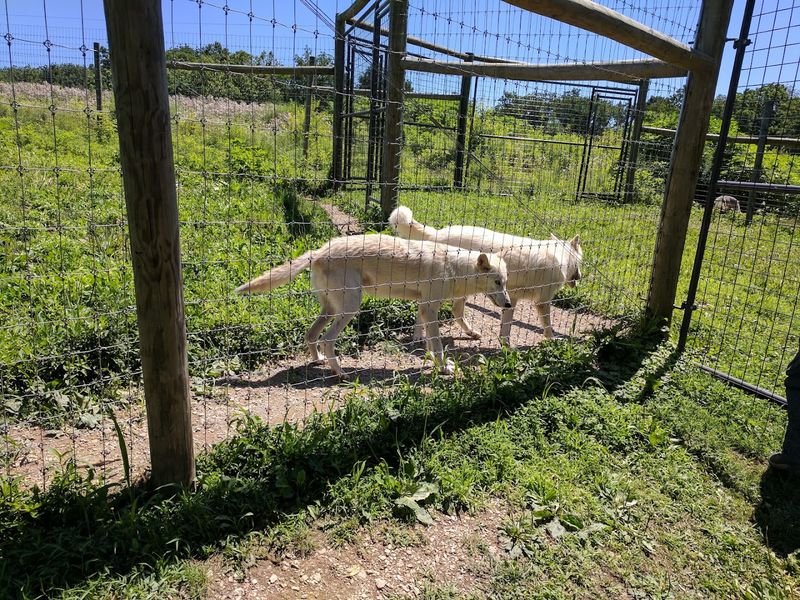
Most people never get to see wolves outside of television, but the Wolf Sanctuary of PA changes that through its important rescue work. This nonprofit organization provides permanent homes for gray wolves and wolf-dogs that cannot return to the wild or survive on their own.
Some animals arrive from failed breeding programs, while others come from owners who realized these creatures need more than a backyard can offer.
The sanctuary refuses to treat wolves as entertainment or attractions. Instead, every decision focuses on what benefits the animals first.
Staff members create environments where wolves can exhibit natural behaviors, form pack bonds, and live with dignity.
Education drives the mission just as much as rescue does. Visitors learn that conservation means protecting both the animals at the sanctuary and their wild relatives.
The goal is helping people understand that wolves deserve respect and protection, not fear. Through tours and programs, the sanctuary works to shift public perception while giving rescued animals the peaceful life they deserve for their remaining years.
Why the Encounters Feel So Unique
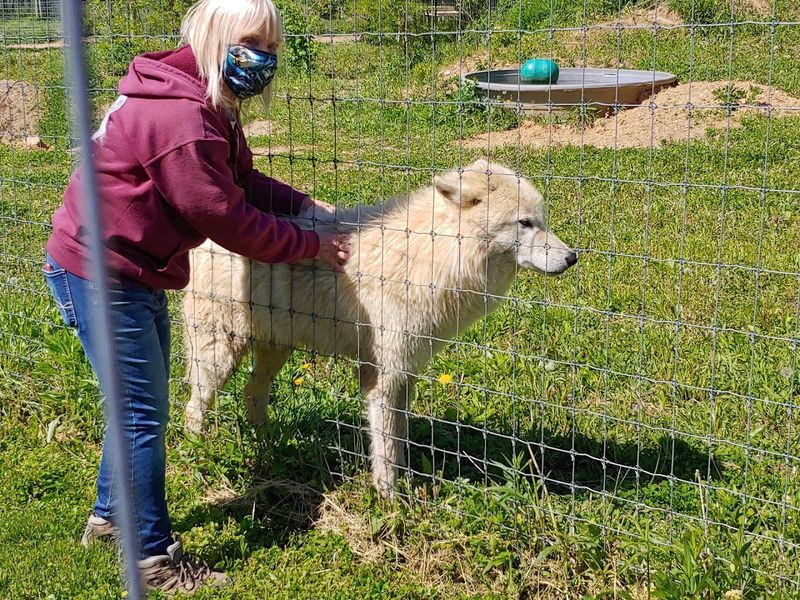
Forget small cages and concrete floors. Guided tours at this sanctuary lead visitors along woodland paths to large, naturalistic enclosures where wolves live in conditions that mirror their needs.
The viewing areas allow surprisingly close encounters without barriers that block your view or interrupt the experience.
Wolves behave differently here than in traditional zoos. You might watch pack members communicate through body language, play with each other, or simply rest under the shade of trees.
The peaceful forest setting makes observation feel respectful rather than intrusive, and the animals appear comfortable in their surroundings.
What makes this special is the emphasis on natural behavior rather than performance. Wolves are not trained to do tricks or encouraged to interact with crowds.
Instead, visitors quietly observe real wolf behavior in spacious habitats. Many guests say the experience feels more authentic than other wildlife encounters because the focus stays on the animals living their lives naturally.
The sanctuary’s approach creates meaningful connections between people and wolves without compromising animal welfare or turning them into spectacles for entertainment purposes.
Meet the Resident Wolf Packs
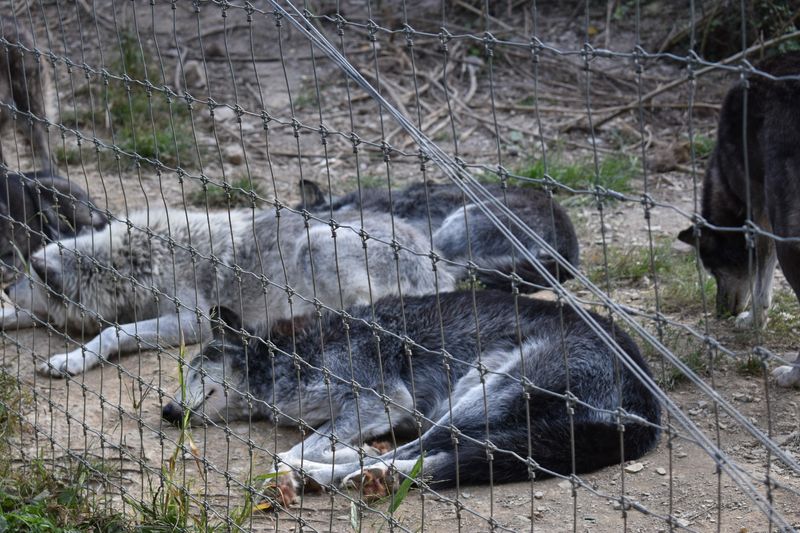
Over 50 rescued gray wolves and wolf-dogs call this sanctuary home, and each one has a unique backstory that brought them here. Some were bred in captivity and never learned survival skills.
Others came from situations where owners underestimated what caring for these animals truly requires. Each resident receives a second chance at a better life.
The sanctuary houses animals in pack groupings when possible because wolves are social creatures. Knowledgeable guides introduce visitors to different packs during tours, sharing individual personalities and histories.
You might meet a shy wolf who prefers watching from a distance or a curious one who approaches the fence to investigate visitors.
Learning each wolf’s story helps people understand why private ownership rarely works and why breeding programs must follow strict ethical guidelines. The emotional connection formed during these introductions often becomes the most memorable part of any visit.
Guests leave with new appreciation for how complex and intelligent these animals are, and many return specifically to check on wolves they met during previous visits and see how pack dynamics have evolved.
Learn the Truth About Wolves
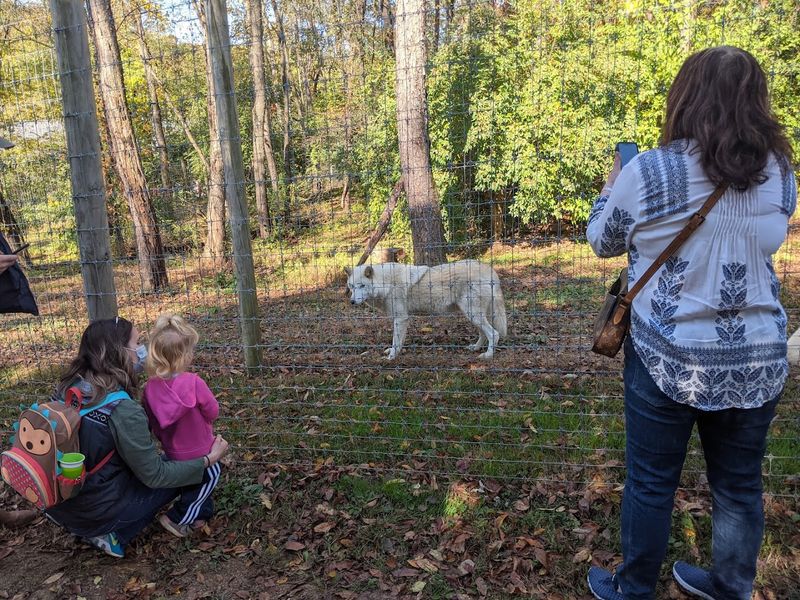
Fairy tales painted wolves as villains, but reality tells a completely different story. Every tour includes detailed education about wolf biology, pack structures, communication methods, and their crucial role in maintaining healthy ecosystems.
Guides explain how wolves use body language, vocalizations, and scent marking to communicate complex information to pack members.
You will discover that wolves rarely threaten humans and attacks are extraordinarily rare. Most wolves actively avoid people when possible.
The sanctuary addresses common misconceptions head-on, replacing fear-based myths with science-backed facts. Lessons cover hunting strategies, parenting behaviors, territorial habits, and how removing wolves from ecosystems often causes environmental problems.
Understanding pack hierarchy becomes fascinating when guides explain the real dynamics versus outdated alpha wolf theories. Modern research shows wolf societies operate more cooperatively than previously believed.
Visitors also learn about current conservation challenges wolves face, including habitat loss and human-wildlife conflict. The educational component transforms a simple animal viewing experience into something that might change how you think about predators, wilderness management, and your own relationship with nature for years to come.
Walk Through an 80-Acre Woodland Habitat
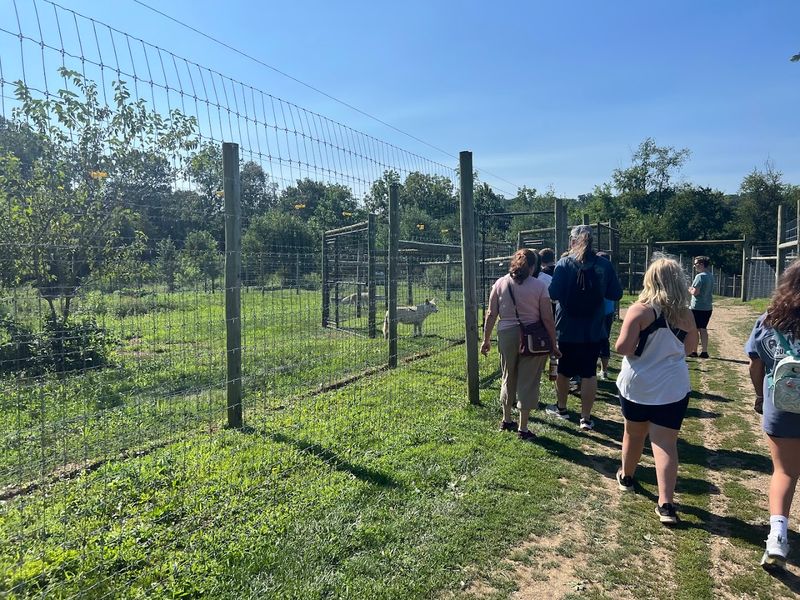
The sanctuary sprawls across more than 80 acres of beautiful Lancaster County forestland, giving rescued wolves room to roam in habitats that feel authentic. Tall trees provide shade, natural vegetation covers the ground, and enclosures span large enough areas that wolves can move freely and establish territories.
This setup contrasts sharply with cramped zoo exhibits.
Visitors walk outdoor trails that wind from one enclosure to the next throughout the property. The journey itself becomes part of the experience as you move through Pennsylvania woodland while anticipating the next wolf encounter.
Fresh air, bird songs, and rustling leaves create an immersive atmosphere that makes the visit feel like an adventure rather than a simple facility tour.
The naturalistic setting benefits both animals and guests. Wolves can engage in behaviors like patrolling territory, finding shaded rest spots, or moving between different areas within their spaces.
Meanwhile, visitors experience wildlife viewing in a context that feels respectful and appropriate. The property size ensures that even with multiple packs in residence, each group maintains adequate space without overcrowding or stress from constant human presence disrupting their daily routines and natural rhythms.
Special Tours That Make the Experience Even Better
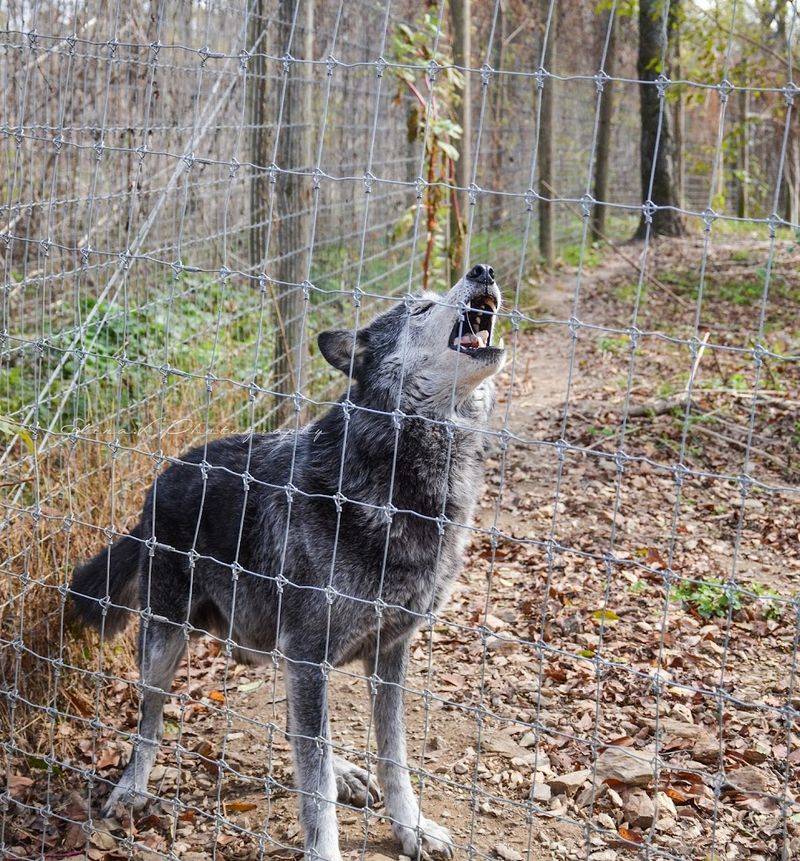
Standard guided tours provide excellent experiences, but the sanctuary offers several special options that elevate your visit. Public guided tours run regularly and suit most visitors perfectly.
However, private tours allow smaller groups to ask more questions and spend extra time observing particular packs that interest them most.
Self-guided Saturdays, when available, let experienced visitors explore at their own pace after attending previous guided tours. Photography enthusiasts appreciate designated photo opportunities that provide optimal lighting and viewing angles while respecting animal welfare.
Serious photographers should check current lens restrictions before bringing professional equipment to ensure compliance with sanctuary policies.
Full Moon Tours rank among the most popular special offerings. These evening experiences let guests walk the grounds after sunset while wolves become more vocal and active.
Hearing multiple packs howl together under moonlight creates an unforgettable moment that connects visitors to something primal and ancient. The haunting chorus echoing through dark forests reminds people why wolves have captured human imagination for thousands of years.
These special tours fill quickly, so advance reservations become essential for anyone wanting to experience the sanctuary beyond standard daytime visits and create lasting memories.
Conservation Happens Beyond the Fences
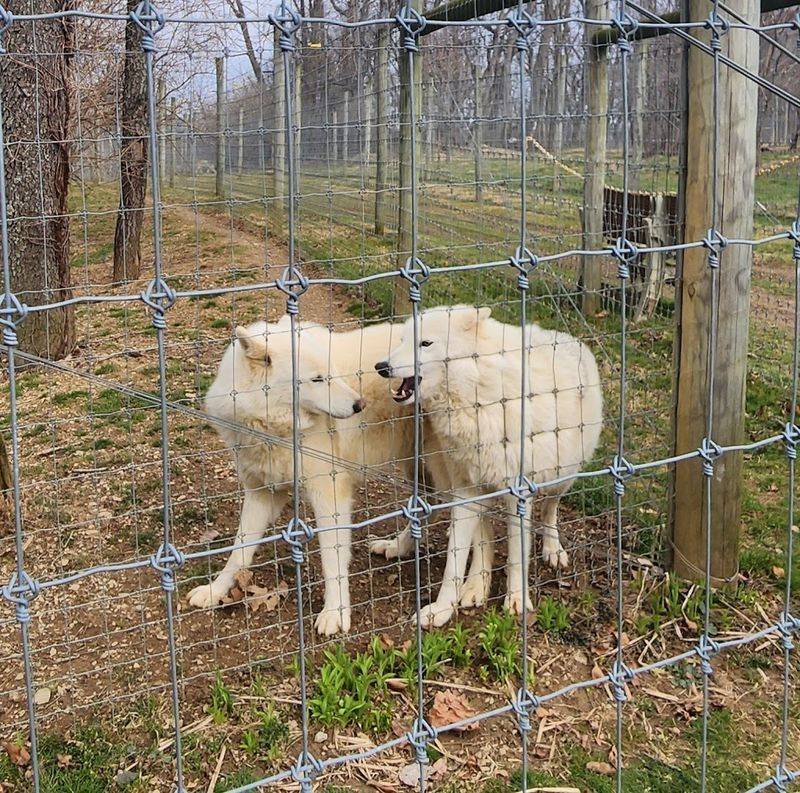
Running a sanctuary requires substantial funding for food, veterinary care, facility maintenance, enrichment activities, and staff. The Wolf Sanctuary of PA operates as a nonprofit, meaning admission fees and donations directly support rescued animals.
Every dollar spent here contributes to giving wolves better lives and rescuing additional animals in need.
Memberships offer benefits like unlimited visits while providing steady financial support throughout the year. Symbolic wolf adoptions let people sponsor specific animals, receiving updates and photos showing how their contributions help.
The gift shop sells merchandise with proceeds funding operations, so souvenir purchases become mini-donations supporting the mission.
Volunteer opportunities allow supporters to contribute time and labor. Conservation efforts extend beyond the property through educational outreach programs that teach communities about coexisting with wildlife.
By visiting, donating, or volunteering, people become part of something larger than themselves. The sanctuary demonstrates that small actions accumulate into significant impact when many people participate.
Supporting this organization means standing up for animals that cannot advocate for themselves while promoting science-based wildlife management and challenging harmful stereotypes that have threatened wolf populations for generations across North America and beyond.
A Great Stop During a Lancaster County Getaway
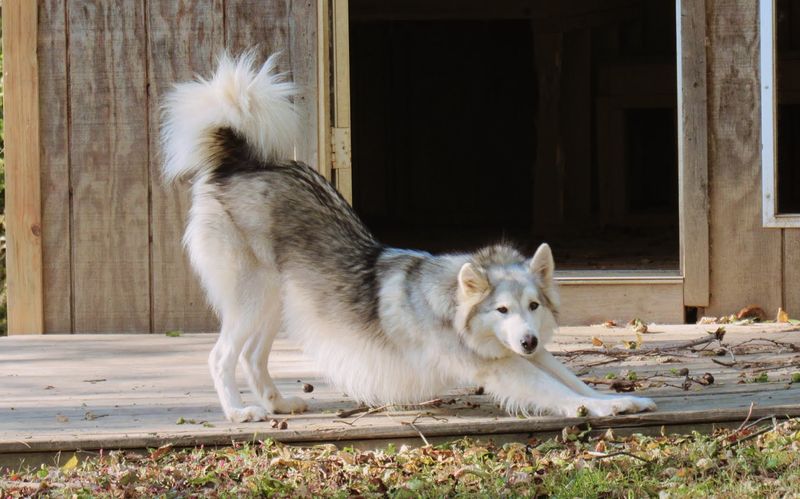
The sanctuary sits in Lancaster County, an area famous for Amish culture, covered bridges, farmers markets, and scenic countryside. Lititz itself charms visitors with historic architecture, chocolate factory tours, and quaint downtown shops.
Adding the wolf sanctuary to your itinerary creates perfect balance between cultural attractions and wildlife experiences.
The rural location means peaceful surroundings without urban noise or crowds. You can easily spend a morning with wolves, then explore Amish country attractions during afternoon hours.
Local restaurants serve Pennsylvania Dutch specialties, craft breweries offer tastings, and antique shops provide treasure hunting opportunities. The sanctuary enhances any Lancaster County vacation by adding unique wildlife education that contrasts nicely with historical and cultural sites.
Many visitors combine their sanctuary trip with stays at local bed and breakfasts or inns. The area offers enough activities to fill an entire weekend or longer vacation.
Whether you are traveling specifically for the wolves or adding them to a broader Pennsylvania Dutch Country exploration, the sanctuary provides an experience you will not find elsewhere in the region. Its location makes planning logistics simple while ensuring your getaway includes diverse experiences that appeal to different interests within your travel group.
Moments You’ll Remember Long After You Leave
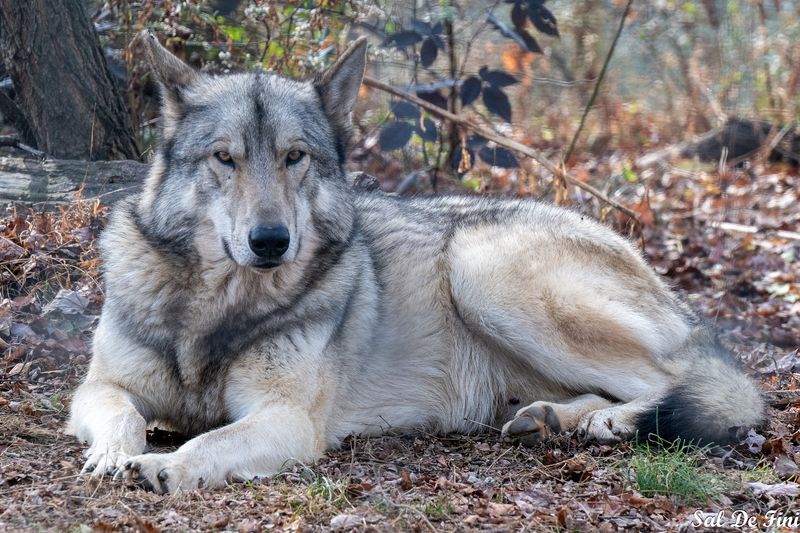
Certain moments at the sanctuary stick with visitors forever. The first time you hear multiple packs answering each other’s howls sends chills down your spine in the best possible way.
That ancient, wild sound connects you to something humans have heard for millennia, yet few modern people experience anymore.
Watching pack interactions reveals complex social dynamics and individual personalities. You might see playful wrestling matches, gentle grooming behaviors, or subtle dominance displays that help maintain group harmony.
These observations prove that wolves are thinking, feeling creatures with rich emotional lives and strong family bonds that mirror human relationships in surprising ways.
Many guests describe their visit as transformative. Seeing wolves up close through natural viewing areas changes abstract knowledge into personal connection.
People often report losing their fear while gaining respect and fascination. The experience frequently inspires visitors to support wolf conservation, share accurate information with others, or simply think differently about predators and wilderness.
These lasting impressions matter because changing hearts and minds helps protect wild wolf populations. The sanctuary creates ambassadors for wolf conservation one visitor at a time through powerful personal encounters that photographs and documentaries cannot fully replicate or replace effectively.
Visitor Info
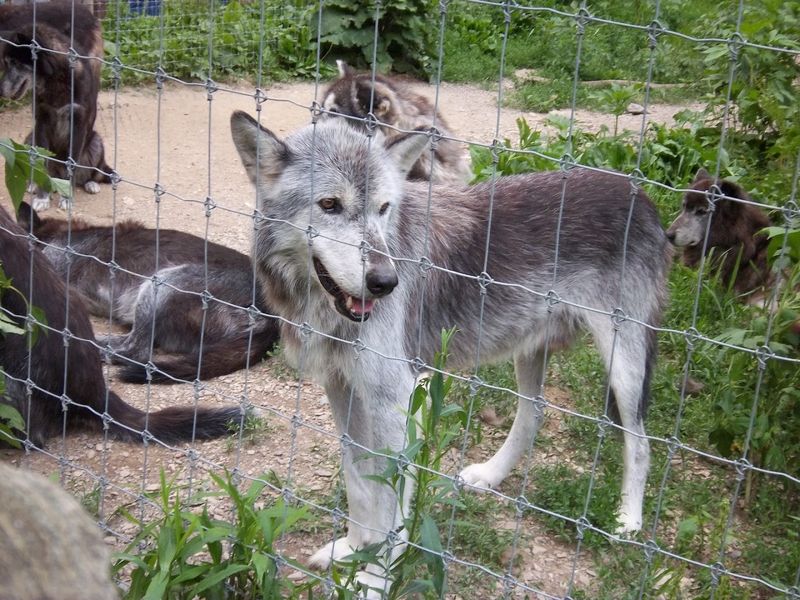
The Wolf Sanctuary of PA is located at 465 Speedwell Forge Road in Lititz, Pennsylvania 17543. All visits require advance reservations for guided tours since the sanctuary does not permit walk-in guests.
This policy protects both visitors and animals while ensuring everyone receives proper educational guidance during their experience.
Tours happen mostly outdoors on natural terrain that includes uneven ground, dirt paths, and woodland trails. Comfortable, sturdy walking shoes are essential for safely navigating the property.
Dress appropriately for weather since you will spend significant time outside regardless of conditions. The sanctuary does not allow pets on the property to avoid stressing the resident wolves.
Photography is permitted with certain lens restrictions to prevent disturbing the animals. Check current policies before bringing professional camera equipment to ensure compliance.
Tours sell out frequently, especially during peak seasons and for special events like Full Moon Tours. Booking several weeks ahead increases your chances of securing preferred dates and times.
Consider visiting during weekdays for potentially smaller crowds. Plan to arrive on time since late arrivals may miss their scheduled tour.
This incredible destination rewards preparation with an experience that educates, inspires, and creates memories worth treasuring for life.