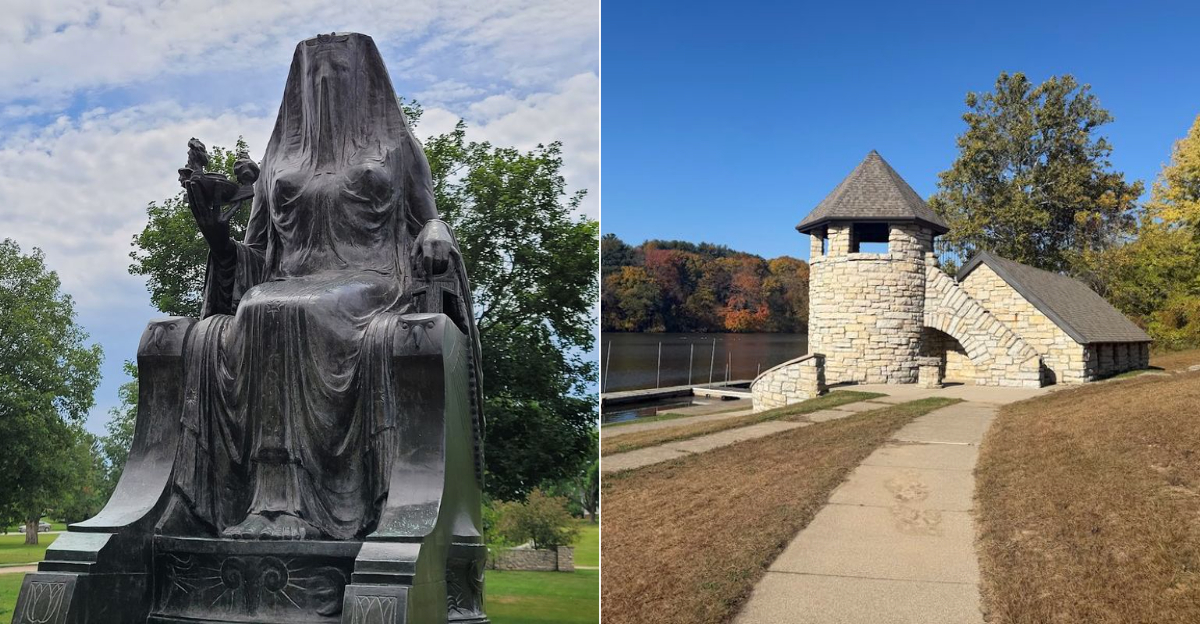
A quiet trail beneath towering trees, the sound of a nearby river, and the texture of weathered stone can reveal stories that have lasted for generations. In Iowa, the landscape itself becomes part of the history, connecting visitors with the people, places, and events that shaped the state.
The historic parks in Iowa offer a chance to explore everything from presidential landmarks and ancient earthworks to preserved homes, scenic overlooks, and places tied to Iowa’s earliest communities. Each destination combines natural beauty with meaningful stories, creating experiences that feel both educational and peaceful.
From hidden corners of prairie to well-known historic sites, these parks invite you to slow down and discover the layers of Iowa’s past. Explore this guide to 11 historic parks where history and scenery come together in unforgettable ways.
Effigy Mounds National Monument
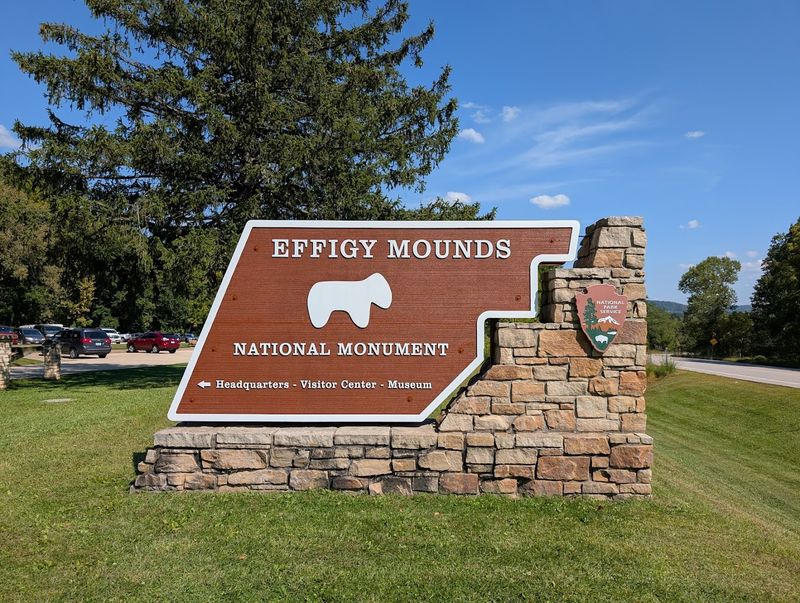
Some landscapes ask you to lower your voice without being told. The ridges, trees, and distant river views create a feeling that is both beautiful and deeply solemn.
You arrive for the scenery, then realize you are standing within one of the most meaningful ancient places in the Upper Midwest.
Effigy Mounds National Monument near Harpers Ferry preserves more than 200 prehistoric earthworks, including rare animal-shaped mounds built by Native peoples. Trails wind through hardwood forest to overlooks above the Mississippi, where the scale of the land helps explain why this place mattered for centuries.
It feels reflective rather than crowded, even in busier seasons.
Wear good shoes and give yourself time for the hiking loops, especially if you want both the mounds and river views. The visitor center adds helpful cultural context without overwhelming the experience.
If you want history that feels sacred, layered, and unforgettable, this is a powerful stop.
Backbone State Park
There is a rugged side of Iowa that surprises people, and this park shows it off beautifully. Sheer limestone, wooded slopes, and a narrow ridge give the landscape a bolder mood than many first-time visitors expect.
The result feels scenic, historic, and a little adventurous all at once.
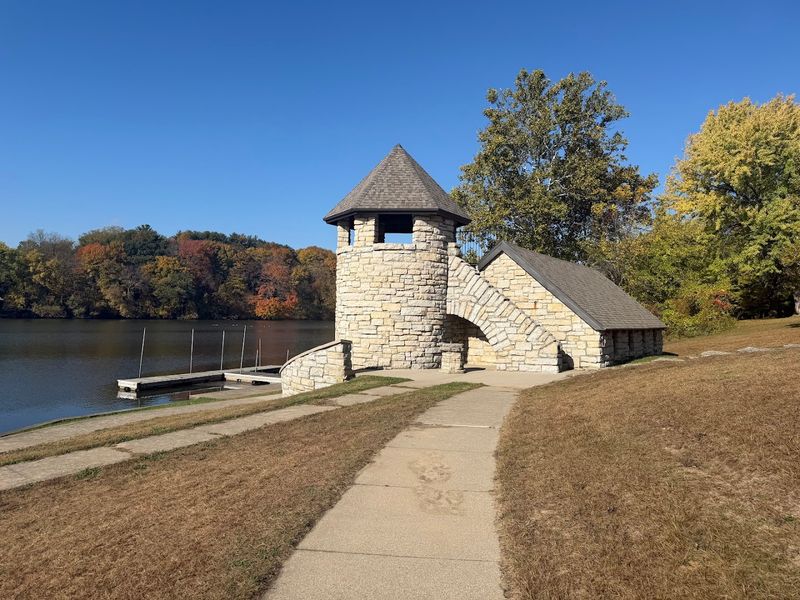
Backbone State Park in Dundee is Iowa’s oldest state park, and its long history is visible in both the terrain and the craftsmanship. Civilian Conservation Corps stonework adds texture to the trails, shelters, and picnic areas, while the Maquoketa River keeps the whole setting feeling lively.
You can sense how generations have come here to climb, fish, and simply breathe easier.
Bring a picnic, or stay long enough to explore the backbone ridge and calmer river edges in one trip. The views reward a slower pace, especially in early fall when the bluffs glow with color.
If you want outdoor history with real character, this park absolutely delivers.
Ledges State Park
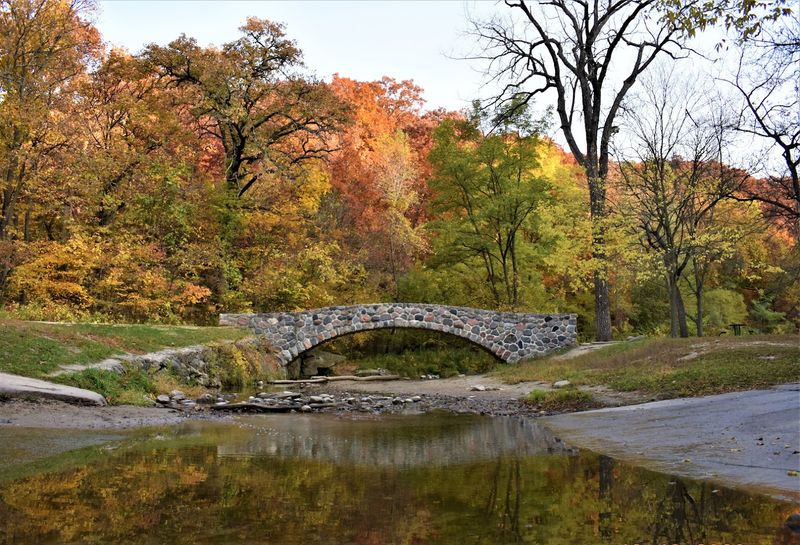
Few places in Iowa feel this playful and dramatic at the same time. Water slips across the roadway, stone walls rise close beside you, and every turn seems to reveal another pocket of shade and color.
It is the kind of park that makes adults feel curious again.
Ledges State Park near Madrid is famous for its sandstone canyon, but the historic details matter just as much as the scenery. Civilian Conservation Corps stone bridges and structures blend naturally into the landscape, giving the park a timeless, hand-built feel.
The lower canyon is especially memorable after rain, when shallow water and rock create a lively soundtrack.
Come ready to get your shoes a little wet if you explore the stream crossings, and do not skip the higher overlooks. A picnic here feels especially good, with tall trees and cool air softening the afternoon.
If you want a family-friendly stop with beauty, history, and movement, this one is easy to love.
Wildcat Den State Park
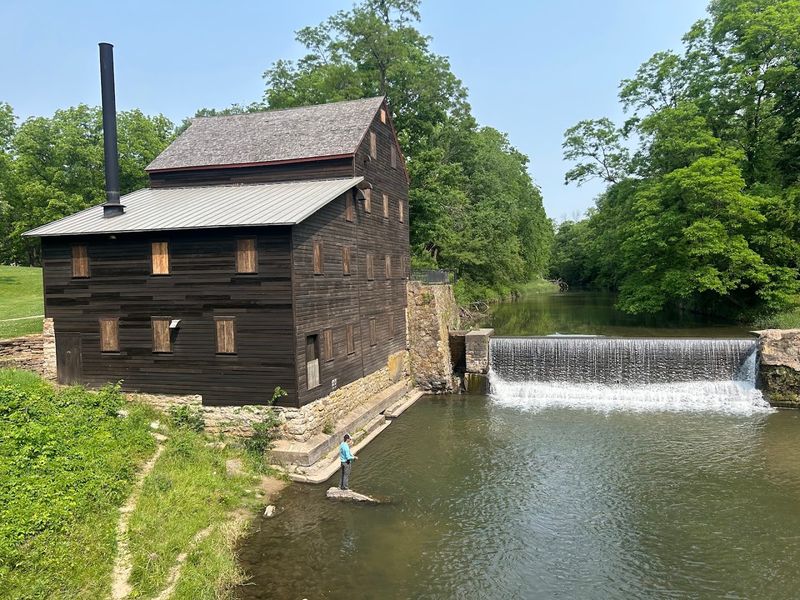
The mood here is half storybook, half frontier memory, and that contrast makes it special. Narrow trails, weathered rock, and the sound of water create the feeling that you have wandered into an older Iowa that never fully disappeared.
It is scenic, yes, but it also feels wonderfully textured.
Wildcat Den State Park near Muscatine is best known for the beautifully preserved Pine Creek Grist Mill, one of the most photogenic historic structures in the state. Around it, sandstone formations and shady ravines give the park an almost hidden quality.
The mill, creek, and trails work together to tell a quieter pioneer-era story than many museums ever could.
Bring your camera, then slow down enough to notice the creekside details and mossy rock edges. If you have time, pair the visit with a meal in Muscatine for a fuller river-town day.
For travelers who like history wrapped in atmosphere, this park offers an especially memorable afternoon.
Pikes Peak State Park
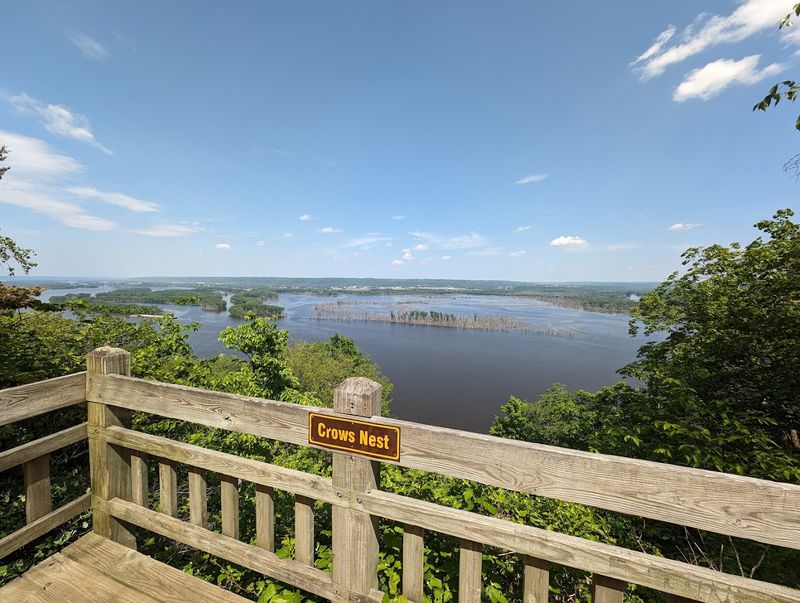
A great overlook can make history feel immediate, and this one does exactly that. Standing above the Mississippi, you can imagine the mix of wonder and uncertainty early explorers must have felt here.
The vast view quiets everything else for a moment.
Pikes Peak State Park near McGregor carries the name of Zebulon Pike, linking the landscape to a larger story of American exploration. Beyond that connection, the park offers dramatic river vistas, wooded trails, and Bridal Veil Falls tucked into a cool ravine.
The combination of sweeping scenery and a named historical legacy gives the visit unusual depth.
Start at the overlook, then leave time for the shorter trails that reveal different moods of the park. In McGregor, you can easily follow up with small-town browsing or a relaxed meal near the river corridor.
If you love places where geography and history meet in a striking way, this is one of Iowa’s most rewarding stops.
Herbert Hoover National Historic Site
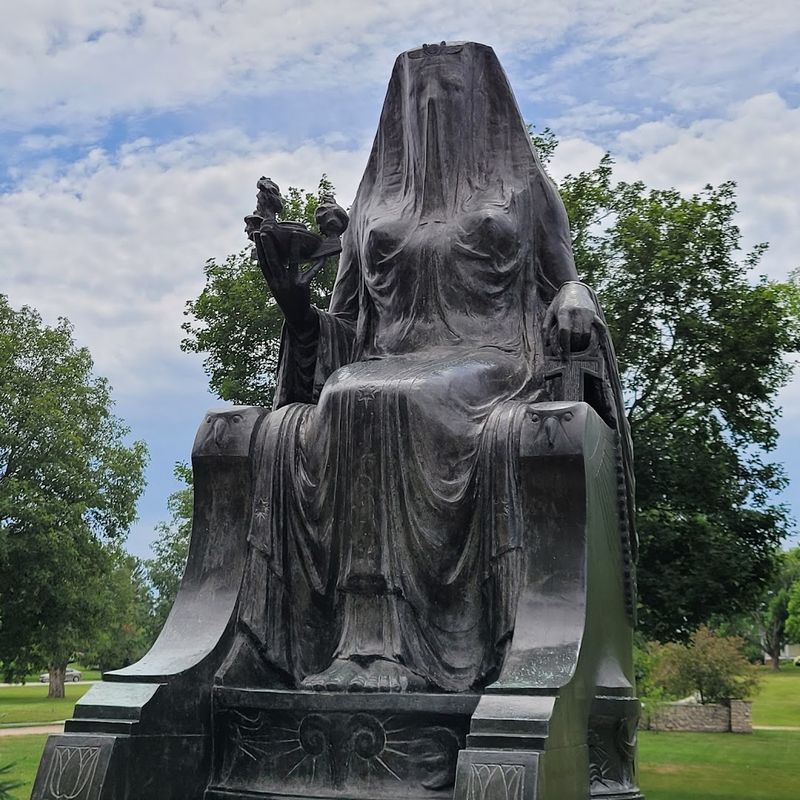
It is easy to expect presidential history to feel formal, but this place feels personal from the first few steps. Quiet lanes, simple buildings, and open green space create a softer story, one grounded in childhood rather than ceremony.
You are not just looking at a legacy here – you are walking through the world that shaped it.
At Herbert Hoover National Historic Site in West Branch, the humble birthplace cottage and restored Quaker neighborhood bring Iowa history into sharp focus. The blacksmith shop, schoolhouse, and meetinghouse reveal the values of work, faith, and community that followed Hoover into public life.
Everything feels intimate, never oversized.
Take time for the gravesite overlook and the easy paths connecting the historic core to the visitor center. Nearby cafes in town make it simple to turn the stop into a lingering afternoon.
If you like American history with human scale, this one stays with you.
Lewis and Clark State Park
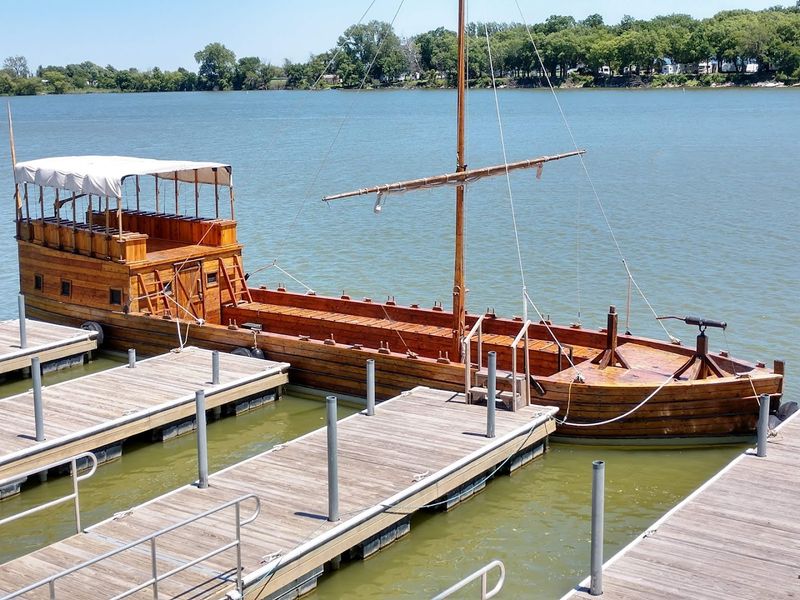
Wide open water and prairie sky can make the past feel unexpectedly close. Out here, the horizon stretches long enough for your imagination to do some real work, especially when you think about the uncertainty of early expedition travel.
The space itself becomes part of the story.
Lewis and Clark State Park near Onawa commemorates the famous 1804 expedition along the Missouri River corridor, giving this peaceful landscape a larger national connection. The park includes interpretive features that help frame the explorers’ route, while the lake and surrounding grounds keep the visit relaxed rather than overly formal.
It is an easy place to absorb history without losing the pleasure of being outdoors.
Fishing, camping, and sunset watching all fit naturally here, which makes the historical theme feel lived-in instead of distant. Pair the stop with time in the nearby Loess Hills region if you want even more landscape drama.
For travelers who like quiet places with a strong backstory, this park is a smart detour.
Cedar Rock State Park
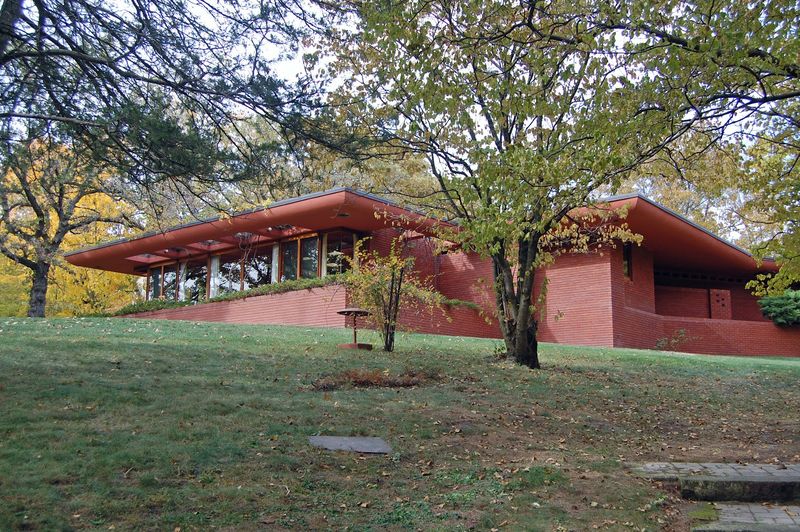
Not every historic park is about log cabins and pioneer tools. Sometimes the surprise comes from precision, proportion, and a house that feels decades ahead of its surroundings.
That tension makes this stop one of Iowa’s most distinctive heritage experiences.
Cedar Rock State Park near Independence preserves Frank Lloyd Wright’s only completed home in Iowa, and the design still feels strikingly modern. Set above the Wapsipinicon River, the site pairs Wright’s careful architecture with a serene natural backdrop that strengthens every line and window view.
Even if you are not an architecture devotee, the balance between structure and landscape is easy to appreciate.
Guided tours are the best way to catch the small details, from built-in furnishings to the home’s relationship with light. Afterward, the grounds offer a gentler pace, ideal for letting the design settle in your mind.
If you enjoy places that connect artistic vision with Iowa history, Cedar Rock is a memorable change of pace.
Dolliver Memorial State Park
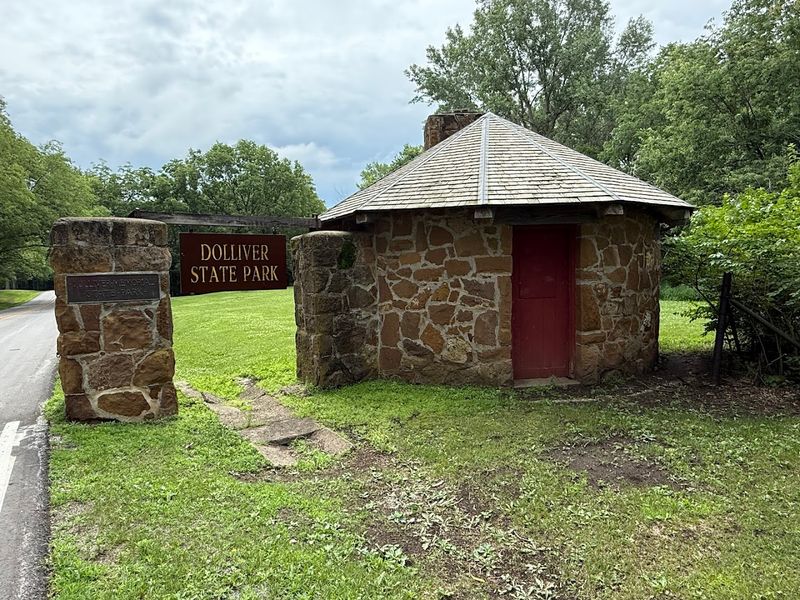
Some parks feel polished, but this one keeps a wilder edge, and that is exactly the appeal. The ravines are narrow, the bluffs feel close, and the woods hold onto a slightly secretive mood.
It is the kind of place that makes a short walk feel like real discovery.
Dolliver Memorial State Park near Lehigh honors Senator Jonathan Dolliver, yet the landscape itself often steals the show. Trails through Boneyard Hollow reveal rugged terrain, sandstone formations, and historic Civilian Conservation Corps improvements that still shape the visitor experience.
The Des Moines River valley gives the park an older, rougher beauty than many people expect from central Iowa.
Take the trails slowly, especially after rain when the colors deepen and the air feels cooler under the trees. This is also a good picnic stop if you prefer a less crowded atmosphere.
For anyone drawn to hidden corners of Iowa where natural drama and historical layers overlap, Dolliver is well worth the drive.
Toolesboro Mounds National Historic Landmark
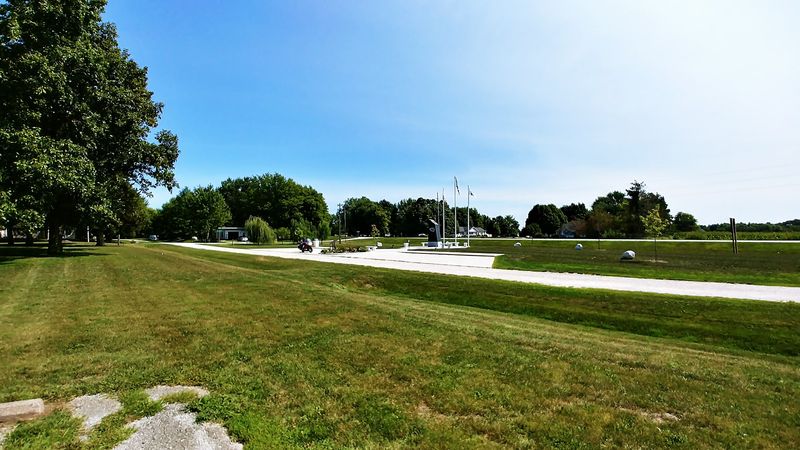
At first glance, the ground seems almost too gentle to hold such an old story. Then the shapes begin to register, and the stillness around them takes on a different weight.
It is a subtle place, but the significance runs deep.
Toolesboro Mounds National Historic Landmark near Wapello preserves prehistoric Hopewell burial mounds that date back nearly 2,000 years. The surviving earthworks and interpretive exhibits help explain a culture known for ceremonial practices, trade networks, and skilled craftsmanship across a wide region.
You leave with a stronger sense of how connected ancient communities were long before modern borders defined the map.
Because the site is modest in scale, it rewards visitors who slow down and read carefully rather than rushing through. Pair it with a scenic drive through the Mississippi River corridor if you want the day to feel fuller.
For travelers interested in archaeology, Indigenous history, and places that speak softly but clearly, Toolesboro is a meaningful stop.
Montauk Historic Site
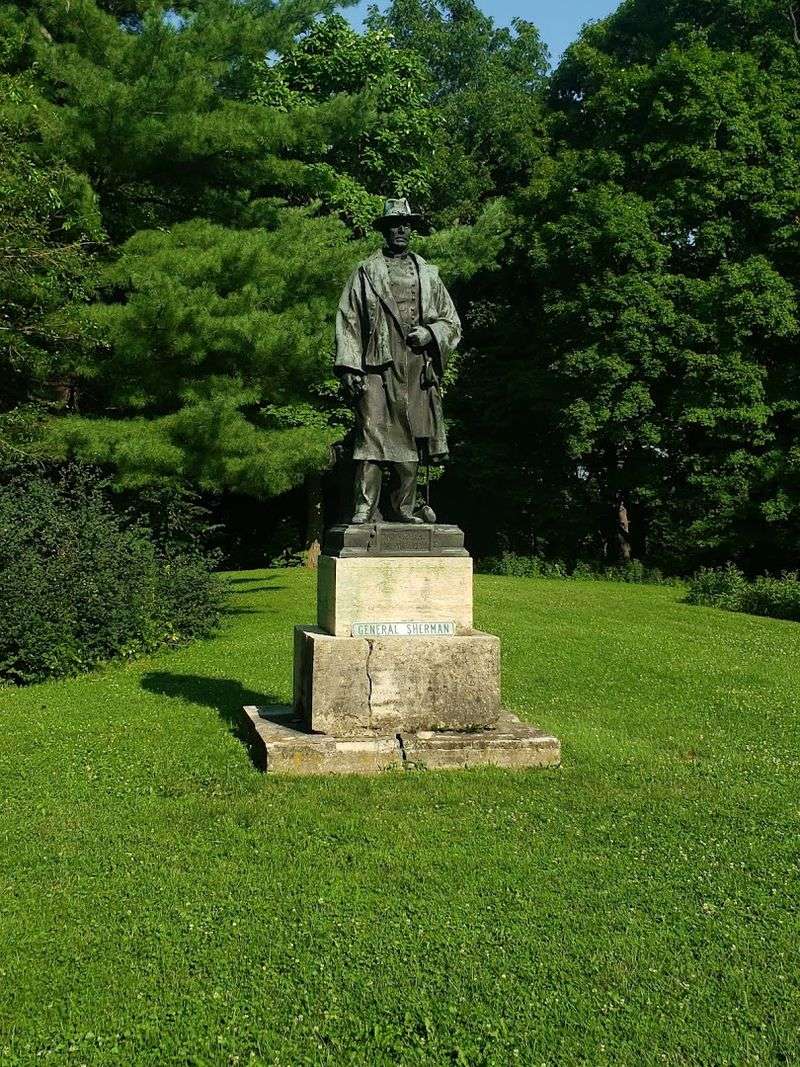
Grandeur can feel distant, but here it feels surprisingly human. The house is elegant, yet the surrounding hills and everyday details of family life keep the experience grounded.
You do not just see a mansion – you sense a household, a public life, and an era meeting under one roof.
Montauk Historic Site in Clermont preserves the beautifully restored Victorian home of Iowa Governor William Larrabee. Inside, period furnishings, decorative woodwork, and personal objects open a vivid window into late nineteenth-century politics, education, and domestic life.
Outside, the hilltop setting adds calm views that make the whole visit feel even more complete.
Guided tours help the rooms come alive, especially when stories move beyond architecture into the rhythms of the Larrabee family. Clermont’s quiet setting also makes it easy to linger without feeling rushed.
If you enjoy historic homes that feel both polished and personal, Montauk offers one of the richest and most atmospheric visits in Iowa.