A shaded path beneath ancient trees, the quiet remains of a historic battlefield, or the view from a riverbank can make the past feel surprisingly close. In South Carolina, landscapes are filled with stories that stretch from early settlements to pivotal moments in American history, and many of those stories are preserved in places visitors can explore today.
The historic parks across South Carolina offer more than preserved landmarks — they provide trails to walk, structures to discover, and settings where history feels connected to the surrounding landscape. From Revolutionary War sites and coastal forts to cultural landmarks and peaceful historic grounds, each destination reveals a different chapter of the state’s heritage.
Slow down, explore the scenery, and uncover the stories behind 12 South Carolina historic parks where the past remains part of the present.
Charles Towne Landing State Historic Site
The air here feels salty, green, and a little older than the city beyond it. Gravel paths slip past marsh views and giant oaks, and suddenly Charleston’s polished streets feel far away.
You move through this landscape with the strange sense that beginnings are still hovering nearby.
That feeling settles in fully at Charles Towne Landing State Historic Site, where the first permanent English settlement in South Carolina took root. The Adventure, a full-scale replica trading vessel, gives the story real shape, while the Animal Forest adds an unexpected glimpse of creatures early colonists would have known.
I like how the park balances grandeur and quiet detail. One moment you are studying exhibits about 1670, and the next you are watching sunlight flash across the Ashley River.
It is worth visiting because it makes an origin story feel less like a date in a textbook and more like a lived place.
Colonial Dorchester State Historic Site
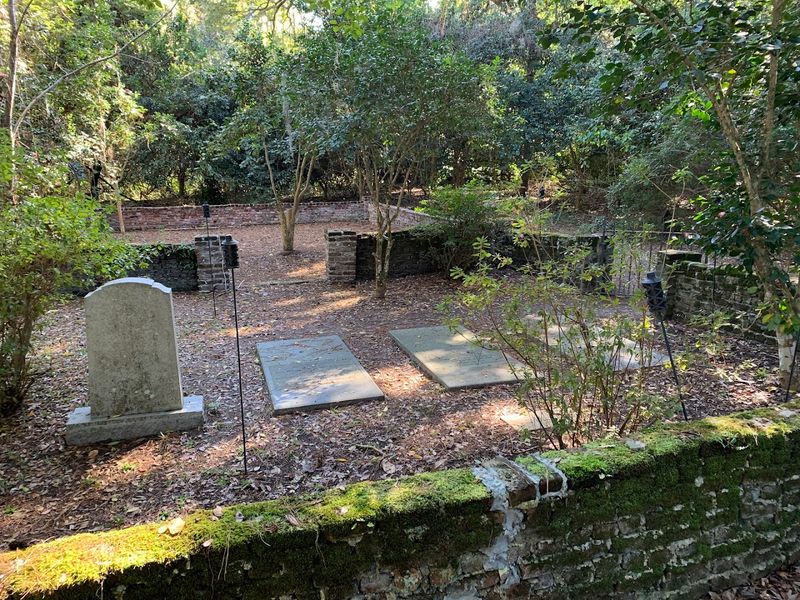
There is something arresting about ruins that sit quietly in the woods, as if history has decided not to explain itself all at once. Birdsong carries over broken brick, and the river moves past with complete indifference.
The whole place feels suspended between settlement and disappearance.
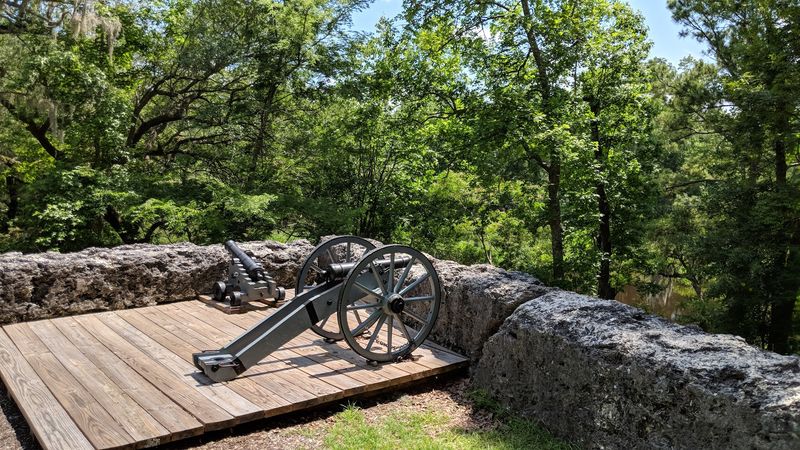
At Colonial Dorchester State Historic Site in Summerville, you can walk among one of South Carolina’s best-preserved colonial town remnants. The old tabby fort and the recognizable bell tower of St. George’s Church offer just enough structure to spark your imagination without over-directing it.
What stays with me is the contrast between fragility and endurance. You can read about trade, conflict, and daily life, then step outside and see how the Ashley River still shapes the mood of everything here.
It is a thoughtful stop for anyone who prefers places that whisper rather than perform.
Hampton Plantation State Historic Site
The first thing you notice is the hush. Live oaks lean over the road, Spanish moss catches the light, and the approach feels almost ceremonial.
Before you even reach the house, the landscape has already set a serious, reflective mood.
That atmosphere defines Hampton Plantation State Historic Site near McClellanville, where one of the oldest surviving plantation houses in the state stands amid broad lowcountry grounds. The house connects to colonial rice culture and generations of power, labor, and change, all layered into the same graceful setting.
I appreciate that this is not a place to rush through. The oak avenue, the brickwork, and the surrounding quiet invite slower looking, and the beauty never lets you forget the complexity underneath it.
Visit for the architecture and scenery, but stay for the harder, more human story embedded in every room and field.
Redcliffe Plantation State Historic Site
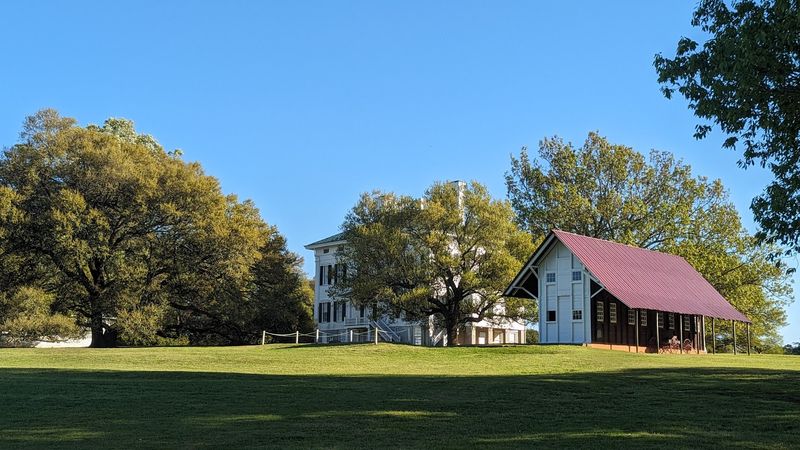
A broad hill, open sky, and a striking house create an almost theatrical first impression. Then the details begin to shift the mood: old trees, outbuildings, and the awareness that beauty and burden often share the same ground.
It is the kind of place that asks for attention instead of quick admiration.
Redcliffe Plantation State Historic Site in Beech Island centers on a grand Greek Revival home once owned by statesman James Henry Hammond. Tours bring together elegant interiors and the lives of the enslaved people who built, maintained, and endured this plantation world.
I find the setting memorable because it never feels one-note. You can admire the sweeping porch and rural views, then move into stories that complicate every polished surface.
That tension is exactly why it matters. Redcliffe offers a fuller look at plantation history, one grounded not just in architecture, but in the people whose lives shaped the estate.
Oconee Station State Historic Site
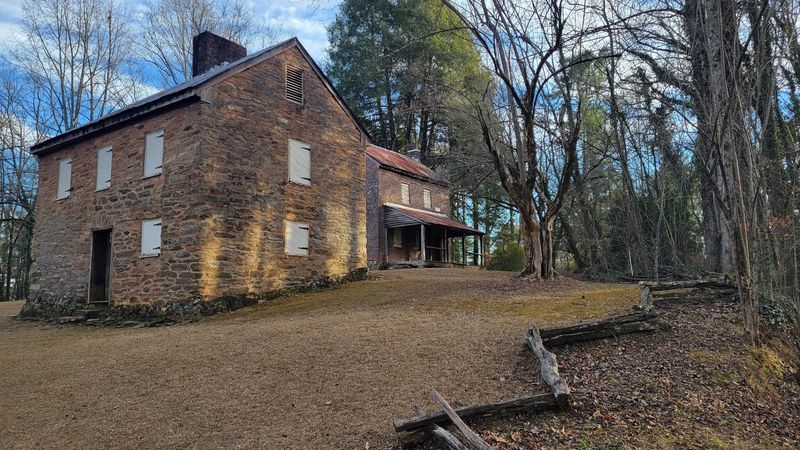
Mountain air changes the rhythm of a history stop. Here, the woods feel fresh and close, and the past seems tucked into the foothills rather than displayed on a pedestal.
You hear creeks, leaves, and maybe your own footsteps more than anything else.
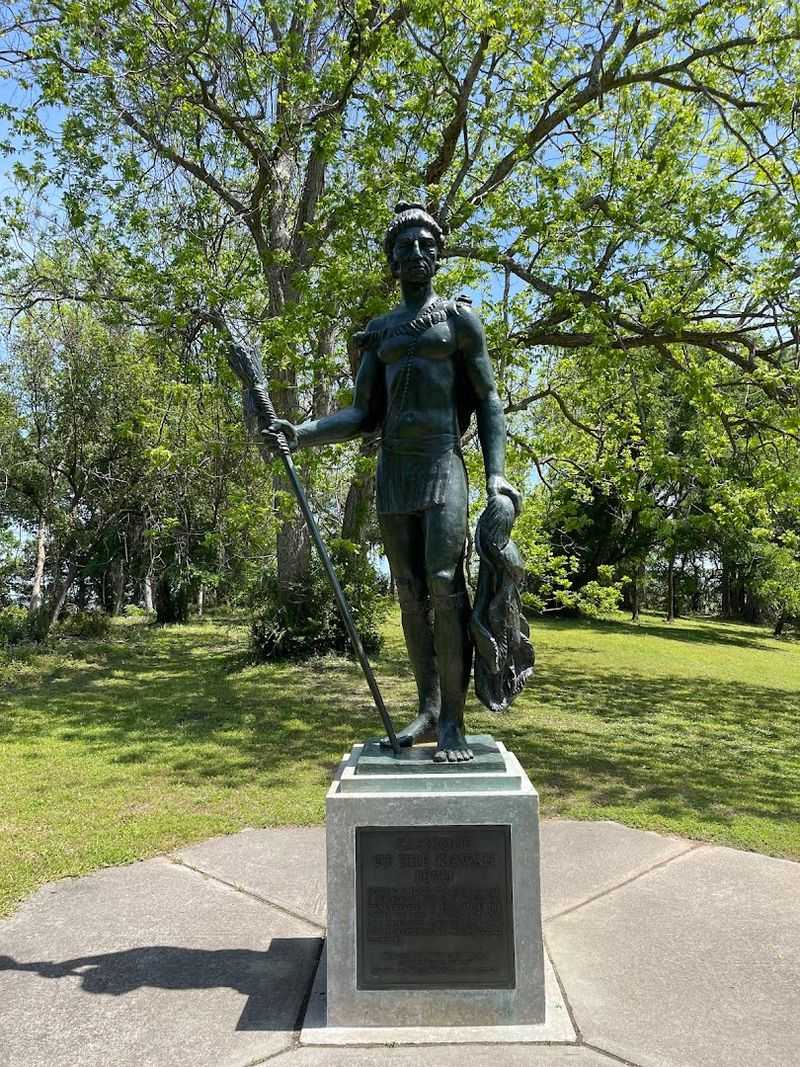
At Oconee Station State Historic Site near Walhalla, a small stone building from the late eighteenth century anchors the story. It began as a military compound and trading post on the edge of the frontier, and today it shares attention with the trail leading to Station Cove Falls.
That blend is what makes this place memorable. You can learn about Cherokee lands, early defense, and backcountry settlement, then head out under the trees toward a waterfall that cools the whole experience.
It is a rare park where history and landscape genuinely strengthen each other, making the visit feel less like a lesson and more like a lived passage through time.
Landsford Canal State Park
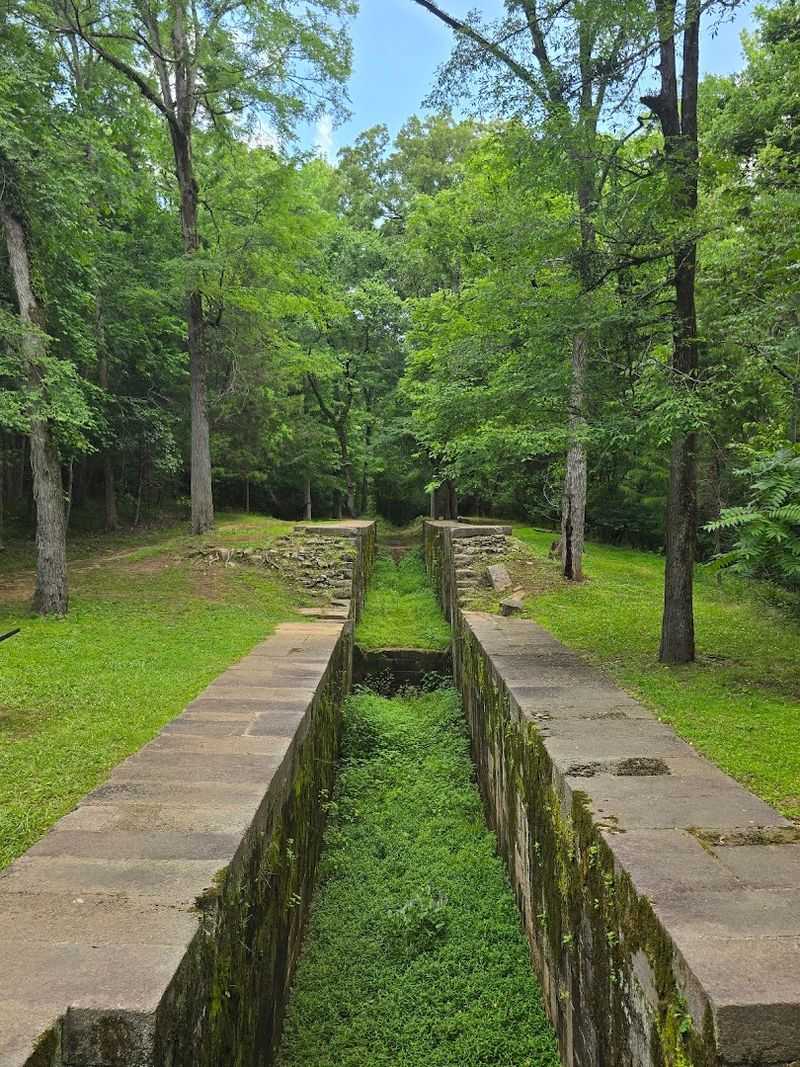
Water does most of the talking here. It slips past stone ruins, brushes the riverbank, and turns old engineering into something unexpectedly poetic.
Even before you know the story, the scene feels both industrious and gently reclaimed.
Landsford Canal State Park in Catawba preserves the remains of a nineteenth-century canal system once used to help boats bypass the Catawba River’s rapids. Along the trail, you can see lock structures and interpretive signs, and in late spring the famous rocky shoals spider lilies add a brief, spectacular flourish.
I love the way the park lets you read the landscape in layers. The river suggests movement, the canal ruins suggest ambition, and the lilies remind you how nature keeps writing over every human plan.
It is worth the stop for walkers, photographers, and anyone drawn to places where utility has softened into beauty without losing the shape of its original purpose.
Battle of Musgrove Mill State Historic Site
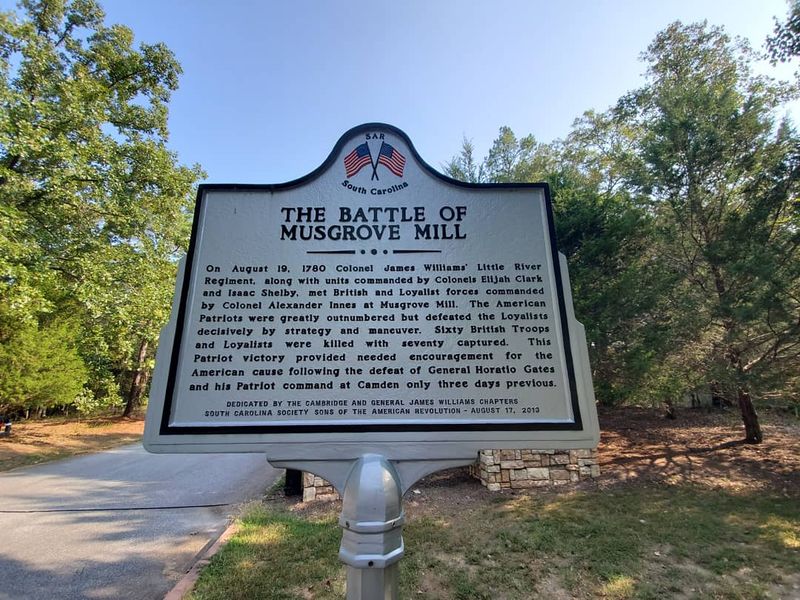
It is easy to underestimate a battlefield when the first impression is so peaceful. Pines stand still, the river moves lazily, and the trails feel suited to a quiet morning walk.
Then you remember that this calm ground once held chaos, fear, and astonishing resolve.
Battle of Musgrove Mill State Historic Site near Clinton tells the story of a pivotal Revolutionary War Patriot victory in 1780. The visitor center gives useful context, but the real emotional shift happens outside, where the battlefield trail and views over the Enoree River make the tactics easier to picture.
What lingers is the intimacy of the landscape. This was not grand European warfare staged on open plains, but a brutal backcountry fight shaped by woods, water, and local knowledge.
If you want to understand how the Revolution unfolded in the South, this park offers a grounded, memorable setting that feels personal rather than abstract.
Battle of Rivers Bridge State Historic Site
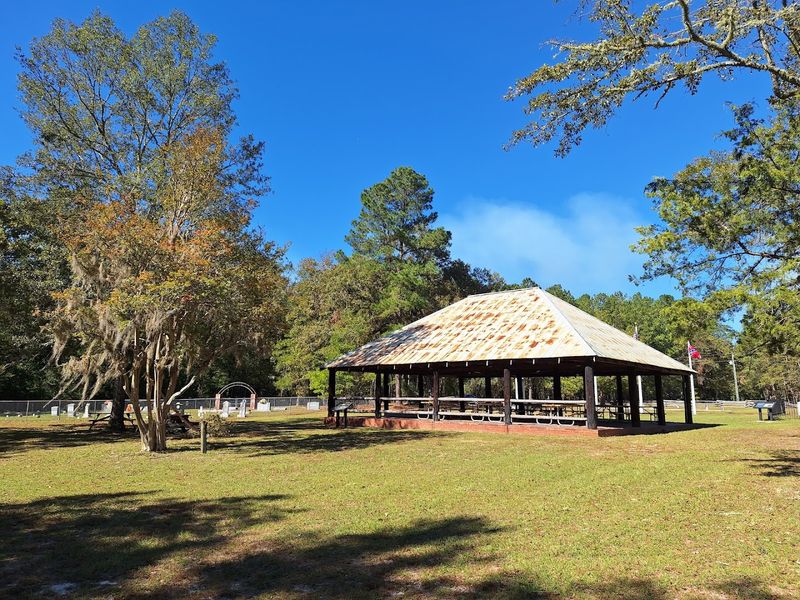
Some historic places announce themselves loudly. This one arrives through swamp light, still water, and the feeling that the land itself remembers.
The boardwalk carries you through cypress and shadow, and the setting makes the story feel immediate in an almost physical way.
At Battle of Rivers Bridge State Historic Site in Ehrhardt, one of the last major Civil War battles in South Carolina unfolded across difficult wetland terrain. The trail system, battlefield markers, and memorials help you understand how Union and Confederate forces collided here in February 1865.
I think the swamp is the reason this visit stays with people. It is beautiful, yes, but also stubborn, muddy, and strategically important, which gives the battle real texture beyond names and dates.
Walk slowly, read the signs, and listen to the insects and wind. You leave with a clearer sense of how geography can shape history as powerfully as generals do.
Ninety Six National Historic Site
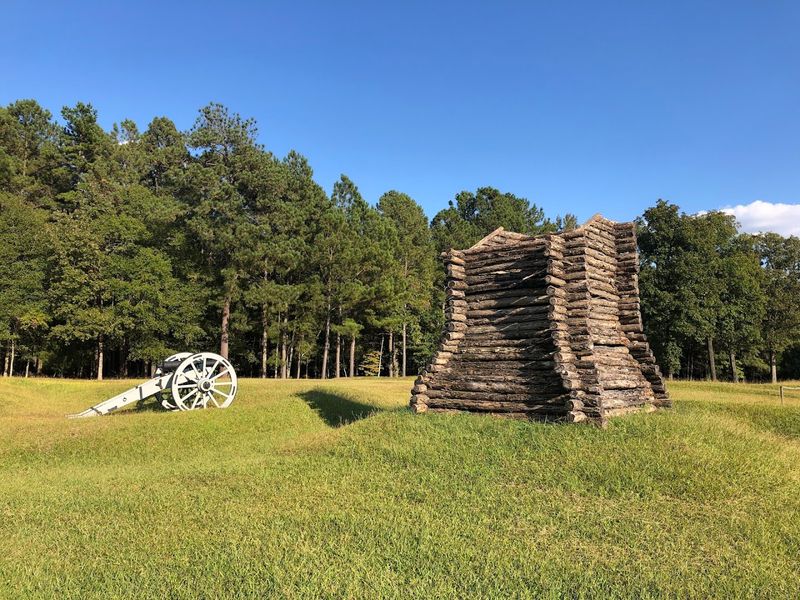
Open grass and broad sky can make a place seem simple at first glance. Then the earthworks appear, strangely elegant against the landscape, and you realize you are looking at a battlefield shaped as much by design as by violence.
It draws you in quietly.
Ninety Six National Historic Site preserves one of the South’s most important Revolutionary War locations, including the rare earthen Star Fort. Near the town of Ninety Six, the trails connect siege lines, stockade remains, and interpretive stops that explain why this remote upcountry post mattered so much.
What I find compelling is how readable the site is. You do not need a specialist’s knowledge to picture soldiers digging, advancing, and waiting under relentless pressure.
The landscape does the work for you. Add the visitor center exhibits and ranger insight, and the park becomes an unusually vivid introduction to the Southern campaign, full of strategy, endurance, and uneasy stillness.
Cowpens National Battlefield
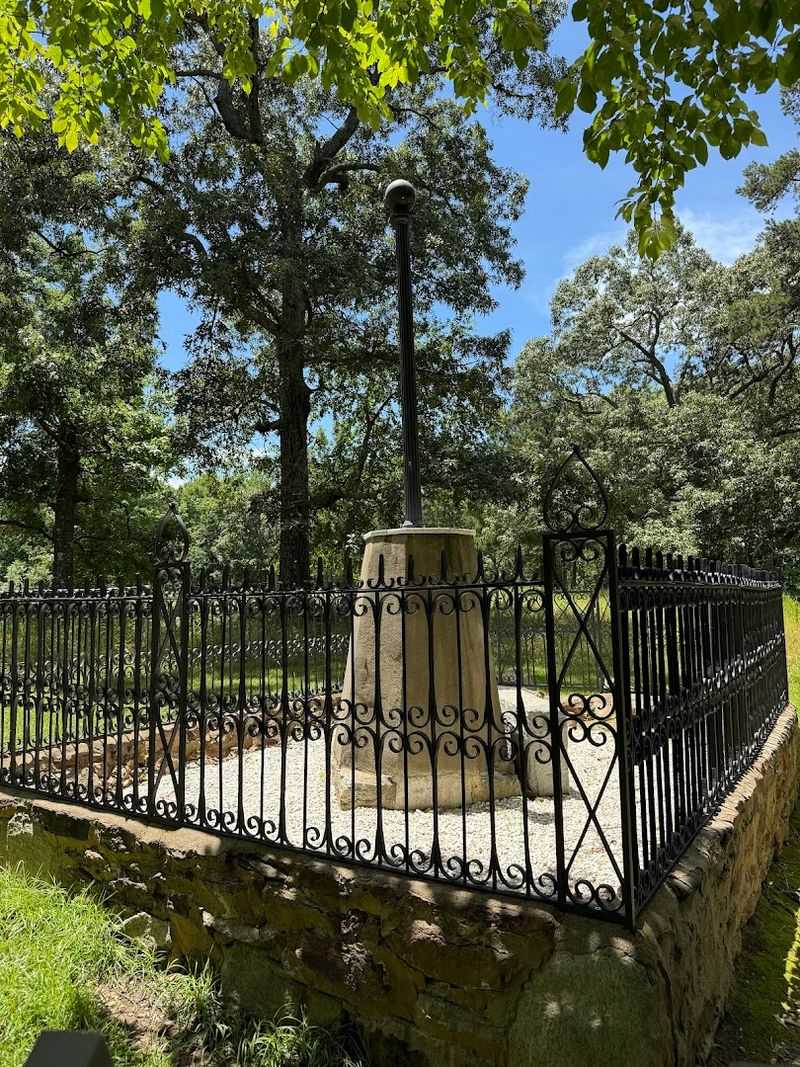
The land looks almost too gentle for the story it holds. Fields roll softly, fences trace the edges, and the quiet can make you forget that one of the Revolution’s smartest American victories happened right here.
That contrast is part of the power.
Cowpens National Battlefield near Gaffney commemorates the January 1781 battle where Daniel Morgan outmaneuvered British forces with remarkable precision. The driving tour, walking paths, and visitor center help turn military tactics into something visual, especially when you stand in the open ground where the lines once formed.
I like how the site avoids spectacle and trusts the landscape. You are left to imagine the militia falling back, the Continental troops holding, and the sudden reversal that changed momentum in the South.
It is an essential stop for Revolutionary War travelers, but also for anyone interested in places where intelligence, timing, and terrain combined to alter a much bigger story.
Kings Mountain National Military Park
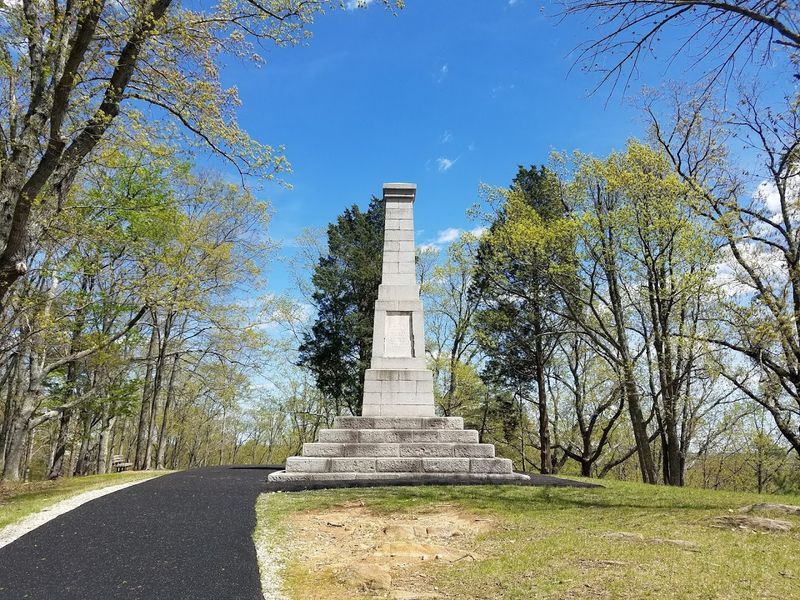
The forest closes around the road, and the battlefield reveals itself slowly. That gradual approach feels right, because this is a place where surprise, momentum, and rough terrain shaped everything.
Even the air seems sharper in the hills near the border.
Kings Mountain National Military Park near Blacksburg preserves the site of the 1780 battle often called a turning point in the Revolutionary War’s Southern campaign. The paved battlefield trail loops through woods and interpretive markers, helping you picture Patriot militia surrounding Loyalist forces along the ridge.
What makes this visit stand out is the physicality of the setting. The slope, trees, and narrow spaces make abstract strategy suddenly understandable, and the monument gives the story a focal point without overwhelming the landscape.
If you enjoy history best when you can literally walk through it, Kings Mountain offers that experience with unusual clarity and a strong sense of drama.
Fort Sumter and Fort Moultrie National Historical Park
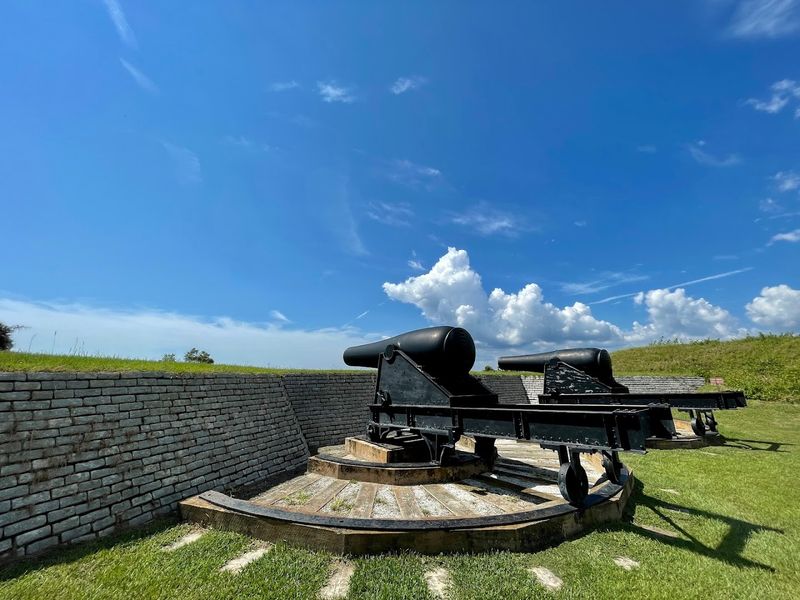
Salt wind and cannon walls create a mood that is impossible to fake. Out on the water, Charleston Harbor feels bright and beautiful, yet the view carries a weight that deepens as you approach the brick fort.
Few places make a national rupture feel this tangible.
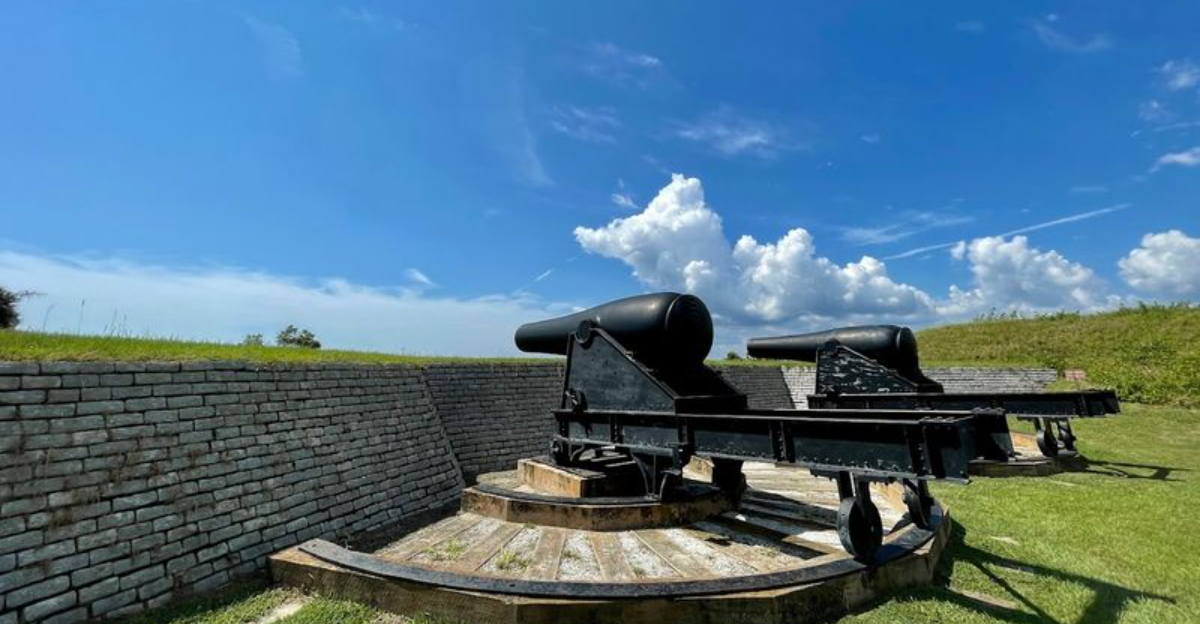
Fort Sumter and Fort Moultrie National Historical Park links two remarkable sites, from the island fortress where the Civil War began to the Sullivan’s Island defenses that evolved across generations. The ferry ride, harbor views, artillery displays, and layered exhibits all sharpen your sense of time and conflict.
I think the experience works because it is not just about one battle. At Fort Moultrie, you see coastal defense history stretching from the Revolution through World War II, which broadens the story beyond a single dramatic event.
Together, the sites show how one harbor can hold centuries of anxiety, ingenuity, and change.