The Dust Bowl didn’t just change the Great Plains—it changed the lives of everyone who called it home.
During the 1930s, Oklahoma and Kansas became the center of a disaster that sent clouds of dust racing across farms, towns, and highways. Families watched their crops disappear, their savings vanish, and their futures become uncertain.
Yet these communities refused to disappear. Small towns across the Plains held on through drought, hardship, and heartbreak, creating stories of survival that still echo today.
From historic streets to preserved landmarks, these Dust Bowl towns reveal the struggles and determination of the people who lived through one of America’s toughest chapters.
A visit today offers a powerful glimpse into the courage, loss, and hope that shaped the 1930s.
Boise City, Oklahoma — The Most Famous Dust Bowl Town
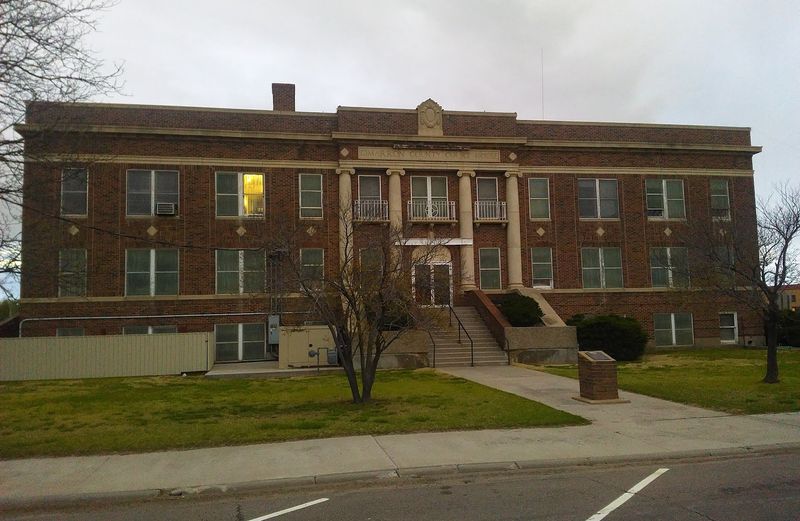
Perhaps no community symbolizes the Dust Bowl more powerfully than Boise City. Sitting in Cimarron County, this small Panhandle town watched the sky darken repeatedly as massive dust clouds rolled across the plains throughout the 1930s.
Families here didn’t just read about the disaster in newspapers. They lived through crop failures season after season, watching their fields turn to powder and blow away.
Economic hardship followed environmental collapse, leaving residents with few options.
The town gained unexpected attention in 1933 when desperate community members staged a fake bombing incident. Their goal was simple: draw national attention to their suffering.
The unusual strategy worked, putting Boise City on the map as a symbol of Plains struggles.
Today, visitors can explore local exhibits that preserve Dust Bowl memories. The displays help people understand what daily life felt like when dust filled homes, schools, and churches.
Walking these streets connects you directly to America’s toughest environmental challenge.
Guymon, Oklahoma — Gateway to the Oklahoma Panhandle’s Dust Bowl Story
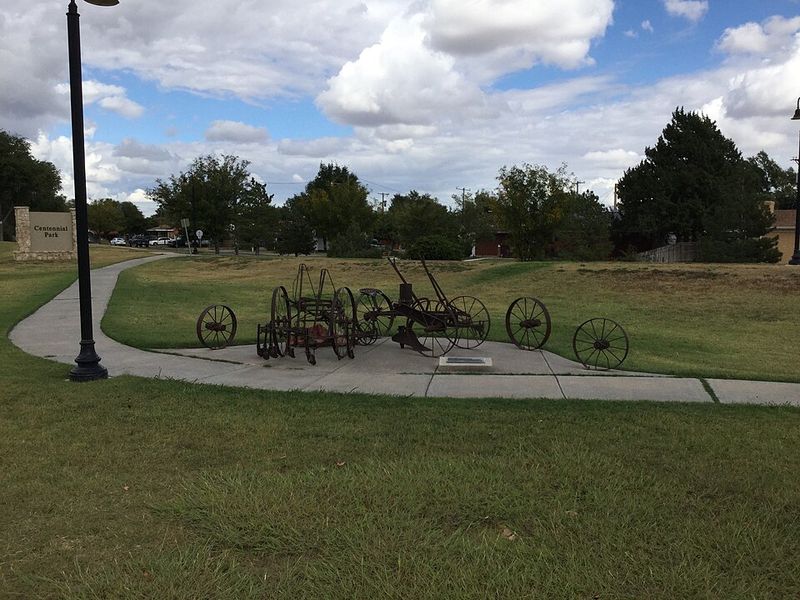
When drought gripped the Oklahoma Panhandle, Guymon became ground zero for survival stories. Surrounding farmland simply stopped producing, no matter how hard families worked.
Wind erosion stripped topsoil from fields that had fed communities for generations. Dust piled against fences and buildings like snow.
Farmers watched years of labor disappear into the air, carrying their hopes with it.
Families gathered in kitchens and churches, debating an impossible question: stay and fight, or pack everything and head west? Some chose California’s promise of work.
Others refused to abandon land their parents had homesteaded.
The town preserved its regional history through museums that honor both choices. These cultural attractions don’t just display old photographs.
They share the personal stories of real people who faced unthinkable hardship with determination.
Guymon remains one of the finest places to understand Panhandle agriculture. The exhibits explain how farming practices evolved after the disaster, preventing future environmental collapse through better land management.
Goodwell, Oklahoma — A Small Town at the Center of Plains Agriculture
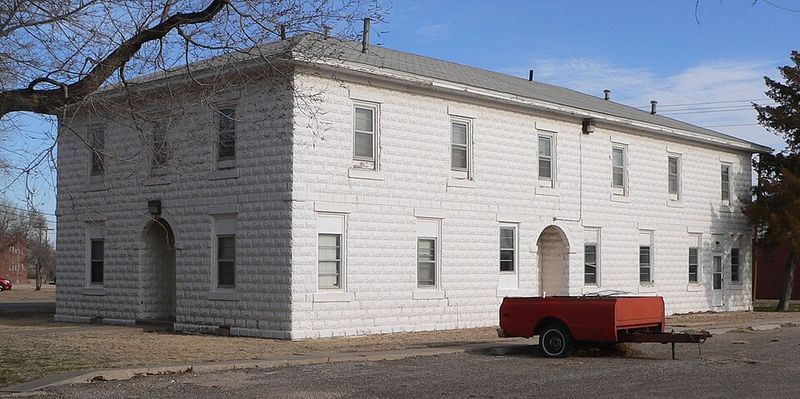
Science and suffering met in Goodwell during the darkest years. Located in severely impacted Texas County, this small community witnessed firsthand how poor farming methods destroyed the land.
Drought turned productive fields into dust sources. Soil erosion became so severe that entire farms simply blew away.
Families realized too late that breaking prairie sod had removed nature’s protective grass layer.
But something important happened here after the disaster ended. Agricultural researchers connected with local farming communities, studying what went wrong and how to prevent future catastrophes.
Their work helped develop conservation practices that rebuilt the High Plains.
Goodwell represents a crucial shift in American agriculture. The town shows how scientific understanding combined with farmer experience to create sustainable farming methods.
Those techniques still protect Plains soil today.
Visitors interested in environmental history find Goodwell especially meaningful. The community demonstrates that humans can learn from mistakes, adapt farming practices, and restore damaged landscapes through cooperation and knowledge.
Shattuck, Oklahoma — A Forgotten Dust Bowl Community
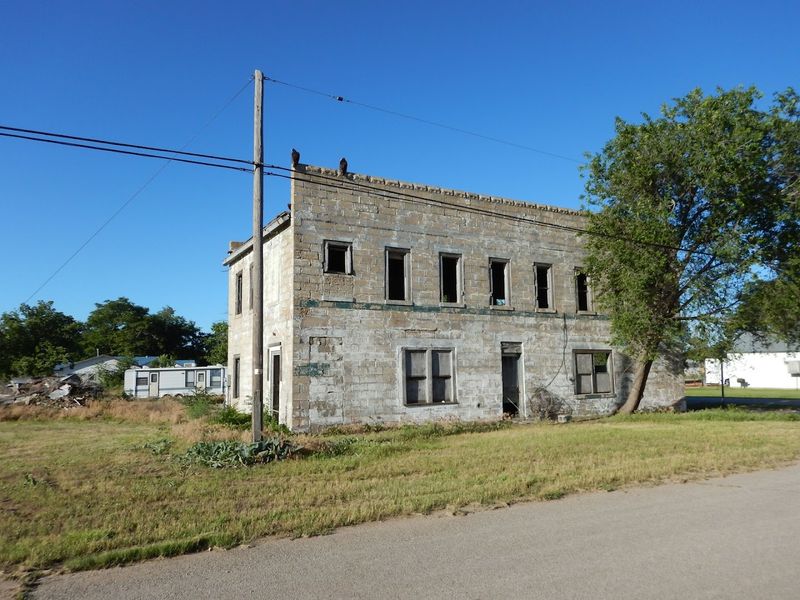
History books often miss places like Shattuck, yet these smaller towns hold the truest Dust Bowl stories. Ellis County farmers battled conditions just as severe as famous locations, but without national attention.
Drought hit western Oklahoma hard throughout the 1930s. Local families watched crops wither in fields that once produced abundant harvests.
Financial hardship followed environmental disaster as banks foreclosed on farms and businesses closed.
What makes Shattuck important isn’t dramatic headlines or famous photographs. Instead, it represents countless quiet communities where ordinary people fought extraordinary challenges.
Neighbors helped neighbors when government aid came slowly or not at all.
The town offers glimpses into authentic rural Plains life before, during, and after the disaster. Walking Main Street today, you can imagine families gathering at the general store, sharing news and supporting each other through impossible times.
These forgotten communities deserve recognition. They remind us that the Dust Bowl affected real people in small towns everywhere, not just the locations highlighted in documentaries.
Woodward, Oklahoma — A Northwest Oklahoma Survivor
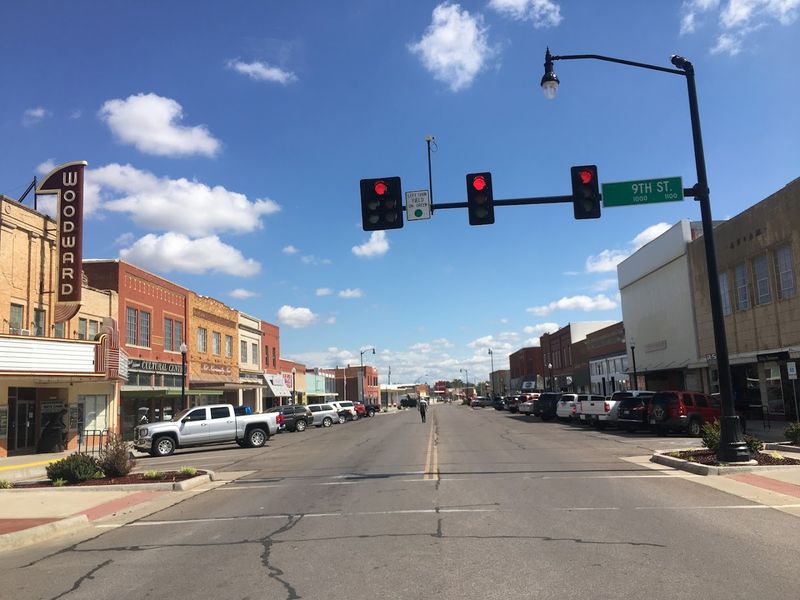
Regional centers like Woodward played a different but equally important role during the disaster years. While not devastated like remote farming areas, these larger towns became lifelines for struggling rural communities.
Northwest Oklahoma experienced severe drought alongside crushing economic pressure. The Depression had already weakened farm families before dust storms made survival nearly impossible.
Woodward provided essential support when surrounding areas needed it most.
The city connected farmers and ranchers to supplies, markets, and services during years when traveling even short distances became dangerous. Dust storms could blind drivers and bury roads.
Having a nearby town meant access to food, medicine, and hope.
Local history museums preserve connections between settlement, agriculture, and Depression-era struggles. Exhibits explain how communities worked together, sharing resources and supporting neighbors through unprecedented hardship.
Understanding Woodward’s role adds important perspective to the Dust Bowl story. Not every community suffered equally, but all contributed to survival and recovery.
Larger towns helped keep rural Plains society functioning when environmental disaster threatened to destroy it completely.
Freedom, Oklahoma — The Story of Rural Oklahoma Resilience
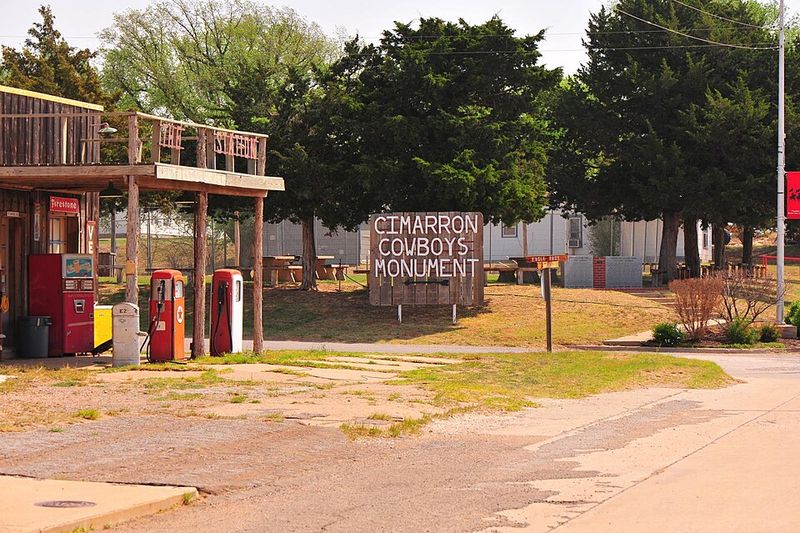
Thousands of tiny communities like Freedom dot Plains history, each holding stories of remarkable resilience. Northwest Oklahoma’s drought and wind erosion damaged farmland across entire counties, not just famous towns.
Imagine living miles from your nearest neighbor, watching dust clouds approach with nowhere to hide. Isolated farming families faced challenges that town residents could barely comprehend.
Keeping animals alive, protecting children’s lungs, and maintaining hope required extraordinary strength.
Churches and small community gatherings became survival networks. Neighbors shared what little they had, understanding that cooperation meant the difference between making it through another season or giving up entirely.
These bonds held communities together when everything else fell apart.
Freedom reminds us that history often overlooks ordinary people. No famous photographers documented this community’s struggles.
No journalists interviewed local families for national magazines. Yet their experiences were just as real, their courage just as remarkable.
Visiting small towns like Freedom honors the countless families who fought the Dust Bowl away from spotlights. Their stories deserve remembering just as much as famous locations.
Enid, Oklahoma — A Regional Hub During the Dust Bowl Era
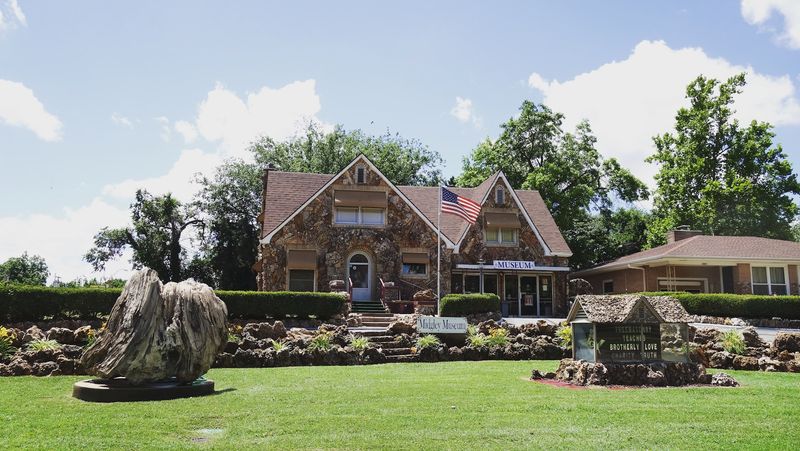
Commercial centers played crucial yet often overlooked roles during environmental disasters. Enid served northern Oklahoma farmers as their connection to broader markets, supplies, and transportation networks when rural communities struggled most.
The city didn’t suffer like outlying farming areas, but its economy depended entirely on agricultural success. When crops failed repeatedly, businesses in Enid felt the impact immediately.
Fewer farmers meant fewer customers, threatening the entire regional economy.
Transportation infrastructure made Enid especially important. Railroads connected the community to markets beyond Oklahoma’s borders.
When local harvests disappeared, these connections helped import food and supplies that kept surrounding areas alive.
Historical exhibits here provide broader context for Plains survival. Visitors learn how different communities supported each other, with larger towns providing services that isolated farms couldn’t access alone.
This cooperation helped entire regions endure when individual communities might have collapsed.
Understanding Enid’s support role completes the Dust Bowl picture. Environmental disasters affect entire economic systems, not just the fields where dust blows.
Every community contributed to survival in different ways.
Elkhart, Kansas — Where the Dust Bowl Landscape Still Tells the Story
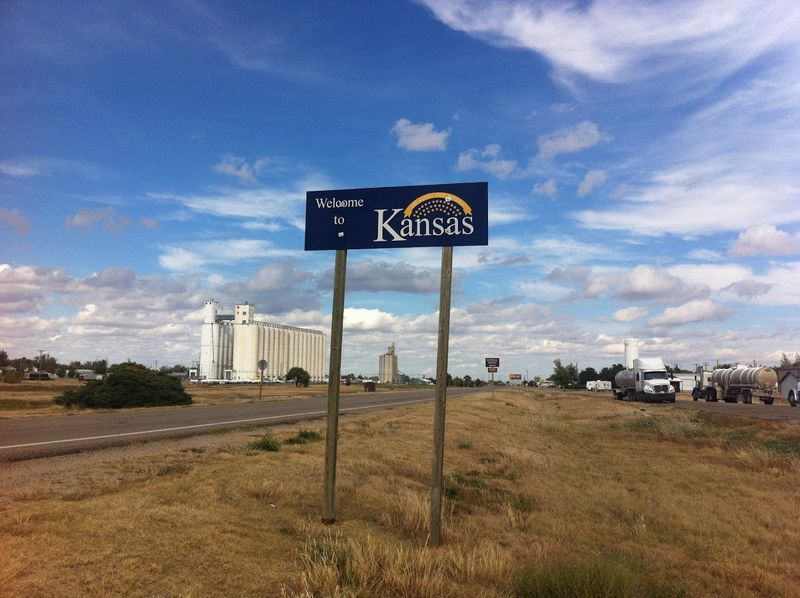
Step into southwest Kansas near Elkhart, and you’ll see environmental history written across the landscape. Wind erosion during the 1930s literally reshaped this region, removing topsoil that had developed over thousands of years.
What makes Elkhart special is how clearly the land still shows both damage and recovery. Nearby grasslands demonstrate why conservation became essential after the disaster.
Native prairie grasses hold soil in place, preventing the wind from carrying it away.
Early farmers didn’t understand this crucial relationship between plants and soil. Breaking sod for wheat fields removed nature’s protective cover.
When drought killed crops, nothing remained to anchor the earth.
The region recovered through improved land management practices developed after the Dust Bowl. Farmers learned to work with the environment instead of against it.
Elkhart’s surroundings show these lessons in action.
Visitors interested in environmental science find this location especially valuable. The landscape itself teaches lessons about ecology, conservation, and humanity’s changing relationship with the Plains.
Understanding what happened here helps prevent future disasters.
Garden City, Kansas — Southwest Kansas’ Road to Recovery
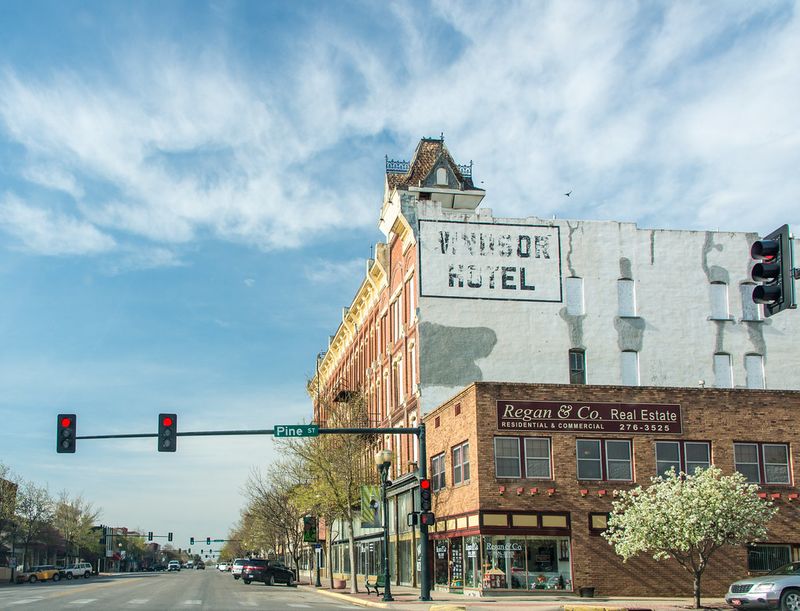
Recovery stories matter just as much as disaster accounts. Garden City represents how Kansas communities rebuilt after the 1930s devastation through adaptation and determination.
Finney County experienced severe drought conditions that destroyed agricultural productivity. Blowing soil buried equipment and filled buildings.
Economic uncertainty paralyzed families who had invested everything in their land. Many wondered if farming the High Plains would ever succeed again.
But residents refused to give up permanently. After conditions improved, they implemented conservation programs that restored productivity to damaged fields.
New farming techniques prevented the worst erosion while still allowing agriculture to continue.
The area’s recovery demonstrates human adaptability. Communities learned from mistakes, accepted scientific guidance, and changed practices that had proven destructive.
This willingness to adapt saved High Plains agriculture.
Today, Garden City tells a complete story. Visitors learn about both the disaster and the successful recovery that followed.
The community shows that environmental challenges can be overcome through knowledge, cooperation, and persistence. These lessons remain relevant as modern communities face new environmental pressures.
Hugoton, Kansas — Life on the High Plains During the Dust Bowl
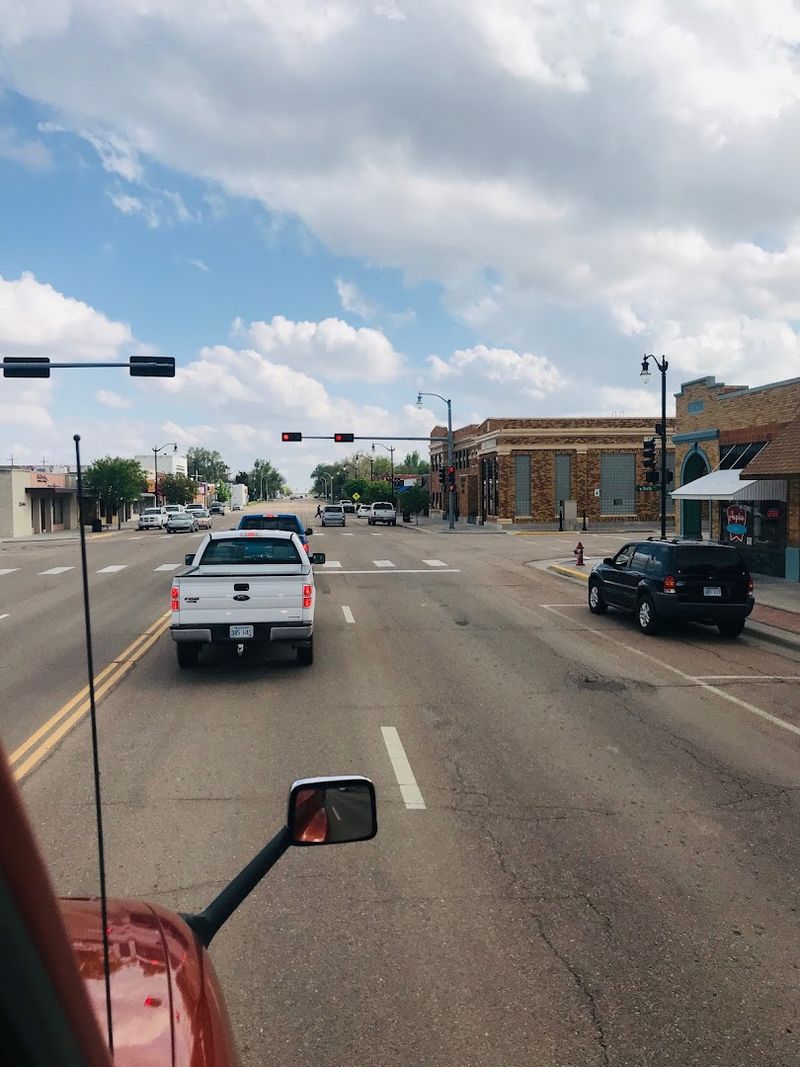
Did you know that most High Plains communities looked like Hugoton during the 1930s? Small farming towns surrounded by fields that stopped producing, filled with families wondering how to survive another year.
Stevens County experienced the same crop failures and financial hardship affecting the entire region. Farmers couldn’t pay mortgages when harvests failed.
Stores closed when customers had no money. Schools struggled when tax revenues disappeared.
Daily life became a battle against dust itself. Women hung wet sheets over windows trying to keep dirt out of homes.
Children wore masks to school. Farmers watched equipment wear out from constant grit exposure.
After the disaster, Hugoton farmers adopted new conservation practices that prevented future catastrophes. They learned to preserve soil moisture, maintain ground cover, and farm more sustainably.
These techniques transformed High Plains agriculture.
The town offers insight into ordinary existence during extraordinary times. Most Dust Bowl stories weren’t dramatic headlines but quiet struggles by regular people facing impossible challenges.
Hugoton preserves these everyday experiences, reminding us that history happens to real families.
Cimarron, Kansas — A Southwest Kansas Town Surrounded by Dust Bowl History
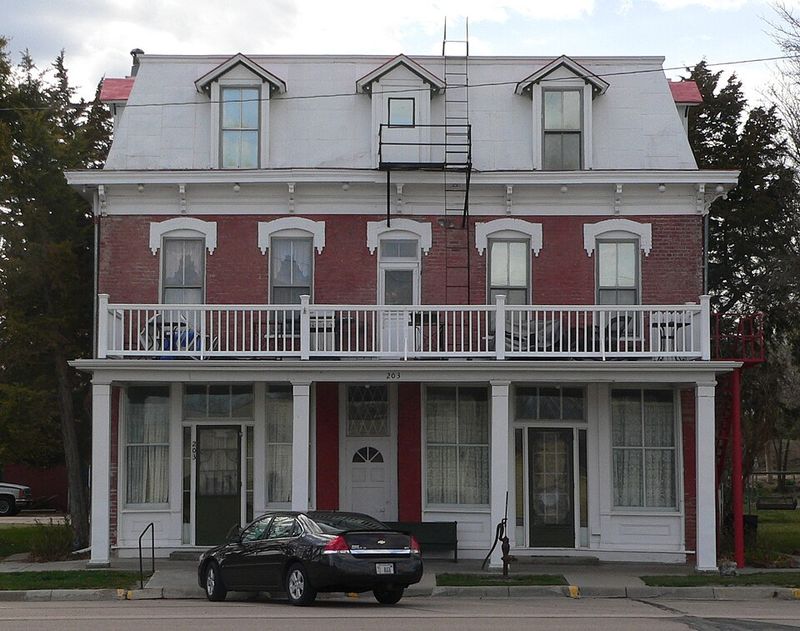
Smaller communities like Cimarron provide quieter but equally important perspectives on the Dust Bowl experience. Gray County farming families endured drought years without national attention or dramatic documentation.
What happened here mirrors experiences across southwest Kansas. Fields that once produced wheat turned barren.
Wells dried up or pumped dust-contaminated water. Families made difficult decisions about staying versus leaving for uncertain opportunities elsewhere.
Community survival became the primary focus. Churches organized food sharing.
Neighbors helped each other maintain hope when circumstances seemed hopeless. These local support networks kept many families from completely collapsing during the worst years.
Cimarron connects to broader southwest Kansas agricultural history. The region’s farming traditions stretch back to settlement days, making the 1930s devastation especially heartbreaking.
Generations of work seemed destroyed by environmental forces beyond anyone’s control.
Visiting smaller towns adds depth to Dust Bowl understanding. Not every community has museums or famous photographs.
But their stories matter equally. The families who lived through disaster in places like Cimarron deserve recognition for their courage and perseverance.
Dodge City, Kansas — A Lifeline for Southwest Kansas Farmers
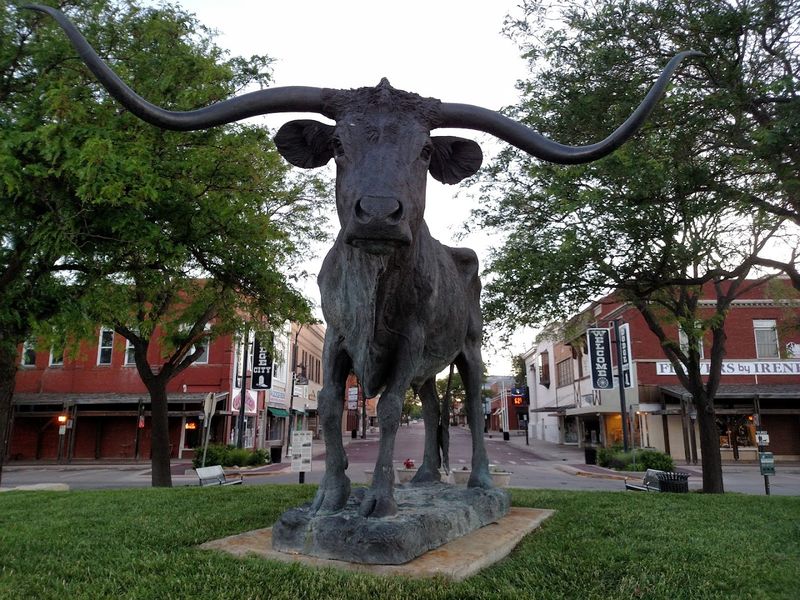
Famous for its Wild West history, Dodge City played a different heroic role during the 1930s. The regional center became a critical lifeline for surrounding farms and ranches when drought and economic hardship struck simultaneously.
While not the most devastated location, Dodge City experienced the disaster through its agricultural connections. When farmers stopped buying supplies, local businesses suffered.
When families left the region, the entire economic system weakened.
The town’s importance came from its infrastructure. Transportation networks allowed goods to move in and out despite harsh conditions.
Commercial businesses provided services that isolated rural areas couldn’t access. These connections helped surrounding communities survive when local resources ran out.
Historical exhibits connect Dust Bowl stories with Dodge City’s broader Kansas history. Visitors learn how one region’s environmental disaster affected economic systems across multiple communities.
Understanding these connections provides crucial perspective.
Regional support towns like Dodge City deserve recognition. They didn’t face the worst conditions themselves but provided essential help to areas that did.
This cooperation kept the entire southwest Kansas region functioning through unprecedented challenges.
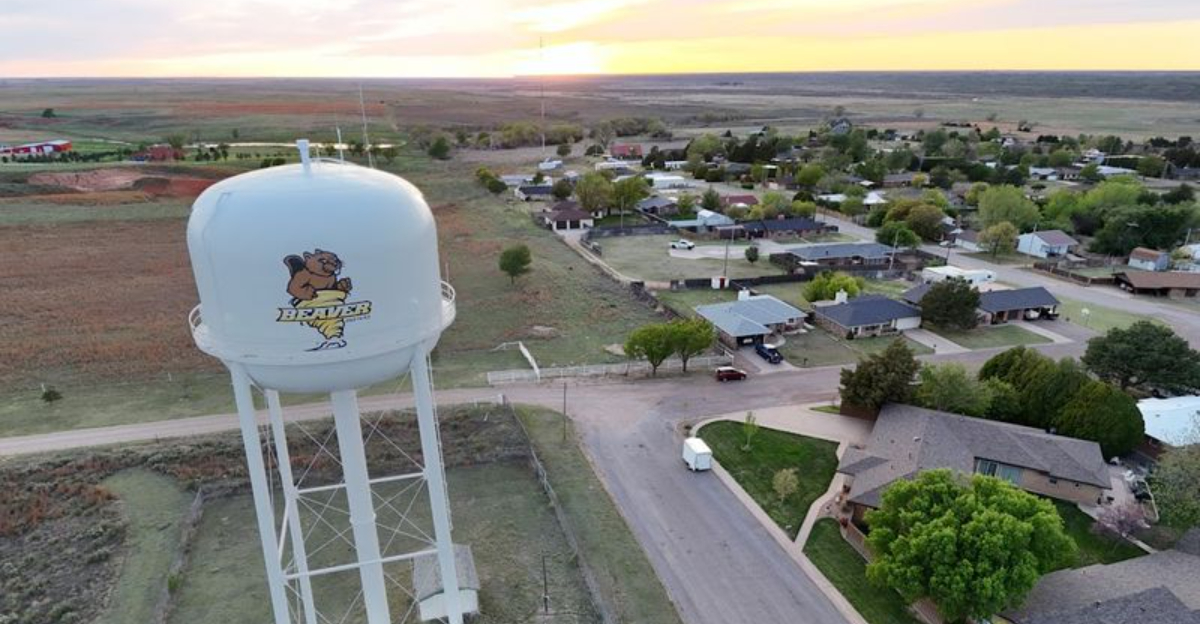
Beaver, Oklahoma — A Panhandle Town That Faced the Dust Bowl Head-On
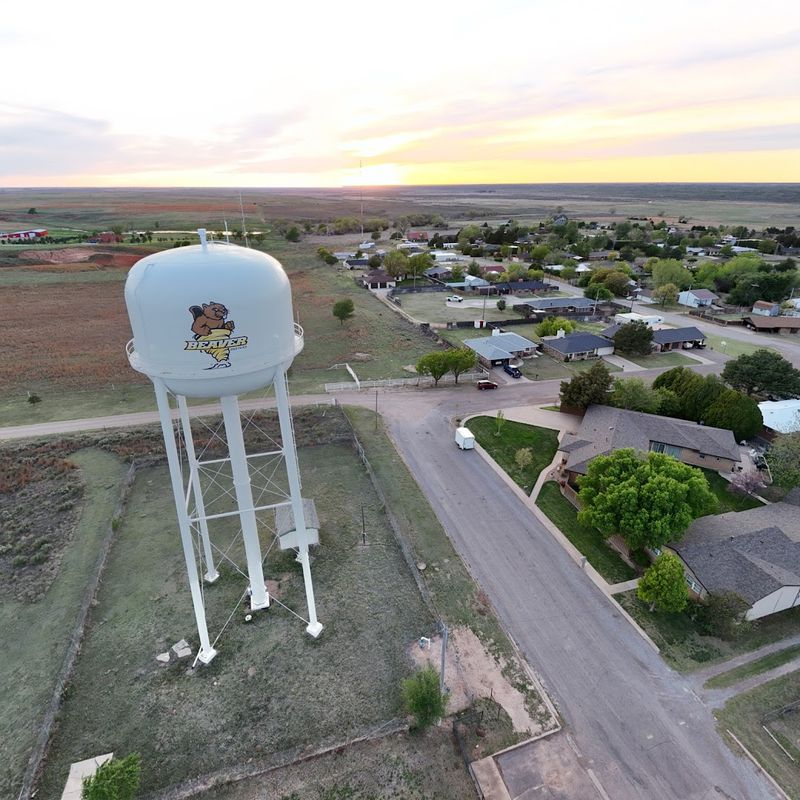
Beaver, Oklahoma, sits in the heart of the Oklahoma Panhandle, a region that became one of the most recognizable symbols of the Dust Bowl during the 1930s. Like many communities across the High Plains, Beaver County was hit hard by years of drought, strong winds, and farming practices that left vulnerable soil exposed to erosion.
Massive dust storms damaged crops, reduced farm income, and forced many families to reconsider their future on the Plains.
Despite the hardships, Beaver became part of the story of resilience that defined Dust Bowl communities. Farmers who stayed worked to rebuild their livelihoods while adopting improved soil conservation methods that helped protect the land from future damage.
The town’s history reflects the struggles of rural families who depended on agriculture during one of America’s toughest decades.
Today, Beaver offers visitors a glimpse into the challenges faced by Oklahoma Panhandle residents during the Dust Bowl era, with its historic character and connection to the region’s agricultural past.