Florida’s greatest attractions don’t wear roller coasters or sit behind admission gates—they roam free.
One trail might lead you past a lounging alligator, while the next brings a close look at a curious manatee or a flock of brilliant wading birds. Every walk feels like stepping into a nature documentary where you never know what will appear around the next bend.
From towering cypress swamps to wide-open prairies, Florida protects some of the richest wildlife habitats in the country.
Black bears, bison, bobcats, otters, turtles, and hundreds of bird species call these remarkable places home, rewarding patient visitors with unforgettable moments.
Grab your hiking shoes, charge your camera, and keep your eyes open.
These twelve Florida wildlife parks prove that the state’s most memorable adventures happen far from the crowds, where every trail promises the chance to discover something truly amazing.
Myakka River State Park (Sarasota)
Morning mist rises from wetlands as you step onto trails where alligators rule the waterways. As one of Florida’s oldest and largest state parks, Myakka sprawls across 58 square miles of untamed wilderness.
The ecosystem shifts dramatically as you walk—from shady oak hammocks draped in Spanish moss to sun-drenched prairies teeming with wading birds.
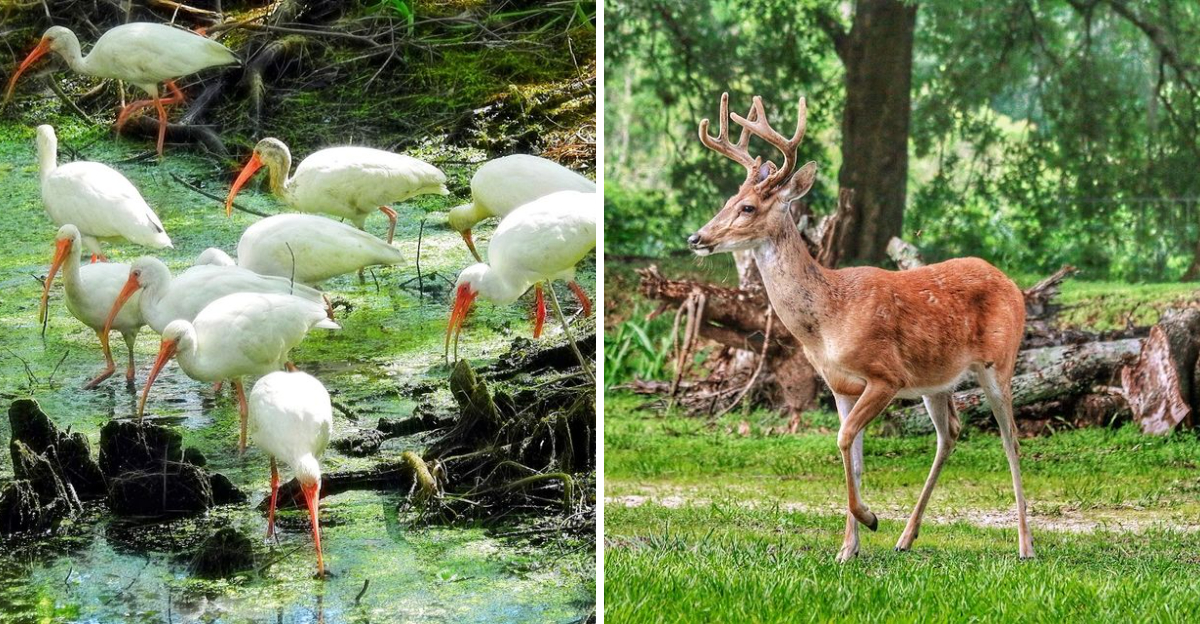
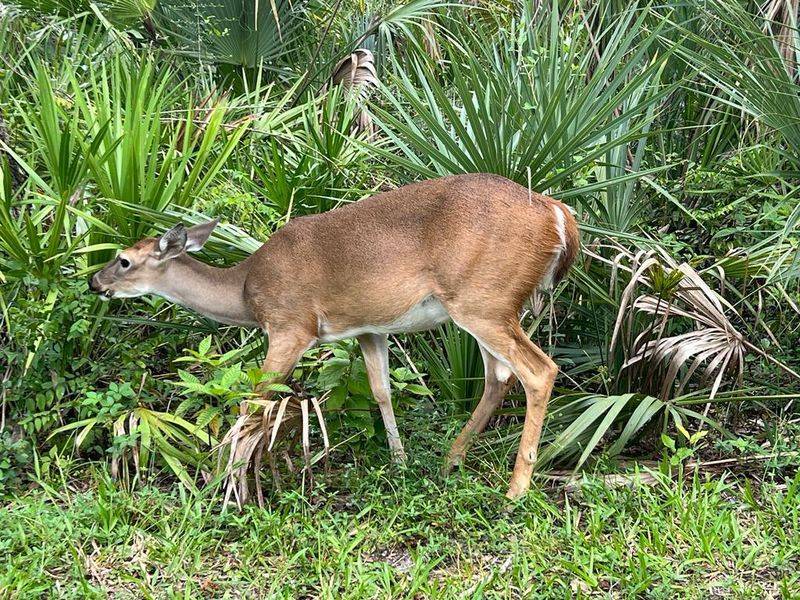
Roseate spoonbills sweep their distinctive bills through shallow waters while white-tailed deer browse along forest edges. Wild turkeys gobble from hidden spots, and patient observers often spot bobcats slinking through the underbrush.
The Canopy Walkway takes adventurous hikers 25 feet above ground for a bird’s-eye view of the forest.
Each trail reveals different habitats and wildlife surprises. The Upper Myakka Lake attracts massive flocks of waterfowl during winter months.
Photography enthusiasts find endless subjects here, from tiny turtles to massive gators sunning themselves. Rangers say no two visits ever feel the same because seasonal changes constantly transform what wildlife you’ll encounter.
Paynes Prairie Preserve State Park (Micanopy)
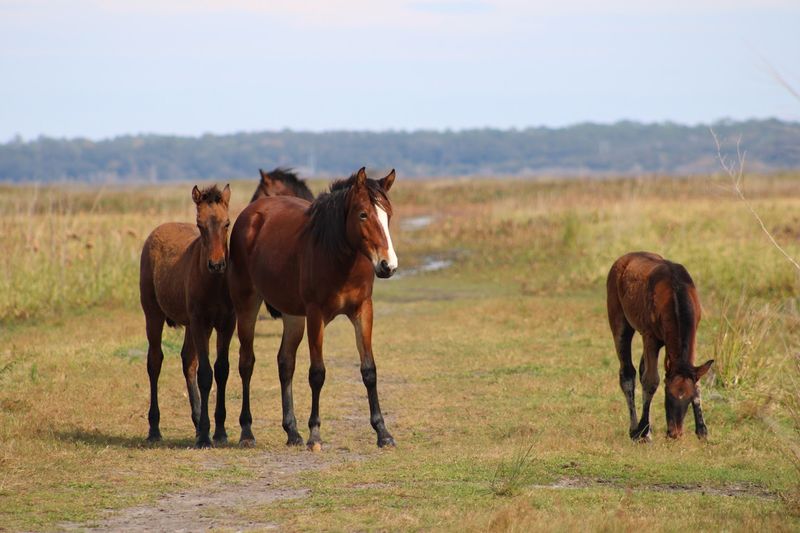
Picture this: wild bison grazing peacefully alongside horses on a sweeping Florida prairie. Paynes Prairie stands out as one of the Southeast’s most unusual wildlife destinations.
The vast grassland stretches for miles, creating habitats you’d never expect to find in the Sunshine State.
More than 270 bird species have been recorded here, making it a birding paradise. Sandhill cranes perform their elaborate courtship dances during breeding season.
Alligators dominate the wetland areas, while the Alachua Sink creates a fascinating geological feature where water mysteriously disappears underground.
Eight different trails crisscross the preserve, each offering unique perspectives. The Cone’s Dike Trail provides sweeping prairie views where bison herds often graze.
La Chua Trail leads directly into prime alligator territory—sometimes dozens bask along the path. Bring binoculars because wildlife watching here operates on a grand scale.
The observation tower offers panoramic views perfect for spotting distant wildlife. Early morning visits reward you with the most active animal behavior and stunning golden-hour lighting.
Corkscrew Swamp Sanctuary (Naples)
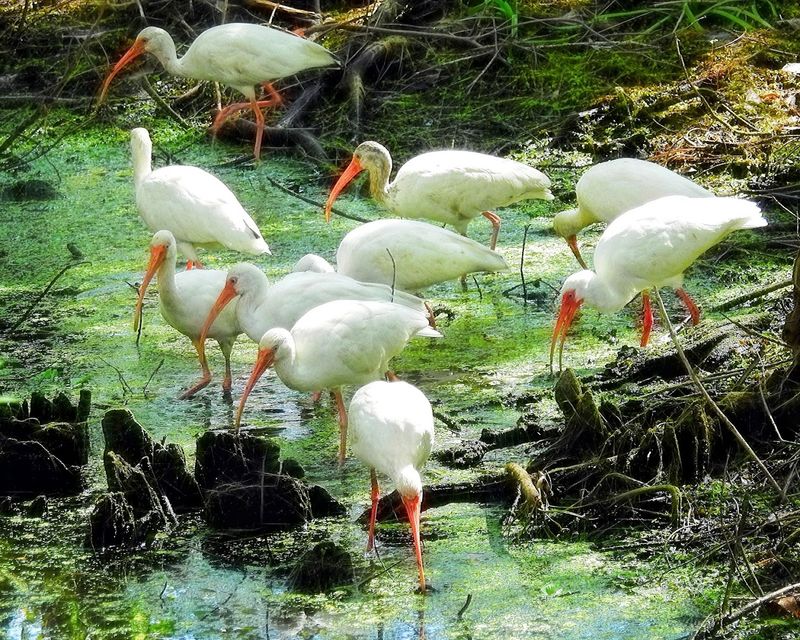
An elevated boardwalk carries you 2.25 miles through one of North America’s last virgin bald cypress forests. Some trees tower overhead at 130 feet tall, having stood for more than 500 years.
Walking beneath their massive canopy feels like entering a natural cathedral.
Wood storks nest in huge colonies here, creating one of the continent’s most important breeding sites. Barred owls call during daylight hours, their distinctive “who cooks for you” echoing through the swamp.
River otters play in dark waters below the boardwalk while painted turtles line every available log.
The sanctuary protects multiple ecosystems beyond the famous cypress swamp. Pine flatwoods and wet prairie areas host different wildlife communities.
Patient observers spot alligators of all sizes, from tiny hatchlings to massive adults. The boardwalk’s accessibility makes this ancient wilderness available to everyone regardless of hiking ability.
Photography opportunities abound at every turn, with mirror-like water reflections creating stunning compositions. Rangers lead guided walks that reveal hidden wildlife and explain the swamp’s complex ecology.
Everglades National Park
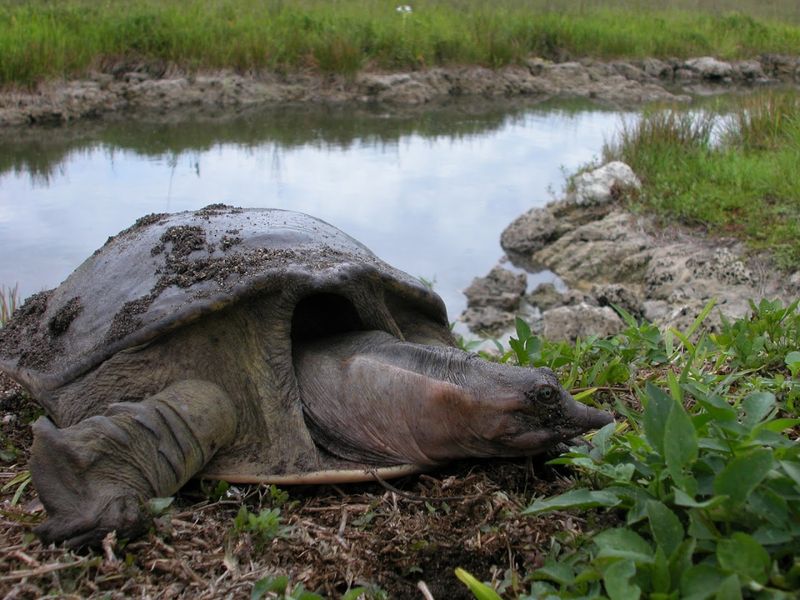
America’s largest subtropical wilderness protects a truly unique ecosystem found nowhere else on earth. The “River of Grass” flows slowly southward across flat terrain, creating a maze of sawgrass prairies, mangrove forests, and hardwood hammocks.
Multiple trail systems provide access to different sections of this vast wetland.
Alligators and American crocodiles both inhabit these waters—one of the few places worldwide where both species coexist. The Anhinga Trail offers guaranteed wildlife sightings with birds, turtles, and gators visible from the elevated boardwalk.
Sharks cruise through coastal areas while manatees seek warm-water refuges.
Winter brings the best hiking conditions and peak wildlife activity. The dry season concentrates animals around shrinking water sources, making encounters more frequent.
Flamingos occasionally appear in Florida Bay, delighting lucky observers. Roseate spoonbills, wood storks, and white pelicans create spectacular displays.
The Gumbo Limbo Trail winds through a tropical hardwood hammock where orchids bloom in tree branches. Serious hikers tackle the longer Coastal Prairie Trail for solitude and adventure.
Merritt Island National Wildlife Refuge (Titusville)
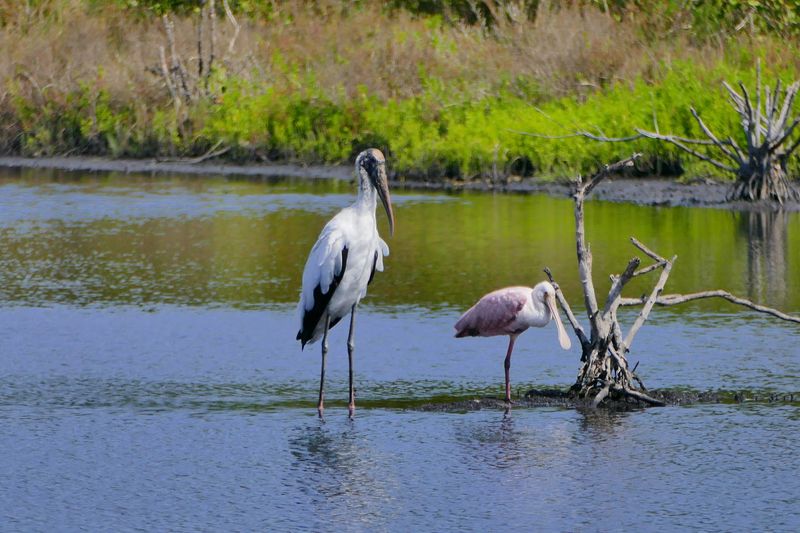
Rocket launches roar overhead while endangered species thrive below—only at Merritt Island does space exploration coexist with pristine wilderness. The refuge shares boundaries with Kennedy Space Center yet remains wonderfully wild.
Seven miles of hiking trails plus auto routes wind through diverse coastal habitats.
Manatees congregate in warm-water areas during winter months, sometimes dozens gathering together. The refuge protects more threatened and endangered species than any other National Wildlife Refuge in the continental United States.
Bald eagles nest in towering pines while roseate spoonbills sweep their bills through shallow waters.
Black Point Wildlife Drive provides excellent wildlife viewing without leaving your vehicle, though walking the trails offers more intimate encounters. Bobcats prowl the marshes at dawn and dusk.
Alligators warm themselves along canal banks. The Cruickshank Trail loops through oak hammocks where songbirds flit between branches.
Migratory season transforms the refuge into a birding hotspot with thousands of ducks, shorebirds, and wading birds stopping to rest and feed. Photographers love the combination of dramatic skies and abundant wildlife.
Ellie Schiller Homosassa Springs Wildlife State Park (Homosassa)
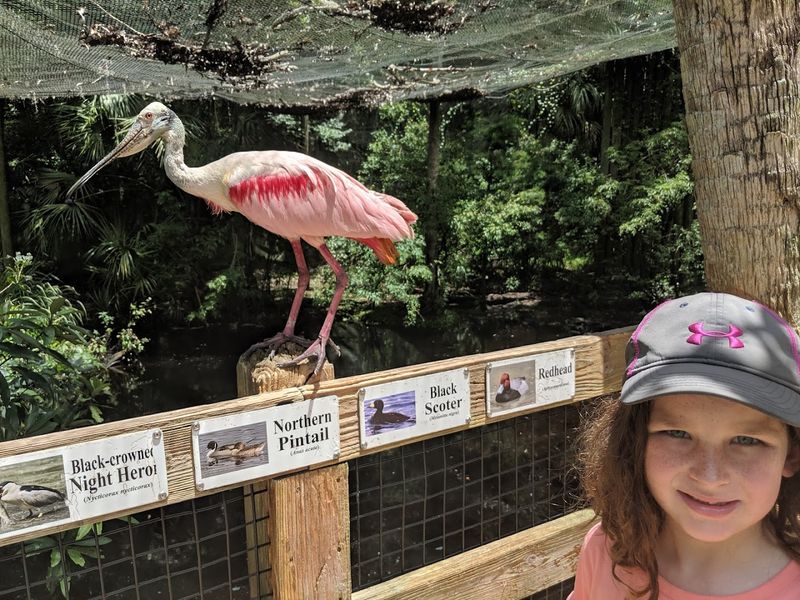
Kids press their faces against underwater viewing windows as gentle manatees drift past. This unique park combines easy walking paths with incredible wildlife encounters perfect for families.
Every animal here tells a rescue story—permanent residents unable to survive in the wild receive lifetime care.
The underwater observatory reveals a different world where manatees, fish, and turtles swim in the crystal-clear spring water. Black bears, Florida panthers, and bobcats occupy spacious natural habitats along elevated walkways.
Flamingos wade through shallow pools while alligators bask nearby.
Children especially love the river otter habitat where playful residents perform acrobatic displays. Red wolves and white-tailed deer also call the park home.
Educational programs teach visitors about Florida’s native species and conservation challenges. The park emphasizes rehabilitation and education rather than entertainment.
Stroller-friendly paths make this accessible for visitors of all ages and abilities. Winter brings the largest manatee gatherings when the spring’s constant 72-degree temperature provides warmth.
The natural beauty combined with guaranteed close-up wildlife viewing creates memorable experiences without strenuous hiking.
Blue Spring State Park (Orange City)
Crystal-clear water bubbles from limestone depths at a constant 72 degrees year-round. When winter chills surrounding rivers, manatees seek this warm refuge in remarkable numbers.
Peak season brings over 500 individuals crowding into the spring run, creating one of nature’s most spectacular gatherings.
The boardwalk and nature trails follow the spring run toward the St. Johns River. Turtles stack themselves on every available log while great blue herons stalk the shallows.
Ospreys plunge dramatically into the water, emerging with fish clutched in their talons.
White-tailed deer browse along forest edges, surprisingly tolerant of human observers. The park enforces strict manatee protection rules—swimming is prohibited during manatee season to avoid disturbing these gentle giants.
Rangers provide daily manatee counts during winter months. The upland trails wind through pine forests and oak hammocks where woodpeckers hammer away at tree trunks.
Kayakers and canoeists explore beyond the spring when manatee season ends. The combination of guaranteed manatee viewing and easy walking trails makes this perfect for first-time wildlife watchers seeking reliable animal encounters.
Fakahatchee Strand Preserve State Park (Copeland)
They call it the “Amazon of North America” for good reason. This mysterious swamp harbors more orchid species than anywhere else in North America—44 native varieties grow wild here.
Ghost orchids bloom in shadowy recesses, drawing orchid enthusiasts from around the world hoping for a glimpse.
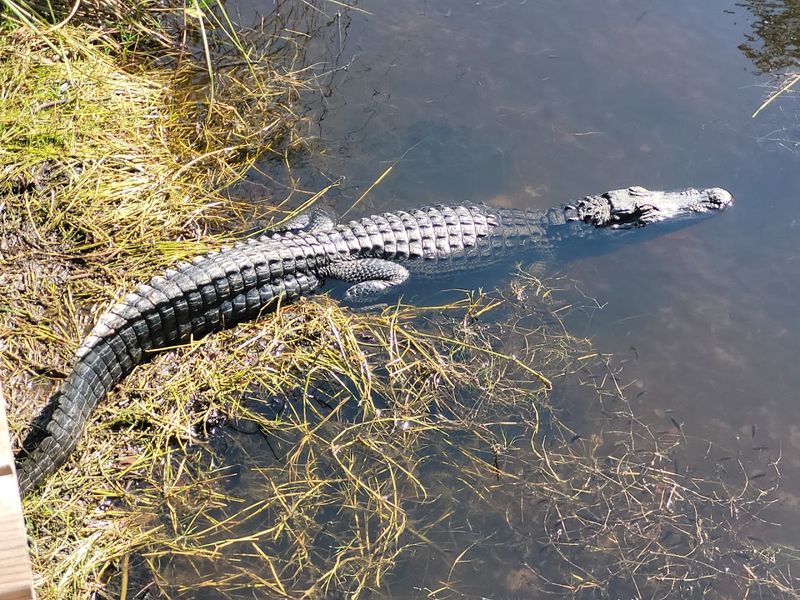
The Big Cypress Bend Boardwalk offers the easiest access, winding 2,000 feet through primeval swamp forest. Alligators lurk beneath buttressed cypress trees while barred owls roost in the canopy.
Black bears occasionally wander through, though sightings remain rare. The truly adventurous can tackle the wet prairie trails, where you’ll wade through ankle-deep water.
Fakahatchee holds the distinction of being prime Florida panther habitat. These elusive cats roam the preserve’s remote sections, though spotting one requires exceptional luck.
The swamp’s wild character and limited development create an authentic wilderness experience. Rare ghost orchids typically bloom between June and August, hidden high in cypress trees.
Bring waterproof boots if you venture beyond the boardwalk. The preserve feels otherworldly—dense, dark, and delightfully untamed.
Lake Woodruff National Wildlife Refuge (DeLeon Springs)
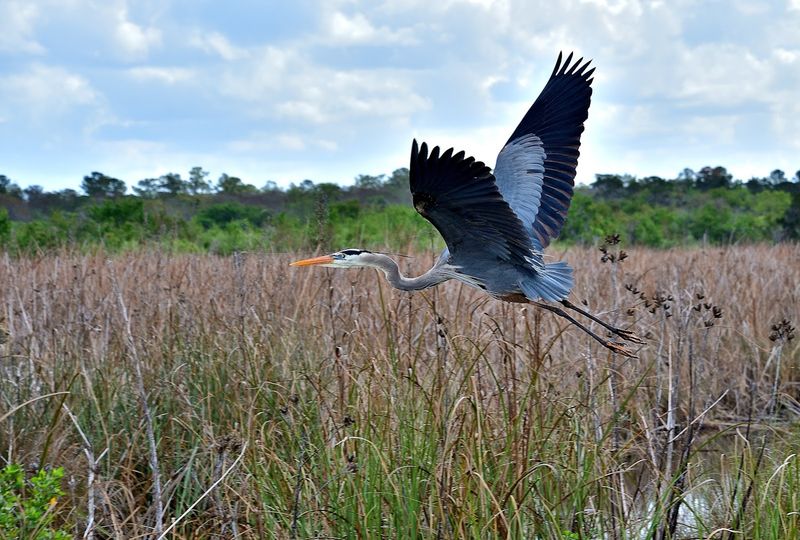
Silence settles over wetlands broken only by bird calls and rustling reeds. Lake Woodruff remains blissfully undiscovered compared to more famous Florida parks.
Roughly 18,000 acres of marshes, swamps, and hardwood forests provide sanctuary for an incredible diversity of wildlife.
The refuge’s quiet nature makes it ideal for serious wildlife observation. Alligators crowd the waterways in impressive numbers—some trails pass dozens basking along canal banks.
Bald eagles nest in tall pines, raising chicks visible through spotting scopes. Limpkins wade through shallow water, their strange calls echoing across the marsh.
River otters play in the canals, performing underwater acrobatics and grooming themselves on the banks. The levee roads and trail system allow both hiking and biking access.
Migratory waterfowl transform the refuge each winter when thousands of ducks arrive. Rare species like snail kites hunt for apple snails above the wetlands.
Photographers appreciate the refuge’s lack of crowds and abundant subjects. The Jones Creek Trail provides the best hiking experience through varied habitats.
Pack patience and binoculars—Lake Woodruff rewards those who slow down and observe carefully.
St. Marks National Wildlife Refuge
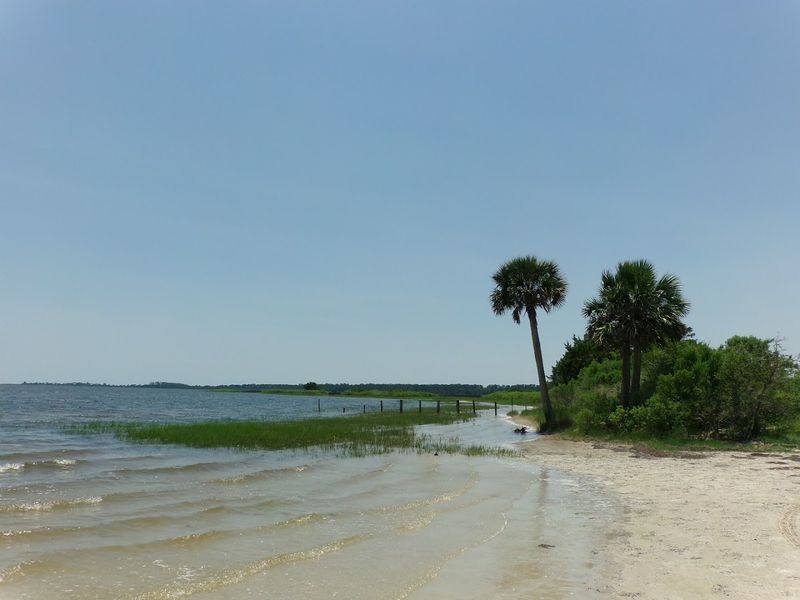
Where the Apalachee Bay meets coastal forest, this refuge protects 70,000 acres of remarkably diverse habitats. Salt marshes transition into pine flatwoods, which give way to freshwater ponds and hardwood swamps.
Each ecosystem supports different wildlife communities, making every trail a new discovery.
Black bears roam the interior forests while alligators patrol the waterways. Bobcats leave tracks in soft mud along trail edges.
The refuge gained fame as a critical stopover point for migrating monarch butterflies. Each fall, millions of orange wings flutter southward toward Mexico, sometimes coating entire trees.
More than 300 bird species have been recorded here. The Lighthouse Trail leads seven miles to the historic St. Marks Lighthouse, passing through multiple habitats.
Wading birds stalk the tidal flats while wood storks soar overhead. Red wolves once roamed here, and ongoing restoration efforts may eventually bring them back.
The Mounds Trail explores ancient Native American sites alongside wildlife viewing opportunities. Spring migration brings spectacular waves of songbirds.
Coastal access provides beach hiking where ghost crabs scuttle and shorebirds probe the sand.
Kissimmee Prairie Preserve State Park (Okeechobee County)
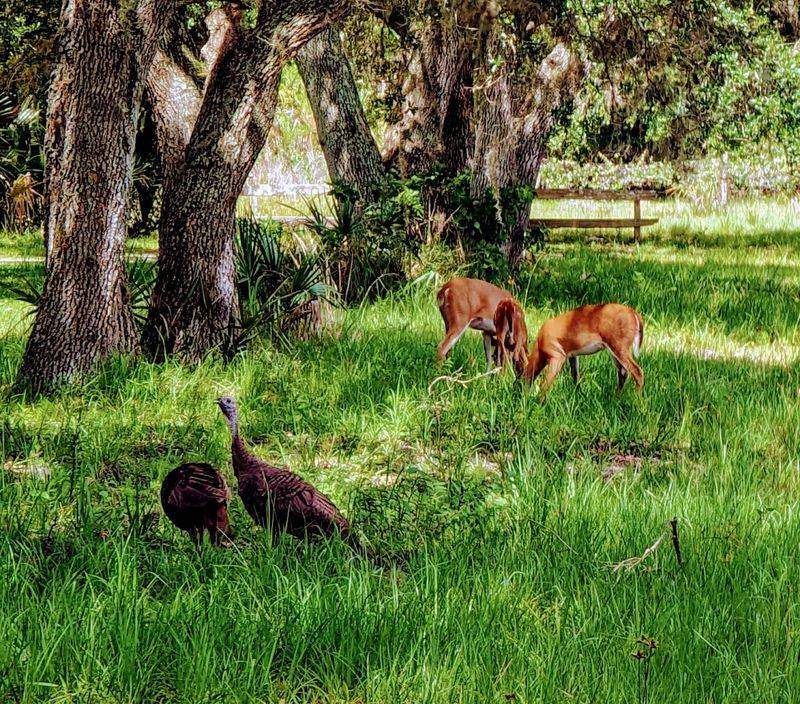
Endless grasslands stretch to distant horizons under impossibly wide skies. Kissimmee Prairie showcases a completely different Florida—no beaches, no swamps, just vast open country reminiscent of the western plains.
This 54,000-acre preserve protects one of the state’s last remaining dry prairies.
Crested caracaras, those distinctive raptors with orange faces, hunt across the grasslands. Burrowing owls pop up from underground burrows, watching visitors with curious golden eyes.
White-tailed deer bound through the grasses while bobcats stalk from hidden spots. The preserve also protects one of Florida’s most important populations of Florida grasshopper sparrows.
As an International Dark Sky Park, Kissimmee Prairie offers spectacular stargazing. The Milky Way blazes across the night sky with almost no light pollution.
Daytime trails wind through palmetto prairies and oak hammocks. The Bluegill Pond Trail provides an easy introduction while the Prairie Hiking Trail extends for 6.2 miles.
Summer wildflowers paint the landscape in vibrant colors. Bring plenty of sun protection since shade is scarce.
The park feels remote and wild, exactly what prairie should be.
Highlands Hammock State Park (Sebring)
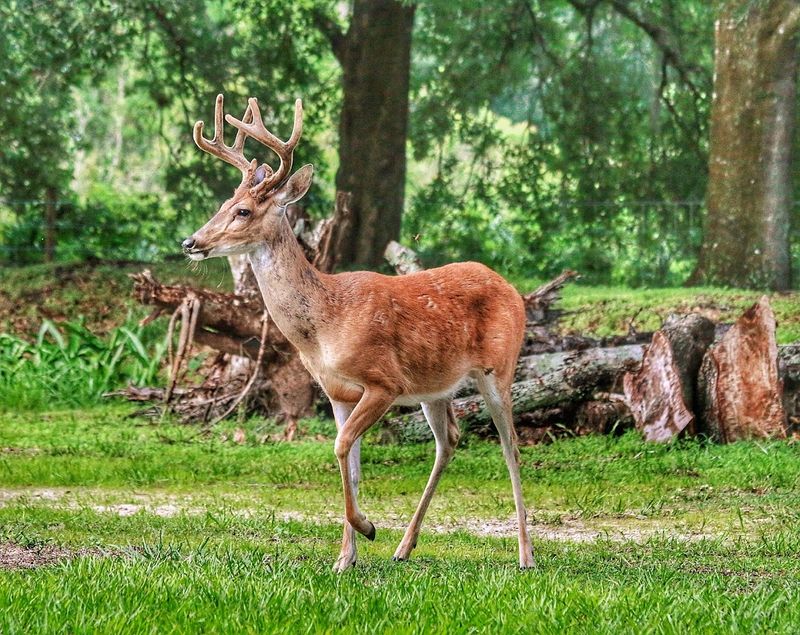
Massive live oaks draped in curtains of Spanish moss create a fairytale atmosphere in Florida’s first state park. Ancient trees, some over 1,000 years old, tower overhead along nine distinct nature trails.
The park’s elevated boardwalks and well-maintained paths make exploring accessible while protecting delicate ecosystems.
Alligators bask along swamp edges while various turtle species sun themselves on logs. Barred owls nest in tree cavities, occasionally visible during daylight.
Pileated woodpeckers hammer away at dead trees, their distinctive calls echoing through the forest. The cypress swamp walk takes you through primeval wetlands where knees rise from dark water.
White-tailed deer browse near the campground, surprisingly tame around visitors. Lucky hikers might spot the feral hogs that root through the understory.
Even rarer, Florida panthers occasionally pass through, though sightings remain exceptional. The park’s biodiversity results from its location where multiple ecosystems converge.
Winter offers the most comfortable hiking temperatures and increased wildlife activity. The hammock ecosystem provides crucial habitat for countless species.
Bird watchers find excellent opportunities year-round with migrants supplementing resident species.