
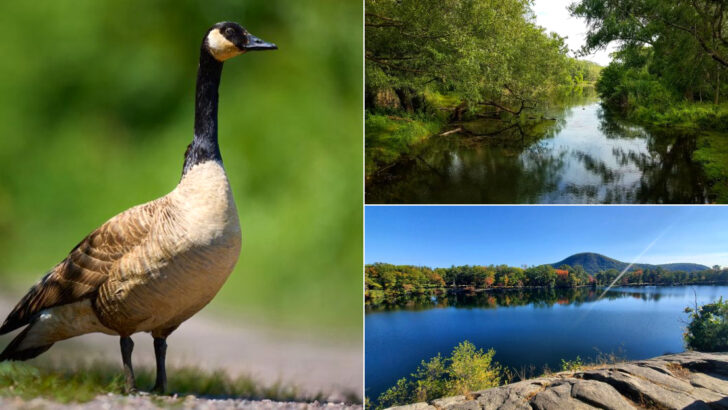
New York has a way of catching you off guard, just when you think you know everything it has to offer, it reveals a wild side that feels entirely unexpected.
From coastal marshes and ancient forests to sweeping gorges and migratory bird corridors, the state’s wildlife parks cover a remarkable range of landscapes.
Whether you’re planning a family outing, a solo nature walk, or a weekend road trip, New York’s wildlife parks offer something genuinely memorable.
Many of these destinations see far fewer visitors than the state’s famous landmarks, which means quieter trails and more authentic encounters with nature.
Here are ten New York wildlife parks that surprised us with just how much there was to discover.
1. Harriman State Park, Sloatsburg, Rockland County
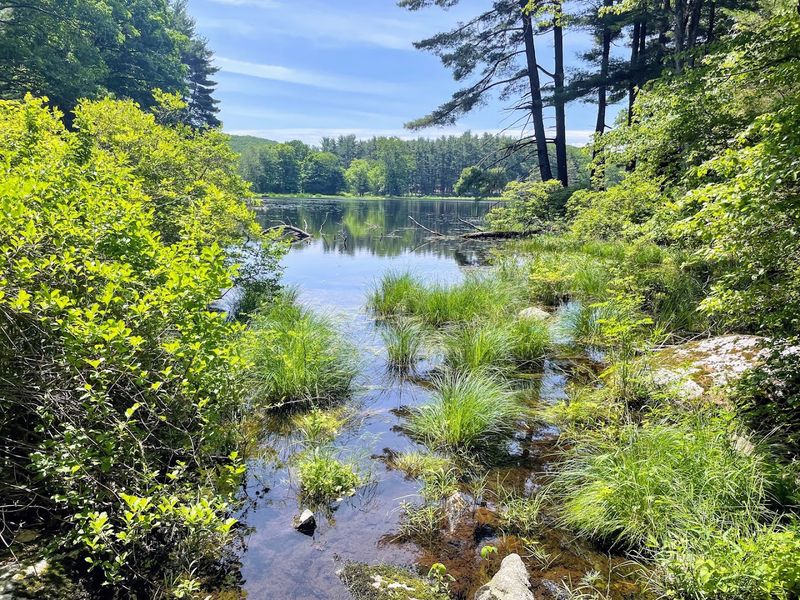
Mist hangs low over the lakes here, and the forest seems to stretch in every direction without effort.You get the sense immediately that this is not a quick roadside green space but a place where you could wander for days.
That feeling defines Harriman State Park near Sloatsburg, a huge preserve with a scale that still surprises many first time visitors.
As New York’s second largest state park, Harriman offers over 200 miles of hiking trails, dozens of lakes and reservoirs, and extensive forest habitat.Birders, paddlers, trail runners, and casual walkers can all find their own version of a perfect day here.
Popular routes connect to the Appalachian Trail, while easier lakeside strolls let you enjoy the scenery without committing to a strenuous climb.
The variety is what makes the park so rewarding.One hour you may be beside still water watching turtles on a log, and the next you are on a ridge with sweeping views over wooded hills.
Spring wildflowers, summer swimming areas, vibrant autumn foliage, and quiet winter landscapes give the park year round appeal.
If you want one place that captures the big forested side of downstate New York, this belongs on your list.Start with a lake loop if you are visiting for the first time.
It is the kind of park that can turn a simple afternoon outside into a plan for many return trips.
2. Bear Mountain State Park, Bear Mountain, Orange County
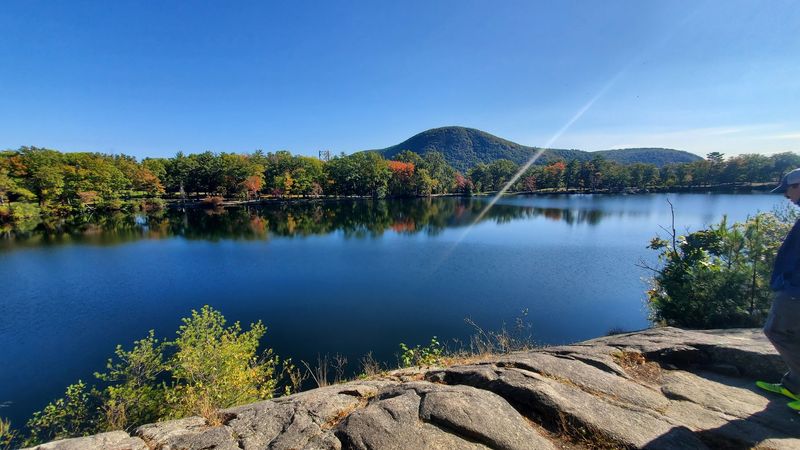
Stonework, mountain views, and the Hudson’s broad sweep combine here in a way that feels almost cinematic.Even before you start walking, the setting hints that this place offers more than a standard park afternoon.
Bear Mountain State Park, centered near Bear Mountain in Orange County, delivers both classic scenery and a surprising amount of wildlife watching.
The park is known for its summit views, lakefront recreation, and easy access from the New York metropolitan area.Trails range from short loops to steep climbs, and the Perkins Memorial Tower area gives you a memorable overlook over the Hudson Highlands.
Around Hessian Lake, you can slow the pace and keep an eye out for waterfowl, songbirds, deer, and seasonal raptors moving along the ridgelines.
Families often come for the carousel, picnic spots, and broad lawns, but there is a wilder character beneath the popular attractions.The surrounding forest supports varied habitats, and nearby marshes and slopes create good conditions for both birds and small mammals.
Fall is especially dramatic, though crisp spring mornings can feel equally rewarding if you prefer smaller crowds.
This is a strong choice when you want a park that mixes accessibility with real landscape drama.Plan enough time to do more than one overlook or trail.
What surprises most visitors is how quickly the park shifts from lively gathering place to genuinely restorative mountain retreat.
3. Iroquois National Wildlife Refuge, Basom, Genesee County
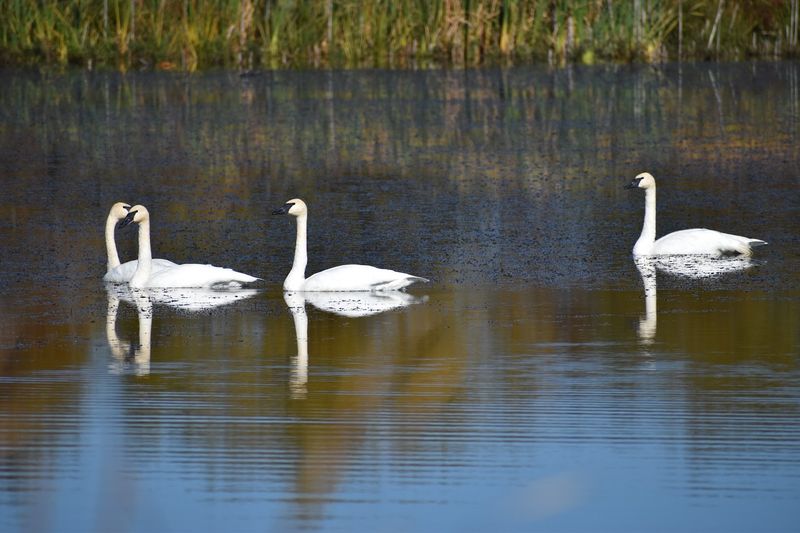
Wide marshes and still water give this refuge a calm, open feeling that is instantly grounding.Instead of dramatic cliffs or famous waterfalls, the appeal here comes from subtle movement, distant bird calls, and changing light across the wetlands.
Iroquois National Wildlife Refuge near Basom rewards patience, making it one of western New York’s most satisfying places for quiet wildlife observation.
The refuge protects a mosaic of wetlands, swamps, forests, and grasslands that support an impressive range of species.Birders often come for migratory waterfowl, marsh birds, and raptors, but the area also shelters deer, beaver, turtles, muskrats, and countless smaller creatures.
Trails, overlooks, and an auto tour route help visitors sample these habitats without feeling rushed.
What makes Iroquois memorable is the sense that the land is working exactly as it should.Water levels, vegetation, and habitat management all play visible roles in attracting wildlife, so every visit offers something a little different.
Migration periods are particularly exciting, though even a slow summer walk can reveal dragonflies, frogs, and flashes of movement in the reeds.
This is a great stop if you enjoy places that reward attention rather than spectacle.Go expecting serenity, and you may leave with an impressive species list as a bonus.
The surprise is how such understated scenery can hold your focus for hours once the refuge starts revealing its details.
4. Letchworth State Park, Castile, Wyoming County
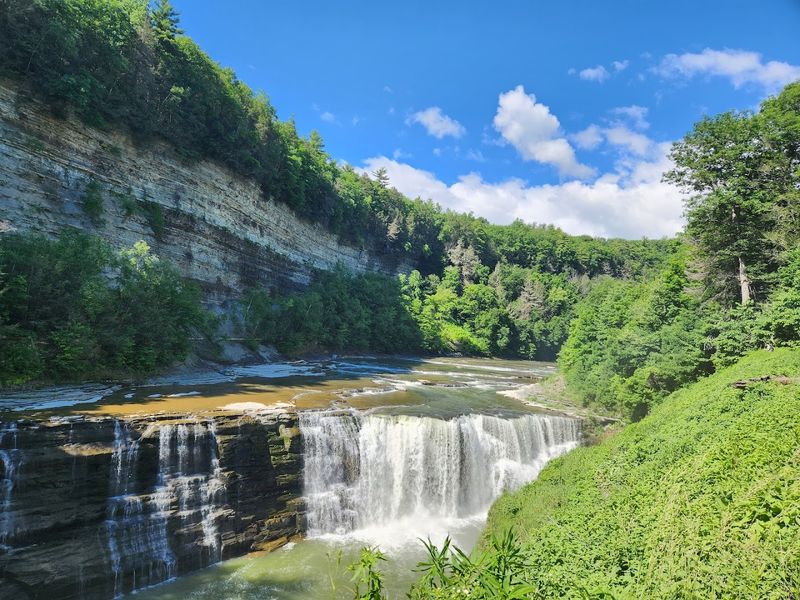
Thunder from the waterfalls reaches you before the full view opens, and that first glimpse is hard to forget.The gorge is so deep and dramatic that it can feel closer to a western national park than an upstate New York destination.
Letchworth State Park near Castile earns its nickname, the Grand Canyon of the East, while still offering intimate wildlife moments between the overlooks.
The Genesee River cuts through a spectacular gorge lined with cliffs, forests, and several major waterfalls.Popular stops like the Upper, Middle, and Lower Falls draw the biggest crowds, yet quieter trails reveal woodlands, side streams, and bird activity that many visitors miss.
You may spot hawks soaring above the canyon, white tailed deer at the forest edge, or songbirds moving through hemlock and hardwood habitat.
The park is especially rewarding because scenic grandeur and wildlife observation happen in the same outing.One moment you are taking in a postcard worthy overlook, and the next you are listening for rustling leaves on a shaded path.
Hot air balloons sometimes appear above the gorge, adding another memorable layer to sunrise visits.
If you like destinations that feel instantly iconic, this one belongs near the top of your list.Arrive early or stay later in the day for softer light and fewer crowds.
The surprise here is not just the gorge itself, but how much life flourishes around all that rock and water.
5. Allegany State Park, Salamanca, Cattaraugus County
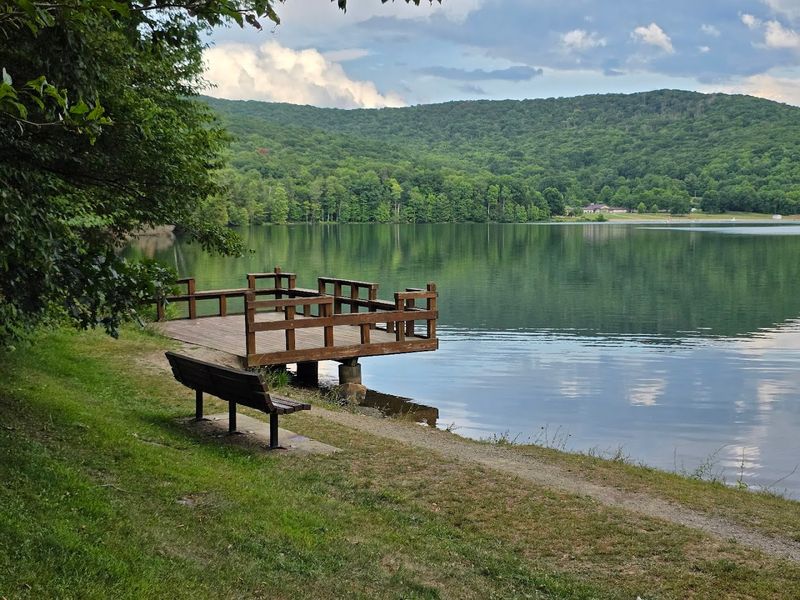
Quiet settles differently in this part of the state, deeper and more complete than many visitors expect.Long forest roads, broad wetlands, and reflective lakes give the whole landscape a spacious, unhurried rhythm.
That atmosphere defines Allegany State Park near Salamanca, a huge natural escape where wildlife and solitude often feel like the main attraction.
As the largest state park in New York, Allegany covers extensive forest, rolling hills, creeks, and two distinct developed areas called Red House and Quaker.Hiking, biking, paddling, camping, and cross country skiing all fit naturally here because the terrain supports so many styles of outdoor travel.
The park is also rich in animal life, with chances to see deer, beaver, turtles, songbirds, and occasionally black bear in more remote sections.
What makes Allegany stand out is its sense of immersion.You are not just visiting a viewpoint or ticking off one short trail, but entering a landscape big enough to shape your entire day.
Wetland edges, lakeshores, and wooded ridges each reveal different habitats, so the park stays interesting even on repeat visits.
This is the place to choose when you want forest scale and flexibility.A simple drive through the park already shows off scenic variety, but slowing down on the trails reveals much more.
By the time you leave, the lingering impression is often not one standout sight, but the sheer amount of nature packed into one destination.
6. Montezuma National Wildlife Refuge, Seneca Falls, Seneca County
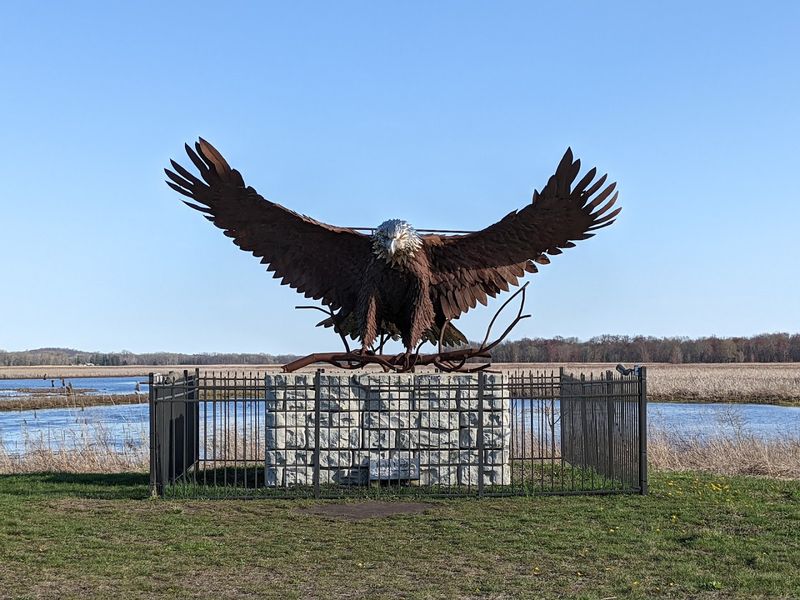
Dawn is the magical time here, when mist lifts off the wetlands and every distant call seems amplified.Water stretches between reed beds, and birds begin moving in all directions at once.
That early morning energy is a perfect introduction to Montezuma National Wildlife Refuge near Seneca Falls, one of New York’s premier wildlife watching destinations.
Located in the northern Finger Lakes region, Montezuma protects extensive marshes, ponds, and grasslands along a critical migratory corridor.The refuge is especially famous for birding, with bald eagles, great blue herons, bitterns, ducks, swans, and shorebirds among the many possible sightings.
The Wildlife Drive and observation areas make it easy to experience these habitats without needing a strenuous hike or specialized backcountry skills.
Seasonality is part of the excitement.Spring and fall migrations can be spectacular, while summer offers nesting activity and winter sometimes brings impressive concentrations of hardy waterfowl and raptors.
Photographers love the open sightlines, and families appreciate that wildlife can often be seen directly from accessible pull offs and platforms.
If you want a place where nature puts on a show with very little effort from you, this refuge delivers.Bring binoculars if you have them, but do not let a lack of gear stop you.
The surprise is how quickly a quiet wetland drive can become one of the most memorable wildlife experiences in the state.
7. Jamaica Bay Wildlife Refuge, Queens, Queens County
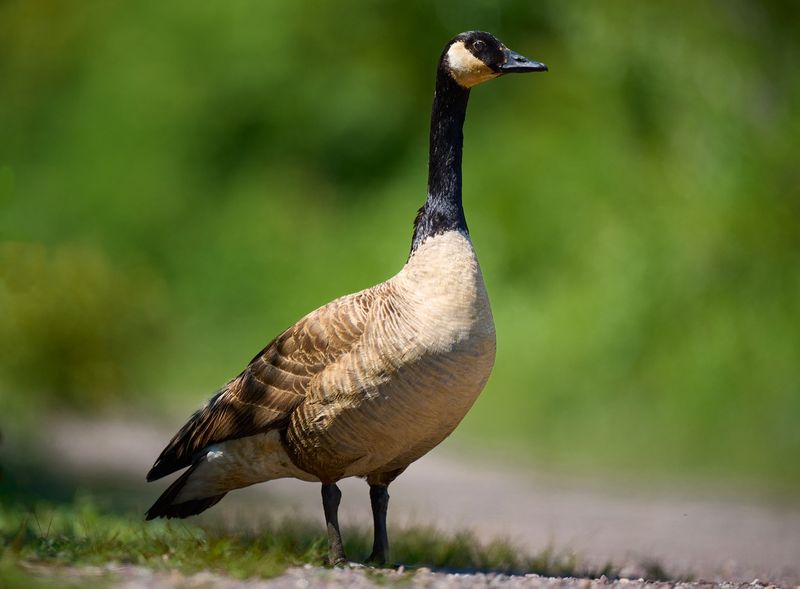
The city noise fades faster than you expect once the reeds begin to sway beside the trail.Shallow ponds glitter with moving light, and suddenly the skyline feels very far away.
That contrast is what makes Jamaica Bay Wildlife Refuge in Queens such an unforgettable first stop for anyone who thinks urban nature must feel compromised.
Part of Gateway National Recreation Area, this refuge is one of the best birding sites in the Northeast, especially during spring and fall migration.You can watch egrets, herons, ospreys, and seasonal warblers using habitats that include salt marsh, open bay, mudflats, and freshwater ponds.
The easy paths around West Pond and East Pond make it approachable even if you are not arriving with binoculars and a species checklist.
What stands out most is how active the landscape feels through every season.Winter brings waterfowl, summer fills the air with insects and shorebird calls, and migration days can turn a quiet walk into an impromptu wildlife show.
Photographers also love the changing light, especially when reflections settle across the pond edges.
If you want a park that proves New York can feel both metropolitan and deeply wild, this is it.Go early for the softest light, fewer people, and better bird movement.
You may arrive expecting a quick stop, then leave wondering how this much habitat survives inside the city.
8. Tifft Nature Preserve, Buffalo, Erie County
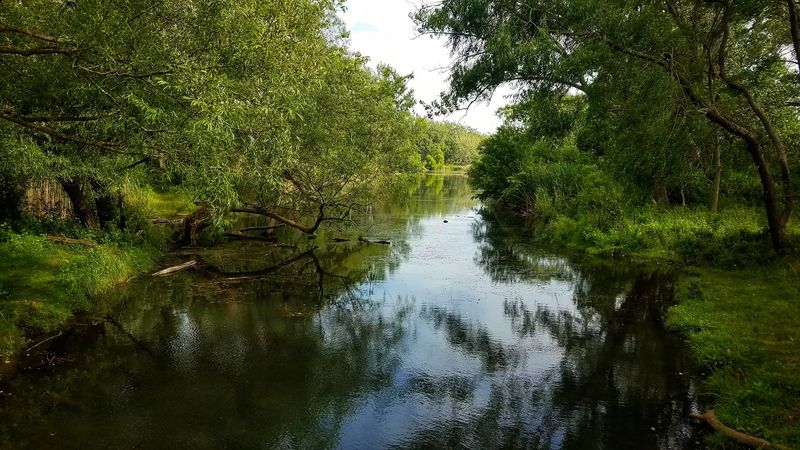
It feels almost improbable that such a peaceful wetland escape sits so close to Buffalo’s busy urban landscape.Boardwalks lead you through cattails and ponds where the mood shifts from industrial city edge to genuine calm in minutes.
That contrast is exactly why Tifft Nature Preserve in Buffalo leaves such a strong impression on first time visitors.
This 264 acre preserve is known for accessible trails, wetland habitat, and strong birding opportunities throughout the year.You can watch red winged blackbirds, wood ducks, herons, turtles, and migrating songbirds while following relatively easy paths that work well for casual walkers and families.
Interpretive programming and the preserve’s educational focus also make it a smart choice if you want wildlife viewing with a little added context.
Tifft stands out because it proves a nature visit does not require a long drive into remote country.The ponds and marshes attract an impressive amount of life, and every season changes the preserve’s personality.
Spring migration is lively, summer feels lush, autumn brings color and movement, and winter offers a quieter, more reflective kind of beauty.
If you are building an itinerary around western New York, this is an easy and worthwhile stop.Give yourself time to linger on the boardwalks instead of rushing through.
The surprise here is how thoroughly the preserve can reset your pace, even when the city remains just beyond the trees.
9. Quogue Wildlife Refuge, Quogue, Suffolk County
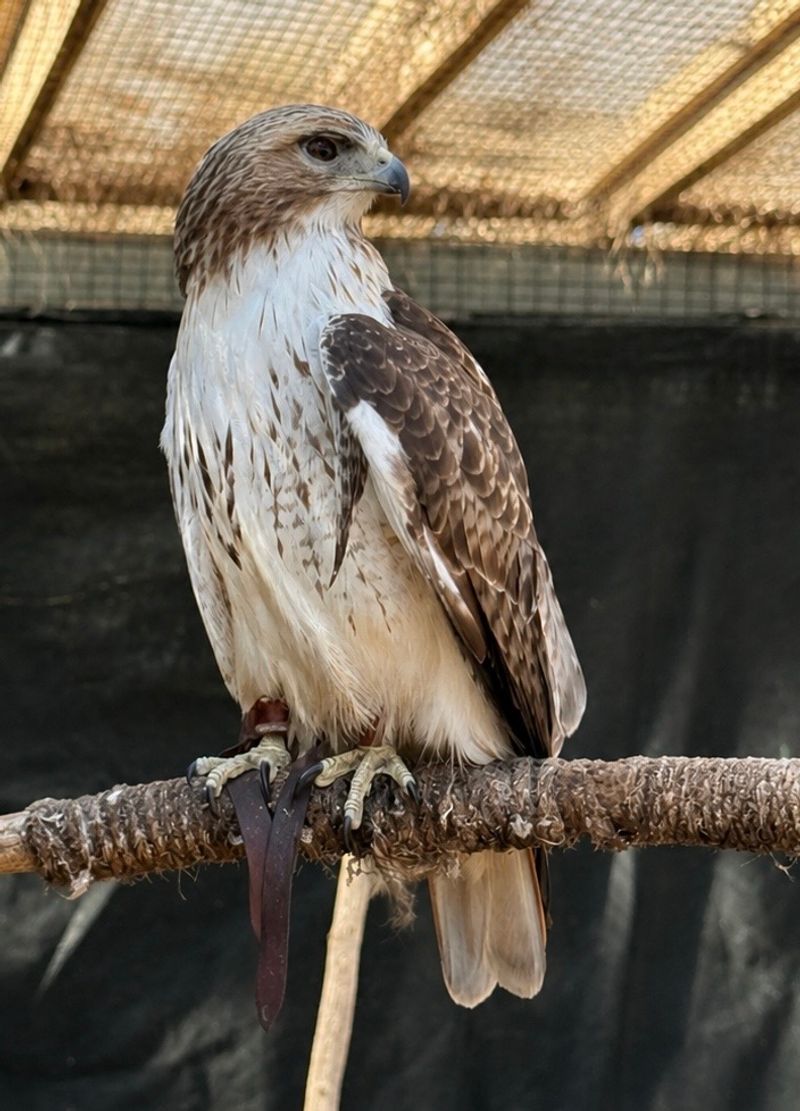
Pine scented air and quiet ponds create a softer, more intimate kind of wildness here.The trails invite you to slow down, notice small sounds, and look carefully at the edges of water and woods.
Quogue Wildlife Refuge in Quogue is not enormous, but it offers the kind of relaxed, rewarding nature experience that can pleasantly stretch a short visit into a long one.
The refuge protects more than 300 acres of habitats including woodland, marsh, and ponds, with easy trails that appeal to both families and dedicated walkers.You may spot turtles sunning on logs, osprey overhead, frogs near the water, and songbirds moving through the trees depending on the season.
An on site nature center and occasional wildlife exhibits add another layer for visitors who enjoy education alongside exploration.
What makes this refuge memorable is how accessible it feels without becoming dull.The paths are gentle, the scenery changes enough to hold your interest, and the setting captures the quieter side of eastern Long Island.
It is especially nice for anyone who wants wildlife viewing without committing to a rugged or highly strenuous outing.
This is a strong choice for a calm morning or afternoon in Suffolk County.Bring binoculars if you enjoy birding, but simple curiosity is enough.
The surprise is how much variety can be packed into a refuge that feels so manageable, welcoming, and easy to revisit in every season.
10. Fire Island National Seashore, Patchogue, Suffolk County
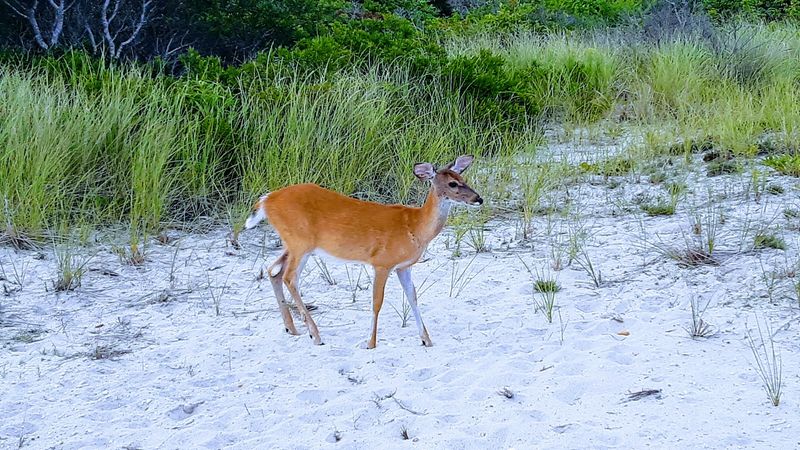
Wind, surf, and wide bands of sand make this landscape feel wonderfully exposed and alive.
Every shift in tide or weather changes the mood, and even a short walk can reveal birds, dunes, maritime forest, and open beach in quick succession.
Fire Island National Seashore, administered from Patchogue, is one of those places that reminds you coastal wildlife habitat can be just as captivating as mountain scenery.
Stretching along a barrier island off Long Island’s south shore, the seashore protects beaches, salt marshes, holly forest, and important nesting areas.
Depending on where and when you visit, you may see piping plovers, oystercatchers, terns, deer, foxes, and an ever changing range of shorebirds and seabirds.
Boardwalks, ferries, and car free communities create a different kind of park experience that feels refreshingly disconnected from daily routines.
The ecological variety is a huge part of the appeal.
One area may feel like a classic beach day destination, while another reveals fragile dune systems or quieter habitat rich with birdlife.
Sunrise and sunset are especially rewarding, when the light sharpens textures in the sand and the beaches feel almost cinematic.
If you want a New York wildlife park experience shaped by salt air and shifting horizons, this belongs on your itinerary.
Check seasonal access and protected nesting area rules before you go.