Massachusetts packs a surprising amount of wild beauty into a relatively small state, and its wildlife parks are proof of that.
From the salt marshes and dunes of the Cape to the quiet forests and meadows of the Pioneer Valley, the landscapes here shift dramatically from one region to the next.
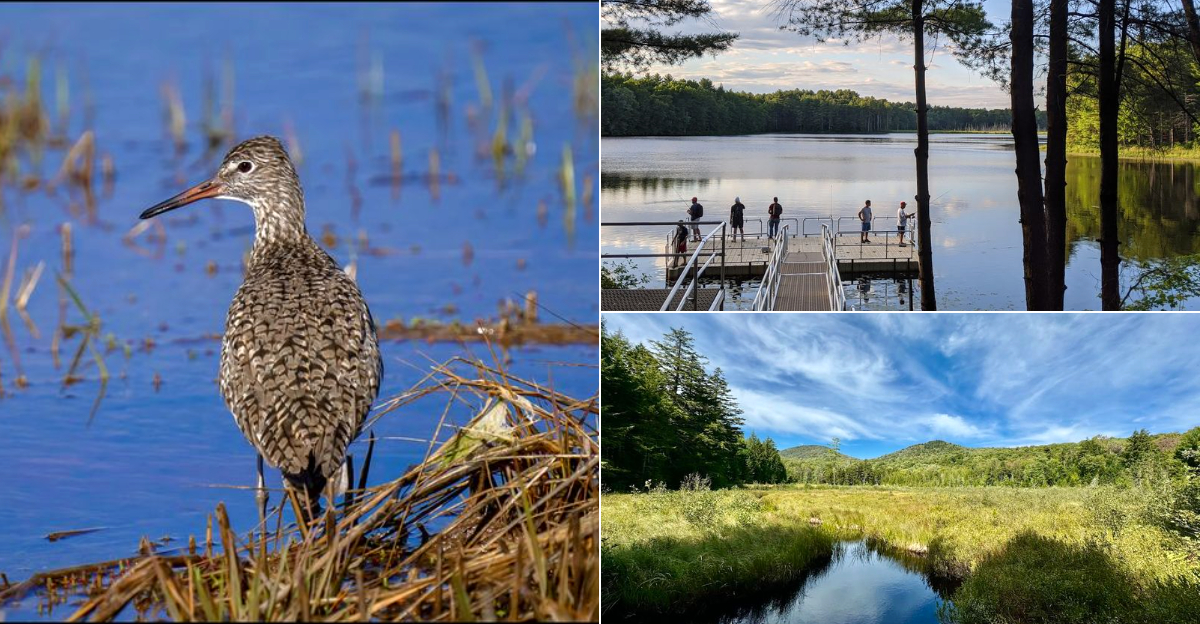
Bird migrations bring thousands of waterfowl and shorebirds through these parks each spring and fall, creating spectacles that rival anything you’ll find in states five times the size.
The parks and refuges on this list are managed with genuine care, and it shows in the health of the ecosystems and the variety of species visitors encounter.
Even seasoned naturalists tend to leave these places with something new in their field notes.
Here are eleven Massachusetts wildlife parks that are absolutely worth planning a full weekend around.
1. Great Meadows National Wildlife Refuge – Concord and Sudbury, Middlesex County
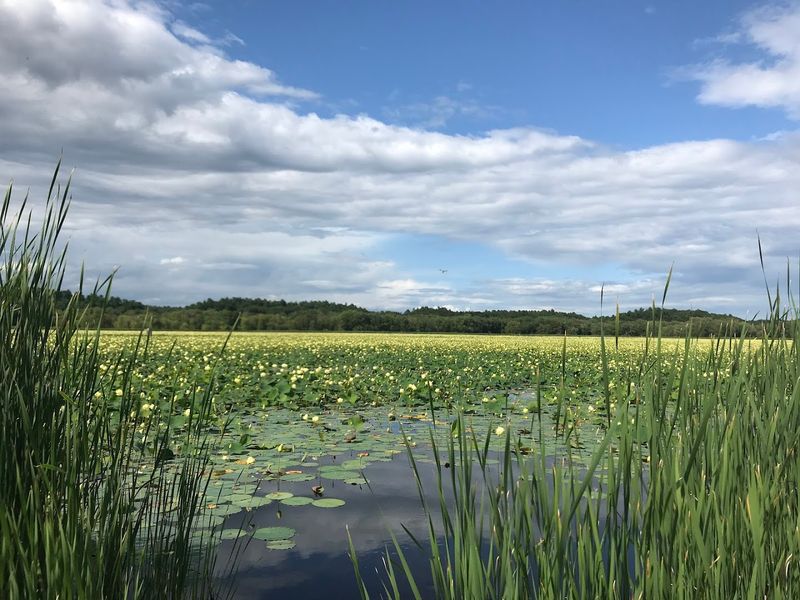
Morning fog hangs low over the marsh here, and the whole landscape feels designed to slow your heartbeat before breakfast.
You hear red-winged blackbirds, watch light slide across cattails, and suddenly the suburbs feel very far away.
That quiet magic defines Great Meadows National Wildlife Refuge in Concord and Sudbury, where wetlands, woods, and river habitat create one of the state’s most rewarding wildlife escapes.
The refuge protects a broad floodplain along the Concord and Sudbury Rivers, so every season gives you a different version of the same beautiful place.
Spring brings migratory birds and fresh green growth, summer offers lush paddling views, and autumn paints the trails in deep gold and rust.
If you enjoy easy walking, wildlife photography, or patient birdwatching, the flat paths and observation areas make that effortless.
You can pair a visit with nearby historic Concord, but the refuge itself easily anchors a full weekend pace.
Early hours are best for seeing waterfowl, turtles, and occasional deer moving near the edges of the marsh.
Bring binoculars, wear shoes that handle damp spots, and leave room in your schedule for a second loop.
What makes this place memorable is not dramatic terrain but the way stillness keeps revealing small surprises.
2. Wachusett Meadow Wildlife Sanctuary – Princeton, Worcester County
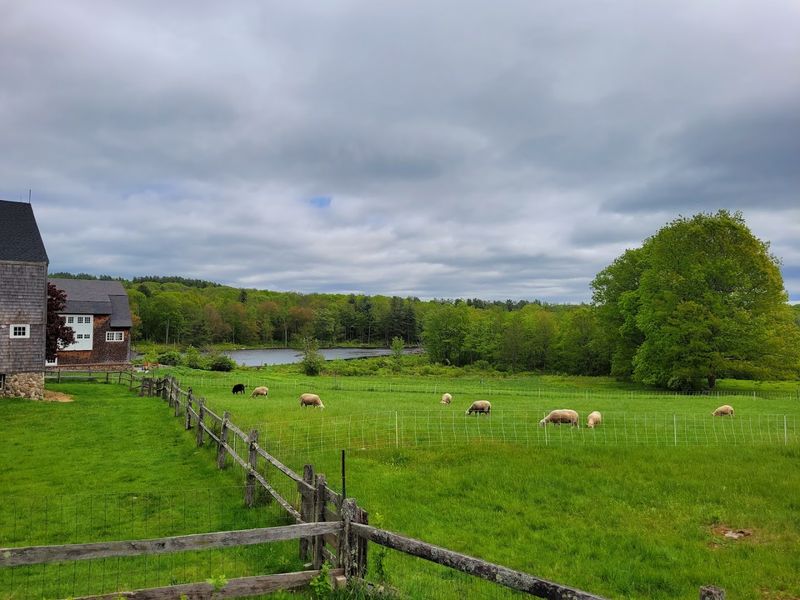
Open meadows, stone walls, and a slower rural rhythm give this sanctuary an inviting, almost pastoral charm from the moment you arrive.
Instead of dramatic crowds or big infrastructure, you get the kind of understated beauty that rewards attention and patience.
That is what makes Wachusett Meadow Wildlife Sanctuary in Princeton such a satisfying weekend destination for nature lovers.
The landscape blends fields, wetlands, forest edges, and trails that feel approachable for casual walkers while still offering plenty to notice.
Birdsong carries across the grass, butterflies drift through warmer months, and the seasonal changes are especially pretty in late spring and early fall.
Because the sanctuary is near Mount Wachusett and other local attractions, you can build a full nature-centered itinerary without much driving.
Families tend to appreciate the welcoming scale here, especially if you want children engaged without committing to an intense hike.
Educational programming often adds another layer, but even a quiet self-guided visit feels restorative and thoughtfully designed.
Bring a camera, move slowly, and keep an eye on meadow edges where wildlife activity often picks up.
You leave with boots a little dusty, photos full of soft color, and the pleasant feeling of time well spent outdoors.
3. Drumlin Farm Wildlife Sanctuary – Lincoln, Middlesex County

Fresh air, barnyard sounds, and wide fields give this place an immediately welcoming feel, especially if you want nature without sacrificing comfort.
It is one of those rare destinations where a working farm atmosphere and serious wildlife education fit together naturally.
That balance makes Drumlin Farm Wildlife Sanctuary in Lincoln a standout weekend option for families, couples, and curious solo visitors alike.
The sanctuary combines pastures, forests, wetlands, and farm spaces, so the experience changes as you move from one area to the next.
You might see hawks overhead, turtles near the water, and heritage livestock grazing in the same visit.
Because the trails are manageable and the programming is strong, it works especially well when you want a low-stress day outdoors.
Children tend to love the close animal encounters, but adults usually leave just as charmed by the landscape and mission.
Seasonal events, demonstrations, and nature interpretation add depth without making the place feel overly structured.
It also pairs beautifully with other nearby MetroWest stops if you want to stretch your weekend beyond one destination.
What makes this sanctuary worth planning around is how easy it is to feel both relaxed and engaged.
4. Oxbow National Wildlife Refuge – Harvard and Devens, Worcester County
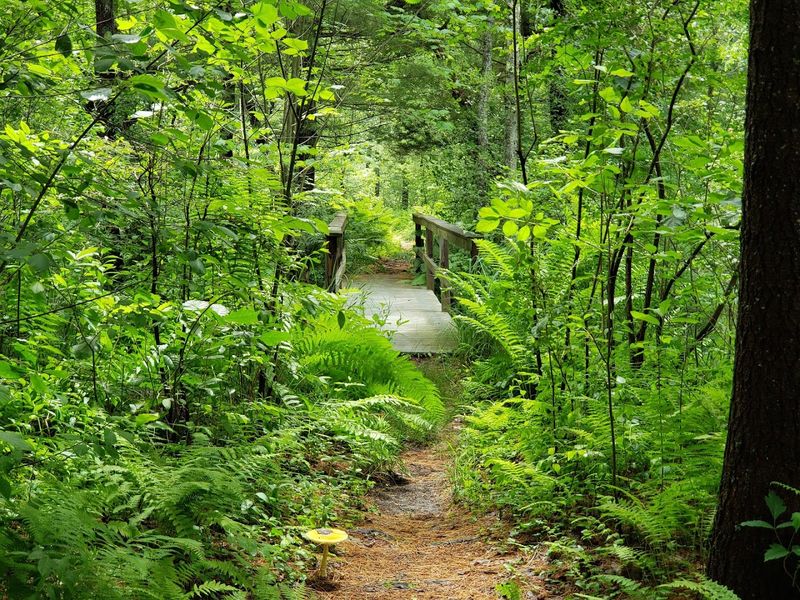
Dense woods, quiet water, and a distinctly hidden feel make this refuge seem far more remote than its map location suggests.
You arrive expecting a simple walk and quickly realize the landscape rewards anyone willing to move slowly and listen.
That immersive calm is the draw at Oxbow National Wildlife Refuge in Harvard and Devens, a lesser-known gem in central Massachusetts.
Named for the bends of the Nashua River, the refuge protects wetlands, floodplain forest, and habitat used by birds, amphibians, and mammals.
The trail system is not flashy, but it has the satisfying texture of a place where every curve might reveal turtles, woodpeckers, or beaver activity.
It is especially appealing if you prefer natural sounds and fewer crowds over heavily curated visitor experiences.
Because the refuge feels tucked away, it works well for a weekend centered on quiet exploration rather than checking off major attractions.
Bring insect repellent in warmer months, watch trail conditions after rain, and expect a more rustic atmosphere than at larger tourist sites.
That understated character is part of the charm, not a drawback.
The river presence, rich habitat, and peaceful pacing create exactly the kind of reset many weekend travelers are chasing.
5. Cape Cod National Seashore – Eastham, Wellfleet, Truro, and Provincetown, Barnstable County
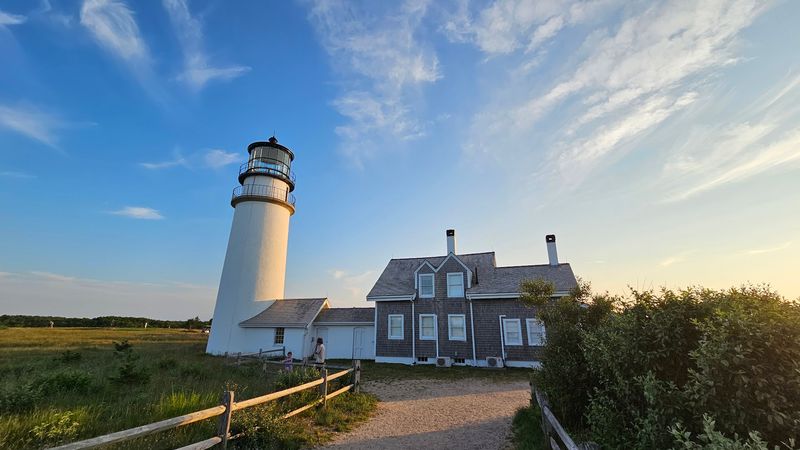
Wind off the Atlantic, towering dunes, and miles of protected shoreline create the kind of scenery that instantly justifies an overnight bag.
Even if you have visited Cape Cod before, this stretch feels wilder, larger, and more elemental than the usual beach-town postcard.
That is why Cape Cod National Seashore across Eastham, Wellfleet, Truro, and Provincetown remains one of Massachusetts’ essential nature weekends.
The seashore offers far more than beach lounging, with walking trails, salt ponds, historic sites, marsh views, and some of the region’s best coastal wildlife habitat.
You can watch shorebirds, scan for seals, and spend hours moving between overlooks that each frame the ocean differently.
Because the protected area is extensive, it rewards visitors who stay long enough to explore beyond the first scenic stop.
A full weekend here can mix sunrise beach walks, bicycle rides, dune hikes, and excellent seafood in nearby towns.
The variety means you never need to choose between active days and restorative downtime.
If you like photography, the light at Head of the Meadow, Coast Guard Beach, and the dune districts is especially memorable.
What makes this destination exceptional is its scale and mood, not just its popularity.
You feel the pull of weather, water, and open space in a way that is increasingly rare along the Northeast coast.
6. Parker River National Wildlife Refuge – Newburyport and Newbury, Essex County
Salt air, shifting dunes, and the sound of surf give this place the kind of cinematic opening that makes a weekend feel bigger right away.
One minute you are scanning marshes for egrets, and the next you are watching waves roll beside protected nesting habitat.
That contrast is exactly why Parker River National Wildlife Refuge in Newburyport and Newbury stands out on the Massachusetts coast.
Set across Plum Island’s barrier landscape, the refuge combines beach, freshwater pools, maritime forest, and sweeping salt marsh in one remarkably scenic stretch.
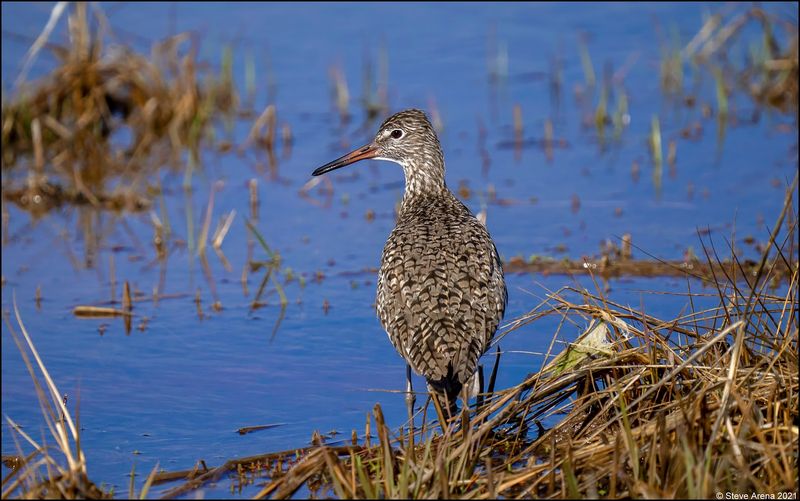
It is especially beloved by birders, since migration seasons can fill the area with shorebirds, waterfowl, raptors, and songbirds.
Even if you do not know one species from another, the wildlife energy here is impossible to miss.
The drive route and trail network let you shape your day around your mood, whether that means beach time, observation stops, or a longer walk.
Photography is excellent in early and late light, when the marsh glows and the ocean horizon softens.
Because access can be seasonal in some sections, checking current conditions before you go is smart.
You can spend the morning with binoculars, the afternoon by the water, and sunset watching the sky change over the marsh.
7. Arcadia Wildlife Sanctuary – Easthampton and Northampton, Hampshire County
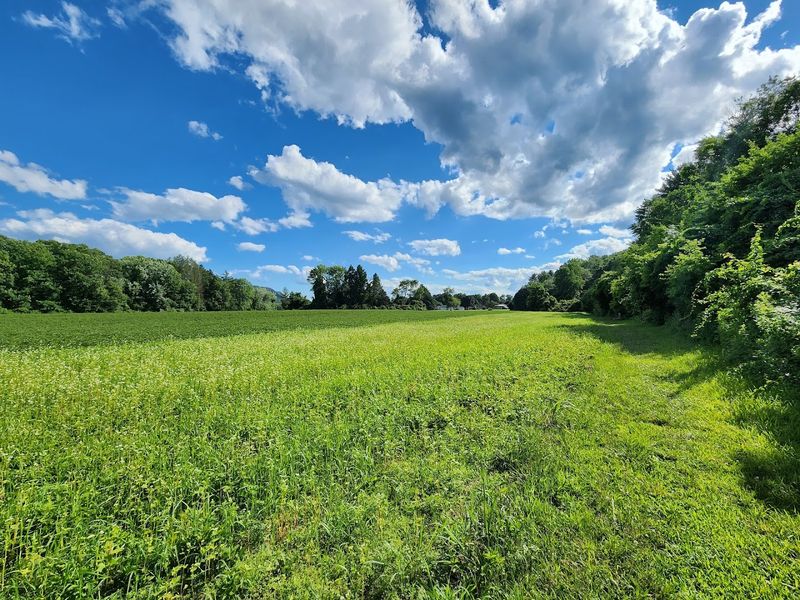
Broad meadows, river views, and the backdrop of western Massachusetts hills give this sanctuary a spacious, quietly uplifting atmosphere.
The setting feels generous, the trails are welcoming, and the wildlife watching starts almost as soon as you step out of the car.
That easy sense of abundance is part of Arcadia Wildlife Sanctuary’s appeal in Easthampton and Northampton.
Located along the Connecticut River floodplain, the sanctuary protects wetlands, grasslands, woodlands, and ponds that support an impressive range of birds and other wildlife.
Boardwalks and trails make the habitat accessible without diminishing the feeling that you are moving through a living ecosystem.
During migration, the bird activity can be excellent, but even an ordinary day here feels rich with movement and sound.
The location also helps if you want your weekend to combine nature with food, bookstores, or art in the Pioneer Valley.
You can spend a morning walking trails and an afternoon exploring nearby Northampton, which makes the trip feel both grounded and flexible.
That mix is especially useful if everyone in your group does not want the exact same kind of itinerary.
Arcadia stands out because it gives you a substantial wildlife experience without demanding major effort or difficult logistics.
The views are lovely, the habitat diversity is real, and the overall mood invites you to linger longer than planned.
8. Quabbin Reservoir – Belchertown, Ware, New Salem, and Petersham, Hampshire and Worcester Counties
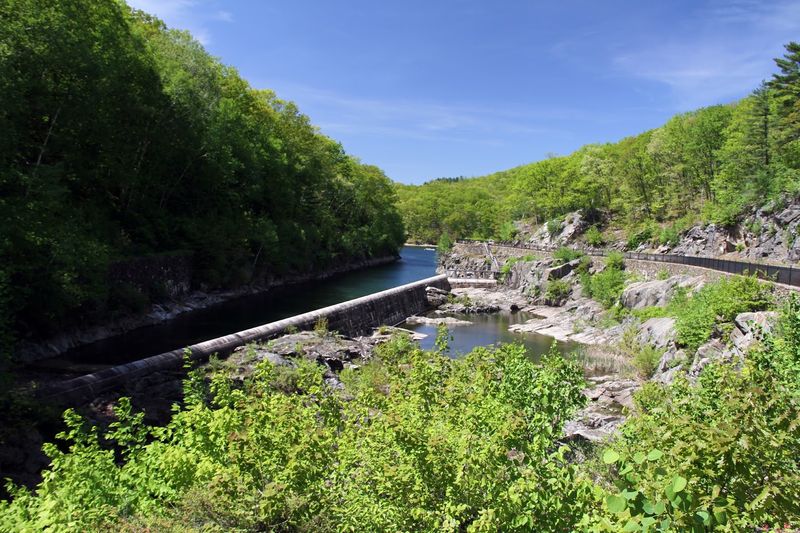
Vast water, forested hills, and a striking sense of scale give this destination an almost cinematic stillness that is hard to forget.
It does not feel like a typical park visit so much as entering a protected landscape where silence and distance shape the whole experience.
That grandeur is central to Quabbin Reservoir across Belchertown, Ware, New Salem, and Petersham.
Best known as a major drinking water supply, Quabbin is also one of Massachusetts’ most important large wild spaces, with exceptional habitat and scenic overlooks.
You can drive to key access areas, walk selected roads and trails, and watch for loons, deer, and even bald eagles.
The viewpoints near the water often leave people lingering much longer than expected, especially in fall.
This is an ideal weekend choice if you enjoy landscapes that feel expansive rather than intimate.
There is a contemplative quality here, partly because of the area’s history and partly because development stays far from the shoreline.
That combination creates a mood that is both beautiful and unusually reflective.
You should check recreation rules before visiting, since access is carefully managed and some areas are more restricted than others.
Once there, though, the reward is a rare blend of order, wilderness, and visual calm.
9. Wellfleet Bay Wildlife Sanctuary – Wellfleet, Barnstable County
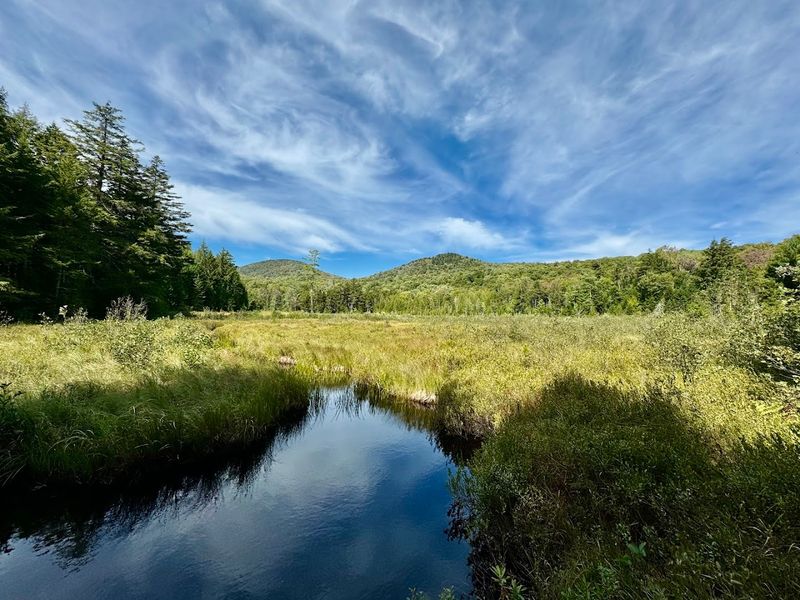
Tidal flats, pine woods, and salt marsh boardwalks give this sanctuary a layered coastal personality that feels both intimate and expansive.
You can start in quiet woodland shade and end up looking across bright open water in the same unhurried visit.
That variety is exactly why Wellfleet Bay Wildlife Sanctuary in Wellfleet is such a rewarding Cape weekend stop.
Managed by Mass Audubon, the sanctuary protects several distinct habitats, which means the wildlife and scenery keep changing as you move along the trails.
Birding is excellent, especially during migration, and the seasonal turtle conservation work has made the site especially beloved by nature enthusiasts.
The mix of education and access feels polished without becoming overly commercial or crowded.
Its location on the outer Cape also makes it easy to pair with beaches, galleries, and memorable meals while still keeping nature at the center of your plans.
If you like shorter trails with high visual payoff, this place delivers repeatedly.
Bring binoculars, allow time for the visitor center exhibits, and do not rush the marsh overlooks.
What makes this sanctuary worth planning around is how efficiently it captures the ecological richness of Cape Cod.
10. Assabet River National Wildlife Refuge – Sudbury and Marlborough, Middlesex County
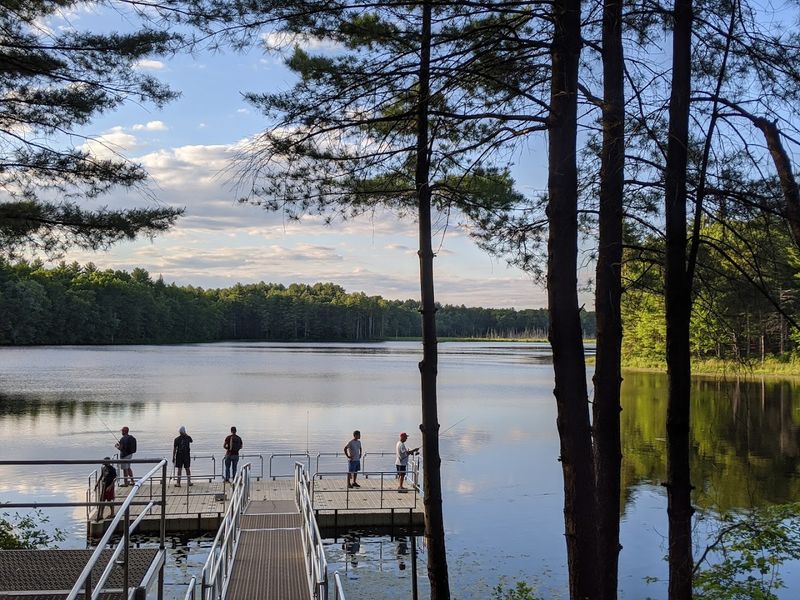
Quiet ponds, recovering forest, and unexpectedly spacious trails make this refuge feel like a calm retreat hidden within eastern Massachusetts.
There is a sense of openness here that works well when you want room to walk without the intensity of mountain terrain.
That accessible peace is a big part of Assabet River National Wildlife Refuge’s appeal in Sudbury and Marlborough.
The refuge blends wetlands, fields, and woodland habitat, creating good opportunities for birdwatching, photography, and easy exploration across different seasons.
It also carries an unusual historical layer because parts of the property were once used by the military, and nature has since reclaimed much of the landscape.
That combination gives your visit more texture than a standard trail outing.
You can spend a relaxed morning on the paths, pause at water views, and keep an eye out for herons, ducks, deer, and smaller mammals.
The terrain is generally manageable, making it attractive for mixed-age groups or anyone seeking a lower-effort outdoor weekend.
Nearby towns also give you plenty of options for coffee, lunch, or a second stop later in the day.
Assabet stands out because it feels restorative without requiring long travel or advanced planning.
The habitat diversity is real, the atmosphere is calm, and the trails invite a pace that lets wildlife reveal itself naturally.
11. Plum Island – Newburyport and Newbury, Essex County
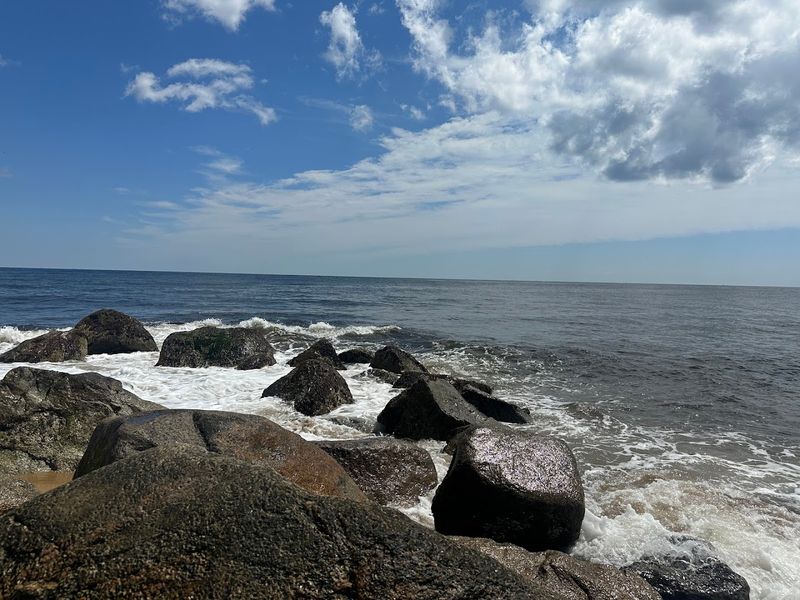
Sea breeze, beach grass, and long strips of sand create the kind of coastal mood that makes you want to stay through sunset without checking the time.
Even before you notice the wildlife, the scenery alone feels like a worthy reason to carve out an entire weekend.
That easy pull is what makes Plum Island in Newburyport and Newbury such a dependable Massachusetts escape.
Although many visitors know it for beach time, the island offers much more when approached as a nature destination.
Its dunes, marshes, and shoreline habitats support birdlife throughout the year, and nearby protected areas deepen the experience for anyone interested in ecology.
The balance between laid-back atmosphere and serious habitat value is one of its biggest strengths.
You can spend one part of the day walking sandy stretches, another scanning tidal areas for shorebirds, and another enjoying the village feel nearby.
Because Newburyport is close, great food and comfortable lodging are easy to build into your plans.
That convenience makes the island especially appealing for travelers who want wild scenery without roughing it.
Plum Island works because it lets you decide the pace.