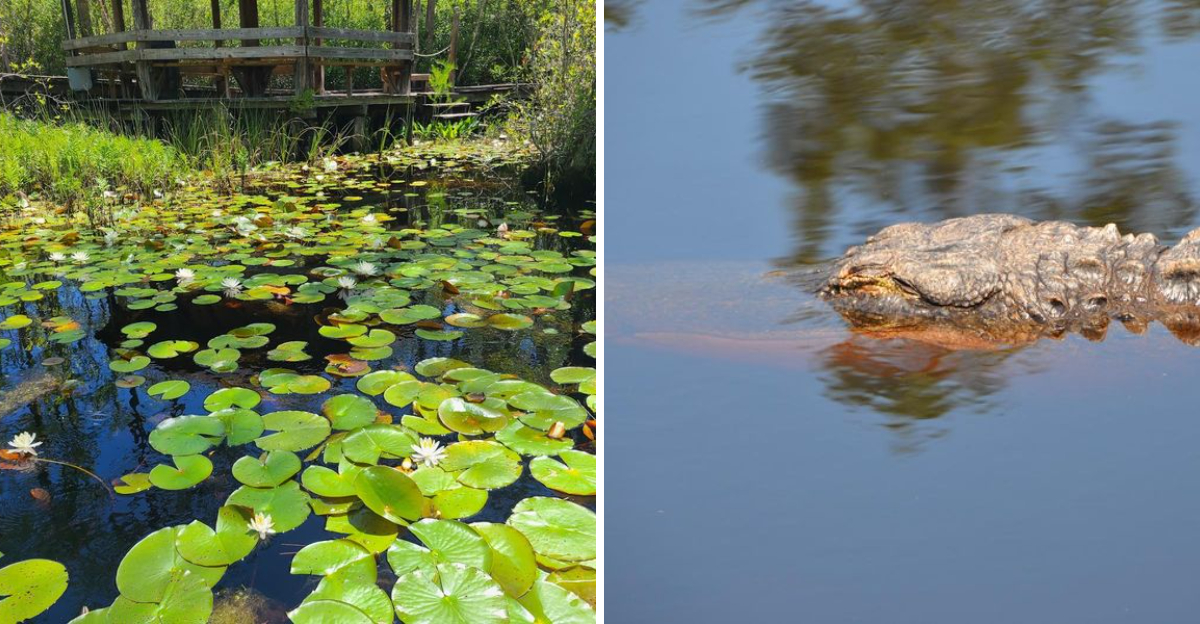
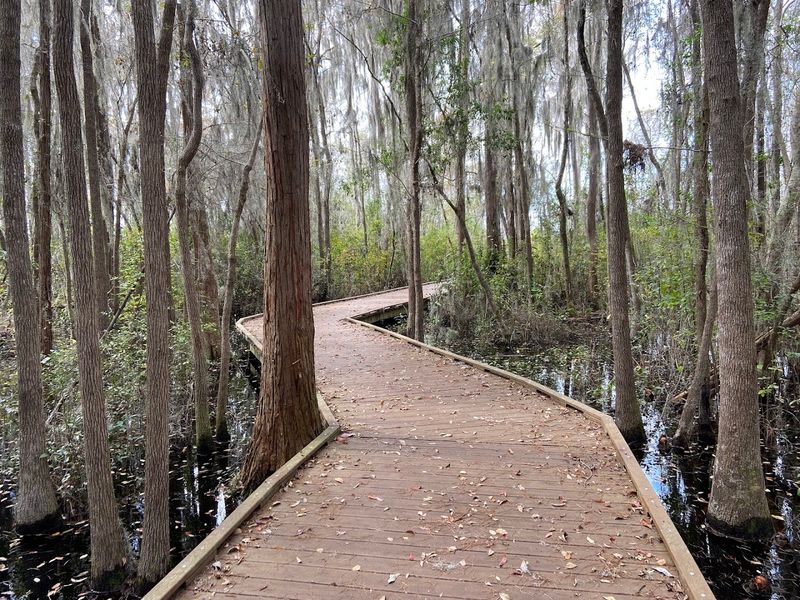
Step onto this boardwalk, and the modern world disappears almost instantly. One moment you’re standing at the trailhead, and the next you’re surrounded by towering cypress trees, mirror-like blackwater, and the haunting beauty of Georgia’s famous Okefenokee Swamp.
Every bend feels like a scene from another century.
The Chesser Island Boardwalk offers something few places can match. You don’t need a kayak or airboat to experience one of America’s largest wetlands.
Just follow the wooden path as birds call overhead, turtles sun themselves on fallen logs, and the swamp slowly reveals its wild personality.
Keep your camera ready because surprises are everywhere.
An alligator might glide through the water without making a sound, while great blue herons and egrets patrol the marshes with patient precision.
Every visit feels a little different, making each walk one you’ll remember long after you’ve headed home.
A Walk Into One of America’s Largest Swamps
Stepping onto the Chesser Island Boardwalk feels like entering another world entirely. This isn’t your typical nature trail with a few birds and squirrels along the way.
You’re walking straight into the heart of the Okefenokee National Wildlife Refuge, one of the most protected and pristine swamp ecosystems in North America.
The refuge stretches across 438,000 acres of southeastern Georgia, creating a wilderness so vast that most of it remains unexplored by humans. Before this boardwalk was built, experiencing the swamp meant paddling for hours in a canoe or kayak.
Now families, students, photographers, and nature lovers can walk safely through this incredible landscape without special equipment or guides.
What makes this place truly special is how untouched it remains. The boardwalk allows you to witness cypress forests, tea-stained waters, and wildlife habitats exactly as they’ve existed for centuries.
You’ll see landscapes that haven’t changed much since Native Americans first navigated these waters thousands of years ago.
Where the Adventure Begins
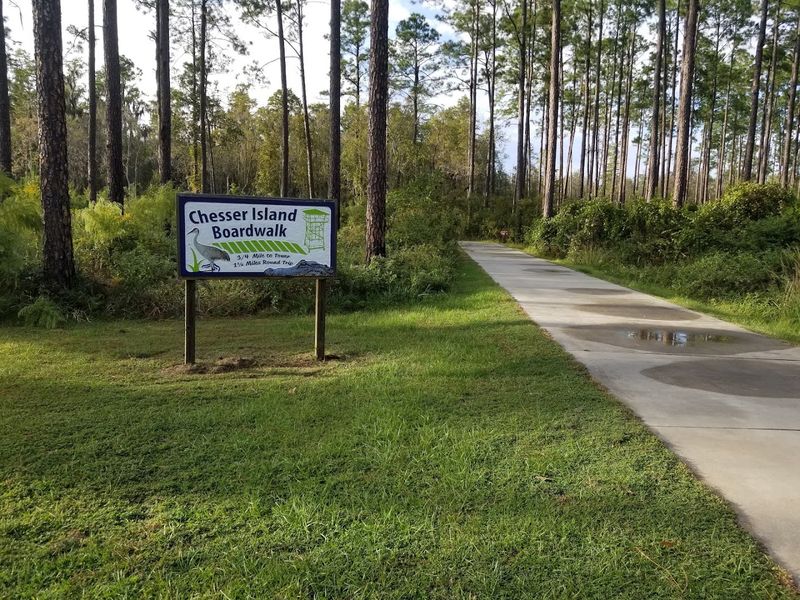
Finding the boardwalk couldn’t be easier. Located just outside the small town of Folkston in southeastern Georgia, the trail connects directly to the Okefenokee National Wildlife Refuge’s main visitor facilities.
A well-marked parking area sits right near the trailhead, so you won’t waste time searching for a spot or hiking miles just to reach the starting point.
The refuge entrance provides everything you need before heading out. Clean restrooms, informative displays about swamp ecology, and helpful staff members who can answer questions about trail conditions or recent wildlife sightings make preparation simple.
Some visitors spend time in the visitor center learning about the swamp’s history before walking the boardwalk.
This accessibility sets Chesser Island apart from other Okefenokee experiences. While boat tours and paddle routes require reservations, special equipment, and sometimes guides, this boardwalk welcomes everyone.
Young children, elderly visitors, and people with limited mobility can all enjoy the swamp’s beauty. The convenience makes it perfect for road trippers, families on vacation, or anyone curious about Georgia’s wild side.
A Boardwalk Floating Above the Swamp
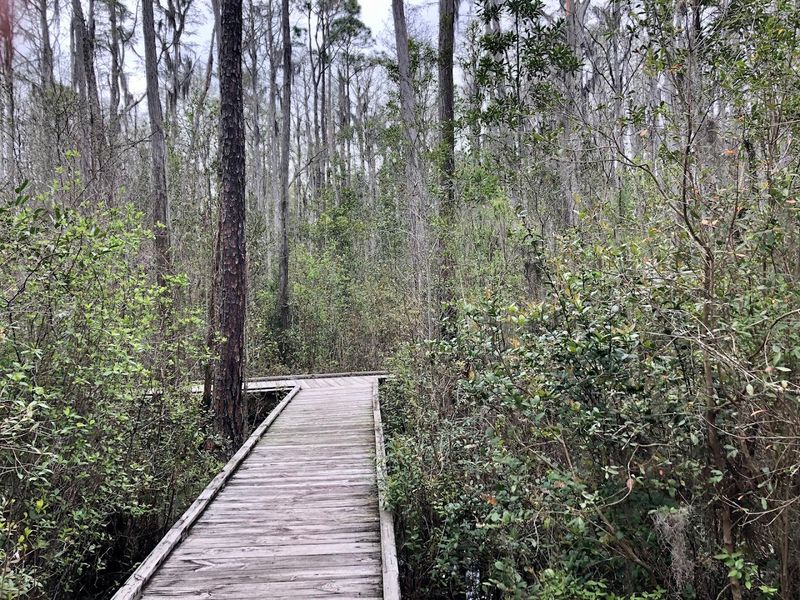
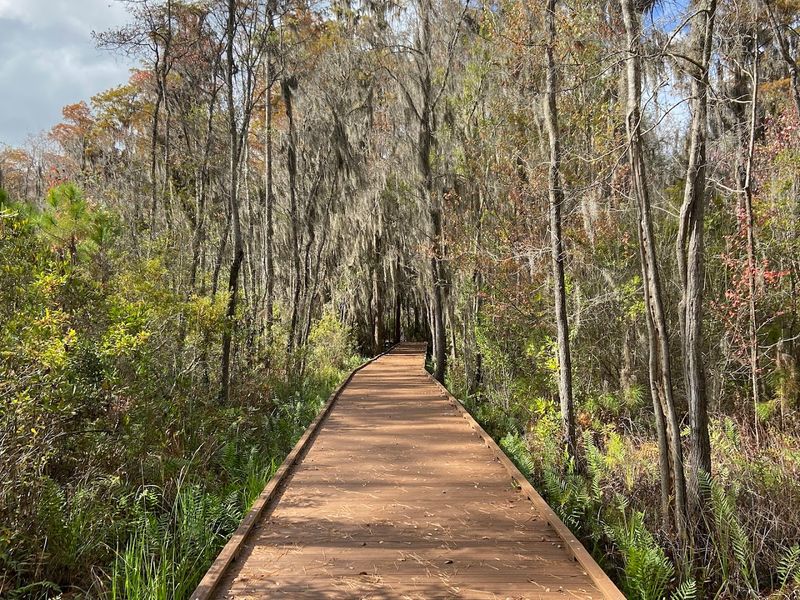
The boardwalk itself stretches three-quarters of a mile in one direction, creating a 1.5-mile round trip that takes most visitors between 45 minutes and an hour to complete. Built from sturdy wood planks, it floats above the swamp’s surface like a bridge through time.
Every step carries you deeper into landscapes that shift and transform as you walk.
Starting in dense cypress forests where Spanish moss hangs like curtains, the path gradually opens into wet prairies filled with grasses and wildflowers. The water below shifts from hidden beneath thick vegetation to wide-open views where you can see straight down into the tea-colored depths.
This water gets its distinctive dark color from tannic acid released by decaying plants, creating a natural brew that’s perfectly safe but looks mysterious.
Each section of the boardwalk reveals something different. Towering cypress knees poke up from the water in some spots, while other areas feel wide open with endless sky above.
The changing scenery keeps your attention focused, making the walk feel shorter than it actually is.
Wildlife Around Every Corner
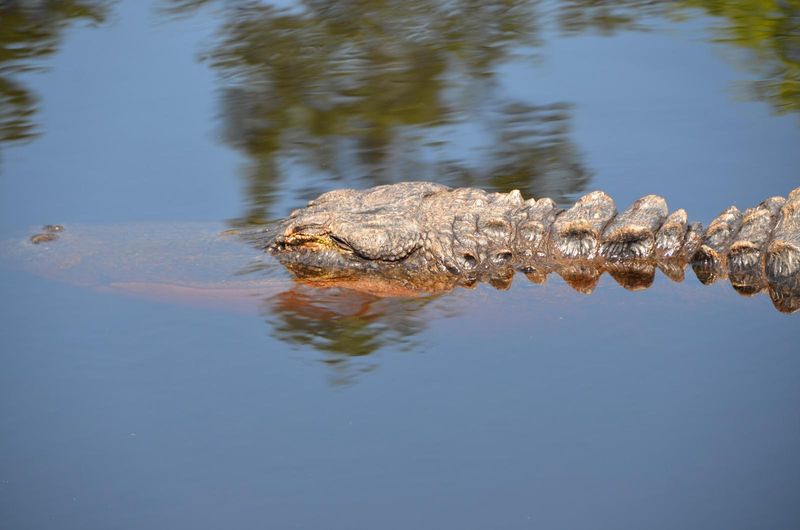
Bring your camera and binoculars because the wildlife viewing here ranks among the best in Georgia. American alligators are the stars of the show, often spotted sunning themselves on logs or gliding through the water just feet from the boardwalk.
These ancient reptiles live throughout the refuge, and seeing them in their natural habitat creates unforgettable memories.
But gators aren’t the only residents worth watching. Turtles pile onto logs like apartment dwellers sharing balcony space.
Frogs chorus from hidden spots in the vegetation. Water snakes slip through the shallows hunting for fish.
Wood storks, herons, ibis, and egrets stalk through the shallows searching for meals.
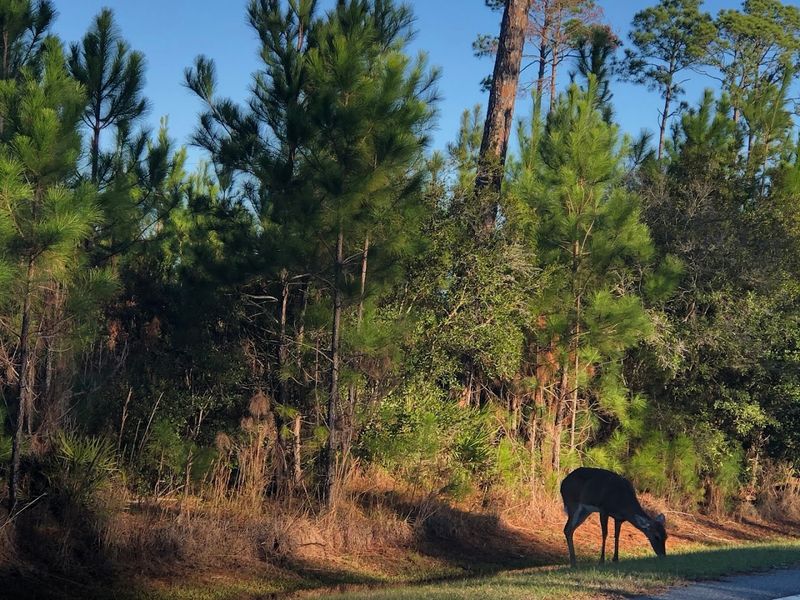
Songbirds fill the cypress branches with music, especially during spring migration when warblers and other travelers stop to rest. Patient observers might spot river otters playing in the channels or catch glimpses of white-tailed deer visiting the swamp edges.
The refuge hosts over 234 bird species, 49 mammal species, 60 reptile species, and 37 amphibian species, making every walk a potential discovery.
The Views From Owl’s Roost Tower
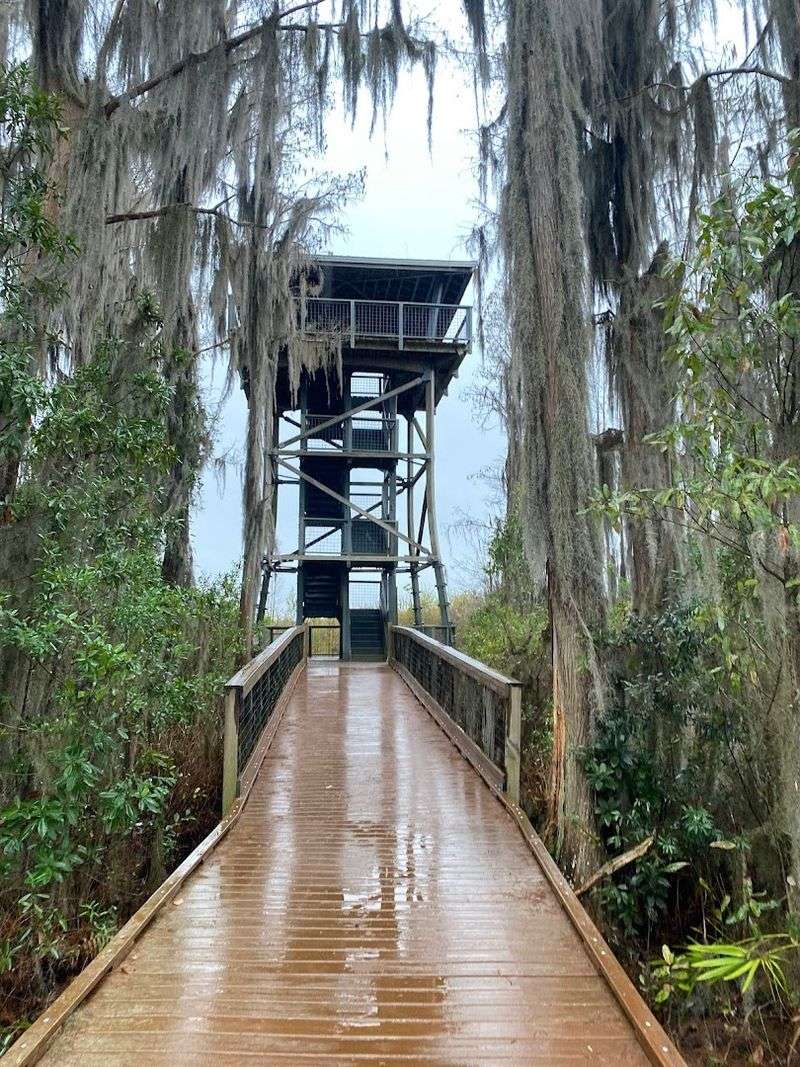
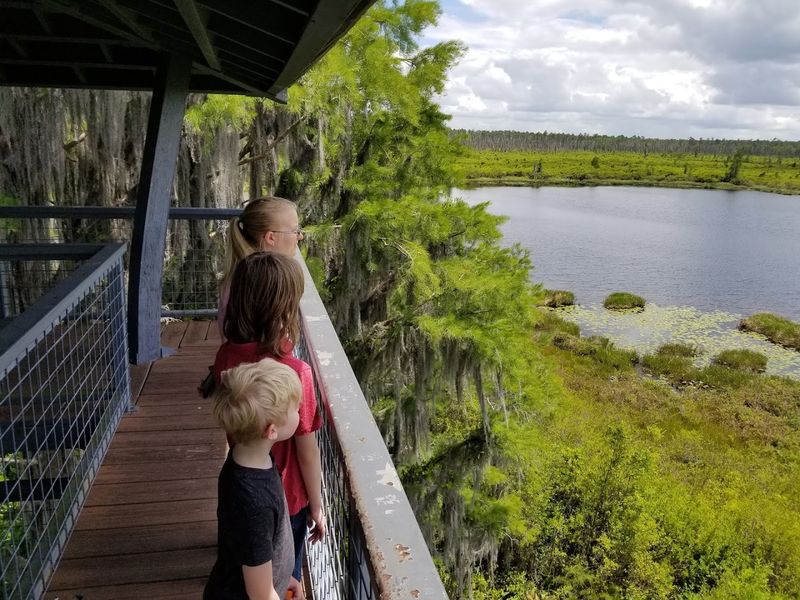
Climbing the Owl’s Roost Tower feels like reaching the top of the world. This 40-foot observation platform stands at the boardwalk’s end, offering sweeping views across Seagrove Lake and the surrounding wilderness.
From this height, you can truly understand the scale of the Okefenokee.
The panorama reveals layer upon layer of swamp habitat stretching toward the horizon. Cypress forests form dark green patches between open water prairies.
Floating islands of vegetation drift slowly across the lake. On clear days, you can see for miles across this protected landscape, gaining perspective on just how vast and wild this ecosystem remains.
Many visitors consider this tower the main reward for making the walk. The climb up the stairs gets your heart pumping a bit, but the payoff makes every step worthwhile.
Early morning visits often feature mist rising from the water, while sunset brings golden light that transforms the entire landscape. Bird-watchers use this vantage point to spot distant flocks of wading birds or scan for raptors soaring overhead.
The tower provides photo opportunities impossible to capture from ground level.
More Than a Nature Trail
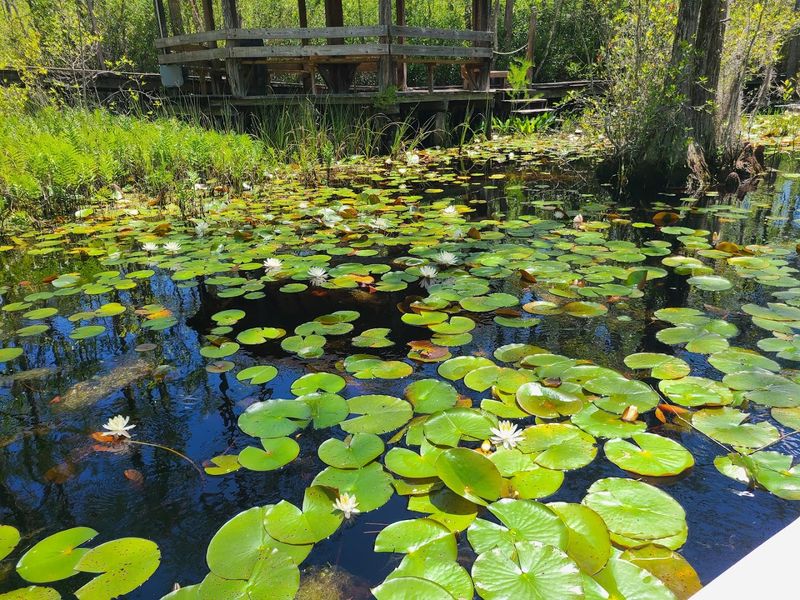
Walking this boardwalk teaches you about ecosystems in ways textbooks never could. The Okefenokee contains multiple distinct habitat types, each supporting different plants and animals.
Cypress swamps dominate some sections, where massive trees with flared bases create shaded waterways perfect for fish and amphibians.
Open wet prairies stretch across other areas, filled with grasses, sedges, and floating plants that support wading birds and insects. Scrub-shrub habitats feature bushes and small trees adapted to seasonal flooding.
These zones blend together along the boardwalk route, showing how nature creates gradual transitions rather than sharp boundaries between habitats.
Fire plays a crucial role in maintaining this landscape. Lightning strikes regularly ignite fires that burn through dry vegetation, clearing space for new growth and preventing the swamp from becoming choked with too many plants.
Evidence of these natural fires appears along the trail, with charred tree trunks standing beside fresh green growth. This cycle of burning and renewal has shaped the Okefenokee for thousands of years, creating a landscape constantly changing yet somehow staying the same.
A Glimpse Into Georgia’s Early Swamp Life
History comes alive near the boardwalk at the Chesser Island Homestead. These preserved buildings tell the remarkable story of the Chesser family and other pioneers who somehow carved out lives on islands surrounded by endless swamp.
Imagine raising children, growing crops, and running a household completely isolated from towns and neighbors.
The homestead structures show incredible resourcefulness and determination. Families built homes, barns, and work buildings using materials harvested from the swamp itself.
They hunted alligators for meat and hides, grew vegetables in small gardens, and adapted to a lifestyle most people today couldn’t imagine surviving.
Visiting these buildings after walking the boardwalk helps you appreciate what settlers faced daily. Every trip to town required navigating miles of swamp by boat.
Medical emergencies meant dangerous journeys for help. Yet families thrived here for generations, developing unique skills and knowledge passed down through their communities.
The homestead preserves this fascinating chapter of Georgia history, showing how humans and wilderness coexisted in ways completely different from modern life.
Why Photographers Love This Trail
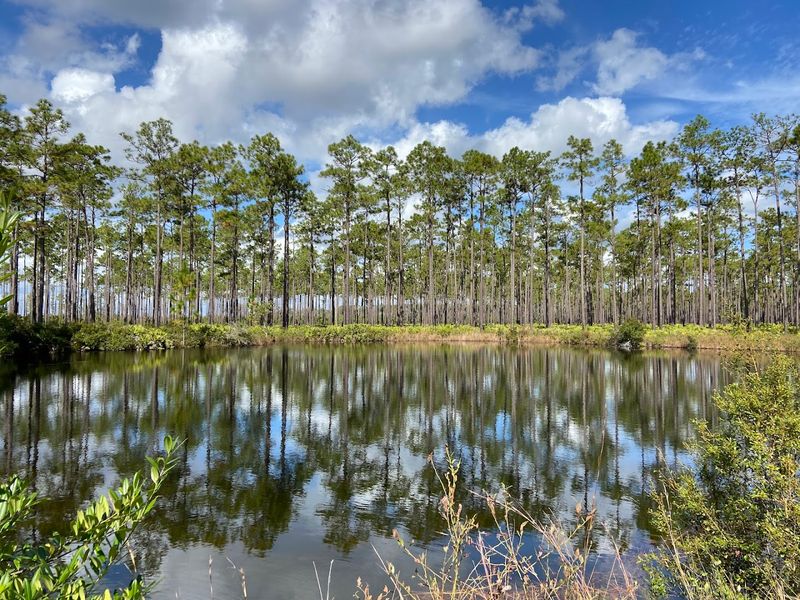
Professional photographers and amateur snapshooters alike consider this boardwalk a dream location. The constantly shifting scenery provides endless composition possibilities within a relatively short walk.
Dark water creates mirror-like reflections of cypress trees and clouds, doubling the visual impact of every scene.
Spanish moss draping from branches adds texture and atmosphere to photographs. These gray-green strands create natural frames for wildlife shots and add mysterious Southern Gothic vibes to landscape images.
Sunlight filtering through the forest canopy creates dramatic beams and shadows that change throughout the day.
Wildlife photography opportunities abound since animals regularly appear close to the boardwalk. Patient photographers capture alligators surfacing, herons striking at fish, or turtles sunbathing just yards away.
The stable boardwalk provides a steady platform for tripods and long lenses. Sunrise and sunset bring spectacular lighting, painting the swamp in golden and pink hues.
Spring and fall bird migrations add seasonal variety, with different species appearing throughout the year. Many photographers return repeatedly, finding new subjects and lighting conditions with every visit to this photographic paradise.
Why Chesser Island Boardwalk Belongs on Every Georgia Bucket List
Georgia offers mountains, beaches, and cities, but nothing compares to walking through the Okefenokee. This experience stands apart from ordinary hiking trails because you’re entering a true wilderness that few places can match.
The combination of easy accessibility and genuine wildness creates something special.
Most hiking trails require significant effort, technical skills, or physical fitness. This boardwalk welcomes everyone regardless of hiking experience or athletic ability.
Yet it delivers wildlife encounters and scenery that rival adventures requiring days of backcountry travel. You get wilderness experiences without wilderness challenges.
The Okefenokee represents one of North America’s largest intact wetlands, a landscape type that’s rapidly disappearing elsewhere. Visiting helps people understand why protecting wild places matters.
Kids especially benefit from seeing alligators, herons, and turtles thriving in healthy habitats rather than just in zoos or videos. The boardwalk makes this internationally significant ecosystem accessible to regular families, not just scientists or extreme adventurers.
It’s outdoor education and entertainment combined in one remarkable place that deserves a spot on every Georgian’s must-visit list.
What to Know Before You Go
Planning your visit takes just a few minutes but ensures a great experience. The boardwalk is located within Okefenokee National Wildlife Refuge near Folkston, Georgia, in the southeastern corner of the state.
The 1.5-mile round trip qualifies as an easy, family-friendly walk that most people complete comfortably.
Morning visits typically offer the best wildlife viewing since animals are most active during cooler hours. Fall through spring provides pleasant temperatures, while summer can get hot and buggy.
Bring plenty of water since Georgia heat drains energy quickly. Sunscreen protects against sunburn, especially on the open tower where shade disappears.
Insect repellent helps during warmer months when mosquitoes emerge. Binoculars enhance wildlife watching by bringing distant birds and gators into clear view.
Comfortable walking shoes matter more than hiking boots since the boardwalk stays flat and smooth. Pets cannot join you because alligators pose serious dangers to dogs.
Restrooms and parking sit conveniently near the trailhead. Stay on the boardwalk at all times for your safety and to protect fragile habitats.
Give wildlife space and never attempt to feed or touch animals. Following these simple guidelines ensures everyone enjoys this remarkable swamp safely.