The best escapes are sometimes found in places that ask nothing from you except to slow down. A quiet sidewalk, a shaded porch, the sound of a nearby river, or a view that makes you pause can change the entire pace of a day.
Virginia’s peaceful towns offer that kind of rare simplicity, combining historic streets, natural scenery, and local character that feels far removed from everyday rush. From mountain communities surrounded by rolling landscapes to coastal villages shaped by water and tradition, these destinations create room for relaxed mornings, thoughtful walks, and meaningful discoveries.
For travelers searching for more than just a quick stop, these towns provide a chance to reconnect with a slower rhythm. Explore 10 Virginia towns where peaceful surroundings, welcoming communities, and timeless charm make every visit worth taking.
Floyd
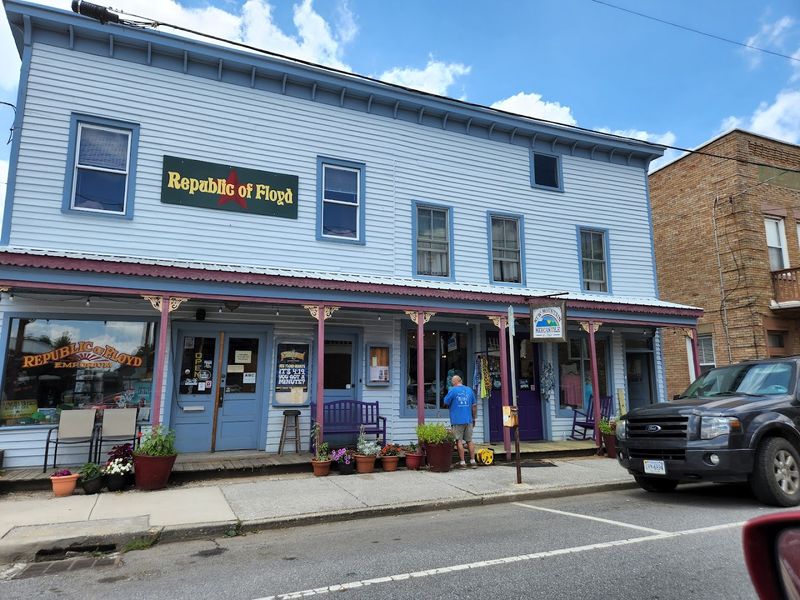
By the time the road starts curving through open pasture and blue mountain folds, the pace in your chest has already changed. Front porches seem to lean toward the street, and conversation drifts as easily as fiddle notes on evening air.
It feels like a place built for lingering instead of hurrying.
That mood settles in fully once you reach Floyd, where downtown is small enough to wander without a plan yet textured enough to hold your attention for hours. You might browse a local gallery, then follow the sound of old-time music toward the Floyd Country Store.
Even coffee tastes slower here, especially when sipped before a drive along the Blue Ridge backroads.
What stays with you is not one landmark but the rhythm. Floyd gives you mountain quiet, creative energy, and the kind of calm that feels earned rather than staged.
Abingdon
There is a certain hush that settles over old brick sidewalks in the morning, especially when the mountains are close and the storefronts are still waking up. You notice window boxes, church spires, and the soft echo of your own footsteps before anything else.
Quiet here feels layered, not empty.
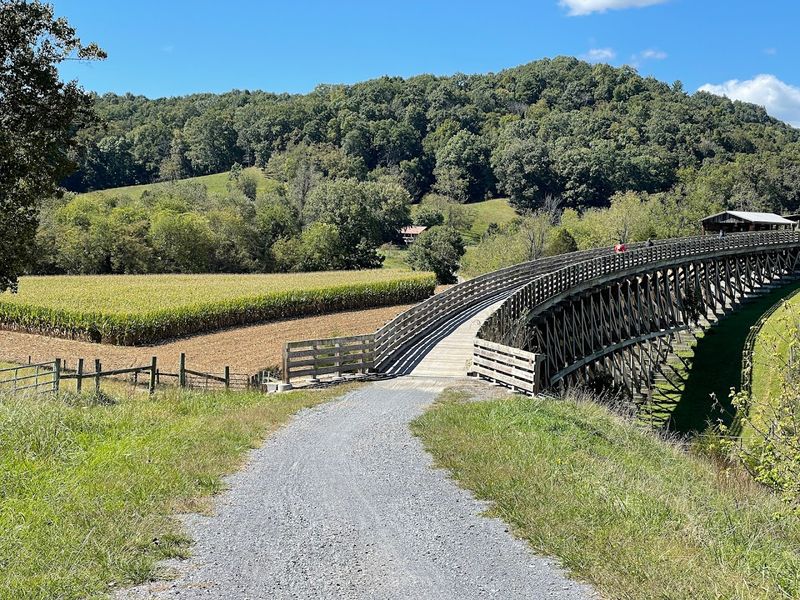
In Abingdon, that atmosphere comes wrapped in history and Appalachian scenery. The downtown streets invite slow wandering, and the Barter Theatre adds just enough cultural energy without breaking the town’s gentle mood.
If you want movement, the Virginia Creeper Trail begins nearby, offering long stretches of trees, cool air, and the satisfying sound of tires or boots over the path.
The town never tries too hard to impress you, which is part of its charm. Abingdon lets architecture, mountains, and simple pleasures do the work, and somehow that feels more memorable than spectacle.
Lexington
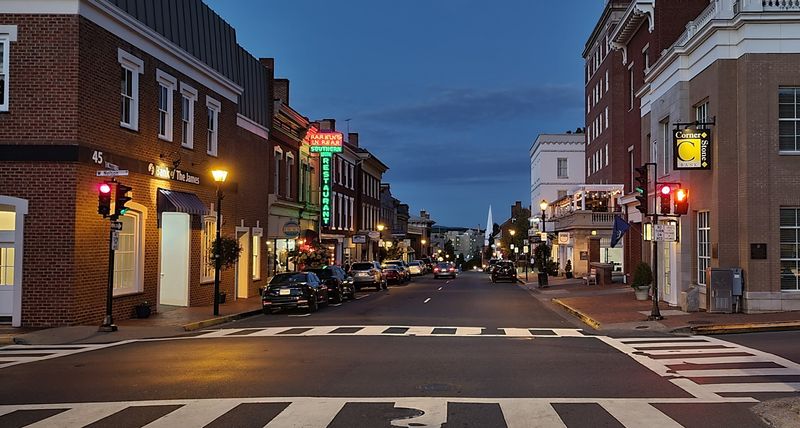
Some towns feel polished in a way that can seem distant, but this one feels graceful and lived in. Trees shade the sidewalks, church bells carry softly across downtown, and the mountains appear like a backdrop someone forgot to move.
The effect is calm, but never sleepy.
Once you settle into Lexington, its charm comes through in details rather than grand gestures. You can spend an afternoon moving between bookshops, cafes, and historic streets lined with brick facades, then drift toward the campus edges where everything opens to valley views.
A meal in a cozy downtown dining room followed by a dusk walk makes the town feel especially intimate.
What makes Lexington worth your time is how complete it feels at a slow pace. History, architecture, and scenery all meet without competing, giving you space to notice each one properly.
Luray

The first thing you notice is how close nature feels to everything. Mountains rise without drama, just steadily, and the sky seems wider than expected over the rooftops.
Even before you make plans, the landscape has already made one for you.
In Luray, that easy connection between town and wilderness is the whole appeal. You can spend the morning underground at Luray Caverns, where cathedral-like chambers turn silence into something almost physical, then return to a modest downtown for lunch and unhurried browsing.
Later, Skyline Drive or a nearby overlook reminds you how quickly this part of Virginia shifts from small-town life to sweeping Shenandoah views.
Luray works because it never forces a choice between comfort and adventure. It gives you both, with just enough gentleness that the day feels restorative rather than packed, and that balance is harder to find than it sounds.
Cape Charles
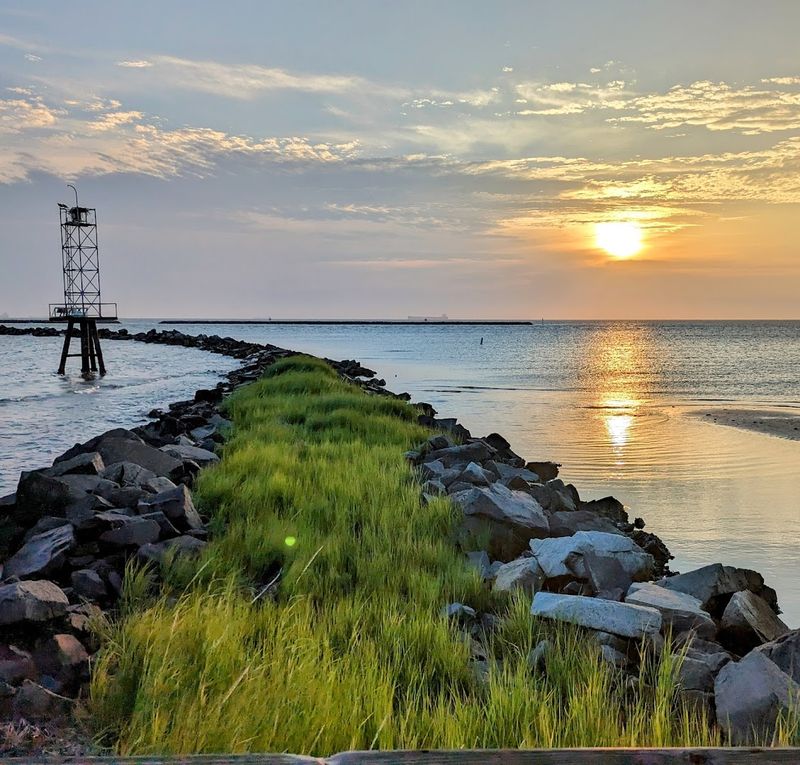
Salt hangs lightly in the air, golf carts roll by without urgency, and the bay seems to flatten every thought into something quieter. The light here has a soft coastal patience to it, especially in late afternoon when the water turns silvery and the streets empty a little more.
It is the kind of stillness that feels rare on the East Coast.
That is exactly why Cape Charles lingers in your memory. Its walkable downtown, with historic homes and small shops, leads naturally toward a beach where you can stand ankle-deep in calm Chesapeake water and watch the horizon do almost nothing at all.
A leisurely seafood dinner nearby, maybe with crab cakes and a view, suits the mood better than any packed itinerary.
Cape Charles is not about constant activity. It is about giving yourself permission to slow down by the water and realizing how good that can feel.
Middleburg
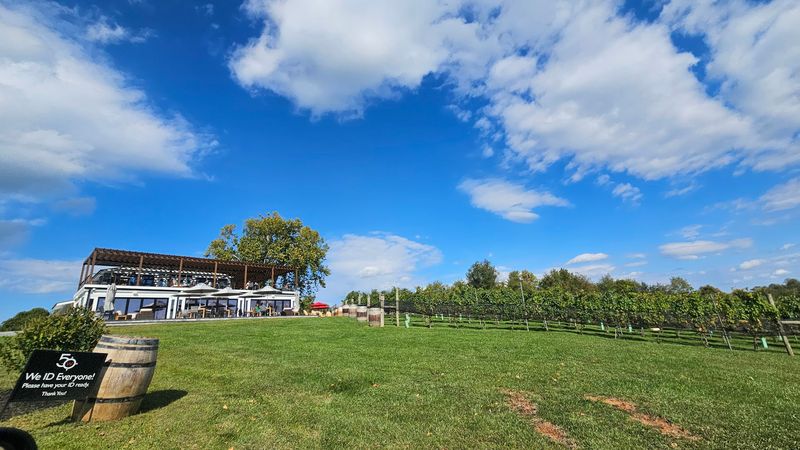
Quiet can feel refined here, as if even the landscape has good manners. Stone walls, white fences, and rolling fields stretch just beyond town, while the streets themselves seem content with a low murmur of footsteps and clinking glasses.
It is peaceful, but never plain.
Middleburg carries the kind of beauty that reveals itself gradually. You might begin with a walk past historic storefronts and boutiques, then settle into a long lunch or a tasting at a nearby vineyard framed by horse country views.
The surrounding roads are worth driving slowly, especially when the farms and pastures seem to unfold in careful, elegant layers.
What makes Middleburg memorable is its restraint. It offers luxury without flash, scenery without crowds, and a sense of calm that feels deeply rooted in the land itself, which is exactly why time seems to move differently once you arrive.
Onancock
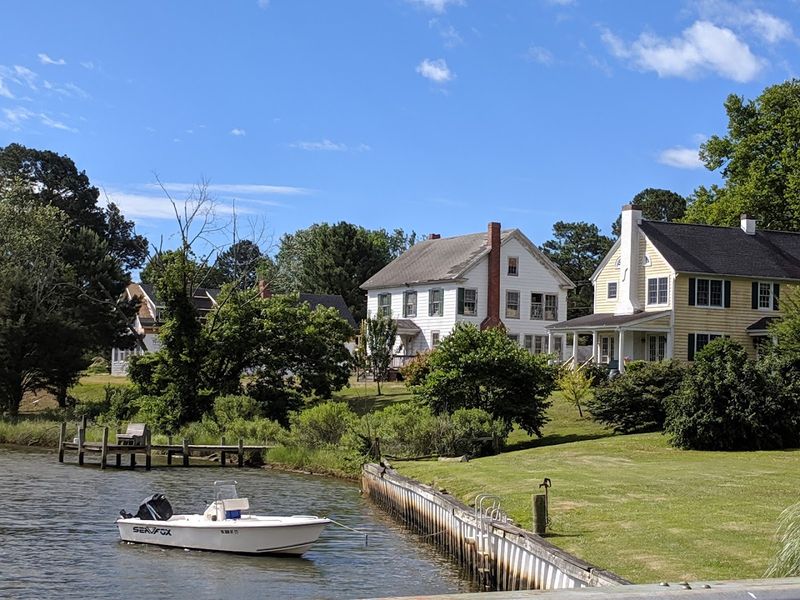
Sometimes the quietest places are the ones touched by water, where every sound seems softened before it reaches you. A gull calls, a line taps against a mast, and suddenly the whole day feels less crowded.
That is the effect this Eastern Shore village has almost immediately.
Once you walk into Onancock, the harbor and historic streets create a mood that is equal parts maritime and intimate. Small galleries, old homes, and a waterfront path make it easy to spend hours without doing very much at all.
If you sit down for oysters or a simple seafood lunch near the water, the town’s slower rhythm starts to feel completely natural.
Onancock is worth visiting because it offers coastal charm without performance. It feels personal, a little tucked away, and wonderfully unconcerned with trends, which makes its calm seem not curated but completely genuine.
Smithfield
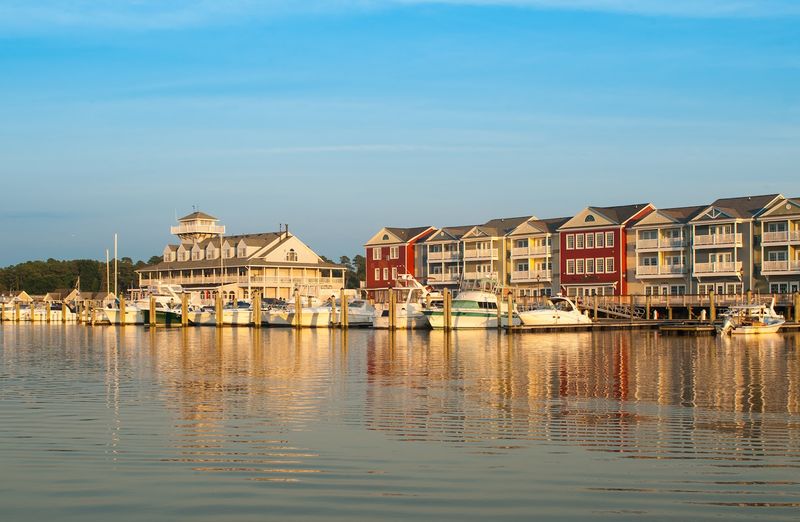
There is something comforting about a town where the buildings seem to remember more than you do. Brick sidewalks, old facades, and river air give the place a grounded feeling, as if everything important has already learned how to last.
The mood is gentle from the first block.
In Smithfield, that gentleness stretches from its historic center to the banks of the Pagan River. You can browse preserved streets, step into a local museum, and then wander toward the waterfront where the view slows the day even further.
A casual lunch featuring the ham the town is known for adds just enough local flavor to make the visit feel rooted rather than generic.
Smithfield does not overwhelm you with options, and that is part of its appeal. It offers history, water, and quiet in balanced proportions, leaving room for reflection instead of rushing you toward the next stop.
Staunton
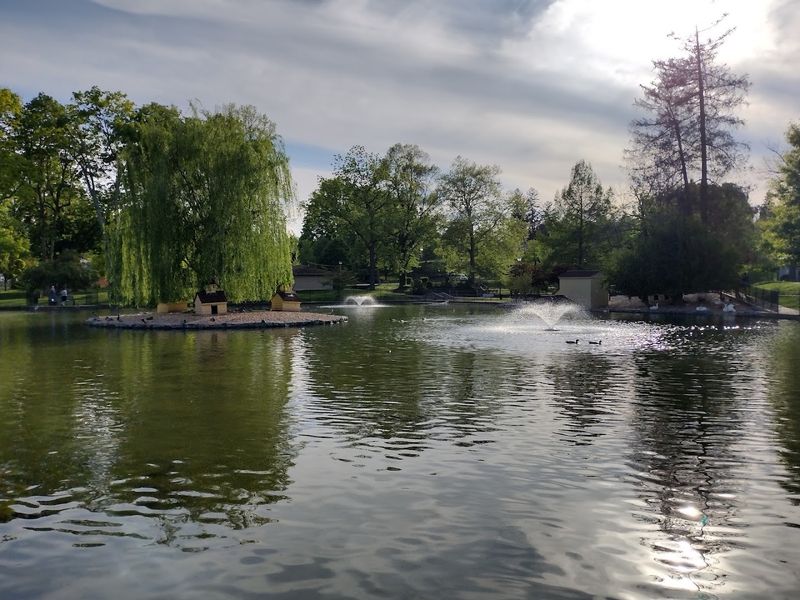
The surprise here is how a place can feel lively and peaceful at the same time. Sunlight catches ornate facades, music drifts lightly from a doorway, and yet nothing about the streets feels rushed.
It is a rare balance, and you notice it almost immediately.
Staunton has enough architecture and culture to keep you curious, but it still allows for the kind of slow wandering that makes travel feel restorative. You can duck into independent shops, pause for coffee in a handsome downtown cafe, and admire the preserved buildings that give the city so much texture.
If you stay until evening, the hills around the Shenandoah Valley seem to pull the whole scene into a quieter register.
That combination is why Staunton stays with people. It feels rich without being overwhelming, polished without losing warmth, and perfectly suited to anyone who wants substance with their solitude.
Clifton
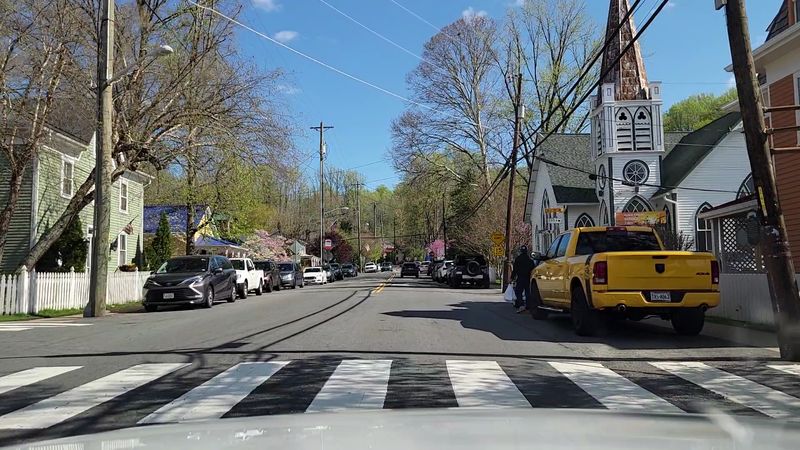
It is hard not to smile at a place that feels this tucked away while sitting so close to a major metro area. The roads narrow, the trees gather in, and suddenly the usual Northern Virginia tempo seems to fall off behind you.
What remains is a village small enough to exhale in.
That is Clifton’s quiet magic. Its preserved nineteenth-century buildings, compact main street, and handful of restaurants and shops create a setting that asks almost nothing from you except attention.
You might browse for a bit, settle in for a relaxed meal, and then wander residential streets where old structures and leafy corners make the town feel suspended outside everyday pressure.
Clifton is worth a visit because it proves escape does not always require distance. Sometimes all you need is a place with enough character, shade, and stillness to remind you how quickly your mind can settle.