Georgia has a way of looking too beautiful to be real, and that feeling hits especially hard the first time you see certain places in person.
From dramatic gorges that open up without warning to islands that feel untouched by time, the state is home to scenery that stops people in their tracks.
Some of these landmarks have been photographed so many times that you think you know what to expect, but nothing quite prepares you for the scale or the color or the silence of actually being there.
Georgia’s natural and historic landmarks span hundreds of miles, from the Blue Ridge foothills down to the coast, and each one offers something the camera somehow doesn’t fully capture.
These eleven places are worth the detour, the drive, or the entire trip built around them.
1. Stone Mountain Park – Stone Mountain, DeKalb County
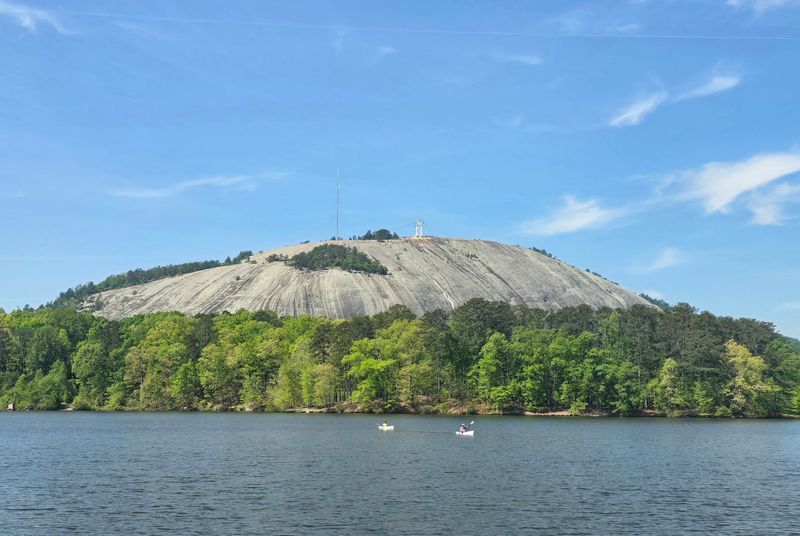
At first, the mountain looks almost too smooth to be natural, like a giant sculpture dropped into the Georgia woods.
Then the light changes, the granite starts glowing, and you realize every photo online actually undersold it.
That strange, unforgettable scale is what makes Stone Mountain Park near Stone Mountain in DeKalb County feel so surreal in person.
The exposed granite dome is one of the largest in the world, and seeing it up close is a genuine perspective shift.
You can hike the Walk-Up Trail for sweeping skyline views, or ride the Summit Skyride if you want the drama without the climb.
Either way, the summit reveals rolling forests, lakes, and a horizon that seems far bigger than metro Atlanta has any right to feel.
Beyond the mountain itself, the park is packed with trails, open green space, and family attractions that keep the experience from feeling one-note.
The famous carved Confederate memorial on the mountainside adds historical context, though it also remains a source of ongoing public debate.
That complexity gives the landmark weight beyond its obvious visual impact.
If you time your visit for sunrise or golden hour, the stone reflects color in ways that barely look real.
I expected an iconic roadside stop, and instead, it felt like standing on a giant, glowing planet.
2. Savannah Historic District – Savannah, Chatham County
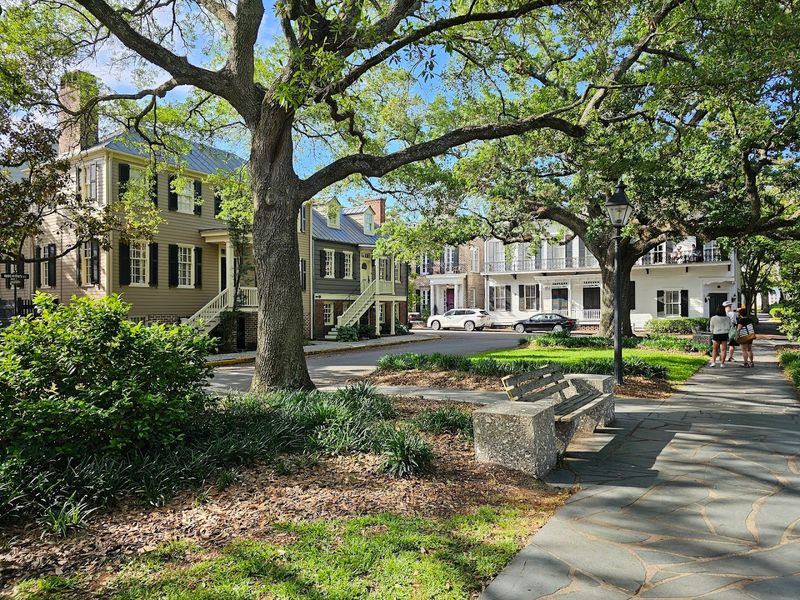
Soft shade, brick sidewalks, and curtains of Spanish moss make the streets feel like a movie set before you even know where to look.
Then a fountain appears, then a square, then another impossibly pretty block, and suddenly the whole city seems edited.
That dreamlike effect defines the Savannah Historic District in Savannah, Chatham County.
What makes this landmark so visually powerful is its layout of historic squares, each one layered with oaks, monuments, benches, and quiet charm.
The district preserves one of the largest National Historic Landmark areas in the country, packed with Federal, Victorian, and Greek Revival architecture.
Walking here feels less like sightseeing and more like drifting through a place that somehow escaped modern speed.
Forsyth Park gets most of the attention, and it deserves it, but the smaller squares often leave the strongest impression.
You turn a corner and find stained glass, iron balconies, hidden gardens, and house facades painted in soft colors that glow in humid coastal light.
Even the shadows seem carefully designed.
There is history everywhere, including stories of trade, war, wealth, preservation, and the citys painful ties to slavery.
By the time evening settles over the district, you stop wondering whether the photos were enhanced and start wondering how a place this atmospheric can be real.
3. Amicalola Falls State Park – Dawsonville, Dawson County
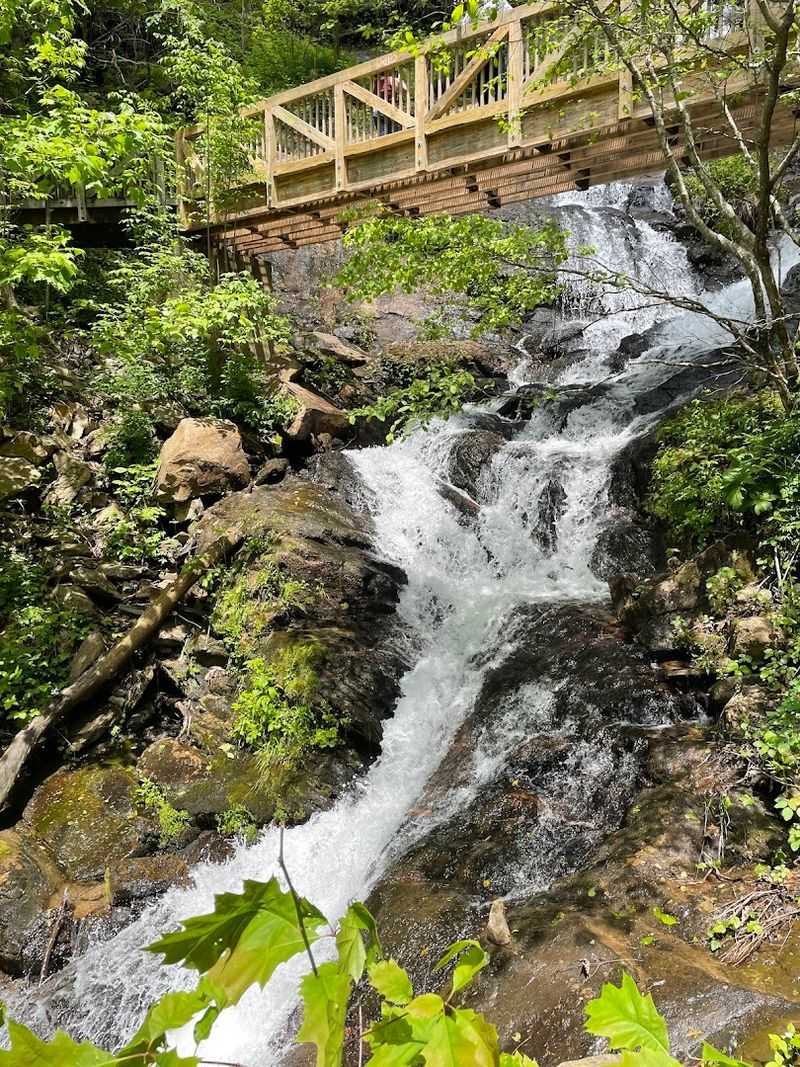
The roar reaches you before the full view does, and that buildup makes the first sight even more dramatic.
Mist hangs in the trees, the staircase climbs beside the rock face, and the water seems almost too tall for the frame.
That is the magic of Amicalola Falls State Park near Dawsonville in Dawson County.
At 729 feet, Amicalola Falls is the tallest cascading waterfall in Georgia, and it feels genuinely monumental from every angle.
You can admire it from accessible overlooks, but the stair climb gives you the shifting perspectives that make the scale unforgettable.
Every landing reveals a new combination of spray, stone, forest, and white water.
The park is also known as a gateway to the southern approach of the Appalachian Trail, which adds a sense of ambition to the landscape.
Even if you are not starting a long-distance trek, the surrounding mountain scenery gives the whole area a restless, expansive energy.
Cabins, lodges, and wooded trails make it easy to stay longer than planned.
Photos capture the waterfall, but they miss the vibration in the air, the damp scent of leaves, and the sound echoing through the valley.
Once you stand there watching the water tumble through layers of stone, edited-looking images suddenly make perfect sense.
4. Tallulah Gorge State Park – Tallulah Falls, Rabun County
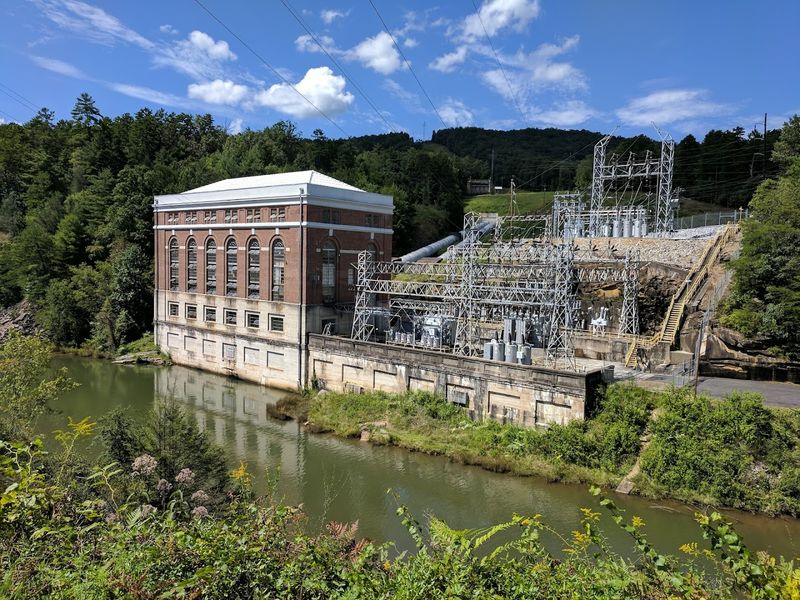
The first glimpse stops you cold because the gorge looks wider, deeper, and sharper than most people expect from Georgia.
Layers of rock drop dramatically to a river far below, and the air seems to carry its own echo.
That immediate sense of scale is what makes Tallulah Gorge State Park near Tallulah Falls in Rabun County unforgettable.
Often called the Grand Canyon of the East, the gorge stretches roughly two miles long and plunges nearly a thousand feet at its deepest points.
Rim trails provide constant overlooks, while the suspension bridge hangs above the chasm for a thrilling mid-gorge perspective.
For adventurous visitors, permits allow a limited number of people to descend to the gorge floor.
That hike is strenuous, rocky, and muddy, but it reveals waterfalls, boulders, and river power that rim views only hint at.
Even without going down, the rushing water and steep walls create a feeling of raw, compressed force.
Season, weather, and dam releases can dramatically change the character of the scene, which keeps repeat visits interesting.
What surprised me most was how cinematic every overlook felt without seeming staged.
Tallulah Gorge is not just pretty in person, it is vast, muscular, and dramatic enough to make edited-looking photos seem completely believable.
5. Rock City Gardens – Lookout Mountain, Walker County
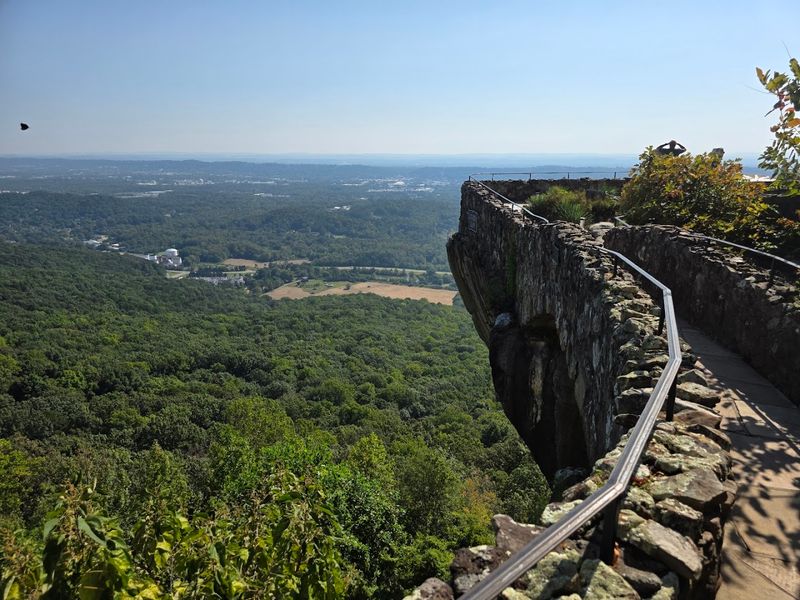
Narrow stone passages, strange balancing boulders, and sudden bursts of mountain view make the whole place feel slightly enchanted.It has the playful unreality of a fantasy attraction, except the cliffs, caves, and overlooks are very much real.
That mix is exactly why Rock City Gardens on Lookout Mountain in Walker County leaves such a strong impression.
The path winds through ancient rock formations shaped into squeezes, corridors, and overlooks with names that sound straight out of storybooks.Lovers Leap is the most famous viewpoint, offering wide vistas across the Tennessee Valley and the surrounding ridges.
On a clear day, people still love repeating the classic claim that seven states can be seen from here.
Unlike many scenic landmarks, this one layers curated charm onto dramatic geology.Gardens, bridges, and whimsical details soften the rugged setting without taking away from the natural spectacle.
That combination explains why photographs can look almost too stylized to trust.
There is a theatrical quality to every turn, yet the mountain air and exposed stone keep it grounded.You move from cool, shadowed passages into bright overlooks that open all at once, and the rhythm keeps surprising you.
By the end, Rock City feels like proof that a place can be both carefully designed and naturally jaw-dropping at the same time.
6. Providence Canyon State Park – Lumpkin, Stewart County
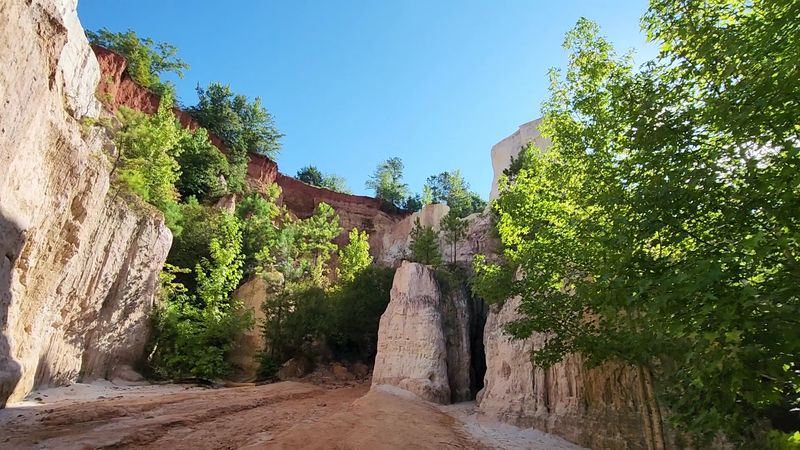
When the sun hits the canyon walls, the colors look painted on rather than formed by weather and time.Pink, orange, red, and rust tones stack together so vividly that your eyes almost reject them at first.
That startling palette is why Providence Canyon State Park near Lumpkin in Stewart County is often called Georgias Little Grand Canyon.
What makes the place even more fascinating is that much of its dramatic topography was accelerated by poor farming practices in the nineteenth century.Erosion carved deep gullies into the landscape, eventually creating a canyon system that now feels both accidental and extraordinary.
The result is a rare landmark where beauty and environmental history are tightly intertwined.
Trails lead hikers along rims and down into the canyon floor, where the walls rise around you in layered, glowing bands.The views shift constantly depending on cloud cover, season, and the angle of afternoon light.
Even close-up photos struggle to convey how luminous the earth can look.
Wildflowers and pine forest around the canyon add contrast, making the exposed soil seem even more surreal.It is quiet, spacious, and unlike almost anything else in the state.
Seeing Providence Canyon in person feels like walking into an image that was oversaturated online, only to discover nature really did choose those impossible colors on purpose.
7. Cumberland Island National Seashore – St. Marys, Camden County
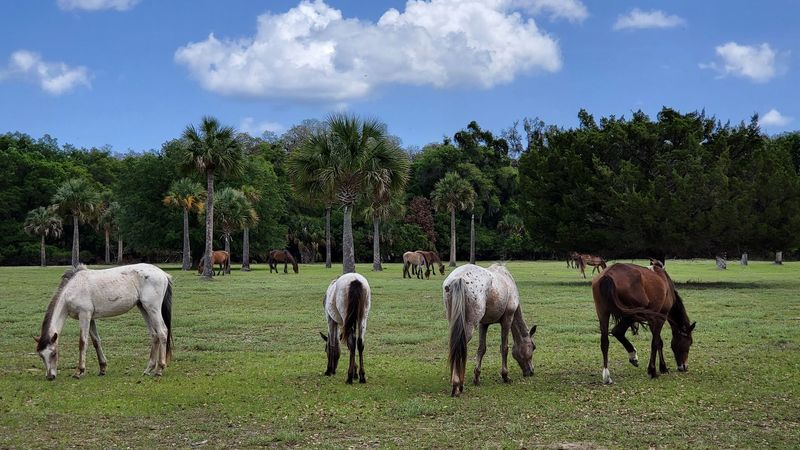
Wind moves through the dunes, driftwood lies twisted like sculpture, and the beach stretches so empty it feels almost imaginary.Then wild horses appear against the grass or surf, and the scene suddenly looks even less believable.
That is the unforgettable spell of Cumberland Island National Seashore, reached from St. Marys in Camden County.
As Georgias largest barrier island, Cumberland combines maritime forest, salt marsh, historic ruins, and undeveloped shoreline in one remarkably protected landscape.Because access is limited primarily to ferry passengers, the island keeps a sense of distance and quiet that is increasingly rare on the East Coast.
It feels less like a beach trip and more like entering another pace of life.
The Dungeness Ruins add a haunting contrast to the natural beauty.Crumbled mansion walls, palms, and open lawns create a scene that is elegant, atmospheric, and slightly eerie all at once.
Meanwhile, long trails and wide beaches make it easy to find moments where the only sounds are waves, birds, and wind.
Photographs usually focus on the horses, and yes, seeing them in person is surreal.But what stayed with me most was the islands scale, silence, and layered textures of forest, sand, and sky.
Cumberland does not just look beautiful, it feels improbably untouched, which is exactly what makes those dramatic photos seem true.
8. Brasstown Bald – Hiawassee, Towns County
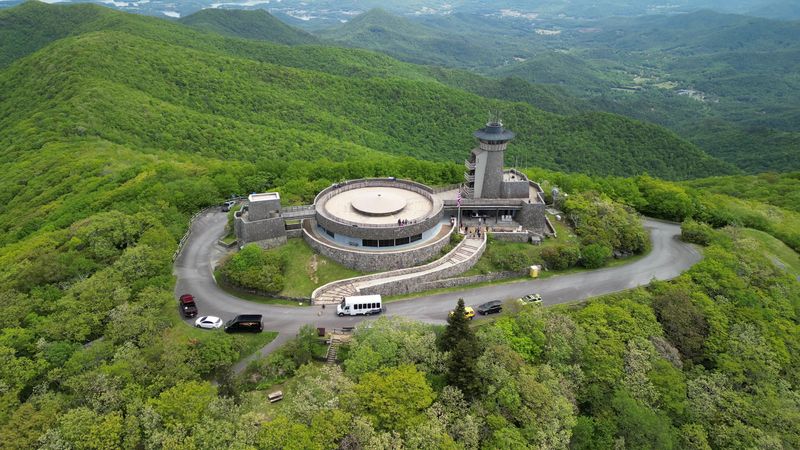
From a distance, the layered ridgelines look almost airbrushed, fading from green to blue to silver as they recede.Then you reach the summit and realize the atmosphere itself is creating those soft, unreal colors.
That is the simple but powerful magic of Brasstown Bald near Hiawassee in Towns County.
As the highest point in Georgia at 4,784 feet, Brasstown Bald delivers the kind of panorama people usually associate with larger western states.The observation deck offers a 360-degree view across the Blue Ridge Mountains, and on very clear days you can see into several neighboring states.
The visual payoff is enormous for such an accessible summit experience.
You can walk the steep paved path from the parking area or take the shuttle, then explore exhibits inside the visitor center.What matters most, though, is stepping outside and letting your eyes adjust to distance.
The longer you stand there, the more detail appears in the folds of the mountains.
Sunrise and fall color get plenty of attention, but even a bright midday visit can feel unexpectedly dramatic.Cloud shadows drift across the ridges and make the landscape seem in constant motion.
Brasstown Bald is not flashy in the way waterfalls or canyons are, yet its vastness, color gradients, and sense of elevation make edited-looking mountain photos seem completely honest.
9. Okefenokee Swamp – Folkston, Charlton County
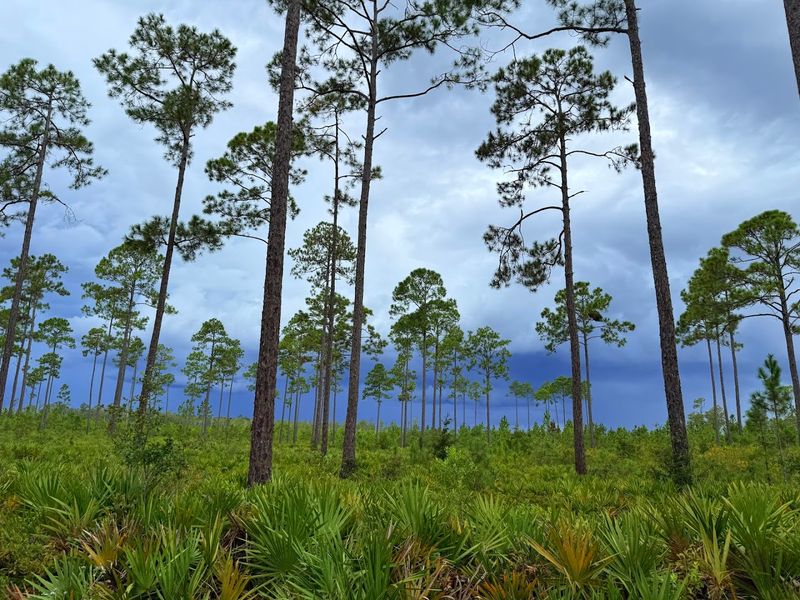
Still water, floating lilies, and cypress silhouettes create reflections so perfect they barely seem natural.Then an alligator slides past, a bird calls from the reeds, and the whole landscape feels ancient in the best way.
That haunting beauty defines the Okefenokee Swamp near Folkston in Charlton County.
One of the largest intact freshwater ecosystems in North America, the Okefenokee is less about a single viewpoint and more about total immersion.Boardwalks, boat trails, and observation areas reveal blackwater channels, wet prairies, islands, and dense vegetation that shifts with season and light.
Every section feels quiet, mysterious, and visually rich.
The swamp is also an extraordinary wildlife habitat, home to alligators, wading birds, turtles, otters, and countless smaller species.Because the water often mirrors the sky, photographs can look heavily edited, especially at sunrise, sunset, or in morning fog.
In person, the reflective surfaces and layered textures make the scenery feel even more unreal.
What surprised me most was how peaceful the place felt despite its reputation for wildness.The stillness is not empty, it is full of movement you only notice when you slow down.
Okefenokee rewards patience, and once you spend time drifting through it, you understand why pictures struggle to capture the depth, atmosphere, and living complexity of this remarkable swamp.
10. Cloudland Canyon State Park – Rising Fawn, Dade County
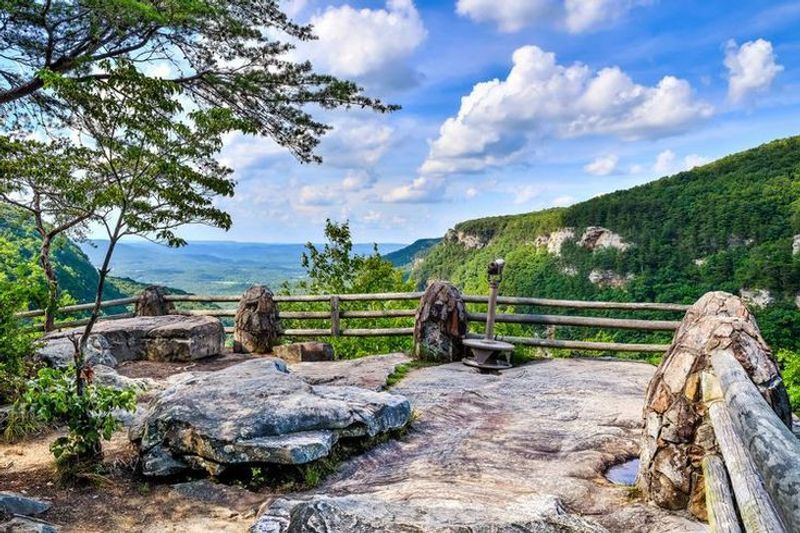
High on the edge of Lookout Mountain, the land suddenly opens and drops away in a way that feels almost cinematic.
Cliffs frame a deep canyon, clouds drift through changing light, and the valley below seems improbably far away.
That dramatic reveal is the signature experience at Cloudland Canyon State Park near Rising Fawn in Dade County.
This is one of the largest and most scenic canyons in the eastern United States, carved by Sittons Gulch Creek through layers of sandstone and shale.
The rim overlooks provide immediate visual impact, but the trails down toward Cherokee and Hemlock Falls add intimacy and movement.
Every descent makes the canyon feel larger.
The staircase hikes are demanding on the return, yet the waterfalls and shaded gorge reward the effort.
After rain, the falls become especially photogenic, with white water cutting through mossy rock and dense woodland.
What makes Cloudland stand out is its combination of breadth and texture.
You get huge views, but also small details like ferns, stone ledges, and the sound of water hidden below the rim.
Photos often make it look exaggerated, as if the canyon were stretched taller or the clouds deepened for effect, but seeing it in person confirms the drama is completely real.
11. Little St. Simons Island – St. Simons, Glynn County
Silence is the first thing that feels unusual here, especially if you are used to busy beach towns and packed shorelines.Wide sand, tidal marsh, and wind-shaped trees create a coastal scene so undisturbed it almost looks staged for a nature documentary.
That rare sense of seclusion defines Little St. Simons Island off St. Simons in Glynn County.
This privately owned barrier island operates with limited guest access, which helps preserve thousands of acres of maritime forest, marshland, and beach.Because the number of visitors stays small, wildlife sightings and empty landscapes feel like the norm rather than a lucky break.
You notice details that crowds usually erase, from shell patterns to bird calls to the shape of tide lines.
Guided naturalist experiences add depth, whether you are exploring by boat, bike, or on foot.The island is especially known for birding, but the overall appeal is broader than any single activity.
It is the feeling of being welcomed into an ecosystem that still moves on its own rhythm.
Sunrise and sunset can make the marsh glow in soft gold and copper tones that photographs rarely handle well.The beauty here is quieter than a canyon or waterfall, yet no less powerful.
Little St. Simons Island looks unreal online because so few American beaches still appear this wild, empty, and intimately connected to the surrounding natural world.