The most memorable kayaking trips are the ones where you keep finding reasons not to head back to shore. A quiet river bend, a great blue heron lifting from the reeds, or the glow of evening light across a calm inlet can turn a simple paddle into a day you remember long after.
Massachusetts kayaking adventures offer this kind of connection with the landscape, bringing paddlers through peaceful marshes, scenic reservoirs, coastal estuaries, and rivers shaped by centuries of history. From waters reflecting city skylines to hidden corners filled with wildlife, each route offers a different way to experience the state’s natural beauty.
These paddling destinations are perfect for anyone who wants scenic views, peaceful moments, and a closer look at Massachusetts beyond the usual paths. Explore the 11 Massachusetts kayaking adventures that made us want to return again and again.
Charles River Reservation
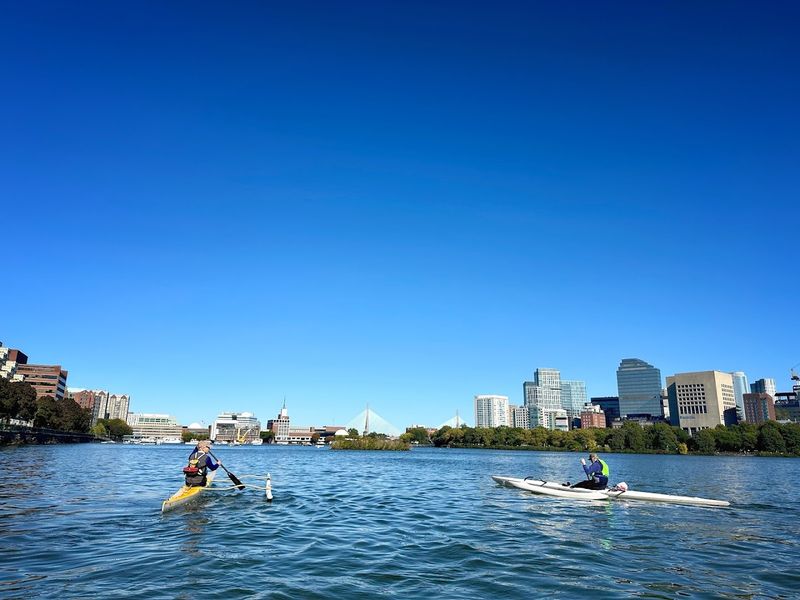
City noise usually fades in layers, and that was the first surprise here. A few strokes from shore, the traffic softened, the river widened, and the skyline started shimmering like a painted backdrop.
It felt less like escaping Boston than discovering its calmer twin.
Along the Charles River Reservation, the views keep shifting between glassy water, old bridges, and the tidy brick edges of Cambridge. We drifted past rowers, watched swans cut quiet lines across the surface, and caught glimpses of Harvard and MIT framed by morning light.
Even beginners can settle in quickly on these gentler stretches.
What stayed with us most was the timing. Sunrise turned the buildings pale gold, while sunset made the whole river look theatrical, especially near Magazine Beach and Artesani Park.
When a paddle gives you both nature and one of America’s great urban backdrops, it is hard not to plan another outing.
Assabet River National Wildlife Refuge
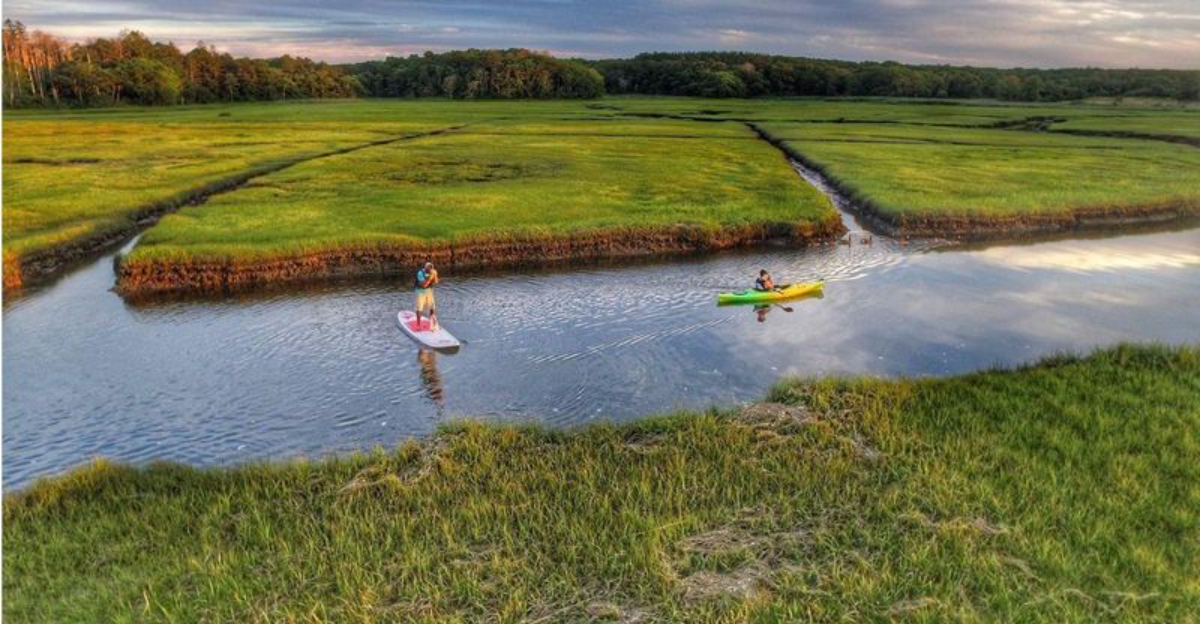
The quiet here feels almost textured, like you can hear every wingbeat and ripple. One moment the channel seems narrow and hidden, and the next it opens into a wetland scene so still it barely looks real.
That silence is what pulls you in first.
Paddling through Assabet River National Wildlife Refuge in Sudbury and Marlborough, we moved at the pace of the landscape. Beaver activity showed up in chewed branches along the bank, and a great blue heron lifted off just ahead of us with that slow, prehistoric grace.
The current is easy, which leaves more room to notice turtles, reeds, and reflected clouds.
This is not a flashy outing, and that is exactly why it lingers. The protected wetlands feel intimate and undisturbed, more like a private corridor than a public destination.
If you want a paddle that settles your breathing and sharpens your attention, this one quietly delivers.
Ipswich River Wildlife Sanctuary
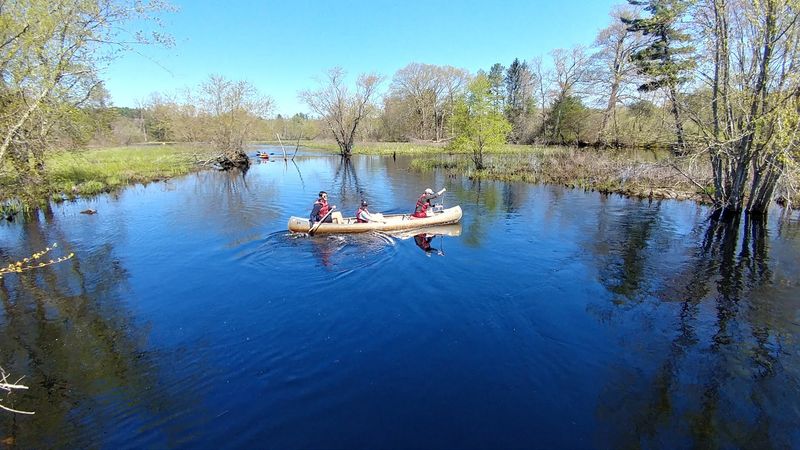
There is a moment on this river when the banks lean inward and the world turns green. Sunlight flickers through trees, lily pads gather in quiet coves, and the water carries you forward with almost no resistance.
It feels gentle, but never dull.
At Ipswich River Wildlife Sanctuary in Topsfield, every bend seemed to reveal a small detail worth slowing for. A kingfisher rattled overhead, a heron stood statue-still in the shallows, and the riverbanks alternated between open marsh and cool woodland shade.
Rentals make it approachable, but the scenery gives it a far more tucked-away feeling.
What made this paddle memorable was how balanced it felt. Families can enjoy the easy route, yet seasoned paddlers still get those quiet, cinematic stretches that make a place feel special.
We came away with damp shoes, too many photos of lily pads, and that familiar urge to go back on a quieter weekday morning.
Mystic Lakes State Park
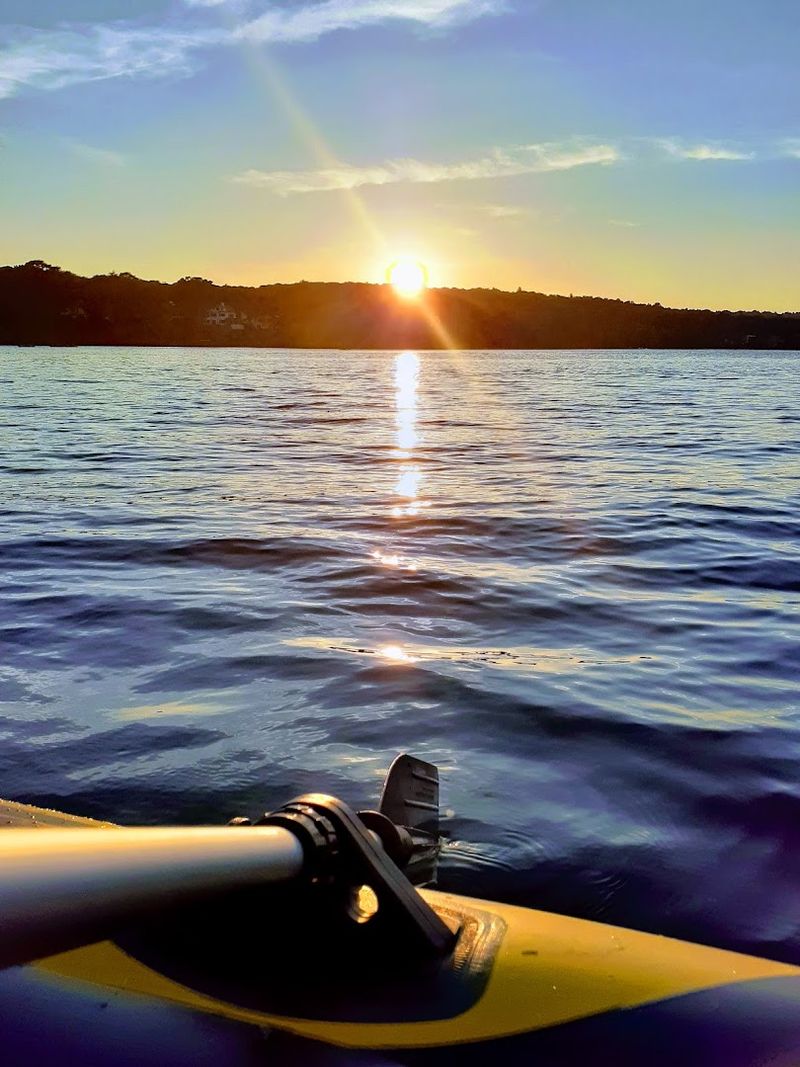
Some places win you over with drama, and some do it with ease. The water here looked clean and inviting from the first glance, and within minutes the rhythm of paddling felt almost automatic.
It was the kind of outing that makes an ordinary afternoon feel better than planned.
At Mystic Lakes State Park, spread across Medford and Winchester, the shoreline stays pleasantly green and close without feeling crowded in on you. We paddled between the Upper and Lower Mystic Lakes, watching sunlight flash on clear water while joggers and cyclists moved along the edges.
In fall, the surrounding trees add a surprising amount of color for such an accessible spot.
This is where you go when you want a low-stress paddle that still feels scenic. Easy launch areas help, but what really matters is the atmosphere: calm, open, and welcoming.
Sometimes that simple combination is exactly what gets you back in the boat sooner than expected.
Nashua River Watershed (Oxbow National Wildlife Refuge)
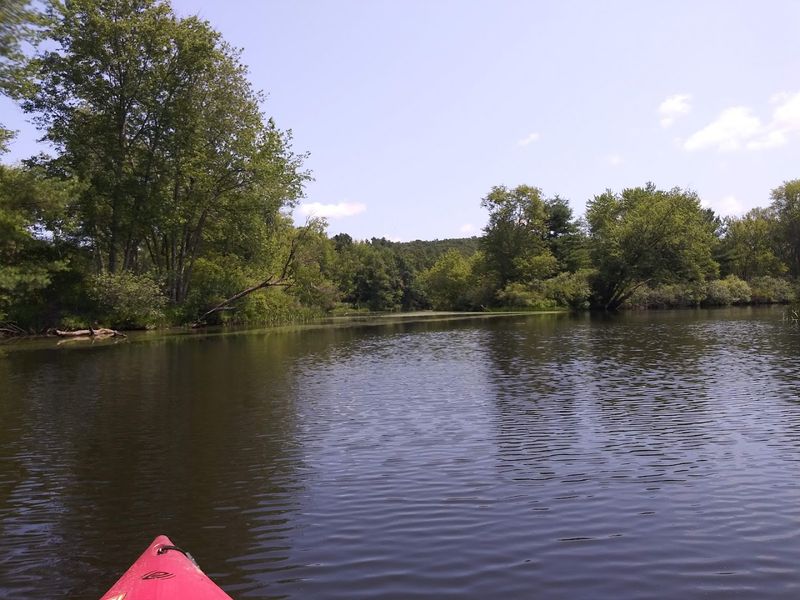
The river moved with such an easy confidence that it felt like it was teaching us how to slow down. Reflections held steady under the boat, and every turn seemed to deepen the sense of being somewhere pleasantly apart.
It had the softness of a Sunday morning.
Near Harvard, the Nashua River by Oxbow National Wildlife Refuge threads through floodplain forests and open stretches rich with birds. We spotted an osprey overhead, noticed wildflowers along the bank, and drifted through sections where the only real sound came from the paddle entering water.
The current stays manageable, which makes it easy to pause for photos or simply look around.
What distinguishes this paddle is its quiet sense of abundance. There is always something to notice, but nothing fights for attention.
By the end, we felt less like we had checked off a destination and more like we had slipped briefly into a different tempo, one worth returning to whenever possible.
Westport River
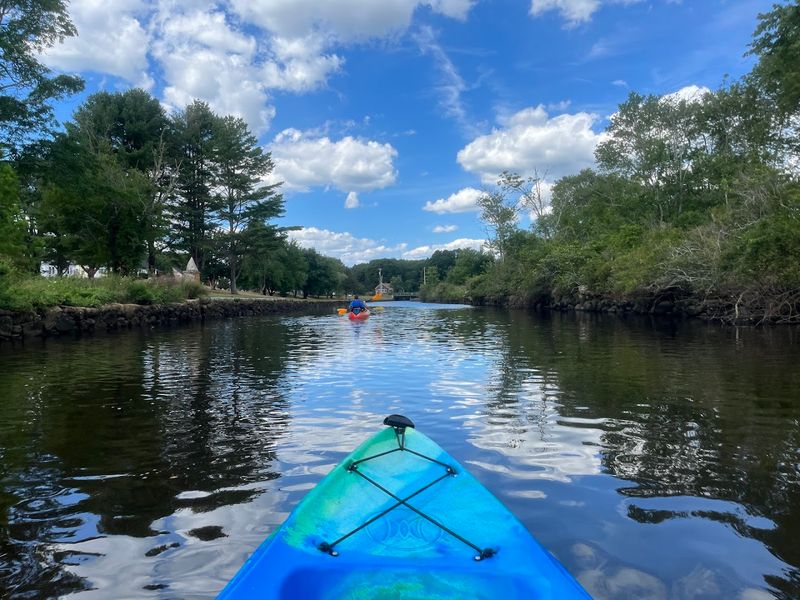
Late light made this place unforgettable before we had even paddled far from shore. The estuary opened wide, the breeze stayed soft, and the whole scene carried that loose, end-of-day calm you wish you could bottle.
It felt expansive without ever feeling exposed.
On the Westport River, quiet coves break up the wider water, and the shoreline shifts between reeds, docks, and coastal farmland. We passed an osprey platform, watched the bird circle overhead, and kept turning around for views that looked even better in the lowering sun.
Timing matters here, and favorable tides make the route especially comfortable.
What we loved most was the blend of working landscape and natural beauty. This is not a polished postcard version of the coast, which is exactly the charm.
It feels lived-in, breezy, and honest, and when sunset starts tinting the estuary copper and pink, you understand immediately why people keep coming back with their boats.
Great Marsh (Parker River National Wildlife Refuge)
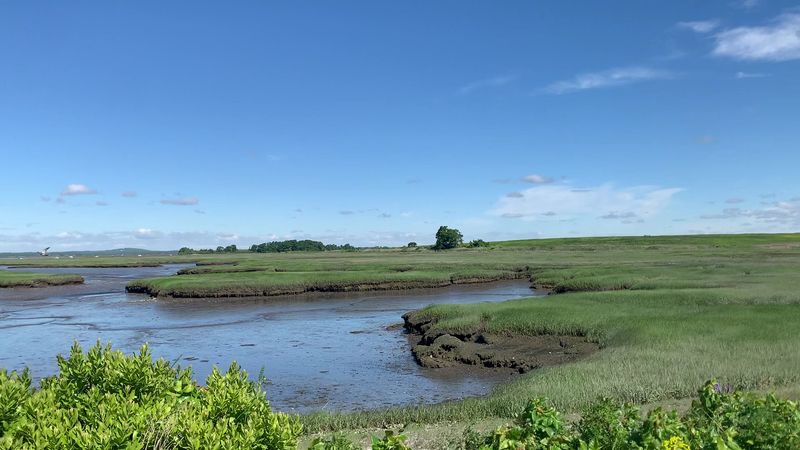
It is hard to prepare for a landscape that seems to stretch forever while staying so delicate. Every channel feels like an invitation deeper into the marsh, and every turn reveals another ribbon of water slipping through grasses.
The scale is huge, but the mood remains hushed.
In the Great Marsh near Parker River National Wildlife Refuge, just outside Newburyport, birdlife shapes the whole experience. We watched egrets pick through the shallows, listened to distant calls carry over the marsh islands, and traced tidal creeks that looked almost hand-drawn from boat level.
The open sky gives everything a luminous quality, especially when clouds drift low.
This paddle stays with you because it feels elemental. There are no distracting extras, just water, wind, birds, and the subtle geometry of one of New England’s largest salt marshes.
If you like photography, bring your camera. If you do not, the memory alone will still feel surprisingly vivid on the drive home.
Scusset River & Cape Cod Canal Area
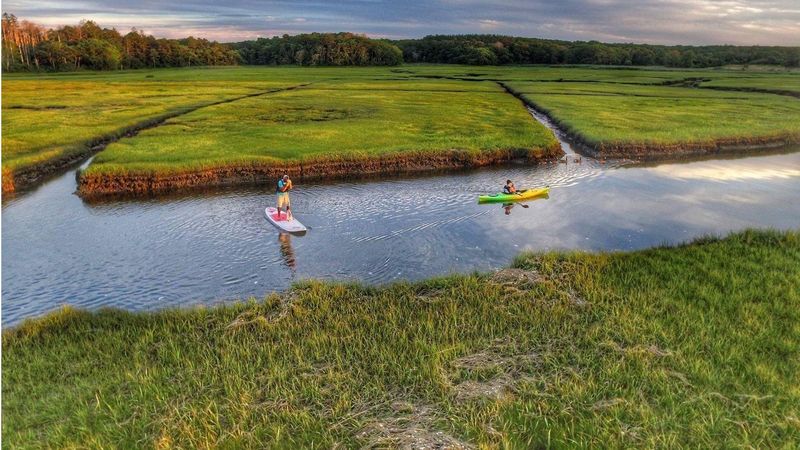
Few paddles make you feel small in such an energizing way. One minute the water is protected and manageable, and the next a massive vessel glides through the nearby canal, turning the whole scene into a moving lesson in scale.
It is part quiet nature, part maritime theater.
Near Sandwich, the Scusset River and Cape Cod Canal area offer a distinctive mix of coastal calm and working-water drama. We stayed in gentler sections while watching boats pass through the canal, and the contrast made the paddle more interesting than expected.
Seabirds cut across the wind, the shoreline stayed bright and open, and the salt air did the rest.
This outing feels especially good when you want something different from a wooded inland river. There is movement, sound, and a stronger sense of the coast without losing accessibility.
It is also easy to pair with a longer day on the Cape, making the paddle feel like one vivid chapter in a bigger summer outing.
Concord River Greenway
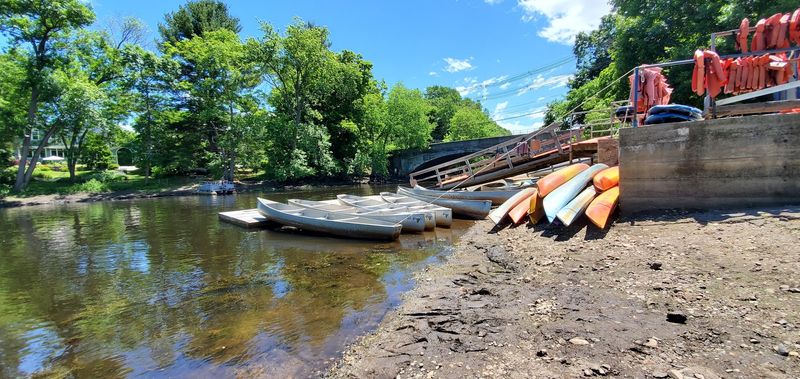
History can feel heavy on land, but on the water it sometimes becomes graceful. The paddle here moved through quiet scenery that seemed almost too composed, with reeds, trees, and broad reflections smoothing out every mile.
It was calm in a way that encouraged lingering.
Along the Concord River Greenway in Concord, the landscape carries deep historical associations while still feeling thoroughly alive. We glided past wetlands, watched birds move across the shallows, and appreciated how beginner-friendly the route remained.
The Wild and Scenic designation makes sense once you are there, because the river holds both beauty and character without needing dramatic flourishes.
What impressed us was how complete the experience felt. You can spend time on the water, then continue the day with a walk through town, a stop for coffee, or a visit to nearby historic sites.
Few paddles weave together scenery, accessibility, and a genuine sense of place quite as naturally as this one does.
Blackstone River and Canal Heritage State Park
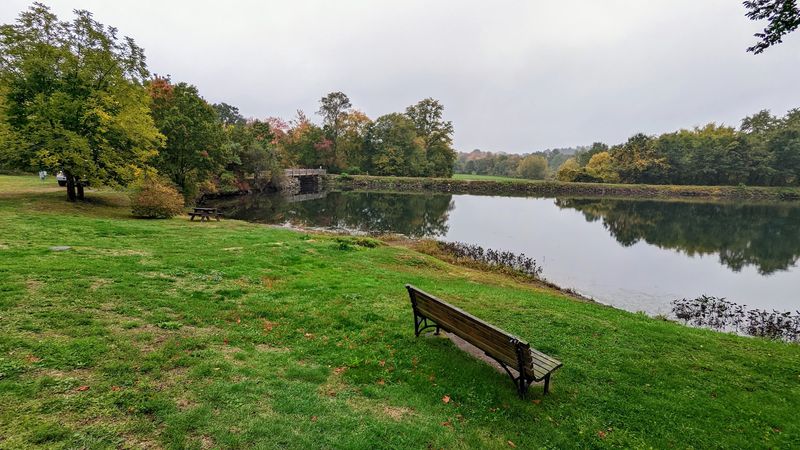
The surprise here is how quickly industry gives way to stillness. You come expecting history, maybe a few old structures and an interpretive feel, then suddenly the water smooths out and the landscape turns intimate and green.
It is a paddle with an unusual kind of depth.
At Blackstone River and Canal Heritage State Park in Uxbridge, the canal and river tell overlapping stories. We followed quiet sections where the towpath remained visible, passed wildlife tucked into the banks, and kept noticing details that hinted at the region’s manufacturing past.
The setting never feels frozen in time, though. It feels active, layered, and easier to connect with from a kayak than from shore.
This is a great route for paddlers who like places with context. The scenery alone is pleasant, but the industrial heritage adds texture and makes the outing more memorable than a standard flatwater trip.
Afterward, even a short walk nearby helps complete the story the river has been carrying all along.
Waquoit Bay National Estuarine Research Reserve
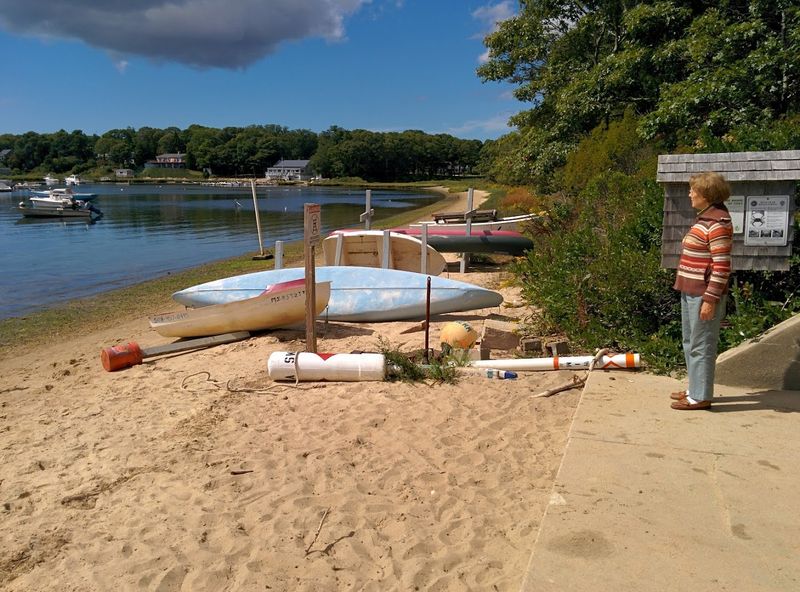
The water here shifts colors with the sky, sometimes blue, sometimes green, sometimes almost silver over the shallows. That constant change gives the whole paddle a sense of motion even on calmer days.
It feels coastal, scientific, and quietly beautiful all at once.
At Waquoit Bay National Estuarine Research Reserve in Falmouth, the mix of open bay and protected habitat makes every stretch interesting. We paddled past eelgrass beds, watched shorebirds pick along the edges, and kept admiring the soft Cape light that seems to brighten everything without becoming harsh.
Because it is a research reserve, there is also a deeper awareness that this landscape is being observed, understood, and cared for.
That subtle feeling of stewardship enhances the experience rather than formalizing it. You are still there for the salt air, the broad views, and the pleasure of moving through a healthy estuary, but you leave noticing more.
For us, it was one of the Cape’s most thoughtful and unexpectedly calming paddles.