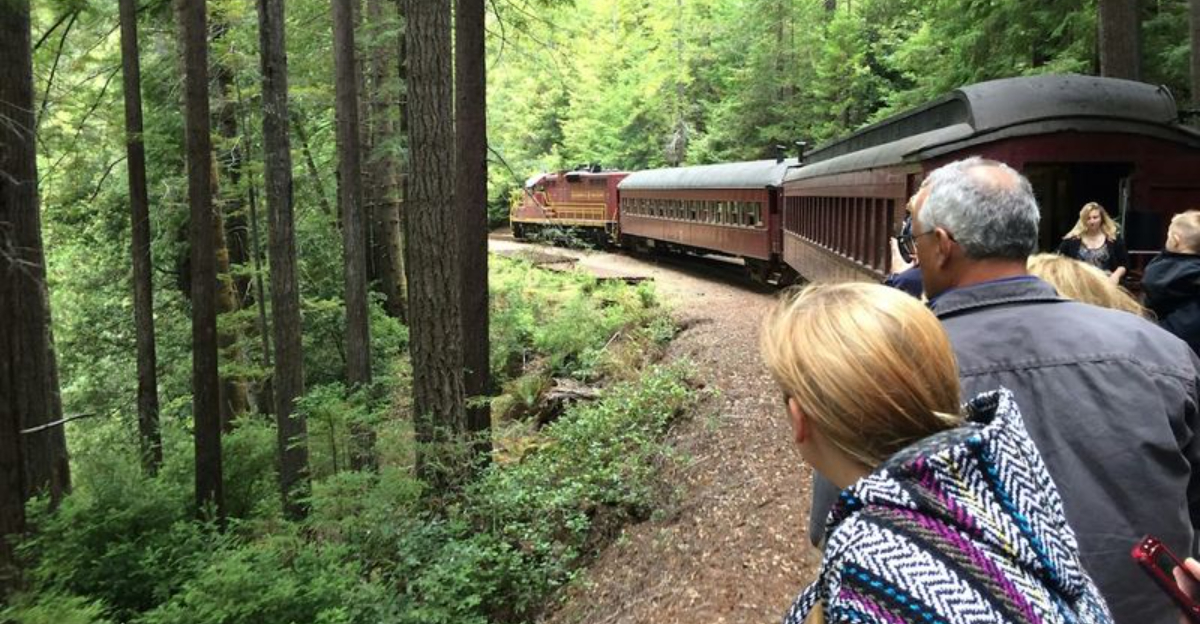
Some journeys deserve to be savored, and this one rolls straight into another world. Climb aboard the Skunk Train and watch modern life fade as vintage railcars carry you beneath towering redwoods that have stood for centuries.
Every bend in the track reveals another unforgettable view.
The ride isn’t just about reaching a destination. It’s about crossing historic trestles, gliding through peaceful forests, and passing scenery that feels untouched by time.
You never know what might appear around the next curve.
Whether you depart from Fort Bragg or Willits, each route offers its own unforgettable moments. From quiet coastal wetlands to the dramatic Noyo River Canyon, every mile brings a fresh reason to keep your eyes glued to the window.
If you’ve been searching for a California adventure that’s equal parts history, nature, and pure wonder, this vintage train ride belongs at the top of your travel list.
Once the whistle blows, you’ll understand why generations of visitors keep coming back.
Historic Fort Bragg Depot
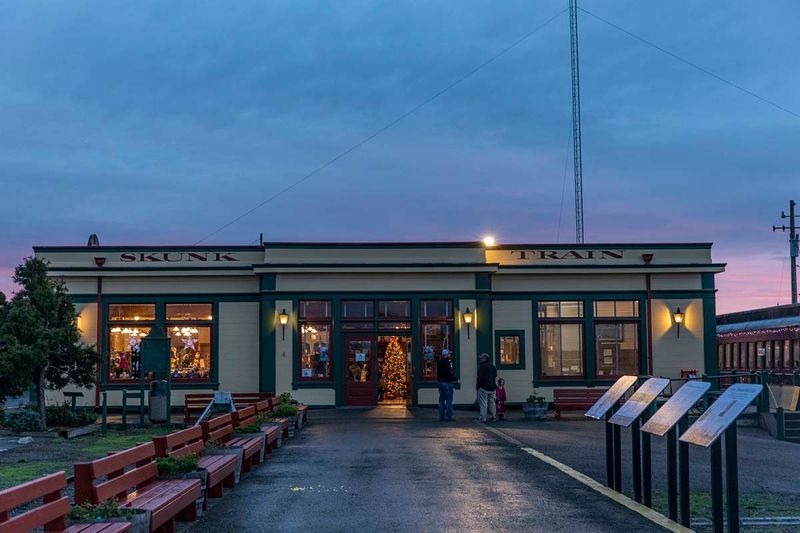
Your adventure begins at the charming Fort Bragg Depot, where the smell of pine and ocean air greets you as you step onto the platform. Built over a century ago, this beautifully preserved station serves as the gateway to one of California’s oldest operating railroads.
The vintage railcars waiting at the platform have been lovingly restored to their original glory.
Walking through the depot feels like stepping back in time. Wooden benches, old railroad signs, and historical photographs line the walls, telling stories of logging days and early California travelers.
Friendly staff members help passengers find their seats while sharing fascinating tidbits about the train’s colorful history.
Before boarding, take a moment to explore the depot’s small gift shop and museum area. You can purchase snacks for the journey, browse railroad memorabilia, and learn about Mendocino County’s logging heritage.
The excitement builds as the conductor calls “All aboard!” and your journey into the magnificent redwood forests begins.
Pudding Creek Estuary
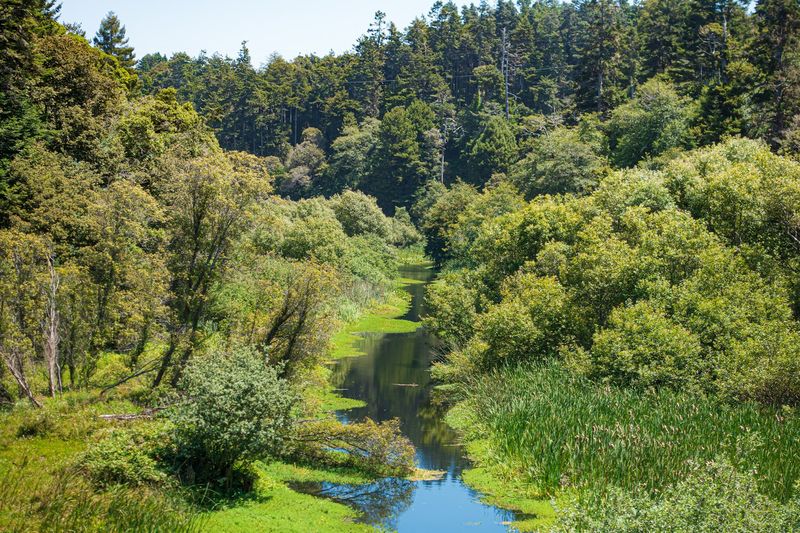
Nature lovers will find themselves mesmerized as the train follows the tranquil Pudding Creek Estuary shortly after departing Fort Bragg. The peaceful waterway creates a mirror-like surface that reflects the sky and surrounding vegetation.
This short route, known as the Pudding Creek Express, offers incredible wildlife viewing opportunities throughout the year.
Keep your camera ready because blue herons, snowy egrets, and ospreys frequently appear along the marshy shoreline. The tidal wetlands support dozens of bird species, and lucky passengers might spot harbor seals lounging on mudflats during low tide.
Towering redwoods begin appearing on both sides of the track as the train gradually moves inland.
The contrast between coastal wetlands and ancient forest creates a unique ecosystem found nowhere else. Children especially enjoy pointing out different birds and watching the landscape change from open estuary to dense woodland.
This gentle introduction to the journey helps passengers appreciate how diverse California’s natural environments can be within just a few miles.
Pudding Creek Trestle
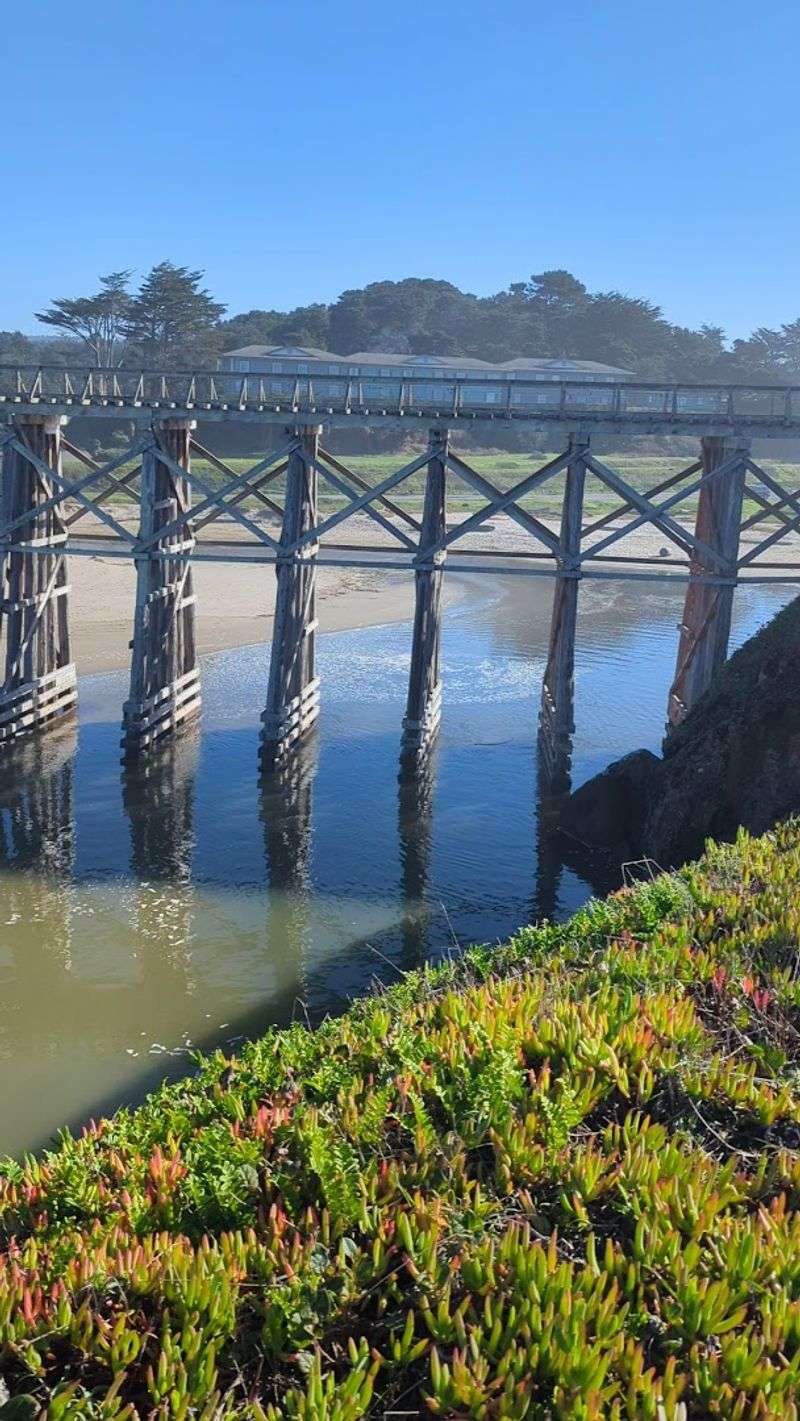
Cameras click rapidly as the train rolls onto the historic Pudding Creek Trestle, one of the journey’s first major highlights. This impressive wooden structure has carried trains safely across the estuary since the railroad’s early days.
Looking down through the railcar windows, passengers enjoy sweeping views of the water below and surrounding marshlands.
The trestle represents amazing engineering from a bygone era when lumber companies built these massive bridges by hand. Feeling the gentle sway as the train crosses adds a thrilling element to the experience, though the structure remains completely safe and well-maintained.
The elevated viewpoint offers unique photographic opportunities unavailable from ground level.
After crossing, the landscape transforms dramatically as dense coastal forest envelops the tracks. The transition from open sky to towering tree canopy happens remarkably quickly, signaling that you’re entering redwood country.
Many passengers consider this crossing a symbolic gateway, marking the shift from coastal scenery to the magnificent forest environment that defines the Skunk Train experience.
Glen Blair Junction
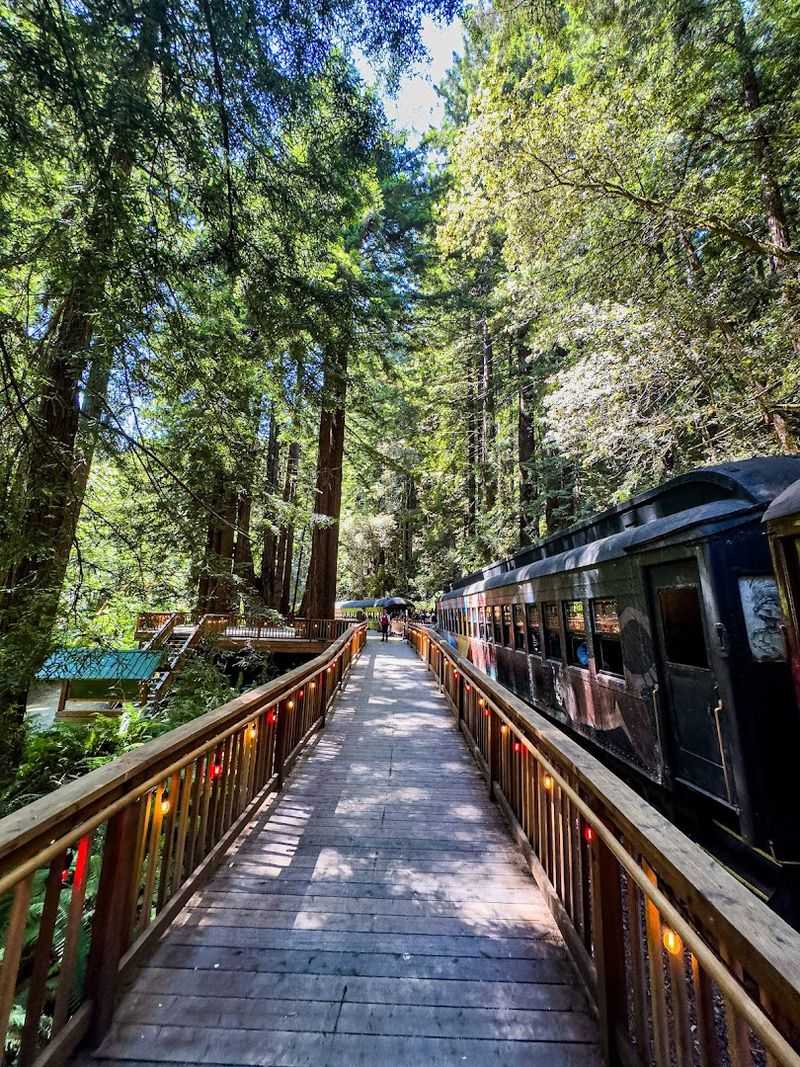
Halfway through the Pudding Creek route, the train slows to a stop at Glen Blair Junction, where passengers can actually step off and stretch their legs. Towering redwoods surround this peaceful clearing, creating a natural cathedral that makes everyone speak in hushed, reverent tones.
The air smells fresh and earthy, filled with the scent of ferns and moss.
Wooden picnic tables scattered beneath the giants invite passengers to sit and soak in the forest atmosphere. Short walking trails loop through the immediate area, giving city dwellers a rare chance to stand at the base of these ancient trees.
Kids love running around after sitting on the train, and parents appreciate the clean restroom facilities available here.
The stop typically lasts about fifteen to twenty minutes, providing just enough time to take photographs and explore a bit before reboarding. Rangers occasionally give brief talks about redwood ecology and forest conservation during busy seasons.
This interactive element transforms the journey from a simple train ride into an educational outdoor experience families remember for years.
Wolf Tree Turn
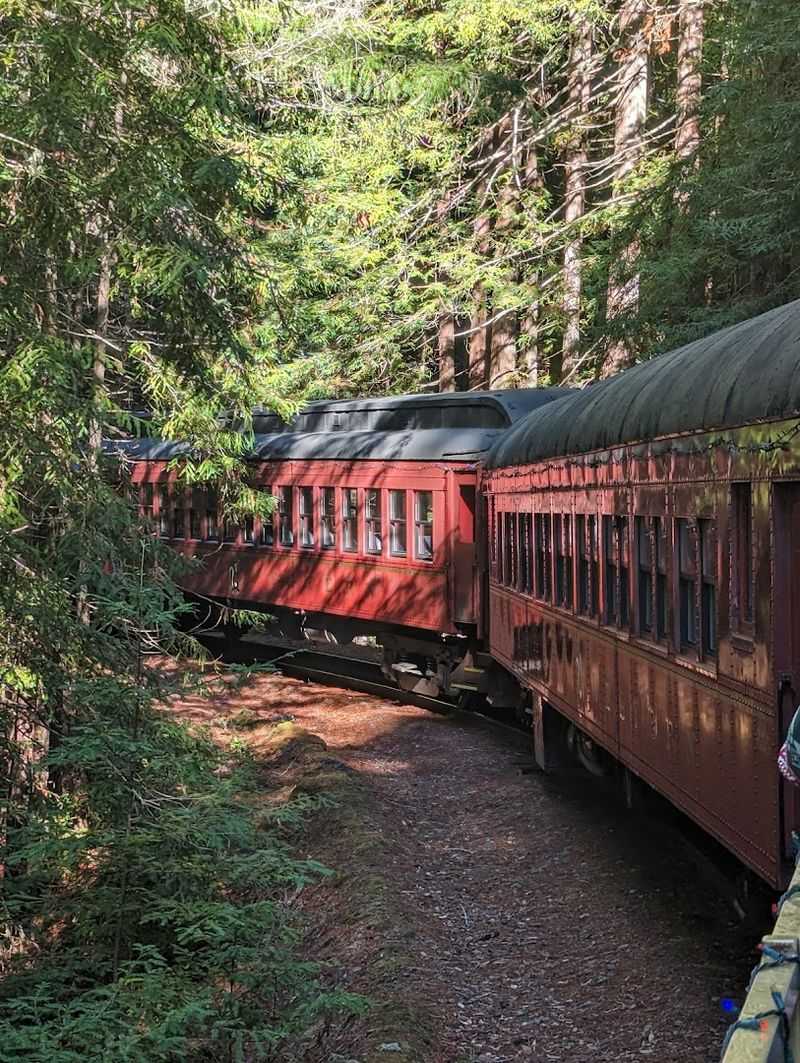
Departing from the town of Willits on the inland side, the Wolf Tree Turn route offers the most immersive redwood experience available on the entire railroad. This signature excursion climbs steadily into the rugged Coast Range mountains before making a dramatic descent into valleys filled with magnificent old-growth forests.
The changing elevation provides constantly shifting perspectives of the landscape.
What makes this route special is its length and variety. Unlike shorter coastal routes, Wolf Tree Turn travels deeper into wilderness areas where some redwoods have stood for over a thousand years.
The train winds through narrow passages where branches nearly brush the windows, creating an intimate forest encounter. Passengers feel completely surrounded by nature’s grandeur.
Both Willits residents and visitors from distant places consider this the ultimate Skunk Train adventure. The round-trip journey takes several hours, allowing plenty of time to absorb the scenery and spot wildlife.
Deer, woodpeckers, and even occasional black bears make appearances along this remote stretch. Plan for this longer excursion if you want the fullest redwood experience possible.
Noyo River Canyon
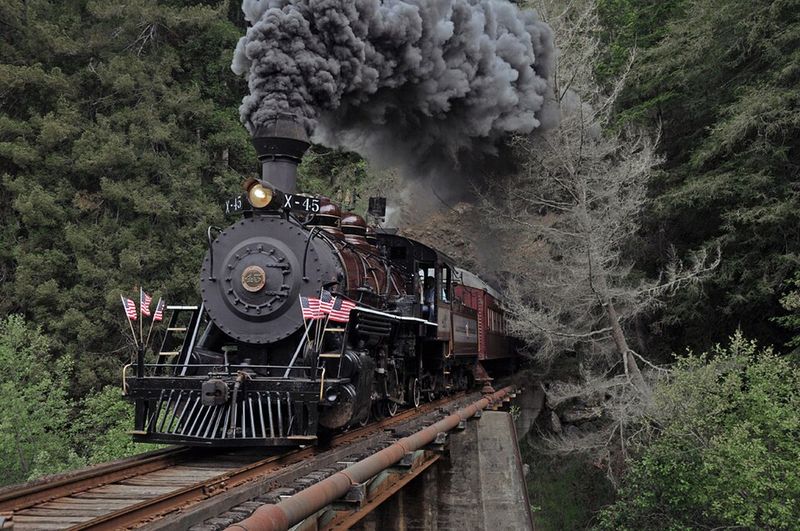
After emerging from Tunnel No. 2, the railway descends into the spectacular Noyo River Canyon, where massive redwoods cling to steep hillsides rising hundreds of feet on both sides. The Noyo River sparkles far below, carving its ancient path through the mountains.
This section represents untouched Northern California wilderness at its absolute finest.
The train hugs the canyon walls, offering passengers dramatic views down into the forested depths. Some sections feel almost impossibly steep, making you appreciate the skill of early railroad builders who conquered this challenging terrain.
Moss-covered rocks, cascading ferns, and enormous tree trunks create a primeval landscape that looks unchanged for thousands of years.
Wildlife thrives in this protected canyon environment. Sharp-eyed passengers spot Roosevelt elk, river otters, and numerous bird species going about their daily activities.
The air feels noticeably cooler and more humid here compared to the coast or Willits. Many passengers describe this canyon passage as the emotional heart of their Skunk Train experience, where California’s natural beauty reveals itself most powerfully.
Crowley Stop and the Wolf Tree
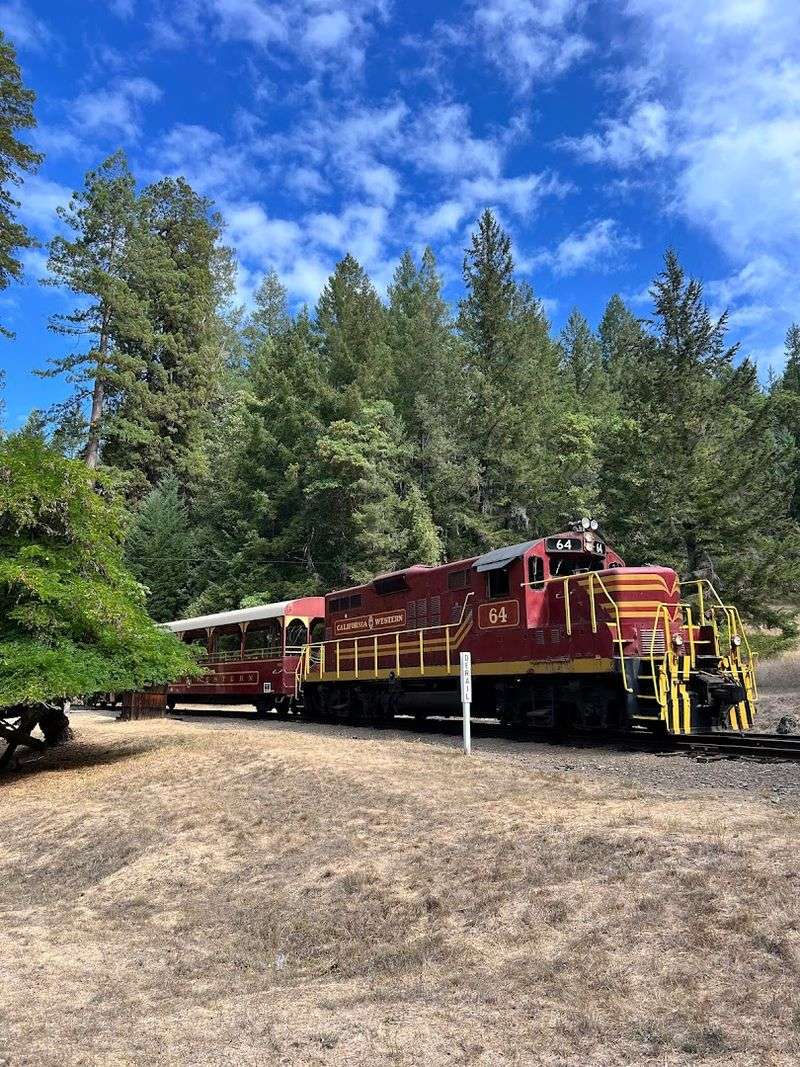
The train slows to a complete stop at historic Crowley, giving passengers their chance to stand beside the legendary Wolf Tree. This enormous old-growth redwood earned its name from its distinctive branching pattern, which resembles a wolf’s profile when viewed from certain angles.
Measuring over twelve feet across at its base, the tree has witnessed centuries of history.
Stepping off the train here feels like entering a sacred space. The massive trunk dwarfs even the tallest adults, helping everyone understand just how ancient and enormous these coastal giants truly become.
Rangers explain that Wolf Trees earned their name in logging days because their irregular shapes made them less valuable for lumber, allowing them to survive when surrounding forests fell.
This mandatory photo stop creates lasting memories and perspective-shifting moments. Children wrap their arms around the trunk, discovering they need ten friends to encircle it completely.
The tree’s survival tells an important conservation story about protecting remaining old-growth forests. Most passengers leave feeling grateful that previous generations chose preservation over profit for special trees like this remarkable specimen.
Model Railroad Barn
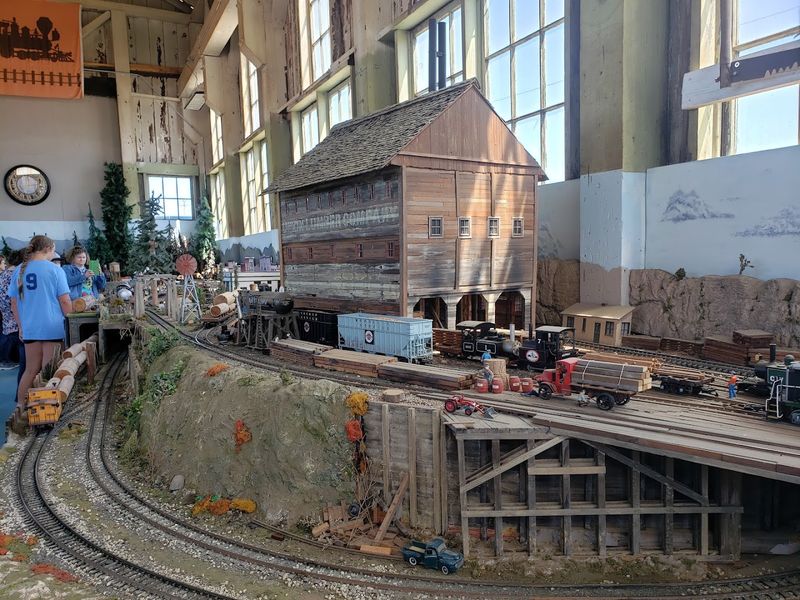
Before or after your train ride, the Model Railroad Barn at Fort Bragg provides fascinating entertainment for all ages. Included with many ticket purchases, this attraction showcases incredibly detailed miniature railroad displays celebrating the California Western Railroad’s rich logging heritage.
Tiny trains zip through elaborate landscapes complete with mountains, tunnels, and miniature redwood forests.
Railroad enthusiasts spend hours studying the meticulous craftsmanship in these displays. Every detail reflects actual locations along the real Skunk Train route, from accurate depot replicas to scale-model logging operations.
Children press their noses against the glass, following individual trains on their journeys and discovering hidden surprises throughout the scenes.
Beyond just model trains, the barn houses historical photographs, authentic railroad equipment, and informative exhibits about Mendocino County’s timber industry. Interactive elements let kids operate switches and signals, providing hands-on learning experiences.
Many families arrive early to explore the barn before boarding their train, while others save it for after their journey when they can better appreciate the real locations they’ve just experienced firsthand.
Historic California Western Railroad Heritage
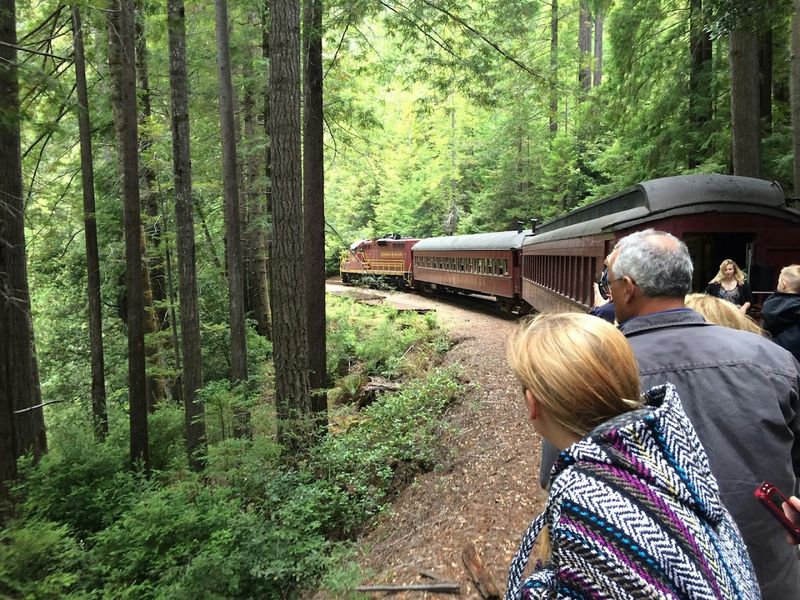
Since 1885, the railroad now famous as the Skunk Train has connected Mendocino County’s coastal communities with inland regions through challenging mountain terrain. Originally built to transport massive redwood logs from interior forests to Fort Bragg’s lumber mills, these tracks witnessed California’s entire logging era unfold.
Today’s scenic excursions follow the exact same route that hardworking loggers traveled over a century ago.
The railroad earned its unusual nickname during the 1920s when gasoline-powered motorcars replaced steam locomotives. Local residents claimed they could smell these distinctive vehicles approaching long before seeing them, leading to the affectionate “Skunk” moniker.
Rather than changing the name, railroad operators embraced it, and the quirky title became an endearing trademark.
Modern preservation efforts maintain vintage equipment while ensuring passenger safety meets current standards. Riding the Skunk Train connects you directly with California’s pioneer heritage and the brave individuals who conquered this rugged landscape.
Each journey honors their memory while allowing contemporary visitors to appreciate landscapes they helped access. This living history lesson makes every trip meaningful beyond simple sightseeing.