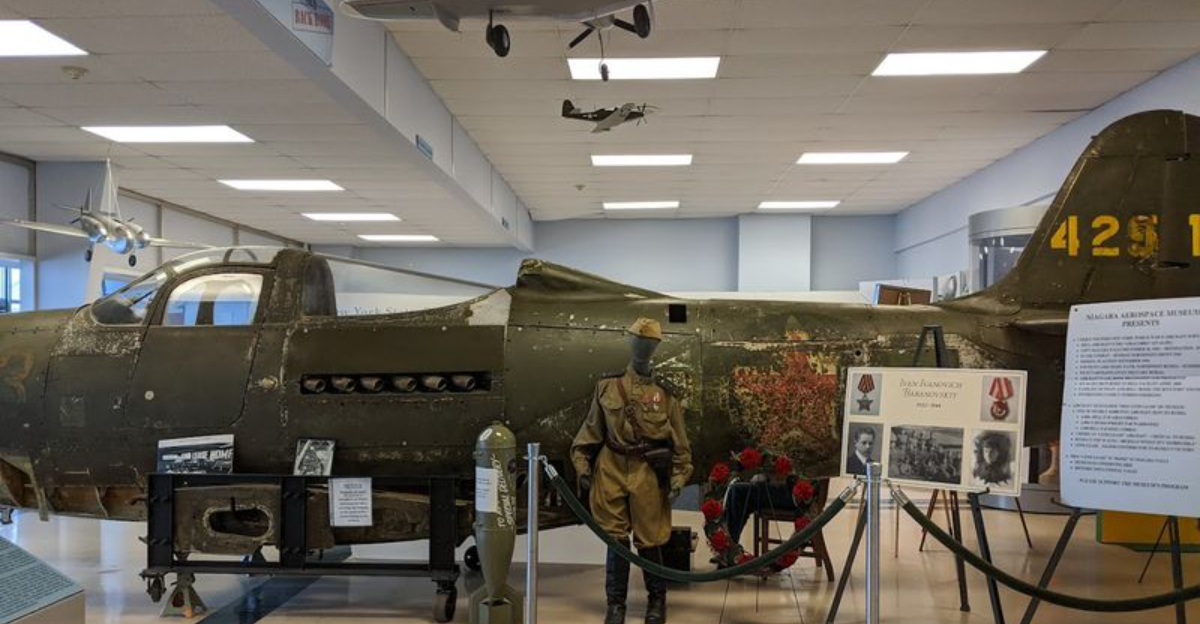
New York can hand you skyscrapers, bagels, and Broadway, but it also hides a remarkable trail of World War II stories told through aircraft, warships, uniforms, and deeply human memories that still feel urgent the moment you walk in.
From Manhattan’s Hudson River piers to smaller upstate collections that deserve much louder applause, these museums do more than display artifacts – they connect strategy, sacrifice, innovation, and everyday life with the kind of detail that makes dates suddenly stick.
You might step onto a destroyer escort in Albany, stand beneath roaring warbirds on Long Island, or catch a living history weekend where the 1940s seem close enough to borrow your lunch money.
If your idea of a great day involves steel, stories, and at least one moment of awestruck silence, this lineup is your mission briefing for the most compelling WWII museum stops across New York State to explore now.
1. Intrepid Sea, Air & Space Museum – New York
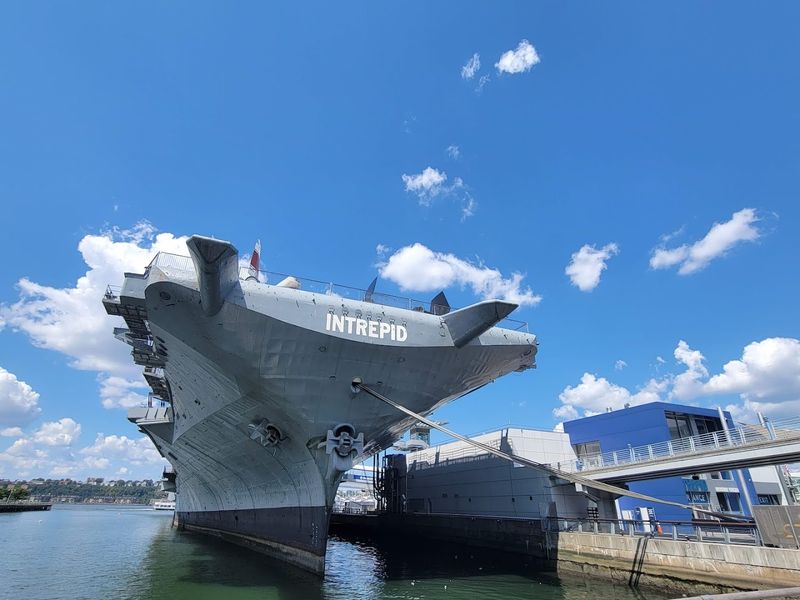
Few museum entrances feel as cinematic as boarding a real aircraft carrier beside Manhattan.
At the Intrepid Sea, Air & Space Museum in New York, World War II history comes wrapped in steel, scale, and river breeze.
The USS Intrepid served in the Pacific, survived torpedo attacks, and later became one of the country’s most memorable floating museums.
Once you step onto the flight deck, the sheer size does half the storytelling for you.
You can study restored aircraft, explore below-deck spaces, and picture the controlled chaos sailors navigated during wartime operations.
The exhibits explain combat service clearly, without sanding away the danger, fatigue, and ingenuity that shaped life aboard ship.
What makes this stop especially strong is its balance of artifact and atmosphere.
Interactive displays help connect military technology to the people who depended on it, while veterans’ stories keep the experience grounded and human.
Even if you arrived for the planes, the carrier itself quickly becomes the star of the show.
Give yourself several hours here, because rushing feels almost disrespectful to the scale of the place.
Located at Pier 86 on the west side of Manhattan, it pairs easily with a full city day.
History lovers, casual visitors, and anyone who likes a good deck with their drama will leave impressed.
2. USS Slater (DE-766) – Albany
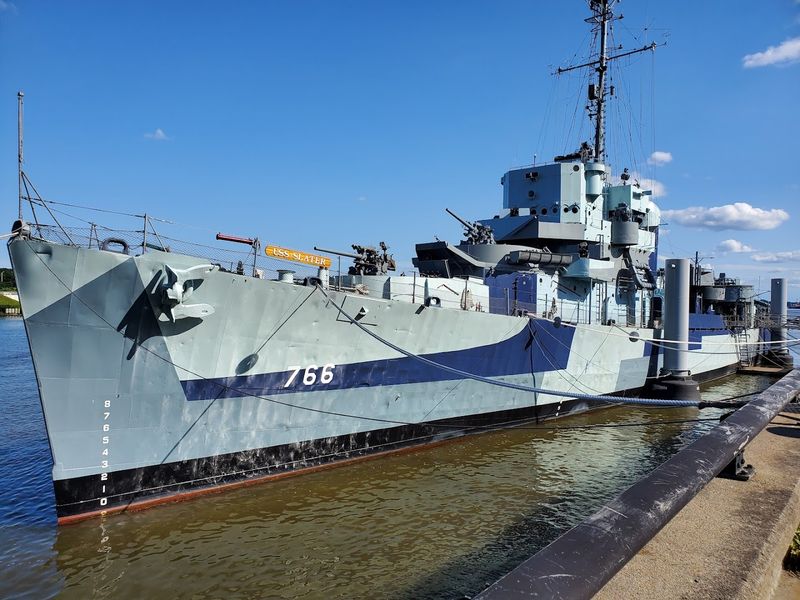
Some places whisper history, but the USS Slater speaks in bulkheads, ladders, and tight passageways.
Docked in Albany, this meticulously preserved destroyer escort is one of the best places in America to understand everyday naval life during World War II.
It was built to protect convoys from submarines, and that mission comes alive the moment you start exploring its compact interior.
This is not a polished fantasy version of service at sea.
You see bunks stacked close together, weapon systems designed for hard use, and workspaces that make clear how little privacy sailors had.
The guided interpretation is especially useful, because small details suddenly reveal how much coordination and endurance convoy duty required.
Unlike larger museums, the Slater feels personal almost immediately.
Its scale helps you imagine the rhythm of watches, meals, drills, and long stretches of Atlantic uncertainty.
That intimacy gives the ship unusual power, turning mechanical objects into evidence of routine courage.
Located on the Hudson River in downtown Albany, the museum fits beautifully into a capital region history day.
Check seasonal hours before visiting, since operations vary through the year.
If you want WWII naval history without giant crowds and with maximum authenticity, this ship absolutely earns its sea legs.
3. Buffalo Naval Park – Buffalo
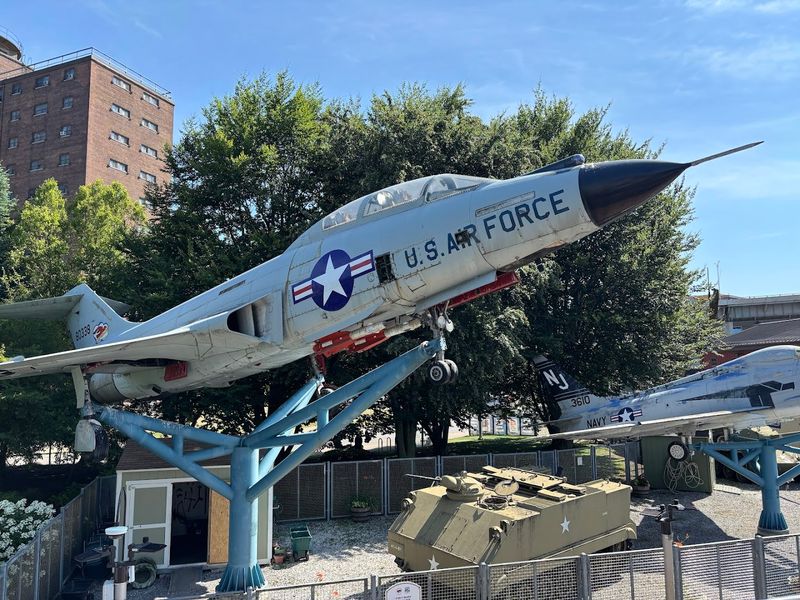
Lake wind, gray steel, and giant guns set the mood fast at Buffalo Naval Park.
Located on Buffalo’s waterfront, this museum complex gives you a striking look at American naval service through ships, artifacts, and military interpretation tied closely to World War II.
Its headline attraction for many visitors is the chance to walk real vessels and see how naval technology translated into survival.
The ships here create a wonderful sense of scale.
You can move through mess areas, command spaces, and weapon stations while learning how crews handled both routine duties and combat pressure.
That physical immersion matters, because shipboard history becomes much easier to understand when you stop reading about cramped conditions and start ducking through them.
Beyond the hardware, the museum also honors the people who served.
Memorial elements and exhibits on wartime sacrifice give the site emotional weight, preventing the visit from becoming just a parade of metal and machinery.
It is educational without becoming stiff, which is a balance many museums chase and few land cleanly.
Because it sits right in Buffalo, this stop is easy to combine with other city sights.
Wear comfortable shoes and expect stairs, narrow spaces, and plenty to photograph.
For an ideal museum day that includes fresh air and floating history, this one makes a strong case very quickly.
4. American Airpower Museum – Farmingdale
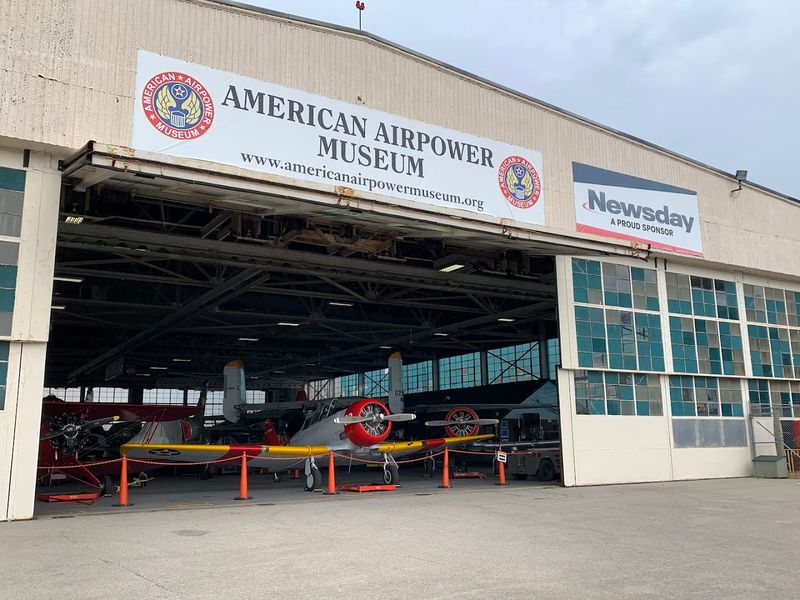
The smell of aviation fuel and polished metal gives this place an instant time-travel advantage.
At the American Airpower Museum in Farmingdale, World War II aviation history feels thrillingly alive thanks to authentic aircraft, active restoration work, and a setting at historic Republic Airport.
This is not just a room full of labels beside silent machines.
Many visitors come for the warbirds, and rightly so.
The collection regularly highlights iconic aircraft linked to the Allied air war, while exhibits explain pilot training, combat roles, and the industrial effort behind keeping planes flying.
Seeing these machines in a working aviation environment adds extra energy that static displays often cannot match.
The museum does a smart job connecting glamour to grit.
You get the romance of nose art and roaring engines, but also the realities of dangerous missions, maintenance demands, and the vast logistics supporting air campaigns.
That balance keeps the experience grounded and informative without draining away the excitement.
Located in Farmingdale on Long Island, it makes an excellent stop for anyone interested in military or technological history.
Check the event calendar, because flight demonstrations and special programs can make a good visit even better.
If you have ever looked skyward at a vintage plane and grinned like a kid, start here.
5. Museum of American Armor – Old Bethpage
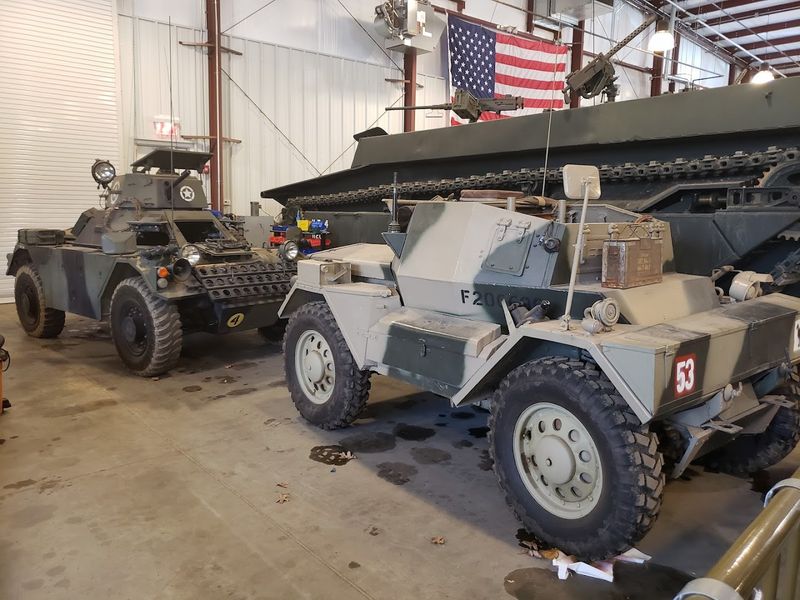
Tanks have a way of making every visitor suddenly stand a little straighter.
The Museum of American Armor in Old Bethpage delivers that effect immediately with a collection that emphasizes the brute force, engineering, and battlefield importance of armored vehicles during World War II.
It is compact enough to feel focused, yet substantial enough to satisfy serious history fans.
The best part is how close you can get to the machines.
Instead of treating armor like distant sculpture, the museum lets you study tracks, turrets, plating, and interior design choices that shaped combat performance.
Those details help explain why mobility, protection, and firepower were constant wartime tradeoffs rather than simple checkboxes.
Interpretation here keeps the machines tied to human experience.
You learn about the crews who operated them, the conditions they faced, and the tactical roles armor played across different theaters.
That perspective matters, because a tank is impressive on its own, but much more meaningful when connected to the people inside it.
Located on Long Island in Old Bethpage, this museum works wonderfully for visitors who want a specialized stop rather than a sprawling all-day marathon.
Families often enjoy it as much as dedicated military buffs do.
If your inner twelve-year-old still thinks tracks are cool, this place will not argue.
6. New York State Military Museum – Saratoga Springs
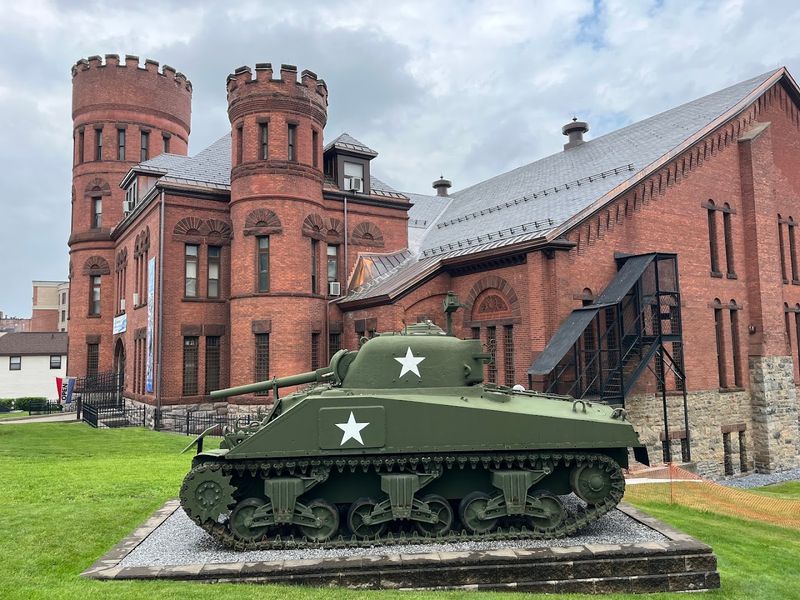
History gets wonderfully specific inside a former armory in Saratoga Springs.
The New York State Military Museum explores the military experience of New Yorkers across conflicts, and its World War II holdings are especially rewarding for visitors who enjoy context, archives, and personal stories alongside larger military narratives.
This is where statewide history becomes vivid and surprisingly intimate.
Rather than centering on one ship or one branch, the museum casts a broader net.
You can encounter uniforms, weapons, photographs, documents, and displays that trace how New Yorkers served at home and abroad during the war.
That wider lens helps connect battlefield events to recruitment, training, and community impact back in the state.
The setting adds charm too.
Housed in a historic building, the museum has a slightly old-school feel that suits the subject, like discovering a well-organized time capsule with better lighting.
The exhibits are thoughtful and often excel at linking artifacts to individual service members, which gives the visit emotional pull.
Because it sits in downtown Saratoga Springs it is easy to pair with a broader cultural day.
Plan enough time to read, because this is a museum that rewards attention more than speed.
For military history with strong local roots, this stop is a smart choice.
7. Cradle of Aviation Museum – Garden City
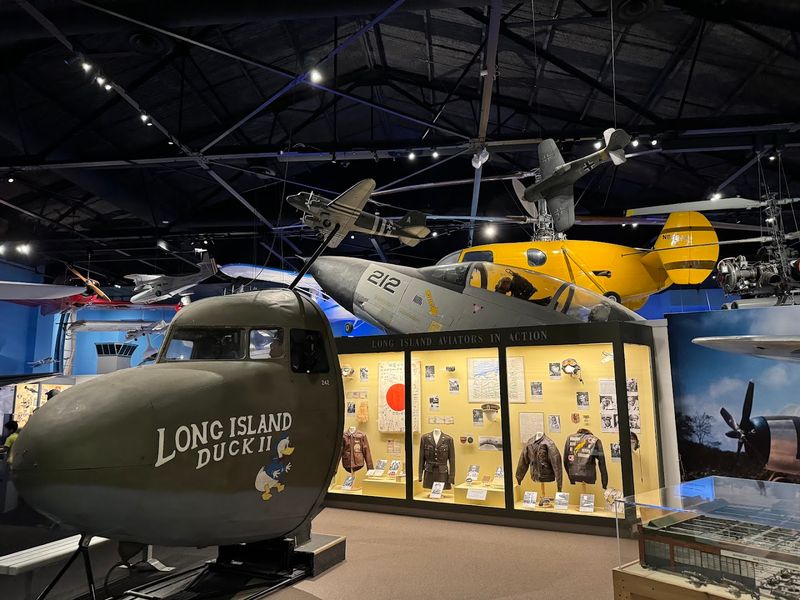
Long Island’s aviation story takes flight in a big way at this standout museum.
The Cradle of Aviation Museum in Garden City covers the region’s enormous role in aerospace history, including important World War II developments in aircraft design, production, and military service.
It is broad in scope, but still gives wartime aviation the attention it deserves.
One of the museum’s strengths is its ability to show how local industry shaped global events.
Exhibits explain how factories, engineers, and test programs on Long Island contributed to the air war and the larger Allied effort.
That connection between place and world history makes the visit especially satisfying for New York travelers.
The display style also keeps things lively.
Aircraft are presented dramatically, and interpretive materials help you understand not just what you are seeing, but why it mattered.
You do not need to be an aviation obsessive to appreciate the innovation, pressure, and ambition embedded in these machines.
Located in Garden City near other cultural attractions, it works well for families, casual visitors, and serious history readers alike.
Give yourself room to wander, because the museum covers a lot of ground without feeling cluttered.
8. Niagara Aerospace Museum – Niagara Falls
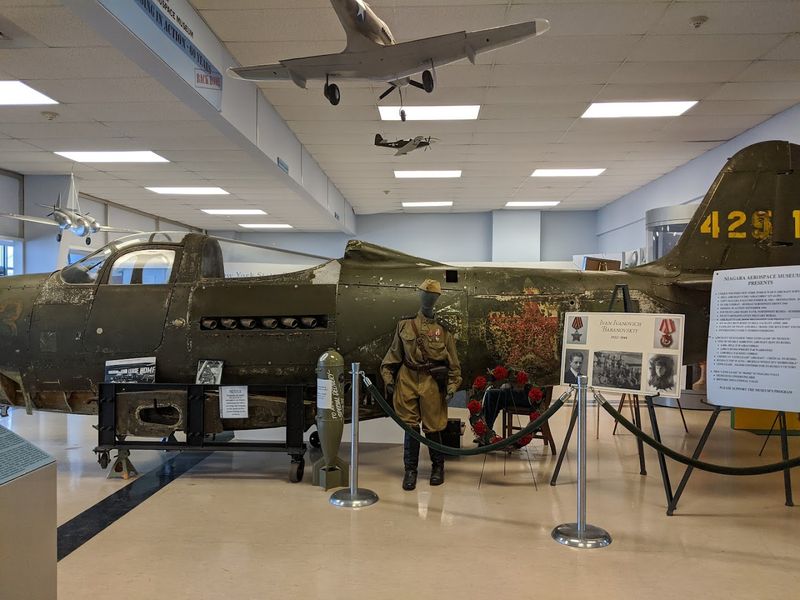
Just when you think Niagara Falls will steal all the attention, this museum makes a strong counteroffer.
The Niagara Aerospace Museum in Niagara Falls highlights western New York’s aviation heritage, including stories and artifacts connected to World War II aircraft production, military service, and regional innovation.
It is a smaller museum, but small can still punch above its weight.
Its appeal comes from the local angle.
Rather than retelling familiar wartime history in generic terms, the exhibits show how the Niagara region participated in the broader war effort through manufacturing, engineering, and aviation development.
That perspective adds texture you might miss in larger national museums.
You will likely find the visit manageable and focused, which can be a gift after oversized institutions.
The museum layout encourages curiosity, and the displays help connect technical achievement to the people and companies behind it.
For travelers who enjoy niche history, this kind of regional specificity is catnip.
Because it sits in Niagara Falls, NY, it is easy to add to a trip already built around the famous waterworks.
Consider it your chance to swap mist for metal without losing any sense of wonder.
If you enjoy discovering overlooked corners of WWII history, this stop is worth the detour.
9. Old Rhinebeck Aerodrome – Red Hook, NY
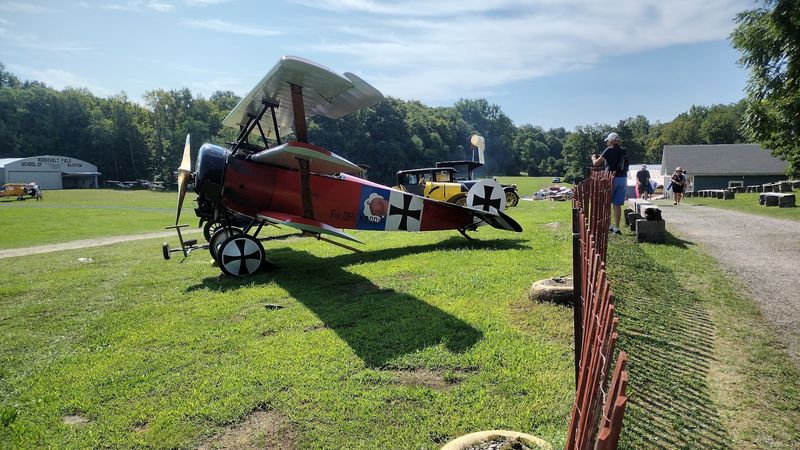
A grass airfield in the Hudson Valley is not where everyone expects a World War II history highlight.
That surprise is part of the charm at Old Rhinebeck Aerodrome in Red Hook, where historic aviation comes with personality, live interpretation, and an atmosphere far more playful than your average museum visit.
It is delightfully unpretentious and seriously interesting at the same time.
While the aerodrome is famous for a broad range of early aviation history, WWII-era aircraft and interpretation add real substance for wartime enthusiasts.
Seeing vintage planes in motion, or at least in a setting built around flight rather than static display, changes how the history feels.
Suddenly these are not just artifacts, but machines meant to roar, bank, and work.
The site shines during events and demonstrations.
Those programs help visitors grasp the evolution of aircraft technology and the cultural excitement surrounding flight in the twentieth century.
There is educational value here, but also a wink of theatrical fun that keeps the experience memorable.
Located in Red Hook, NY, it makes a great weekend excursion, especially in fair weather.
Check schedules carefully, since programming drives much of the magic.
10. Genesee Country Village & Museum (WWII Living History Events) – Mumford
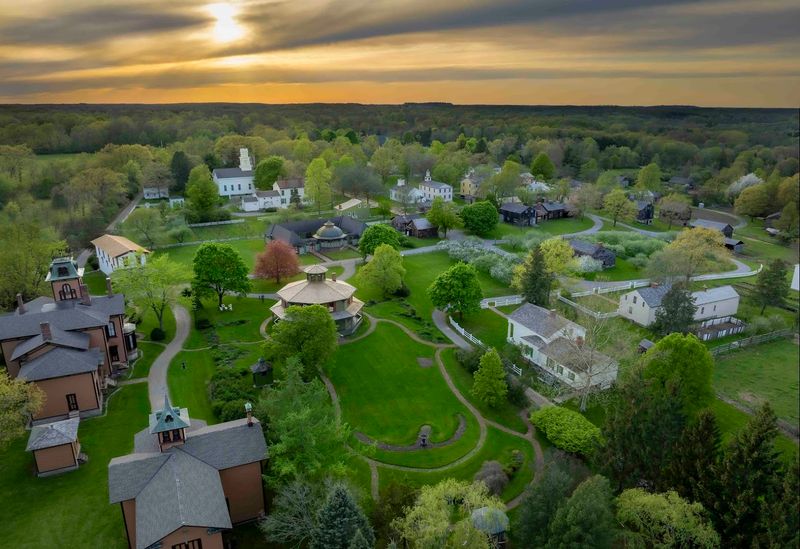
Not every great WWII museum experience comes wrapped in steel hulls and polished wings.
At Genesee Country Village & Museum in Mumford, special World War II living history events invite you into the social world of the 1940s through reenactments, demonstrations, costumes, and hands-on interpretation.
That human-scale approach gives the era a refreshingly different kind of immediacy.
Instead of focusing only on combat hardware, these programs often show daily life, home front culture, and the routines that shaped wartime America.
You might encounter period music, rationing themes, military impressions, or civilian scenes that make the decade feel suddenly tangible.
It is immersive without becoming gimmicky, which is a hard trick and a welcome one.
The wider museum setting strengthens the effect.
Because the village already excels at environmental storytelling, the WWII events feel less like exhibits dropped into space and more like a lived historical moment.
That makes this stop especially good for families or visitors who learn best by experiencing rather than just reading.
Located near Rochester in Mumford, NY, the museum is worth timing around its event calendar.
These WWII weekends are not constant, so planning ahead matters.
If you want history that speaks through people, places, and little domestic details, this one is a gem.
11. Fort Ontario State Historic Site – Oswego
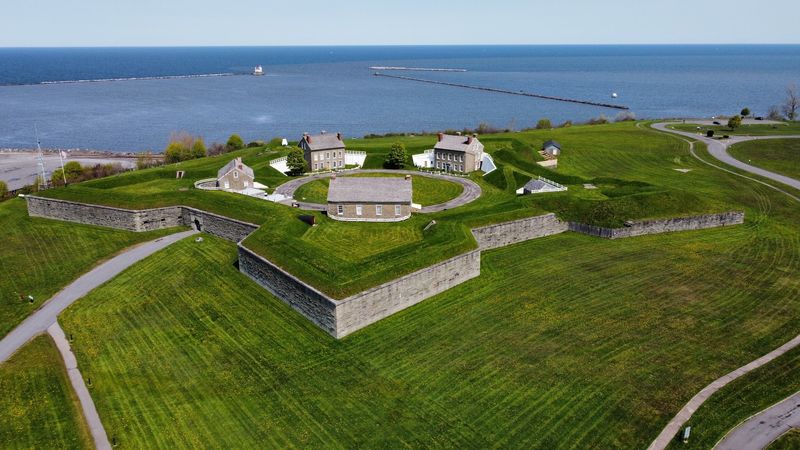
Forts usually make you think cannons first, but Fort Ontario carries a remarkable World War II chapter too.
Located in Oswego, this state historic site is best known for its longer military history, yet it also preserves the story of the Safe Haven refugee shelter established here in 1944.
That alone makes it an essential stop for anyone interested in the human dimensions of the war.
At Fort Ontario, WWII history is not just about tactics and weapons.
It is about displacement, policy, and the lives of nearly one thousand refugees who were brought to the site from Europe.
Learning that story in the very place where it happened gives the visit unusual emotional gravity.
The fort’s physical setting helps as well.
Perched above Lake Ontario, it offers strong views and a layered sense of time, with older military architecture framing a very modern wartime humanitarian story.
That contrast makes the site memorable in a way many traditional museums are not.
Oswego is a bit off the standard tourist conveyor belt, which is exactly part of the appeal.
Come ready to think as much as to look, because the questions raised here linger.
If you value WWII history that expands beyond battlefields, Fort Ontario belongs firmly on your New York list.