Some places in Iowa make birdwatching feel less like a quiet hobby and more like a treasure hunt with feathers, songs, and sudden gasps from the trail ahead.
If you have ever driven past open prairie, marshy backroads, or riverside woods and wondered what wings were hiding there, these sanctuaries deliver the answer with style, surprise, and a few glorious early morning choruses.
From vast refuges where migrating waterfowl stage dramatic seasonal arrivals to intimate nature centers where raptors, warblers, and woodland regulars steal the show, each stop offers its own rhythm, habitat, and reason to pack binoculars before sunrise.
Whether you are a serious lister, a casual stroller, or someone who just likes hearing a meadowlark soundtrack with their weekend, these eleven Iowa bird havens keep pulling visitors back for one simple reason: the next sighting always feels like it might be your best one yet.
1. Neal Smith National Wildlife Refuge
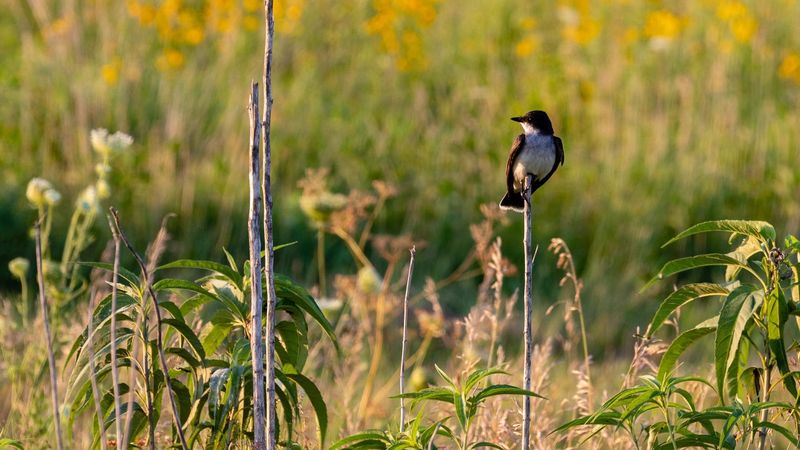
Prairie has a way of making every bird call sound important.
At Neal Smith National Wildlife Refuge in Prairie City, just east of Des Moines, the tallgrass landscape creates one of Iowa’s best stages for grassland species.
You are not tucked into dense woods here, which means the horizon feels huge and every flutter over the bluestem grabs attention fast.
Henslow’s sparrows, bobolinks, eastern meadowlarks, and dickcissels are among the stars birders hope to catch during warmer months.
The driving tour, trails, and overlooks let you sample different angles of the refuge without feeling rushed, and that variety keeps repeat visits rewarding.
Spring and early summer are especially lively, when the prairie practically turns into a feathered concert hall with no roof and excellent acoustics.
There is also a deeper thrill in watching birds in habitat that once covered much of Iowa but now feels rare and precious.
Bring binoculars, water, and patience, because the magic here often reveals itself in movement, song, and silhouettes rather than flashy closeups.
If you like birding with elbow room, big skies, and a little poetic wind, this refuge earns its loyal following honestly.
2. DeSoto National Wildlife Refuge
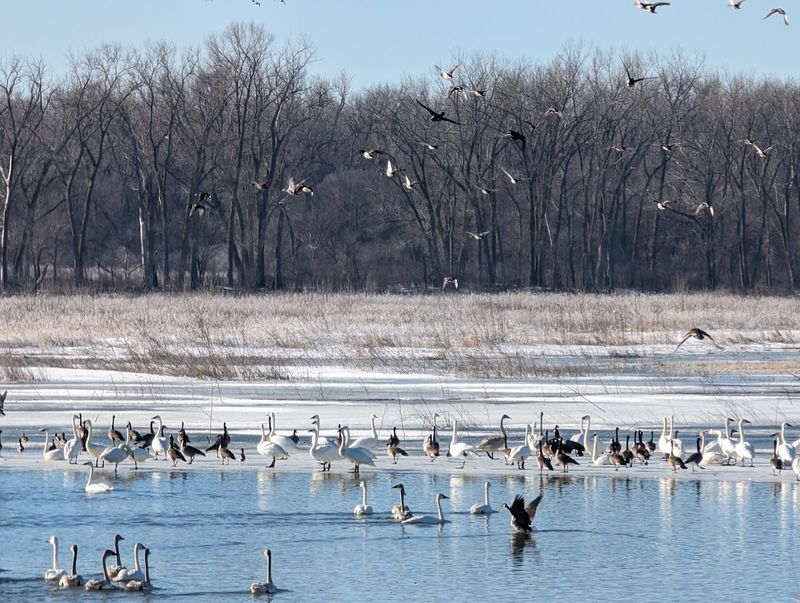
Few birding moments beat the sudden roar of wings over open water.
DeSoto National Wildlife Refuge, near Missouri Valley along the Missouri River, is famous for migration spectacles that can make even seasoned birders forget to whisper.
This refuge’s lakes, wetlands, and bottomland habitat create prime conditions for waterfowl, shorebirds, raptors, and plenty of seasonal surprises.
Snow geese, tundra swans, pelicans, bald eagles, and a long list of ducks draw visitors in especially strong numbers during spring and fall.
The auto tour route is a gift on windy days, letting you cover ground comfortably while scanning marsh edges, open water, and tree lines.
Observation points and trails add chances for slower exploration, which helps when a distant shape needs a second, third, and maybe proud fourth look.
Because the refuge sits on a major migration corridor, timing can transform the entire experience from pleasant to jaw dropping.
Bring a spotting scope if you have one, and give yourself extra time, because huge bird concentrations often reward those who linger.
When Iowa birders talk about places that reliably produce wow moments, DeSoto lands near the top with the confidence of a swan on still water.
3. Hitchcock Nature Center
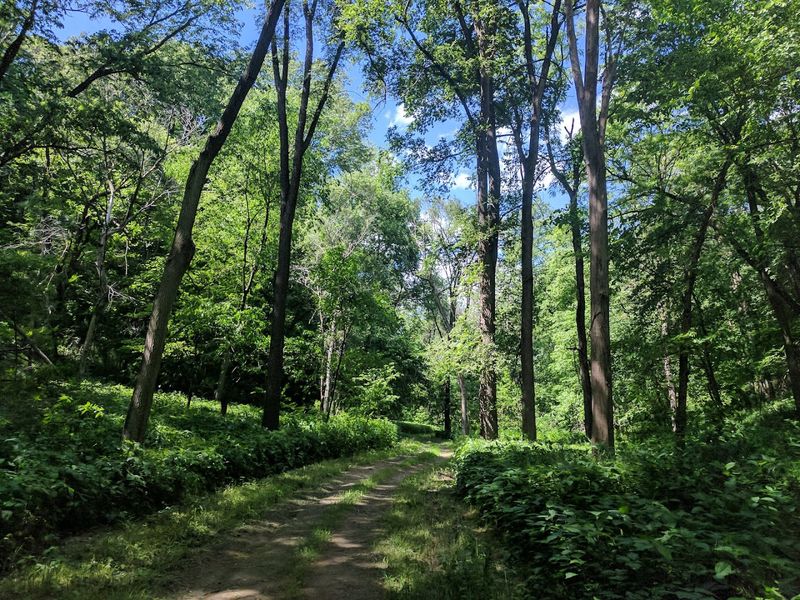
Height changes everything, especially when hawks are involved.
Hitchcock Nature Center in Honey Creek sits in the Loess Hills, and its ridges give birders one of Iowa’s best vantage points for scanning sky, woodland, and prairie edges.
The terrain adds drama, so even a simple walk can feel like a scouting mission with better scenery than most offices offer.
Fall migration is the headline act, when raptors ride thermals over the hills and patient watchers can tally broad-winged hawks, eagles, falcons, and more.
The park’s famous observation tower sharpens the experience by opening long views across the landscape, making distant movement easier to track.
Woodland trails also host songbirds, woodpeckers, and seasonal migrants, so the bird list here rarely sticks to one category for long.
Because the center is just northeast of the Omaha metro area, it is an easy escape that still feels wild once you start climbing.
Morning visits often deliver the best mix of light, activity, and cooler temperatures, though a breezy afternoon can be excellent for visible migration.
If you enjoy birding with a side of cardio and panoramic bragging rights, Hitchcock makes a compelling case for looking up and never hurrying.
4. Union Slough National Wildlife Refuge
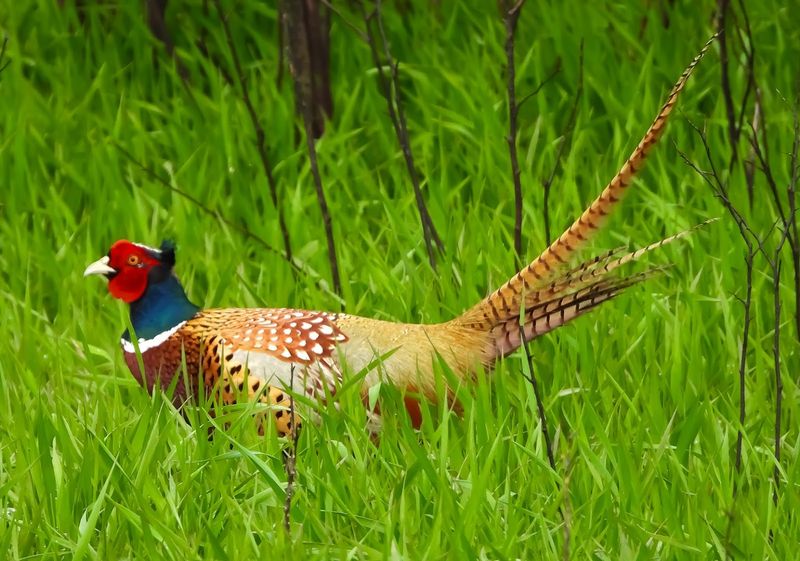
Marsh country speaks in rustles, croaks, and the occasional glorious splash.
Union Slough National Wildlife Refuge near Titonka protects a broad wetland system in north central Iowa, and that watery mosaic creates superb habitat for birds that prefer reeds, open pools, and quiet back channels.
If you like birding that feels hushed and slightly mysterious, this refuge delivers that mood in abundance.
Waterfowl migrate through in strong numbers, while marsh birds, swallows, shorebirds, and nesting species keep the checklist interesting through the warmer seasons.
Trumpeter swans have become a signature sight, and patient scanning can also reward you with herons, bitterns, rails, and raptors cruising above the wetlands.
The auto tour route and viewing spots make it accessible, but the real secret is slowing down enough to let the marsh reveal its shy performers.
Light wind can actually help by stirring movement in the cattails, though calm mornings are perfect for listening as much as looking.
Bring bug spray, a spotting scope, and your most attentive ears, because some of the best finds here announce themselves before they show themselves.
For birders who appreciate subtle beauty over flashy crowds, Union Slough is a wonderfully understated favorite with serious wildlife credentials.
5. Iowa Raptor Project
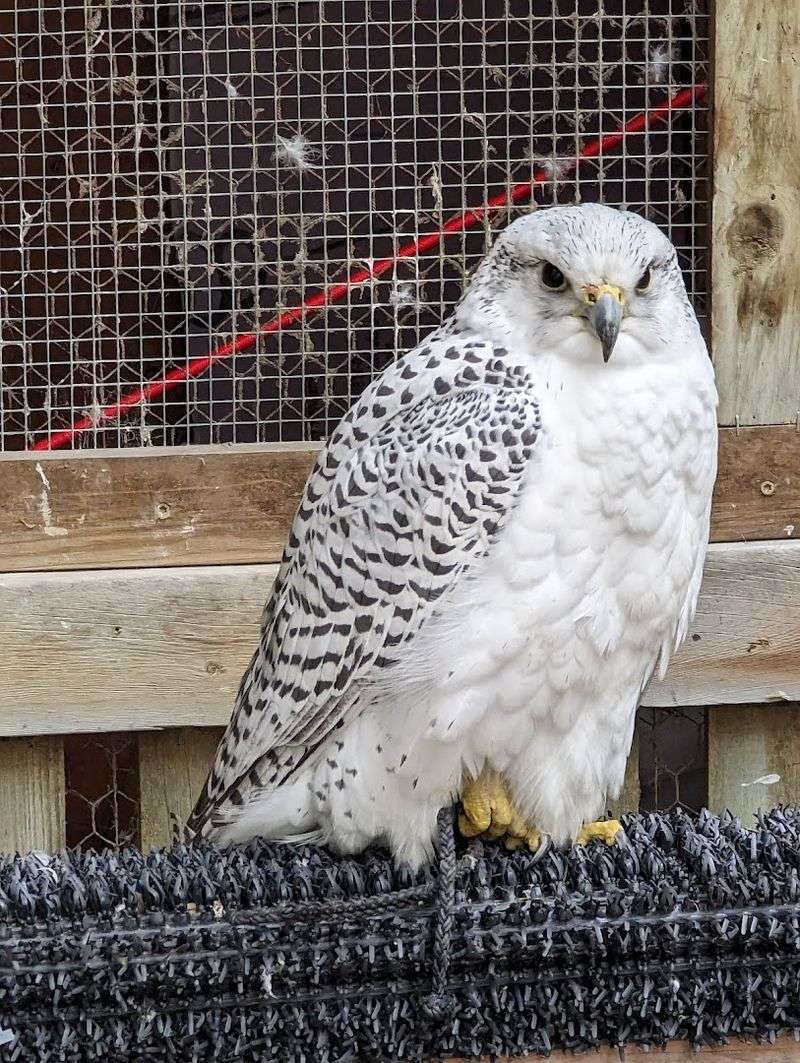
Sometimes the best birding lesson arrives with talons and a stare that could edit your life choices.
The Iowa Raptor Project in Solon offers a different kind of sanctuary experience, focusing on education, rehabilitation, and up close encounters with birds of prey.
While it is not a sprawling refuge, it is a memorable place to sharpen your appreciation for hawks, owls, falcons, and eagles.
Programs and displays help visitors understand raptor anatomy, behavior, conservation needs, and the injuries that often bring these birds into human care.
That context can transform later field sightings, because once you have studied wing shape, posture, and hunting adaptations, every silhouette overhead tells a richer story.
Its location in the Iowa City area also makes it an easy stop to pair with nearby natural areas for a full bird focused day.
You come here for insight as much as species variety, and that balance is exactly why people return.
Families, beginners, and experienced birders all leave with stronger identification skills and a renewed respect for the predators that keep ecosystems balanced.
If your ideal outing includes learning something brilliant while being side eyed by an owl, the Iowa Raptor Project absolutely earns a spot on your list.
6. Linn County Bird Preserve
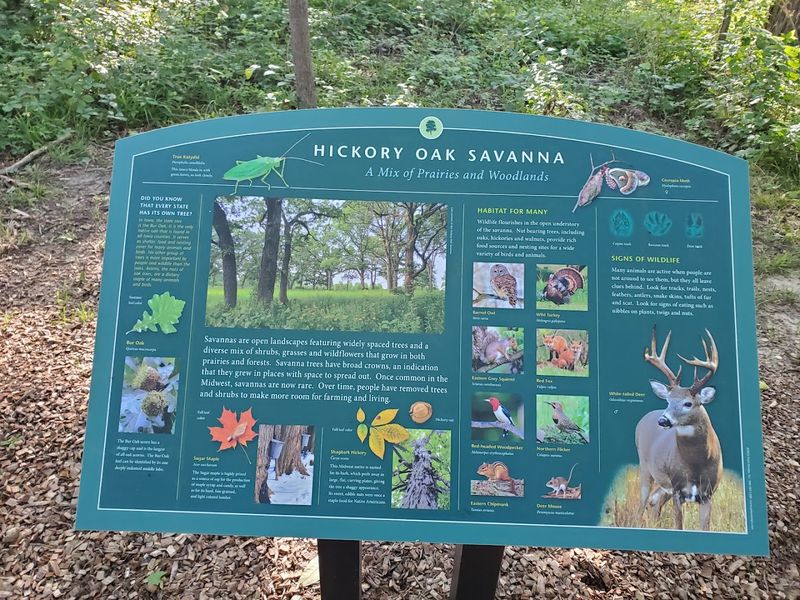
Not every rewarding bird sanctuary needs sweeping drama to win your loyalty.
Linn County Bird Preserve in Cedar Rapids proves that a thoughtfully protected local habitat can punch well above its size for birdwatching value.
Its accessible setting makes it especially appealing when you want a quick outing that still offers the pleasant possibility of a surprise feathered cameo.
Woodland birds, migrants, and familiar year round residents all make use of the preserve, especially during spring when movement through the trees can get deliciously busy.
Because the preserve sits in an urban area, it offers a useful reminder that bird diversity does not vanish just because roads and neighborhoods sit nearby.
Short walks can turn productive fast, which is excellent news for anyone whose schedule says lunch break while their binoculars say adventure.
This is the kind of place where attention matters more than mileage.
Listen for woodpeckers, watch for warblers, and keep checking edges where light, brush, and openings meet, since birds often favor those transitions.
For Cedar Rapids locals and passing birders alike, the preserve earns repeat visits by being convenient, calming, and quietly generous with the kinds of sightings that brighten an ordinary day.
7. Indian Creek Nature Center
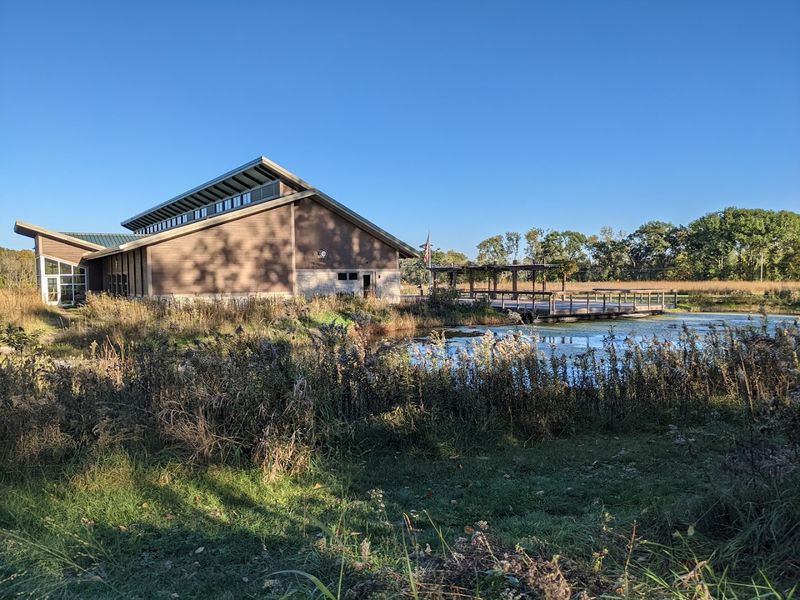
Birding gets extra charm when prairie, woodland, and wetland all join the same conversation.
Indian Creek Nature Center in Cedar Rapids offers that mix, giving visitors a versatile patchwork of habitats where different species can appear within a single easygoing outing.
The center balances accessibility and ecological restoration beautifully, so you can feel both comfortable and pleasantly immersed.
Trails wind through native landscapes that support songbirds, woodpeckers, water loving species, and seasonal migrants moving through eastern Iowa.
During spring and fall, the habitat variety boosts your chances of seeing changing lineups, and that unpredictability is half the fun.
Educational programming adds another layer, making this a smart pick if you want your walk to include a little natural history with your binocular workout.
The site is also well suited for beginners, since the trails are approachable and the setting encourages patient observation rather than frantic chasing.
Bring time to pause near edges and water, because some of the best views come when you stop trying to cover ground and let the birds do the commuting.
For a sanctuary that feels welcoming without sacrificing ecological substance, Indian Creek keeps delivering the kind of visits that end with one more loop around the trail.
8. Hartman Reserve Nature Center
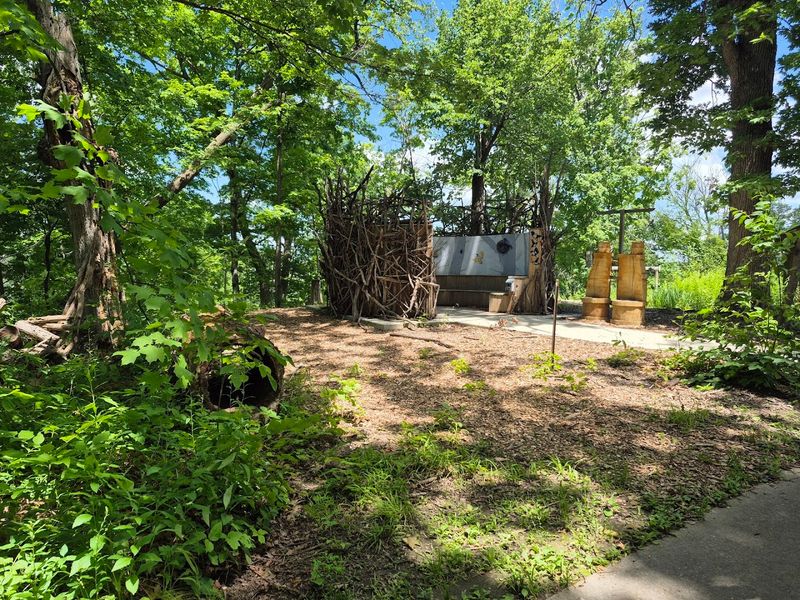
Shade, river influence, and good habitat management make a lovely recipe for birds.
Hartman Reserve Nature Center in Cedar Falls sits along the Cedar River corridor, where woodland and floodplain environments support a lively mix of species through much of the year.
It is the kind of place where a quiet stroll can turn unexpectedly eventful with one sharp chip note from overhead.
Warblers, vireos, woodpeckers, thrushes, and other forest associated birds are strong reasons to visit, especially during migration.
The trail network encourages repeat exploration, because different light, water levels, and seasonal changes can subtly reshape what you find from one visit to the next.
Its educational mission also helps visitors connect identification with habitat, which is useful when every little brown bird seems determined to test your confidence.
Because the reserve is close to Cedar Falls and Waterloo, it works well for quick trips as well as slower mornings devoted to careful listening.
Spring mornings are especially rewarding, when the trees seem to hold more voices than branches and every bend in the trail promises another clue.
If you appreciate birding that feels grounded, leafy, and quietly rich in detail, Hartman Reserve has the kind of steady appeal that keeps local birders coming back.
9. Macbride Nature Recreation Area
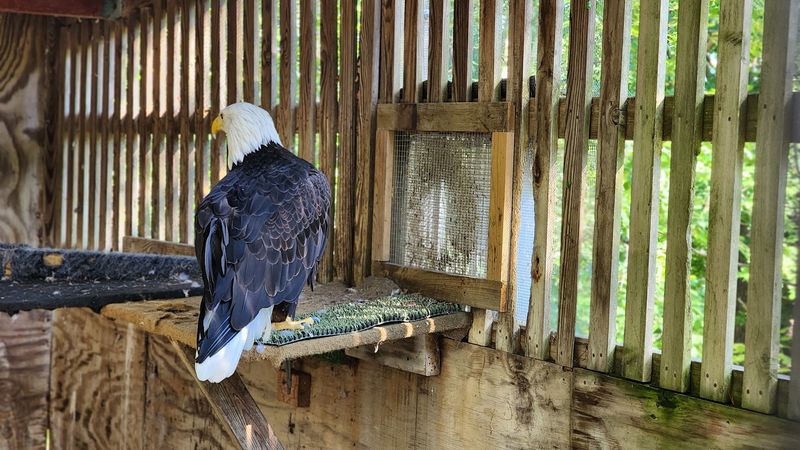
When lake views and bird lists share the same address, it is hard not to linger.
Macbride Nature Recreation Area near Solon, adjacent to Lake Macbride State Park, combines woodland, open water, prairie pockets, and edge habitat in a way that keeps every walk visually busy.
That mix makes it one of eastern Iowa’s handiest all around spots for casual and serious birders alike.
You might spot waterfowl near the lake, woodland songbirds in the trees, raptors overhead, and migrants using shoreline habitat during key seasons.
The trails offer enough variation to keep repeated visits fresh, while the area’s proximity to Iowa City makes it an easy favorite for spontaneous outings.
It is also a smart place to practice habitat based birding, since each turn gives you clues about what might appear next.
Early mornings often deliver the best blend of birdsong, softer light, and fewer distractions, though evening can be excellent near the water.
Pack binoculars and a little curiosity, because this is a place where scanning both treetops and lake edges can pay off in the same hour.
For birders who enjoy variety without committing to an epic expedition, Macbride offers a wonderfully balanced day with scenery that pulls equal weight.
10. Hawkeye Wildlife Management Area
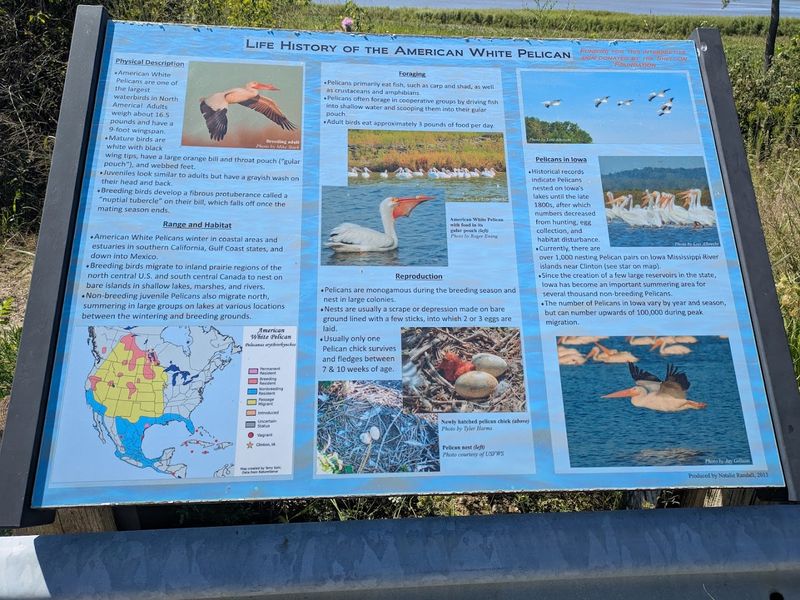
Big restored landscapes have a special talent for making birds feel like the rightful landlords.
Hawkeye Wildlife Management Area near Oxford is one of those places, with large expanses of wetland, prairie, and grassland habitat that support a broad range of species in eastern Iowa.
The scale alone adds excitement, because every pond, fenceline, and grassy patch seems to promise another possibility.
Waterfowl, shorebirds, marsh birds, raptors, and grassland species all use the area, especially during migration and the breeding season.
Because the management area includes varied habitat types, birders can shift strategies quickly, scanning open water one minute and listening for song from the grasses the next.
It is an excellent stop for anyone who enjoys habitat diversity and the detective work that comes with it.
Conditions matter here, so check recent weather and seasonal reports before going, since water levels can influence what species are most active.
A spotting scope is helpful, and sturdy footwear never hurts when the landscape decides to remind you that nature is not a paved performance.
For birdwatchers around Iowa City, Coralville, and Cedar Rapids, Hawkeye offers a productive, wide open outing where the list can grow fast and the sky always feels busy.
11. Port Louisa National Wildlife Refuge
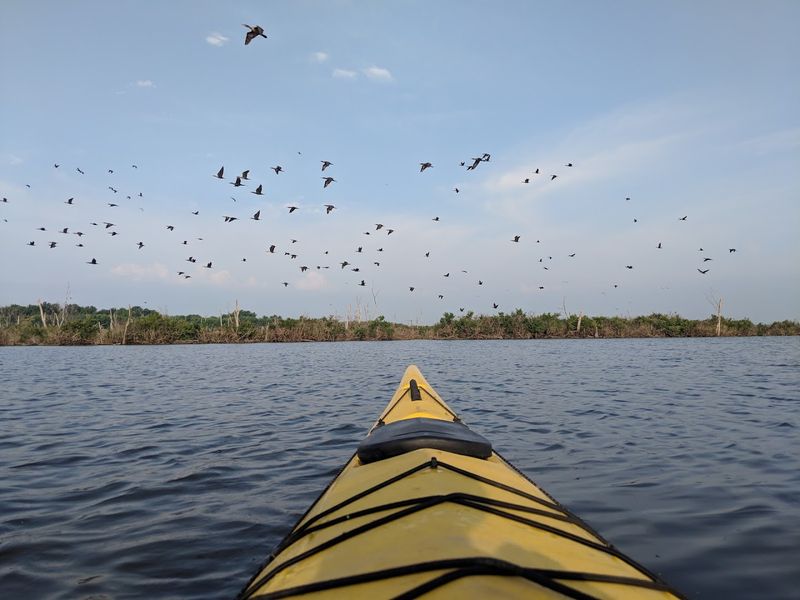
Rivers know how to attract birds, and the Mississippi does not do things halfway.
Port Louisa National Wildlife Refuge near Wapello protects floodplain habitats at the confluence region of the Mississippi and Iowa rivers, creating a magnet for migratory birds and resident wildlife.
The result is a richly layered birding destination where water, woods, mudflats, and backwaters all contribute to the action.
Waterfowl are a major draw, but herons, egrets, shorebirds, bald eagles, and many songbirds also make the refuge worth sustained attention.
Seasonal changes can be dramatic, especially during migration, when bird numbers and variety spike in ways that make each visit feel freshly stocked.
The refuge’s location in southeastern Iowa also places it along a powerful corridor that birds have trusted for generations, which feels pretty convincing as endorsements go.
Plan for changing conditions, because river systems respond to weather and water levels in ways that can reshape where birds gather.
Scan edges carefully, watch snags for raptors, and never ignore a quiet backwater, since it may be hiding the best birds of the day.
For anyone who loves dynamic landscapes and migration energy, Port Louisa offers a fittingly grand finale to an Iowa birding tour.