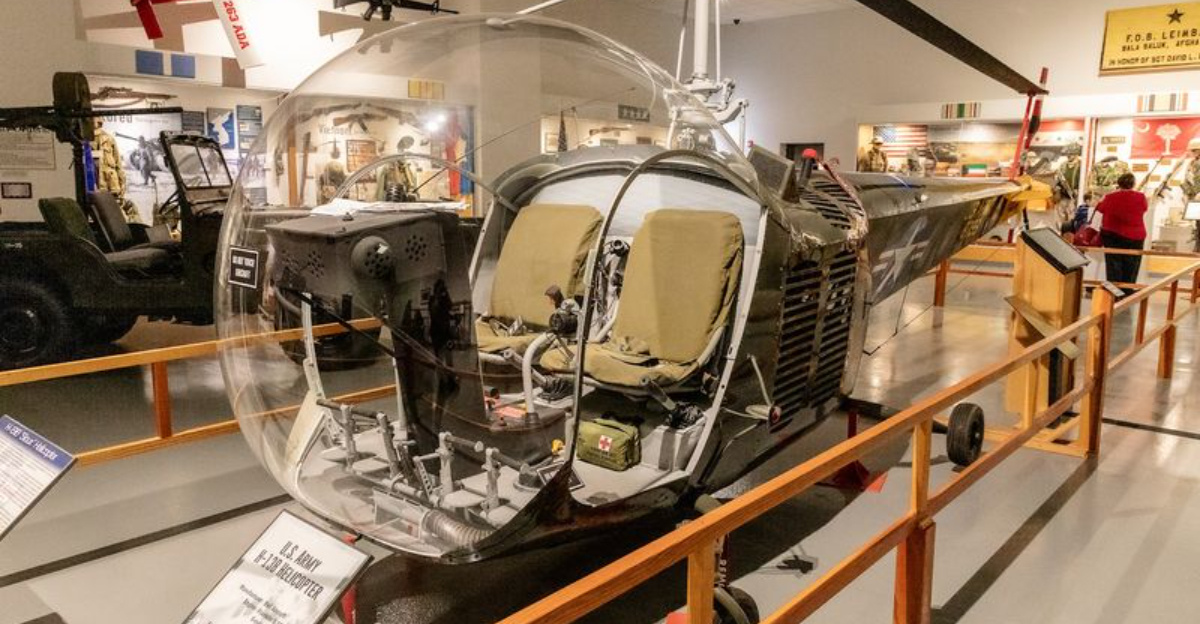
A faded uniform, a handwritten letter, or the sound of an old aircraft engine can bring history closer than any textbook ever could. Across South Carolina, reminders of World War II remain preserved in museums, historic sites, and collections that reveal the personal stories behind one of the most defining eras of the 20th century.
WWII museums in South Carolina offer visitors a chance to explore more than dates and battles—they showcase the people, equipment, and experiences that shaped the war years. From coastal defenses and military exhibits to carefully preserved artifacts, these places make history feel present and deeply human.
For history lovers, these stops create meaningful opportunities to learn, reflect, and connect with the past. Continue reading to discover 11 WWII museums in South Carolina that every history buff should experience at least once.
Patriots Point Naval & Maritime Museum
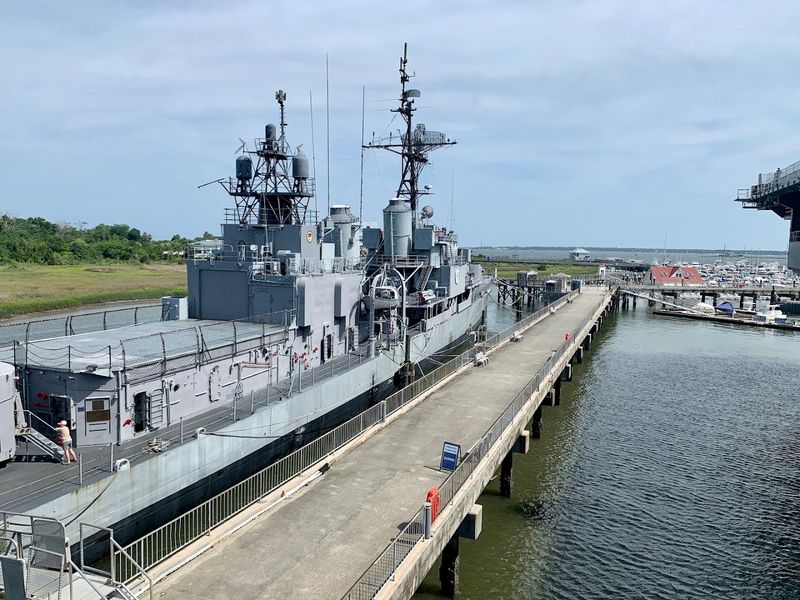
Salt air hits first, followed by the strange hush that settles around old warships when morning light slides across the harbor. You can hear gulls, footsteps on metal, and the low murmur of visitors trying to imagine what wartime service actually felt like.
That mix of beauty and gravity makes the experience unusually affecting.
At Patriots Point Naval & Maritime Museum in Mount Pleasant, the scale alone is memorable, but the human stories keep it from feeling impersonal. Galleries on naval warfare, aviation, and life at sea frame the larger collection with letters, uniforms, and artifacts that bring the Pacific war into focus.
Between the Charleston skyline views and the decks below, you move constantly between scenic and sobering. It is the kind of place where you might come for a famous ship, then leave remembering a ration kit, a pilot’s gear, or a name on a plaque.
That quiet shift is exactly why it lingers.
Medal of Honor Museum at Patriots Point
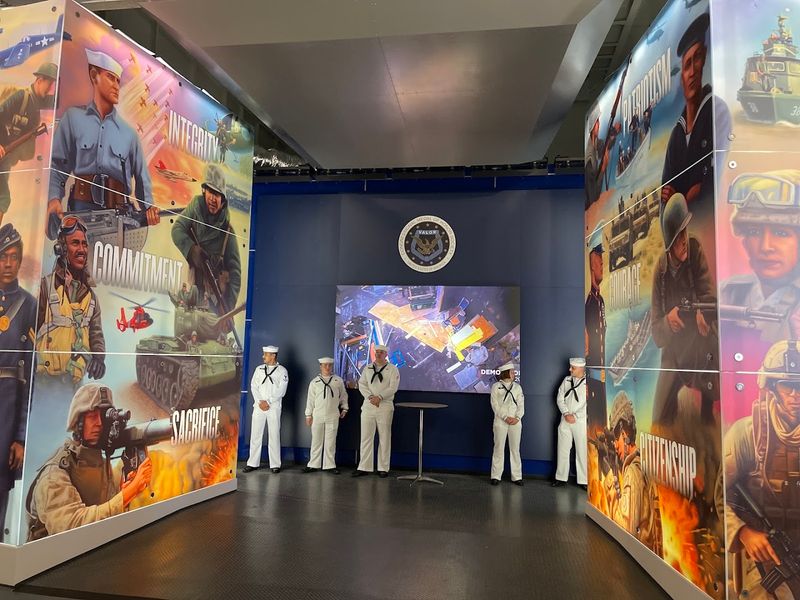
Some rooms ask you to slow down without saying a word. The lighting is softer, the voices around you drop, and the stories on the walls begin to feel less like history and more like personal testimony.
You do not rush through a space like this.
Inside Patriots Point in Mount Pleasant, the Medal of Honor Museum adds a deeply human dimension to the larger naval setting. While it spans conflicts beyond World War II, many of the acts of bravery highlighted here grew out of that era’s brutal demands, impossible decisions, and sudden courage.
You will find medals, photographs, and concise stories that reveal how heroism often looked ordinary right up until the moment it was not. That simplicity is part of the power.
After walking massive ships outside, this gallery changes the scale of the experience completely. Instead of strategy and machinery, you are left thinking about individual character, which may be the most lasting lens through which to view wartime history.
South Carolina Military Museum
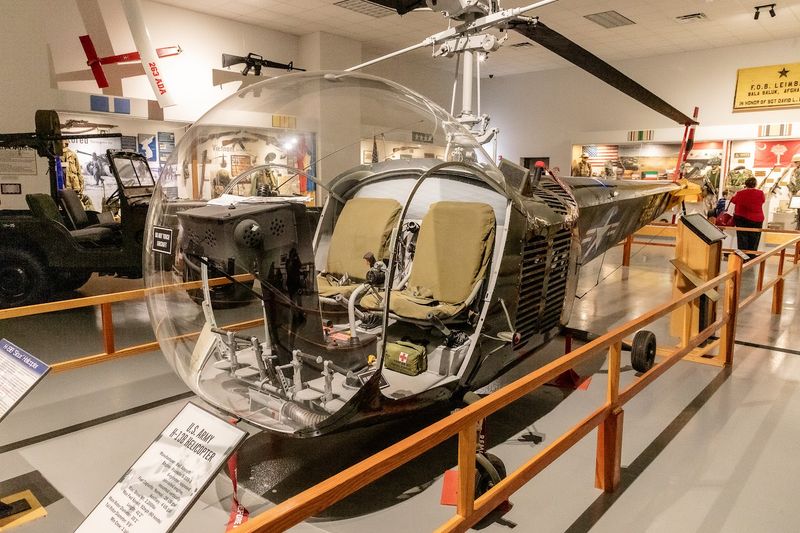
The quiet here feels different from the harbor sites. Instead of wind and steel, you get polished floors, carefully arranged artifacts, and the kind of stillness that lets small objects speak loudly.
A uniform sleeve, a field radio, or a faded photograph can pull you in faster than any oversized display.
At the South Carolina Military Museum in Columbia, World War II is woven into the broader military story of the state, which gives the exhibits welcome depth. You begin to see how local service connected to global events, and how South Carolina families were shaped by that link.
The museum’s vehicles, weapons, and personal items add strong visual texture without overwhelming the narrative. Labels are informative, but the emotional weight comes from the people behind the artifacts.
If you appreciate context as much as drama, this is a rewarding stop. It feels grounded, thoughtful, and especially good at showing how world history reached directly into hometown lives across the state.
South Carolina Confederate Relic Room and Military Museum
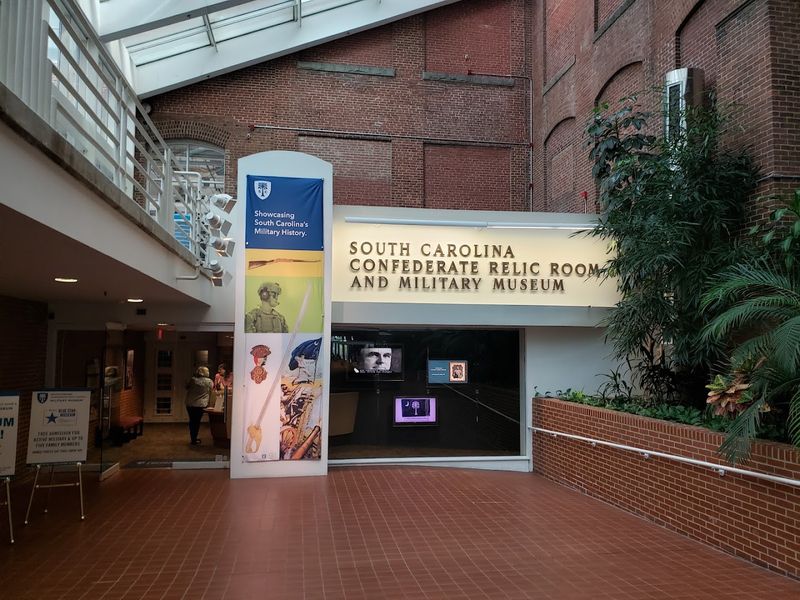
History can feel layered in a place where one era keeps echoing into the next. You move through galleries expecting one story, then find yourself caught by another, especially when World War II artifacts appear among larger narratives of service, memory, and identity.
The effect is richer than you might assume.
In Columbia, the South Carolina Confederate Relic Room and Military Museum holds one of the state’s strongest military collections, including meaningful World War II material. Uniforms, personal gear, and state focused interpretation help connect global conflict to the men and women who left South Carolina to serve.
The museum also benefits from its downtown setting near the State House, which adds a civic atmosphere to the visit. It feels tied to public memory in a visible way.
Come ready to spend time, because this is not a skim and go experience. The World War II sections are especially worthwhile for visitors who want artifact based storytelling with local texture and historical breadth.
Parris Island Museum
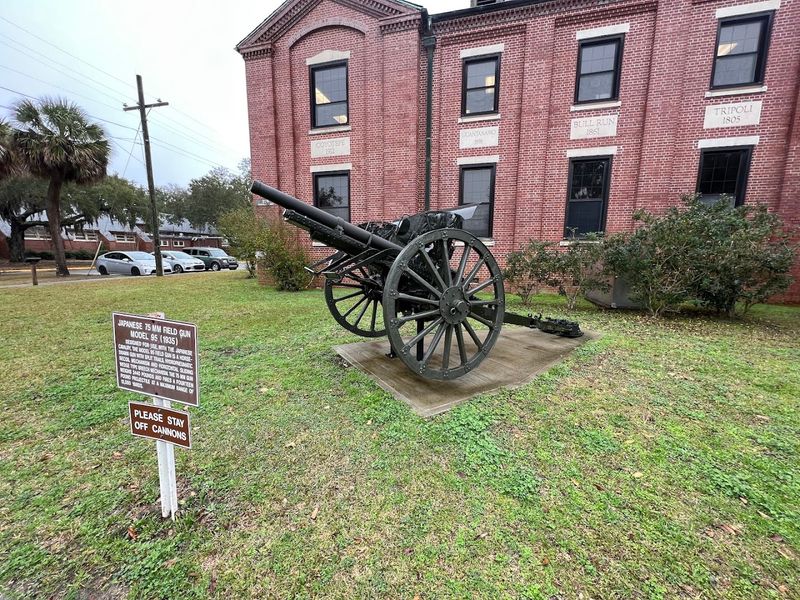
You can almost feel the heat rising off the parade ground before you enter. Even on a calm day, there is a sense of discipline in the air, as if the island itself still remembers cadence calls, drill instructors, and the urgency of preparing recruits for war.
That atmosphere shapes everything.
At the Parris Island Museum, the Marine Corps story unfolds with special force during the World War II years, when training here fed directly into the Pacific campaign. Exhibits on recruits, uniforms, photographs, and battlefield connections help the island’s role feel immediate instead of ceremonial.
What makes this museum memorable is how clearly it links place and purpose. You are not just reading about training.
You are standing where it happened.
Outside, the grounds add another layer, especially if you pause to take in the palm lined setting and historic buildings. The contrast between coastal beauty and wartime preparation gives the visit a sharp emotional edge that stays with you.
Military History Center of the Carolinas
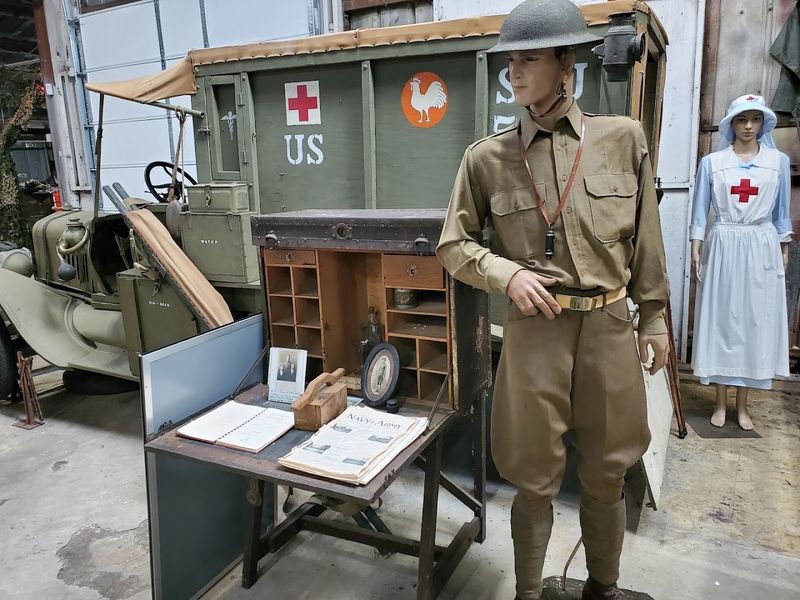
Not every powerful museum needs a grand setting. Sometimes the most memorable places are the ones that feel personal from the moment you walk in, where volunteers, restored equipment, and carefully kept stories create an atmosphere closer to conversation than spectacle.
This one has that quality.
In Greenville, the Military History Center of the Carolinas presents World War II through vehicles, uniforms, weapons, and firsthand interpretation that feels refreshingly direct. The scale is manageable, which makes it easier to linger over details and ask questions you might skip in a larger institution.
You may find yourself unexpectedly fascinated by a jeep, a field pack, or a display that explains how equipment shaped daily life in wartime. The museum makes practical history feel vivid.
Because the setting is less overwhelming, the stories have room to breathe. If you like military museums that feel close to the community and deeply rooted in preservation, this stop offers a thoughtful and very human way to engage with the era.
The Citadel Museum
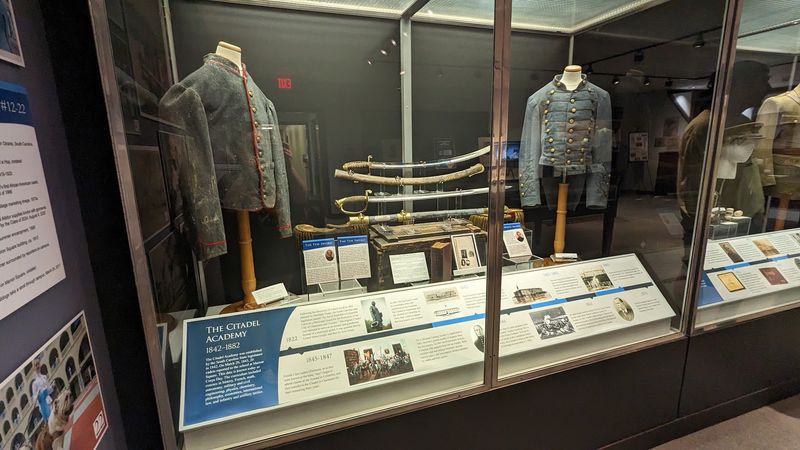
Brick, parade grounds, and the measured order of a military college create a mood all their own. Before you even enter the exhibits, the campus sets the tone, reminding you that war is shaped not only on battlefields but also in classrooms, drill spaces, and institutions that prepare people for service.
That context makes The Citadel Museum in Charleston especially interesting for World War II history fans. The collection highlights cadet life, alumni service, and wartime connections that reveal how the conflict reached into the culture of one of the South’s best known military colleges.
You are likely to notice uniforms, photographs, and memorabilia that feel intimate rather than oversized. They tell stories of transition, from student life to wartime duty, with a sense of continuity that larger museums sometimes miss.
Afterward, walking the campus adds to the experience, especially in the late afternoon light. It is a quieter stop, but one that helps explain how military traditions and wartime service were linked in South Carolina.
Fort Moultrie Visitor Center & Museum
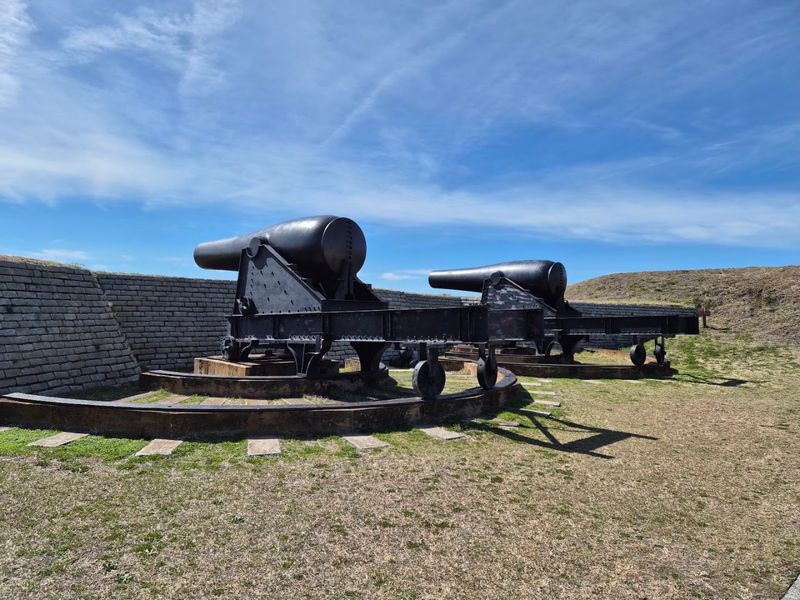
Sea grass bends in the wind, beach light washes over old brick and concrete, and the landscape feels almost too gentle for the history it holds. Then you notice the batteries, the defensive lines, and the layers of fortification, and the shoreline begins to read like a strategic map rather than a vacation backdrop.
At Fort Moultrie on Sullivan’s Island, the visitor center and museum help explain Charleston Harbor’s long defensive story, including its World War II role. Exhibits on harbor defense and coastal artillery give real context to the structures outside, which might otherwise seem abstract.
One of the pleasures here is moving between indoor interpretation and the fort itself. You can read about wartime readiness, then stand beside the concrete remains that once supported it.
The setting also rewards a slower visit. With salt air, wide skies, and views toward the water, this stop offers a thoughtful way to understand how South Carolina’s coast fit into a much larger wartime defensive network.
U.S. Army Basic Combat Training Museum
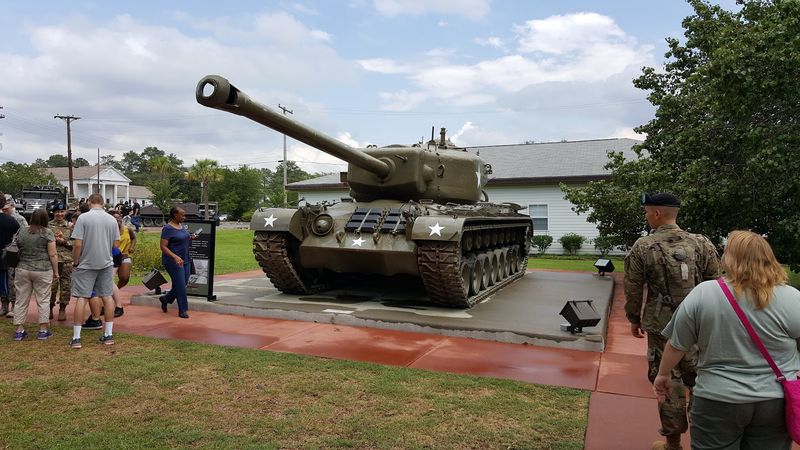
The mood here is less about battle and more about transformation. You start thinking about the thousands of ordinary people who arrived uncertain, were issued uniforms, learned routines, and left changed by a system designed to prepare them for a global war.
That human process is the museum’s real subject.
At Fort Jackson near Columbia, the U.S. Army Basic Combat Training Museum explores how soldiers were made, especially during the World War II buildup.
Training equipment, uniforms, photographs, and interpretive exhibits show how preparation itself became one of the era’s most important military undertakings.
What stands out is the focus on everyday discipline. Marching, gear maintenance, instruction, and repetition all gain historical weight once you see how many lives moved through this pipeline.
Because the museum centers on beginnings, it complements battlefield focused sites nicely. You leave with a clearer sense that victory depended not only on strategy overseas but also on the vast training worlds built back home, including this one in South Carolina.
Oconee Military Museum at Patriots Hall
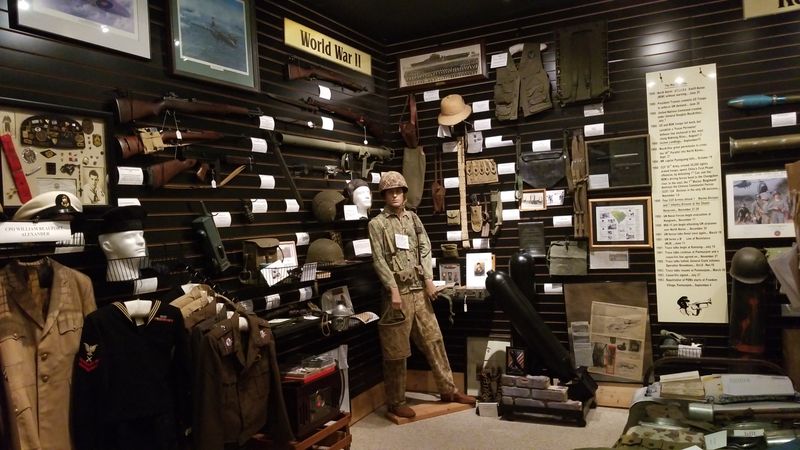
Small town museums often surprise you by making history feel closest to home. There is a different emotional pull when the names on displays match local families, school buildings, or streets nearby.
The scale may be modest, but the connection can feel immediate and deeply personal.
That is the strength of the Oconee Military Museum at Patriots Hall in Walhalla. Its World War II artifacts, medals, uniforms, and community stories show how a mountain county in South Carolina was tied to a conflict that touched nearly every corner of the world.
You are not just looking at military history in the abstract here. You are seeing how service, loss, and memory settled into one community across generations.
The museum’s intimacy is exactly why it works. Without crowds or overwhelming galleries, you can focus on the individuals behind the objects and let their stories unfold at a human pace.
For many visitors, that local lens makes the war feel more real than any grand overview ever could.
Beaufort History Museum
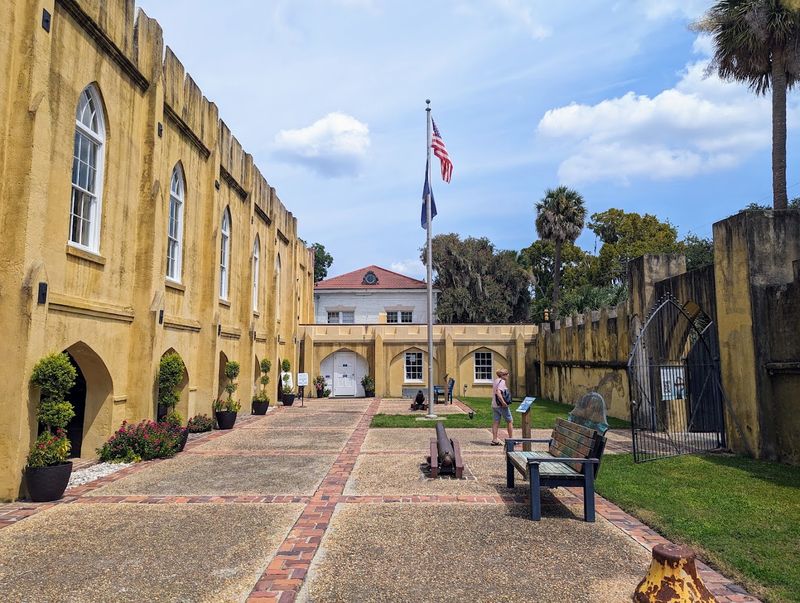
In a coastal town as beautiful as Beaufort, it is easy to get distracted by live oaks, river views, and old houses painted in soft Southern colors. Then a museum visit reminds you that places this picturesque were also shaped by war, training, mobilization, and the constant movement of people through nearby bases.
The Beaufort History Museum offers that local perspective, helping connect the region’s World War II story to the wider military presence around Beaufort and Parris Island. Exhibits and community history provide a useful counterpoint to larger military museums by showing how civilian life and wartime demands overlapped.
What makes this stop worthwhile is its sense of place. You can trace how the war changed not only strategy and institutions but also the daily rhythm of a Lowcountry town.
Afterward, a walk near the waterfront makes the history feel even closer. The setting is gentle, but the stories underneath it reveal just how consequential the 1940s were for this corner of South Carolina.