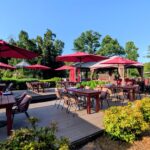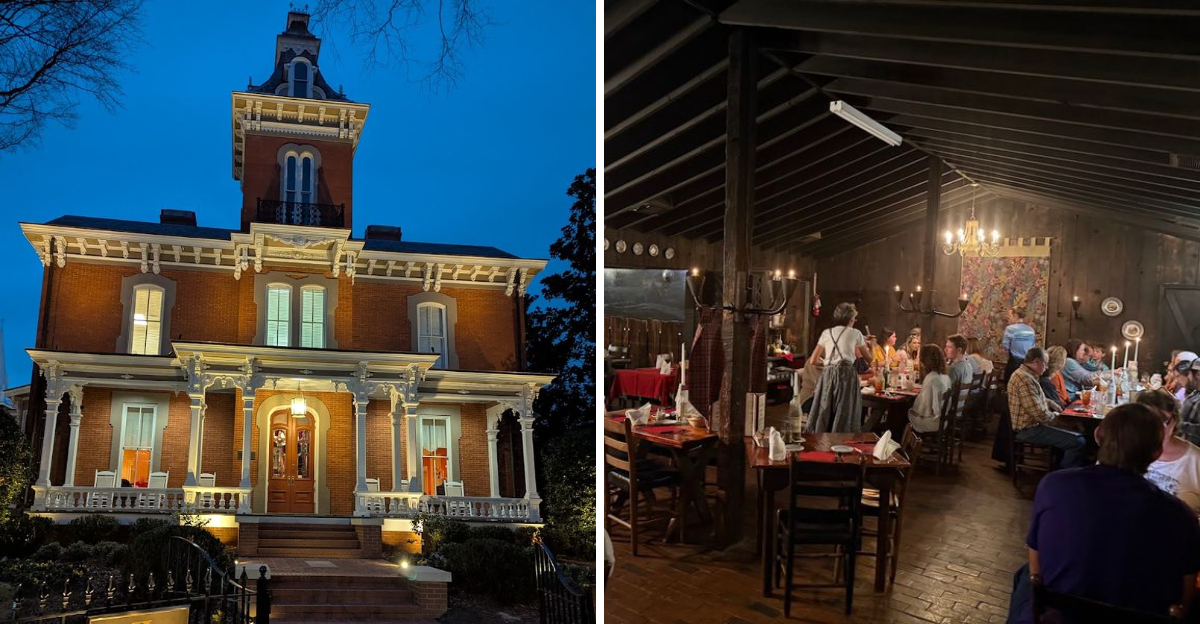
These North Carolina restaurants are serving up stories that are just as unforgettable as their food.
Behind old counters, smoky barbecue pits, and historic walls are tales of family dreams, local legends, and meals shared across generations.
Some spots have stood strong for nearly 100 years, keeping beloved recipes alive while becoming part of their communities’ identities.
Others gave new life to forgotten buildings, turning yesterday’s spaces into today’s favorite dining destinations.
Every restaurant on this list has a story worth hearing.
From legendary barbecue traditions to charming roadside stops, these places prove that a great meal can carry memories, history, and a little bit of magic with every bite.
Carolina Coffee Shop – Chapel Hill
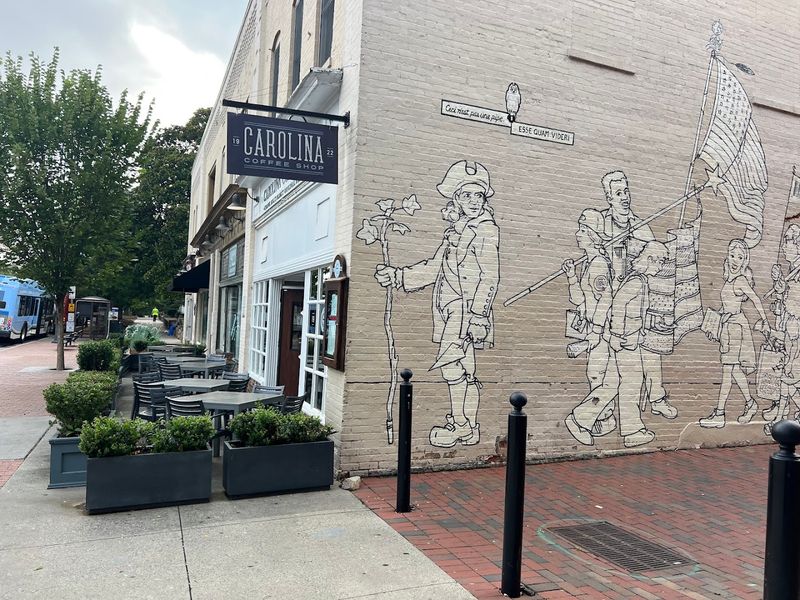
Walk down Franklin Street today and you’ll find a restaurant that opened its doors in 1922. Carolina Coffee Shop started as a student post office before becoming something much more important to the Chapel Hill community.
More than a century later, it still serves breakfast and lunch to students, professors, and locals who value its connection to the past.
Generations of Tar Heels have celebrated victories, studied for exams, and shared meals at its tables. The restaurant watched UNC grow from a small college town into a major university hub.
Yet somehow it managed to keep its welcoming neighborhood feel through all those changes.
Today’s students sit in the same booths their grandparents used decades ago. The menu features Southern classics prepared with care and consistency.
The walls hold memories of first dates, graduation celebrations, and countless everyday moments that make up a community’s life. Finding restaurants like this—places that truly belong to their neighborhoods—becomes rarer each year.
The Mecca Restaurant – Raleigh
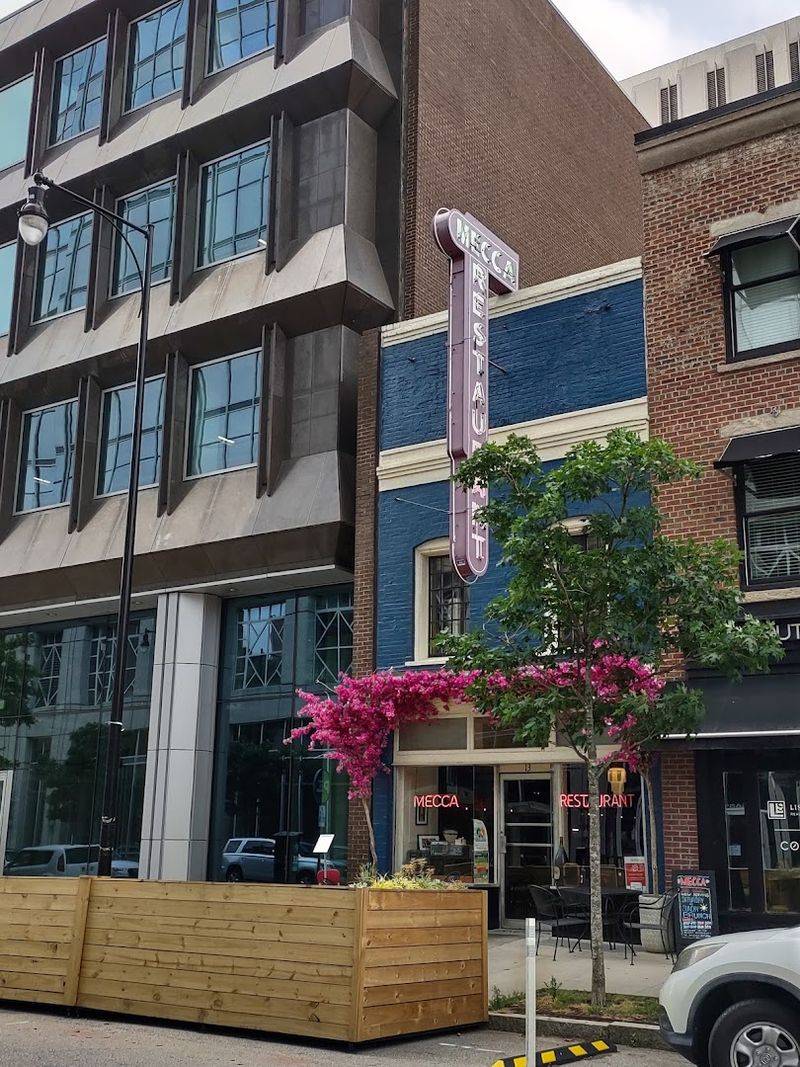
Nick and Helen Dombalis took a chance on downtown Raleigh in 1930, opening a small luncheonette during tough economic times. Their restaurant survived the Depression, multiple wars, and massive downtown redevelopment projects.
The Mecca became the spot where state politicians, business owners, and regular families all shared the same counter.
Family recipes passed down through generations still flavor the menu. The building witnessed Raleigh transform from a quiet capital city into a booming tech hub.
Through every change, The Mecca remained stubbornly itself—a place where everyone knew your name and your usual order.
Politicians still stop by for meetings over coffee and pie. Local families bring their children to experience the same meals they ate growing up.
The restaurant represents something bigger than food—it’s about immigrant dreams, family dedication, and community bonds. Its survival tells the real story of Raleigh: a city that grew without forgetting where it came from.
Skylight Inn BBQ – Ayden
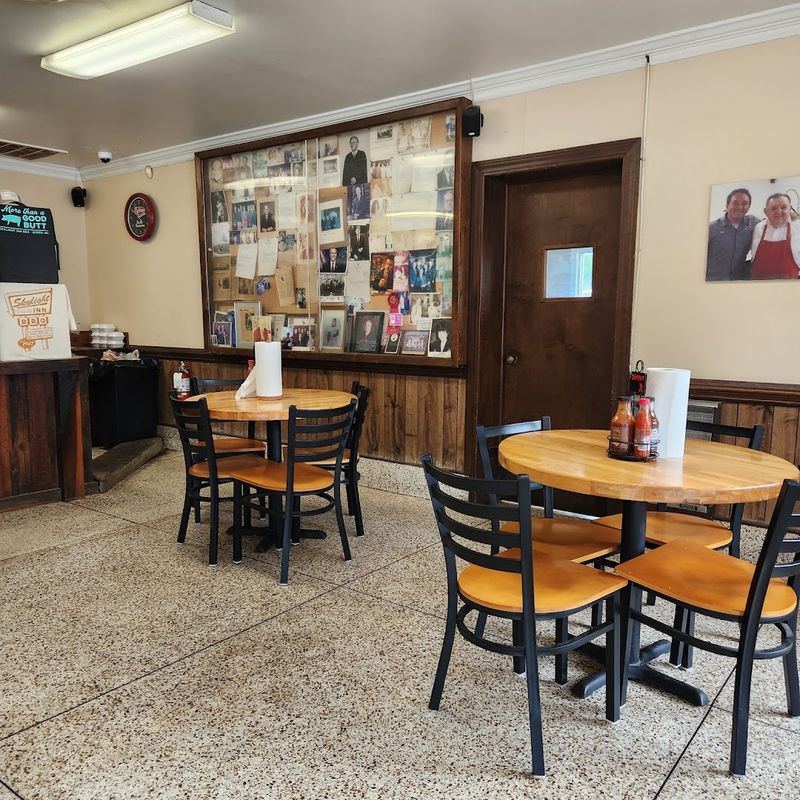
Pete Jones built something extraordinary in 1947 when he opened a tiny barbecue stand in Ayden. His commitment to cooking whole hogs over wood coals became more than a cooking method—it became a mission to preserve tradition.
The restaurant’s distinctive dome skylight makes it easy to spot, but the smoky aroma draws you in from blocks away.
Visitors from across the country make pilgrimages to taste authentic Eastern North Carolina barbecue here. No fancy sides or complicated menus distract from the main event: chopped pork served with vinegar-based sauce and cornbread.
The Jones family never compromised their methods, even as barbecue styles changed elsewhere.
Television shows, food writers, and presidents have all visited this unassuming building. Yet it remains remarkably unchanged from its early days.
The restaurant proved that sticking to your roots and doing one thing exceptionally well can create something legendary. Skylight Inn didn’t just serve barbecue—it became the definition of Eastern Carolina barbecue for the entire world.
The Angus Barn – Raleigh
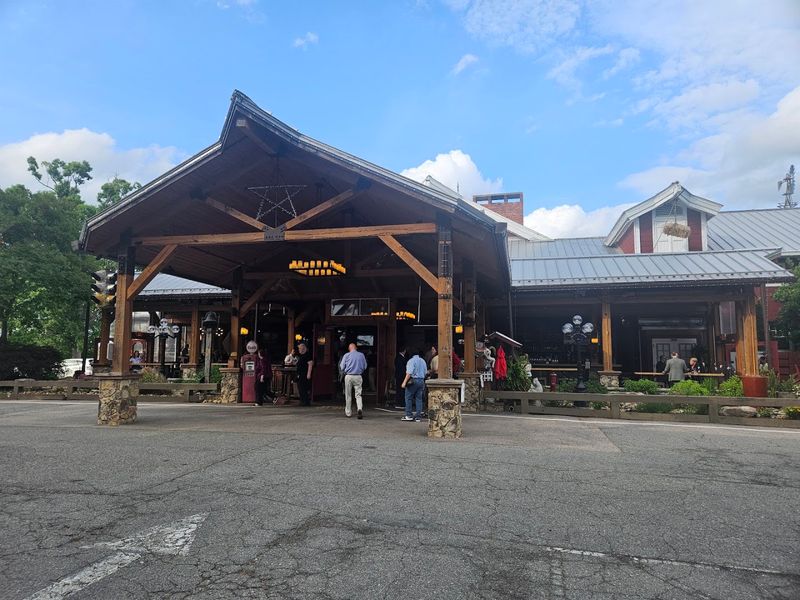
Converting an actual dairy barn into an upscale steakhouse sounds risky, but Van Eure made it work in 1960. The barn’s genuine agricultural past gave it character that no decorator could fake.
Families began celebrating birthdays, anniversaries, and holidays in a building where cows once lived—and somehow it felt perfect.
The restaurant grew famous beyond North Carolina’s borders. Wine lovers discovered its incredible cellar holding thousands of bottles.
Travelers flying into Raleigh-Durham made dinner reservations before booking hotels.
Inside, the barn’s original bones mix with elegant touches like white tablecloths and professional service. The contrast between rustic setting and refined dining creates an experience people remember for years.
Grandparents bring their grandchildren to continue family traditions started decades earlier. The building itself tells stories—exposed beams, barn wood, and authentic details that remind diners of its agricultural heritage.
Sometimes the best restaurants aren’t designed from scratch but discovered in unexpected places. This barn found its true calling as a steakhouse destination.
Second Empire Restaurant & Tavern – Raleigh
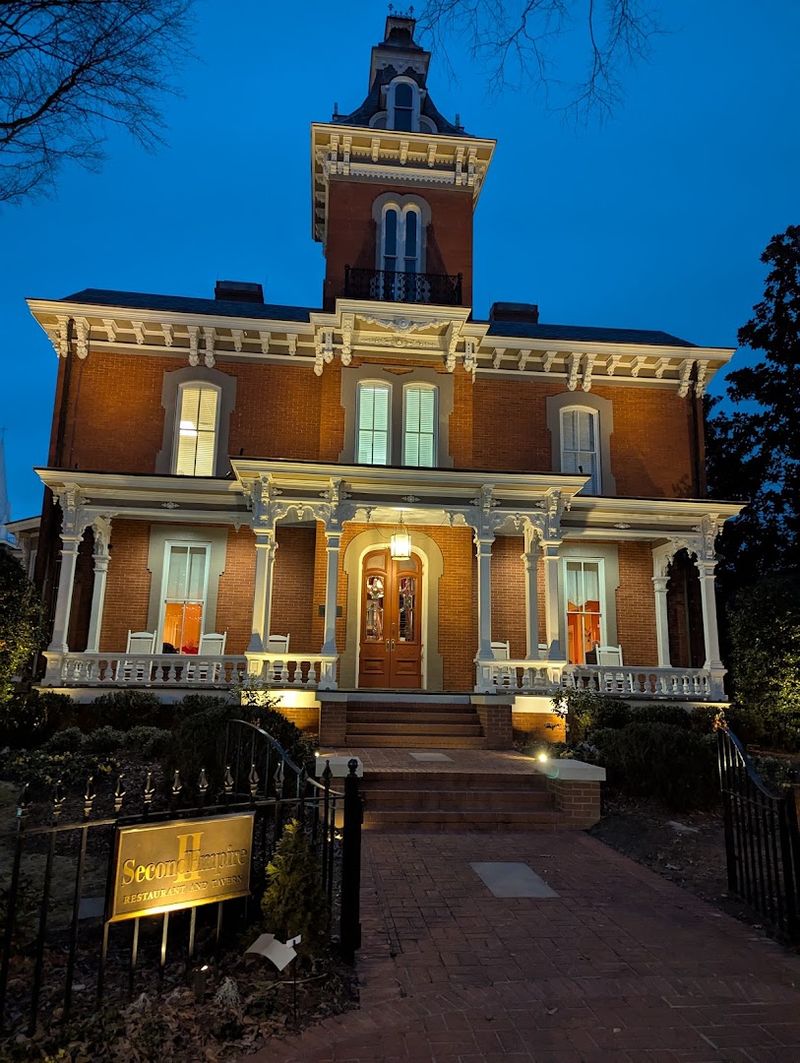
Many old Victorian homes get torn down for parking lots or office buildings. The Dodd-Hinsdale House escaped that fate by becoming Second Empire Restaurant in the 1990s.
Built during the 1800s, this mansion survived because someone imagined it could serve a new purpose while keeping its soul intact.
Diners enter through original doorways and climb historic staircases to reach their tables. The ornate architecture—crown molding, tall windows, and period details—creates atmosphere no modern building can match.
Each room tells part of Raleigh’s past while serving contemporary Southern cuisine.
The restaurant proved that historic preservation and successful business can work together beautifully. Couples celebrate special occasions in rooms where Victorian families once gathered.
The building’s survival matters beyond nostalgia—it maintains physical connections to Raleigh’s history. Walking through its doors feels like time travel, yet the food and service stay thoroughly modern.
Second Empire shows how respecting the past can create something special for the present and future.
Fearrington House Restaurant – Pittsboro
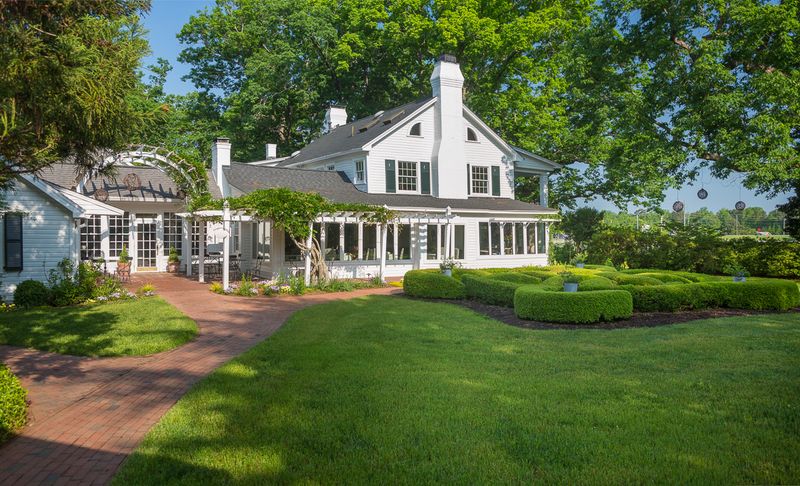
Picture a working dairy farm transforming into one of North Carolina’s most elegant dining destinations. Fearrington Village accomplished exactly that in the late 1970s, turning barns and farmland into a planned community with the restaurant as its centerpiece.
The famous Belted Galloway cows—with their distinctive black-and-white stripes—still graze nearby as living reminders of the property’s agricultural past.
Gardens surround the restaurant, providing ingredients and beauty throughout the seasons. The dining experience blends farm-fresh ingredients with refined Southern cooking techniques.
Guests appreciate the property’s transformation without losing sight of its roots.
Many restaurants claim “farm-to-table” concepts today, but Fearrington actually started as a farm. The journey from producing milk to producing memorable meals makes its story unique.
Wedding parties, anniversary dinners, and special celebrations happen where farmers once worked. The restaurant honors Chatham County’s agricultural heritage while creating something entirely new.
It proves that rural properties can find new lives without abandoning their essential character.
Sutton’s Drug Store – Chapel Hill
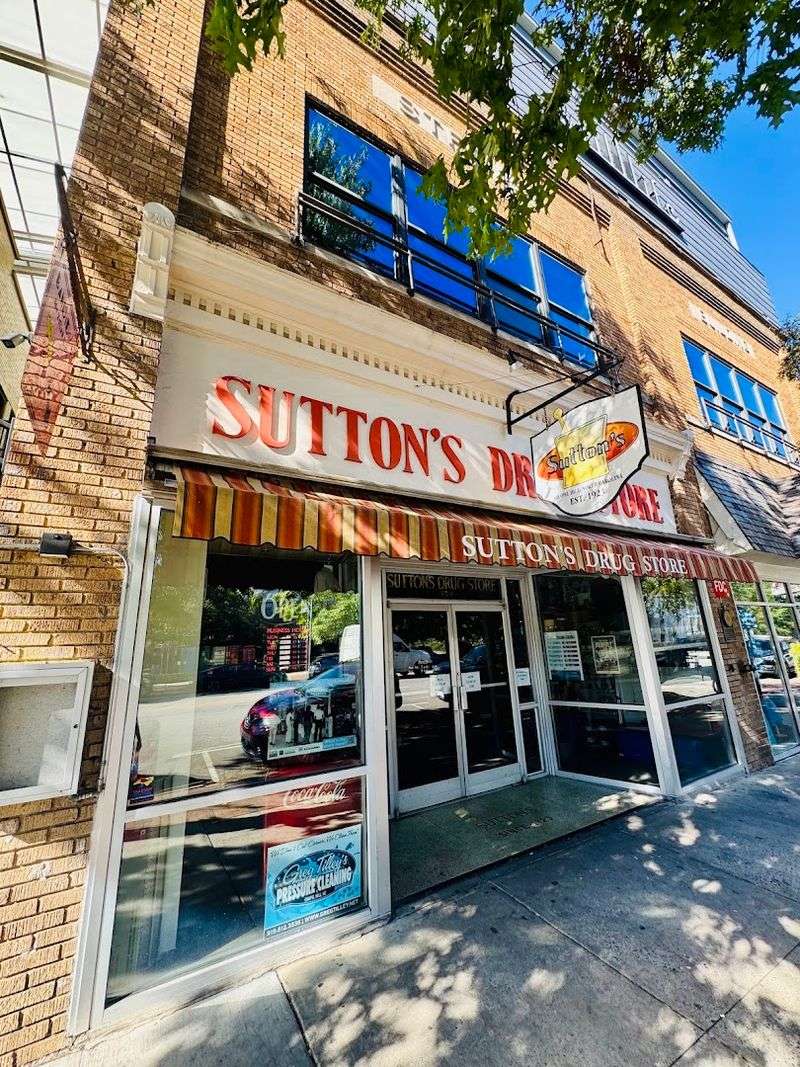
Sliding onto a red stool at Sutton’s lunch counter feels like stepping into a time capsule from 1923. This pharmacy started serving sandwiches and milkshakes when drugstore counters were America’s favorite casual dining spots.
Nearly a century later, it remains one of the few authentic examples still operating.
Students discovered Sutton’s became their escape from campus dining halls. Families made regular Saturday visits a tradition spanning multiple generations.
The menu stays simple—burgers, hot dogs, grilled cheese, and hand-dipped ice cream treats made the old-fashioned way.
Most drugstore lunch counters disappeared decades ago, replaced by chain restaurants and fast food. Sutton’s survival makes it precious to people who remember when every town had places like this.
The worn counter, vintage stools, and unchanged atmosphere create nostalgia even for first-time visitors. Young students today experience the same space their grandparents enjoyed as college kids.
Sutton’s didn’t preserve itself as a museum—it simply kept serving the same good food in the same honest way year after year.
Big Oak Drive-In & BBQ – Salter Path
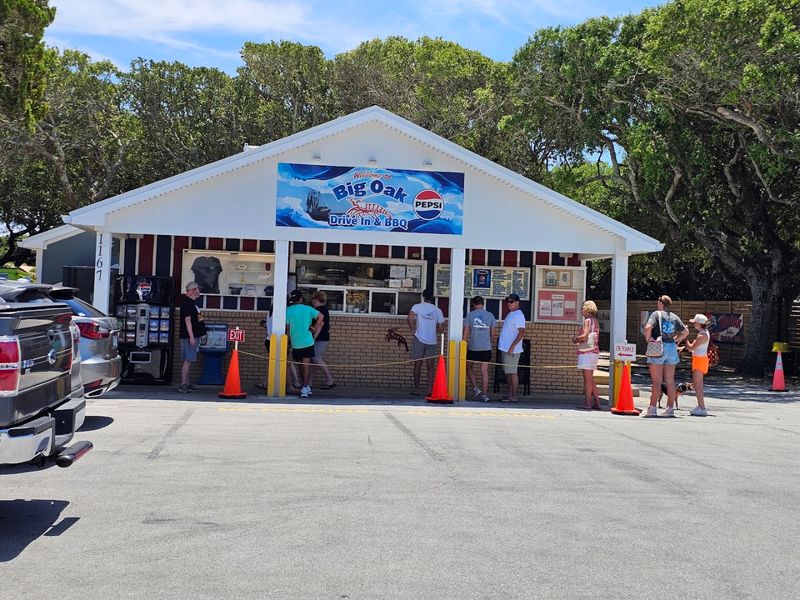
Beach vacations and roadside food shacks go together perfectly along North Carolina’s Crystal Coast. Big Oak Drive-In became the mandatory stop for families heading to or from the shore.
Its famous shrimp burger—created by combining fresh local shrimp with the classic burger format—turned into the menu item everyone orders.
The restaurant captures everything wonderful about coastal casual dining. No fancy decorations or pretentious menus here—just picnic tables, friendly service, and food that tastes like summer.
Generations of families built beach vacation traditions around stopping at Big Oak for that first meal by the water.
Children who visited with their parents decades ago now bring their own kids. The shrimp burger recipe stayed consistent through all those years.
Simple roadside restaurants like this one face constant pressure from development and changing tourism patterns. Big Oak survived by staying true to what made it special from the beginning.
Sometimes the best restaurant stories aren’t about fancy transformations—they’re about places that never needed to change at all.
The Country Squire Restaurant & Winery – Warsaw
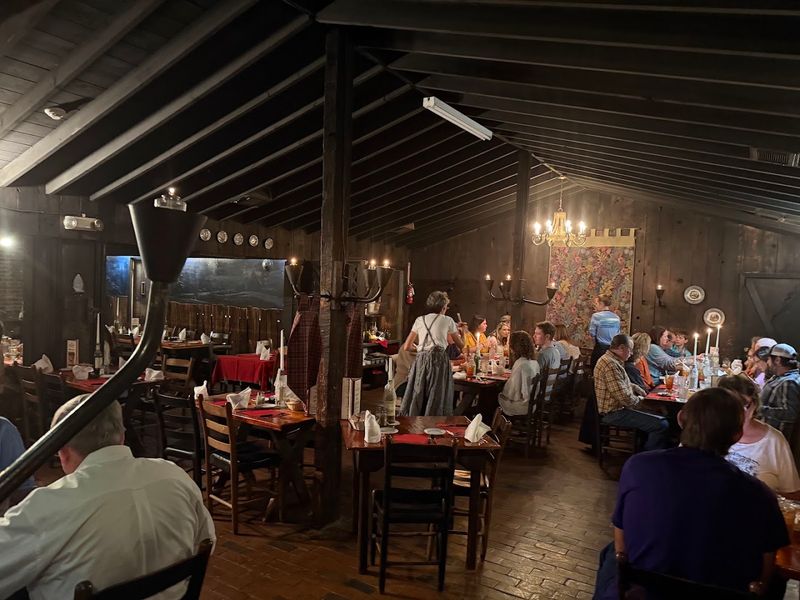
Building an English-style restaurant and winery in rural Warsaw, North Carolina seems unlikely. Yet that’s exactly what happened in 1961 when The Country Squire opened.
The concept combined European countryside charm with Southern hospitality in a region better known for tobacco farming and small-town traditions.
Gardens, wine production, and cozy dining rooms created an unexpected oasis along eastern North Carolina highways. Travelers discovered a memorable stop that felt worlds away from typical roadside restaurants.
The unusual concept made it stand out immediately.
Over decades, The Country Squire became a destination rather than just a convenient stop. Special occasions brought couples from surrounding counties for anniversary dinners and celebrations.
The restaurant proved that creativity and commitment could thrive even in unexpected locations. Its English countryside theme never felt forced or artificial—instead it created genuine warmth and character.
Wine enthusiasts appreciated the local production efforts long before North Carolina wines gained recognition. The Country Squire took risks by being different, and those risks created something memorable and beloved that couldn’t exist anywhere else.
The Players’ Retreat – Raleigh
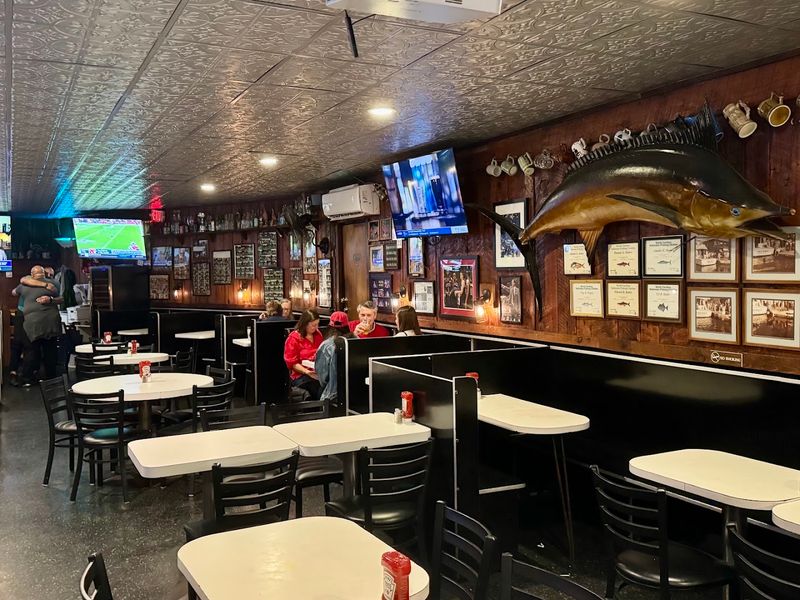
Opening a restaurant near NC State in 1951 meant The Players’ Retreat would forever connect with Wolfpack sports culture. Known simply as “The PR” by generations of students and alumni, it became more than a restaurant—it became a living scrapbook.
Photographs covering every available wall space document decades of victories, championships, and memorable moments.
Students celebrated wins and mourned losses over burgers and beer at the same tables their parents once used. The restaurant witnessed NC State’s athletic programs grow and evolve while maintaining its role as unofficial team headquarters.
Athletes, coaches, and fans all mixed together in the cramped, photograph-lined space.
Walking inside feels like entering a museum dedicated to Wolfpack pride. Every inch tells stories about teams, players, and unforgettable games.
The restaurant’s survival depends on its deep roots in campus culture rather than trendy concepts or fancy renovations. Alumni returning for homecoming weekends head straight to The PR before even checking into hotels.
Some restaurants feed customers—this one feeds school spirit and keeps traditions alive across generations.
Roast Grill – Raleigh
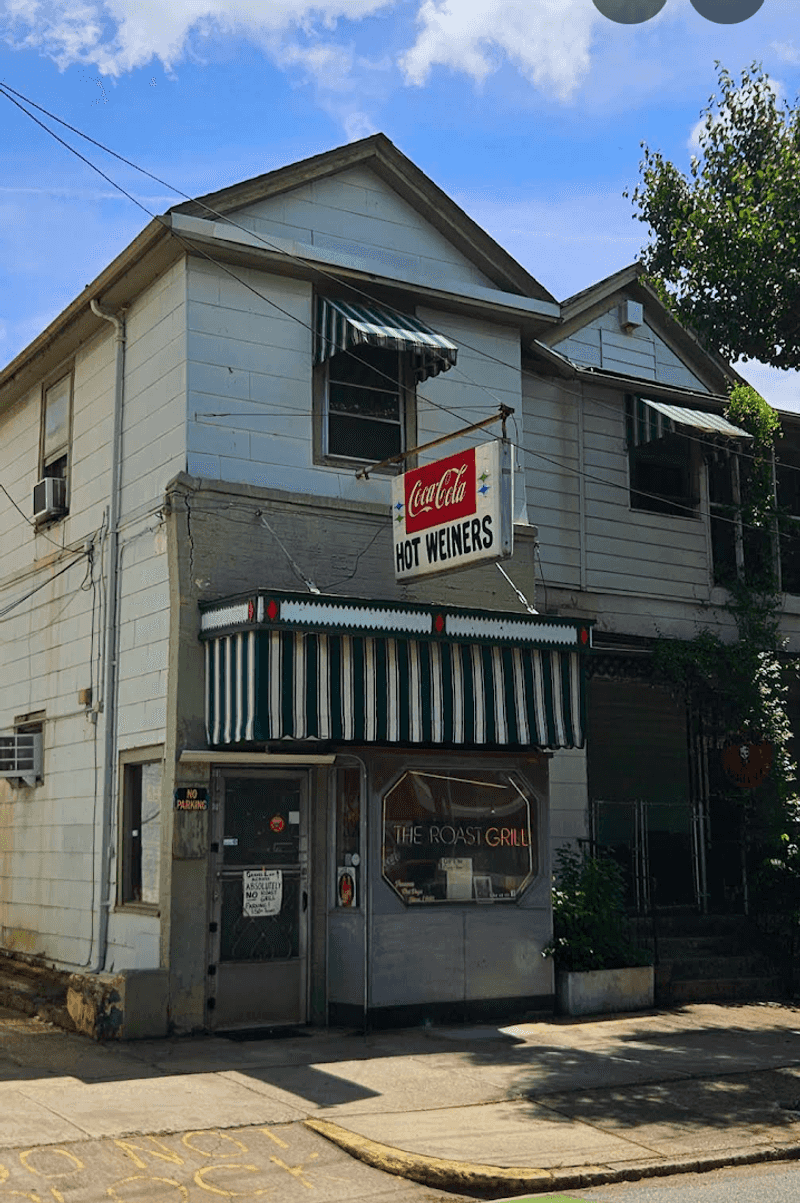
Roast Grill doesn’t waste space on unnecessary things. Since 1940, this tiny downtown Raleigh counter focused entirely on serving “red hots” cooked the exact same way generation after generation.
The menu stays simple because simplicity creates perfection when executed consistently for over eighty years.
Only a handful of counter seats fit inside the cramped space. Lines form outside during lunch rushes as downtown workers wait patiently for their turn.
The no-frills approach—cash only, limited hours, strict traditions—somehow makes people love it more rather than less.
Hot dog stands once filled American downtowns before disappearing under pressure from fast food chains. Roast Grill survived by refusing to change or compromise.
Its personality comes from staying small, staying traditional, and caring deeply about doing one thing right. Regular customers have been visiting for decades, introducing their children and grandchildren to the same simple pleasure.
The restaurant proves that size doesn’t determine importance—this tiny counter holds more history and loyalty than restaurants ten times larger.
The Hackney – Washington
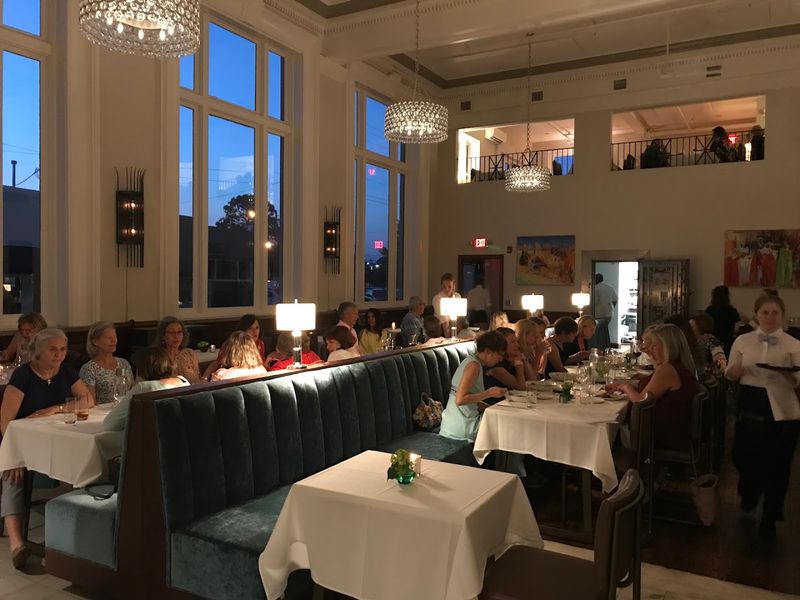
Tobacco warehouses defined eastern North Carolina towns for generations, then stood empty as the industry declined. The Hackney gave one of these buildings new purpose by transforming it into a restaurant celebrating regional ingredients and heritage.
In Washington, the massive warehouse space found redemption through Southern cuisine and careful preservation.
Exposed brick, original beams, and industrial details remind diners of the building’s past life. The agricultural history embedded in those walls connects directly to the farm-fresh ingredients featured on the menu.
Modern touches blend respectfully with historic bones.
Many towns demolished their old warehouses, erasing physical connections to their agricultural past. The Hackney represents a better approach—preserving history by giving it contemporary relevance.
Diners enjoy creative Southern dishes while sitting inside a building that once held crops from surrounding farms. The restaurant helps younger generations understand their region’s heritage through both food and architecture.
Sometimes the best way to honor the past isn’t preservation as a museum but transformation into something that serves the community today.