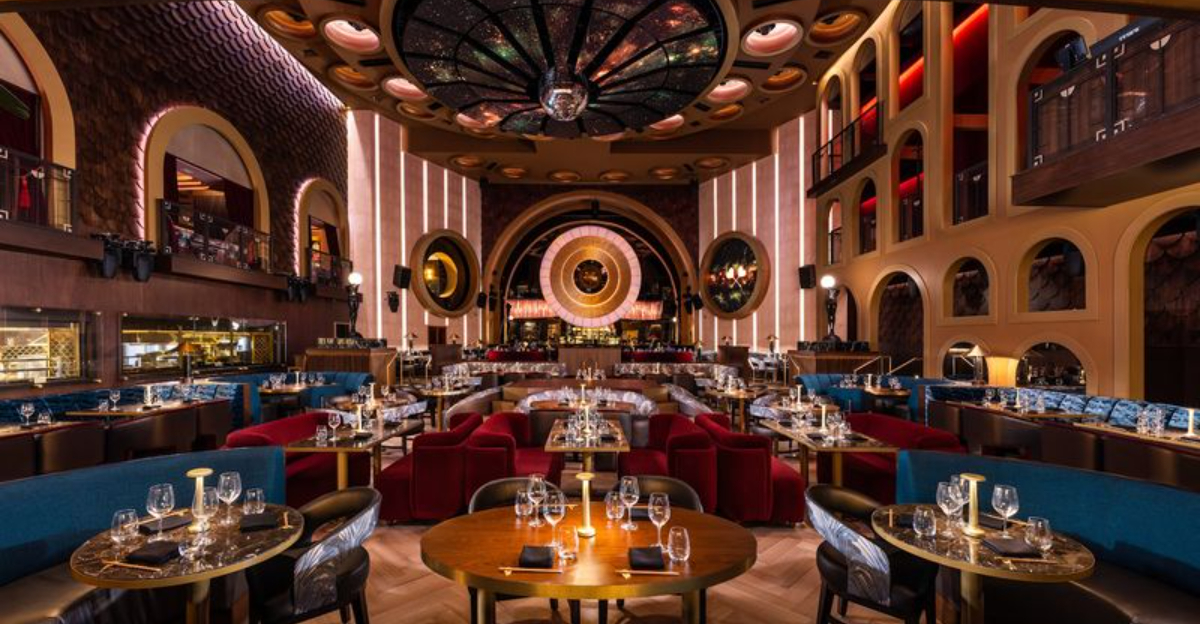
Florida’s most unforgettable restaurants were never meant to be restaurants.
Across the state, diners can walk into former power plants, train depots, banks, and theaters that found a surprising second life as beloved dining spots.
These buildings once powered cities, welcomed travelers, stored money, or entertained crowds before becoming gathering places filled with unforgettable meals and stories.
Every doorway reveals a hidden chapter of Florida’s past, where old walls hold memories and new experiences unfold around the table. From coastal favorites to historic gems, these restaurants prove that great food tastes even better when served with a story.
They offer visitors a chance to experience Florida’s past in a way that feels personal and memorable while enjoying meals inside spaces that carry echoes of their former roles for generations ahead.
The Edison Restaurant – Tallahassee
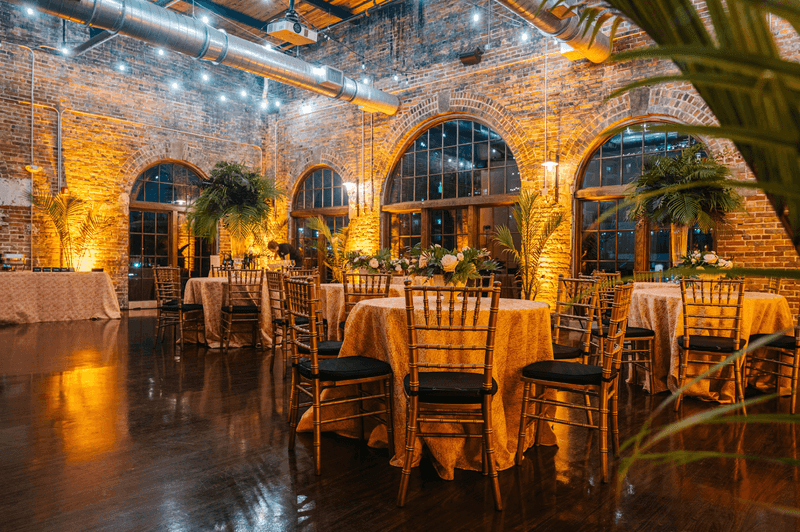
Walking into The Edison feels like dining inside a time capsule of industrial Florida. This Tallahassee restaurant operates within the walls of what was once the city’s electric plant, built back in 1921 when electricity was still transforming American life.
The building’s transformation preserved everything that made it special. Original brick walls rise around diners, steel beams cross overhead, and the dramatic industrial architecture remains intact.
Instead of demolishing this landmark, the city chose restoration.
Today’s guests sit where massive generators once hummed and workers kept Tallahassee’s lights burning. The menu matches the setting with upscale American cuisine served in an atmosphere you won’t find in typical restaurants.
High ceilings and exposed infrastructure create a dining room that honors the building’s past.
It’s proof that old buildings don’t need to disappear when their original purpose ends. The Edison gave this power plant a second life, turning a piece of civic infrastructure into one of Florida’s most memorable restaurant experiences.
History and hospitality meet under one remarkable roof.
The Freezer Tiki Bar – Homosassa
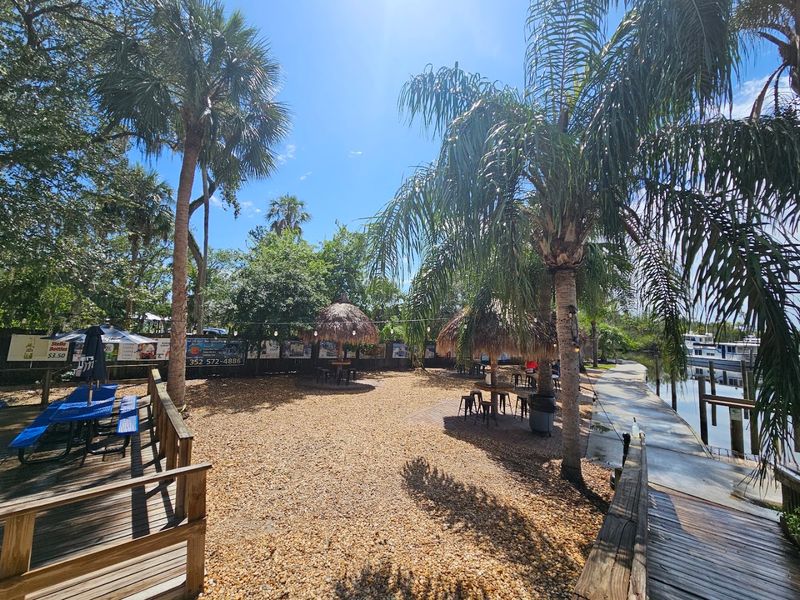
Not every restaurant starts with white tablecloths and grand plans. The Freezer began as something far more practical: a working seafood freezer where local fishermen stored their daily catches along Florida’s Nature Coast.
This Homosassa spot tells an authentic Old Florida story that tourism brochures often miss. Before anyone ordered drinks or cracked open stone crab claws at waterfront tables, this building hummed with industrial refrigeration keeping shrimp and fish fresh for market.
The rustic interior hasn’t forgotten those commercial roots.
Today’s customers arrive for cold beer, seafood baskets, and views of the water that once brought fishing boats to the door. The atmosphere stays true to working waterfront culture rather than trying to polish it into something fancy.
Weathered wood and no-frills decor remind visitors this place earned its character honestly.
It’s the kind of hidden gem locals love and tourists stumble upon by accident. The Freezer turned a utilitarian structure into a gathering spot without losing the soul of what it used to be.
Station 400 – Sarasota
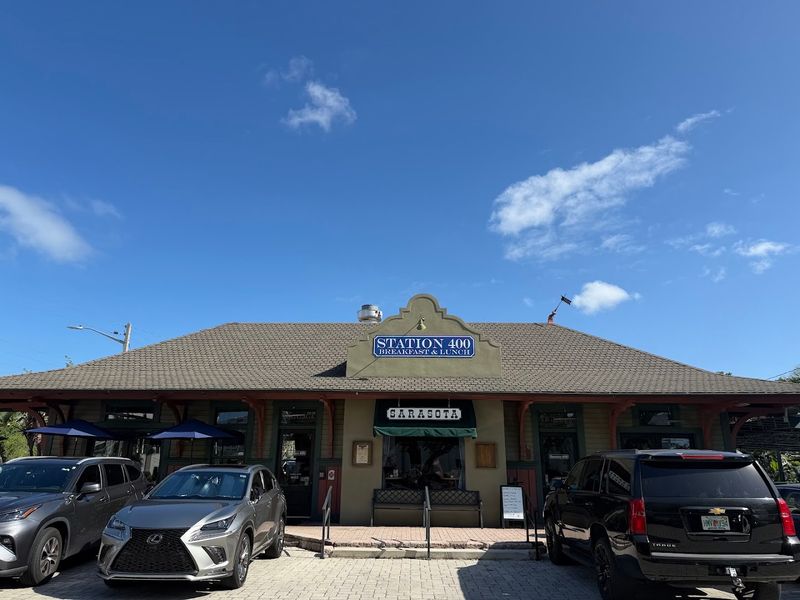
Sarasota’s Rosemary District has watched this building serve travelers for generations, though the mode of transportation has changed completely. Station 400 occupies a genuine train depot where passengers once waited with luggage for departing locomotives.
The restaurant’s location inside this restored station gives every meal a touch of railroad nostalgia. Original architectural details survived the conversion, keeping the depot atmosphere alive even as white tablecloths replaced wooden benches.
Diners eat surrounded by reminders of when trains connected Florida cities before highways dominated travel.
The neighborhood itself has transformed alongside the building, evolving from an industrial rail corridor into a walkable dining and arts district. Yet the station stands as an anchor to that earlier era.
Its preservation shows how adaptive reuse can honor local heritage while serving modern needs.
Eating at Station 400 means experiencing a slice of Sarasota’s transportation history without visiting a museum. The building’s journey from depot to dining room mirrors the broader story of how Florida cities have reinvented themselves while keeping pieces of their past intact.
Depot on Magnolia – Ocala
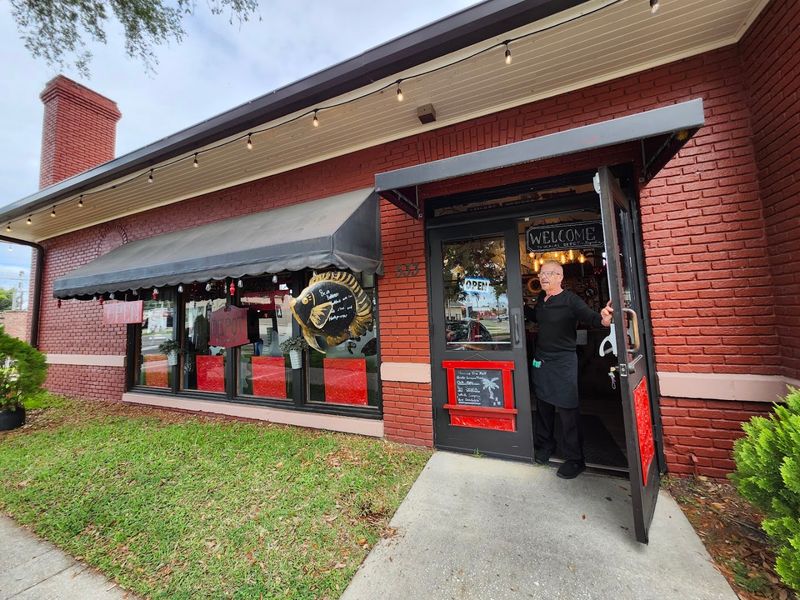
Some restaurants hide their history, but Depot on Magnolia celebrates it from the name on the door to the decor on the walls. This Ocala establishment proudly claims its railroad heritage, having served as an actual train depot before anybody thought about serving dinner there.
The building’s past life inspired everything about the restaurant’s identity. Vintage railroad memorabilia decorates the dining rooms, and the layout still hints at waiting areas where passengers once gathered.
Instead of erasing the depot’s story, the owners built the entire concept around it.
That choice created something special for the community. Longtime Ocala residents remember when trains stopped here regularly, making the restaurant a nostalgic connection to earlier decades.
Newer arrivals get to experience a piece of local transportation history they might never have discovered otherwise.
The transformation proves that a building’s original purpose can become its greatest asset. Railroad depots were designed as gathering places where people came and went, making them natural fits for restaurants.
Depot on Magnolia simply shifted what kind of journey customers take there.
The Station House Restaurant – Lantana
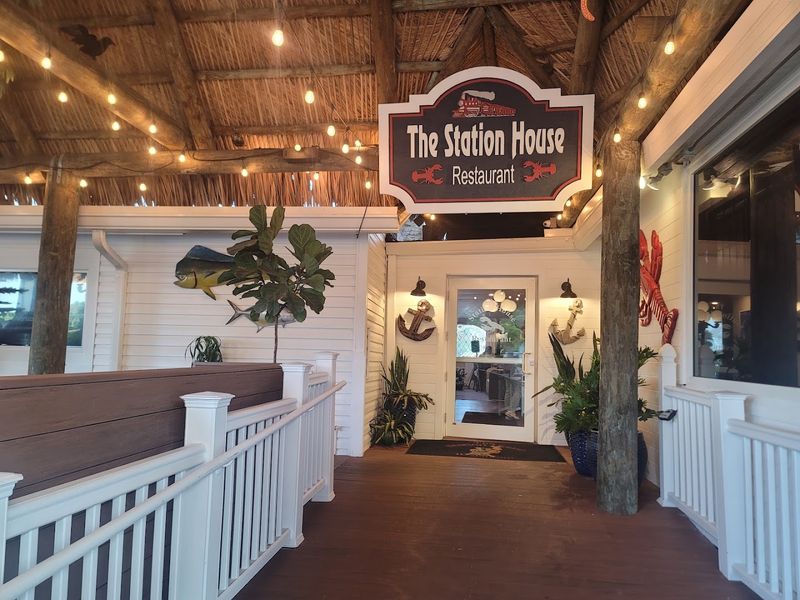
Florida’s railroad history runs deeper than most people realize, with small depots once dotting routes between major cities. The Station House in Lantana started as one of those community connection points where locals waited for trains that linked Palm Beach County towns.
Converting a train station into a seafood restaurant might seem like an odd pairing at first. But both serve as gathering places where people come together, whether they’re catching a northbound train or sharing grouper sandwiches with friends.
The depot’s solid construction and central location made it ideal for restaurant conversion.
Original architectural elements survived the transformation, giving diners a sense of what the building felt like in its station days. The restaurant capitalized on that historic character rather than gutting everything to create generic dining space.
Coastal cuisine now fills a structure that once echoed with railroad schedules and passenger conversations.
It’s a reminder that adaptive reuse doesn’t always mean dramatic contrast. Sometimes a building’s second chapter flows naturally from its first, connecting past and present in ways that benefit the whole community.
Duval Fish Co. – Jacksonville
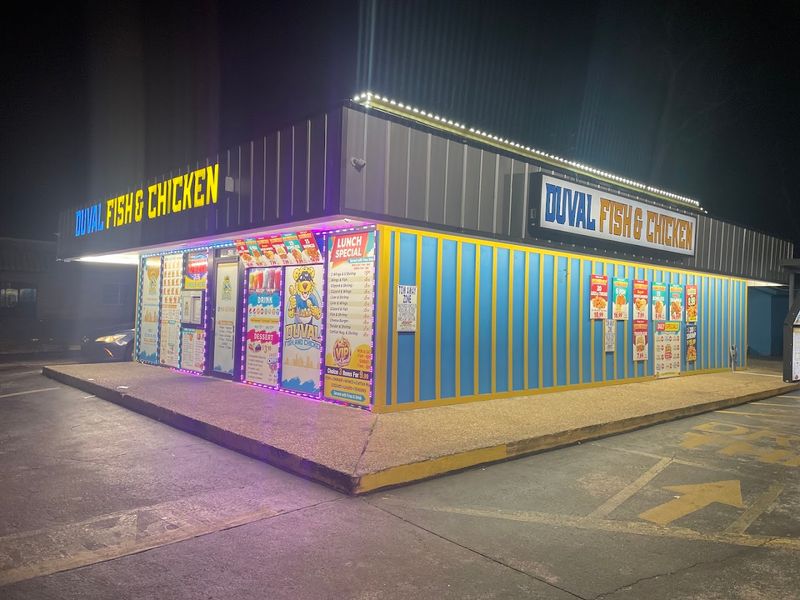
Picture a roadside gas station from Florida’s mid-century boom, complete with service bays and fuel pumps where cars lined up daily. That’s where Duval Fish Co.’s story begins, in a structure built for automotive needs rather than culinary ones.
Turning a gas station into a seafood restaurant required vision most developers wouldn’t have. The building’s bones were solid but completely wrong for fine dining in the traditional sense.
Smart renovation kept key architectural features from the automotive era while layering in coastal Florida identity through design choices and color palettes.
The result feels authentically Jacksonville, blending the city’s car culture past with its growing food scene. Former service areas became dining spaces, and what once smelled like motor oil now carries the aroma of fresh-caught fish.
The transformation respects both the building’s history and its neighborhood’s character.
It’s proof that even humble structures deserve consideration before demolition. This gas station could have been scraped for a brand-new building, but preserving and adapting it created something far more interesting.
Duval Fish Co. gave a roadside relic new purpose without pretending it was something it never was.
Cowford Chophouse – Jacksonville
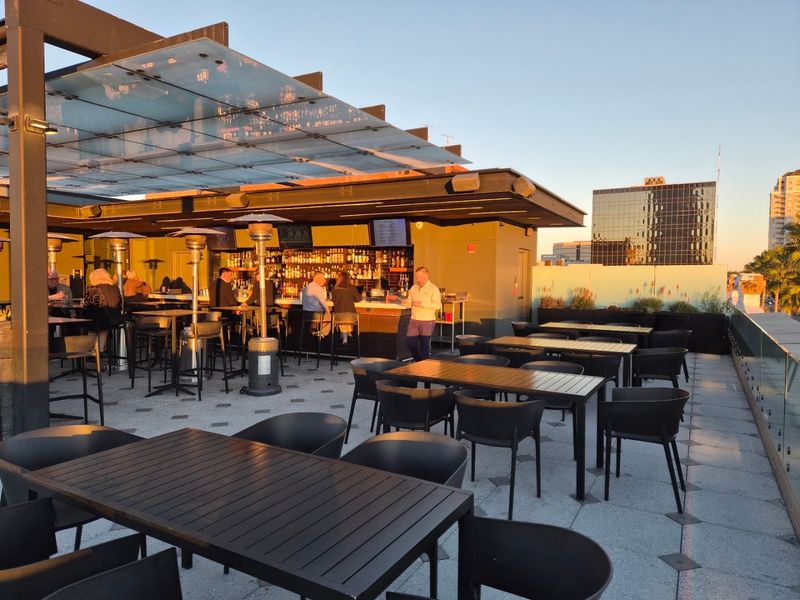
Jacksonville’s 1901 Great Fire destroyed much of downtown, leading to a building boom that reshaped the city. The Bostwick Building rose from those ashes in 1902, housing First National Bank and representing Jacksonville’s determination to rebuild bigger and better than before.
For over a century, this landmark stored money and financial documents rather than filet mignon and wine bottles. The grand architecture reflected banking’s importance in early 20th-century commerce, with impressive facades designed to project stability and trust.
Decades later, after years sitting neglected, the building faced an uncertain future.
Cowford Chophouse’s arrival saved this piece of Jacksonville history from continued decay. Restoration work preserved the building’s bones and character while converting banking halls into dining rooms and adding rooftop space with river views.
The chophouse concept fits the building’s grandeur perfectly, matching upscale steaks with architectural elegance.
Diners now enjoy meals where bank tellers once counted cash and customers signed loan papers. The transformation proves that even buildings with very specific original purposes can adapt to entirely new roles while maintaining their historic significance.
The Vault – Pompano Beach
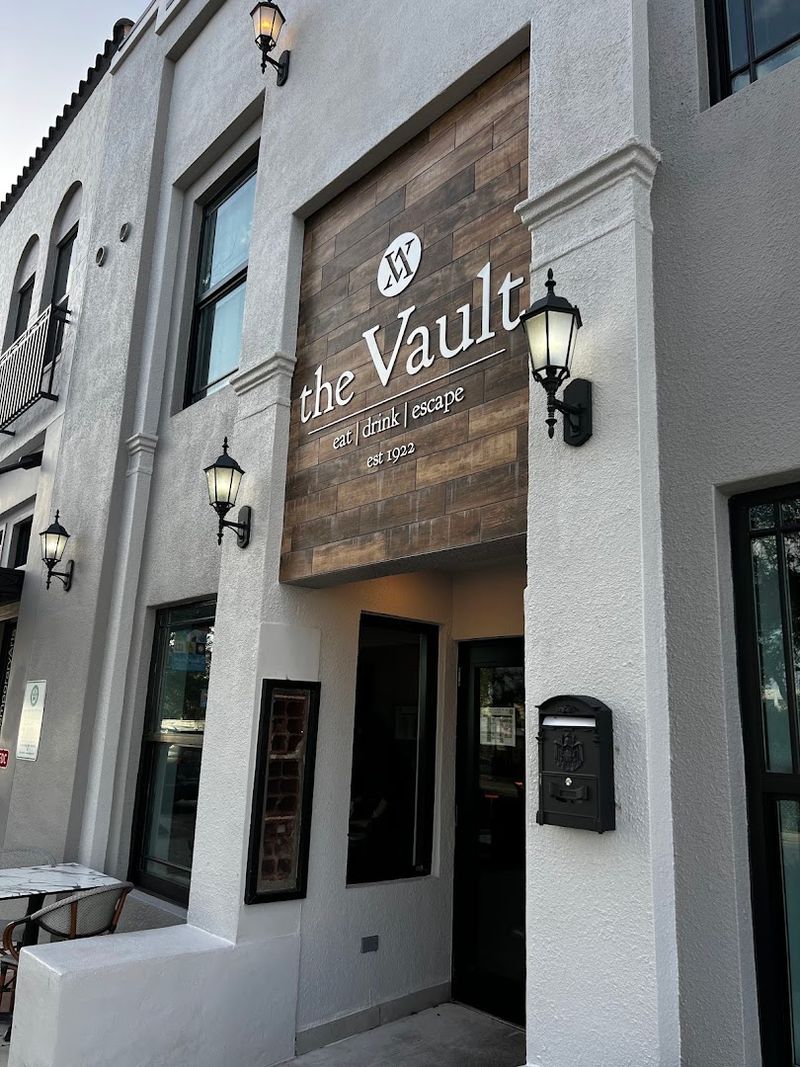
Banks tell community stories beyond interest rates and deposit slips, and The Vault’s building has a particularly colorful past. Before becoming a restaurant, this Pompano Beach structure served local financial needs and found itself tangled up with Florida’s notorious Ashley Gang during the state’s outlaw era.
That criminal connection adds spice to the building’s history without defining it completely. For most of its banking life, this was simply where residents deposited paychecks and applied for mortgages.
The solid construction necessary for financial security made it perfect for later restaurant conversion.
Today’s diners eat where money once sat behind thick walls and vault doors. The restaurant’s name acknowledges that banking heritage while creating a completely different atmosphere.
Instead of hushed conversations about loans, the space now buzzes with friends sharing meals and stories.
The transformation shows how buildings accumulate layers of meaning over decades. This structure went from storing community wealth to storing community memories of great dinners and celebrations.
Both purposes make it a gathering place, just in different ways across different generations of Pompano Beach residents.
Prime 112 – Miami Beach
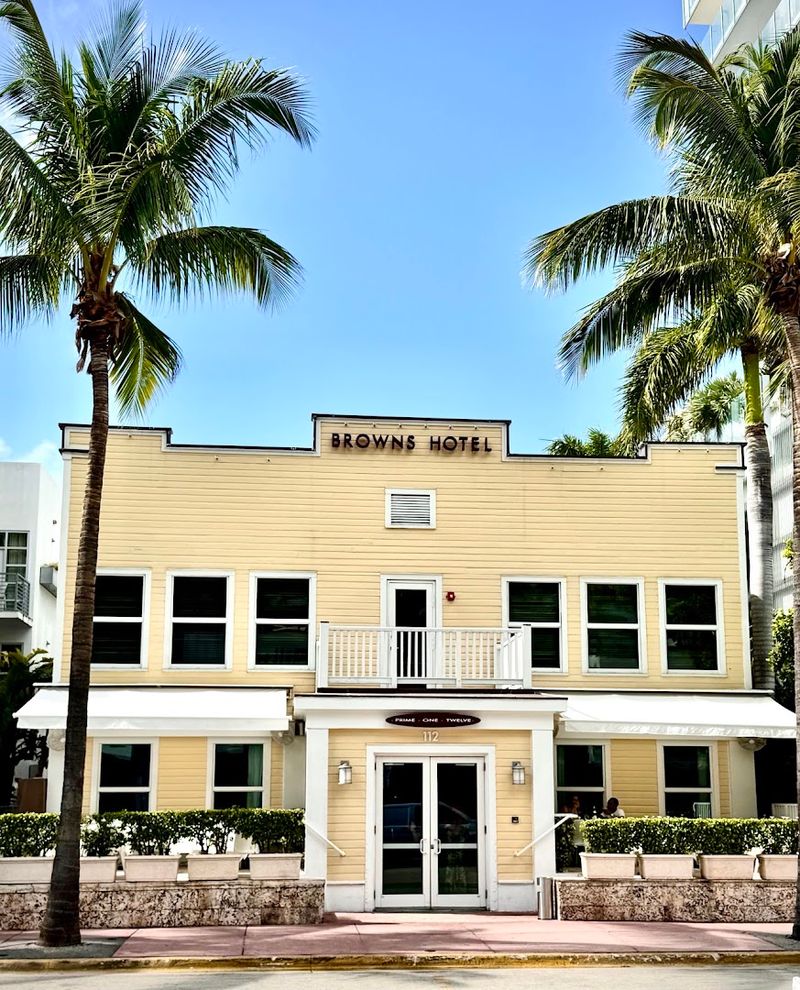
Miami Beach’s first hotel tells a story of pioneers gambling on an island’s potential long before art deco towers and celebrity culture arrived. Brown’s Hotel welcomed travelers when Miami Beach was still more vision than reality, providing rooms and hospitality in what would become one of America’s most famous resort destinations.
The building watched Miami Beach transform from frontier outpost to tourist magnet over the following decades. Its location and solid construction helped it survive when newer properties surrounded it.
But hotels eventually give way to other uses, especially in areas where real estate constantly evolves.
Prime 112’s arrival preserved this piece of Miami Beach’s origin story while converting ground-floor space into a modern steakhouse. The restaurant maintains architectural elements from the hotel era, connecting contemporary diners to the area’s humble beginnings.
It’s now known for celebrity sightings and premium steaks rather than tourist lodging.
The transformation illustrates how buildings can shift purposes while maintaining their importance to a community’s narrative. Brown’s Hotel no longer offers rooms, but Prime 112 keeps the structure relevant and visible to new generations discovering Miami Beach for the first time.
The Old Spanish Sugar Mill Restaurant – De Leon Springs
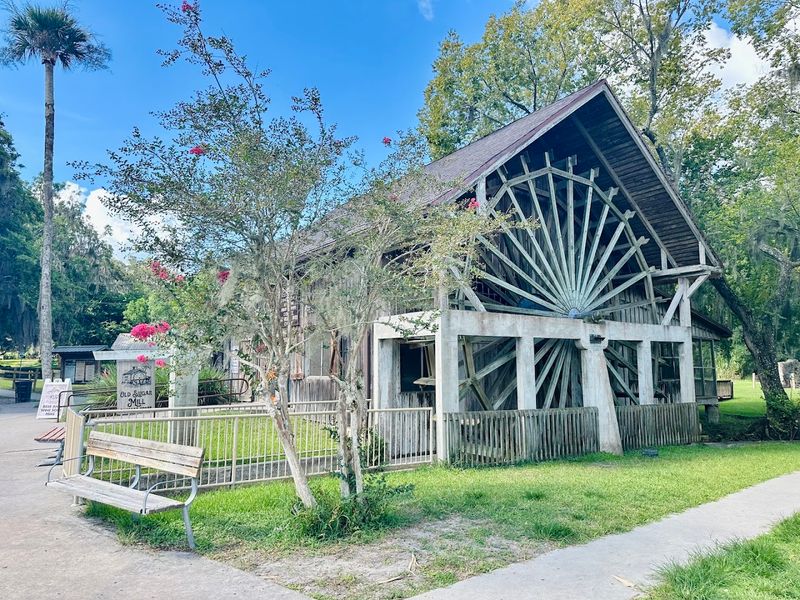
Florida’s agricultural past included sugar production long before citrus groves and theme parks defined the state’s identity. De Leon Springs housed an actual sugar mill where cane was processed into sweetener, contributing to the region’s pre-Civil War economy.
The mill’s location near natural springs made it practical for both production and later recreation. When sugar operations ended, the area became a state park where visitors could swim in crystal-clear spring water.
The old mill site needed a new purpose that would attract park visitors without erasing its agricultural history.
Enter a restaurant concept that turned the sugar connection into interactive dining. The Old Spanish Sugar Mill lets guests cook their own pancakes at built-in griddles at each table, celebrating the site’s sweet past through breakfast foods.
It’s equal parts restaurant and attraction, giving families a memorable experience tied directly to location history.
This transformation shows creativity in adaptive reuse. Rather than opening a generic park concession stand, someone recognized how the mill’s sugar heritage could become part of the dining experience itself, making history tangible through food that customers prepare themselves.
Columbia Restaurant – Tampa
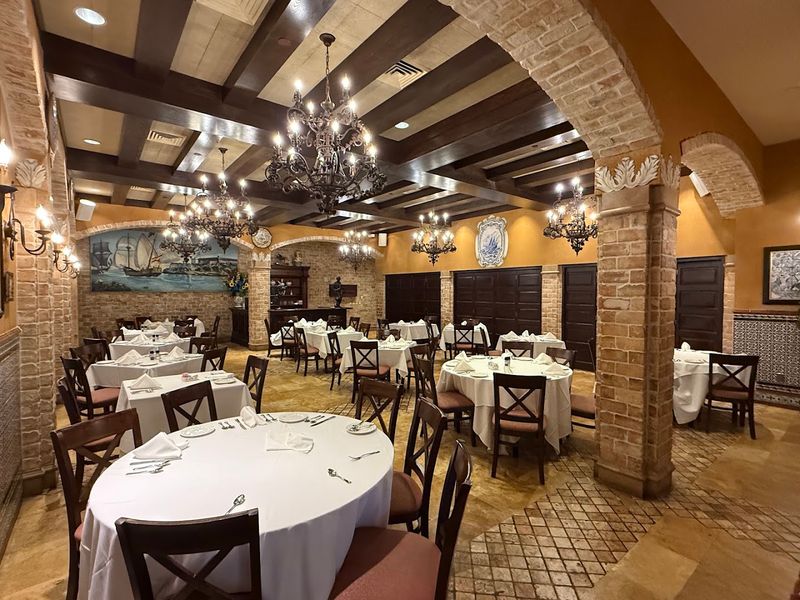
Ybor City thrummed with cigar-making energy in the early 1900s, filled with immigrant workers who shaped Tampa’s economy and culture. Among the factories and boarding houses, a small cafe opened to feed the neighborhood, offering simple meals to laborers and their families.
That cafe was Columbia Restaurant’s beginning, though you wouldn’t recognize it from today’s sprawling operation. What started as a humble spot serving the local community evolved over decades into Florida’s oldest continuously operating restaurant.
The transformation happened gradually as Tampa grew and Ybor City’s fortunes rose and fell.
Columbia’s story differs from other entries on this list because it always involved food and hospitality. But its journey from workers’ cafe to landmark restaurant with multiple locations represents dramatic change nonetheless.
The original building expanded, the menu became more elaborate, and tourists replaced cigar makers as primary customers.
It’s a reminder that adaptive reuse isn’t always about switching from one industry to another. Sometimes it’s about a building evolving within the same general purpose while serving completely different communities and expectations across more than a century.
Queen Miami Beach – Miami Beach
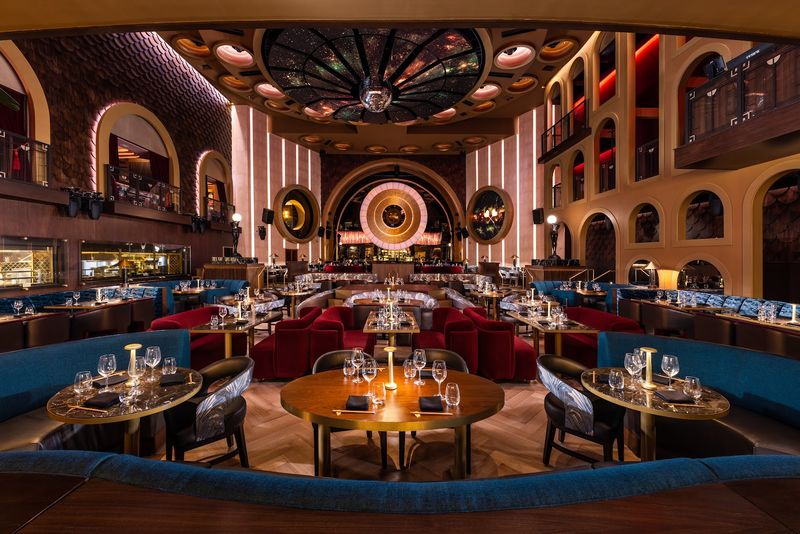
Miami Beach’s Art Deco era produced architectural treasures designed for entertainment and glamour. The Paris Theater opened as a movie palace where audiences gathered under ornate ceilings to watch films on big screens, part of the golden age when going to the movies meant dressing up and making an evening of it.
The theater served Miami Beach through decades of changing entertainment habits and neighborhood evolution. Eventually, like many historic theaters, it faced obsolescence as multiplexes and home video changed how people watched movies.
The grand space needed reimagining to avoid demolition or decay.
Queen Miami Beach preserved the theater’s dramatic bones while creating an entirely different experience. This Japanese restaurant and lounge transformed auditorium space into a luxury dining destination, keeping architectural details that made the building special.
Former moviegoers’ seats gave way to dining tables, but the grandeur remained.
The conversion shows how entertainment venues can shift from one type of experience to another while maintaining their fundamental purpose as places where people gather for memorable evenings. The Paris Theater still creates atmosphere and drama, just through cuisine and design rather than Hollywood films.