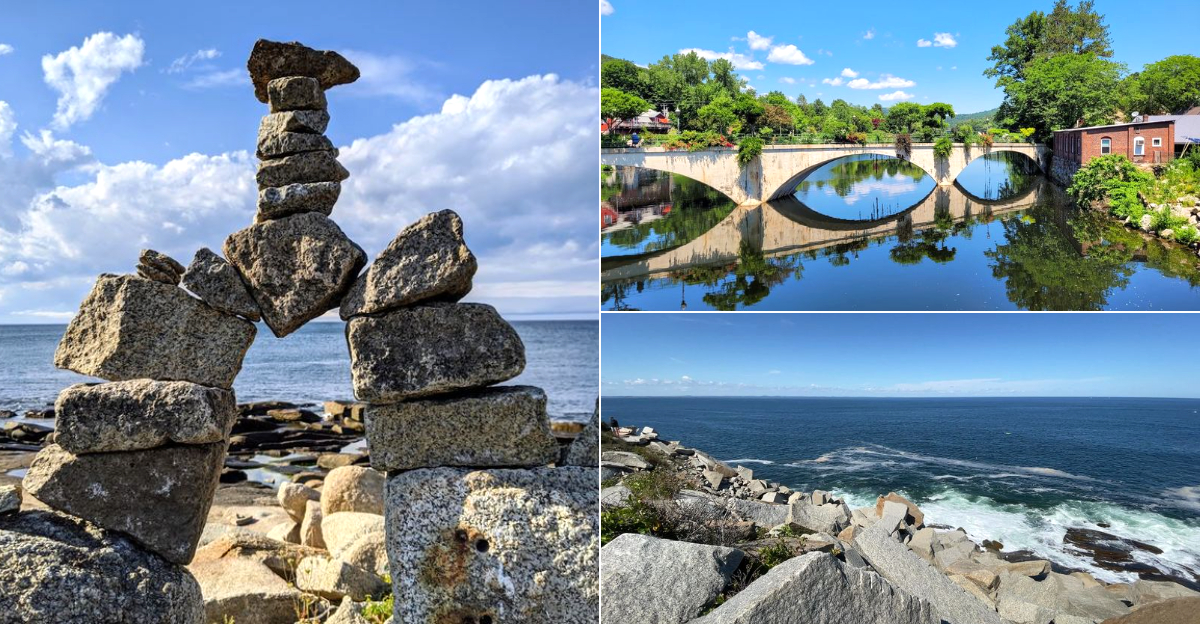
Massachusetts packs more layers of beauty into a relatively small footprint than most states twice its size, and the best of it tends to appear when you least expect it.
A waterfall drops eighty feet through a narrow Berkshire gorge; a reservoir shimmers beneath clouds with no road or building in sight; a flower-draped stone bridge transforms a small river crossing into something out of a storybook.
From the rocky coastline of Cape Ann to the quiet hills of the Pioneer Valley, Massachusetts offers a remarkable variety of landscapes within a state people often picture only as urban and historical.
Many of these locations are accessible year-round, though they each have a season when the light and conditions align into something genuinely extraordinary.
These eleven places prove that Massachusetts has always had more to offer than history books alone.
1. Bash Bish Falls – Mount Washington, Berkshire County
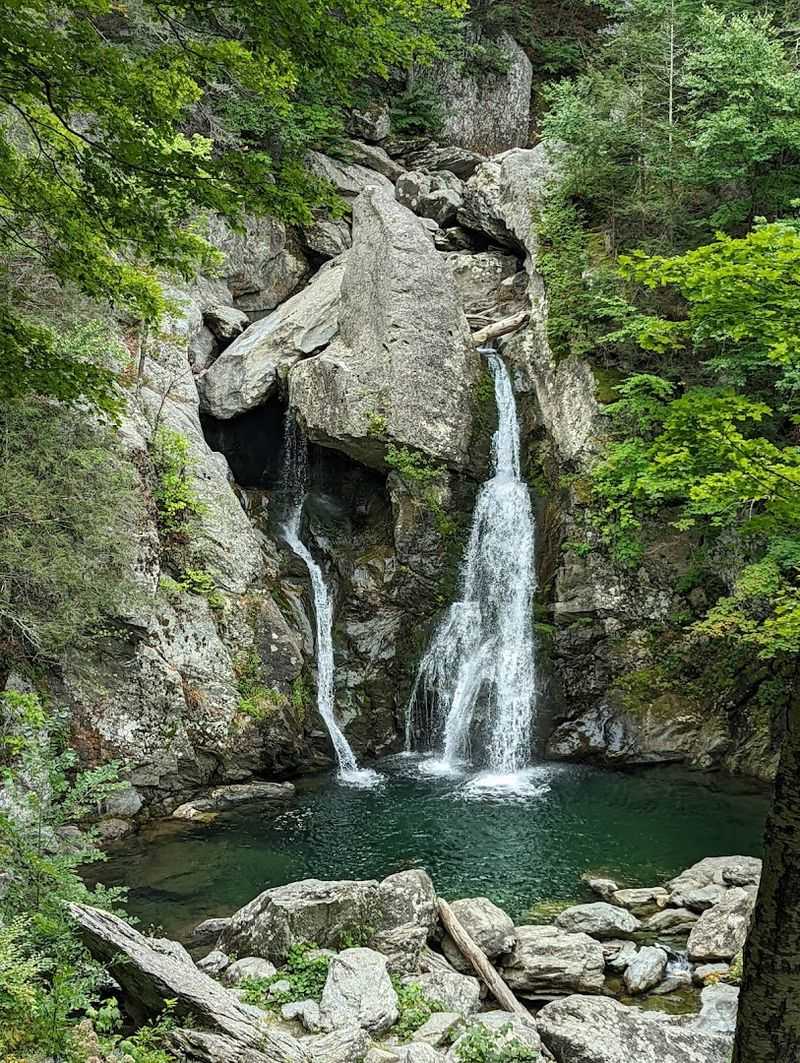
Before you even see the water, you hear it working through the gorge, pulling you forward with a low, steady thunder.
The approach feels cinematic, especially when damp leaves darken the trail and every rock catches a silver shine.
Then Bash Bish Falls in Mount Washington reveals itself, dropping in a powerful split cascade that looks spectacular through a carefully framed lens.
For photos, I would arrive early, when softer light reaches the ravine and the popular overlook feels less crowded.
A vertical composition emphasizes the height and force of the waterfall, while a wider shot lets the surrounding boulders tell the story.
If you can safely steady your camera, slower shutter speeds turn the falling water into silky ribbons without losing the dark texture around it.
This is the highest single-drop waterfall in Massachusetts, and that scale matters once you begin composing your shot.
The ravine, wet stone, and dense canopy add contrast that keeps images from feeling flat.
On overcast days especially, colors deepen beautifully, making every frame from Bash Bish Falls feel moody, layered, and unmistakably Berkshires.
2. Quabbin Reservoir – Belchertown and surrounding towns, Hampshire County
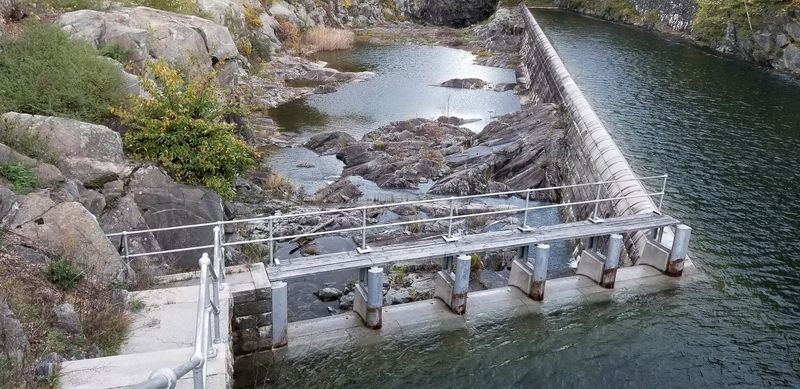
Stillness is the first thing that stands out here, the kind that makes you lower your voice without thinking.
Long roads, wooded edges, and broad water create a sense of distance that photographs beautifully in every season.
At Quabbin Reservoir near Belchertown, that scale becomes the main subject, especially when mist or evening light softens the horizon.
Built in the 1930s to supply drinking water to Greater Boston, Quabbin carries a powerful human story beneath its serene surface.
Several towns were disincorporated for its creation, and knowing that history adds emotional depth to quiet landscape images.
When you photograph from lookouts like Enfield or Winsor Dam, you are capturing both wilderness and one of Massachusetts’ most consequential engineering projects.
I would bring a telephoto lens here because subtle details matter – distant islands, layered ridgelines, and changing reflections.
Sunrise often delivers the cleanest water color, while autumn gives the surrounding hills a richer frame.
If you wait for a break in the breeze, Quabbin Reservoir can mirror the sky so perfectly that your final image feels less like documentation and more like meditation.
3. Monument Mountain – Great Barrington, Berkshire County
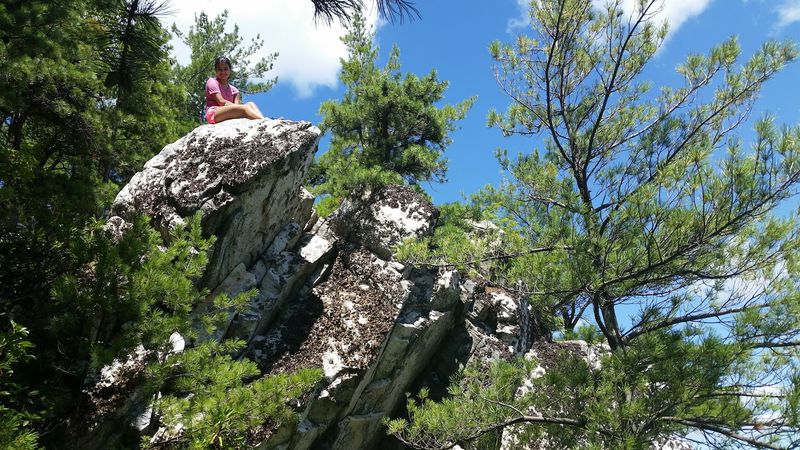
The climb begins with birdsong, tree cover, and the satisfying feeling that a bigger view is waiting just ahead.
As the trail rises, pockets of light break through the forest and tease the Berkshire panorama you are earning.
By the time Monument Mountain near Great Barrington opens up, your camera suddenly has a hundred strong compositions to choose from.
This landmark has inspired visitors for generations, including Nathaniel Hawthorne and Herman Melville, which gives the landscape an added literary aura.
Its quartzite ledges, dramatic drop-offs, and changing elevations make images feel layered instead of static.
From the summit areas, you can frame rolling hills, winding roads, and sky in ways that make even simple shots feel expansive.
I would plan for late afternoon if possible, when angled sunlight defines the rock faces and warms the distant valley.
A wide lens works beautifully here, but tighter crops can isolate cliff textures and small hikers against huge open space.
Because Monument Mountain combines trail atmosphere with a genuinely stirring overlook, it rewards both storytelling shots and classic scenic photography, especially in fall when the Berkshires turn into a patchwork of copper, gold, and red.
4. Walden Pond – Concord, Middlesex County
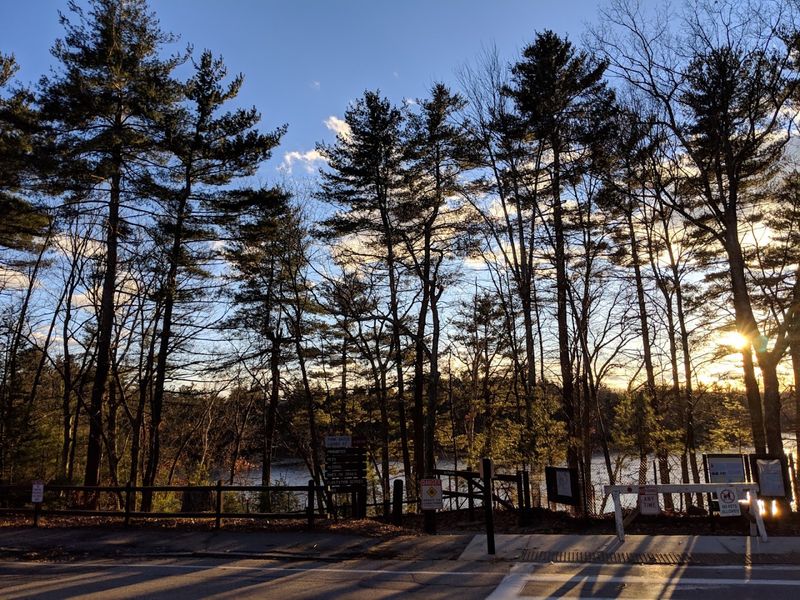
Quiet water and a ring of woods give this place a simplicity that can be harder to photograph than dramatic scenery.
That challenge is exactly what makes it special, because the strongest images here depend on patience, light, and attention.
At Walden Pond in Concord, subtle reflections and thoughtful framing often say more than an obviously grand view ever could.
Best known through Henry David Thoreau, Walden is one of America’s most resonant literary landscapes.
Its protected shoreline, walking paths, and calm surface invite photographs that feel introspective instead of flashy.
You can capture morning mist, mirrored trees, swimmers in summer, or winter stillness that strips the scene down to line and tone.
I would go early, when fewer visitors disturb the water and low light adds softness to the sand and pines.
Try leaving extra space in the frame because emptiness suits this pond and strengthens its reflective mood.
Walden Pond rewards restraint, and that is part of its beauty – when you photograph it carefully, the final image can feel less like a travel shot and more like a visual pause that lingers long after you leave.
5. Halibut Point State Park – Rockport, Essex County
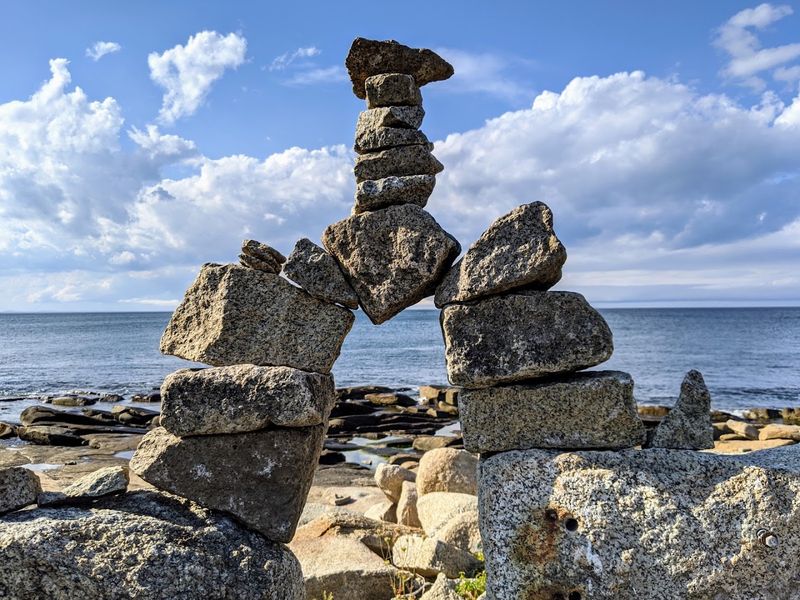
Salt air, granite underfoot, and the sound of waves hitting stone create a coastal mood that feels instantly photogenic.
Every turn offers texture – tide pools, weathered rock, scrubby plants, and clean Atlantic light bouncing off the water.
At Halibut Point State Park in Rockport, the old granite quarry and ocean horizon combine into one of the North Shore’s most rewarding camera subjects.
The site was once actively quarried, and that industrial past still shapes the visual drama of the landscape.
Today, the flooded quarry reflects sky color beautifully, while the surrounding paths lead to wide ocean views toward Maine and New Hampshire on clear days.
That contrast between human history and raw coastline gives your photos extra character.
I would visit close to golden hour, when the granite warms and the sea takes on deeper blues and silvers.
Wide shots emphasize the quarry bowl and shoreline, but close studies of rock cracks, lichens, and surf patterns are equally compelling.
If clouds build offshore, Halibut Point becomes even more magnetic, delivering moody, high-contrast frames that feel unmistakably New England and look striking whether you shoot landscapes, details, or quiet portraits against the sea.
6. World’s End – Hingham, Plymouth County
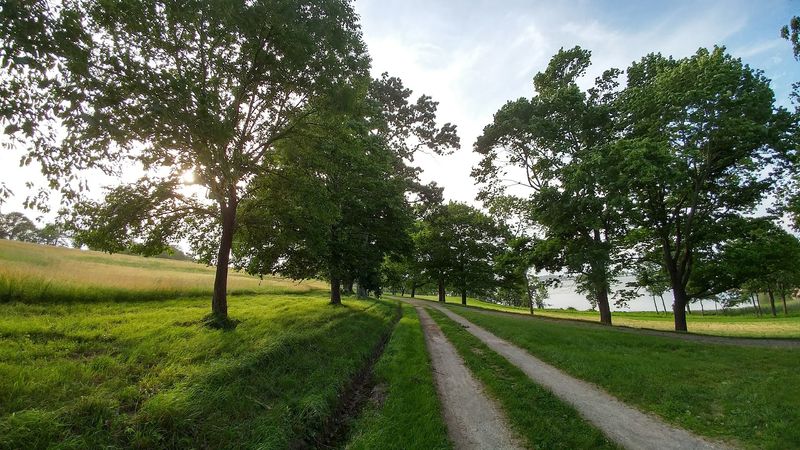
Wind moves differently here, sweeping across open drumlins and harbor edges in a way that makes every view feel in motion.
The paths are broad, the water keeps changing color, and the skyline appears almost unexpectedly in the distance.
At World’s End in Hingham, those layered elements create photographs that feel both pastoral and distinctly coastal Massachusetts.
Designed in part by landscape architect Frederick Law Olmsted, this peninsula blends curated beauty with raw harbor scenery.
The rolling hills, carriage paths, rocky shorelines, and views toward Boston Harbor Islands make composition surprisingly varied for one preserve.
You can frame wild grasses in the foreground, blue water in the middle, and distant city hints beyond.
I would bring a wide lens and give yourself time to walk, because the strongest angles often appear between the obvious overlooks.
Late afternoon light adds shape to the hills, while cloudy weather can make the harbor look more dramatic and dimensional.
Because World’s End shifts so gracefully between meadow, shoreline, and skyline, it is ideal for photographers who want one place to deliver softness, scale, and a sense of escape without going far from Boston.
7. Bridge of Flowers – Shelburne Falls, Franklin County
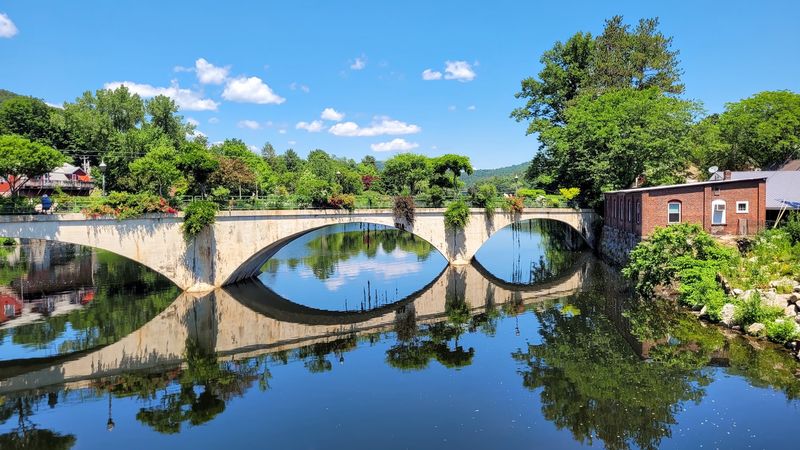
Color takes over quickly here, with flowers spilling across railings and pathways in a way that almost feels theatrical.
The experience is intimate rather than vast, inviting you to slow down and notice petals, textures, and shifting garden patterns.
At the Bridge of Flowers in Shelburne Falls, even a short walk can fill your camera roll with bright, layered compositions.
This former trolley bridge was transformed into a public garden in 1929, giving it one of the most charming adaptive reuses in Massachusetts.
Seasonal planting keeps the visuals changing, from spring freshness to midsummer abundance and early autumn richness.
The Deerfield River below and village details nearby add context when you want more than close floral studies.
I would shoot both wide and tight here – wide to show the bridge’s unusual identity, tight to isolate blooms against weathered structure.
Morning light tends to be gentler, and fewer visitors make it easier to capture uninterrupted lines of flowers.
Because the Bridge of Flowers combines history, horticulture, and small-town atmosphere, your final images can feel cheerful without becoming generic, especially when you look beyond the obvious blossoms and include railings, river views, and changing seasonal color in the frame.
8. Cape Ann Scenic Byway – Gloucester and Rockport, Essex County
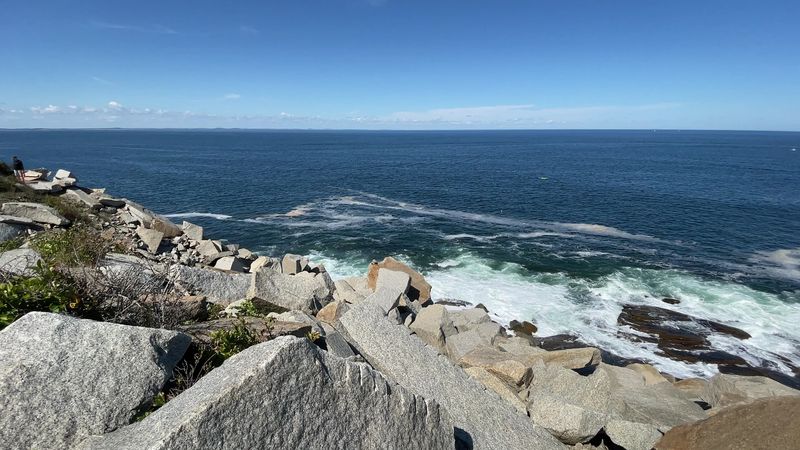
Sometimes the best photo destination is not a single stop but a sequence of views that keeps changing around every bend.
Fishing docks, granite shorelines, village streets, beaches, and open Atlantic all arrive in quick succession along this route.
Driving the Cape Ann Scenic Byway through Gloucester and Rockport gives you a flexible, image-rich experience that rewards curiosity and frequent pull-offs.
The byway links some of the North Shore’s most iconic scenery, including working waterfronts, artist-friendly streetscapes, and dramatic coastal lookouts.
That variety matters because your shots can move from maritime detail to sweeping seascape within minutes.
Motifs like lobster traps, church steeples, stormy surf, and weathered clapboards create visual shorthand for classic coastal New England.
I would not rush this drive, especially if the light is changing, because the best scenes often emerge unexpectedly.
Early morning can make harbors glow softly, while late day can fire up beaches and granite ledges.
This suits photographers who want range – documentary moments, scenic drama, and those small roadside discoveries that end up becoming the most personal frames of the day.
9. Greylock Glen – Adams, Berkshire County
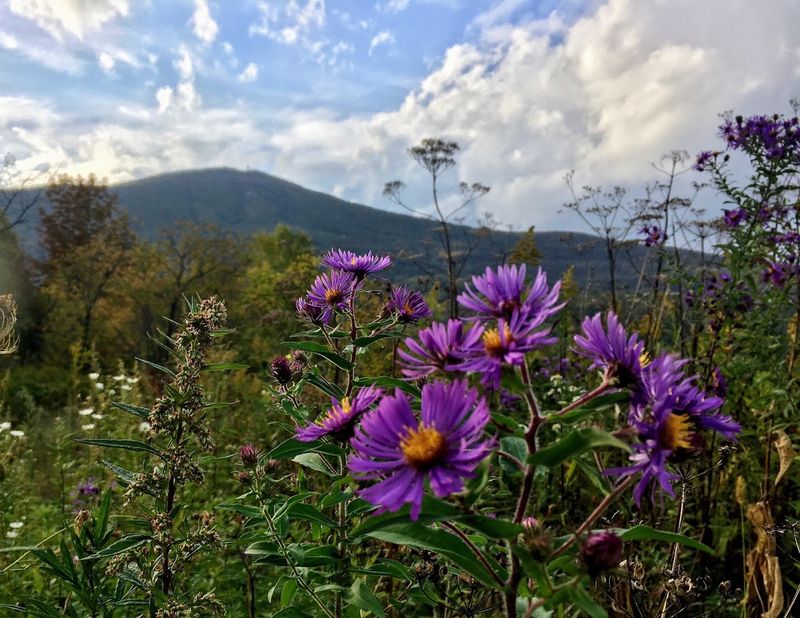
Open meadow light has a different personality from summit light, and you feel that difference immediately in this broad mountain landscape.
Instead of dramatic cliffs, you get breathing room – fields, trails, forest edges, and the rising presence of Mount Greylock nearby.
At Greylock Glen in Adams, that spaciousness makes photography feel calm, flexible, and deeply tied to the changing seasons.
The glen sits on the lower slopes of the state’s highest mountain, but its character is gentler and more accessible than the summit roads above.
Meadows of wildflowers, wetlands, and wooded backdrops create strong foreground opportunities for landscape composition.
It is also a smart place to capture mountain scale without losing the human texture of paths and open land.
I would come near sunrise or sunset, when low light brushes the grasses and gives Mount Greylock more shape.
A moderate telephoto can compress the mountain behind the meadow beautifully, while a wide lens highlights open sky and trail lines.
Greylock Glen balances intimacy with grandeur, so it is ideal if you want Berkshire images that feel less expected than summit overlooks and more rooted in the quiet rhythm of land, weather, and distance.
10. Doane Rock – Eastham, Barnstable County
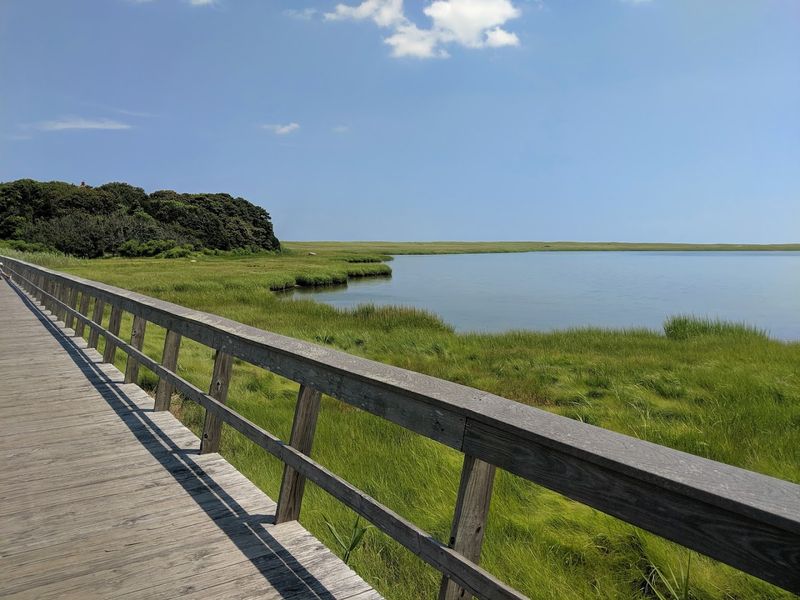
Not every memorable photograph depends on elevation or sweeping water views – sometimes a single object carries the whole scene.
In the middle of a piney Cape landscape, scale and texture do that work beautifully here.
Doane Rock in Eastham rises as one of the largest exposed glacial erratics on Cape Cod, and it photographs with surprising drama.
Estimated to weigh many tons, this boulder was left behind by retreating glaciers thousands of years ago.
That geological story gives the site more depth than its modest trail setting first suggests.
The surrounding woods provide contrast, while the rock’s rough face, lichen patterns, and sheer size invite compositions that emphasize detail or perspective.
I would experiment with people in the frame, because a human figure instantly communicates the scale that still photos can flatten.
Dappled morning light often works well, but overcast skies can reveal the rock’s textures more evenly.
Doane Rock is part of Cape Cod National Seashore, so it also pairs nicely with nearby dune and beach photography, giving you a very different kind of landmark image – quieter, earthier, and rooted in the ancient forces that shaped the Cape itself.
11. Province Lands Visitor Center Overlook – Provincetown, Barnstable County
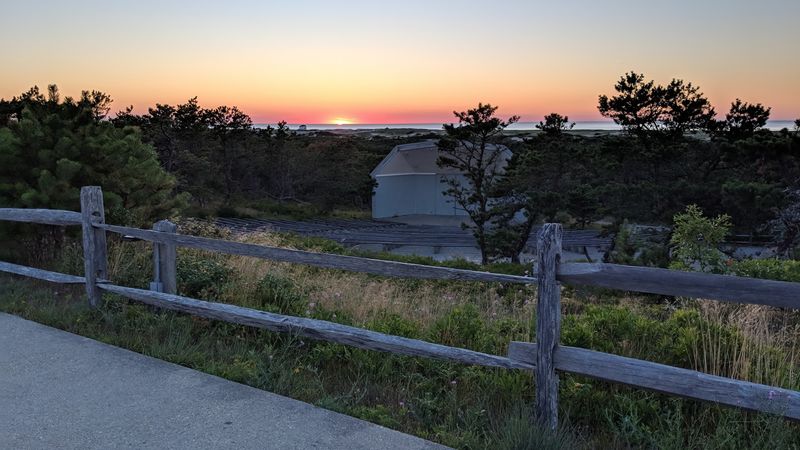
Few places on Cape Cod make you feel the power of wind-shaped land as instantly as this one does.
Sand rolls outward in pale waves, the ocean flashes beyond, and the whole scene seems to shift with every cloud.
From the Province Lands Visitor Center Overlook in Provincetown, you can photograph one of Massachusetts’ most extraordinary dune landscapes with almost cinematic scale.
These dunes are part of the Cape Cod National Seashore and represent a rare, dynamic environment formed by centuries of wind and tide.
The overlook gives you easy access to a high vantage, which is invaluable for showing the sweep of the terrain.
Boardwalk lines, patches of scrub, distant water, and changing shadows all help organize a frame that might otherwise feel overwhelmingly vast.
I would go when light is low, especially late afternoon, because the dunes gain shape and subtle color instead of washing out.
A polarizing filter can help with glare, but composition matters even more than gear here.
Province Lands Overlook is both accessible and visually uncommon, so it is one of those places where your camera can capture something Massachusetts visitors do not always expect – a landscape that feels almost desert-like, yet unmistakably Atlantic.