Some recipes refuse to disappear. They survive in handwritten notes, family kitchens, and bakery cases where the same cakes, breads, and pastries have been made for generations.
Across New York, German and German-rooted bakeries continue that tradition by keeping old-world flavors alive. From rich slices of kuchen and delicate holiday cookies to hearty rye breads and carefully crafted pastries, these bakeries offer more than something sweet — they offer a connection to the immigrant communities that helped shape the state’s food culture.
Each stop tells a story through familiar aromas, traditional techniques, and recipes passed from one baker to the next. For travelers who appreciate history served alongside their dessert, these destinations are worth the detour.
Discover these 8 German bakeries in New York where family recipes, craftsmanship, and tradition still have a place.
Rudy’s Bakery and Cafe
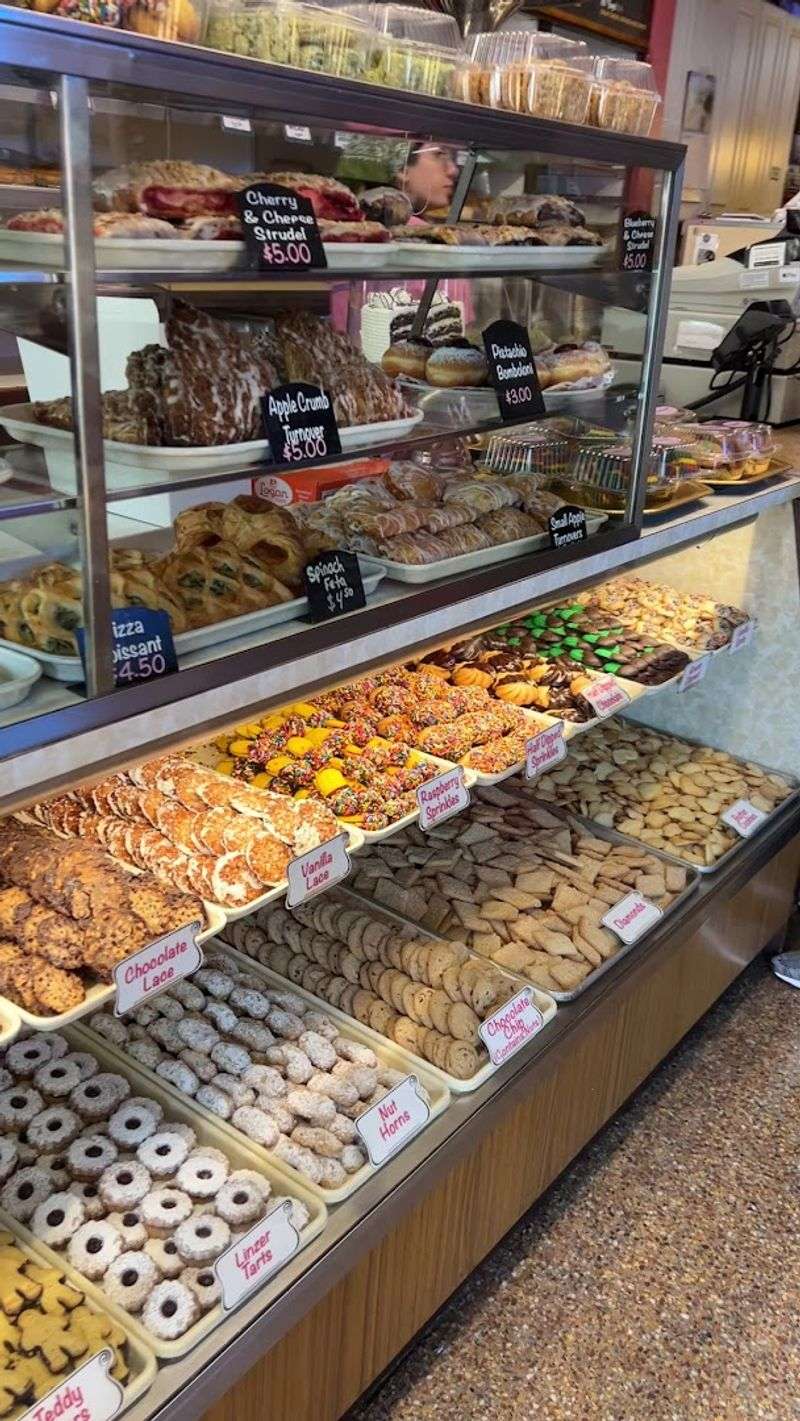
The first thing you notice is the comforting quiet, the kind that settles over a room where the recipes already know what they are doing. Trays of butter cookies, fruit tarts, and cream-filled cakes glow behind the glass, and the whole place feels untouched by hurry.
You come in for a pastry, then start eyeing a second box before you even reach the counter.
That feeling is part of why Rudy’s Bakery and Cafe in Ridgewood has stayed beloved for generations. Opened in 1934, it still carries the reassuring spirit of a German-American neighborhood bakery, with old-world cakes and pastries that feel built for birthdays, Sundays, and long family tables.
The black forest cake and crumbly cookies are especially easy to remember later.
New York offers endless desserts, but few feel this rooted. Here, sweetness comes with continuity, and that is what makes the stop linger with you.
Holtermann’s Bakery
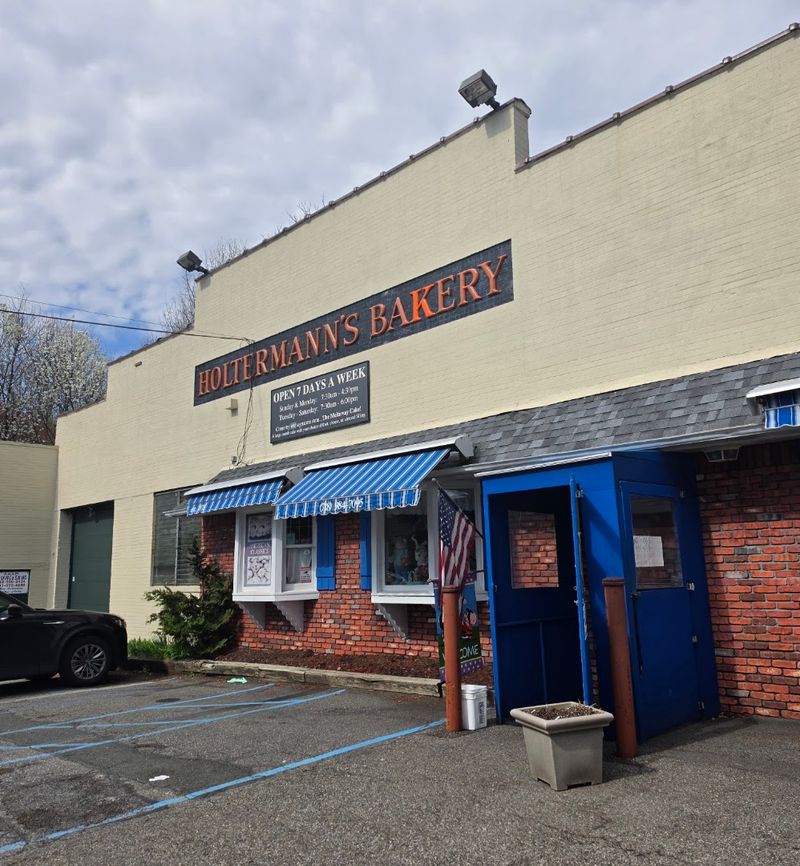
Some places make you slow down before you have even ordered. Maybe it is the old storefront rhythm, maybe it is the sight of cakes lined up with total confidence, but the room carries the calm of a bakery that has seen generations walk through the same door.
The air feels sweet in a way that suggests routine rather than spectacle.
That mood fits Holtermann’s Bakery on Staten Island, which traces its roots back to 1878, when German immigrant Johann Holtermann began the family business. It is one of New York’s oldest surviving family bakeries, and that history lands softly when you see the decorated layer cakes, pastries, and old-school baked goods still central to the counter.
Even the simplest cookie feels connected to a longer story.
You do not visit only for nostalgia. You go because history here is still edible, and that makes every bite feel unusually personal.
Deising’s Bakery
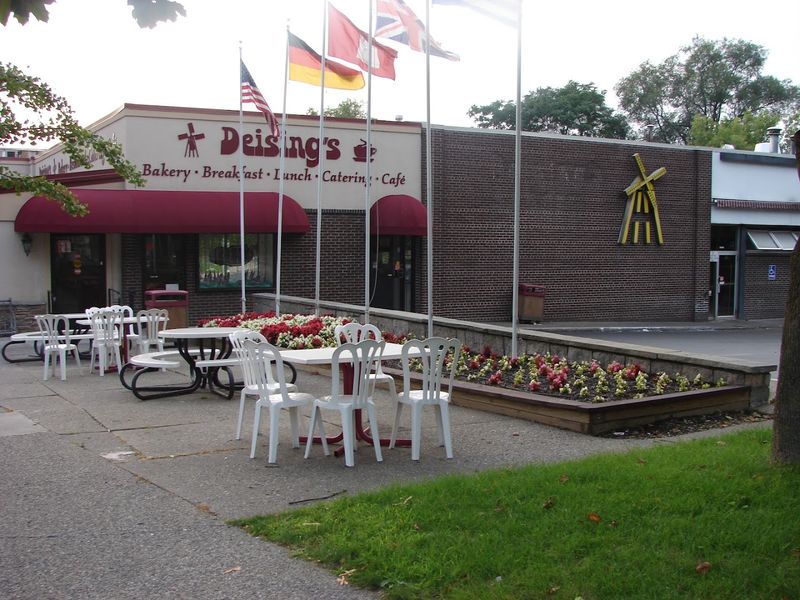
There is a particular pleasure in finding serious pastry in a town where the pace feels gentler and the streets invite wandering. You step inside, and suddenly the day shifts toward coffee, cake, and a little lingering.
Frosted tortes, seeded breads, and polished pastry cases make it clear this is not an afterthought stop.
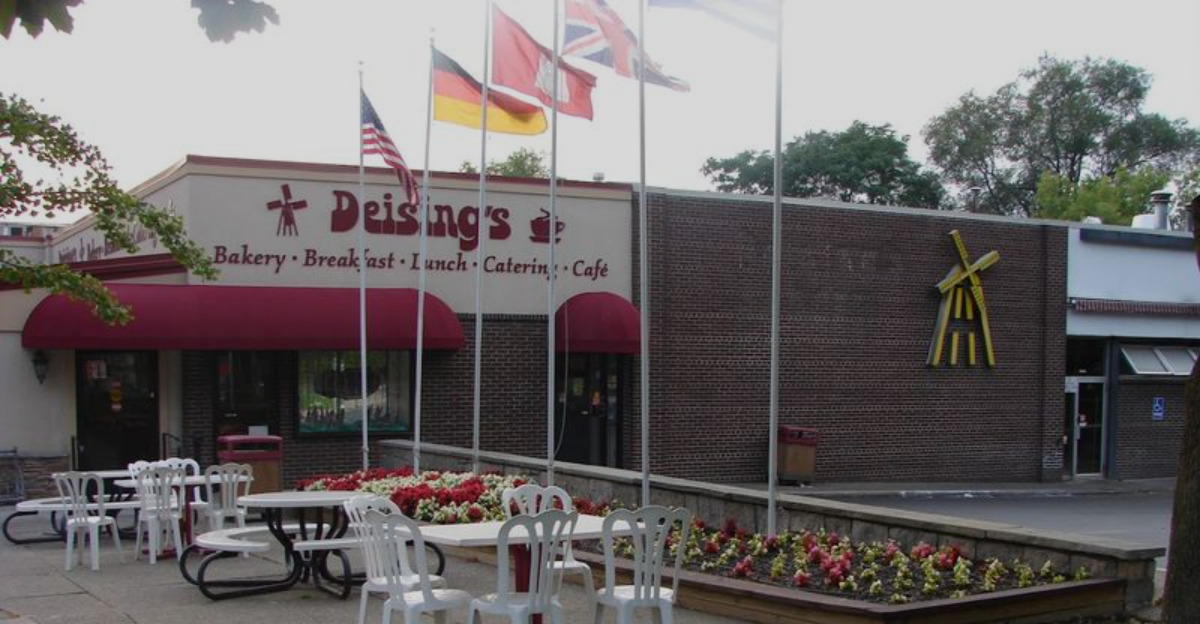
In Kingston, Deising’s Bakery carries German family heritage into the Hudson Valley with an ease that feels lived in rather than staged. The bakery is known for European-style cakes, breads, and pastries, and locals treat it like part of the landscape, not a novelty.
A slice of layered cake or a loaf to take on the road fits naturally into an afternoon of browsing antique shops and river town streets.
That is what makes it worth the detour from New York City. The experience feels regional, rooted, and satisfyingly unflashy in the best possible way.
Harrison Bakery
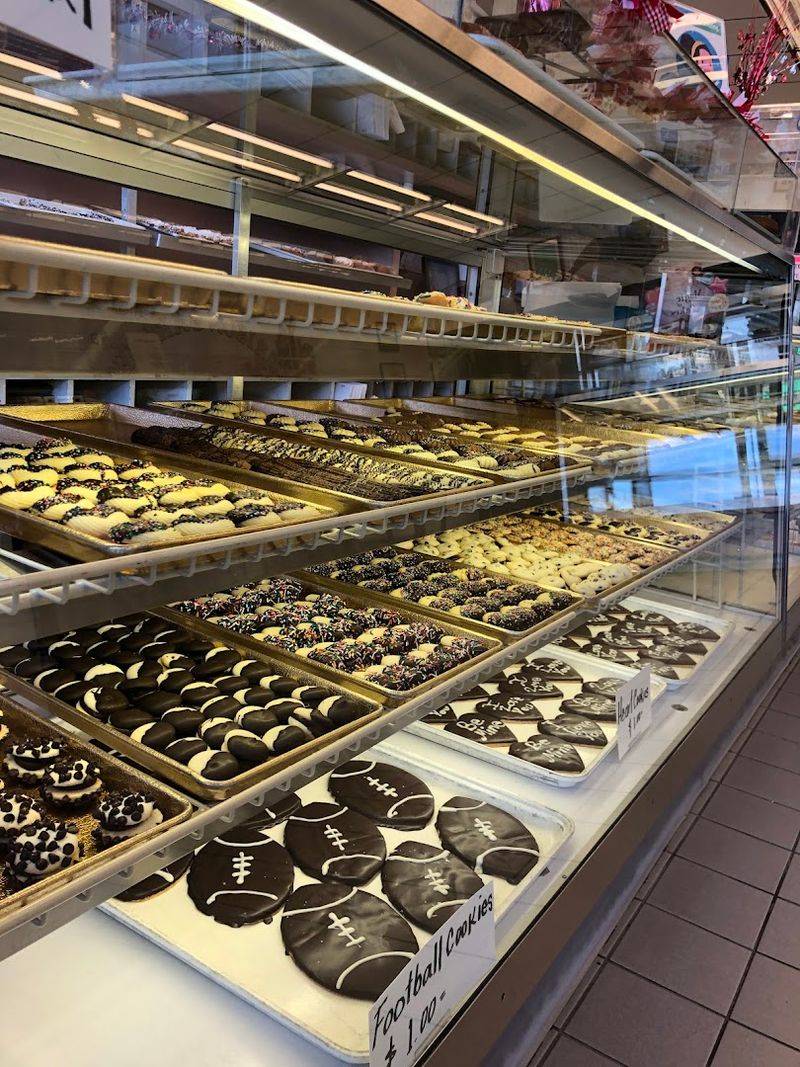
The charm here comes quietly. Nothing announces itself too loudly, yet the display case has the confidence of a place that understands birthdays, holidays, and ordinary mornings equally well.
You look around and get the feeling that half the room has been coming here for years, maybe decades.
That continuity is tied to Harrison Bakery, founded by German immigrant Arthur Rothfeld and long associated with traditional European baking in Westchester. The pastries and cakes feel connected to a practical kind of craftsmanship, where quality matters more than reinvention.
It is easy to picture someone arriving for a special-occasion cake and leaving with extra cookies because the old habits of good bakeries still apply here.
Travel is not always about dramatic discoveries. Sometimes it is about finding a place where immigrant baking traditions settled into suburban life and never really lost their flavor or purpose.
Orwashers Bakery
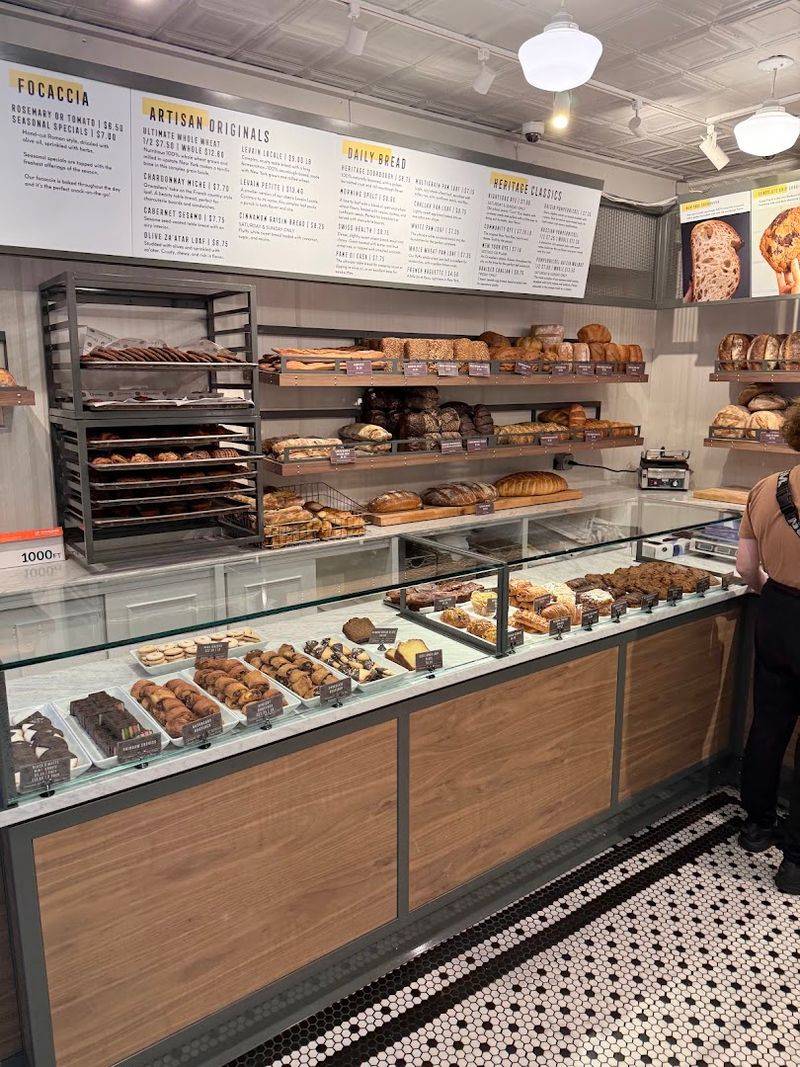
Sometimes a loaf of bread tells the neighborhood story better than any plaque can. Dense rye, black bread, and flour-dusted crusts carry a seriousness that feels older than trend cycles, and the smell inside is more savory than sweet.
It is the kind of place where you start imagining soup, butter, and a long walk home.
Orwashers Bakery was founded by a Hungarian immigrant family, not a German one, but its place in Yorkville ties it closely to Manhattan’s German and Central European baking traditions. In a neighborhood once rich with German clubs, sausage shops, and beer halls, breads like rye and black bread still echo that older culinary landscape.
A stop here connects you to that layered history without forcing the point.
That is why it belongs on this route. Not every legacy is literal, and Orwashers shows how immigrant food cultures overlap, mingle, and still shape the city one loaf at a time.
Fränzel Food
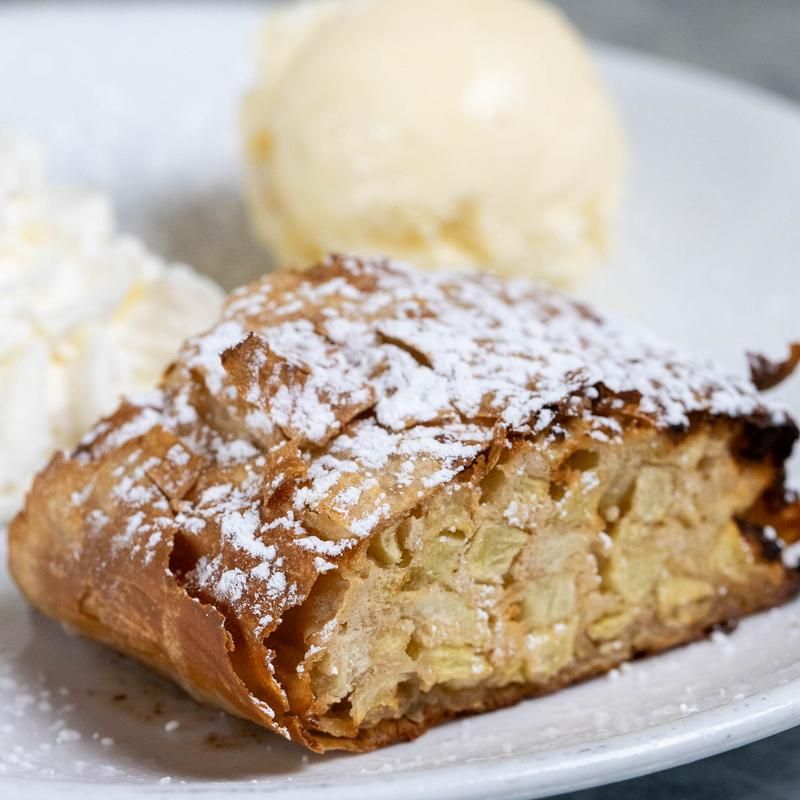
The pleasure here is a little different from the polished bakery experience. You walk in and get the sense that everyday German food culture is still alive in small, practical details: shelves of imports, a deli rhythm, bread within reach, and the promise of something salty or yeasty for the ride home.
It feels useful in the most appealing way.
Fränzel Food in Queens is more of a German food shop than a classic pastry house, but that is exactly why it earns a place on this list. Alongside prepared foods and groceries, you can find German breads, pretzels, and baked specialties that connect directly to daily life rather than special occasions only.
The appeal is not theatrical. It is about access to familiar textures, flavors, and routines.
For travelers, that makes the stop unusually revealing. You leave with more than a snack, because the place offers a glimpse of how baking traditions actually live within a community.
Schaller & Weber
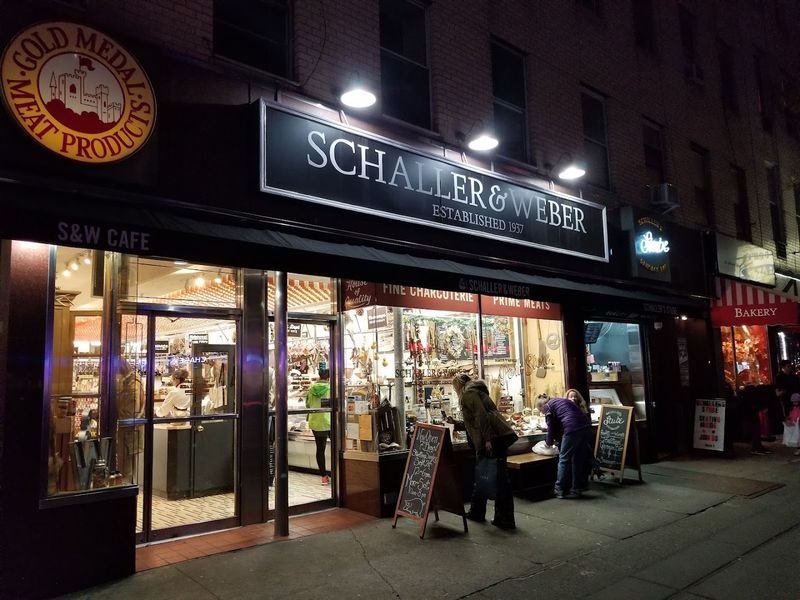
At first glance, the draw might seem savory rather than sweet. The counters, the old-world feel, and the sense of inherited appetite all point toward a broader food tradition, one where bread belongs beside sausage, mustard, and conversation.
Then you realize that is precisely what makes the place interesting.
Schaller & Weber on the Upper East Side is best known as a historic German market, not a bakery proper, yet it remains deeply tied to the city’s German culinary legacy. In Yorkville, where traces of German New York still linger, the shop offers breads and baked specialties that make more sense in context than in isolation.
Pick up a roll, something dark and hearty, or a treat to go, and the neighborhood’s past becomes easier to imagine.
Including it on this route broadens the story in a useful way. Baking traditions rarely live alone, and here they sit exactly where they belong – inside a fuller immigrant food culture.
Cafe Sabarsky
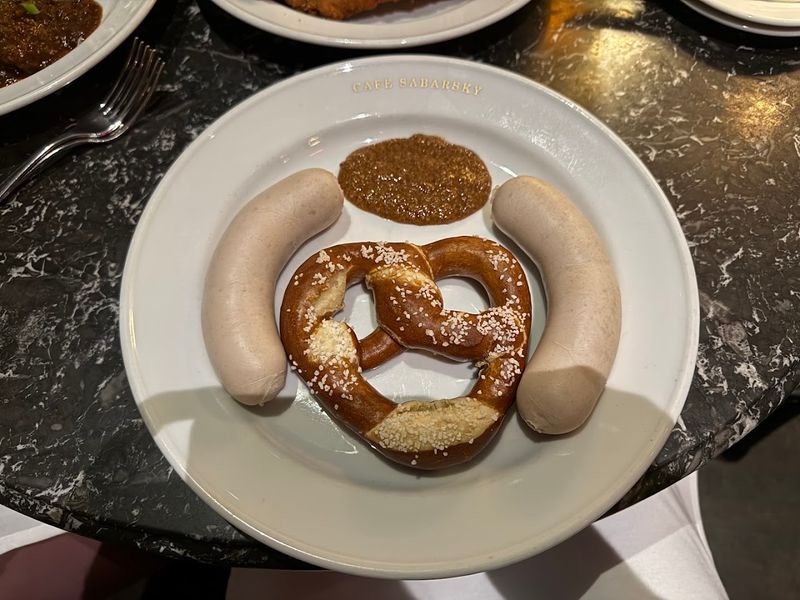
Not every stop on a bakery trail comes with museum hush and polished silver. Here, the pleasure begins with atmosphere: marble, dark wood, the soft clink of cups, and pastry that looks as if it belongs in a frame.
It is impossible not to sit a little straighter once dessert arrives.
Cafe Sabarsky on the Upper East Side is Austrian rather than German, but it fits this list because New York’s German-speaking food traditions have always crossed borders. The cafe’s Central European cakes, tortes, and pastries extend the same old-world sensibility found in German baking, especially in a neighborhood historically linked to German immigrant life.
A slice of sachertorte or apple strudel after time in the Neue Galerie makes the whole afternoon feel unusually coherent.
This final stop works because it adds elegance without losing the thread. Family recipes evolve, migrate, and mingle, and sometimes they end up in places this beautiful.