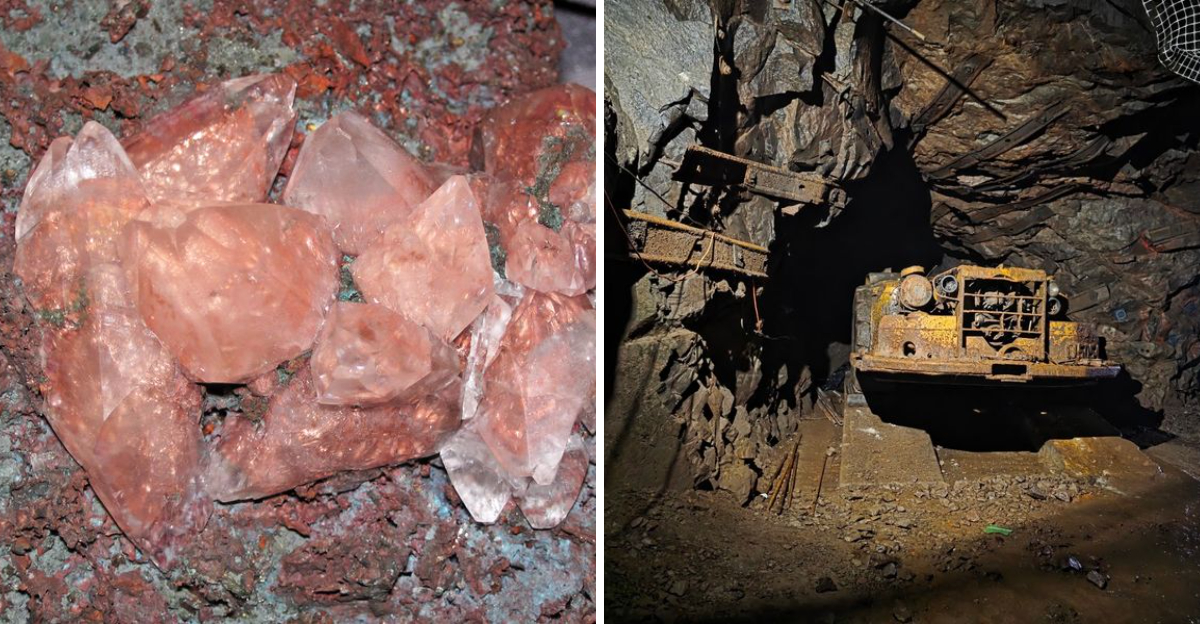
Michigan hides a jaw-dropping adventure far below the surface.
Most people admire the Upper Peninsula’s forests and rocky shorelines. Few realize that one of its greatest attractions lies deep underground, where cool tunnels and glittering copper tell the story of a mining boom that helped shape the nation.
At Quincy Mine near Hancock, you’ll travel hundreds of feet beneath the earth, stepping into passages where miners once spent long days searching for one of the world’s richest copper deposits. Along the way, you’ll spot native copper still embedded in the rock and hear stories that make every chamber feel alive.
This is far more than a history lesson. It’s a chance to stand inside a real copper mine, marvel at massive engineering feats, and experience a side of Michigan that most visitors never see.
Once you’ve gone below the surface, you’ll never look at the Upper Peninsula the same way again.
Meet Quincy Mine, Michigan’s “Old Reliable”
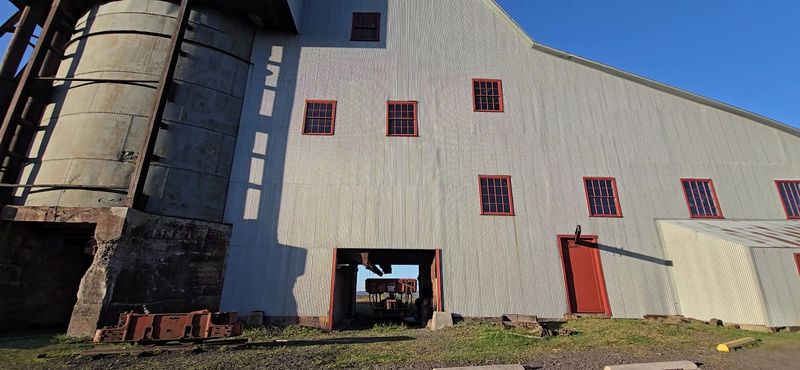
Nestled near Hancock in Michigan’s stunning Keweenaw Peninsula, Quincy Mine earned its legendary status through decades of profitable operation. Between the 1860s and 1945, this remarkable copper mine paid dividends to investors for more than 50 consecutive years, earning the beloved nickname “Old Reliable” throughout the mining world.
Today, the mine stands as both a National Historic Landmark and an official Heritage Site of Keweenaw National Historical Park. Thousands of visitors each year walk through the same tunnels where generations of miners once extracted copper that helped power America’s industrial growth.
The mine’s success story reflects the golden age of Michigan’s Copper Country, when this remote peninsula became one of the world’s most important copper-producing regions. Preservation efforts have transformed the site into an educational destination where history comes alive underground.
From original mining equipment to authentic work areas, everything tells the story of the hardworking people who made this mine truly reliable for generations.
Start Your Adventure at the Historic Hoist House
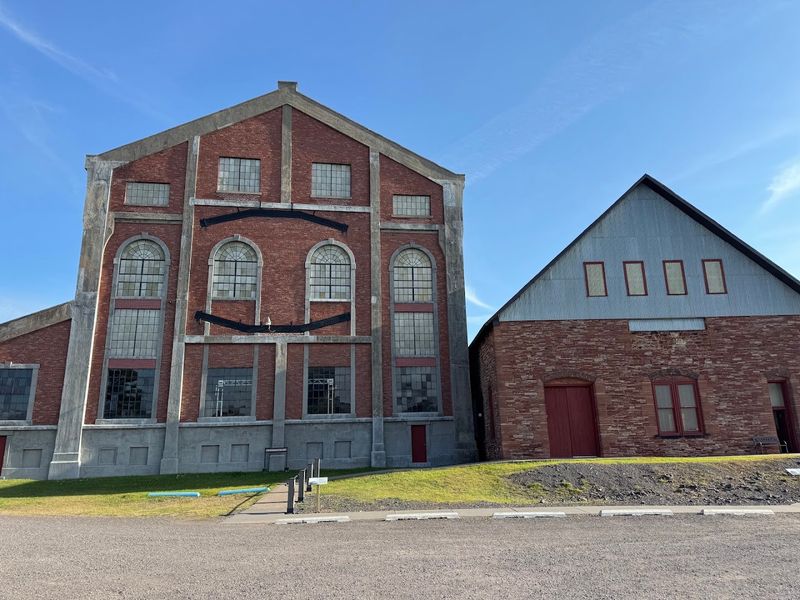
Your journey begins inside an impressive building that towers over the mining complex. The 1918 Hoist House serves as command central for every full tour, where visitors gather to learn about the incredible engineering that made deep mining possible.
Inside this massive structure stands the Nordberg steam hoist, which holds the record as the largest steam-powered hoist ever built in history. This mechanical giant once lowered miners thousands of feet below the surface and hauled up tons of copper ore every single day.
Its enormous drums, cables, and steam engines demonstrate the power needed to operate a world-class mine.
Knowledgeable guides explain how this complex machinery worked and share fascinating stories about the skilled engineers who operated it. You’ll understand why Quincy Mine became famous for its technological innovations and safety record.
The Hoist House experience sets the perfect foundation for everything you’ll discover underground, showing how human ingenuity conquered the challenges of extracting copper from deep within the earth.
Ride the Famous Cog-Rail Tram Down Quincy Hill
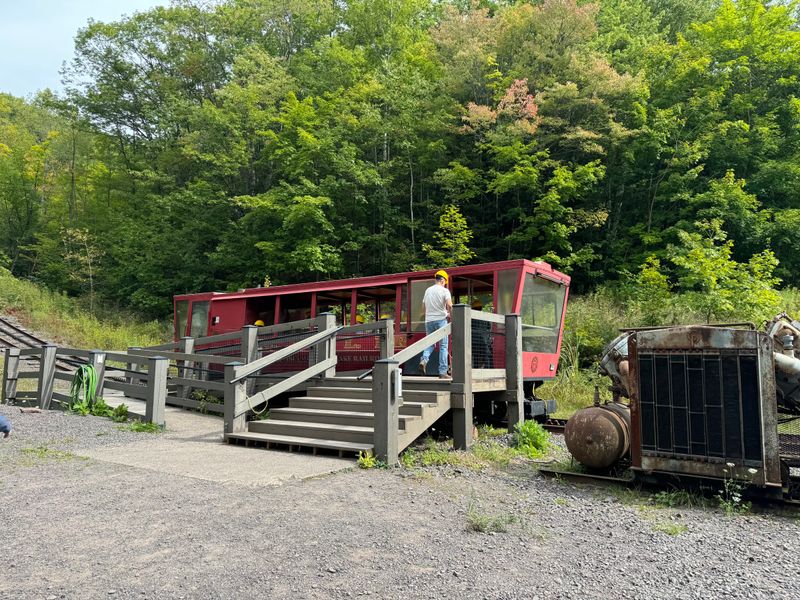
Before descending into darkness, you’ll experience one of Michigan’s most thrilling scenic rides. The Quincy Cog Tram grips special rails as it carries passengers down the steep hillside, offering breathtaking views that make cameras click constantly.
As the tram glides downward, passengers enjoy panoramic vistas of Hancock, Houghton, and the famous Portage Lake Lift Bridge stretching across the shimmering water below. These towns once bustled with copper miners and their families, creating a vibrant community powered by the mining industry.
The perspective from the tram helps visitors understand the scale of mining operations that dominated this landscape.
The ride ends at the East Adit entrance, where underground adventure awaits. Many visitors say this short journey ranks among their favorite parts of the entire experience.
The combination of engineering marvel and natural beauty creates an unforgettable transition from the modern world above to the historic tunnels below. Even guests nervous about enclosed spaces appreciate this gradual, scenic approach to underground exploration.
Walk Through the 2,000-Foot East Adit
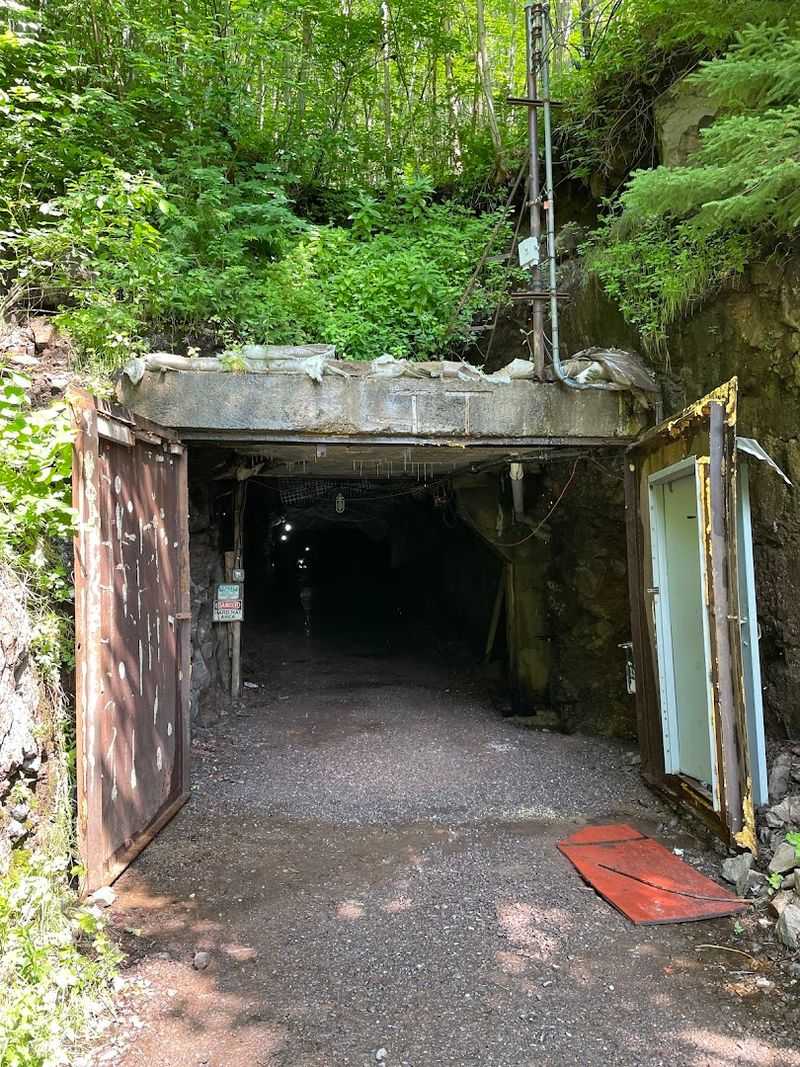
Instead of riding elevators like modern miners, you’ll enter through a horizontal tunnel carved into the hillside. The East Adit stretches nearly 2,000 feet into the mountain, built in 1895 to provide easier access to underground mining areas without using vertical shafts.
Walking through this cool, damp passage feels like stepping back in time. The temperature drops immediately to about 43 degrees Fahrenheit, making jackets essential even on hot summer days.
Original timber supports still hold up portions of the ceiling, and the sound of dripping water echoes through the darkness.
This authentic entrance connects directly to mine workings from the 1860s, giving visitors a realistic sense of what miners experienced daily. Unlike polished museum displays, the East Adit remains rough and unfinished, with natural rock walls showing drill marks from hand tools.
The journey inward builds anticipation as artificial lighting gradually reveals the underground world ahead. By the time you reach the main chambers, you truly understand the immense effort required to create these passages.
See Native Copper Still Embedded in the Rock
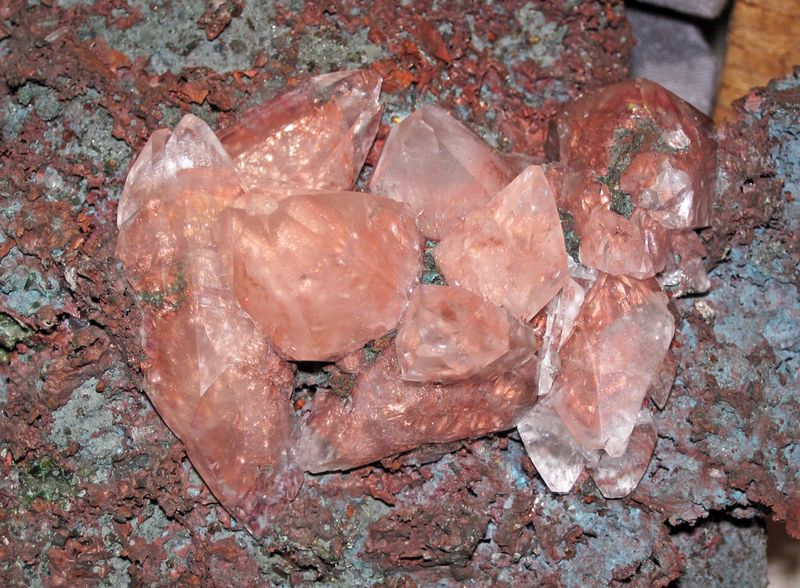
Most museum exhibits show polished copper samples behind glass cases, but Quincy Mine offers something far more impressive. Real native copper remains locked inside the surrounding rock walls exactly where nature placed it millions of years ago and where miners discovered it over a century past.
These metallic deposits shimmer under artificial lights, revealing why the Keweenaw Peninsula became so valuable. Unlike copper ore found elsewhere that requires extensive processing, native copper appears in relatively pure form, making extraction more efficient and profitable.
Visitors often reach out to touch the cool metal embedded in stone, connecting physically with geological history.
Guides explain how ancient volcanic activity created these unusual copper deposits found almost nowhere else on Earth. The combination of specific geological conditions made Michigan’s Copper Country unique among mining regions worldwide.
Seeing copper in its natural state helps visitors understand why miners worked so hard under difficult conditions. This tangible connection to the earth’s mineral wealth makes the underground tour genuinely educational and memorable.
Experience What Life Was Like for 19th-Century Miners
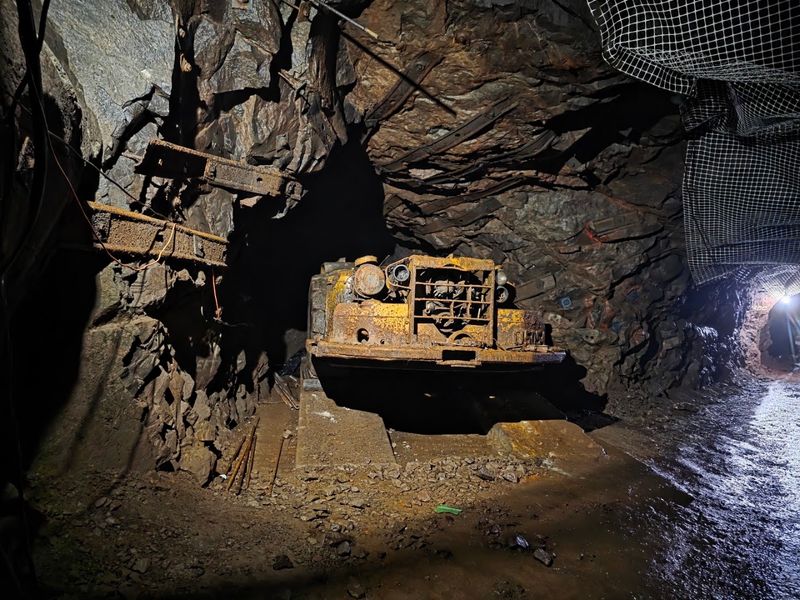
Walking through active work areas brings mining history to life in powerful ways. Original drill marks scar the rock walls, showing exactly where miners positioned their hand-held pneumatic drills to break apart solid stone.
Heavy timber supports still hold up tunnel ceilings, demonstrating the constant danger miners faced from potential cave-ins. Historic equipment sits in corners where workers left it decades ago, including ore cars, shovels, and drilling machinery that looks primitive by modern standards.
Tour guides share stories about twelve-hour shifts spent in darkness, the deafening noise of drilling, and the physical strength required to load tons of copper ore by hand. Workers descended into mines before sunrise and emerged after sunset, spending entire winters without seeing daylight.
The dangerous work included handling explosives, breathing rock dust, and navigating slippery surfaces in constant dampness.
Understanding these conditions helps visitors appreciate the courage and determination of mining families who built Michigan’s Copper Country. The experience goes beyond facts and dates, creating emotional connections to the real people who worked here.
Discover Why Quincy Helped Build Industrial America
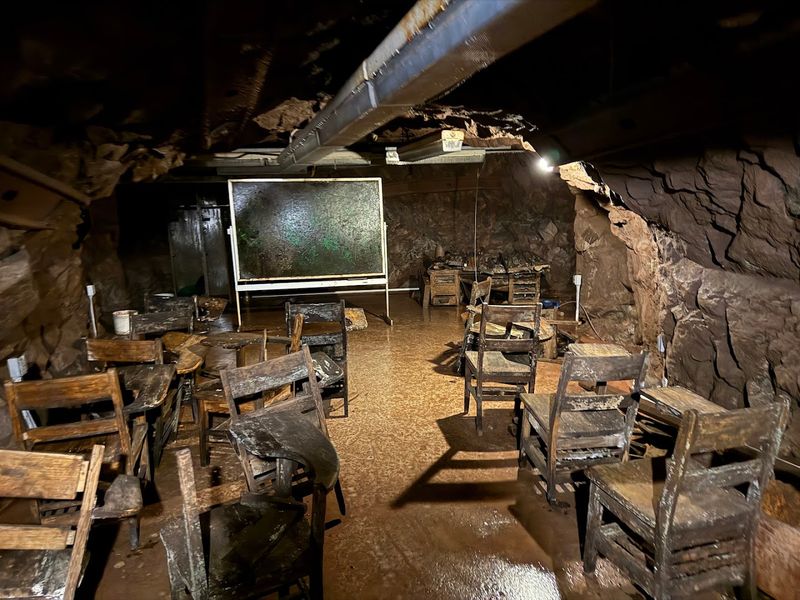
Numbers tell only part of Quincy Mine’s remarkable story. Between its opening and closure, workers extracted nearly one billion pounds of copper from beneath this Michigan hillside, an amount difficult to comprehend even today.
This copper didn’t just sit in warehouses collecting dust. It traveled across America, becoming electrical wiring that lit cities, telegraph lines that connected the nation, and components for locomotives, ships, and early automobiles.
Without reliable copper supplies from mines like Quincy, America’s rapid industrial growth would have slowed considerably.
During peak production years in the late 1800s and early 1900s, Michigan’s Copper Country ranked among the world’s leading copper-producing regions. Quincy Mine alone employed hundreds of workers and supported entire communities through its payroll and economic activity.
The mine’s success attracted immigrants from Cornwall, Finland, Italy, and other countries, creating the diverse cultural heritage still celebrated throughout the Keweenaw Peninsula today. Understanding this historical impact transforms the underground tour from simple sightseeing into a lesson about America’s industrial foundation.
Explore More Than Just the Underground Mine
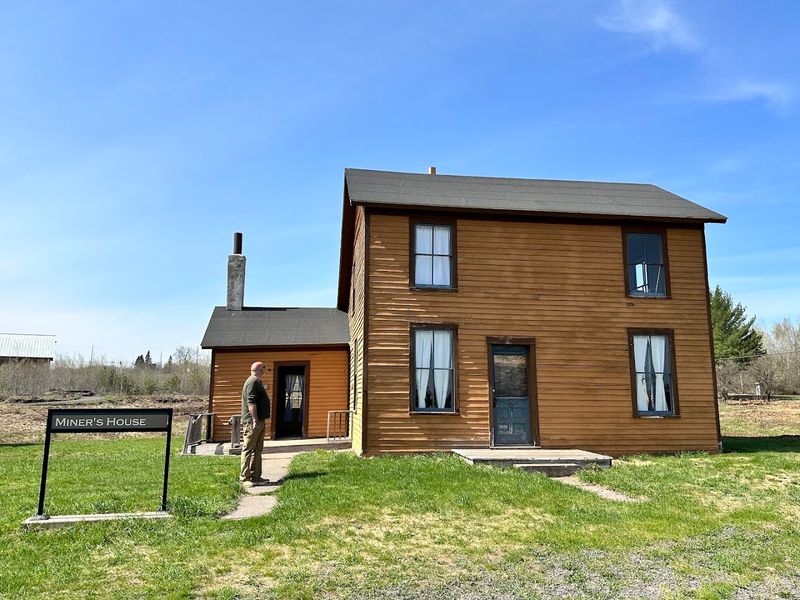
When you emerge from underground tunnels, your adventure continues across the expansive surface complex. Historic shaft houses rise above the landscape, marking locations where vertical shafts once plunged thousands of feet into the earth.
Museum exhibits throughout various buildings display mining artifacts, historical photographs, and detailed explanations of copper mining processes. You can examine vintage tools, miners’ personal belongings, and company records that document daily life in a working mine.
The gift shop offers unique copper souvenirs and books about regional history.
Many visitors choose to extend their experience by driving to the nearby Quincy Smelting Works, where raw copper ore was transformed into pure metal bars ready for shipment. These massive ruins include towering smokestacks and deteriorating brick structures that speak to the industrial scale of copper processing.
The entire site covers considerable ground, allowing visitors to spend hours exploring at their own pace. Educational signs provide context at various locations, while staff members answer questions and share additional stories.
This comprehensive approach makes Quincy Mine more than a simple tour destination.
Why Quincy Mine Is One of Michigan’s Most Unique Attractions
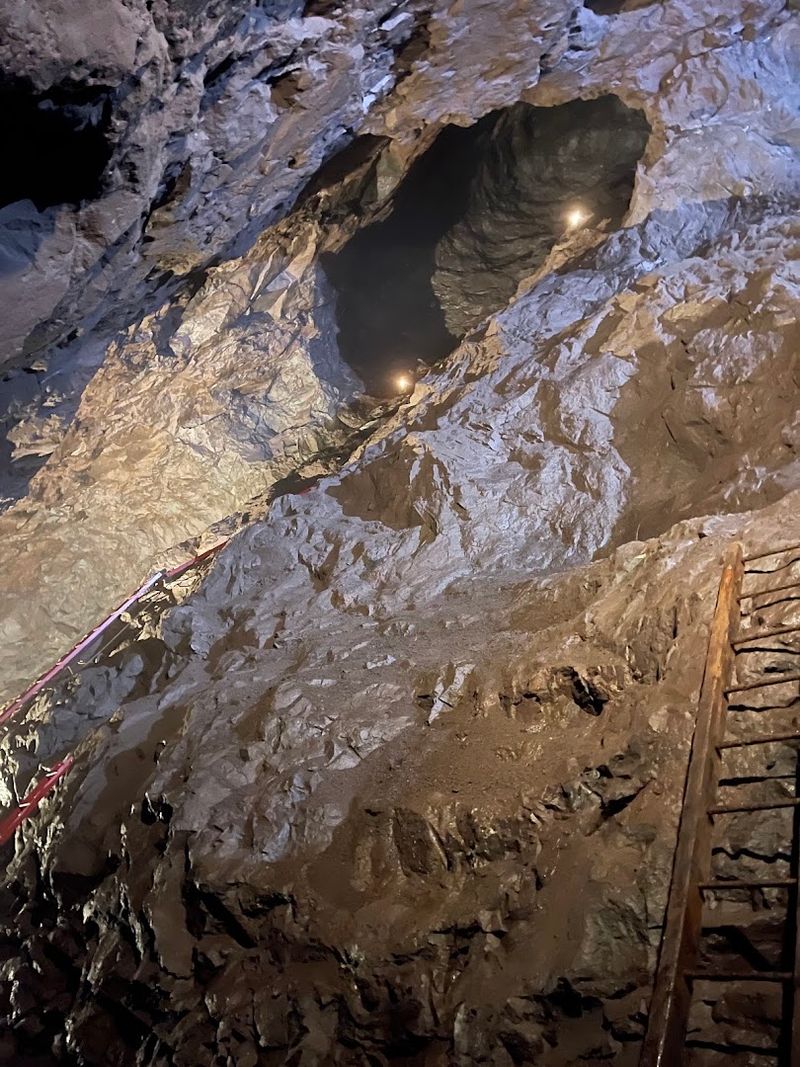
Michigan offers countless tourist destinations, but few combine so many elements into one unforgettable experience. Quincy Mine stands apart because visitors actually walk through authentic 19th-century mine workings rather than viewing recreations or displays.
The preservation of massive industrial machinery like the Nordberg hoist provides rare opportunities to see engineering marvels that normally disappeared when mines closed. Most mining sites were demolished or stripped for salvage, making Quincy’s intact buildings and equipment exceptionally valuable for education and historical understanding.
Adding to this historical significance, the Upper Peninsula’s stunning natural beauty surrounds the entire complex. Visitors enjoy spectacular views of forests, lakes, and charming towns that retain their historic character.
The combination of underground adventure, industrial archaeology, and scenic landscapes creates a destination unlike anything else in the Great Lakes region.
Whether you’re a history enthusiast, engineering student, or family seeking unique vacation experiences, Quincy Mine delivers on multiple levels. The tours educate without boring, thrill without frightening, and connect past to present in meaningful ways that resonate with all ages.
What to Know Before You Go
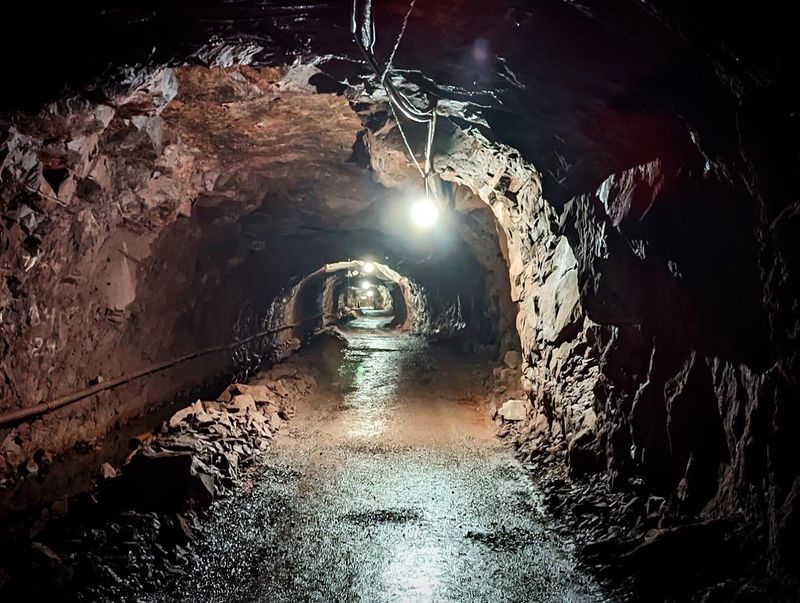
Planning ahead ensures the best possible experience at Quincy Mine. The site is located at 49750 US-41 in Hancock, Michigan 49930, easily accessible from major highways throughout the Upper Peninsula.
Full guided tours last approximately two and a quarter hours, during which visitors travel over 360 feet underground through the East Adit. Because underground temperatures remain around 43 degrees Fahrenheit year-round, bringing a warm jacket is absolutely essential even during summer visits.
Many guests underestimate how cold it feels after extended time underground.
Expect to walk about one mile on uneven gravel surfaces, packed dirt, and occasionally wet ground. Sturdy, closed-toe shoes or waterproof boots are required—sandals and flip-flops won’t work.
The tour includes both indoor and outdoor portions with limited accessibility due to terrain challenges.
Arriving at least 20 minutes early for check-in prevents stress and ensures you don’t miss your scheduled tour. During peak summer season, advance reservations are strongly recommended because tours frequently sell out.
The combination of preparation and anticipation makes your visit smooth and enjoyable from start to finish.