The assumption that animal attractions are mainly for children tends to fall apart the moment you actually visit one as an adult.
Iowa’s version of this experience spans genuine zoological exhibits, working university farms, butterfly conservatories, and state parks where wild animals simply live, no fencing, no feeding stations, just habitat.
Blank Park Zoo in Des Moines is the most obvious anchor, but some of the most compelling experiences on this list are the ones you’d never think to put on an itinerary.
Iowa’s landscape gets underestimated by people who haven’t spent time in it.
The rivers, bluffs, prairie corridors, and limestone formations support a more complex ecosystem than most visitors expect.
These thirteen animal attractions across the state make that case in the most direct way possible.
1. Blank Park Zoo – Des Moines, Polk County
The first surprise is how quickly the noise of the city gives way to something calmer, greener, and genuinely engaging for grownups.
You come expecting a simple family stop, but the layout, animal variety, and thoughtful exhibits make lingering easy.
That shift happens fast at Blank Park Zoo in Des Moines, where compact size works in your favor instead of against it.
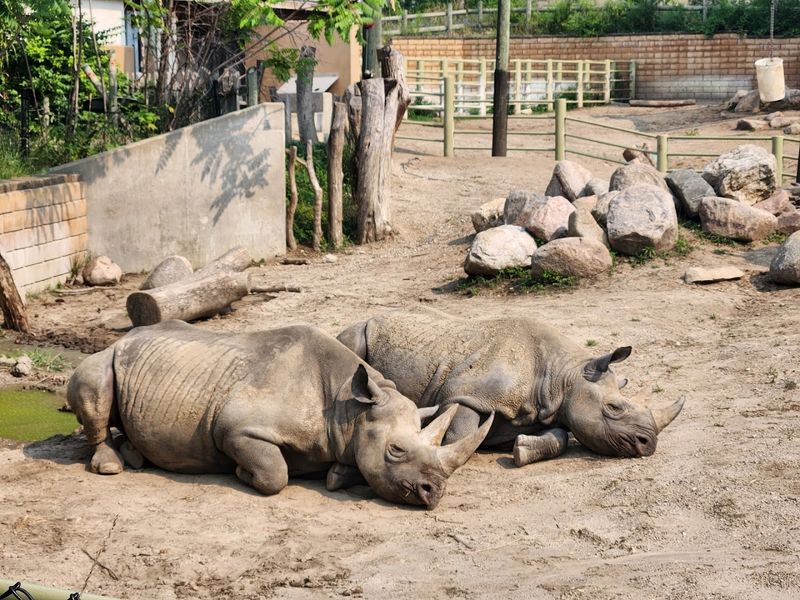
The African exhibits feel especially well paced, letting you move from giraffes to rhinos to primates without exhaustion.
Sea lion training sessions add energy, while quieter corners near smaller mammals make the visit feel balanced rather than overstimulating.
If you usually judge zoos by whether they teach anything beyond basic facts, this one clears that bar comfortably.
Interpretive signs connect behavior, habitat loss, and conservation in a way that respects your attention span.
Seasonal events, feeding talks, and shaded walking paths also make the experience better for adults visiting without children.
You can cover the zoo in a few hours, yet it rarely feels rushed because each zone offers a distinct mood.
What stayed with us most was how approachable everything felt without becoming simplistic or overly curated.
Blank Park Zoo proves a smaller regional zoo can still deliver meaningful animal encounters, solid education, and genuine charm.
2. National Mississippi River Museum and Aquarium – Dubuque, Dubuque County
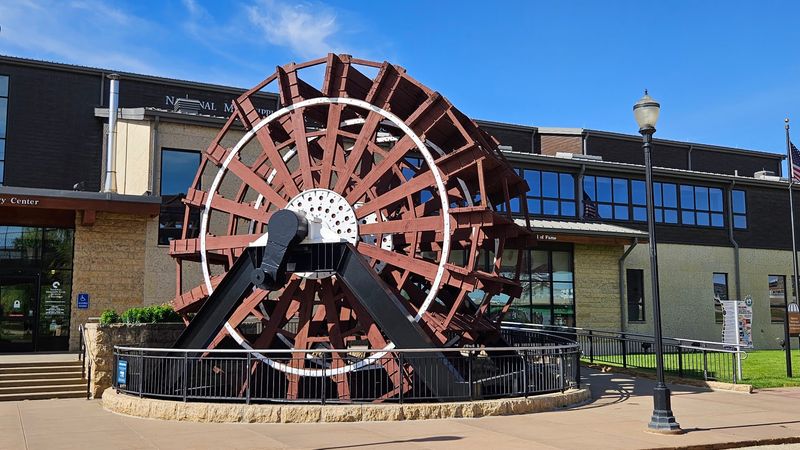
Dim galleries, glowing tanks, and a strong sense of place make this stop feel more immersive than the word museum suggests.
You are not just looking at animals here, because the entire experience ties wildlife to commerce, culture, and the river itself.
That broader perspective is exactly why the National Mississippi River Museum and Aquarium in Dubuque lands so well with adults.
The aquarium spaces introduce native fish, amphibians, and other aquatic species in a way that makes the Mississippi system feel alive.
Elsewhere, interpretive exhibits about boats, wetlands, and river history deepen your understanding without draining the fun.
Outdoor areas and live animal encounters keep the pacing lively, so you never feel stuck reading panels in silence.
What impressed us most was how naturally everything connects, from ecology to engineering to regional identity.
You leave understanding why the river matters, not just which creatures live in or around it.
That educational layering gives the attraction real replay value, especially if you enjoy museums with a clear local heartbeat.
Because the campus spreads experiences across multiple buildings and spaces, it rewards curiosity better than quick checklist touring.
For anyone who thinks aquariums are mostly for children, this Dubuque favorite makes a persuasive and memorable counterargument.
3. Reiman Gardens – Ames, Story County
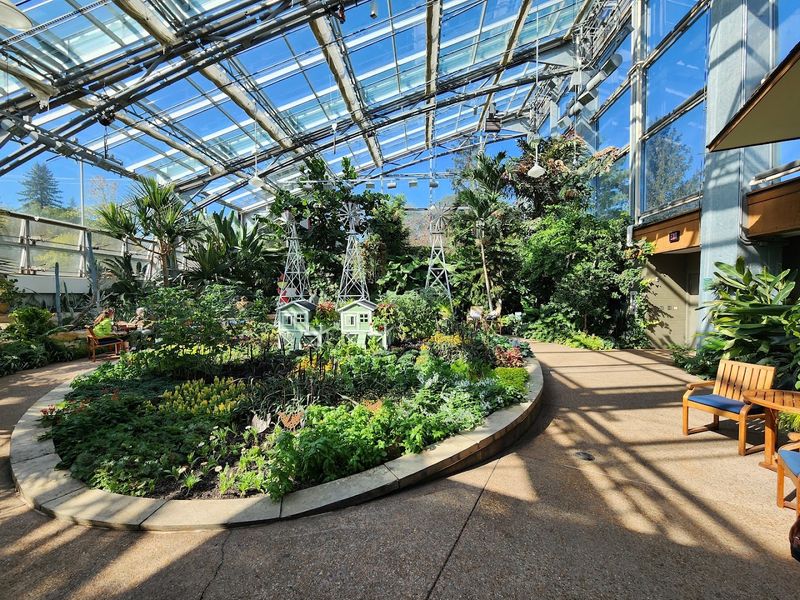
Soft paths, dense blooms, and a hush broken by fluttering wings create the kind of atmosphere that makes you slow down naturally.
You may arrive expecting pretty gardens with a kid-friendly butterfly house, then realize the animal appeal runs deeper.
At Reiman Gardens in Ames, pollinators become the main event without ever feeling forced or overly educational.
The Christina Reiman Butterfly Wing is the obvious highlight, and it absolutely earns that reputation.
Butterflies land nearby, drift through shafts of light, and make every visitor suddenly pay closer attention to movement.
Outside, themed gardens, water features, and seasonal plantings support birds and insects in ways that keep the entire property alive.
What makes this place work for adults is its mix of beauty and interpretation.
You can simply enjoy the color, or you can dig into how native planting, pollinator support, and habitat design matter.
That flexibility makes the visit feel personal instead of prescriptive, which is surprisingly rare at attractions marketed to families.
There is also enough artistic landscaping and changing scenery to keep photographers, gardeners, and casual walkers equally interested.
Reiman Gardens shows that an animal attraction does not need large mammals to feel memorable, emotional, and fully worth your afternoon.
4. Hitchcock Nature Center – Honey Creek, Pottawattamie County
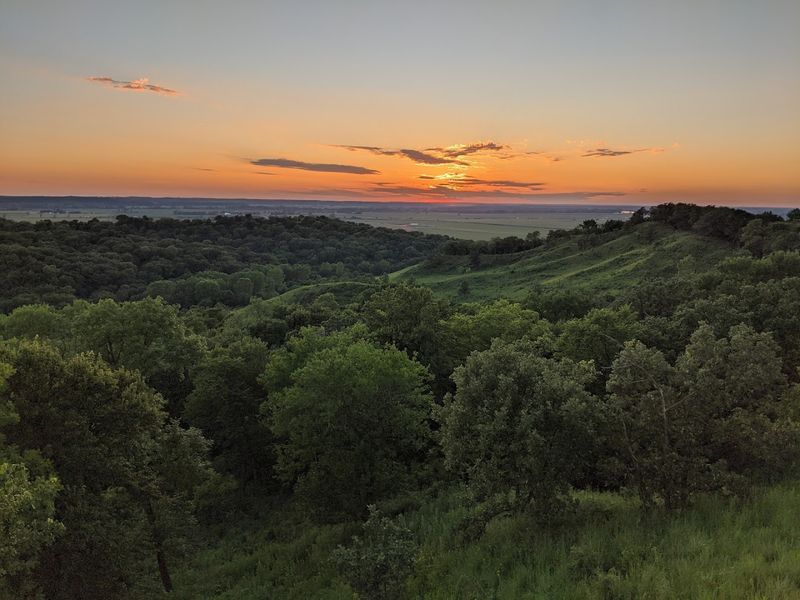
Wind over ridges and wide views set the tone long before you spot your first bird or hear rustling below the trail.
This is the kind of place that makes wildlife watching feel adventurous rather than passive.
Hitchcock Nature Center in Honey Creek turns Iowa’s Loess Hills into a backdrop for one of the state’s most rewarding outdoor animal experiences.
Raptors are a major draw during migration, and the elevated terrain gives you a real chance to scan the sky effectively.
Even outside peak migration, the trails reveal woodland birds, deer, insects, and small habitat details you might otherwise miss.
The observation tower adds drama and perspective, helping you appreciate how landscape shape influences the animals living here.
What works so well for adults is that nothing feels staged.
You earn the best sightings by walking, listening, and adjusting your pace, which makes each encounter feel more satisfying.
Interpretive elements stay helpful without crowding the natural setting, so the center never loses its outdoors-first identity.
Bring water, wear decent shoes, and give yourself permission to stop often instead of racing for mileage.
That slower rhythm lets the place reveal itself, especially when light changes across the hills and birds begin moving.
5. Neal Smith National Wildlife Refuge – Prairie City, Jasper County
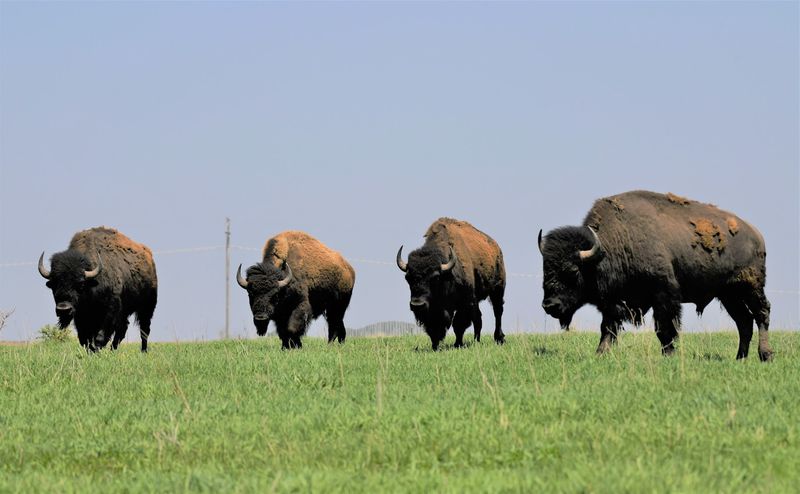
Open grassland does not sound dramatic until you are standing in it, watching wind move like water across the prairie.
Then the scale clicks, and suddenly every animal sighting feels tied to a bigger story about restoration.
Neal Smith National Wildlife Refuge near Prairie City delivers that realization beautifully and with more emotional weight than expected.
The auto tour makes bison and elk the headline attraction, and seeing them against native tallgrass feels almost cinematic.
Inside the visitor center, exhibits explain prairie ecology, fire, grazing, and species recovery with unusual clarity.
Those details matter because they turn a scenic drive into a richer lesson about what Iowa once looked like.
Walking trails extend the experience beyond large mammals, giving you chances to notice birds, insects, and seasonal wildflowers.
Adults tend to appreciate how the refuge balances accessibility with a sense of genuine wildness.
Nothing here feels cartoonish or overly packaged, which makes the wildlife encounters more powerful and believable.
Weather changes the mood dramatically, so a breezy or stormy day can be just as memorable as bright sunshine.
Take binoculars if you have them, but do not underestimate how much the landscape itself contributes to the experience.
6. Indian Creek Nature Center – Cedar Rapids, Linn County
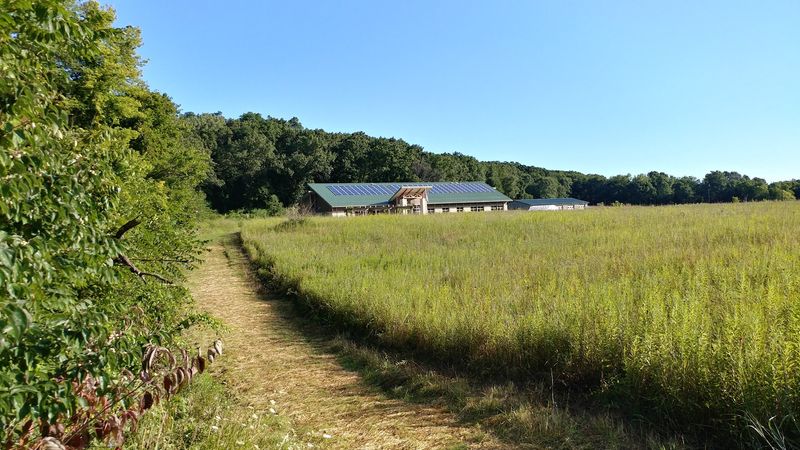
Birdsong, boardwalks, and the smell of wet earth make this feel like a reset button more than a typical attraction.
You arrive expecting a small educational center, then realize the surrounding habitats are the real draw.
Indian Creek Nature Center in Cedar Rapids rewards anyone willing to trade spectacle for subtle wildlife moments.
The property includes woodlands, prairies, and wetlands, which means the animal life shifts as you move between ecosystems.
Songbirds, frogs, turtles, insects, and occasional deer turn a simple walk into a low-key but satisfying scavenger hunt.
Because the trails are approachable, you can focus on observing rather than just powering through uneven terrain.
The modern center building strengthens the experience with exhibits and programming that connect daily choices to habitat health.
That practical, community-rooted perspective gives the place more depth than many larger attractions manage.
Adults often respond to how calmly everything is presented, with no need for gimmicks or oversized entertainment.
Visit during spring or early summer, and the combination of birds, blooms, and active wetlands becomes especially rewarding.
Indian Creek Nature Center proves smaller urban-edge preserves can deliver memorable wildlife experiences that linger long after you leave.
7. Iowa State University Teaching Farm – Ames, Story County
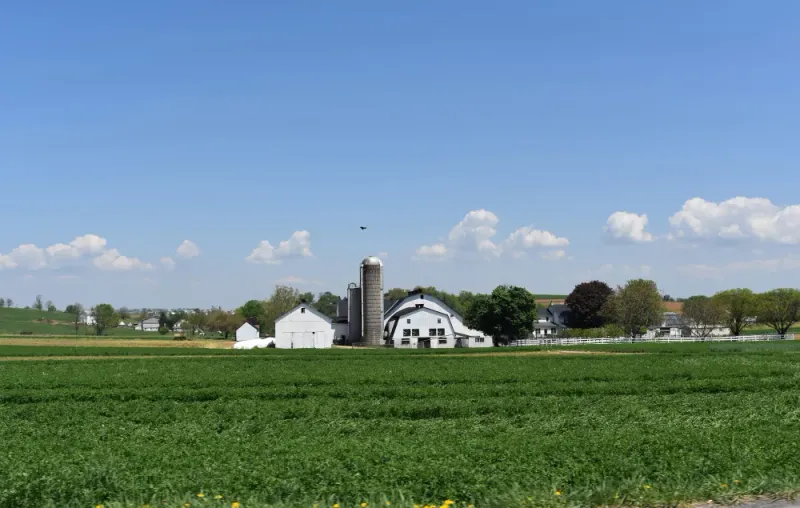
Fresh hay, barn sounds, and the practical rhythm of a working agricultural space create a very different kind of animal outing.Instead of distant viewing platforms, you are closer to the systems that shape how people raise and understand animals.
That is what makes the Iowa State University Teaching Farm in Ames unexpectedly interesting for adults.
This is not a flashy attraction built around spectacle, and that is exactly why it works.Depending on access, events, and programming, you may see cattle, sheep, horses, or other farm animals in an educational setting.
The appeal comes from context, because the farm connects animal care to research, student learning, and Iowa’s agricultural identity.
If you usually think farm visits are mainly for children, this place pushes back by adding substance.You begin noticing handling methods, housing choices, feeding systems, and the human skill involved in keeping animals healthy.
That practical angle gives the experience an honesty many tourist attractions cannot replicate.
Check schedules before visiting, since public experiences can vary with the academic calendar and special events.When access aligns, the farm offers a grounded, useful look at the animals that remain central to life across Iowa.
It may be quieter than a zoo, but for curious adults, the Teaching Farm can be just as memorable.
8. Maquoketa Caves State Park – Maquoketa, Jackson County
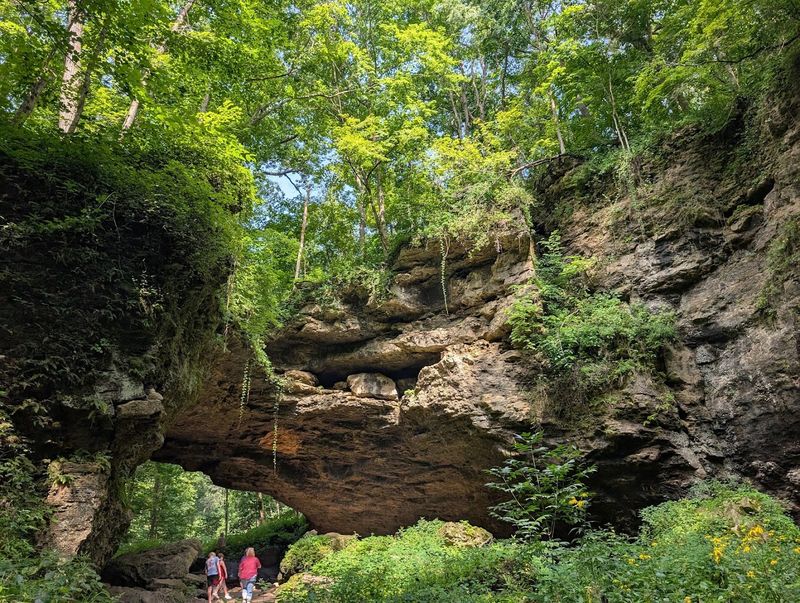
Cool air spilling from stone openings instantly changes the mood and makes this outing feel more mysterious than playful.You may come for caves, but the surrounding habitat adds a strong wildlife layer that adults appreciate.
Maquoketa Caves State Park near Maquoketa turns an already dramatic landscape into a place for noticing animals in quieter ways.
Bats are the obvious ecological symbol here, even when conservation closures or seasonal restrictions limit direct cave access.Above ground, wooded trails support birds, insects, and small creatures that thrive in the park’s moisture and varied terrain.
Interpretive information helps you understand how cave systems influence temperature, shelter, and the species adapted to these conditions.
What makes this stop feel grownup is the sense of fragility beneath the adventure.You are not just squeezing through rock passages for fun, because the park also invites respect for sensitive underground ecosystems.
That combination of challenge, geology, and wildlife awareness gives the visit more depth than a simple thrill stop.
Good shoes and realistic expectations matter, especially if weather has made trails slick or cave routes muddy.Even if you focus mostly on hiking, the atmosphere alone makes the park stand apart from more conventional nature outings.
For travelers who want animal interest wrapped inside real landscape drama, Maquoketa Caves delivers something unforgettable in Iowa.
9. Backbone State Park Wildlife Area – Dundee, Delaware County
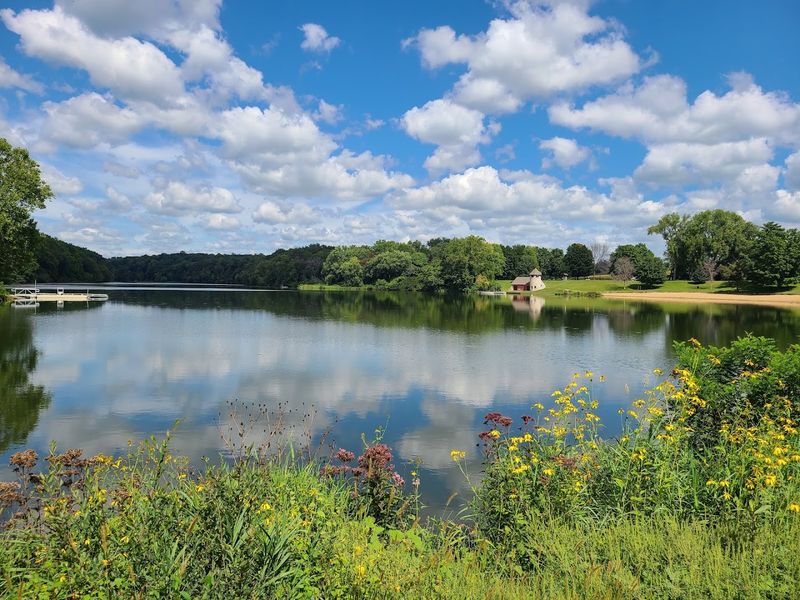
Rugged ridges, river corridors, and dense woods create the kind of landscape where wildlife feels possible at every turn.
Even when animals stay hidden, the terrain keeps your senses tuned and your pace a little slower.
That mood is a big reason Backbone State Park Wildlife Area near Dundee feels more compelling than a simple family park.
The area supports deer, wild turkeys, songbirds, raptors, and plenty of smaller woodland life.
Because the park mixes forest, rock features, and water, you get habitat variety that increases your odds of seeing movement.
Adults tend to appreciate how the setting invites observation without needing scheduled shows or curated feeding times.
Backbone’s famous geology adds a scenic framework that makes every animal encounter feel more dramatic.
A hawk crossing above the ridge or deer stepping through morning shade lands differently in a place with this much texture.
That blend of visual beauty and wildlife potential helps the park satisfy both casual visitors and more patient nature watchers.
Early morning and quieter weekdays offer the best chance to notice animals before trail activity picks up.
Backbone proves an Iowa state park can deliver wildlife appeal with enough complexity to hold adult attention for hours.
10. Lake Macbride State Park – Solon, Johnson County
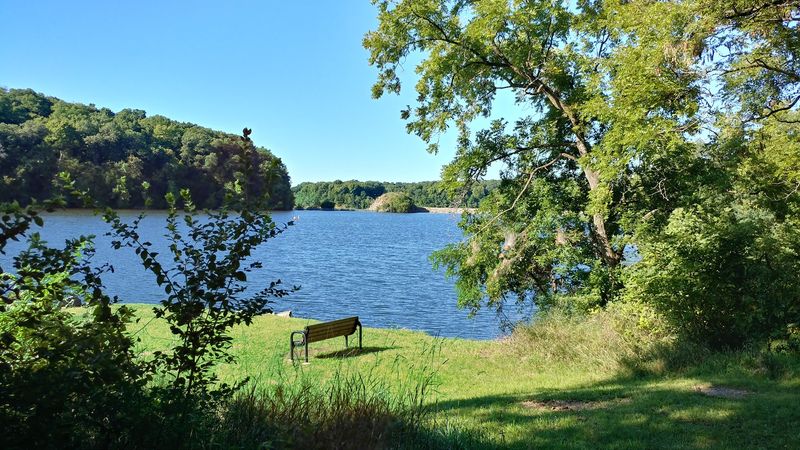
Water changes everything, especially when still coves and wooded shorelines keep drawing your eyes toward subtle movement.
What seems like a standard lake day starts to feel richer once birds, reptiles, and shoreline habitats come into focus.
Lake Macbride State Park near Solon quietly becomes one of Iowa’s better all-around animal outings because of that variety.
Waterfowl and wading birds are common rewards, and patient visitors may also spot turtles, fish activity, and occasional deer.
The mix of open water, forest edge, and trails means you are never locked into one style of exploration.
You can hike, paddle, or simply sit near the shoreline and let the wildlife reveal itself at its own pace.
That flexibility makes Macbride especially appealing for adults who want nature without committing to a strenuous backcountry day.
The animal experience here is less about one headline species and more about accumulation.
By the end of a visit, you realize how many small observations have stacked into something quietly memorable.
Sunrise and sunset are especially rewarding, when birds become more active and the lake reflects changing color beautifully.
A pair of binoculars helps, but even casual watchers will find plenty to hold their attention.
11. Pikes Peak State Park – McGregor, Clayton County
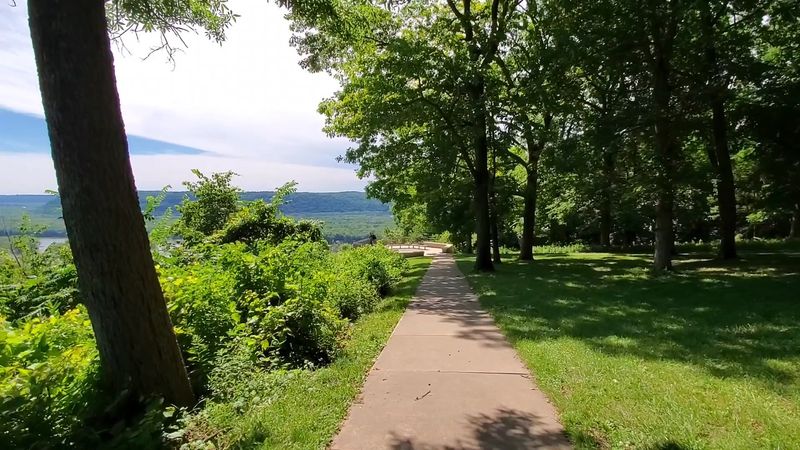
Few places in Iowa make such a strong first impression, with blufftop views that immediately command your full attention.Yet the scenery is only part of the story, because the surrounding habitats support plenty of animal life worth watching.
Pikes Peak State Park in McGregor combines dramatic overlooks with wildlife opportunities in a way that feels especially satisfying for adults.
The Mississippi River corridor draws birds that benefit from thermal currents, forest cover, and nearby water.You may notice raptors, songbirds, and seasonal migration activity, especially during quieter times on the trails.
Even when sightings are modest, the scale of the landscape makes every bird pass feel amplified and more cinematic.
Wooded paths and springs add ecological texture, helping you see the park as more than an overlook stop.That matters because many visitors rush in for the famous view and miss the deeper natural experience.
If you slow down, the park reveals itself as a place where geology, hydrology, and wildlife all intersect beautifully.
It is an ideal stop for travelers who want a short but rewarding outing with strong payoff.Bring a little patience, walk beyond the busiest viewpoints, and listen for activity in the trees around you.
Pikes Peak shows how a scenic icon can also function as a genuinely worthwhile Iowa animal destination.
12. Ledges State Park – Madrid, Boone County
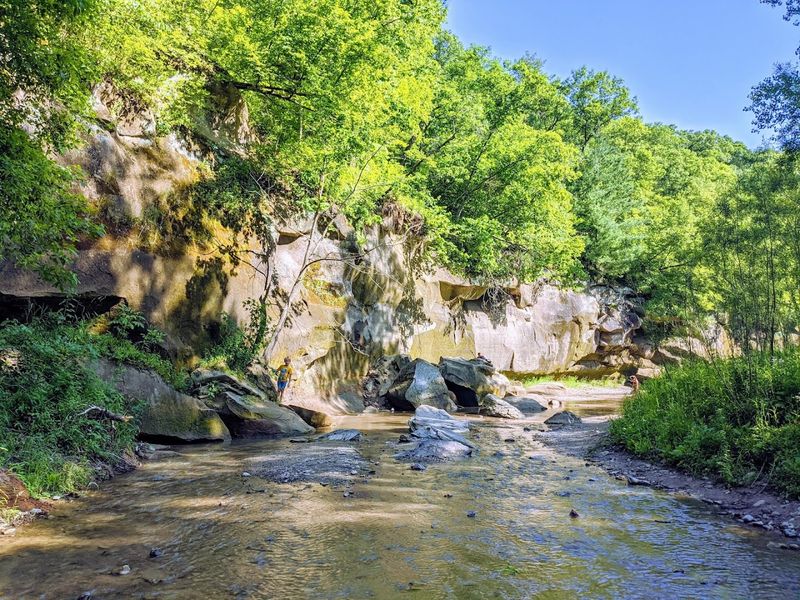
Steep sandstone walls, creek crossings, and cool shaded ravines make this park feel more adventurous than its central Iowa address suggests.
That terrain does more than look impressive, because it creates niches where different animals can thrive.
Ledges State Park near Madrid turns a scenic hike into a more layered wildlife experience than many first-time visitors expect.
Birds are a major part of the appeal, especially where tree cover, water, and elevation changes overlap.
You may also notice deer, frogs, insects, and smaller woodland activity that benefits from the park’s varied microhabitats.
Because trails shift between open and enclosed spaces, the environment keeps changing and so does what you can observe.
Adults tend to enjoy Ledges because it feels active without becoming overwhelming.
There is enough terrain challenge to keep you engaged, but the park remains accessible for a half-day outing.
That balance makes wildlife watching here feel integrated into the hike instead of tacked on as a secondary feature.
When water is moving and the woods are full, the park feels especially alive and photogenic.
Ledges proves you do not need huge distances or famous megafauna to create an Iowa animal attraction adults genuinely enjoy.
13. Yellow River State Forest – Harpers Ferry, Allamakee County
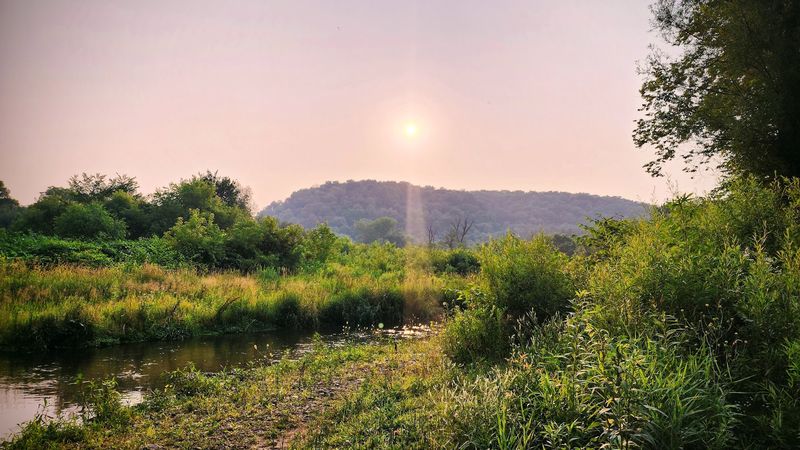
Remote valleys, layered ridges, and long stretches of forest create the rare feeling that Iowa has suddenly become much bigger.
That sense of scale changes how you notice wildlife, making every sound or movement feel more significant.
Yellow River State Forest near Harpers Ferry is the kind of place that turns casual nature fans into more patient observers.
The forest supports deer, wild turkeys, songbirds, raptors, and countless smaller species tied to its rich habitats.
Streams, steep slopes, and mixed woods produce enough variation that every trail section feels slightly different.
For adults, that complexity is a major draw because it invites exploration instead of offering a single obvious highlight.
This is not a polished attraction built around convenience, and that is part of its appeal.
Wildlife viewing here often rewards stillness, timing, and a willingness to appreciate tracks, calls, and fleeting sightings.
When animals do appear, they feel wholly connected to the landscape rather than presented for your benefit.
Plan ahead, wear appropriate footwear, and leave time for longer drives or hikes between your chosen stops.
If you want an Iowa animal destination that respects your curiosity and offers real wilderness energy, Yellow River State Forest is unforgettable.