A full day of discovery can cost less than a typical dinner out when the destination offers the right mix of scenery, history, and unexpected moments. A quiet garden path, a river overlook, or a preserved historic home can create the kind of memories that stay with you long after the drive home.
These 10 North Carolina day trips prove that affordable adventures can still feel meaningful and rewarding. From mountain landscapes and peaceful nature trails to colonial landmarks and hidden cultural treasures, these destinations reveal a side of North Carolina that is easy to miss when following the usual routes.
With a tank of gas, a packed snack, and a free day ahead, you can find places filled with stories and beautiful views. Keep reading to discover 10 North Carolina escapes that deliver more memories than their price suggests.
Reed Gold Mine State Historic Site
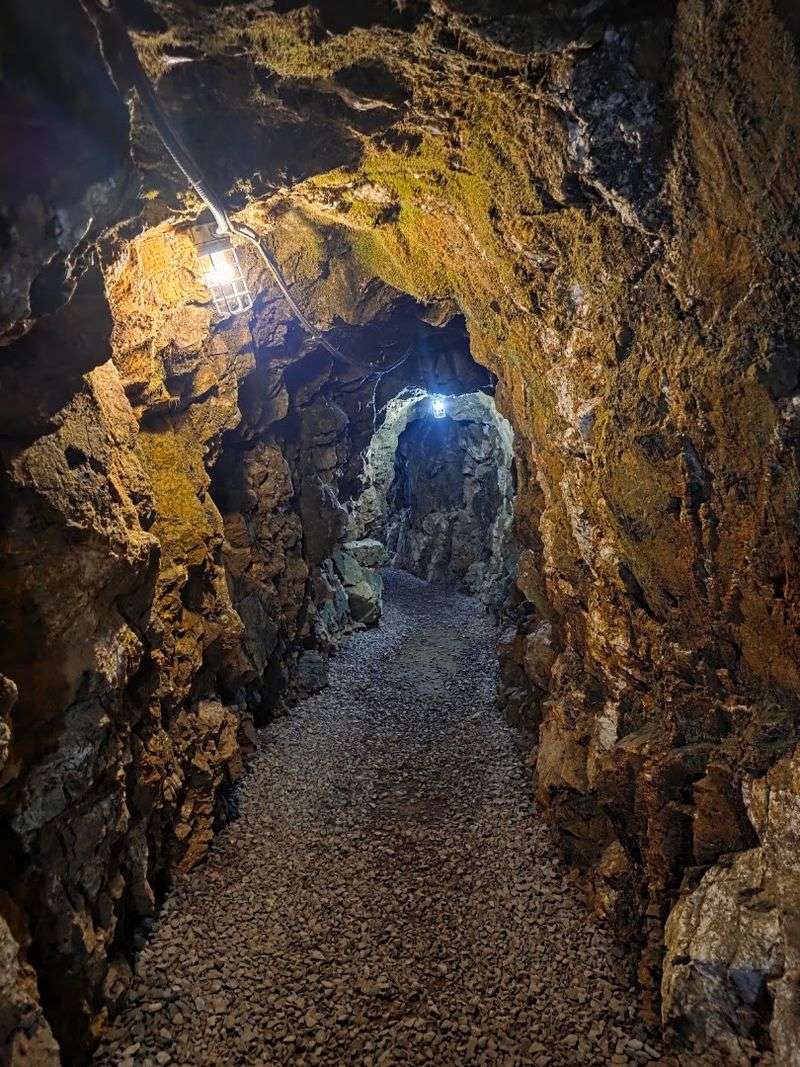
The thrill starts before you see anything glittering. Red clay clings to your shoes, the air smells faintly metallic, and suddenly a day trip begins to feel like a treasure hunt instead of a history lesson.
Even if you never find a speck of gold, the mood alone is worth the drive.
At Reed Gold Mine State Historic Site in Midland, you can step into the story of America’s first documented gold discovery. The underground mine tour feels cool and close, and the panning area adds just enough hands-on fun to keep kids and adults equally invested.
What stays with you is how unpolished it all feels in the best way. You leave with a little dirt on your hands, a better story than lunch would have bought, and a new respect for how much North Carolina once shimmered beneath the surface.
Historic Bethabara Park
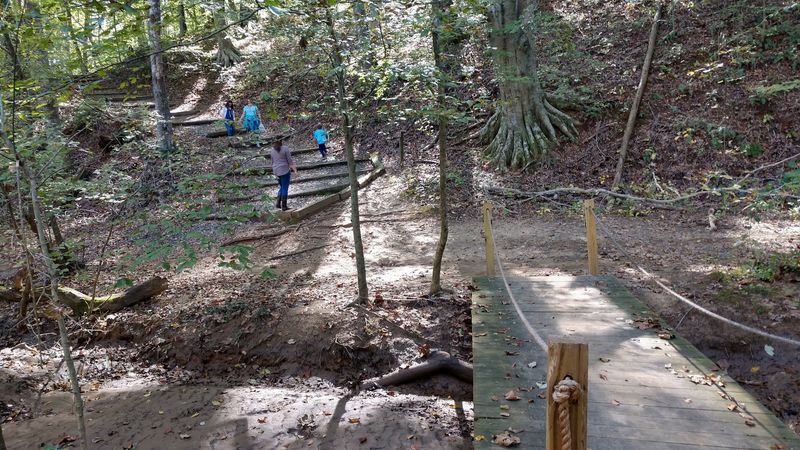
It feels hushed in a way modern places rarely do. Wind moves through tall grass, gravel crunches softly underfoot, and every bend in the trail seems to hold a piece of a much older rhythm.
You notice yourself slowing down without even trying.
That is the quiet reward of Historic Bethabara Park in Winston-Salem, where one of the state’s earliest Moravian settlements unfolds across trails, gardens, and restored structures. The visitor center grounds ease you in, then the archaeological ruins and woodland paths make the whole visit feel layered rather than staged.
I liked that nothing begged for attention here. A simple walk past the 1788 Gemeinhaus, followed by time near the mill pond and gardens, delivers the kind of low-cost afternoon that feels restorative instead of busy.
It is history with room to breathe, and that can be surprisingly memorable.
Fort Dobbs State Historic Site
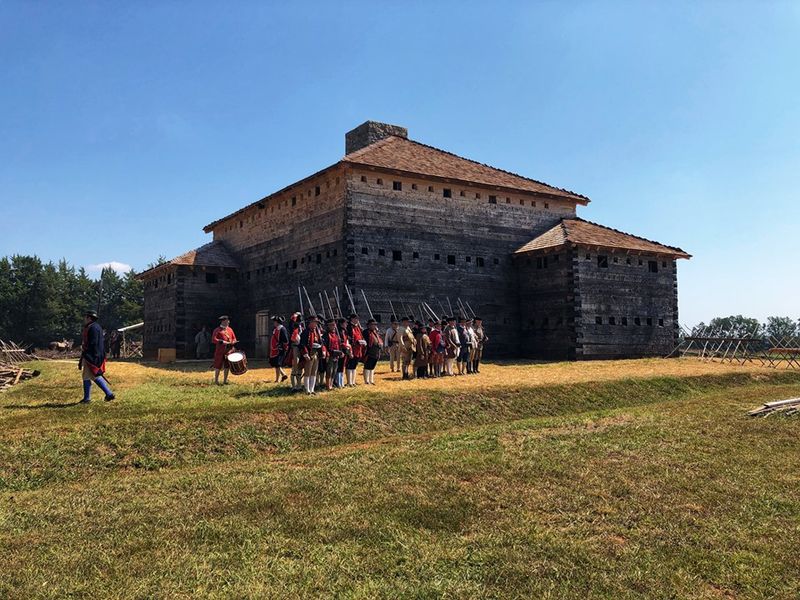
The hilltop breeze hits first, carrying the kind of clean air that makes every sound sharper. Then the wooden fort comes into view, stark against the sky, and for a second it is easy to imagine how isolated this outpost once felt.
The place has tension without needing spectacle.
Fort Dobbs State Historic Site in Statesville preserves that mood beautifully. As North Carolina’s only reconstructed French and Indian War fort, it offers a compact but vivid look at frontier life, with guided interpretation, musket demonstrations on special days, and rooms furnished with military practicality.
What I appreciated most was the scale. You do not need hours to understand the stakes, and the setting does much of the storytelling for free.
Standing inside the timber walls, looking over the rolling land, you get a rare sense of how history felt physically, not just what happened on paper.
House in the Horseshoe State Historic Site
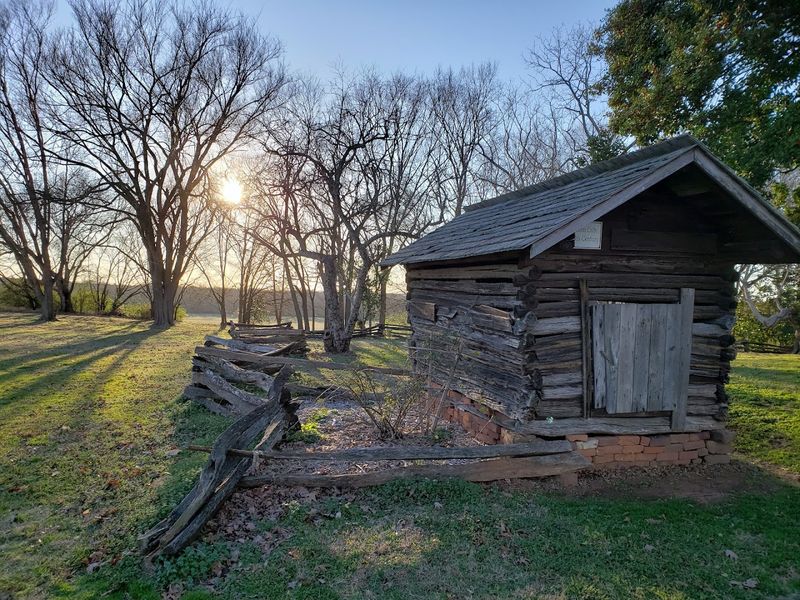
There is something striking about a beautiful place that also carries the memory of conflict. Birds cut across the open lawn, the creek moves quietly nearby, and the house sits with a calm dignity that almost hides the violence once tied to this ground.
That contrast is what makes the visit linger.
At House in the Horseshoe State Historic Site near Sanford, you explore a remarkably preserved colonial home linked to a Revolutionary War skirmish. The Alston House is the visual centerpiece, but the surrounding fields, footbridge, and bend of the Deep River complete the atmosphere.
This is the kind of site that rewards attention to small details. A worn floorboard, a stone wall, and the simple placement of the house within the landscape tell as much as any exhibit panel.
For such a modest cost, the experience feels thoughtful, textured, and unexpectedly moving by afternoon’s end.
Bennett Place
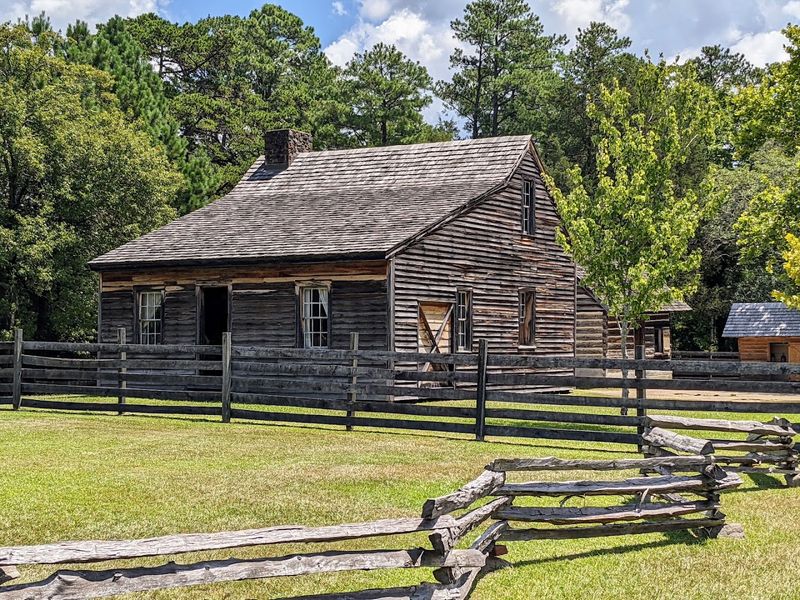
Some places are powerful because they are so unassuming. A farmhouse, a few quiet acres, and a gentle patch of North Carolina sky do not look like the setting for a major historical turning point, yet that simplicity makes the story land harder.
You arrive expecting facts and leave thinking about human decisions.
Bennett Place in Durham marks the location where the largest Confederate troop surrender of the Civil War was negotiated. The reconstructed farmhouse, visitor exhibits, and open grounds create a setting that feels intimate rather than monumental, which somehow fits the subject better.
I found the modesty of the site deeply affecting. You can walk the grounds freely, read the exhibits at your own pace, and let the scale of the moment unfold slowly.
It costs little, asks for attention instead of money, and offers the kind of reflective afternoon that stays in your head.
North Carolina Botanical Garden
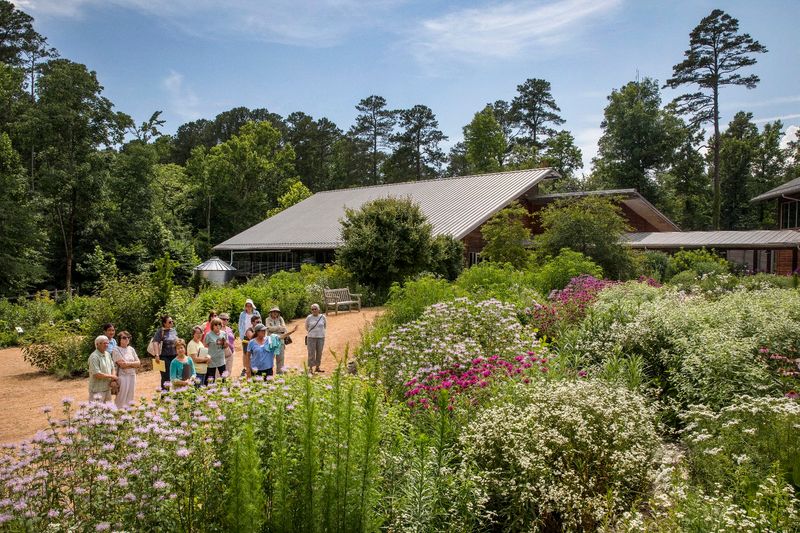
You know a place has done its job when you stop checking your phone after ten minutes. Bees hover over coneflowers, leaves flicker in filtered light, and the whole afternoon starts to loosen at the edges.
It feels less like sightseeing and more like slipping into a calmer version of yourself.
The North Carolina Botanical Garden in Chapel Hill specializes in native plants, which gives the grounds a lived-in, regional beauty rather than a manicured, imported look. Woodland trails, carnivorous plant displays, and pollinator gardens offer enough variety that you can stay focused without feeling hurried.
What makes this day trip especially satisfying is that it feels generous. Admission is free, the paths are easy to enjoy at your own speed, and every section teaches you something about the landscape outside the garden gates.
Bring water, walk slowly, and let the scents of pine and damp earth do the rest.
Cape Fear Botanical Garden
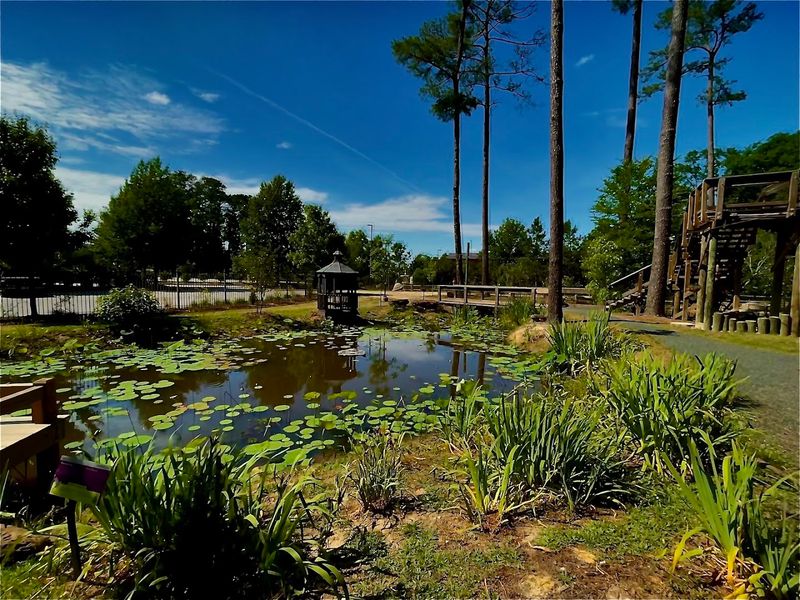
There is a moment here when cultivated beauty gives way to something wilder. One minute you are admiring carefully arranged blooms, and the next you are under tall trees with the river nearby, hearing insects hum and leaves crackle in the heat.
The shift keeps the visit interesting from start to finish.
Cape Fear Botanical Garden in Fayetteville mixes formal garden rooms with forested trails and riverfront scenery, so it never feels one-note. Seasonal color, camellias, and heritage plants bring plenty of detail, while the quieter woodland sections offer shade and a slower rhythm.
I liked how easy it was to shape the day around your own energy. You can wander for an hour, linger by the overlooks, or stop long enough to notice the scent of damp soil after a summer rain.
For a relatively small admission fee, it delivers a polished but still grounded North Carolina experience.
Somerset Place State Historic Site
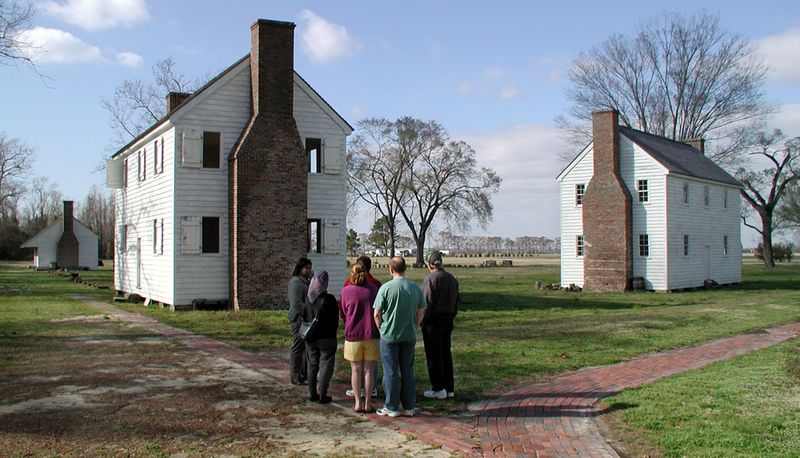
Beauty can be complicated, and this is one of those places where the landscape asks you to hold more than one feeling at once. Sunlight glints off the water, trees cast long shadows, and the quiet setting seems almost too serene until you begin learning what happened here.
That tension gives the site its depth.
Somerset Place State Historic Site in Creswell preserves structures and stories from a large antebellum plantation on Lake Phelps. Walking the grounds, you encounter preserved buildings, exhibits, and interpretations that center both daily life and the brutal realities of slavery that shaped this place.
It is not a carefree outing, nor should it be. Still, it is absolutely worth the drive for anyone who wants a fuller, more honest understanding of North Carolina history.
The lakeside setting, combined with thoughtful interpretation, makes the experience memorable in a way that is quiet, sobering, and necessary.
Raven Rock State Park
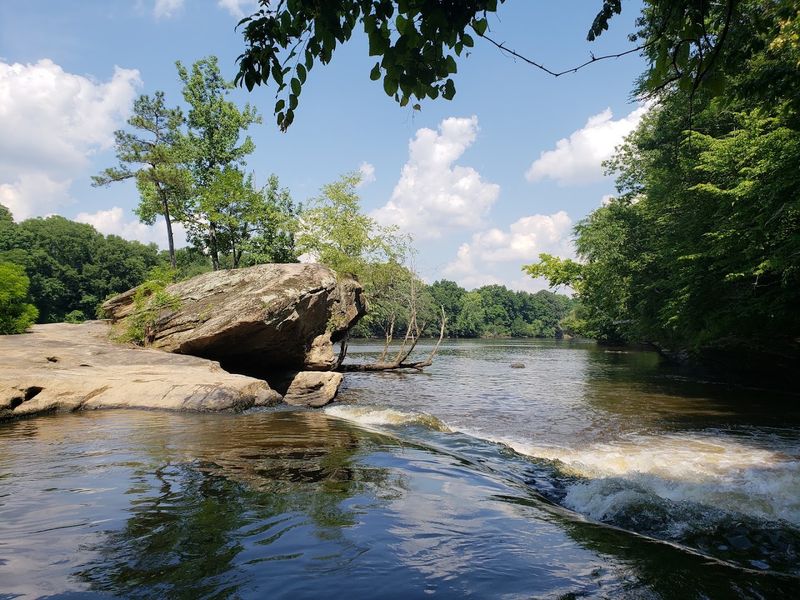
You earn this one a little, and that is part of the charm. The trail rolls through pine and hardwood forest, your legs begin to notice the miles, and then the landscape suddenly opens into stone and sky.
It feels like central North Carolina revealing a secret it has been keeping.
Raven Rock State Park near Lillington is best known for the huge rock formation rising above the Cape Fear River, and the hike to reach it delivers plenty of anticipation. Along the way, you get roots, shade, birdsong, and enough elevation change to make the overlook feel satisfying when it arrives.
The payoff is not flashy, just strong and lasting. Standing beside that immense wall of stone, with the river moving below, gives the day a scale that belies the low cost of entry.
Bring snacks, start early in warm weather, and let the simple rhythm of walking turn into its own reward.
Historic Edenton State Historic Site
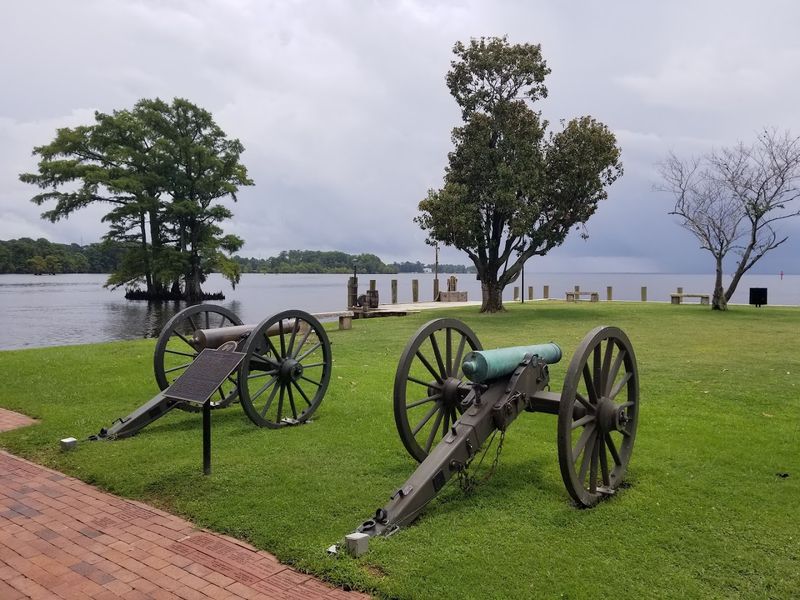
Some towns seem to soften the light. In the morning, the waterfront gleams, church steeples rise above the trees, and the historic homes look less preserved than simply well loved.
The whole setting invites a slower pace, the kind where you notice porches, brickwork, and the shape of the breeze off the water.
Historic Edenton State Historic Site gives you that rare chance to experience a colonial town as a living landscape, not a fenced-off exhibit. Guided tours, elegant houses, and the famous 1767 Chowan County Courthouse add substance, while the harbor and downtown shops keep the day from feeling overly academic.
I would come hungry for both history and a good lunch. A walk by Edenton Bay, followed by time inside the historic interiors, creates a day that feels balanced and full without becoming expensive.
It is graceful, textured, and easy to picture long after you leave.