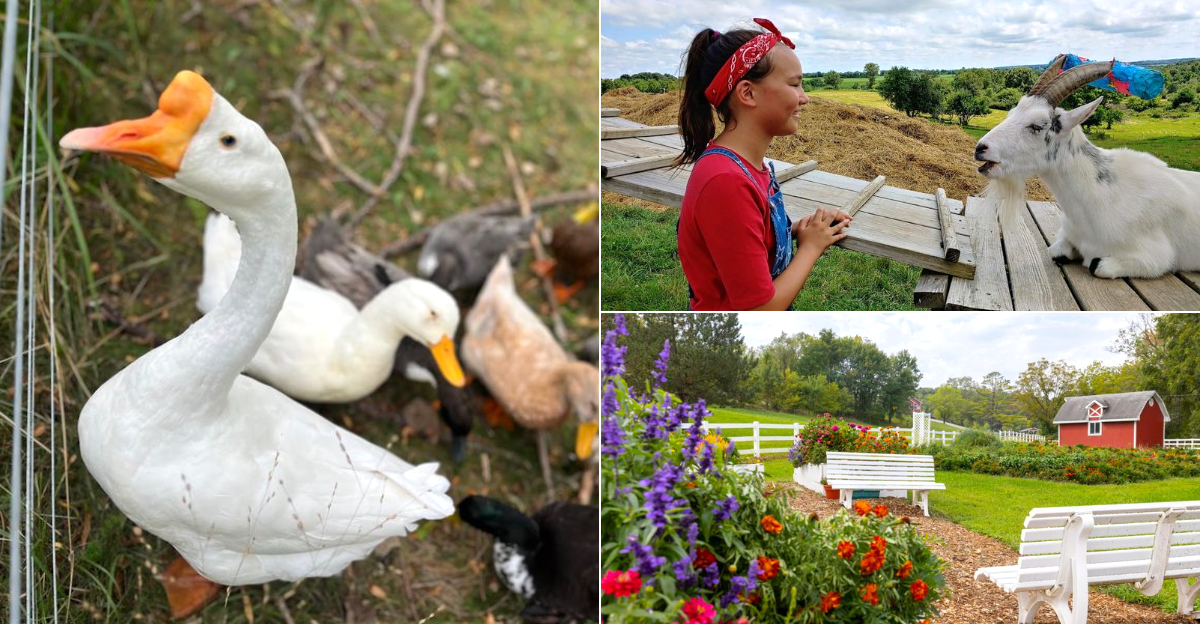
Iowa’s animal sanctuaries don’t make a lot of noise about themselves, which is exactly what makes finding them so rewarding.
Tucked into farms, wooded acreages, and converted homesteads across the state, these places do quiet, meaningful work rescuing and rehabilitating animals that have nowhere else to go.
From primates and raptors to tortoises and farm animals, the range of creatures being cared for here will genuinely surprise you.
Iowa’s rural character makes it an ideal home for this kind of sanctuary work, and the people running these operations are some of the most dedicated you’ll ever meet.
Go with time to spare, ask questions, and leave a donation, these thirteen sanctuaries are doing work that deserves more recognition.
1. Ape Cognition and Conservation Initiative – Des Moines, Polk County, Iowa
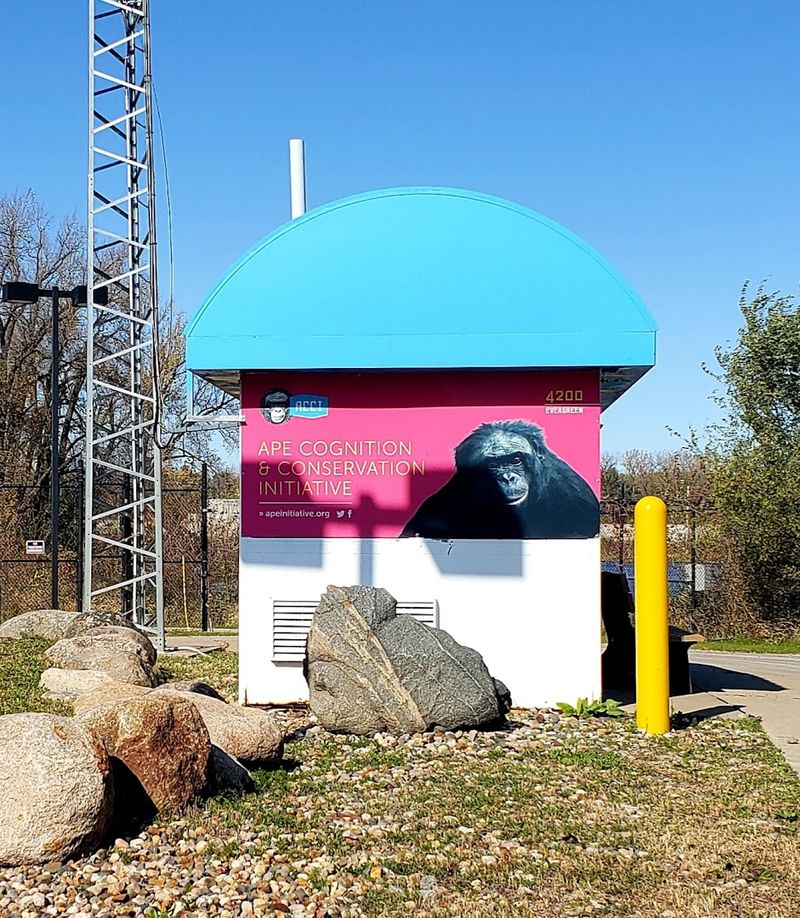
Quiet pathways and watchful faces made this stop feel more reflective than flashy.
You immediately sense that every routine here is built around patience, safety, and long term care.
That feeling deepened once we learned more about Ape Cognition and Conservation Initiative in Des Moines.
Rather than creating a zoo style experience, the sanctuary centers the needs of primates who cannot live ordinary lives after captivity, research, or private ownership.
Enrichment matters here, so climbing structures, puzzles, and social opportunities are treated as essential, not optional.
That purpose gives the entire place a calm seriousness you can feel as you move through it.
What stayed with us most was how education is woven into the visit without overwhelming the animals.
You come away understanding why primates are complex, emotional beings and why so many should never have been kept by people in the first place.
The message is clear, but it never feels preachy.
If you appreciate thoughtful animal welfare work, this is the kind of stop that rewards your attention.
It is memorable because it asks you to look beyond cute moments and consider lifelong responsibility.
We left wanting another visit, partly to learn more and partly to support a mission that feels genuinely necessary.
2. Iowa Raptor Project – Davenport, Scott County, Iowa
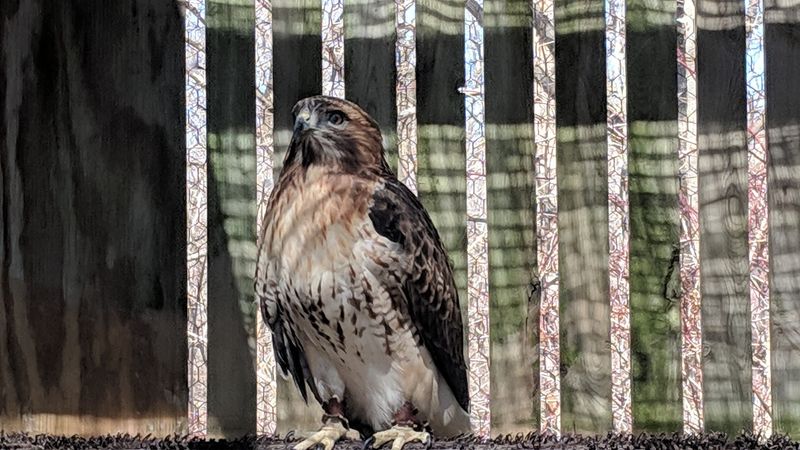
Sharp eyes, broad wings, and a surprising sense of stillness made this visit unforgettable.
Even before the educational pieces began, there was a natural intensity in the air.
That is part of what makes Iowa Raptor Project in Davenport such a compelling stop.
Raptors have a way of commanding attention, but this sanctuary goes beyond spectacle.
Its work helps people understand birds of prey as highly specialized animals that need habitat, distance, and informed protection.
That educational focus gives the experience substance from the start.
We were drawn to how clearly the sanctuary communicates the challenges these birds face.
Injury, habitat pressure, and human interference all become easier to grasp when you are standing near the animals affected.
The result is a visit that feels both inspiring and sobering.
Another thing we liked was the respectful atmosphere.
The birds are not treated like props for dramatic reactions.
Instead, the sanctuary emphasizes observation, patience, and appreciation for what these animals actually are.
You begin noticing feather patterns, posture, and the alert intelligence that sets raptors apart.
By the time we left, we were already talking about coming back for another program, another season, and another chance to experience a place that turns admiration into genuine understanding.
3. Iowa Wildlife Center – Cedar Rapids, Linn County, Iowa
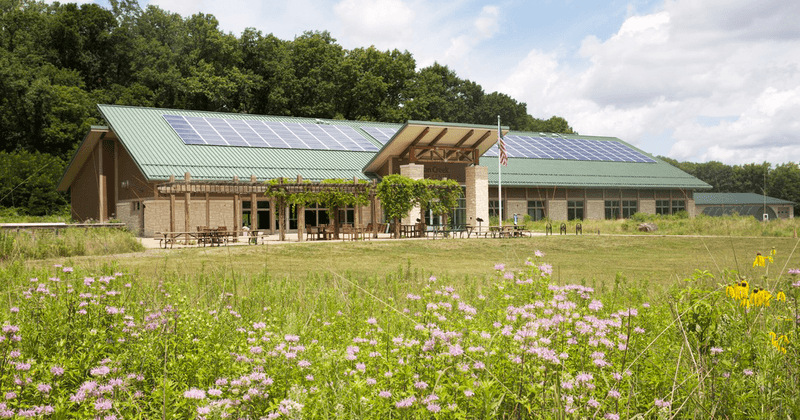
The first thing that struck us here was the steady sense of movement.
Every corner seemed to carry the energy of rescue, recovery, and release back into the wild.
That rhythm defines the Iowa Wildlife Center serving the Cedar Rapids area.
This is the kind of place where ordinary Iowans become part of wildlife survival.
Injured birds, orphaned mammals, and displaced native animals arrive because someone noticed them and chose not to look away.
The center then steps in with rehabilitation work that is practical, urgent, and deeply skilled.
What makes a visit especially meaningful is how clearly the organization connects people to the realities of coexisting with wildlife.
You are reminded that good intentions are not always enough, and that proper intervention can determine whether an animal heals or suffers.
That educational angle gives the experience real depth.
There is no manufactured charm here, and honestly, that is part of why we respected it so much.
The focus stays on native species, responsible care, and the hard truth that not every rescue story begins gently.
Even so, the center leaves you hopeful because each effort feels grounded in competence and compassion.
By the time we left, we were already thinking about returning for a program, a donation, or simply to keep learning.
4. Cedar Valley Humane Society Wildlife Care – Cedar Rapids, Linn County, Iowa
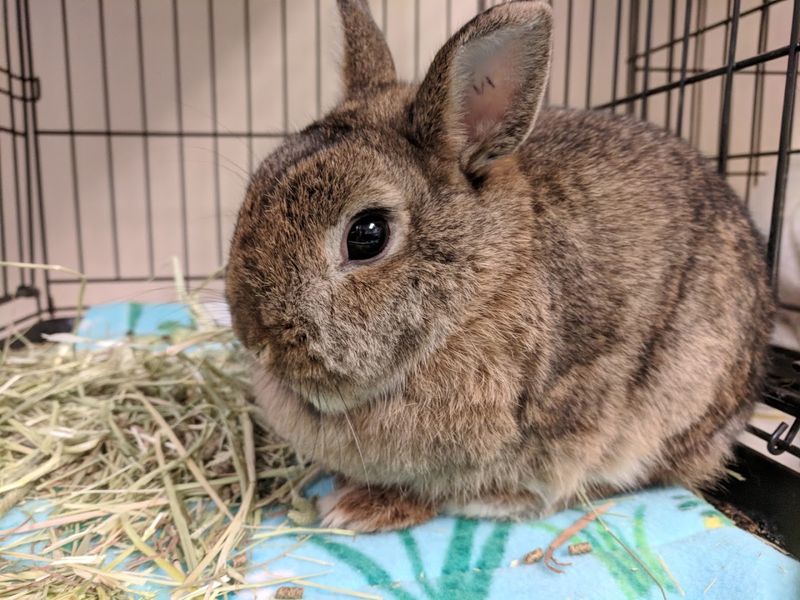
Busy intake areas and quiet recovery spaces created a memorable contrast here.You can feel the urgency of rescue work, but you can also see the discipline required to help wild animals heal with minimal stress.
That balance defines Cedar Valley Humane Society Wildlife Care in Cedar Rapids.
What makes this stop stand out is the way it broadens the idea of what a humane society can do.Beyond domestic animal work, wildlife care adds another layer of service that many casual visitors might not expect.
It is a reminder that community compassion can stretch across species when the right systems are in place.
We appreciated how educational the experience felt, even in a simple visit.You come away understanding why handling, feeding, and release decisions must be carefully managed.
Wildlife rehabilitation is not guesswork, and this program helps make that clear.
The atmosphere is not theatrical, which we actually found reassuring.Recovery often requires distance, quiet, and routine rather than direct interaction.
That focus on what the animals need, instead of what visitors want, gives the place credibility.
We left impressed by the practical good being done behind the scenes.It is easy to celebrate big conservation stories, but local wildlife care matters just as much.
This felt like exactly the kind of program you want in your region, and exactly the kind of place worth revisiting and supporting.
5. Wildwood Hills Ranch – St. Charles, Madison County, Iowa
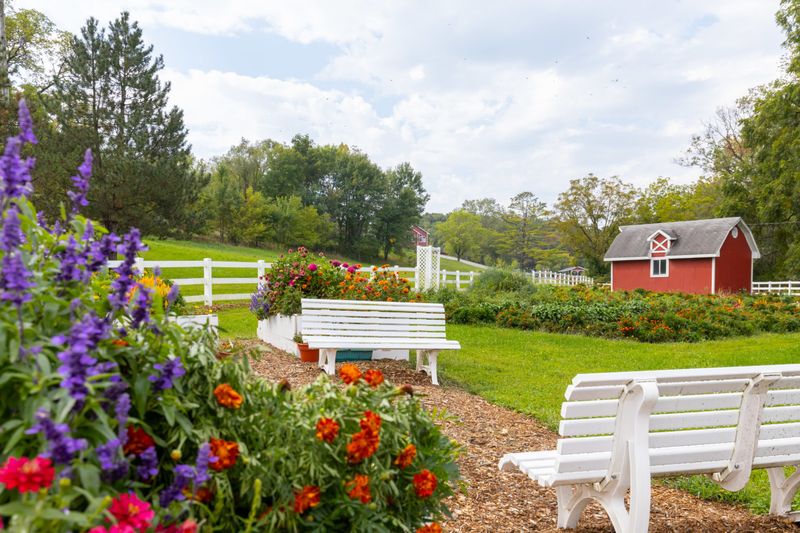
Fresh air, wide views, and a strong feeling of welcome made this place memorable before we even learned the full story.
It feels like a retreat first, but there is real substance behind the scenery.
That mix is exactly what makes Wildwood Hills Ranch near St. Charles stand out.
While known for serving youth and families through camp and mentoring programs, the ranch also uses animal connections in ways that feel grounding and restorative.
Horses and other animals become part of an environment focused on trust, resilience, and confidence.
You can sense that people leave here carrying more than just photos.
What we appreciated was how naturally the ranch blends outdoor recreation, emotional support, and animal centered experiences.
Nothing feels forced or overdesigned.
Instead, the landscape and the animals help create moments that are both peaceful and quietly powerful.
This stop is ideal if you are drawn to places where human healing and animal connection overlap.
You do not need a formal program to understand why the setting matters.
Even a short visit leaves you aware of how much calm and perspective can come from being present in a place like this.
We left wanting to come back because the ranch felt expansive in every sense.
6. Heartland Farm Sanctuary – Waterloo, Black Hawk County, Iowa
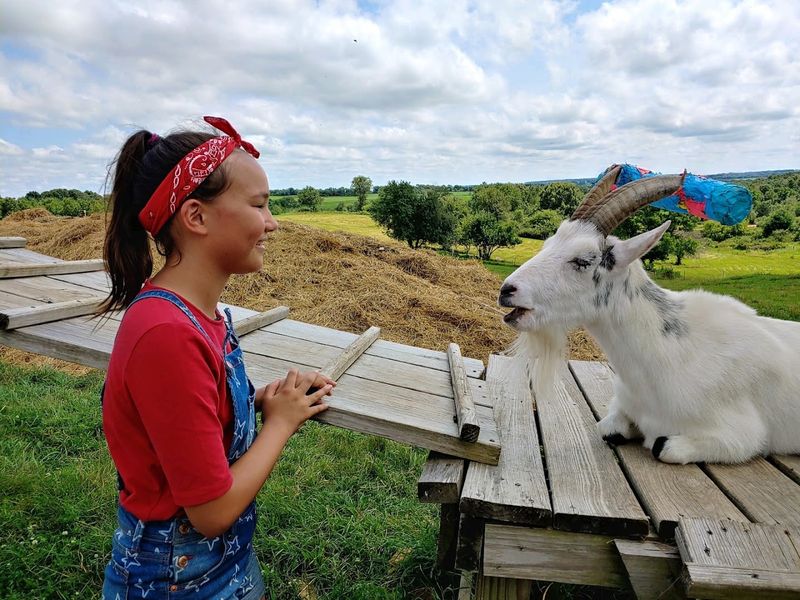
There is something deeply disarming about meeting farm animals in a setting where nothing is expected of them.
No production, no performance, just space to live safely and be seen as themselves.
That is the immediate feeling at Heartland Farm Sanctuary in Waterloo.
The residents here represent more than rescue stories.
They also represent a gentle challenge to the ways many of us were taught to think about common farm species.
Spend even a little time watching their behavior, and it becomes impossible to reduce them to categories.
We loved how approachable the sanctuary felt without losing the seriousness of its mission.
Visitors can connect emotionally, but the underlying message about care, advocacy, and lifelong commitment stays intact.
That gives the experience both warmth and weight.
Another strength is the pace.
You are encouraged to slow down, notice details, and appreciate the personalities of animals who are too often overlooked.
That slower rhythm makes the visit feel restorative instead of rushed.
It gave us a memorable outing while also changing the way we looked at everyday animals.
We wanted to return because there was still more to absorb, and because supporting a place built on mercy feels like one of the easiest good decisions you can make.
7. Sundog Farm Sanctuary – Fairfax, Linn County, Iowa
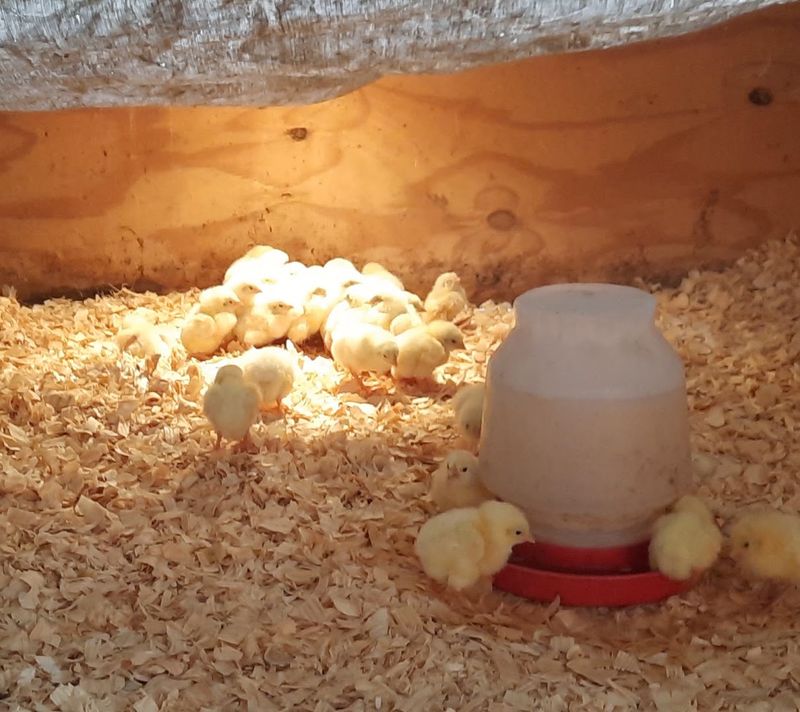
Warm sunlight, muddy boots, and the easy sounds of animals settling into safe routines made this stop instantly charming.Yet beneath the peaceful setting is a serious rescue mission that gives the experience real depth.
That combination shines at Sundog Farm Sanctuary near Fairfax.
Like the best farm sanctuaries, this one invites you to slow down enough to notice individual lives.A pig greeting the fence, a goat tracking your movement, or a chicken strutting with complete confidence can all change how you think.
Those moments are simple, but they stay with you.
We appreciated that the sanctuary does not rely on guilt to make its point.Instead, it creates space for connection, then lets that connection do the work.
By the end, compassion feels less abstract and much more personal.
The rural setting also adds something special.There is room to breathe, room to observe, and room for rescued animals to experience a quieter future.
That atmosphere makes the visit feel restorative for people too.
We left with the sense that this is exactly the kind of place worth revisiting in another season.You want to see how the farm changes, how the residents grow, and how your own perspective might keep shifting.
Sundog felt welcoming, thoughtful, and memorable in all the right ways.
8. Iowa Farm Sanctuary – Oxford, Johnson County, Iowa
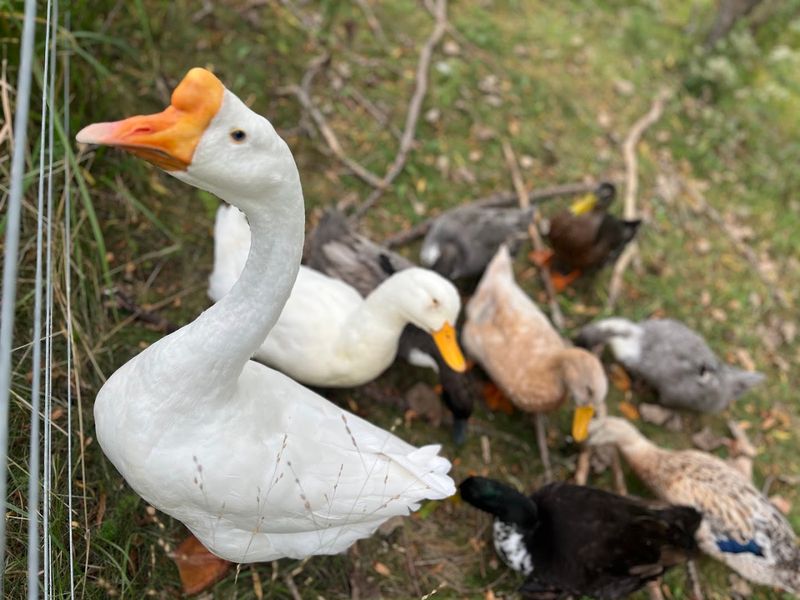
Open pasture, weathered fencing, and the soft sounds of farm life gave this stop an instantly grounding feel.
Instead of seeing animals as part of a production system, you are invited to see them as distinct individuals.
That shift happens beautifully at Iowa Farm Sanctuary near Oxford.
Rescued cows, pigs, goats, chickens, and other farmed animals are given room to recover, settle, and simply exist without demand.
The sanctuary makes it easy to notice personality in every interaction, whether that means curiosity, caution, or plain stubbornness.
You leave with a stronger understanding of how much agency animals show when they are finally safe.
What impressed us most was the balance between warmth and honesty.
The storytelling does not hide the difficult conditions many residents came from, yet it never leans into spectacle.
Instead, it focuses on healing, dignity, and daily care.
This is also the kind of place that can quietly reshape the way you think about food systems and kindness.
You do not need to arrive with firm opinions to feel the impact.
Just spending time here encourages a more thoughtful connection to the lives of farm animals.
We drove away feeling calmer, more informed, and oddly grateful for the simplicity of the visit.
It was not flashy, and that made it even better.
Iowa Farm Sanctuary felt like the sort of sanctuary you revisit when you need your perspective reset.
9. Furry Friends Refuge – West Des Moines, Dallas County, Iowa
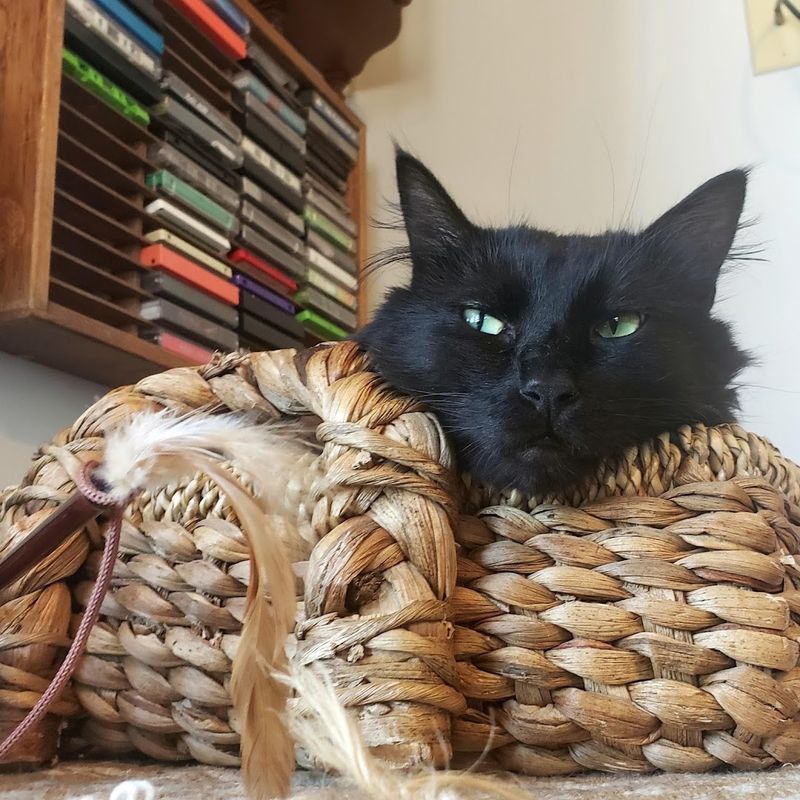
Soft noses, alert ears, and surprisingly big personalities made this one of the sweetest stops on our list.
It also quickly reminded us that rabbits are often misunderstood, impulse adopted, and then neglected.
That is exactly why Furry Friends Refuge in West Des Moines matters so much.
The rescue focuses on giving abandoned and surrendered rabbits proper care, safe housing, and a path toward informed adoption.
What stands out right away is how much education shapes the entire experience.
Visitors learn that rabbits are not low maintenance starter pets but intelligent, social animals with specific needs.
We loved how approachable the organization felt.
The atmosphere is gentle and welcoming, yet the message remains firm about commitment, veterinary care, and responsible ownership.
That mix makes it easy to connect emotionally without missing the practical realities.
This stop also works wonderfully for families or first time rescue supporters.
The animals are engaging, the mission is clear, and the lessons transfer far beyond rabbits.
You leave better informed about rescue culture in general.
By the end, we were honestly surprised by how attached we felt.
A visit here is light in some ways, but it also leaves a lasting impression about compassion and preparedness.
10. Hartman Reserve Nature Center – Cedar Falls, Black Hawk County, Iowa
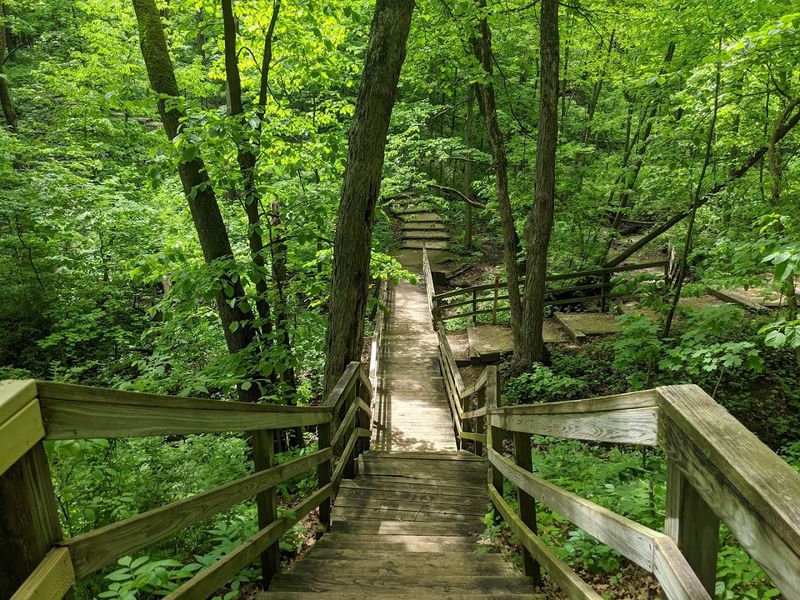
Laughter, open space, and a relaxed educational vibe gave this stop a different energy from some of the more solemn rescues.
It felt family friendly right away, but there was still plenty of substance beneath the charm.
That balance makes Hartman Reserve Nature Center in Cedar Falls easy to recommend.
The farm introduces visitors to a range of animals in a way that encourages curiosity and respect.
Instead of rushing from one enclosure to the next, you are drawn into slower observation and conversation.
That pacing helps children and adults alike understand animals as more than background scenery.
We especially liked how accessible the experience felt.
For people who are newer to sanctuaries, rescues, or animal education, this is the kind of place that opens the door gently.
It creates memorable contact points without feeling overwhelming or overly commercial.
The rural setting also works in its favor.
There is a sense of roominess that supports both the animals and the visitor experience.
You can take your time, ask questions, and leave feeling like the outing was genuinely enriching.
We drove away thinking this would be an easy return trip.
Hartman Reserve Nature Center offers the kind of comfort, warmth, and hands on learning that keeps a place in your memory.
11. Spock’s Sanctuary – Des Moines, Polk County, Iowa
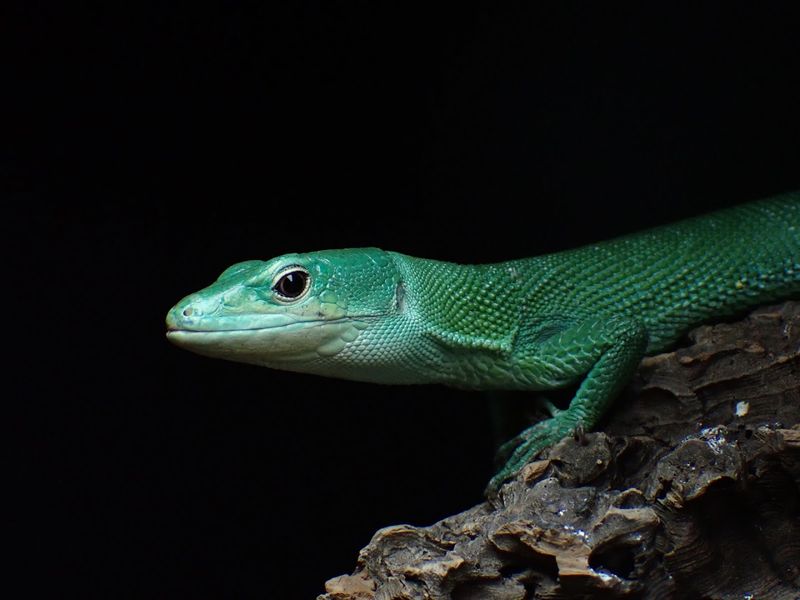
Slow movement can still leave a strong impression, and that was absolutely true here.
What first seemed like a niche rescue quickly turned into one of the most unexpectedly fascinating stops on our route.
Spock’s Sanctuary in Des Moines proved that specialized care can be incredibly compelling.
The rescue highlights a problem many people do not think about until it is too late.
Tortoises often outlive expectations, outgrow their setups, and require more expertise than casual owners realize.
Seeing a rescue built around those realities gives the visit immediate relevance.
We appreciated how educational the experience felt from beginning to end.
Housing, nutrition, temperature, and long term commitment are all part of the conversation.
That practical information helps explain why responsible reptile rescue is not just admirable but necessary.
There is also something quietly enjoyable about observing tortoises up close.
Their pace invites you to slow down, notice details, and rethink assumptions about reptile personality.
By the end, the animals feel far more distinctive than many visitors probably expect.
This stop stayed with us because it combined novelty with genuine purpose.
It was different from every other sanctuary visit on our trip, and that made it even more memorable.