
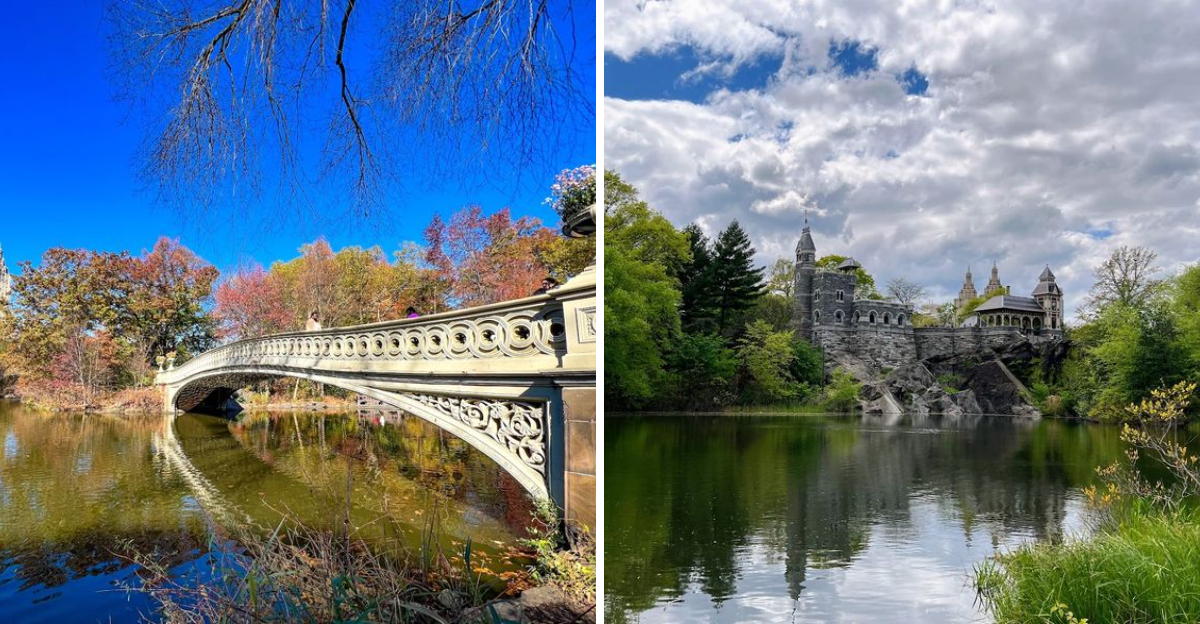
Central Park is the kind of place where getting lost can feel like winning.
One minute, you’re surrounded by towering Manhattan buildings, and the next, you’re following a winding path beneath leafy trees with a quiet stream nearby. A small bridge appears around the bend, the city fades into the background, and suddenly, this famous park feels like a secret world.
That is the magic of Central Park. Its most memorable moments are not always found at the busiest landmarks.
They happen when you take the wrong turn, follow an unfamiliar trail, or wander farther than planned.
From romantic bridges and wooded paths to peaceful corners that seem impossibly far from downtown, Central Park keeps surprising visitors.
Sometimes, the best way to see this New York icon is to stop looking for the next destination and simply keep walking.
A Hidden World Exists Right In Manhattan’s Heart
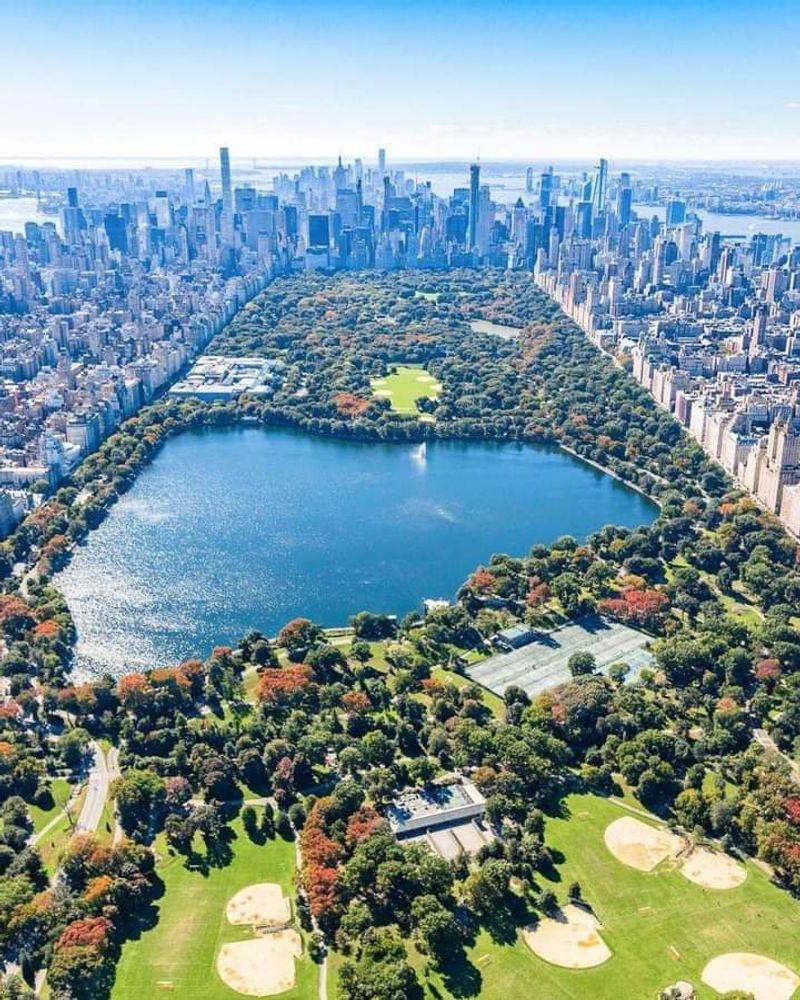
Something magical happens when you step off the busy city streets and onto Central Park’s pathways. The noise fades away almost immediately.
Towering trees create natural walls that block out the skyscrapers, and suddenly you’re walking through what feels like a countryside forest.
The park’s designers, Frederick Law Olmsted and Calvert Vaux, deliberately created this experience in the 1850s. They wanted New Yorkers to escape urban stress without leaving the city.
Their brilliant landscape architecture uses hills, curves, and strategic plantings to hide the surrounding buildings from view along many paths.
Water features add to this transported feeling. Ponds reflect clouds and trees instead of concrete towers.
Meandering streams gurgle over rocks like they would in wilderness areas hundreds of miles away.
Walking without a specific destination lets visitors appreciate these carefully designed surprises. Random exploration reveals how the park constantly shifts between open meadows and enclosed woodland areas.
That contrast makes the hidden corners feel even more special when you stumble upon them unexpectedly.
Gapstow Bridge Creates An Unforgettable Manhattan Moment
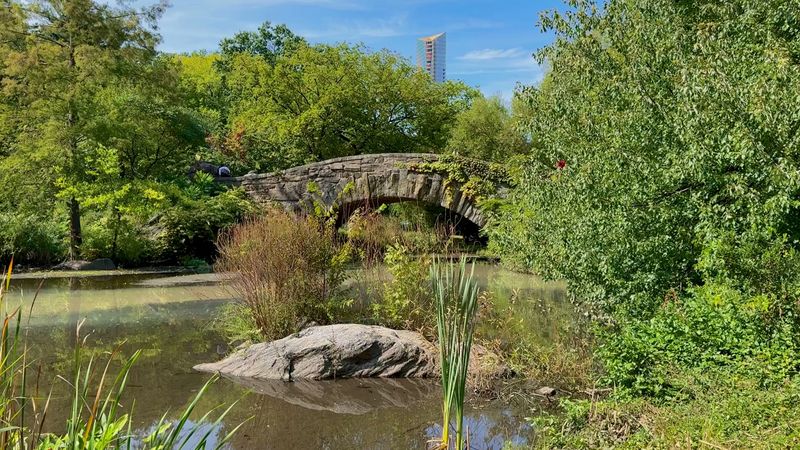
Near the park’s southeast entrance stands a bridge that perfectly captures why Central Park feels so extraordinary. Gapstow Bridge arches over the Pond with graceful stone curves that look like they belong in a European countryside painting.
Then you glance up and see glass skyscrapers towering behind the trees.
This dramatic juxtaposition makes Gapstow Bridge one of the most photographed spots in all of New York City. The rustic stonework dates back to 1896, replacing an earlier wooden version.
Its warm brown tones contrast beautifully against the Pond’s reflective surface and the steel-and-glass towers beyond.
Early morning visits offer the best light for appreciating this scene. Mist sometimes hovers over the water while the rising sun illuminates the buildings behind.
Few other visitors are around, making it easier to pause and really take in the view.
The bridge also serves as a gateway to deeper exploration. Once you cross it, paths lead toward wilder sections of the park where the urban skyline disappears completely from sight.
The Ramble Turns Every Walk Into An Adventure
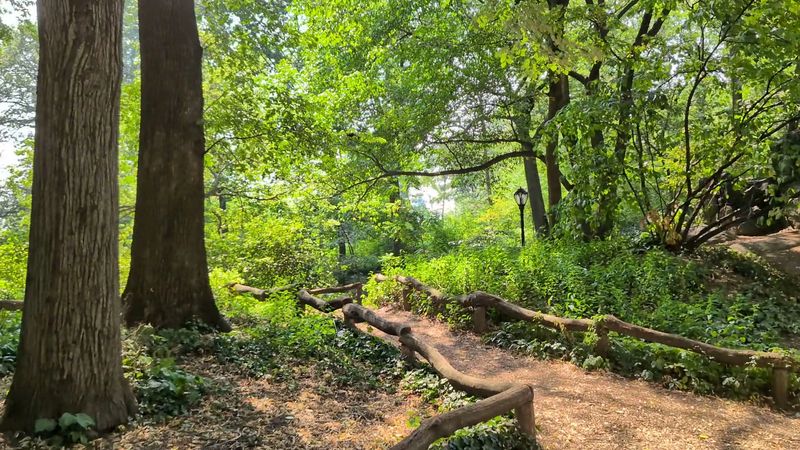
Imagine getting genuinely lost in the middle of Manhattan. The Ramble makes this possible across its 38 acres of deliberately tangled pathways and dense plantings.
Rocky outcrops jut up beside the trails. Streams trickle under miniature bridges.
Bird songs replace traffic noise.
Olmsted designed this section specifically to feel wild and unplanned, even though every rock and tree placement was carefully considered. The narrow paths twist unexpectedly, with each turn revealing something different.
You might find yourself climbing over natural stone steps one moment, then descending toward a hidden pond the next.
Serious birdwatchers flock here during migration seasons. Over 230 bird species have been spotted in Central Park, with the Ramble being their favorite hangout.
The varied terrain and plantings create perfect habitats for warblers, thrushes, and even occasional rare visitors.
First-time wanderers sometimes worry about getting genuinely confused by the maze-like layout. That slight uncertainty adds to the adventure.
Emerging back onto a main path after 20 minutes of exploration feels like returning from a wilderness expedition.
Bow Bridge Captures Romance And Architectural Beauty
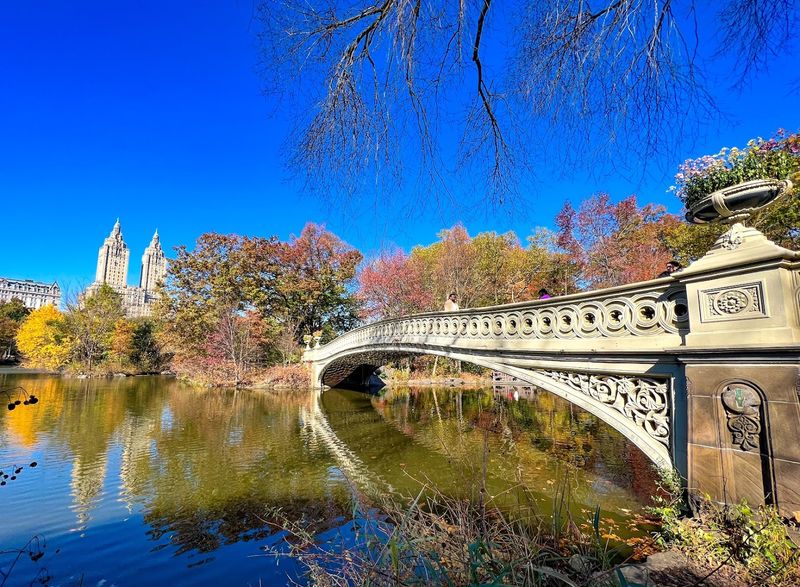
Cast iron and elegance combine at Bow Bridge to create Central Park’s most romantic landmark. The bridge’s sweeping 60-foot curve over The Lake has witnessed countless proposals, wedding photos, and quiet moments between visitors who simply stop to admire the view.
Its ornate design looks delicate but has stood strong since 1862.
The bridge’s name comes from its bow shape, resembling an archer’s weapon or a ship’s front when viewed from the side. Intricate cast-iron decorations along the railings show craftsmanship rarely seen in modern construction.
Each detail was designed to enhance rather than overpower the natural surroundings.
Standing at its center offers views in multiple directions. The Lake extends toward the east with the Ramble’s wooded shore on one side and Bethesda Terrace visible to the south.
Looking west reveals Strawberry Fields and the buildings of Central Park West framing the scene.
The bridge connects different park experiences seamlessly. Visitors can easily continue toward quieter northern sections or circle back toward more popular southern attractions, making it a natural pivot point for longer explorations.
The Lake’s Shore Paths Offer Peaceful Waterside Wandering
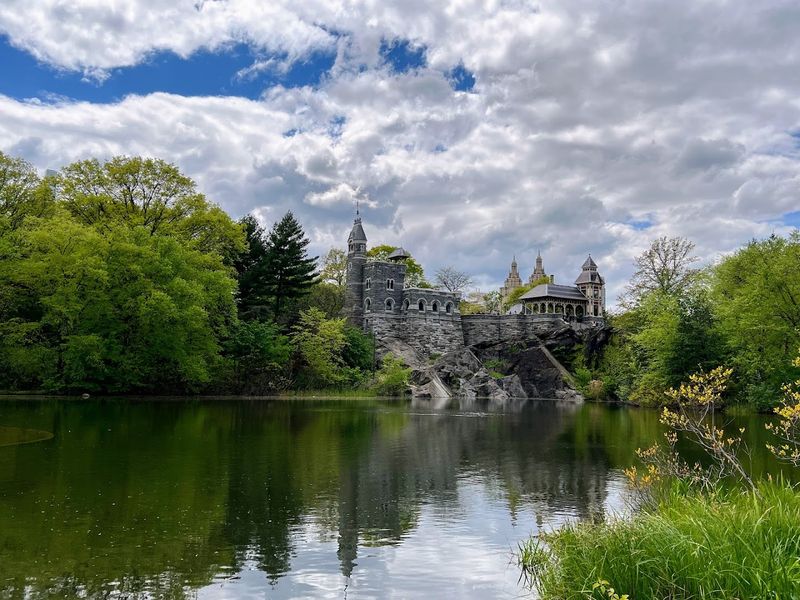
While thousands of people visit Central Park daily, many stick to the most direct routes between famous landmarks. The winding paths encircling The Lake attract fewer crowds, creating surprisingly peaceful stretches where you might encounter only a handful of other walkers.
These pathways constantly shift between sun-dappled openings and shaded tree tunnels. Water views change with every bend as the irregular shoreline creates little coves and promontories.
Benches positioned at strategic spots invite visitors to simply sit and watch ducks glide across the surface or observe the changing light on distant buildings.
Cherry trees along certain sections burst into pink blooms each spring, creating a brief but spectacular display. In autumn, the surrounding maples and oaks turn brilliant shades of orange and gold.
Even winter brings its own stark beauty when snow covers the banks and ice forms along the edges.
The romantic atmosphere here rivals any European park. Couples walk hand-in-hand while photographers capture engagement portraits.
Solo visitors find these paths perfect for contemplative strolls or peaceful reading spots beneath the trees.
Bethesda Terrace Brings Grand Architecture To Nature
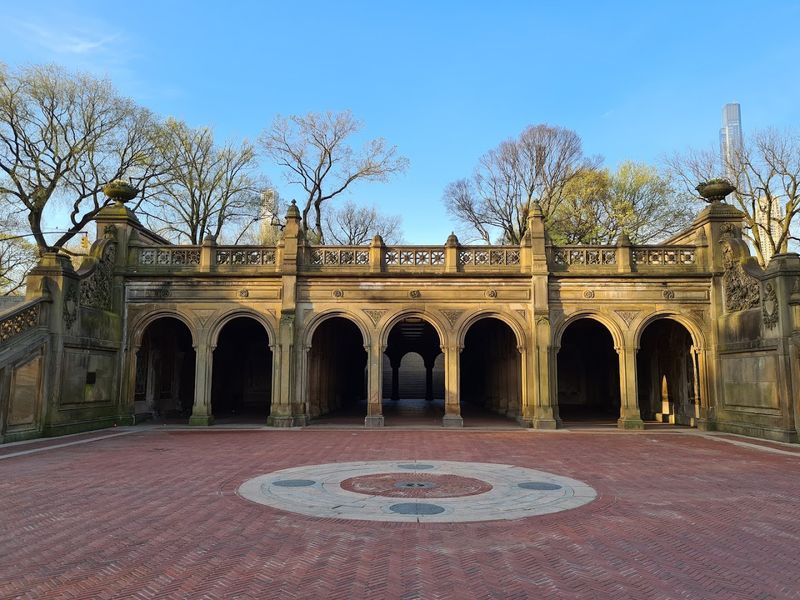
Descending the grand staircase toward Bethesda Terrace feels like entering a different world entirely. Suddenly you’re surrounded by elaborate stone carvings and an arcade ceiling decorated with thousands of colorful Minton tiles.
The famous Angel of the Waters fountain dominates the lower plaza, its bronze figure spreading wings above a pool.
This terrace represents Central Park’s only formal architectural element, intentionally designed to provide contrast with the natural landscapes surrounding it. The arcade’s elaborate ceiling depicts the four seasons through intricate tile patterns.
Carved stone panels show plants, birds, and symbolic representations of different times of day.
Musicians often perform in the arcade, where the acoustics transform guitar music or singing into something special. The space frames performances beautifully while pedestrians pass through on their way between the Mall and the Lake.
The terrace also serves as a social gathering spot. People sprawl on the plaza steps watching street performers, while others photograph the fountain from every angle.
Despite the activity, the surrounding paths quickly lead back into quieter park sections where nature dominates again.
North Woods And Ravine Feel Miles From Civilization
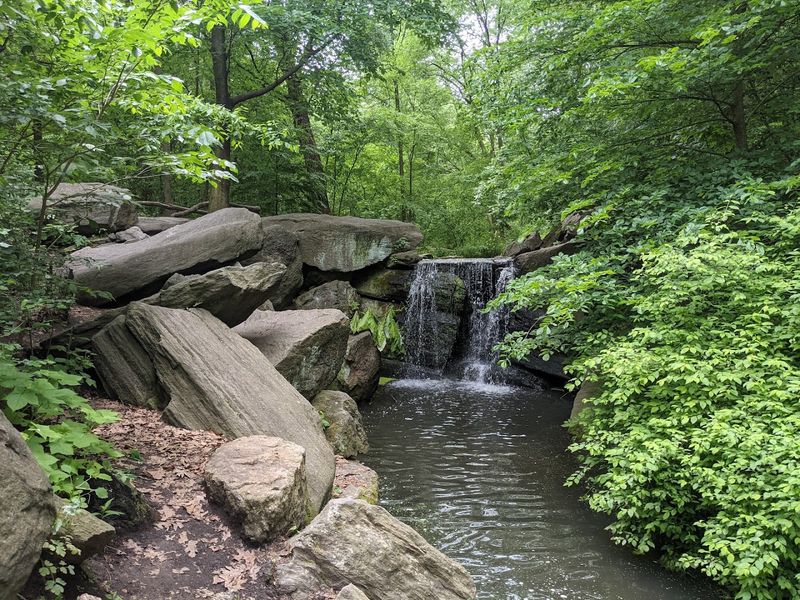
Most visitors never venture far enough north to discover where Central Park gets truly wild. The North Woods section above 100th Street features the most rugged terrain in the entire park.
Steep slopes, exposed rock formations, and a genuine ravine with a cascading stream create an atmosphere that feels transplanted from the Adirondacks.
The Loch, a stream that runs through the ravine, tumbles over rocks and under rustic bridges designed to look like they’ve stood for centuries. Dense plantings of native trees and shrubs create deep shade even on sunny days.
The sounds of flowing water and rustling leaves replace city noise almost completely.
This wilder landscape requires more physical effort to explore. Paths climb and descend more dramatically than in the park’s southern sections.
That extra challenge rewards visitors with solitude and more intense nature experiences.
Historical features like the Blockhouse, a small stone fortification from the War of 1812, add unexpected historical dimensions to walks through this area. It’s Central Park’s oldest structure and sits tucked into the northwestern corner, rarely visited but fascinating for history enthusiasts.
Conservatory Garden Provides A Formal Contrast
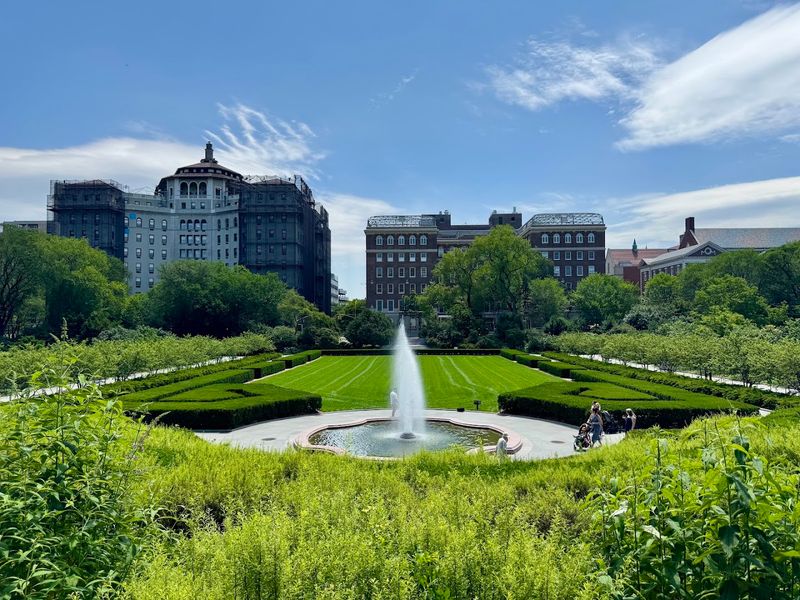
Behind an ornate wrought-iron gate at Fifth Avenue and 105th Street lies a completely different park experience. The Conservatory Garden spans six acres of meticulously maintained formal gardens divided into French, Italian, and English styles.
Geometric flower beds, clipped hedges, and symmetrical layouts contrast sharply with the natural landscapes found elsewhere.
Spring brings thousands of tulips in carefully coordinated color schemes. Summer fills the beds with perennials and annuals arranged in stunning patterns.
The fountain in the Italian Garden features bronze sculptures of maidens dancing in a circle, while the English Garden’s wisteria pergola creates a fragrant tunnel in May.
This northern location means fewer crowds than central attractions. Visitors can actually find quiet benches and spend time with books or sketchpads.
The peaceful atmosphere makes it popular with locals who use the space almost like a private garden.
Reaching the Conservatory Garden requires intentional effort since it sits far from most tourist routes. That distance filters out casual park-goers, leaving the space to serious garden enthusiasts and neighborhood residents who appreciate this beautiful hidden treasure.
Planning Your Central Park Exploration
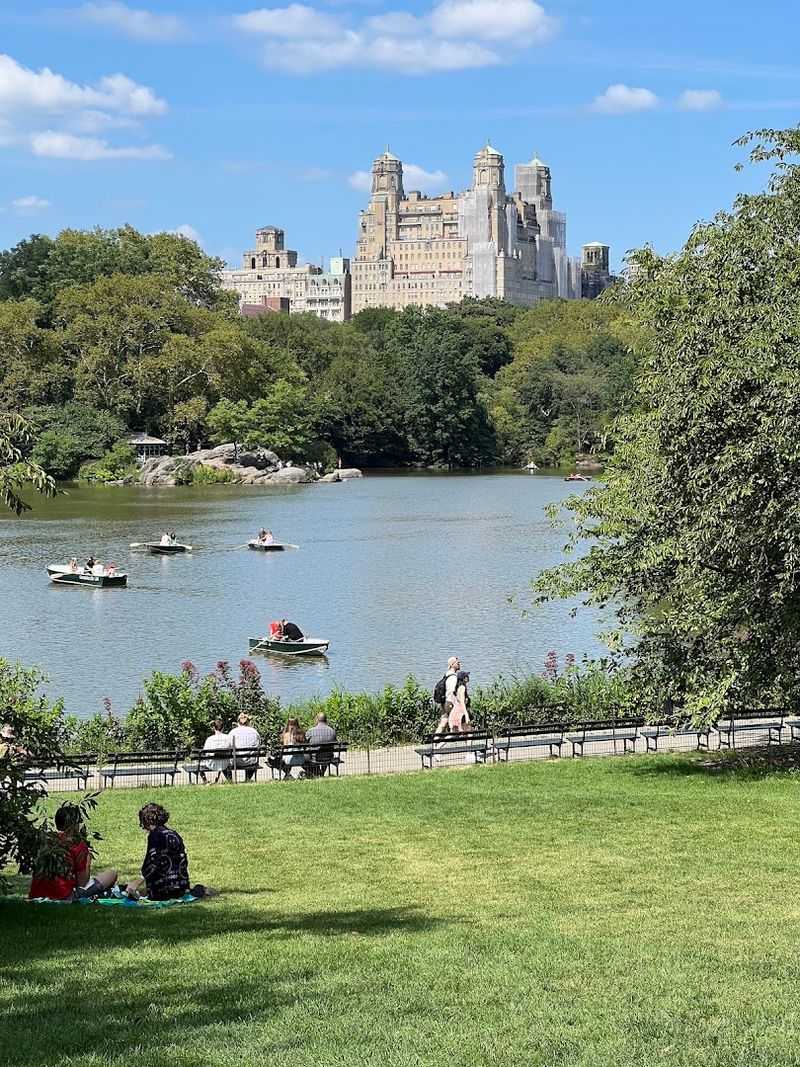
Central Park stretches 2.5 miles from 59th Street to 110th Street and spans half a mile between Fifth Avenue and Central Park West, covering 843 acres total. The park opens at 6 a.m. and closes at 1 a.m., giving visitors plenty of daylight hours for exploration during most seasons.
Comfortable walking shoes are absolutely essential. The park’s size means even a “short” visit involves several miles of walking, often over uneven terrain.
Dress in layers since shaded areas stay cool while open meadows can get surprisingly warm.
Using a map or digital guide helps orient yourself, especially in twisting sections like the Ramble where paths seem intentionally confusing. The Central Park Conservancy’s free app provides detailed maps with current conditions and special events listed.
Planning around specific areas works better than trying to see everything. Focusing on the southern section, or dedicating time to northern wilderness areas, or circling The Lake creates more meaningful experiences than rushing past landmarks.
The quiet corners that make Central Park special reveal themselves only when you slow down and wander deliberately without constant schedule pressure.