
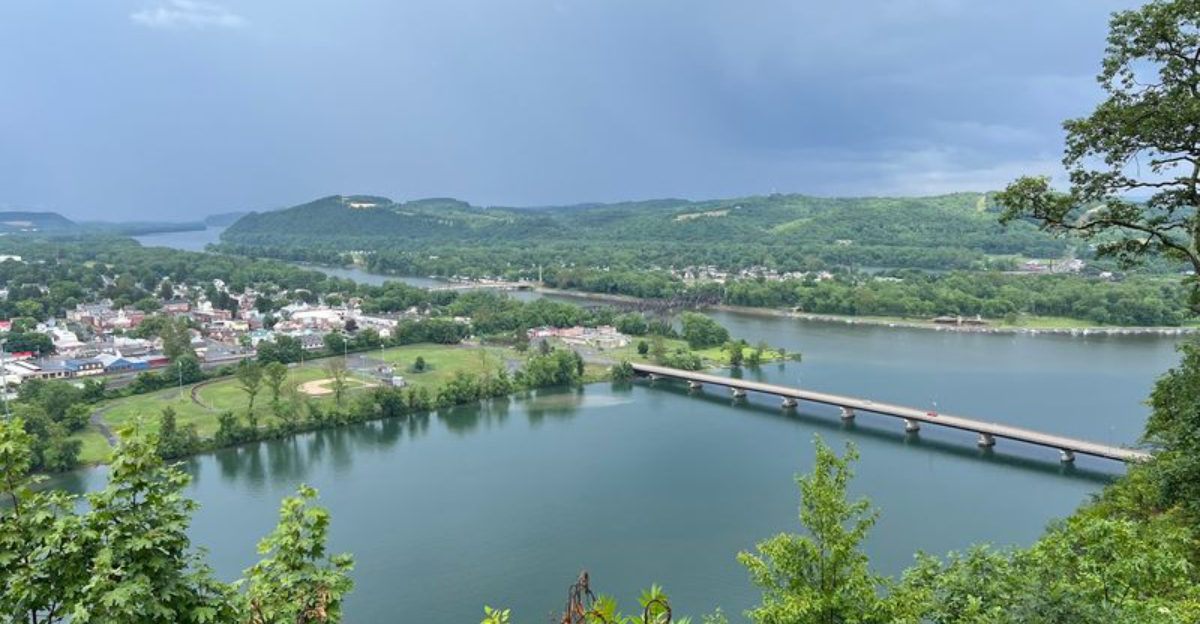
One of Pennsylvania’s best day-trip routes is hiding in plain sight—and it has been flowing through the state for millions of years.
The Susquehanna River stretches for nearly 450 miles, linking scenic parks, charming river towns, historic sites, and unforgettable views along the way.
A morning beside the water can turn into an afternoon exploring a historic community, hiking above the river, browsing local shops, or stopping for a memorable meal in a town you may never have considered visiting.
That is the magic of following the Susquehanna: every stretch feels different.
One stop might offer peaceful trails and sweeping views, while the next brings old bridges, fascinating history, or a lively downtown.
If you are ready to turn one ancient river into a whole collection of Pennsylvania adventures, these day-trip destinations are a perfect place to start.
Harrisburg Riverfront and City Island
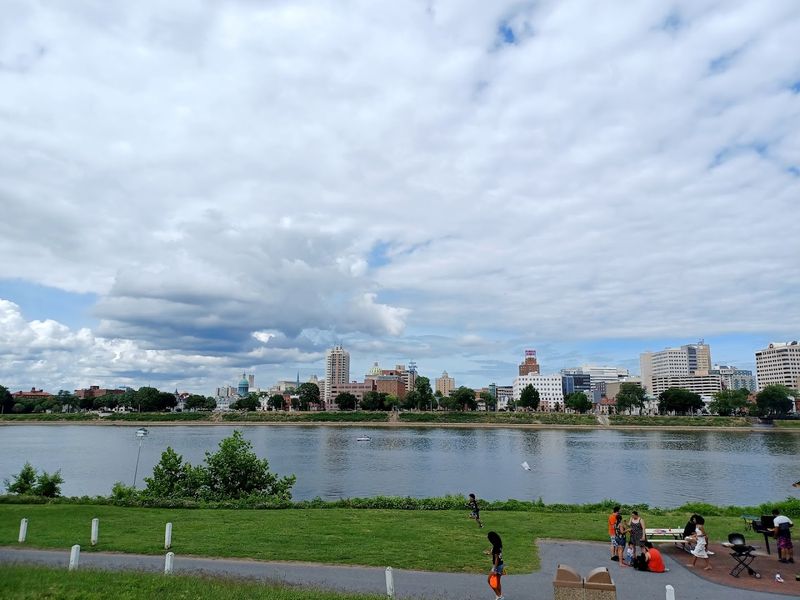
Pennsylvania’s capital puts the Susquehanna right at the center of city life. Families and visitors gather along the riverfront walkways, where you can watch boats pass by while downtown buildings create a striking backdrop.
City Island sits in the middle of the river, reachable by bridge or seasonal boat. Once there, you’ll discover ball fields, a miniature golf course, batting cages, and riverside trails that circle the entire island.
It’s a surprisingly green escape considering you’re still within city limits.
The surrounding area offers plenty to fill a whole day. Museums, historic sites, restaurants, and shops are all within walking distance of the water.
You can start with a morning riverside stroll, explore downtown attractions during the afternoon, then return to the waterfront for sunset views.
Parking is available near the river access points. The flat terrain and paved paths make this spot accessible for strollers, wheelchairs, and visitors of all ages.
Susquehanna Riverlands State Park — York County
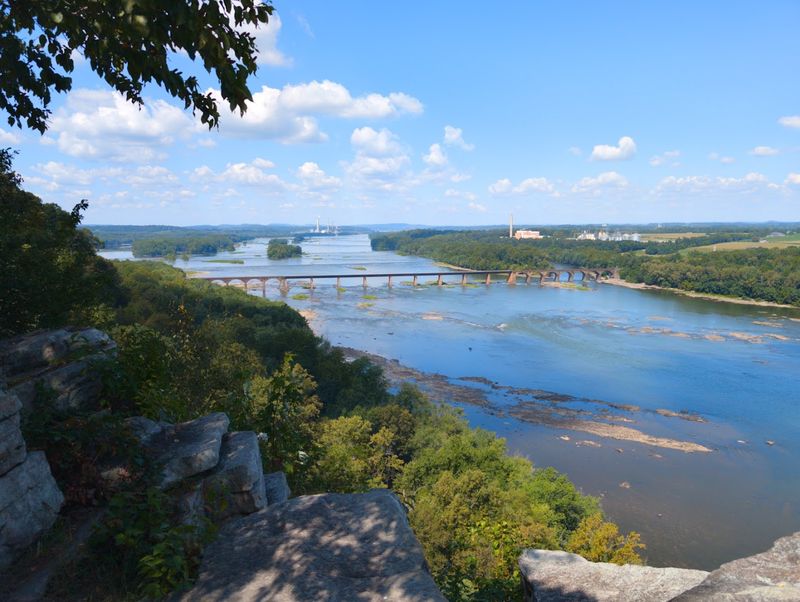
Opened fairly recently, this riverside park has quickly become a favorite among locals who want dramatic scenery without traveling far. Rocky cliffs drop down toward the water, creating overlooks that feel much wilder than you’d expect so close to nearby towns.
Nearly a mile of river shoreline gives you plenty of room to explore. The trails connect to the longer Mason-Dixon Trail system, so serious hikers can extend their adventure while casual walkers can stick to shorter loops.
Bring your camera because the views change with the seasons and time of day.
York and Wrightsville sit close by, making it simple to combine river exploration with small-town visits. Grab lunch at a local spot, then head to the park for an afternoon of outdoor time.
The area feels peaceful despite being easily reachable from major roads.
Strong footwear helps on the rockier sections. The terrain varies from smooth paths to natural surfaces with roots and stones.
Wrightsville and the Columbia–Wrightsville Riverfront
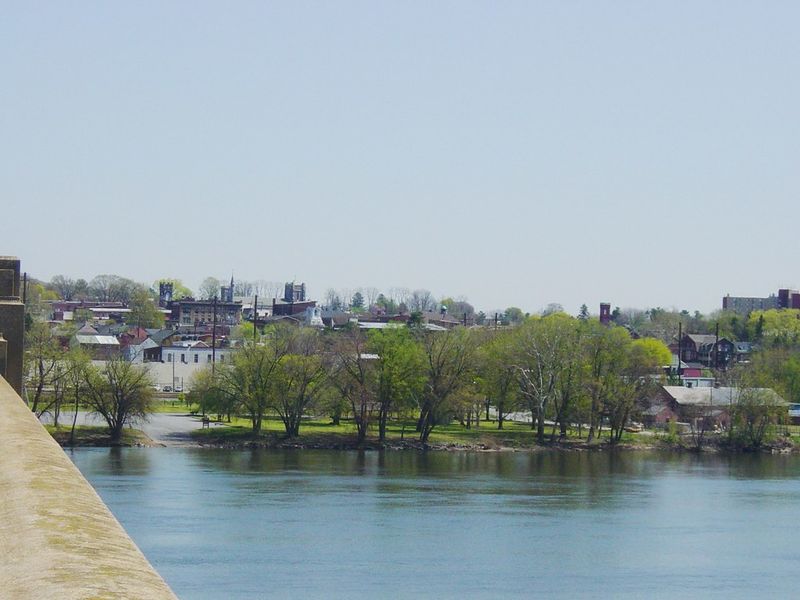
Two communities face each other across the water, connected by history and bridges. Walking between them gives you a sense of how the river shaped life in this region for generations.
Each town maintains its own personality while sharing the riverfront landscape.
The riverside trails offer easy walking with plenty of spots to pause and watch the water. Local businesses serve up food and drinks worth stopping for, and the main streets preserve that small-town feel that makes day trips relaxing.
You won’t find big crowds or tourist traps here.
History buffs appreciate the area’s Civil War connections and railroad heritage. Interpretive signs along the trails explain how the river crossing played a strategic role during wartime.
Modern visitors benefit from that history through well-maintained public spaces.
Combining this stop with nearby Susquehanna Riverlands creates a full day of variety. Start with breakfast in one town, hike or walk the trails, then explore the other community before heading home.
Free parking is available in both areas.
Susquehannock State Park
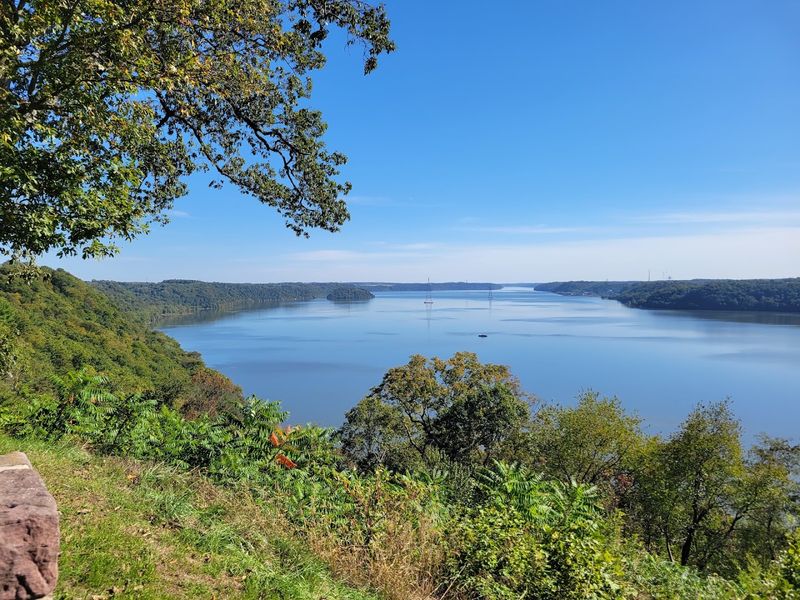
Perched high above the water, this park delivers views that make the river look majestic and vast. Standing at the overlooks, you can see for miles across the valley, watching the Susquehanna wind through the landscape below.
The elevation makes all the difference in how dramatic everything appears.
Hiking trails wind through the wooded plateau, offering shaded walks even on hot days. Picnic areas are scattered throughout, giving families plenty of options for outdoor meals with scenery.
Wildlife watchers bring binoculkers to spot birds and other animals that thrive in this protected habitat.
Unlike riverfront parks at water level, Susquehannock gives you that bird’s-eye perspective. It’s especially stunning during fall when the trees turn color, creating waves of red and gold stretching to the horizon.
Spring wildflowers and winter snow each bring their own beauty.
The park includes playground equipment and open spaces for kids to burn energy. Restroom facilities and plenty of parking make it convenient for families spending several hours here.
Historic Lancaster County and the Susquehanna Riverlands
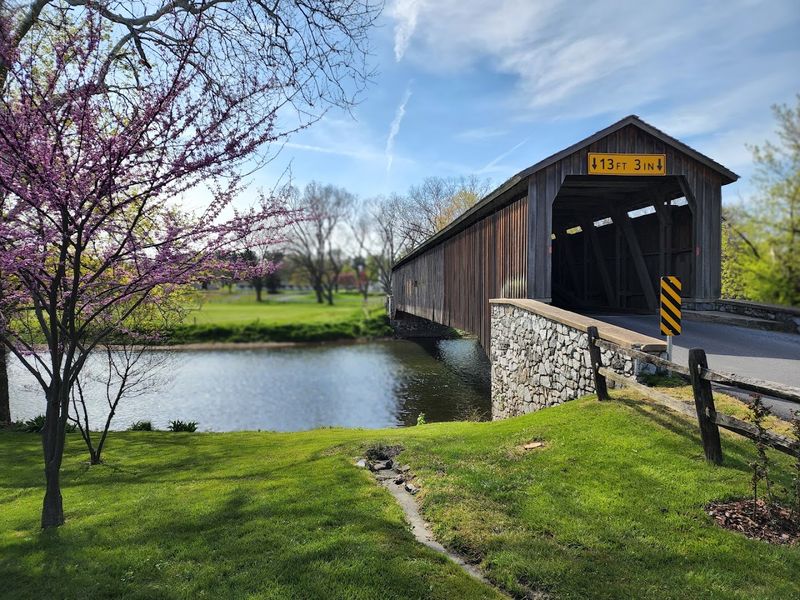
Southern Lancaster County blends river scenery with farmland in ways that feel uniquely Pennsylvanian. Horse-drawn buggies share roads with cars, farm stands sell fresh produce, and the landscape rolls gently toward the Susquehanna.
It’s a combination you won’t find in many places.
Starting your day at river overlooks or access points gives you natural beauty first. Then you can wind through back roads past working farms where Amish and Mennonite families maintain traditional lifestyles.
The contrast between river wildness and cultivated fields creates interesting variety within a small area.
Local food stops deserve attention here. Bakeries, markets, and small restaurants serve foods made from scratch using regional ingredients.
You might leave with jams, cheeses, or baked goods to take home. Support for these family businesses helps preserve the area’s agricultural character.
Weekends bring more traffic to popular spots, so weekday visits offer more peaceful experiences. Roads can be narrow and winding, requiring patient driving, especially when sharing space with slower farm vehicles and buggies.
Lewisburg
Lewisburg moves at a gentler pace than bigger cities, which is exactly its appeal. The compact downtown invites wandering, with locally-owned shops, galleries, and cafes clustered within easy walking distance.
You can park once and explore on foot all day.
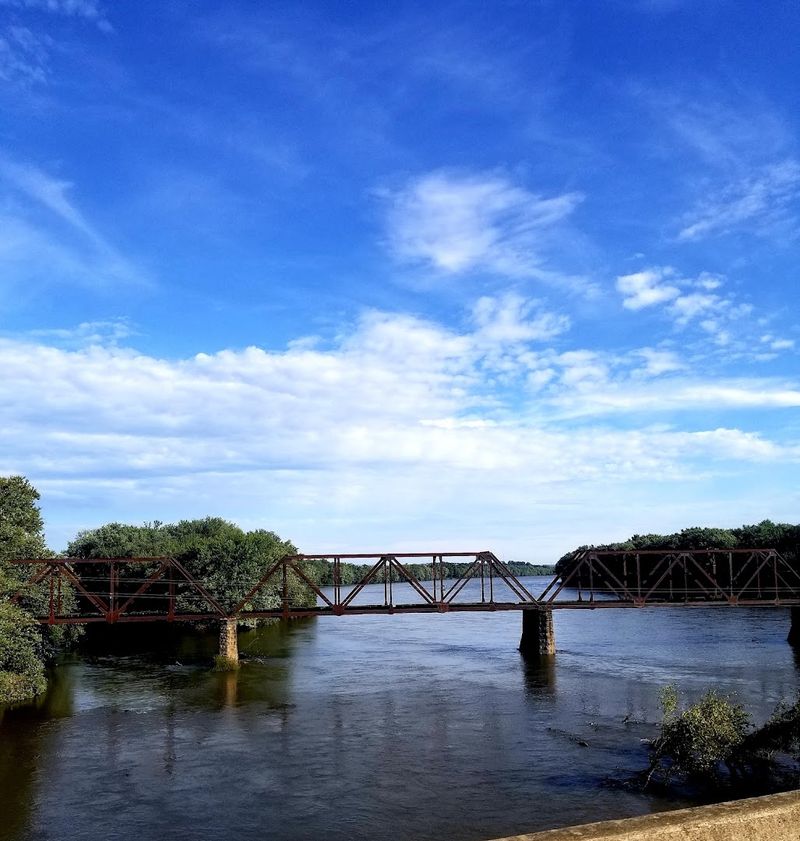
The West Branch of the Susquehanna flows nearby, adding natural beauty to the town’s already appealing character. Between shopping and eating, you can walk down to the water for views and fresh air.
The combination of cultural offerings and river access makes Lewisburg feel complete.
Independent businesses give the town authentic flavor. Browse bookstores, try local roasters’ coffee, or discover artwork created by regional artists.
Restaurant options range from casual to more refined, all emphasizing quality and community connections. You won’t find the same chain establishments that dominate mall areas.
Bucknell University sits in Lewisburg, bringing energy and events to the area. Check local calendars for performances, lectures, or exhibits that might enhance your visit.
The town maintains its charm while benefiting from university cultural contributions.
Milton State Park
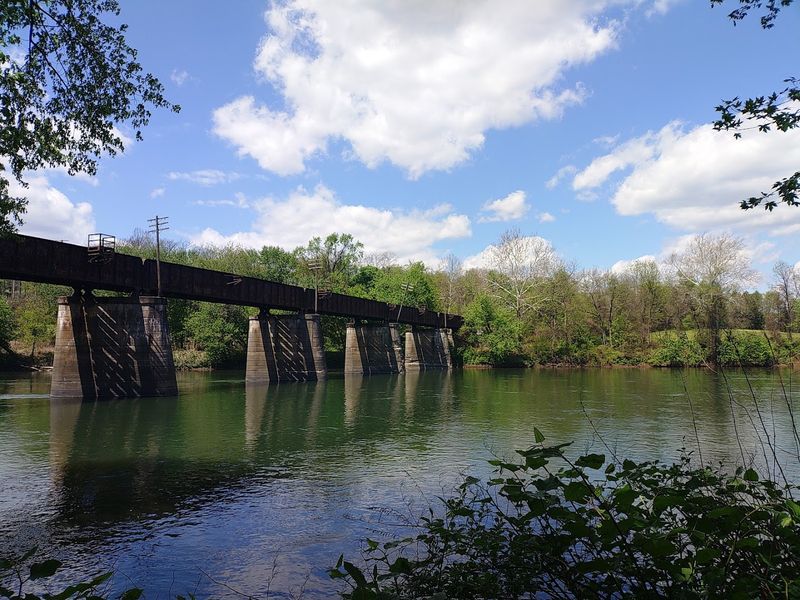
Imagine a park surrounded entirely by river water. Milton State Park occupies an island in the West Branch, creating a setting that feels removed from everyday life even though you can drive right to it.
The island location gives every visit that special quality of being somewhere different.
Activities here lean toward relaxation rather than adventure. Walking the paths, fishing from the shore, spreading out a picnic, and simply enjoying the river environment are what most visitors come for.
It’s perfectly sized for a few peaceful hours without feeling overwhelming or requiring athletic ability.
The park works well as part of a larger day exploring Milton and nearby Lewisburg. You might start with breakfast in one town, spend mid-morning at the park, then continue to the other community for lunch and afternoon activities.
The locations sit close enough to make multiple stops practical.
Fishing regulations apply, so check current rules if you plan to cast a line. The island setting means weather can feel different from nearby land areas, sometimes windier or cooler near the water.
Northumberland and the Confluence of the River Branches
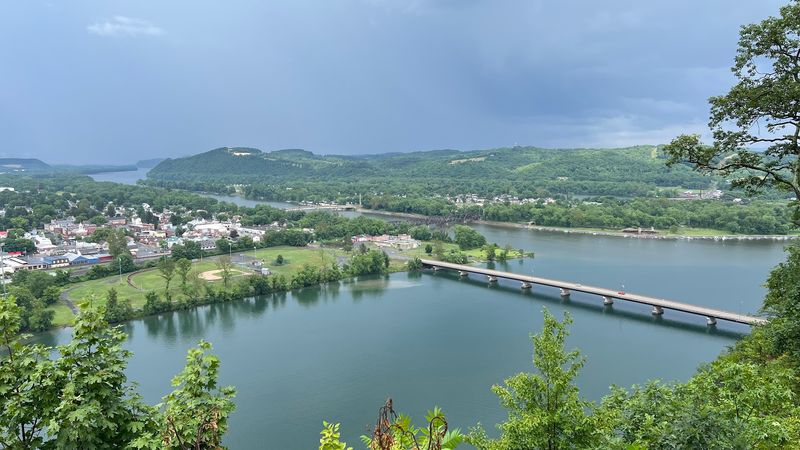
Geography makes Northumberland fascinating before you even arrive. The North and West Branches of the Susquehanna meet here, creating a confluence that determined the town’s location and importance.
Standing near the junction, you can actually see the two waterways coming together to form the main river.
Historic architecture lines the streets, telling stories of earlier eras when the river served as a major transportation route. Traditional buildings have been preserved rather than demolished, giving the town authentic character.
Green spaces provide spots to rest while taking in views of the water.
The town’s connection to river transportation history runs deep. Before railroads and highways dominated, rivers like the Susquehanna moved people and goods across the region.
Northumberland sat at a strategic point where decisions about routes and destinations were made. That heritage still shapes the community today.
This stop appeals most to visitors interested in history and geography. The town moves quietly, without heavy tourist development or major attractions.
What you get instead is authentic community life in a place shaped by its unique riverside location.
Williamsport and the Susquehanna State Park Area
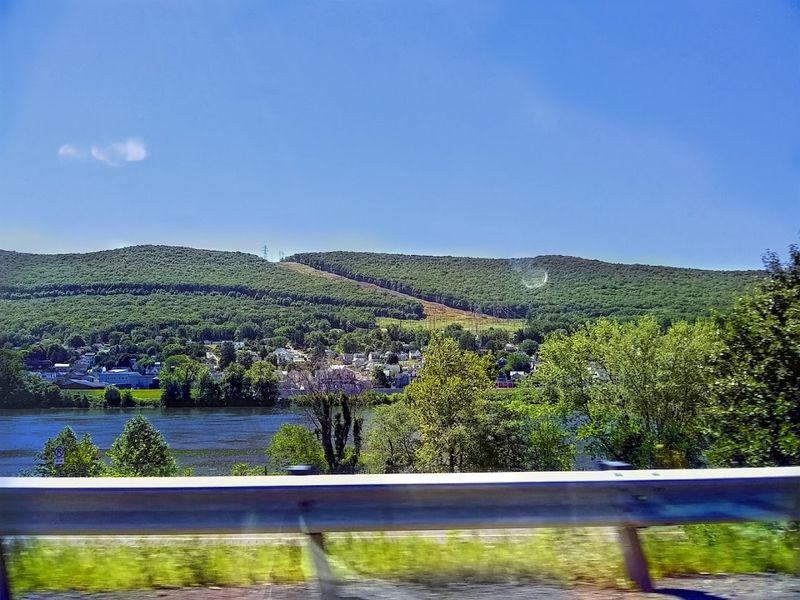
Williamsport’s lumber era fortune shows in its grand Victorian homes and substantial downtown buildings. The city grew wealthy from timber floating down the Susquehanna, and that prosperity left behind architecture worth seeing.
Today’s riverfront mixes that historic character with modern recreational opportunities.
The Hiawatha paddlewheeler offers river cruises during operating season, giving visitors a different perspective from the water itself. Seeing the city and surrounding valley from a boat helps you understand why the river mattered so much to local development.
It’s a memorable experience that kids especially enjoy.
Beyond the boat rides, the area provides trails, parks, and access points for enjoying the water at your own pace. The lumber industry may be gone, but the river continues drawing people for recreation and relaxation.
You can easily spend a full day combining historical exploration with outdoor activities.
Check the paddlewheeler’s seasonal schedule before planning your trip, as it doesn’t operate year-round. The riverfront is accessible even when boats aren’t running, offering views and walking paths regardless of season.
Tips for Exploring the Susquehanna River
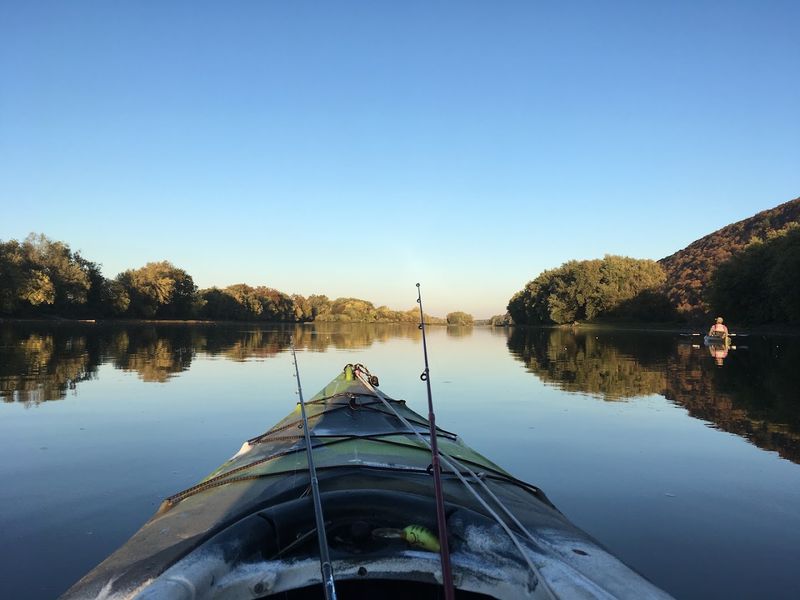
Planning matters because the Susquehanna stretches across so much of Pennsylvania. There’s no single entrance gate or visitor center serving the entire river, so you need to choose specific destinations based on what you want to experience.
Research towns, parks, and access points ahead of time to make the most of your day.
Check current hours and seasonal conditions before leaving home. State parks maintain different schedules depending on time of year, and some facilities close during winter months.
Local businesses also keep varied hours, especially in smaller communities. A quick phone call or website check prevents disappointing arrivals at closed gates.
Pack practical items for comfort and safety. Comfortable walking shoes matter on trails and uneven surfaces.
Water keeps you hydrated, especially during warmer months. Sun protection helps even on partly cloudy days, as river areas often lack shade.
Download maps or directions before leaving, since cell service can be spotty in rural and wooded areas.
River conditions change with seasons and weather. Respect posted access rules, particularly for boating and fishing, as regulations protect both visitors and natural resources.