
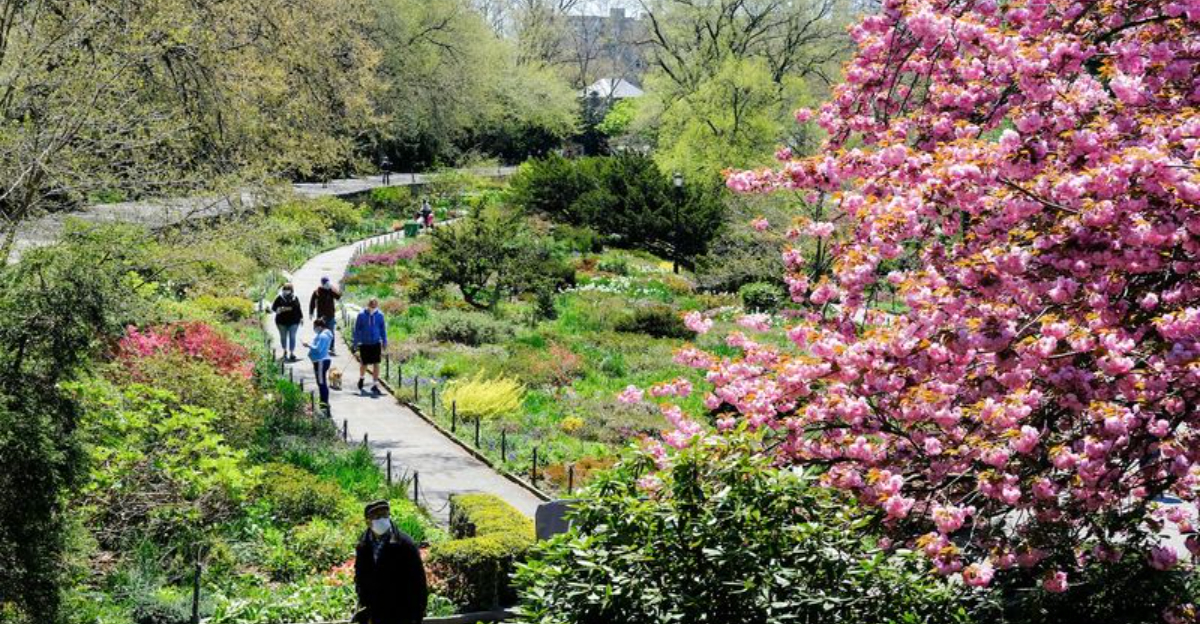
Silence is one of the hardest things to find in New York City, yet it waits quietly behind winding paths and flower-filled terraces overlooking the Hudson River. The sounds of traffic seem to fade with every step, replaced by birdsong, rustling leaves, and the gentle movement of water far below.
Nestled within Fort Tryon Park in northern Manhattan, Heather Garden offers a peaceful retreat unlike anywhere else in the city. Located along Center Path, this historic four-acre garden is filled with colorful heather, seasonal blooms, native plants, and thoughtfully designed stone walkways that invite visitors to slow down and take in the changing landscape.
Sweeping river views and carefully tended gardens create an atmosphere that feels remarkably removed from the energy of nearby streets.
Around every bend, you’ll find quiet overlooks, vibrant plantings, and timeless corners that reveal why Heather Garden remains one of New York City’s most treasured green spaces.
The Sound of Silence in Northern Manhattan
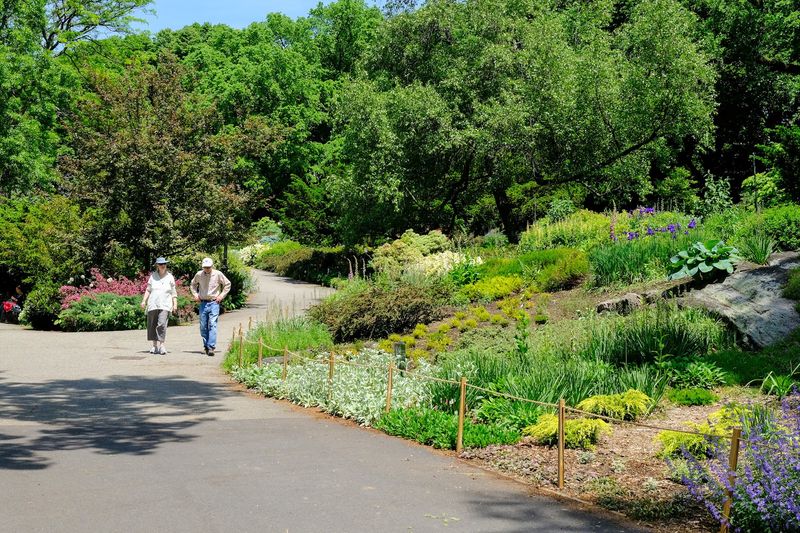
The first thing that hits you is what’s missing. No honking taxis.
No construction drilling. No subway rumble beneath your feet.
Heather Garden sits on a sloped hillside where the city’s constant noise fades into something almost unbelievable: actual quiet. You can hear leaves rustling.
Birds calling to each other. Your own footsteps on the stone paths.
This four-acre space stretches along Fort Tryon Park’s southern ridge, designed specifically to give visitors a break from urban chaos. The garden’s layout uses the natural terrain to block out street sounds, creating pockets of stillness that feel impossible this close to Broadway.
Locals know this secret well. They bring lunch, claim a bench, and just exist without the pressure to be anywhere else.
Morning visits offer the deepest silence, before afternoon walkers arrive. But even crowded days maintain a hushed, respectful atmosphere that downtown parks never achieve.
Hudson River Vistas That Stop Time
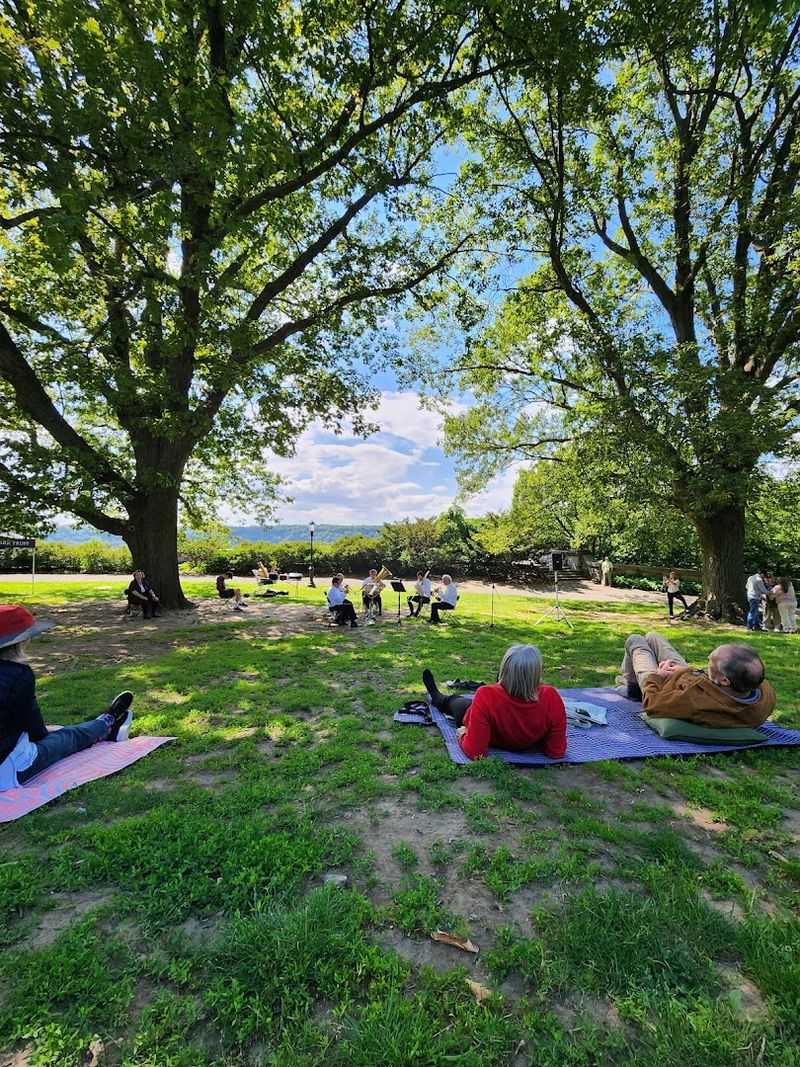
Stand at the western edge and the world opens up. The Hudson River stretches north and south, wide and glittering, with the New Jersey Palisades rising dramatically across the water.
These aren’t just nice views. They’re the kind that make you stop mid-sentence and stare.
The garden’s terraced design puts you at perfect elevation to see everything without buildings blocking your sightline.
Olmsted planned these vistas deliberately when designing the garden in the early 1900s. Stone seating areas angle specifically to capture the best panoramas while minimizing visual distractions from nearby roads.
The low-growing heather and carefully placed shrubs frame the river without obscuring it.
Late afternoon brings golden light that turns the water copper-colored. Photographers camp out with cameras, waiting for that perfect moment when the sun hits just right.
But you don’t need fancy equipment to appreciate this. Just show up, find a bench, and let the view do its work.
A Living Canvas of Seasonal Blooms
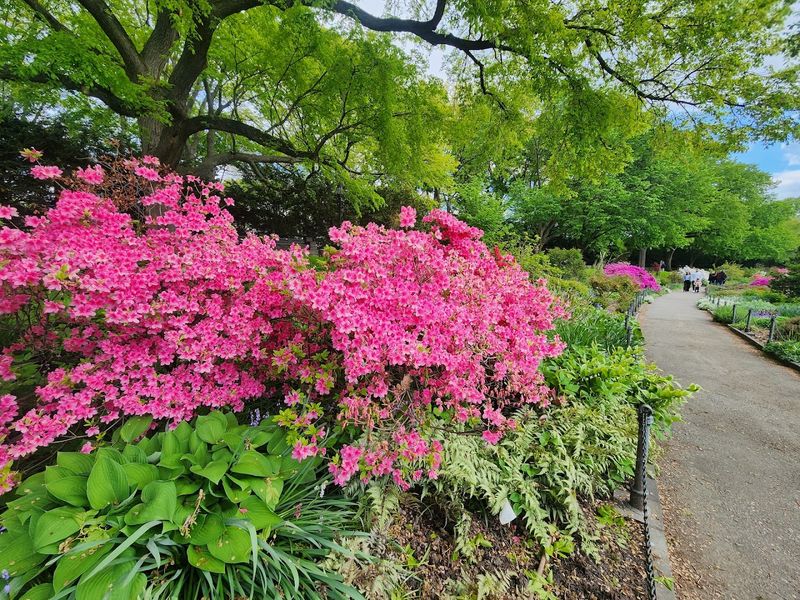
Every week brings different colors. Spring erupts with tulips and early perennials.
Summer layers on roses, daylilies, and the garden’s namesake purple heather blooming across the hillsides.
The plant diversity here surprises first-time visitors. Instead of formal rows, you get naturalistic beds where native species mix with carefully chosen ornamentals.
Creeping junipers cascade over rocks. Eucheras add burgundy foliage.
Anemones sway in the breeze.
This variety means something new catches your eye on every visit. Regular visitors talk about checking what’s blooming like people check the weather forecast.
The garden staff maintains an online plant finder so you can identify that specific flower you photographed last Tuesday.
Fall brings warm yellows and oranges as grasses turn golden. Even winter has its appeal, with evergreens maintaining structure and dried seed heads creating sculptural interest against the snow.
The garden never truly sleeps, just shifts through different beautiful phases throughout the year.
The Photographer’s Paradise
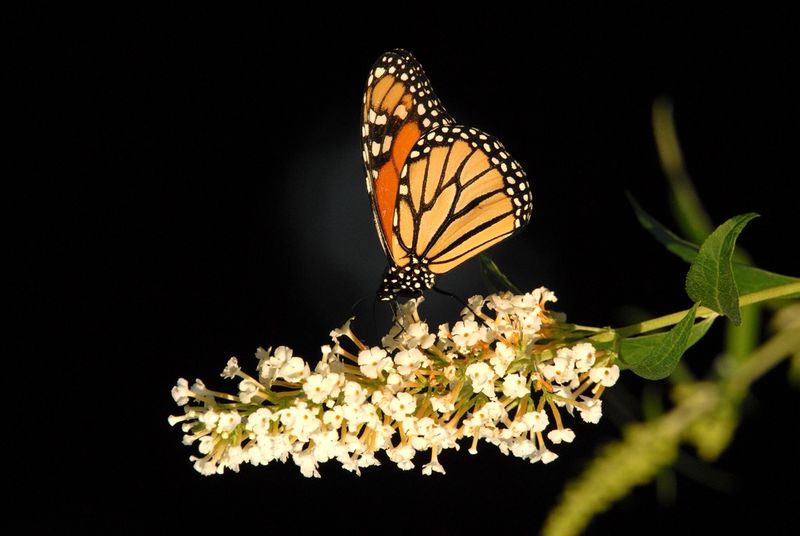
Ask any local photographer where to shoot bees and bugs in Manhattan, and they’ll point you here. The garden’s diverse blooms attract pollinators all season long, creating endless macro photography opportunities.
Late afternoon light works best. The sun angles through the flowers, backlighting petals and creating that magical glow photographers chase.
Benches scattered throughout give you stable spots to set up gear without trampling plants.
The photographer community here is real and friendly. Show up regularly and you’ll recognize faces, swap tips about which flowers currently have the best bee action, and learn which spots offer the cleanest backgrounds for portraits.
One reviewer mentioned shooting bees almost daily during bloom season.
Beyond insects, the garden offers endless composition possibilities: Hudson River backdrops, the Cloisters peeking through trees, morning mist over flower beds. Birders bring telephoto lenses to capture species passing through during migration.
You’ll see everything from smartphones to professional rigs, all welcome in this inclusive creative space.
Medieval Meets Modern: The Cloisters Connection
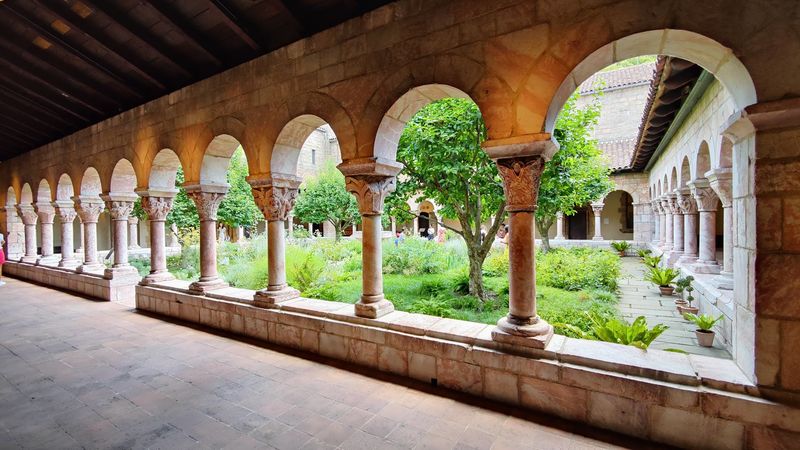
Walk north from the heather beds and medieval stone towers rise through the trees. The Cloisters museum sits just minutes away, its architecture transported from actual European monasteries and reconstructed here in the 1930s.
This proximity creates a unique experience. You wander from naturalistic American gardens directly into spaces that housed monks centuries ago.
The contrast feels dreamlike, like crossing between completely different worlds without leaving the park.
Many visitors combine both destinations in one trip. Start with the garden’s color and life, then transition to the Cloisters’ quiet stone halls and religious art.
Or reverse it, letting the gardens provide a living, breathing counterpoint to the museum’s preserved history.
The connection runs deeper than geography. Both spaces share a commitment to contemplation and escape from modern rush.
Both use careful design to create atmosphere. The garden’s informal beauty and the Cloisters’ formal grandeur complement each other perfectly, making the whole area feel like a secret Manhattan neighborhood where time moves differently.
Olmsted’s Terraced Masterpiece
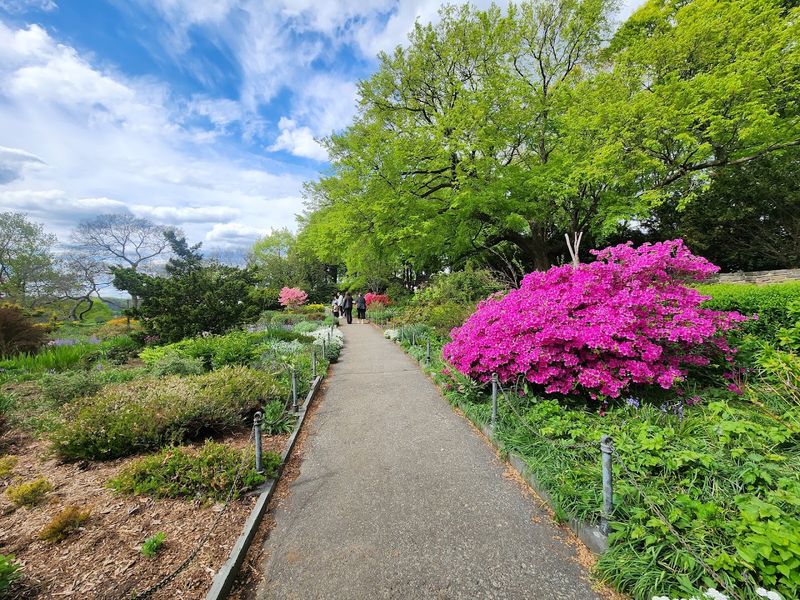
Frederick Law Olmsted Jr. built this garden into a rocky ridge as a series of descending terraces in the early 20th century. The engineering alone impresses, transforming challenging terrain into usable garden space that feels completely natural.
A 600-foot promenade runs along the top, lined with American elms that create a canopy overhead. Stone sitting areas angle strategically to capture views while blocking noise and visual clutter from nearby streets.
Every detail serves a purpose beyond aesthetics.
Olmsted chose low-growing heather as the predominant plant specifically so visitors could see over it to the Hudson River panorama. This Scottish import blooms pink-purple in late summer, covering the hillsides in color while maintaining sightlines.
The plant choice reflects thoughtful design, not just decoration.
Walking these terraces today, you experience landscape architecture as functional art. The paths guide you naturally from one level to the next.
Rocks integrate seamlessly into planted beds. Nothing feels forced or artificial despite extensive human intervention creating every element.
The A Train’s Best-Kept Secret
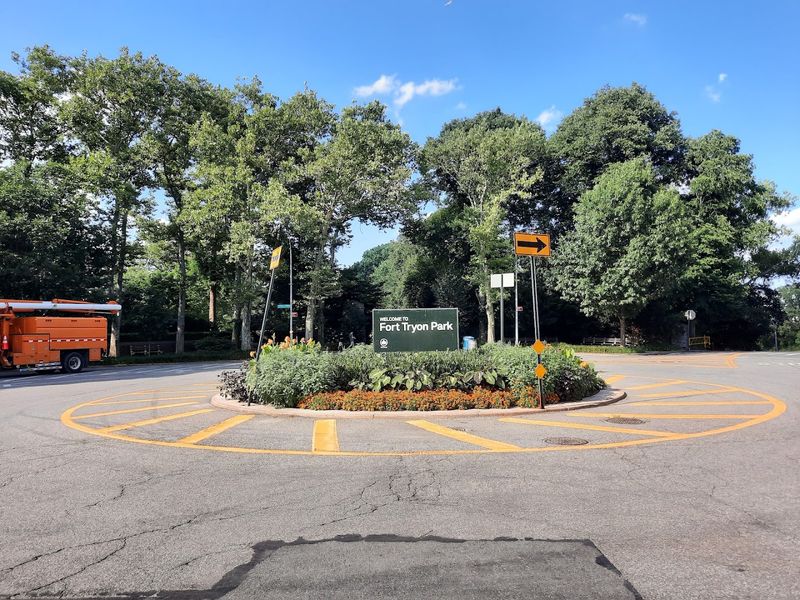
Getting here is easier than most Manhattan gardens. Take the A train to 190th Street, walk a few blocks, and you’re stepping from subway tunnels into hillside paradise in under ten minutes.
This accessibility matters. You don’t need a car, don’t need to plan elaborate transportation logistics.
Just hop on the train like you’re going anywhere else in the city. The journey itself provides transition time between urban intensity and garden serenity.
Local reviewers consistently mention this convenience. Stop at Café Buunni near the station for coffee, then walk toward the park with your cup warming your hands.
The ritual becomes part of the experience, a predictable path to unpredictable beauty depending on what’s blooming.
This easy access means spontaneous visits work perfectly. Rough day at work?
Take the A train north and decompress among flowers before heading home. Weekend plans fall through?
The garden waits, requiring no reservation or admission fee. It’s democracy in action: world-class nature accessible to anyone with a MetroCard.
Gardens Tended with Devotion
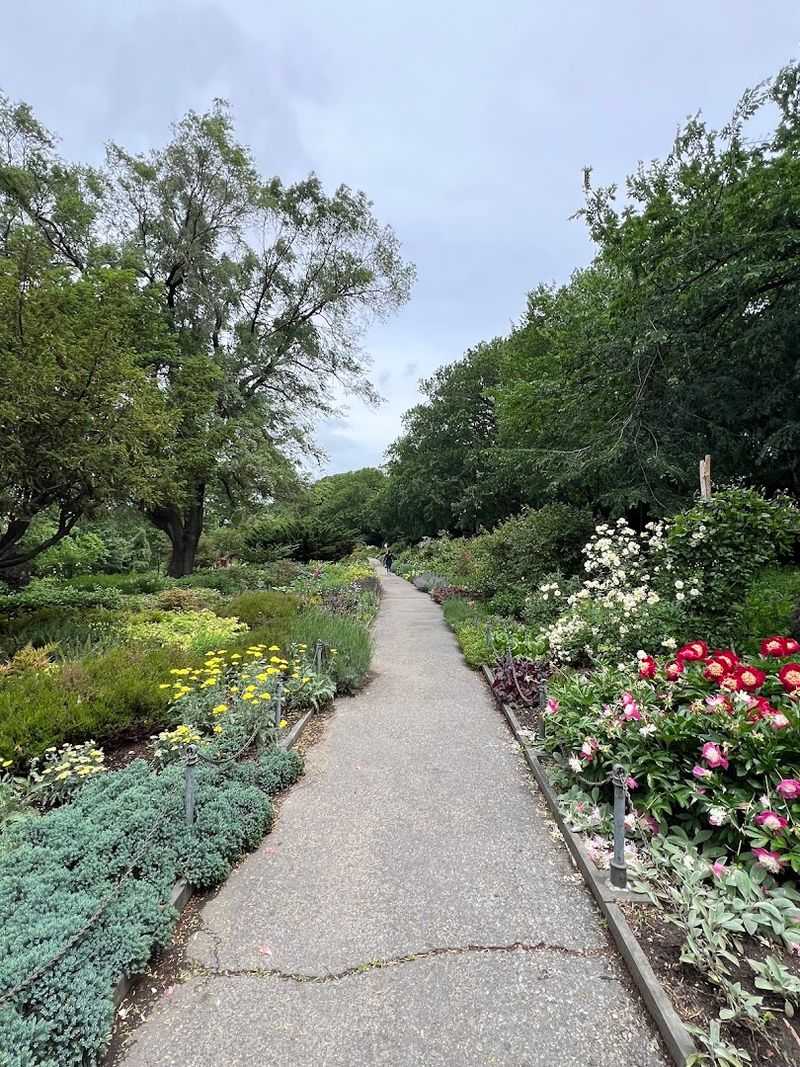
You’ll often see them working: the gardeners who maintain this place with obvious care. They’re not just cutting grass and moving on.
They’re selecting plant combinations, timing blooms, creating the diversity that makes every visit different.
Multiple reviews specifically praise this dedicated staff. Visitors notice the expertise required to keep such variety thriving in one location.
Each season demands different attention, different skills, different knowledge of what each species needs.
The Fort Tryon Park Trust coordinates much of this work, organizing volunteers and professionals who genuinely love this garden. Stop to ask about a plant and you’ll get detailed answers about its origins, growing requirements, and why it works in this specific microclimate.
This human element matters. The garden feels cared for, not just maintained.
Someone decided which heathers to plant together. Someone planned that color combination you’re photographing.
Someone weeded that bed this morning. The result is a living space that reflects ongoing attention and botanical knowledge accumulated over decades.
Natural Beauty Without the Formality
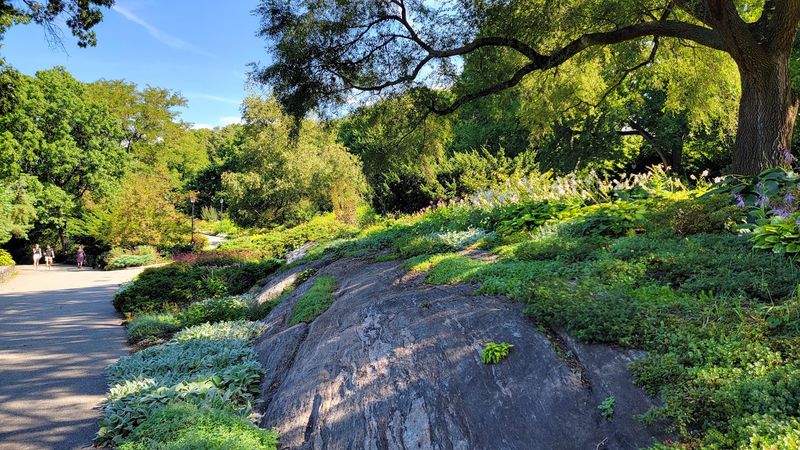
Nothing here screams “municipal park.” The beds flow organically, plants lean into pathways, rocks emerge naturally from surrounding growth. It looks like nature arranged it, not humans following rigid formulas.
This aesthetic choice creates a different vibe than formal botanical gardens with their labeled collections and geometric beds. Here, plants mix and mingle.
Native species grow beside cultivated varieties. The overall effect feels discovered rather than designed.
That naturalistic approach makes the space more relaxing. You’re not walking through a museum of plants.
You’re wandering through what feels like a secret hillside garden that happened to end up in Manhattan. The distinction matters psychologically.
Paths meander rather than running straight. No signs tell you where to walk or where to look.
You explore at your own pace, finding your own favorite spots and views. This freedom from structure, from rules, from prescribed experience is exactly what makes the garden feel like escape from the city’s rigid patterns.
Stone Benches and Sacred Pauses
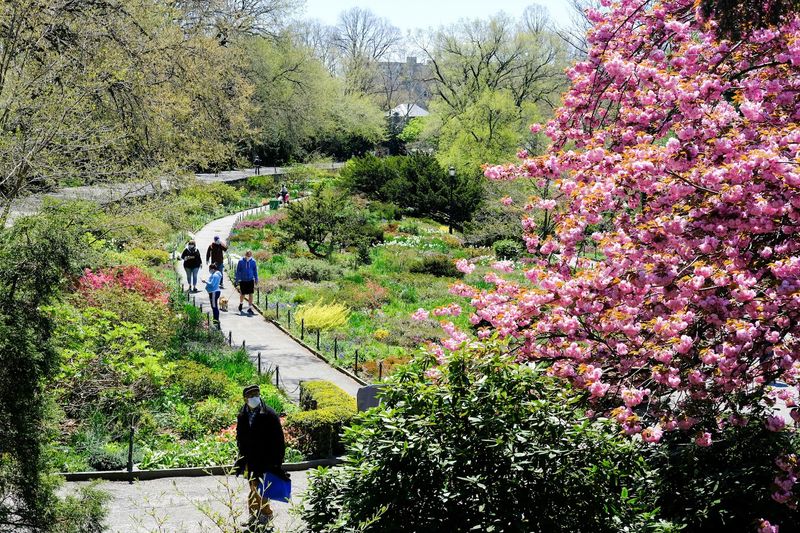
Benches dot the garden like invitations to stop rushing. Some face the river.
Some tuck into flower-surrounded alcoves. Some catch morning sun while others offer afternoon shade.
These aren’t afterthoughts. Olmsted’s original design included strategic seating areas specifically for contemplation.
The benches angle to maximize good views while minimizing intrusions from nearby roads. Sitting becomes part of the experience, not just a rest break.
Watch people here and you’ll see them actually pause. Not checking phones constantly.
Not scrolling. Just sitting, looking, breathing.
The garden seems to give permission for this increasingly rare behavior: doing nothing productive except existing in a beautiful space.
One reviewer described it perfectly: the garden is proof that New York still has corners where the volume gets turned down and the world doesn’t demand anything from you. The benches embody that philosophy.
They’re there whenever you need them, asking nothing, offering everything—a place to land when life feels too loud.