
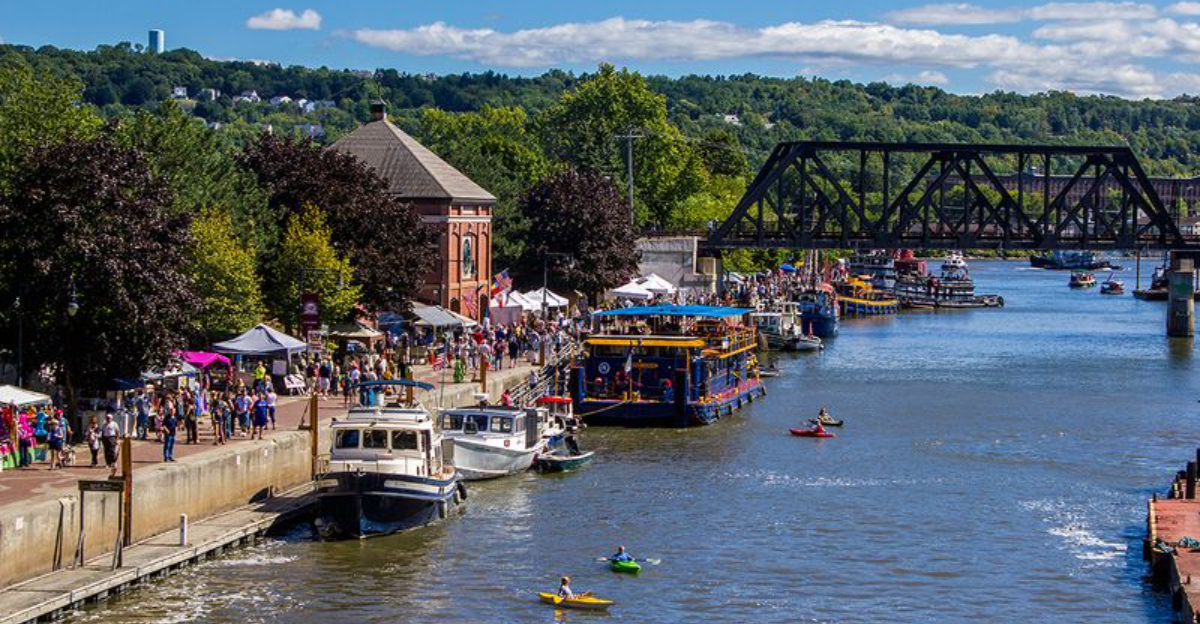
Some roads tell you where you’re going, but this historic waterway reminds you how a nation got there. Standing beside quiet canal locks and gently flowing water, it’s easy to imagine the steady rhythm of mule-drawn boats carrying people, goods, and big ambitions across New York nearly two centuries ago.
The Erie Canalway National Heritage Corridor, headquartered at 1 Delaware Ave in Cohoes, preserves one of the most influential transportation routes in American history. Stretching 524 miles across upstate New York, the corridor connects historic canal towns, scenic trails, working locks, and waterways that forever changed commerce and westward expansion.
The meeting of the Mohawk River and the canal creates a setting where history feels remarkably close, inviting visitors to experience both the engineering achievement and the natural beauty that continue to define the landscape.
Along the way, remarkable landmarks, fascinating stories, and peaceful riverside views reveal why this iconic New York destination continues to inspire travelers from every generation.
The Mighty Lock System Experience
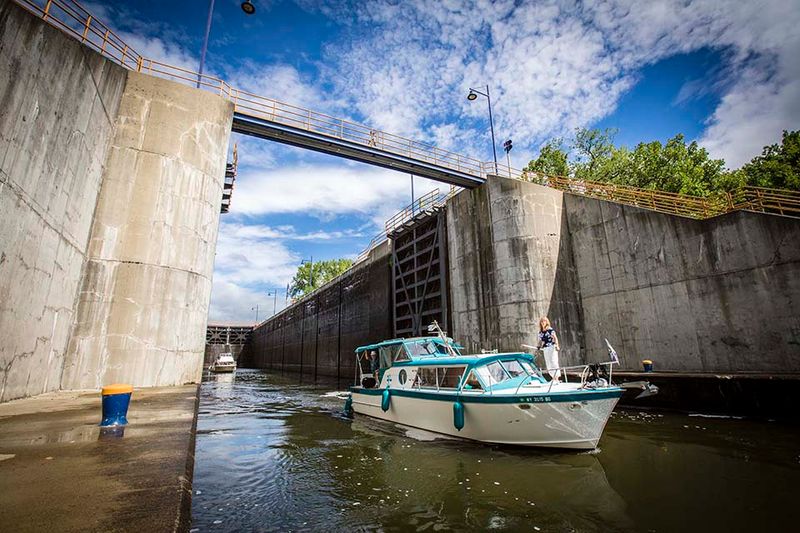
Water rushes and churns as massive gates groan open, revealing the engineering genius that built America. Standing beside these towering locks, you’ll watch as boats rise or descend through chambers carved from stone over two centuries ago.
The easternmost lock on the Erie Canal system still operates here, demonstrating how 19th-century workers moved vessels across New York’s challenging terrain.
Visitors can walk right up to the observation areas and see the mechanics in action. The stone walls rise impressively overhead, worn smooth by countless boats and decades of weather.
Information plaques explain how mules once pulled boats through these passages.
Engineers and history enthusiasts find particular fascination in the hand-cranked mechanisms and original ironwork. Kids love watching the water levels change dramatically in just minutes.
Best viewing happens during warmer months when boat traffic increases, though the structures themselves remain impressive year-round.
Tranquil Canalway Trail Adventures
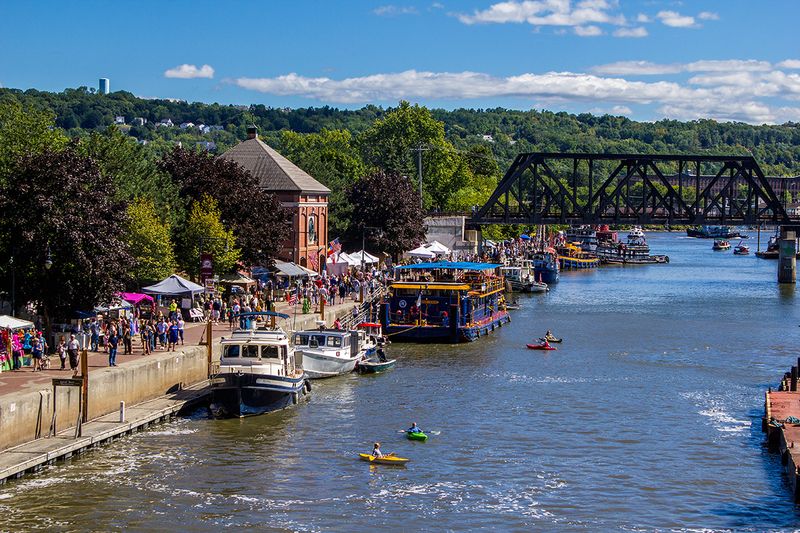
Morning mist rises from the canal as your footsteps echo along paths where mule teams once trudged. The Canalway Trail stretches for miles, offering both casual strollers and serious hikers a chance to explore at their own pace.
Tree branches form natural archways overhead while the still water reflects changing skies beside you.
Dog walkers appreciate the pet-friendly policies, and families enjoy the flat, easy terrain perfect for all ages. Benches appear regularly along the route, inviting you to pause and absorb the peaceful surroundings.
Birds call from nearby trees while occasional boats glide silently past.
Local cyclists praise the well-maintained surface and scenic variety. History markers dot the trail, sharing stories of canal workers and boat captains from long ago.
Pack water and snacks, as some stretches extend between facilities. The trail provides year-round access, though spring and fall offer the most comfortable temperatures.
Where Two Rivers Meet
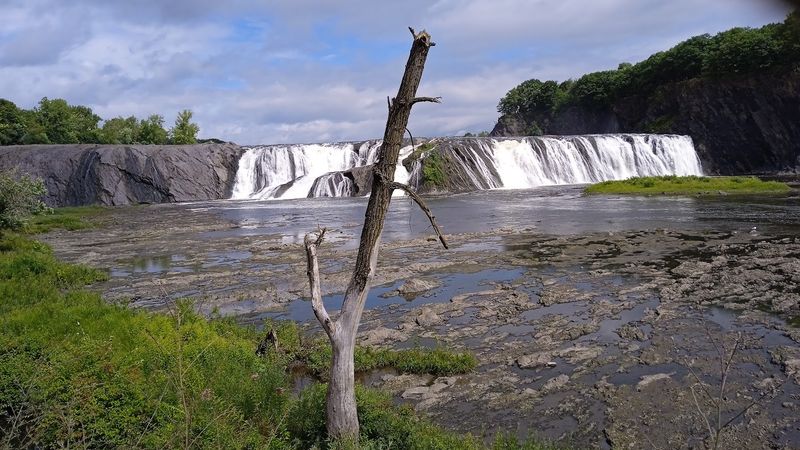
Two legendary waterways collide here in a spectacular natural junction that shaped American commerce forever. The Mohawk River’s strong current merges with the mighty Hudson, creating swirling patterns visible from elevated viewing areas.
This geographic meeting point made the Erie Canal possible and transformed New York into the Empire State.
Photography enthusiasts arrive early to catch sunrise illuminating both rivers simultaneously. The view changes dramatically with seasons—ice formations in winter, lush green islands in summer.
Native Americans recognized this confluence’s importance centuries before canal builders arrived.
Interpretive signs explain how geography determined America’s westward expansion routes. Watch carefully and you might spot different water colors where the rivers first meet.
The observation areas remain accessible during park hours, with the best vistas available from the northern overlook points. Binoculars enhance the experience, revealing details of river islands and distant boats.
Engineering Marvels Frozen in Time
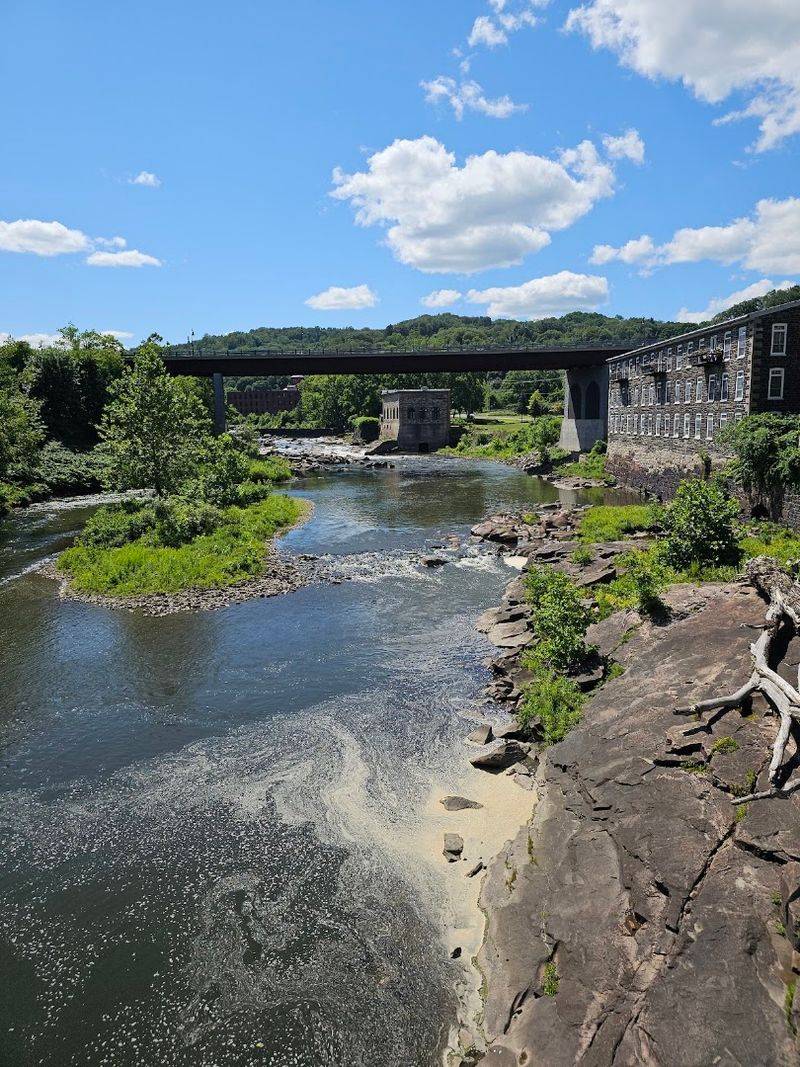
Massive stone blocks fit together without modern cement, forming structures that have outlasted countless storms and floods. Walking among these 19th-century engineering achievements feels like discovering ancient ruins, except these weirs and aqueducts still demonstrate their original purpose.
The sheer scale of hand-built construction amazes contemporary visitors accustomed to modern machinery.
Civil engineers travel from distant states to study these masterworks of practical design. Each stone was shaped by hand, positioned by teams using only ropes and determination.
Water still flows through original channels, following paths calculated with remarkable precision nearly 200 years ago.
Look closely at the stonework to spot individual mason marks and tool impressions. Information boards detail construction methods that seem impossible without modern equipment.
Photography captures the beautiful aging of weathered stone against green landscapes. These structures speak to human ingenuity and determination more powerfully than any museum exhibit could.
Nature’s Symphony Along the Waterway
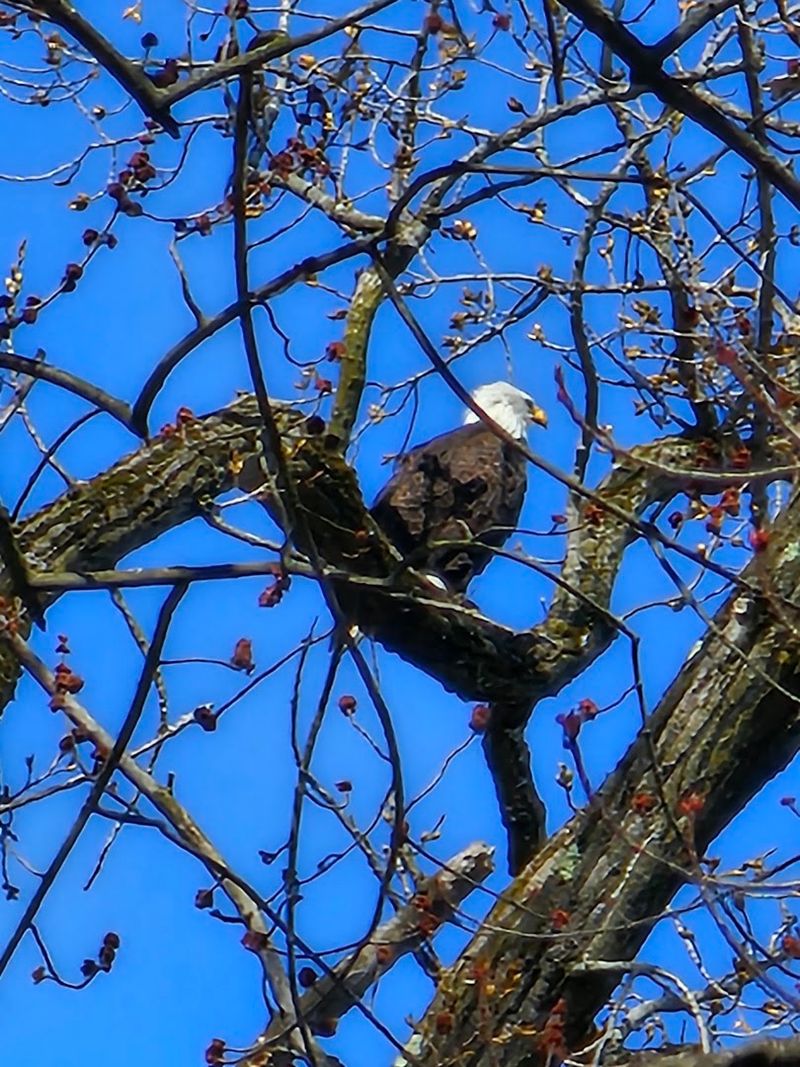
A great blue heron stands motionless in the shallows while songbirds create an endless soundtrack overhead. Bird enthusiasts discover remarkable diversity here, where water, forest, and grassland habitats converge.
Bring binoculars and patience—over 200 species have been documented along this section of the canal corridor.
Spring migration brings spectacular variety as birds follow the historic waterway north. Ducks, geese, and cormorants populate the canal itself while warblers and thrushes flit through surrounding trees.
Patient observers spot kingfishers diving for fish and red-tailed hawks circling overhead.
Local birding groups organize regular walks, welcoming newcomers and sharing identification tips. Early morning hours provide the most active viewing, though any time reveals something interesting.
The wetland areas near the visitor center prove especially productive. Winter offers different opportunities, with hardy species and occasional rare visitors.
Download a regional bird guide or join ranger-led programs to enhance your experience.
Historic Waterford Harbor District
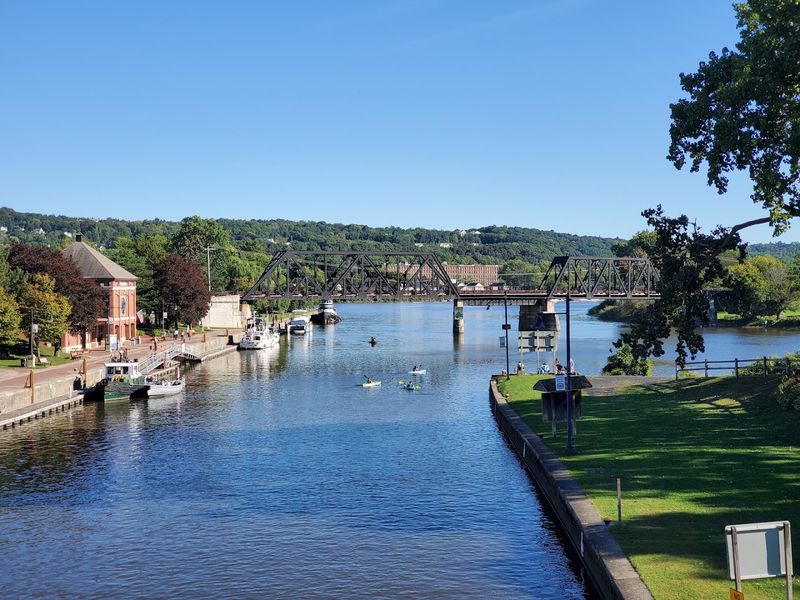
Cobblestone streets and vintage storefronts create an atmosphere unchanged for generations. Waterford village grew around the canal’s eastern terminus, and that heritage remains visible in every carefully preserved building.
Walking these streets transports you to an era when canal boats brought prosperity and excitement to small river towns.
Local shops occupy buildings that once stored grain and manufactured goods heading westward. The harbor area showcases how ordinary communities became crucial links in national commerce.
Restaurants overlook the water where merchants once negotiated shipping contracts.
Seasonal festivals celebrate the village’s canal heritage with period demonstrations and historical reenactments. Browse small museums displaying artifacts recovered from the canal bottom and donated by longtime residents.
The compact downtown invites leisurely exploration, with parking available near the waterfront. Stop by the local historical society for maps highlighting notable buildings and their stories.
Summer brings concerts and markets to the harbor area.
Photographer’s Paradise Year-Round
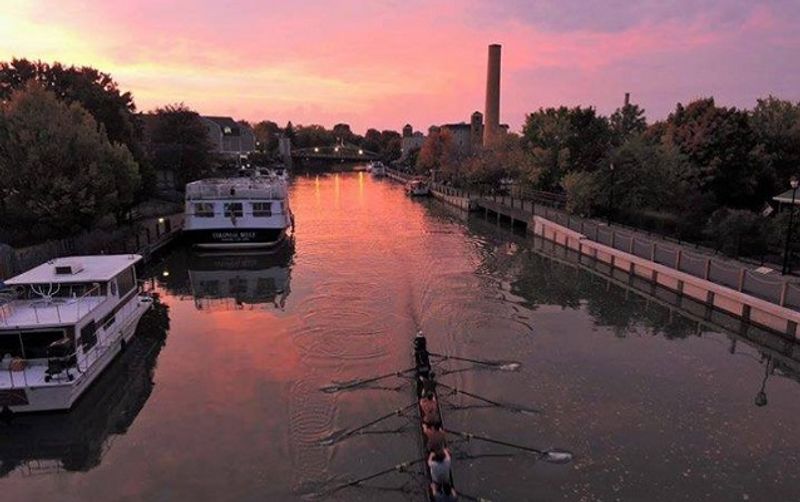
Golden hour transforms ordinary canal scenes into magazine-worthy images as light dances across still waters. Photography enthusiasts discover endless compositions here—weathered stone against vibrant skies, autumn reflections, winter ice formations, spring wildflowers.
Each season offers distinct palettes and moods waiting to be captured.
The lock structures provide dramatic foreground elements with their massive scale and interesting textures. Historic buildings frame backgrounds while trees add seasonal color variation.
Water reflections double the visual impact, especially during calm morning hours.
Instagram-worthy spots include the river confluence overlook and the trail sections near historic bridges. Sunrise and sunset bring photographers equipped with tripods seeking long exposure shots of moving water.
Winter photography reveals architectural details hidden by summer foliage. The area never feels crowded, allowing time to compose shots carefully.
Local photography clubs organize meetups here, welcoming visitors to join. Check weather forecasts for dramatic cloud formations that enhance landscape shots.
Living History Through Preservation
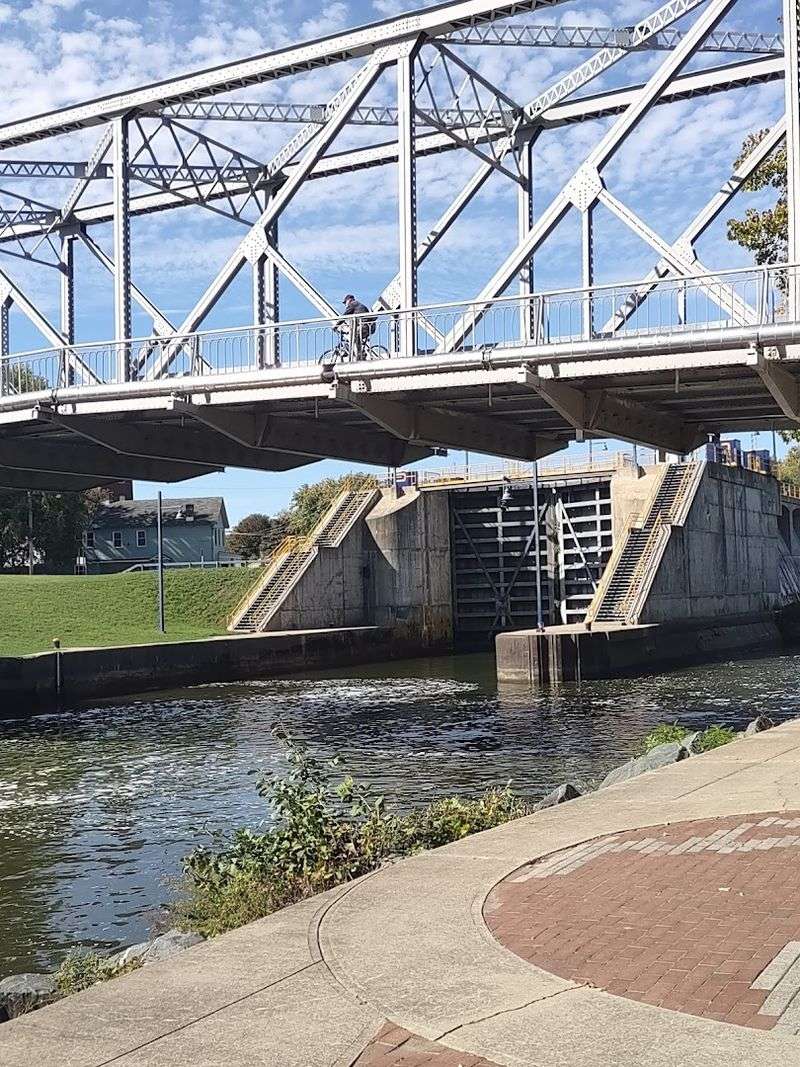
Restoration teams work carefully to maintain structures exactly as canal builders intended them. Watching preservation efforts unfold reveals how modern experts honor 19th-century craftsmanship while ensuring safety for contemporary visitors.
This isn’t just history preserved in amber—it’s living heritage actively maintained for future generations.
Notice how original materials blend seamlessly with careful repairs. Stone masons use period-appropriate techniques, and metalworkers replicate historic ironwork designs.
Educational programs explain why certain methods matter and how historical accuracy gets balanced with public access needs.
During the bicentennial celebration, special bucket list challenges encouraged visitors to explore multiple heritage sites. Annual events continue highlighting preservation milestones and newly restored features.
Volunteer opportunities allow hands-on participation in maintaining this national treasure. The ongoing work demonstrates community commitment to remembering how innovation shaped American growth.
Support preservation through visitor center donations or membership programs, ensuring these remarkable sites survive another two centuries.
Four Seasons of Canal Beauty
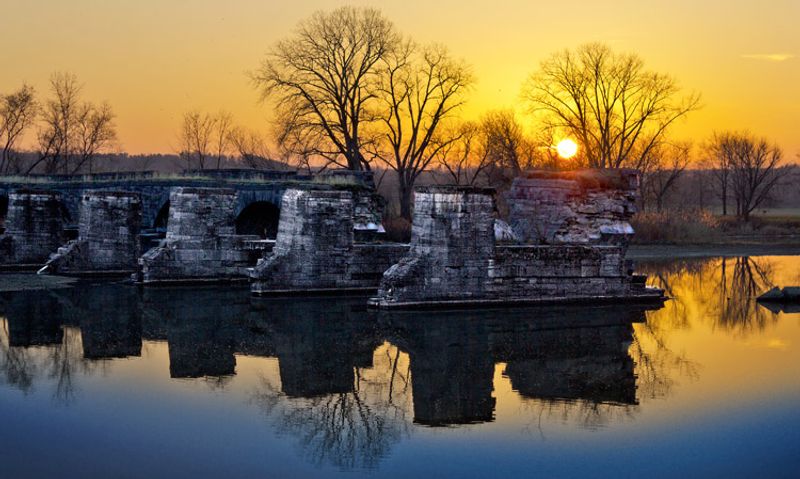
Winter transforms the canal into a stark landscape where ice patterns create natural sculptures and snow outlines every architectural detail. Yet each season brings devoted visitors seeking specific experiences.
Spring explodes with wildflowers along the trails while migrating birds fill the air with activity.
Summer provides lush greenery and comfortable temperatures for extended exploration. Families picnic beside the water while boats move leisurely through the locks.
Autumn delivers spectacular foliage displays, with maples and oaks painting the landscape in brilliant reds and oranges.
Reviews consistently praise the majestic winter scenery, though summer remains most popular for accessibility. Bundle appropriately for cold-weather visits to appreciate the serene beauty locals treasure.
Fall weekends draw photographers and leaf-peepers, creating the busiest periods. Spring brings muddy trails but also solitude and natural renewal.
Each season reveals different aspects of the canal’s character. Check the website before winter visits, as some trail sections may close temporarily.