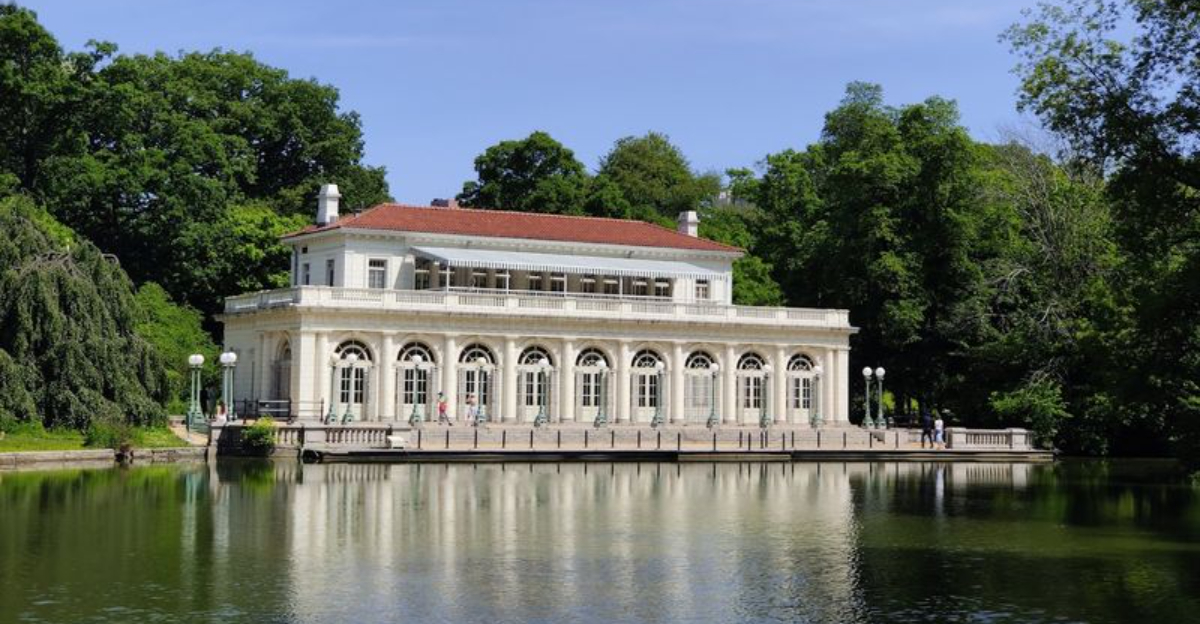
Blink and Brooklyn suddenly feels wild at Prospect Park, where shady trails, a tucked away ravine, and a storybook boathouse can make the city seem very far away.
Designed by Frederick Law Olmsted and Calvert Vaux after Central Park, this beloved landscape still surprises visitors with waterfalls, lake views, and pockets of quiet that feel almost cinematic.
Longtime fans rave about how beautifully the park recently has rebounded and how much care the Prospect Park Alliance continues to invest.
If you have only ever treated this place like a quick shortcut or picnic stop, now is the time to slow down, wander deeper, and see why it remains one of Brooklyn’s most transporting escapes, especially when you know exactly where to look for its most magical corners and quiet details.
The Ravine
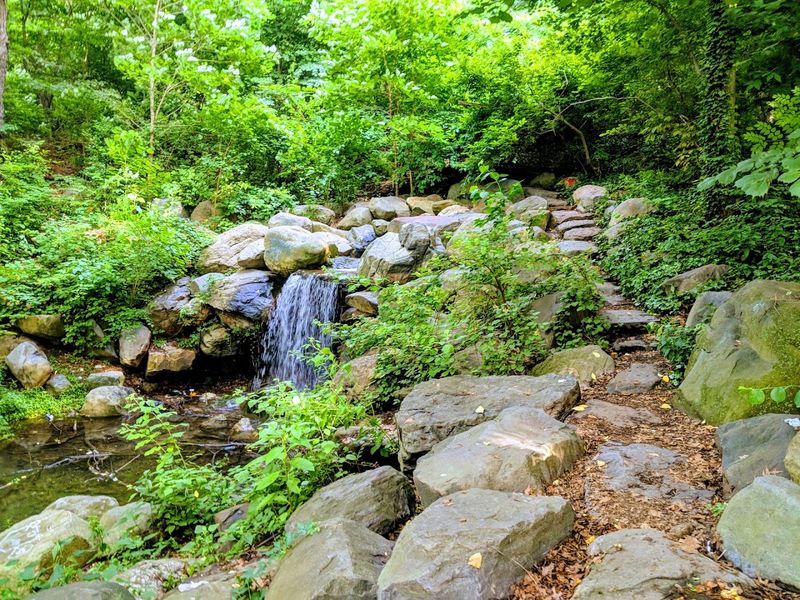
Step off the busier paths and the mood changes fast in the Ravine, Prospect Park’s most convincing illusion that you have left New York behind.
This woodland section was designed to feel untamed, with crooked trails, layered tree cover, and rocky slopes that swallow city noise surprisingly well.
If you want the park’s strongest dose of drama, this is where the landscape suddenly starts whispering instead of shouting.
What makes the Ravine memorable is how carefully orchestrated it feels without seeming staged, which was exactly the genius of Olmsted and Vaux.
Streams, footpaths, and dense plantings create a naturalistic scene that still reads as wild, even though every turn was thoughtfully composed.
Come early if you want birdsong, softer light, and fewer joggers, because once the day gets going, the spell is still there but the hush is not quite as complete.
You should wear decent shoes, especially after rain, because some stretches can feel uneven and damp underfoot.
The area connects to other scenic sections of Prospect Park, so it works beautifully as the start of a longer wandering route rather than a quick stop.
For anyone craving a secret forest in the middle of Brooklyn, this is the park’s best trick.
The Waterfall and Stream
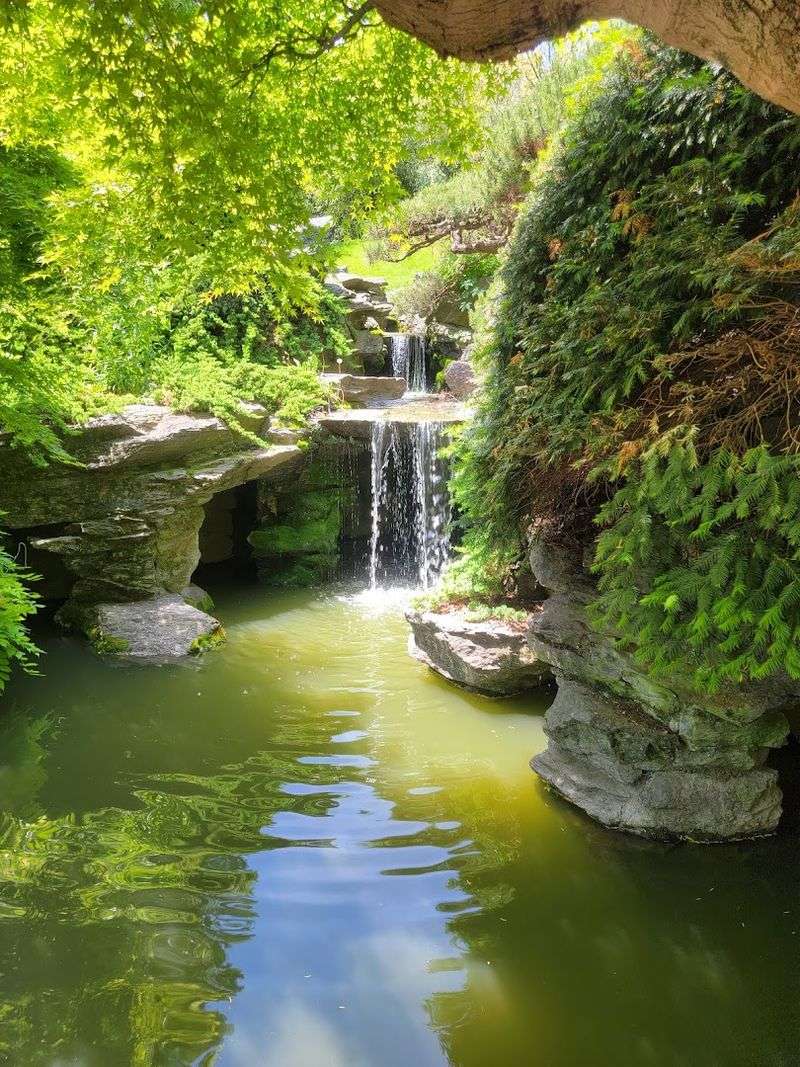
Nothing feels more unexpected in Brooklyn than hearing rushing water before you actually see it, and Prospect Park delivers that little thrill beautifully.
The park’s waterfall and stream system thread through the woodland landscape with enough movement and texture to feel genuinely transporting.
It is not a giant cataract, of course, but that smaller scale makes the discovery feel intimate, like you have earned it.
The falls work best as part of a slow walk through the Ravine, where water, stone, and trees combine into one of the park’s most atmospheric scenes.
On warm days, the sound cools the whole setting psychologically, and after rain the flow can seem even livelier.
Bring your camera, but also pause long enough to notice how the water animates the entire space, from reflective pools to slick rocks and bright leaves.
This area rewards patience more than speed, so resist the urge to just snap a photo and move on.
You may catch glimpses of birds, shifting light, or children reacting with genuine surprise that a waterfall exists here at all.
If Prospect Park has a cinematic reveal, this is one of its best and most quietly satisfying set pieces.
The Prospect Park Boathouse
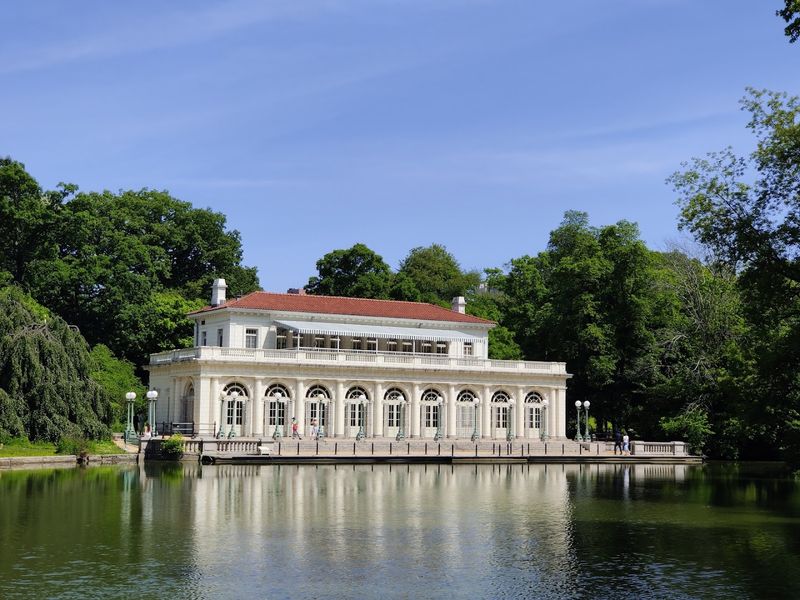
Then there is the Boathouse, which looks like it wandered in from a lakeside dream and decided Brooklyn was good enough.
Sitting beside the Lullwater and the lake, this graceful landmark adds architecture to all that woodland softness without breaking the park’s enchanted mood.
Its colonnades, brickwork, and waterfront setting give the whole scene a polished stillness that feels worlds away from nearby traffic.
Even if you are not attending an event or paddling nearby, the Boathouse is worth visiting simply to appreciate how well it anchors the surrounding landscape.
Reflections on the water can make the building look almost theatrical at sunrise or late afternoon, when the light turns mellow and forgiving.
It is also one of the easiest places in the park to understand the designers’ talent for pairing romance with practicality.
Recent visitors have noted that some nearby paths feel very dark at night, especially around the bridge and water, so daytime is the smartest choice here.
During the day, though, the setting is serene, photogenic, and ideal for a slower pause on a longer loop.
If Prospect Park has a postcard moment, the Boathouse makes a strong case for the title.
The Lake
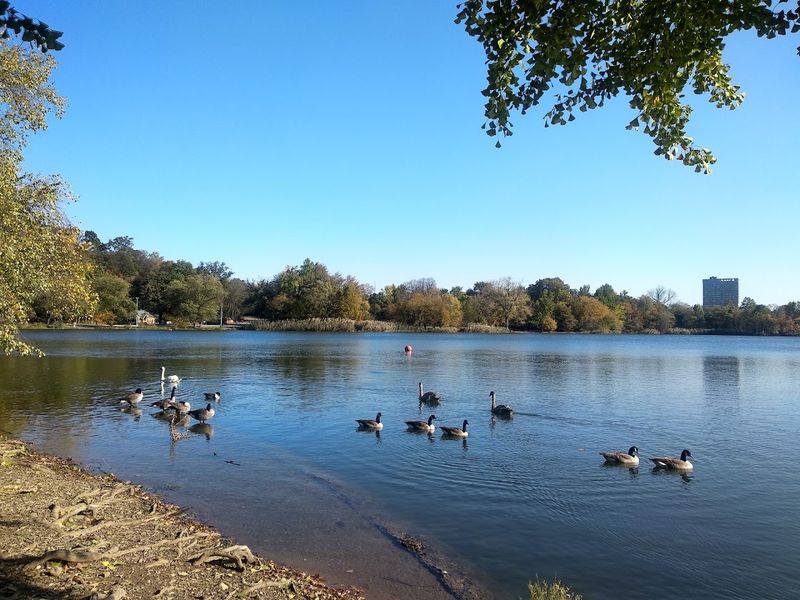
The lake changes everything because it opens the park outward after so many enclosed, leafy pathways.
Suddenly the views stretch, the air feels broader, and the whole landscape takes on a calmer rhythm shaped by water and sky.
It is the kind of place where even a short pause on a bench can reset your mood more effectively than a strong coffee.
Prospect Park’s lake is the borough’s largest body of freshwater, and it gives the park much of its emotional range.
One moment you are tracing shaded edges near trees and marshy habitats, and the next you are watching light move across open water beside rowboats and birds.
It is especially good for people who like parks that offer both scenery and movement, since you can walk, watch wildlife, or simply sit and drift mentally for a while.
Because the lake sits at the center of so much park activity, it is also a good orienting landmark for first time visitors.
Stick to daylight, stay aware of cyclists on nearby routes, and choose quieter edges if you want more peace.
When Brooklyn feels overstimulating, this broad sheet of water gives Prospect Park its exhale.
Long Meadow
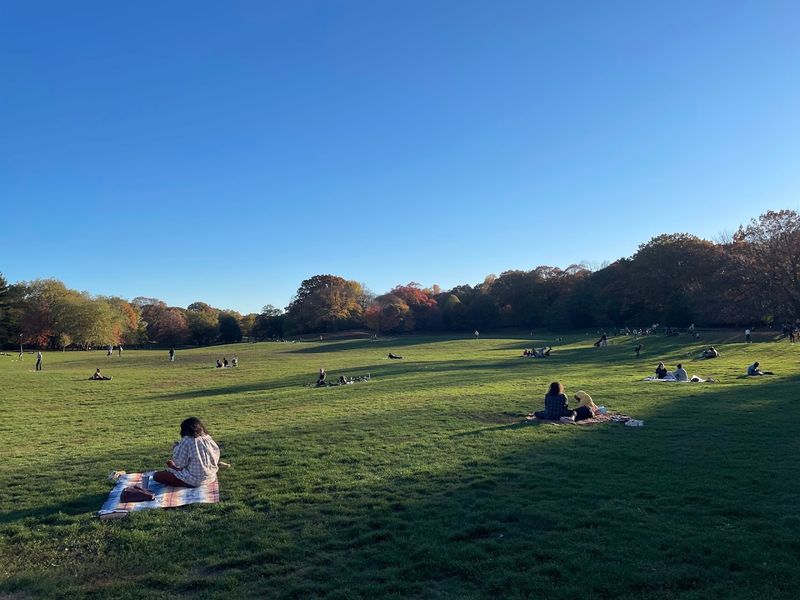
For a completely different kind of magic, Long Meadow proves that emptiness can be just as dramatic as waterfalls and woods.
This famous open stretch feels improbably spacious in the middle of Brooklyn, with a broad lawn framed by mature trees and enough visual breathing room to make the city shrink.
It is less secretive than the Ravine, but its scale creates a wow factor all its own.
Long Meadow works because it invites you to do almost anything or absolutely nothing.
You can picnic, toss a ball, read in the grass, or just watch the park’s parade of dogs, families, and weekend characters pass by.
The openness also makes it one of the easier places to appreciate Prospect Park’s pastoral design, which aimed to create restorative scenery rather than tightly programmed attractions.
If the woodland sections feel like a hidden novel, this lawn feels like a generous opening chapter where everyone is welcome.
Visit in the morning for softer crowds or near sunset when the tree line glows and the field turns cinematic.
It may not have a waterfall, but Long Meadow gives Prospect Park one of its most liberating and unmistakably grand experiences.
The Nethermead and Valley Feel
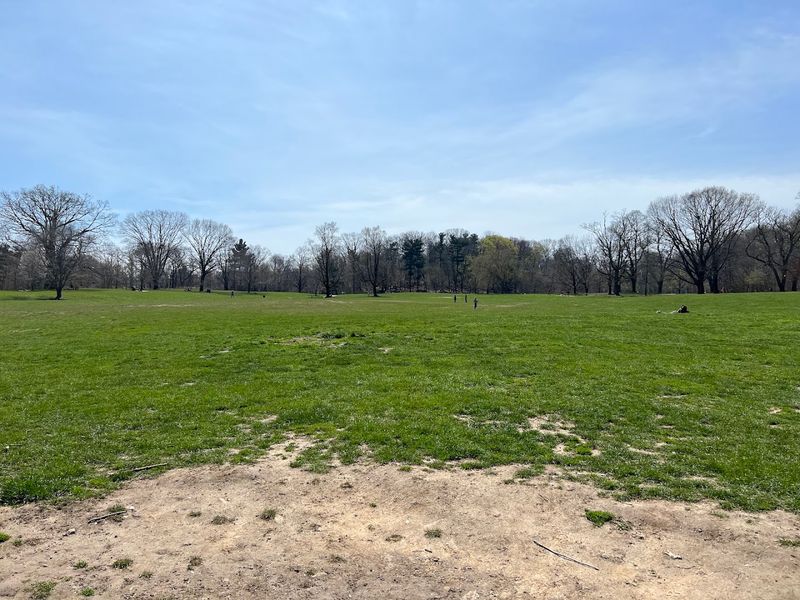
Here is where Prospect Park starts flexing its storytelling muscles, because the Nethermead feels like a landscape built for wandering thoughts.
This rolling meadow in the heart of the park creates a softer, lower lying world that contrasts beautifully with the wooded Ravine and the broad splash of the lake.
You do not come here for one marquee sight so much as a whole atmosphere of openness, motion, and pastoral calm.
The area has long functioned as a transitional landscape, connecting paths, water features, and meadow views into one flowing composition.
That layered design matters because it keeps your walk from feeling repetitive, and instead turns even casual strolling into something more cinematic.
Depending on the season, you may find stretches of vivid green, golden light, or a quieter, moodier look that makes the park feel almost rural.
It is a useful reminder that Prospect Park’s magic is not only about landmarks but also about spatial variety.
If you have time, walk through rather than around it, and let the terrain gradually reveal itself.
In a city obsessed with speed, the Nethermead rewards the slower visitor with one of the park’s most elegant, underappreciated moods.
Planning Your Visit to Prospect Park
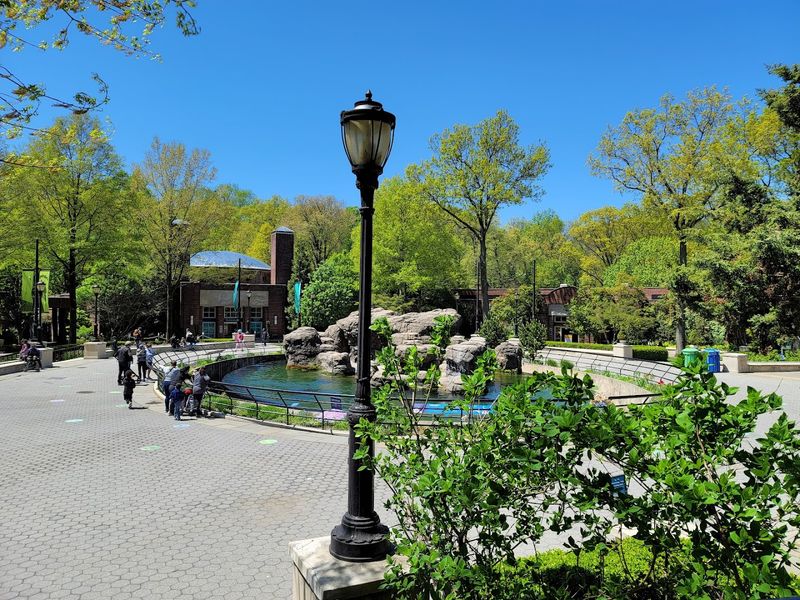
Before you lace up your shoes, a little strategy helps Prospect Park feel magical instead of chaotic.
The park is huge, and its best moments reveal themselves more easily when you choose a route rather than wandering aimlessly from the busiest edge.
Start near Prospect Park West if you want fast access to wooded scenery, the lake area, and some of the park’s most iconic hidden feeling spots.
The Prospect Park Alliance is based at 95 Prospect Park W, Brooklyn, NY 11215, and the organization plays a major role in maintaining, restoring, and programming this landmark landscape.
Reviews are mixed, with praise for the park’s recovery and staff professionalism balanced by complaints about cleanliness, unleashed dogs, speeding bikes, and isolated safety concerns.
That means the smartest visit is a daytime one with situational awareness, especially near roads, shared loops, and darker waterside areas.
Bring water, wear comfortable shoes, and give yourself enough time to move beyond the obvious lawns and playground edges.
Prospect Park is best experienced as a sequence of discoveries, not a rushed checklist.
If you let curiosity lead while keeping practical street smarts, this Brooklyn classic really can feel like stepping into another world.
The Historic Design and Sense of Escape
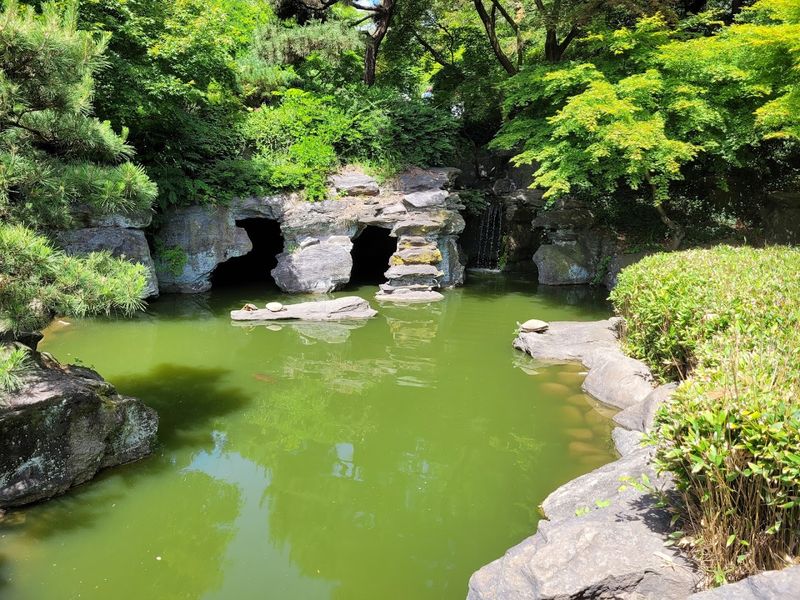
A quirky truth about Prospect Park is that its most impressive attraction may be the way everything fits together without showing off too hard.
Olmsted and Vaux designed it after Central Park, and many admirers argue that Prospect Park feels more cohesive, more immersive, and better at making the city disappear.
That sensation of escape is not accidental, and it is one reason the park still feels fresh even to people who know it well.
Curving paths limit long urban sightlines, trees frame views like stage sets, and bridges appear exactly where they can deepen the mood.
Instead of throwing isolated attractions at you, the park builds sequences, so a meadow gives way to woods, then water, then architecture, then another sudden hush.
It is a master class in how landscape design can shape emotion without needing flashy signage or constant entertainment.
Longtime Brooklyn residents often describe returning after years away and feeling astonished by how beautiful the park looks now, which echoes several glowing reviews.
That does not erase valid complaints about litter, fast bikes, or management frustrations in specific programs, but the core design remains extraordinary.
If you want to understand why this park feels like another world, start with how intelligently that world was built.