Some Connecticut parks make you work for the views, but Kettletown State Park rewards you almost every step of the way.
Spread across 605 acres between Southbury and Oxford, this peaceful retreat hugs the eastern shore of Lake Zoar. Wooded trails, quiet picnic spots, and beautiful overlooks create the kind of setting that makes a busy day feel wonderfully far away.
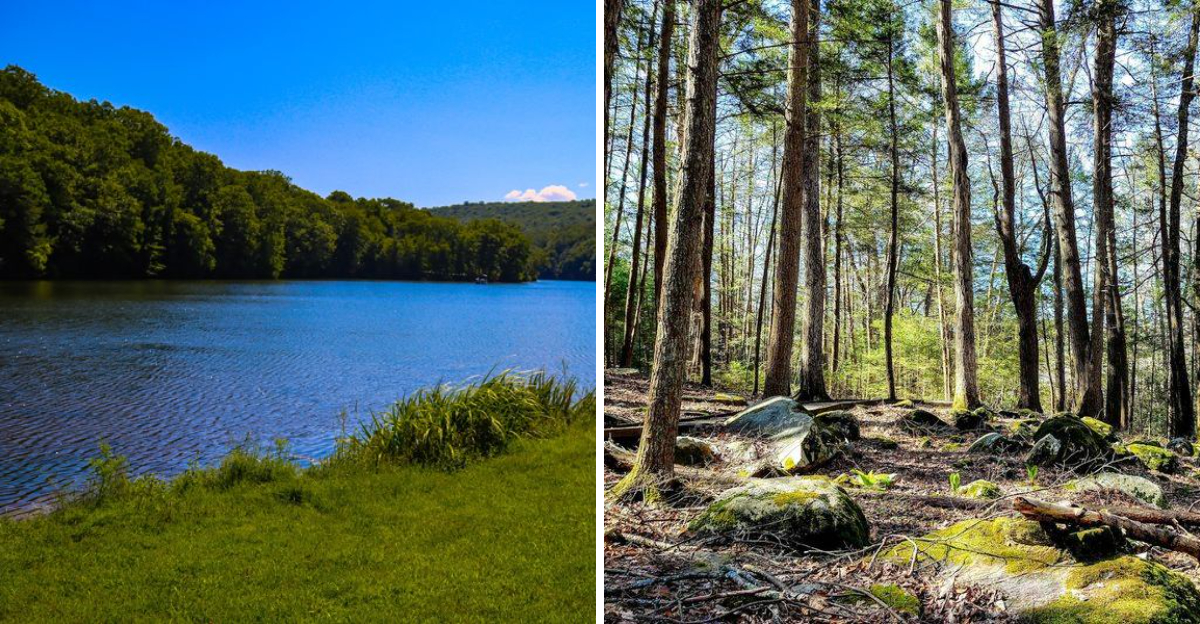
Hikers can follow paths through the forest, discover enormous glacial boulders, and stumble across traces of the communities that once called this area home. The scenery keeps changing, too, from shady woods to wide-open views across the water.
Whether you’re fishing, hiking, or simply looking for a peaceful place to breathe, Kettletown State Park offers a refreshing escape.
It’s the kind of Connecticut getaway where the quiet trails and beautiful views steal the show.
A Peaceful Escape Along Lake Zoar
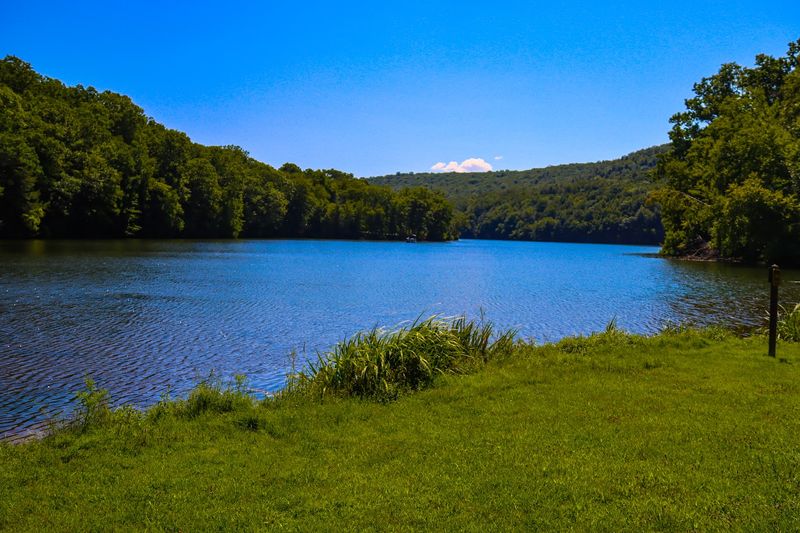
Nestled along the eastern shore of Lake Zoar, Kettletown State Park spans 605 acres of beautiful Connecticut woodland. Unlike some of the state’s busier outdoor destinations, this park offers visitors a chance to slow down and truly unwind.
The setting feels almost private on weekdays, with tall trees creating natural shade and the lake providing a constant sense of calm. Families spread out blankets on grassy areas while hikers disappear into the forest trails.
What makes Kettletown special is its balance of accessibility and seclusion. The park sits conveniently between Southbury and Oxford, making it easy to reach from several Connecticut towns.
Yet once you arrive, the atmosphere shifts completely.
Lake Zoar dominates the landscape, its waters stretching out beneath wooded hillsides. The shoreline creates natural stopping points where visitors pause to watch boats drift past or simply enjoy the breeze coming off the water.
This combination of location, scenery, and peaceful atmosphere has made Kettletown a favorite among those seeking outdoor experiences without overwhelming crowds or noise.
The Lake Zoar Views Are The Real Showstopper
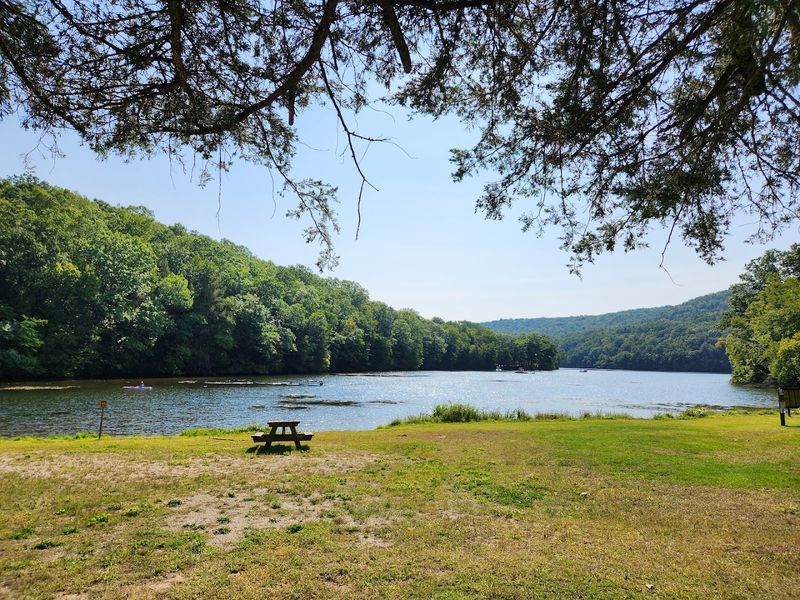
Several scenic overlooks dot the trails at Kettletown, each offering its own perspective on Lake Zoar and the surrounding landscape. These viewpoints become natural rest stops where hikers catch their breath and photographers frame their shots.
From higher elevations, the lake spreads out like a blue ribbon winding through green hills. The Housatonic River feeds into Lake Zoar, creating interesting patterns in the water where currents meet.
On clear days, you can trace the shoreline for miles.
Different seasons bring dramatically different views. Spring fills the hillsides with fresh green growth that reflects in the water.
Summer turns everything lush and full, while fall explodes with orange, red, and gold foliage that makes the lake look like it’s surrounded by fire.
Even winter has its charms, with bare trees revealing views that stay hidden during warmer months. The overlooks aren’t elaborate structures with fancy benches or signs.
They’re simply clearings where the forest opens up to reveal the water below, keeping everything natural and uncluttered.
Six Miles Of Trails Offer A Little Bit Of Everything
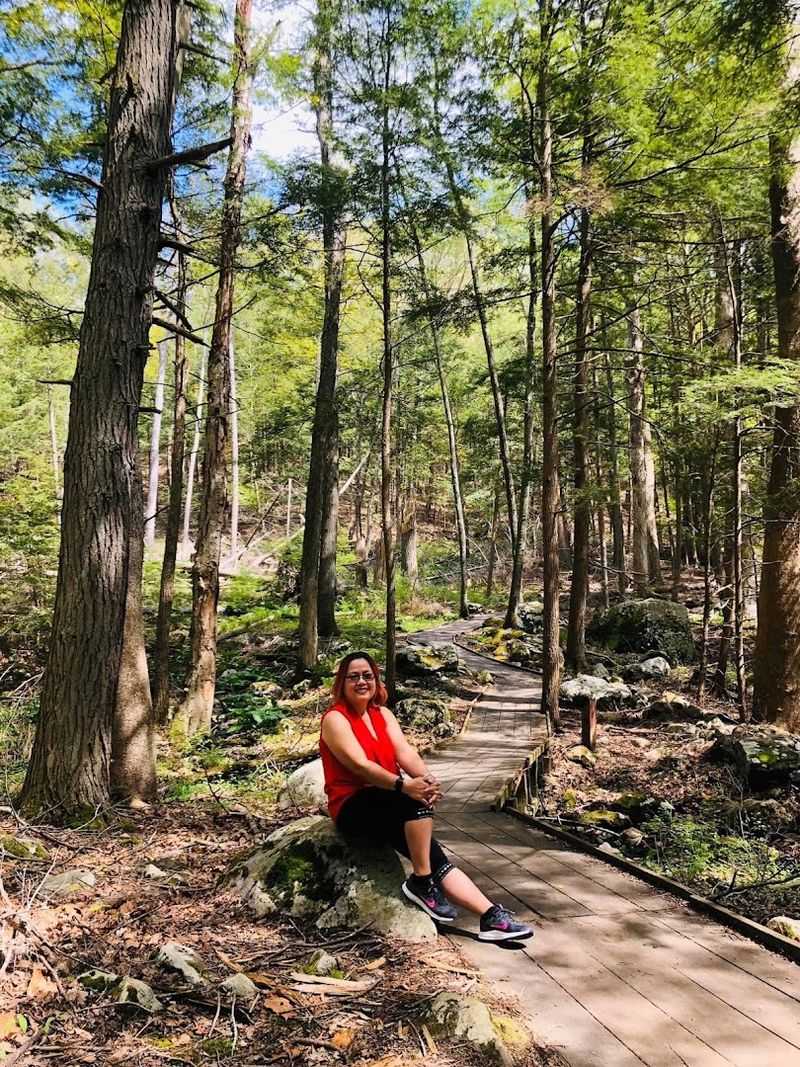
Kettletown’s trail network includes roughly six miles of paths that wind through different types of terrain. The Miller, Crest, and Pomeraug trails each have their own character, giving visitors options based on their energy level and interests.
Some sections glide gently through flat woodland, perfect for casual walkers or families with younger children. Other stretches climb over rocky outcrops and tree roots, demanding more focus and stamina.
This variety means you’re never bored on repeat visits.
The trails pass through dense forest where sunlight filters down in golden shafts. Birds call from the canopy while squirrels rustle through fallen leaves.
The paths occasionally open up to reveal glimpses of Lake Zoar sparkling through the trees.
Trail markers keep hikers oriented, though the routes aren’t overly developed or paved. You’ll step over rocks, duck under low branches, and navigate around mud after rain.
That’s part of the appeal for many visitors who prefer their hiking experiences to feel authentic rather than manicured.
The connected trail system means you can create loops of varying lengths.
The Miller Trail Makes A Great Introduction To The Park
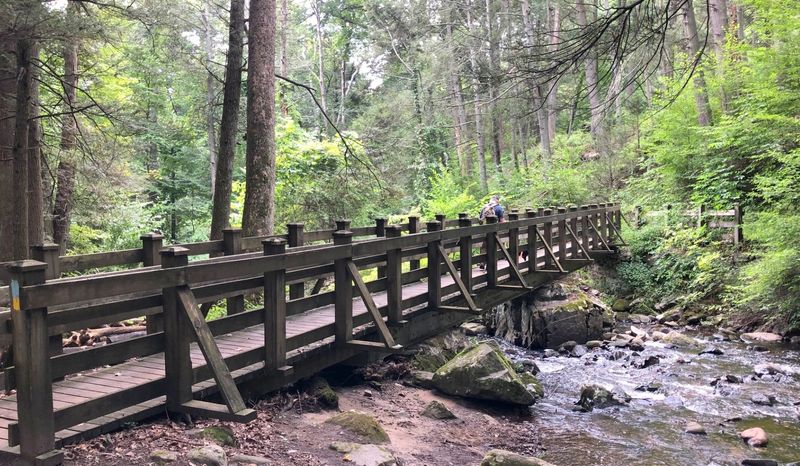
Among Kettletown’s hiking options, the Miller Trail stands out as particularly fascinating for first-time visitors. This route showcases both the park’s natural beauty and its geological history in ways that make the walk educational without feeling like a classroom.
One of the trail’s highlights is a massive glacial erratic boulder. These enormous rocks were carried by glaciers during the last ice age and deposited randomly when the ice melted thousands of years ago.
Standing next to one of these ancient stones feels humbling.
The boulder on the Miller Trail is large enough that several people could sit on it comfortably. Its surface shows weathering from countless seasons of rain, snow, and temperature changes.
Moss and lichen cling to its northern face.
Beyond the geological features, the Miller Trail offers a good sampling of what makes Kettletown special. The path moves through typical Connecticut woodland with oak, maple, and birch trees creating a leafy canopy overhead.
Wildlife sightings are common, from deer to various bird species.
The trail remains open even during partial park closures.
Hikers Can Discover Clues To The Park’s Past
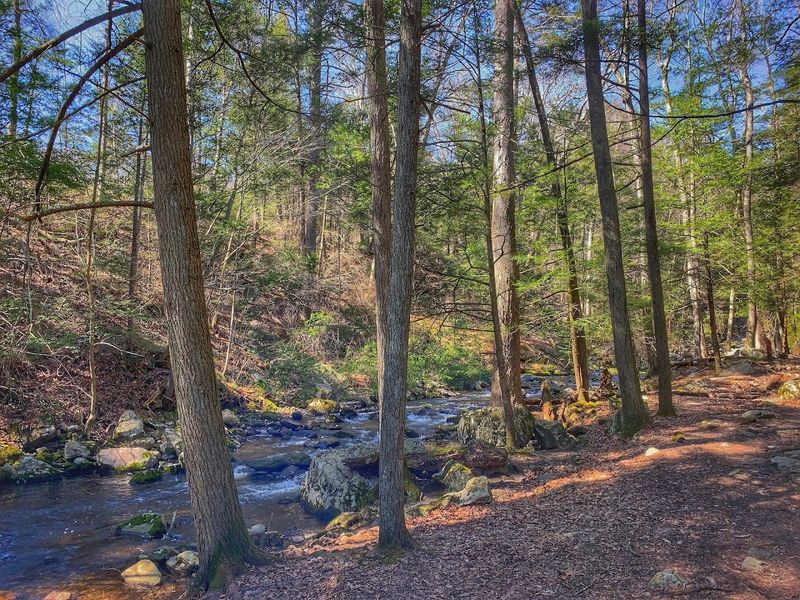
Walking Kettletown’s trails means stumbling upon reminders of the area’s human history. Scattered throughout the woods are old charcoal hearths, circular stone structures where workers once burned wood to create charcoal for Connecticut’s early iron industry.
These hearths look like low stone walls arranged in circles, now half-buried under leaves and moss. They date back to the 18th and 19th centuries when charcoal production was a major local industry.
Finding one feels like discovering a secret.
The charcoal-making process was labor-intensive and smoky. Workers would stack wood in specific patterns, cover it with earth, and carefully control the burn to produce charcoal rather than ash.
Communities of workers lived in these forests for weeks at a time.
Beyond the industrial remnants, hikers occasionally spot other historical traces: old stone walls marking property boundaries that no longer exist, depressions where cellars once stood, or cleared areas where farms operated generations ago. These subtle clues transform a simple hike into a journey through time, connecting today’s peaceful forest to Connecticut’s busier, more industrial past.
Lake Zoar Adds A Calm, Scenic Backdrop
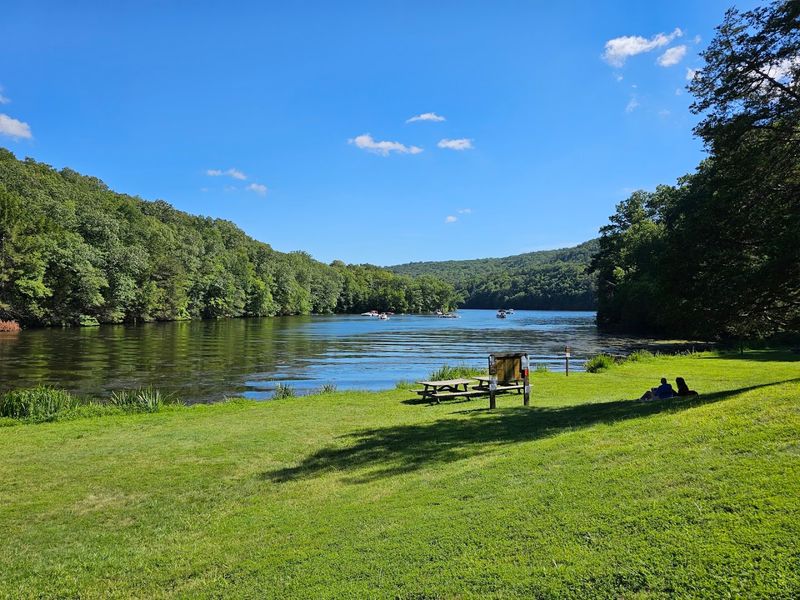
Even when you’re not swimming or boating, Lake Zoar shapes the entire Kettletown experience. The massive reservoir creates a sense of openness and tranquility that wouldn’t exist if this were just another wooded park.
Water has a way of making places feel more peaceful.
The lake was created when Stevenson Dam was built on the Housatonic River in the 1920s. Today it stretches for miles, its surface changing constantly with wind and weather.
On calm mornings, the water mirrors the sky perfectly.
From various points throughout the park, you’ll catch glimpses of Lake Zoar between the trees. These partial views create anticipation, drawing hikers toward the water.
When trails finally emerge at the shoreline, the full expanse feels like a reward.
Boaters occasionally pass by, their wakes creating gentle waves that lap against the shore. Waterfowl bob on the surface, and if you’re quiet, you might spot turtles sunning themselves on half-submerged logs.
The lake supports its own ecosystem while providing the scenic focal point that makes Kettletown memorable.
Fishing Gives The Park Another Reason To Visit
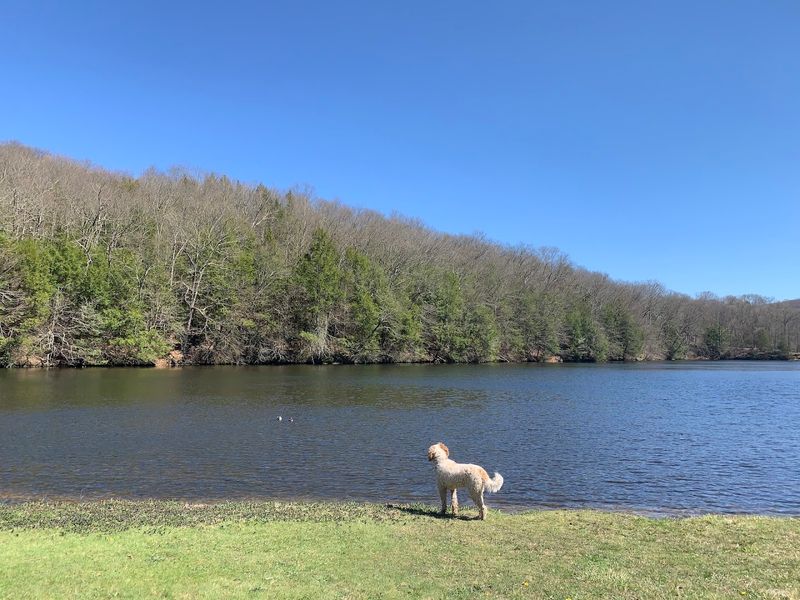
Anglers appreciate Kettletown for its access to quality freshwater fishing. Lake Zoar and the Housatonic River both hold various fish species, making the park a solid choice for anyone who prefers fishing to hiking or wants to combine both activities in one trip.
The lake contains largemouth bass, smallmouth bass, northern pike, yellow perch, and several other species. Fishing from shore provides opportunities to cast into deeper water where these fish often gather.
The changing seasons affect fish behavior and location.
Spring brings spawning activity that makes fish more active and catchable. Summer fishing often works best early morning or evening when temperatures cool.
Fall sees fish feeding heavily before winter, creating another prime fishing window.
What makes fishing at Kettletown particularly appealing is the scenery. You’re not just standing at a concrete boat launch or a crowded public access point.
Instead, you’re fishing from a beautiful state park with forests and hills providing the backdrop. The slower pace of fishing fits perfectly with Kettletown’s overall peaceful atmosphere, giving visitors a chance to relax completely.
Picnic Areas Make It Easy To Stretch Out The Visit
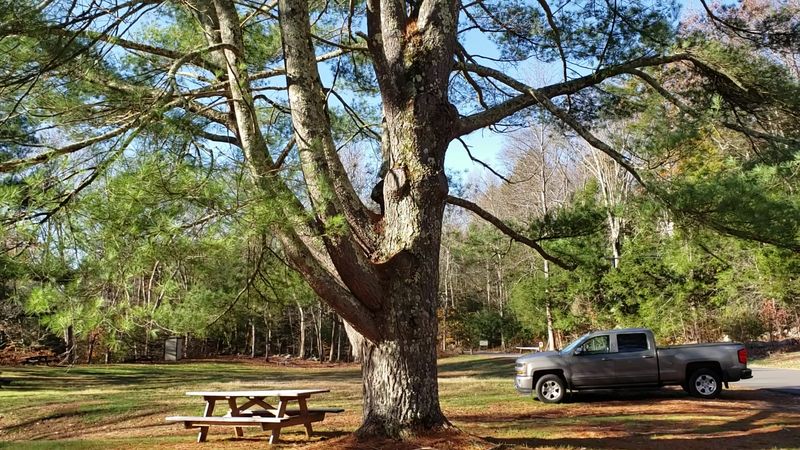
Sometimes the best park visits aren’t about constant activity but rather finding a comfortable spot and settling in for a while. Kettletown’s picnic areas provide exactly that opportunity, with shaded tables scattered throughout the grounds where families and friends can share meals and conversation.
The picnic spots sit under tall trees that provide natural cooling on hot summer days. Many tables offer at least partial views of Lake Zoar, giving diners something beautiful to look at while they eat.
The setup encourages people to linger rather than rush.
Packing a cooler and heading to Kettletown for a picnic lunch transforms a quick hike into an all-day outing. Kids can explore nearby while adults relax.
Groups can spread out blankets on the grass for a more casual setup.
The picnic areas don’t have elaborate facilities or modern amenities, which actually adds to their charm. You bring what you need, enjoy the natural setting, and take everything with you when you leave.
This simplicity matches the park’s overall low-key atmosphere perfectly, making picnicking feel natural rather than forced.
The Park’s History Starts Long Before It Became A State Park
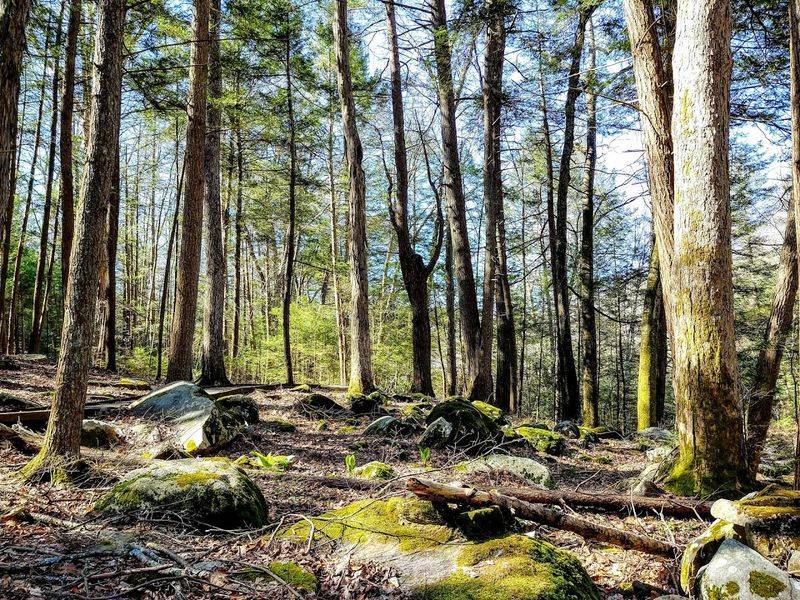
Long before Kettletown became a state park, the Pootatuck people made their home in this river valley. These indigenous inhabitants lived, fished, and farmed along the Housatonic River for generations before European settlement permanently altered the landscape and their way of life.
The name “Kettletown” itself connects to local legend about a land transaction involving brass kettles. Whether historically accurate or not, the name reminds visitors that this land has a deep human history extending far beyond modern recreational use.
When Stevenson Dam was completed in the 1920s, the rising waters of the newly created Lake Zoar flooded the original Pootatuck village site. Homes, fields, and gathering places disappeared beneath the water.
What was once a river valley community became the lake bottom.
This history adds layers of meaning to a visit. The beautiful lake that defines Kettletown today exists because of a dam that permanently transformed the landscape.
Understanding this context doesn’t diminish the park’s beauty, but it does encourage thoughtfulness about how places change over time and whose stories remain visible.
What To Know Before You Go
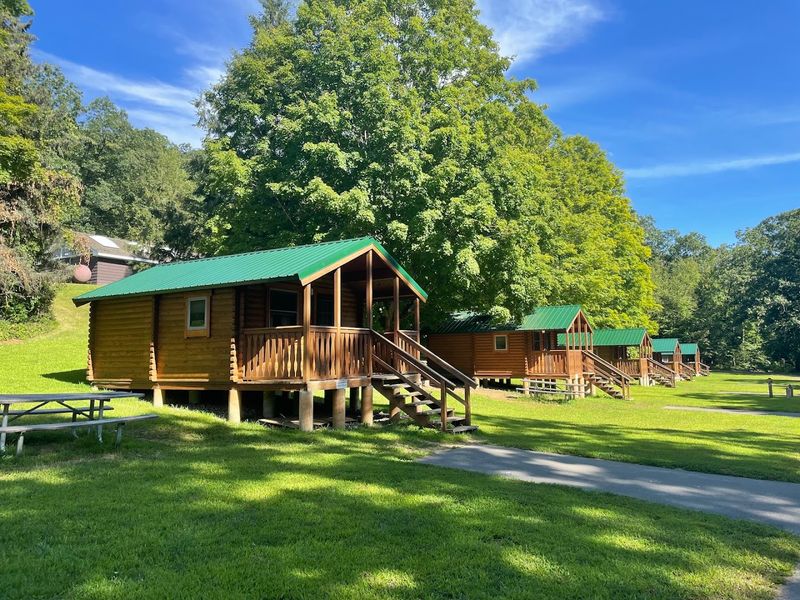
Before visiting Kettletown State Park, check current conditions because the park is partially closed during the 2026 season due to flood damage. The campground remains closed, and three trails—Pomeraug, Crest, and Brook—are currently inaccessible.
However, day-use areas and the popular Miller Trail remain open for visitors.
The park operates daily from 8 a.m. until sunset. Out-of-state visitors should expect to pay parking fees on certain days, typically weekends and holidays during peak season.
Connecticut residents with registered vehicles may enter free on most days.
Important rules include a complete prohibition on swimming, despite the lake’s presence. The water stays off-limits for safety reasons.
Alcohol is also prohibited throughout the park.
Dogs are welcome but must remain on leash in all permitted areas. This allows pet owners to bring their companions while ensuring other visitors feel comfortable and wildlife stays undisturbed.
The park is located at 1400 Georges Hill Road in Southbury.
Planning ahead and understanding these restrictions helps ensure a smooth visit without surprises or disappointments upon arrival.