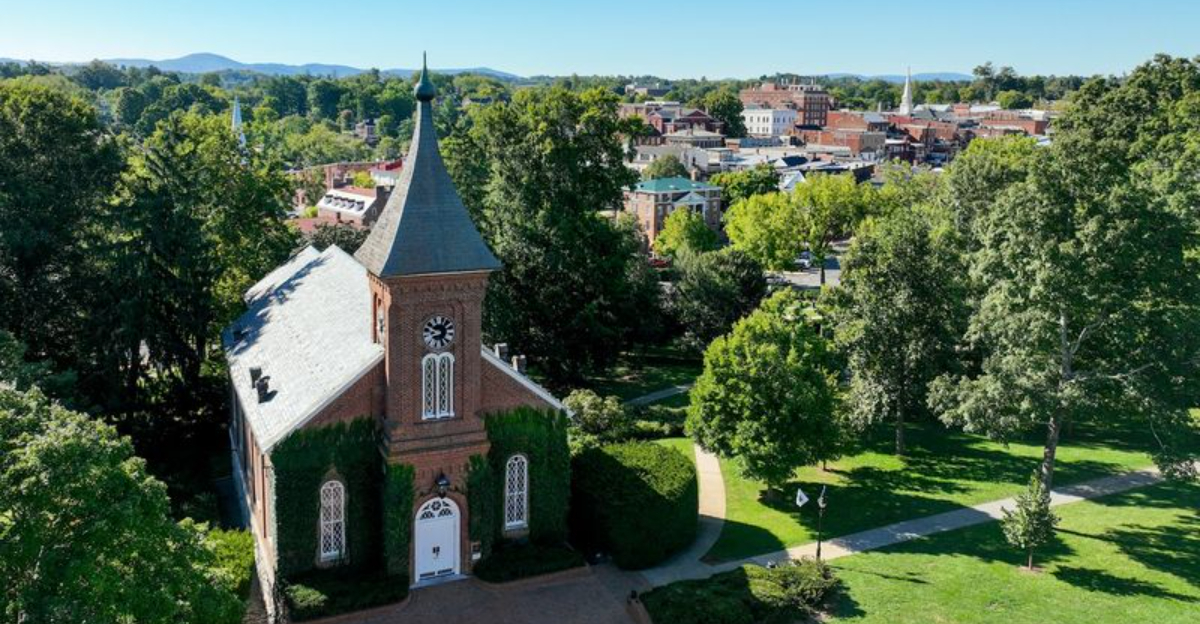
Step into Lexington, Virginia, and the first thing you notice is how easily the modern world seems to soften around its brick sidewalks, church steeples, and mountain framed streets.
This small Shenandoah Valley city feels suspended in another century, yet it never comes across as stiff or stage set, because college energy, local shops, and everyday life keep the scene warmly alive.
You can spend a day here admiring Federal style facades, tracing Civil War history, ducking into bookshops, and listening to carriage like clip clops echo near handsome old buildings.
If you love places that reward slow wandering, vivid details, and the thrill of discovering a town that still looks remarkably true to itself, Lexington offers one of Virginia’s most memorable walks, with enough stories, architecture, and mountain atmosphere to keep you looking up, turning corners, and wanting just one more block before heading home.
Historic Downtown Lexington
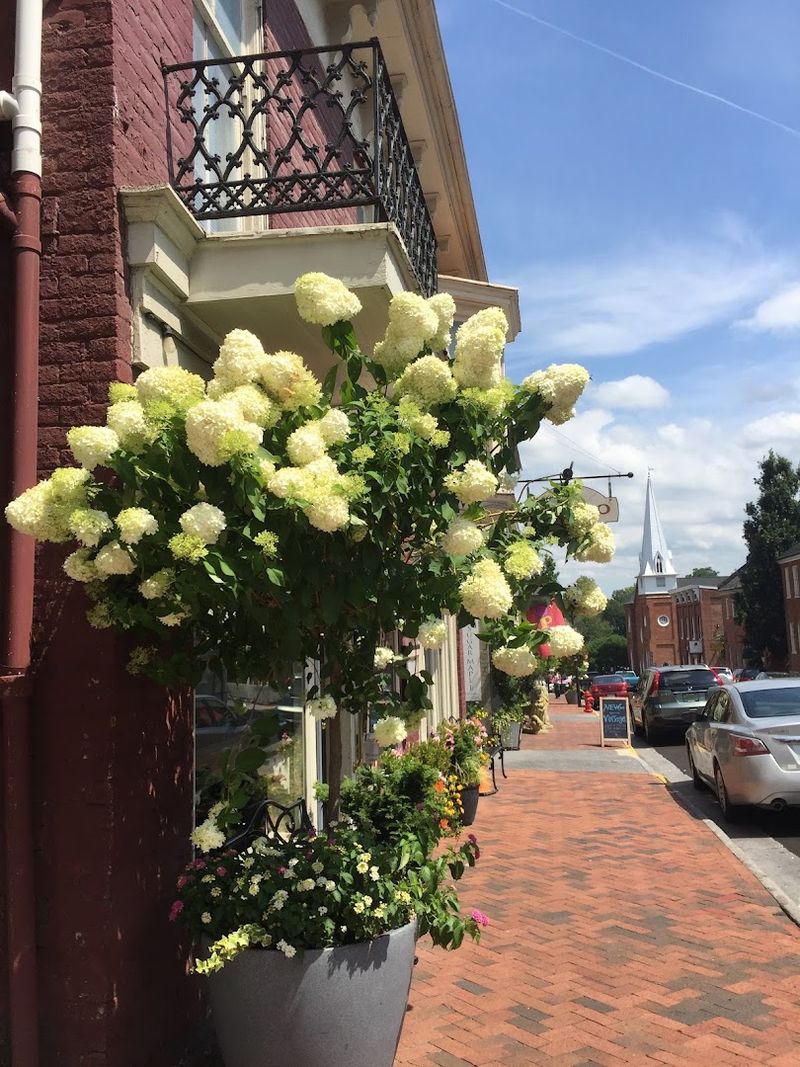
The magic starts under your feet in downtown Lexington, where brick sidewalks and handsome old facades make an ordinary walk feel cinematic.
You are surrounded by buildings that date largely from the eighteenth and nineteenth centuries, yet the district still functions as the town’s everyday commercial heart.
That mix gives the streets an easy authenticity, because this is not a re-created village but a living center with bookstores, boutiques, galleries, and cafes tucked into historic storefronts.
Look up as often as you look in shop windows.
You will spot decorative cornices, tall sash windows, painted signs, and church spires that rise above a compact grid shaped long before cars set the pace.
The Blue Ridge and Allegheny landscapes nearby also help frame the scene, giving even short strolls a mountain town freshness that keeps the setting from feeling overly formal.
A slow wander works best here.
Pause on Washington Street, drift toward Main Street, and notice how students, locals, and visitors share the same blocks without disturbing the town’s old fashioned rhythm.
Lexington feels photogenic at almost every angle, but its real appeal comes from motion, footsteps, conversation, and the pleasure of discovering that history still looks comfortably lived in.
Washington and Lee University Campus
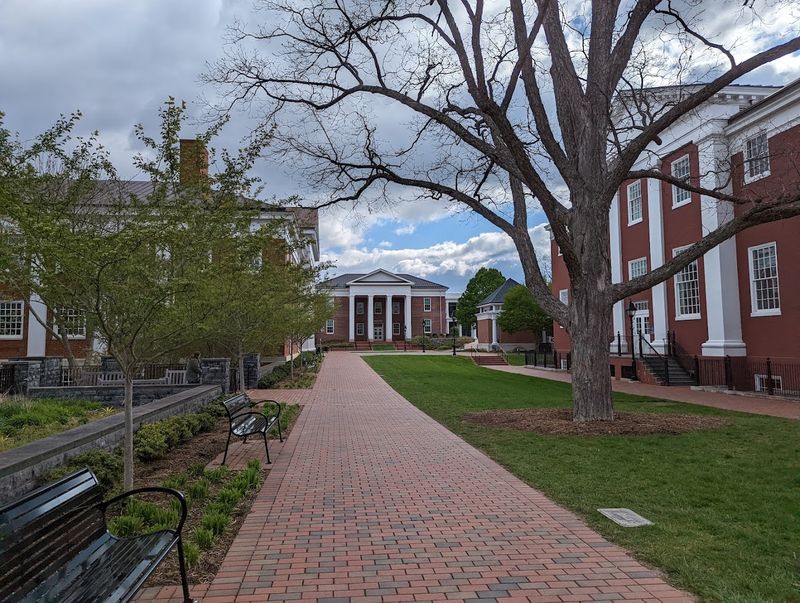
College towns often buzz, but Washington and Lee University adds a calm, polished elegance to Lexington that fits the city’s historic mood beautifully.
Founded in 1749, the university ranks among the nation’s oldest institutions, and its campus brings together red brick buildings, colonnades, and shady lawns that feel perfectly tuned to the surrounding streets.
When you walk beside the academic halls, the effect is stately without being cold, and even a short visit gives the town extra layers of history and architectural character.
The campus is especially rewarding for people who like details.
You can admire balanced facades, cupolas, and walkways that seem designed for unhurried conversation, then shift your gaze toward the mountains and realize how naturally the setting and the school belong together.
Students moving between classes keep the grounds lively, which prevents the place from feeling frozen inside its own legacy.
Because the university sits so close to downtown, it blends into a larger Lexington experience rather than standing apart from it.
You can browse a shop, grab coffee, and be under old trees on campus minutes later.
That seamless transition from town streets to academic greens is one reason Lexington feels both intellectually rich and wonderfully walkable.
Virginia Military Institute Parade Ground
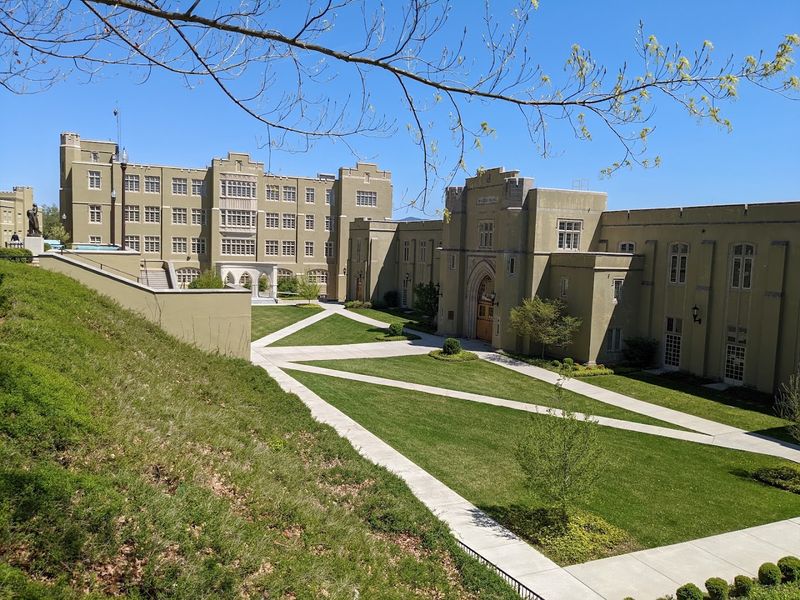
If you want a different side of Lexington’s character, head toward the Virginia Military Institute, where discipline and tradition shape the view.
Founded in 1839, VMI is one of the oldest state supported military colleges in the United States, and its architecture gives this part of town a formal, memorable presence.
The parade ground, barracks, and surrounding buildings create a striking visual contrast with the softer storefront charm found downtown, yet the two settings belong to the same compact city.
Even when you are simply observing from public areas, the atmosphere stands out.
Cadets moving with purpose, stone and brick structures, and broad open space combine to create a scene that feels ceremonial without becoming inaccessible.
There is a rhythm here that makes you slow down and pay attention, especially if you appreciate places where history is not only preserved but actively practiced.
VMI also helps explain why Lexington feels so historically dense for its size.
The institution has shaped the city’s identity for generations, and its presence adds depth to any walking tour.
Whether you come for architecture, military history, or pure curiosity, this campus gives Lexington a sharper edge that balances the town’s quieter postcard beauty.
Stonewall Jackson House
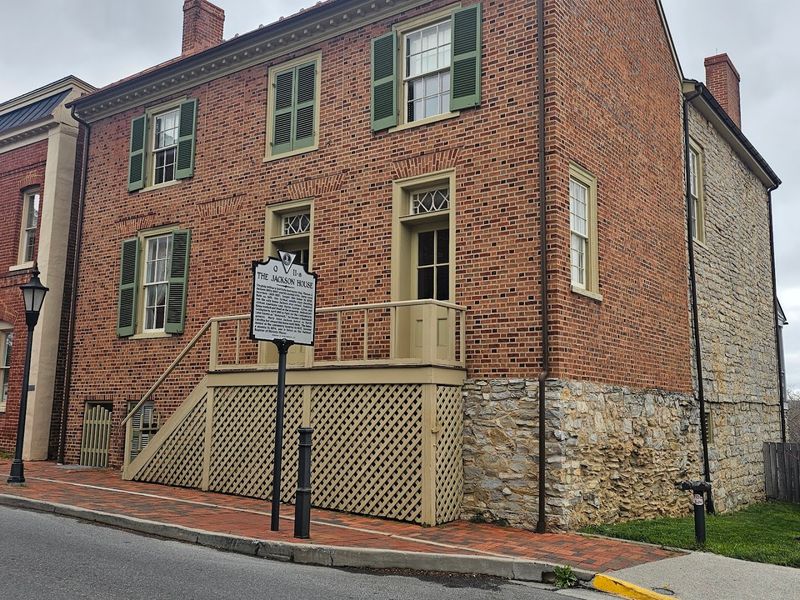
A smaller house can sometimes tell a bigger story, and the Stonewall Jackson House proves that point the moment you see its modest brick exterior.
This was the only home Thomas Jonathan Jackson ever owned, and today it operates as a museum that offers a tightly focused glimpse into domestic life in Lexington before the Civil War.
Rather than overwhelming you with scale, the site draws you in through intimacy, because the rooms and furnishings make the past feel personal and immediate.
Inside, the preserved setting helps you picture the routines that unfolded here when Jackson taught at VMI and lived as a local resident.
Objects, decor, and period details connect the national story to an actual neighborhood context, which matters when a figure so often reduced to battlefield legend becomes part of an ordinary town address.
That shift in perspective makes the visit more thoughtful than many headline driven historic stops.
The house also fits beautifully into Lexington’s walkable fabric.
You can tour it, step back onto the sidewalk, and continue through streets that still resemble the era the museum interprets.
That continuity between exhibit and environment is one of Lexington’s greatest strengths, and it makes the town’s history feel less distant every block you cover.
Lee Chapel and University Chapel Grounds
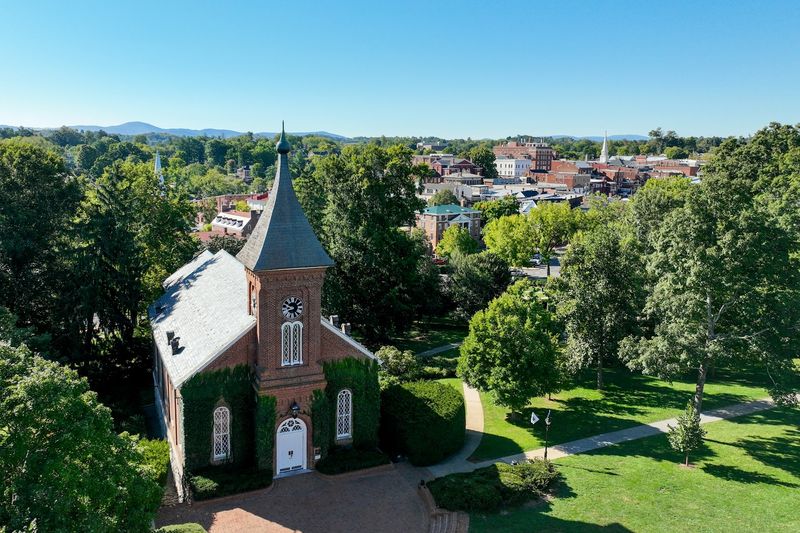
Quiet places can leave the strongest impression, and Lee Chapel is one of those corners of Lexington that invites reflection before you even step inside.
Located on the Washington and Lee campus, the chapel is closely tied to the life and legacy of Robert E.
Lee, who served as the university’s president after the Civil War.
The building itself is restrained and dignified, and its setting among mature trees and brick walkways gives the visit a calm, contemplative tone.
What makes this stop compelling is not only the architecture but the way it concentrates so much of Lexington’s layered history in one place.
You encounter memory, education, mourning, debate, and preservation all at once, which means the site can feel emotionally complex as well as visually elegant.
For many visitors, that complexity is exactly what makes the chapel worth seeing rather than merely photographing.
Outside, the grounds encourage a slower pace.
You can linger, read interpretive material, and take in how the chapel sits within a campus that remains active and well kept.
In a town full of beautiful scenes, this one stands out for its stillness, offering a more inward experience that balances Lexington’s lively streets and shop lined blocks.
Woods Creek Trail

Not every memorable Lexington moment happens beside a historic facade, and Woods Creek Trail proves the town’s gentler side in the best way.
This walking and biking path follows the creek through a greener, quieter setting, giving you an easy break from architecture without ever feeling far from the city center.
The sound of water, the shade from trees, and the open sky create a welcome contrast to brick streets and campus buildings.
What makes the trail special is how naturally it broadens your impression of Lexington.
You start to see the city not just as a preserved historic place, but as a lived in community where residents exercise, chat, and move through everyday routines with the mountains never too far away.
That ordinary use gives the landscape warmth, and it keeps the town from feeling like a museum under glass.
If you have spent the morning touring chapels, homes, and downtown blocks, this is a smart reset.
A stretch along Woods Creek lets you slow your breathing, notice birdsong, and appreciate the valley setting that has always shaped Lexington’s identity.
By the time you return to town, the old buildings often look even better, because now you have seen the natural backdrop that makes them feel so distinctly Virginian.
Boxerwood Nature Center and Woodland Garden

For a town known for history, Lexington also knows how to surprise you with pockets of living beauty, and Boxerwood does exactly that.
This woodland garden and nature center offers trails, native plantings, and educational spaces that reveal another dimension of the city’s appeal beyond stone, brick, and famous names.
If you crave a quieter stop where the mood shifts from archival to earthy, Boxerwood feels like a graceful change of pace.
The setting encourages close looking.
Instead of facades and monuments, you notice bark textures, seasonal color, birds moving through branches, and the soft layering of garden spaces shaped to feel both cared for and natural.
That experience fits Lexington well, because the city has always been tied to the valley landscape that surrounds it, even when visitors focus first on the built environment.
Boxerwood is especially satisfying near the end of a day spent walking the historic core.
It lets you trade interpretation panels for fresh air while still staying rooted in what makes Lexington distinct, namely the relationship between town life and mountain setting.
When you leave, the city feels more complete, as though you have seen both its carefully preserved face and the quieter natural spirit that helps keep the whole place beautifully balanced.